
16 min 16 sec
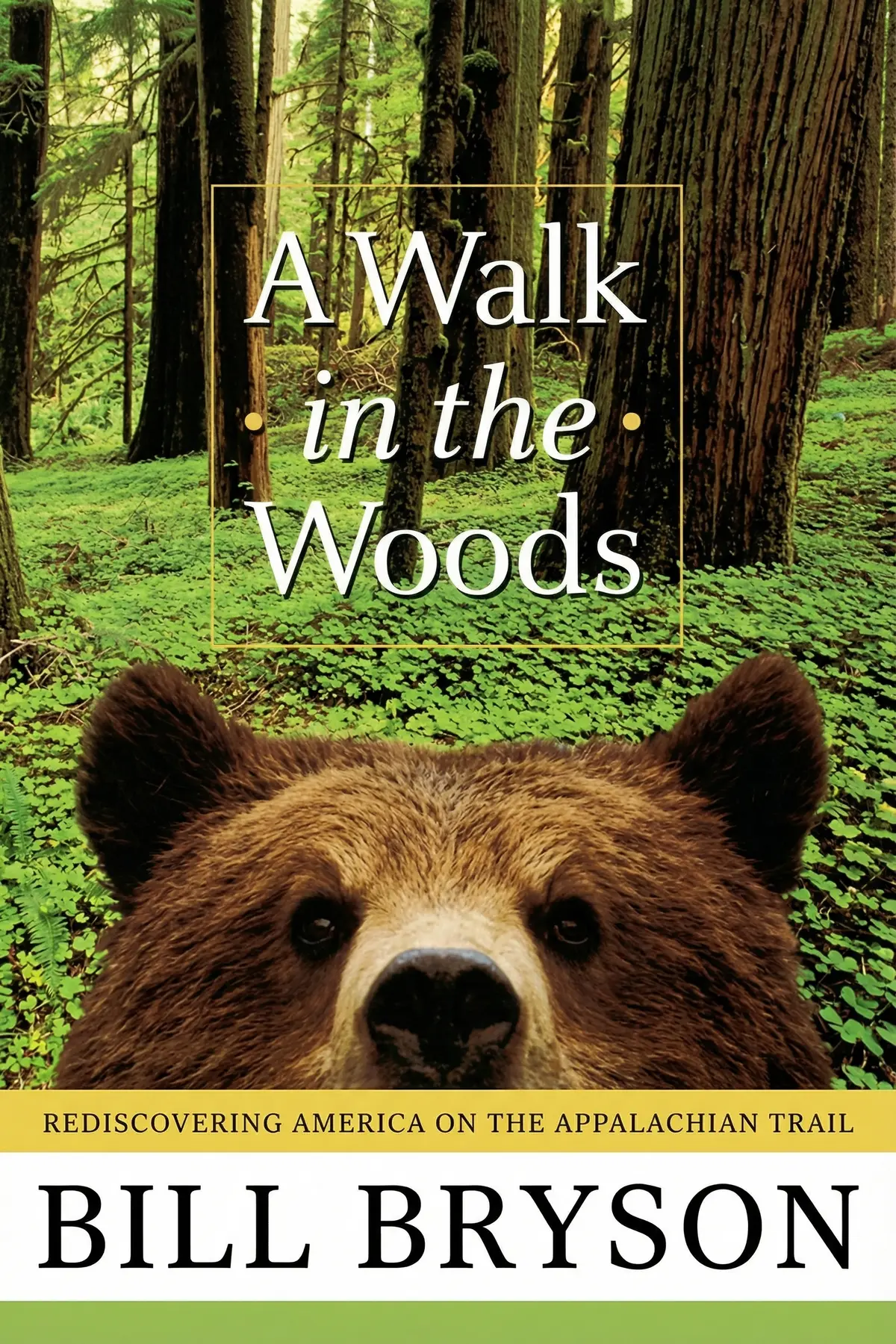
Braiding Sweetgrass: Indigenous Wisdom, Scientific Knowledge, and the Teachings of Plants
Explore the intersection of botanical science and indigenous heritage. This summary reveals how ancestral wisdom and ecological awareness can heal our relationship with the natural world through gratitude and mutual care.
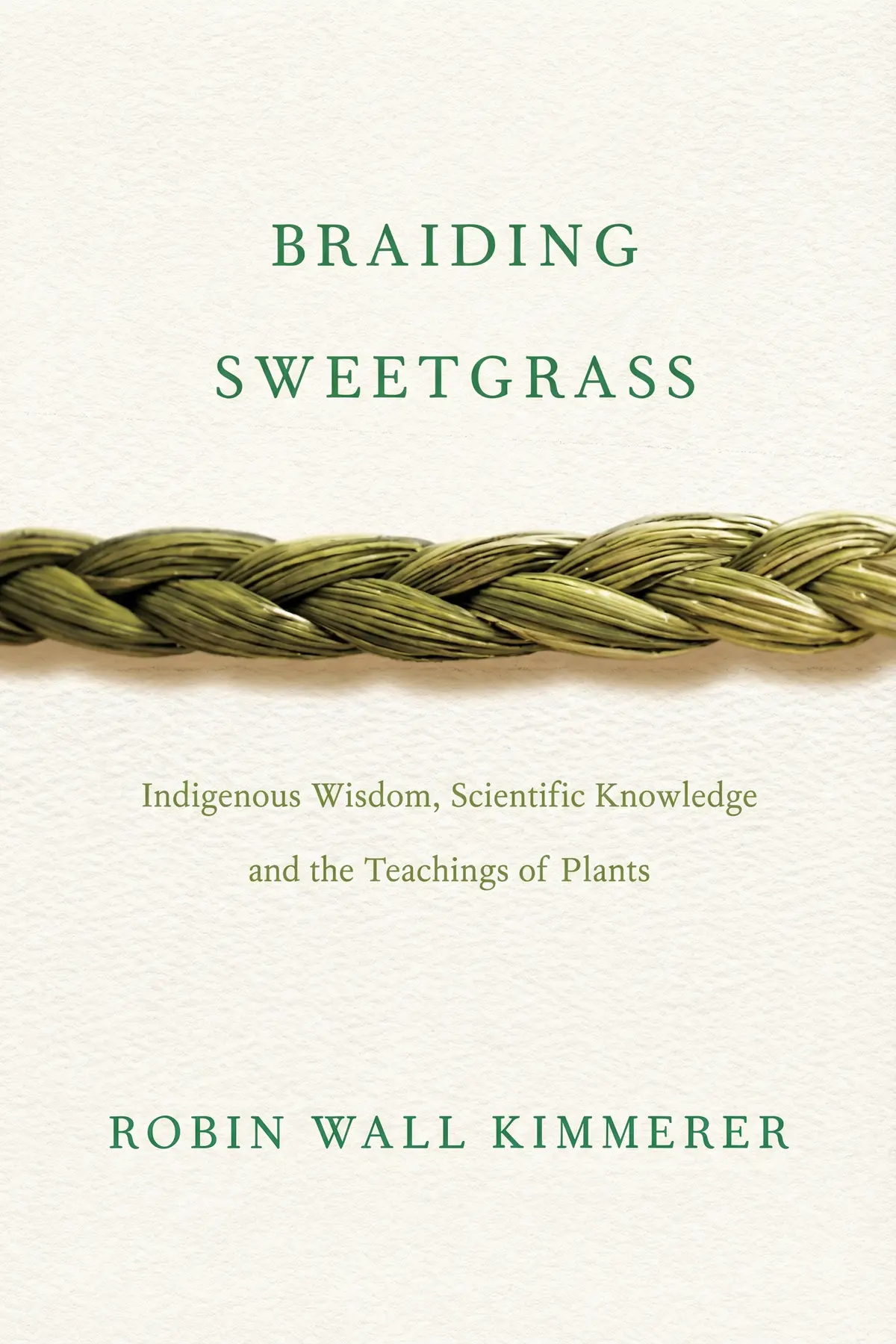
Table of Content
1. Introduction
1 min 55 sec
In our modern era, we are often bombarded with headlines detailing the steady decline of our planet. We hear of rising temperatures, the quiet disappearance of vital pollinators like bees, and the slow erosion of our coastlines. It can feel as though we are witnessing a slow-motion catastrophe, leaving many of us feeling helpless and disconnected. But what if the solution to these global crises isn’t just found in a laboratory or a legislative bill? What if the answers have been growing beneath our feet and living in the stories of our ancestors all along?
This is the central invitation of our journey today. We are looking at a unique way of understanding the world that ‘braids’ three distinct strands together: the precision of scientific inquiry, the profound depth of indigenous wisdom, and the intimate lessons offered by the plants themselves. By looking through these different lenses simultaneously, we can begin to see a path forward that is based not on extraction and fear, but on gratitude and restoration.
Throughout this exploration, we’ll move beyond the clinical data of environmental science to understand the heartbeat of the land. We will discover how the history of a single sacred plant, sweetgrass, mirrors the resilience and struggles of the Potawatomi people. We will examine the difference between a world that treats nature as a warehouse of goods and one that treats it as a series of gifts. Most importantly, we will see that the fate of humanity is not separate from the fate of the environment. They are one and the same. If we want to save our future, we must first learn how to change our role from masters of the earth to members of its community. Let’s begin by looking at how our very first lessons in life shape the way we view the world’s abundance.
2. The Philosophy of the Gift vs. the Market
2 min 14 sec
Discover how our perception of the natural world shifts when we view the earth’s bounty as a collection of gifts rather than a list of commodities available for purchase.
3. Sweetgrass and the Parallel of Displacement
2 min 07 sec
Explore the symbolic history of sweetgrass and how its struggle to survive in a changing landscape reflects the resilience and history of indigenous peoples.
4. Reciprocity as a Lifelong Journey
2 min 12 sec
Follow the journey of a woman through three stages of life and learn how human relationships can serve as a template for our care for the planet.
5. The Principles of the Honorable Harvest
1 min 59 sec
Learn about an ancient set of ethical guidelines that govern how we should take from the earth to ensure its continued vitality.
6. The Wisdom of the Three Sisters
2 min 04 sec
Understand how ancient agricultural techniques, like the symbiotic planting of corn, beans, and squash, offer a blueprint for cooperation over competition.
7. A Legacy of Gratitude for the Next Generation
1 min 57 sec
Discover how changing our daily rituals and educational focus can instill a sense of environmental responsibility in the leaders of tomorrow.
8. Conclusion
1 min 48 sec
As we conclude our exploration of these interconnected ideas, the central message is clear: our survival depends on a fundamental shift in how we perceive our place in the world. We must move away from the destructive idea that we are separate from nature, or that the earth is merely a collection of resources for our use. Instead, we must embrace the ‘braid’—the powerful combination of scientific understanding and indigenous wisdom that recognizes the earth as a living community of which we are a part.
We have seen how the gift economy fosters gratitude, how the history of sweetgrass reminds us of our shared resilience, and how the Three Sisters offer a model for cooperation. We’ve learned that sustainability isn’t just about ‘doing less harm,’ but about active reciprocity—the constant, conscious act of giving back to the systems that sustain us. The path forward is not found in a single technology, but in a million small acts of restoration and a change of heart.
To put these teachings into practice, start small but start now. Consider planting a garden, even if it’s just a few pots on a windowsill. Through the act of tending to a living thing, you will begin to understand the nuances of reciprocity. When you eat, take a moment to truly acknowledge the journey of your food and the ‘gifts’ of the soil and sun. Above all, look for ways to be a ‘mother’ to your local environment, whether that’s cleaning up a local park or advocating for the protection of native species. By treating the world with the love and respect we would show a family member, we can begin to weave a future where both humanity and the earth can flourish together.
About this book
What is this book about?
Braiding Sweetgrass is a profound meditation on the connection between humans and the living earth. It bridges the gap between the objective, data-driven world of environmental science and the spiritual, story-based traditions of Native American culture, specifically the Potawatomi Nation. The book posits that our current ecological crisis is not just a failure of policy or technology, but a failure of relationship. By weaving together personal memoirs, indigenous legends, and botanical observations, the narrative offers a roadmap for moving from a culture of consumption to a culture of reciprocity. It promises to shift the reader’s perspective from seeing nature as a collection of resources to seeing it as a community of relatives. Through concepts like the gift economy, the honorable harvest, and the ancient wisdom of the Three Sisters, the text provides actionable insights into how we can restore our environment and ourselves. Ultimately, it is a call to recognize the agency of plants and the responsibility we have to give back to the land that sustains us.
Book Information
About the Author
Robin Wall Kimmerer
Robin Wall Kimmerer is a distinguished writer, scientist, and professor in the Environmental Sciences and Forestry Department at the State University of New York. As the founder of the Center for Native Peoples and the Environment, she works to bridge the gap between traditional ecological knowledge and modern scientific practice. She is also the acclaimed author of Gathering Moss: A Natural and Cultural History of Mosses.
Ratings & Reviews
Ratings at a glance
What people think
Listeners consider this a must-read that blends indigenous wisdom with scientific knowledge. The prose is poetic, and listeners describe it as a stunning homage to the Earth, with each chapter featuring its own distinct story. Additionally, the book touches listeners' souls in a world-changing way, with one listener noting how it gently instructs through relatable narratives.
Top reviews
Tar
This book is essentially a prayer for the planet that managed to reshape how I view my backyard. Robin Wall Kimmerer possesses a rare voice that bridges the gap between the cold, analytical world of botany and the warm, reciprocal nature of indigenous wisdom. I found myself lingering over the chapters on the Three Sisters, captivated by the way corn, beans, and squash work in a symbiotic dance. Personally, the concept of the 'honorable harvest' hit home, reminding me that we are guests here rather than masters. Her prose is undeniably poetic, flowing like the sweetgrass she describes with such reverence. While it is a dense read that requires your full attention, the emotional payoff is immense. This isn't just a book about plants; it is a guide on how to be a better human being in a world that desperately needs us to wake up.
Show moreRapee
As someone who has always felt a deep connection to the woods, reading this felt like finally hearing my own thoughts spoken aloud by a professional. Kimmerer’s writing is soul-touching and profoundly world-changing in its simplicity. She takes complex ecological systems and explains them through the lens of indigenous stories, like the legend of Sky Woman, making the science feel ancient and sacred. The truth is, I’ve never looked at a maple tree the same way after reading her description of their gifts. Every chapter is a self-contained story that builds into a larger argument for environmental justice and cultural preservation. It is a slow, meditative journey that demands you put down your phone and look at the grass. We need more voices like this in the climate conversation.
Show moreDen
The chapter on the Three Sisters—corn, beans, and squash—completely shifted my perspective on how we interact with our food. Robin Wall Kimmerer writes with a tenderness that is rarely seen in scientific literature, yet her botanical expertise shines through every page. She teaches us that the earth loves us back, a concept that feels radical and necessary in our modern, hyper-technologized society. I found myself moved to tears by her accounts of the struggle to maintain indigenous languages and the wisdom lost through forced assimilation. Not gonna lie, I had to read this in small chunks because the ideas are so heavy and meaningful. It’s a quiet, powerful masterpiece that encourages a sacred bond with the land. Every single person should read this to understand what we are actually losing.
Show moreAroha
Few books manage to dismantle your entire worldview while simultaneously offering a warm hug, but this one does it effortlessly. Kimmerer’s exploration of the Potawatomi Nation’s relationship with the land is both heartbreaking and inspiring. I was particularly fascinated by the section on how sweetgrass actually thrives when it is harvested sustainably by humans, proving we can have a positive impact on nature. Her writing style is so fluid and rhythmic that it almost feels like the plants themselves are speaking through her. It’s a beautiful tribute to the Earth that touches the soul in a way most non-fiction fails to do. I finished it feeling a profound sense of gratitude and a renewed desire to protect the natural world. This is a life-changing read that I will be gifting to everyone I know this year.
Show moreMontri
Finally got around to reading this, and I am kicking myself for waiting so long to dive into Kimmerer's world. As a social scientist, I found her insights into the friction between indigenous worldviews and rigid Western data-driven science to be absolutely compelling. She argues that science can be enriched by stories and folklore rather than being a cold, emotionless observation of facts. The book flows well from one narrative to the next, even if the chapters are more like independent essays than a linear story. I was especially moved by the tenderness she shows when discussing her daughters and the legacy she wants to leave for them through gardening. It is a world-changing book that asks us to be grateful for every breath we take. A masterpiece of nature writing that everyone should experience.
Show moreSaengdao
There is a quiet power in these pages that demands you slow down and breathe the scent of the earth. Robin Wall Kimmerer has created something truly special here, a book that feels both like a scientific textbook and a collection of ancient hymns. I loved the focus on the 'democracy of species' and the idea that we should listen to plants as our teachers. The writing is remarkably beautiful, playing on every sense to bring the forest floor to life in your living room. Personally, the stories about the Potawatomi heritage and the struggle for cultural survival were the most impactful for me. While it is a long read, every page feels like a gift of wisdom that we don't deserve but desperately need. This book has taught me so much and changed me for the better.
Show moreYothaka
Ever wonder how a scientist finds spirituality in a microscope? Kimmerer’s blend of Potawatomi tradition and Western science provides a refreshing, nuanced perspective that I haven't found elsewhere. I particularly enjoyed the stories about her restoring her pond for her children, which felt grounded and relatable compared to some of the more abstract sections. To be fair, the middle section regarding basket weaving felt a bit sluggish and lacked the narrative drive of the opening chapters. The book is quite long and tends to repeat its central metaphors about nature as a mother until they lose some of their initial impact. However, the overarching message of gratitude and interdependence is so vital that I can overlook the occasional pacing issues. It is a beautiful tribute to the Earth that gently instructs without being overly preachy.
Show moreDream
Picked this up after seeing it on every 'must-read' list for years, and the hype is mostly justified. The way Kimmerer weaves her personal life as a mother with her professional life as a scientist is incredibly skillful and evocative. Frankly, some of the more spiritual sections felt a little like new-age fluff to me at first, but she always grounds them back in tangible ecological reality. I loved the focus on the gift economy and how it contrasts with our current systems of exploitation. My only real gripe is that the prose can be a bit flowery, which sometimes obscures the scientific points she is trying to make. Still, the message of reciprocity and the need to give back to the land is something I’ll carry with me. It’s an important book for anyone interested in environmental justice.
Show moreSaovapa
Wow, this was a massive undertaking that felt like a feat of endurance at times. While I appreciate the author's credentials as a botanist and her dedication to her heritage, the book is easily 100 pages too long. By the halfway point, every chapter started to follow a predictable formula: a life anecdote, a plant fact, and a lesson on the honorable harvest. Look, the writing is gorgeous, but the metaphors were stretched so thin they started to lose their meaning for me. I loved the beginning, especially the comparison between Sky Woman and Eve, but the structure became quite messy as it went on. It’s hard to object to a book about loving nature, but the experience of reading it was more exhausting than enlightening toward the end. I’d recommend it, but with the caveat that you might want to skim the later chapters.
Show moreVimolwan
Truth is, I have mixed feelings about this one despite its high praise. The botanical facts are genuinely interesting, and I learned a lot about the interdependence of species that I never considered before. However, the author’s tone can feel somewhat sanctimonious, as if she is the sole messenger of truth to a broken society. It bothered me that she critiques modern life so harshly while still existing within the same systems she condemns. To be fair, her prose is high quality and very descriptive, but the lack of a tight structure made the book feel disorganized and rambling. I enjoyed the first few essays immensely, but by the time we got to the basket weaving, my interest was flagging significantly. It’s a good book with a great message, but it didn't quite resonate with me as deeply as it seems to have with others.
Show moreReaders also enjoyed

Beyond Words: What Animals Think and Feel
Carl Safina
Cod: A Biography of the Fish That Changed the World
Mark Kurlansky
Comfortably Unaware: What We Choose to Eat is Killing Us and Our
Richard A. Oppenlander

Cradle to Cradle: Remaking the Way We Make Things
William McDonough


Drinking Water: A History
James Salzman

Earth for All: A Survival Guide for Humanity
Sandrine Dixson-Decleve
AUDIO SUMMARY AVAILABLE
Listen to Braiding Sweetgrass in 15 minutes
Get the key ideas from Braiding Sweetgrass by Robin Wall Kimmerer, plus 5,000+ more titles in English and Thai.
- 5,000+ titles
- Listen as much as you want
- 7-day free trial
- Cancel anytime







