

17 min 49 sec
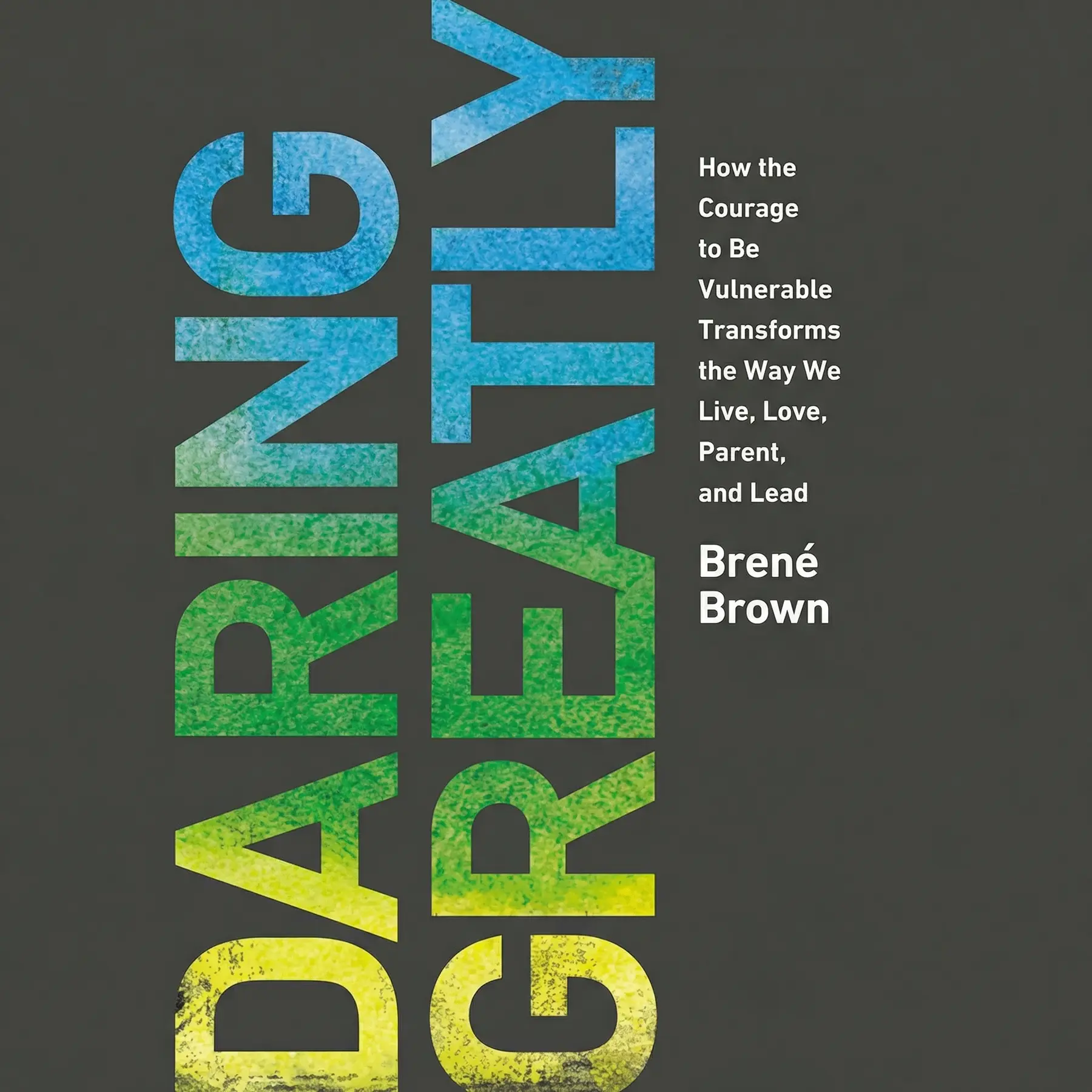
Daring Greatly: How the Courage to Be Vulnerable Transforms the Way We Live, Love, Parent, and Lead
By Brené Brown
Daring Greatly explores how embracing vulnerability and worthiness can dismantle the paralyzing effects of shame, leading to more authentic connections in our personal lives, workplaces, and families.
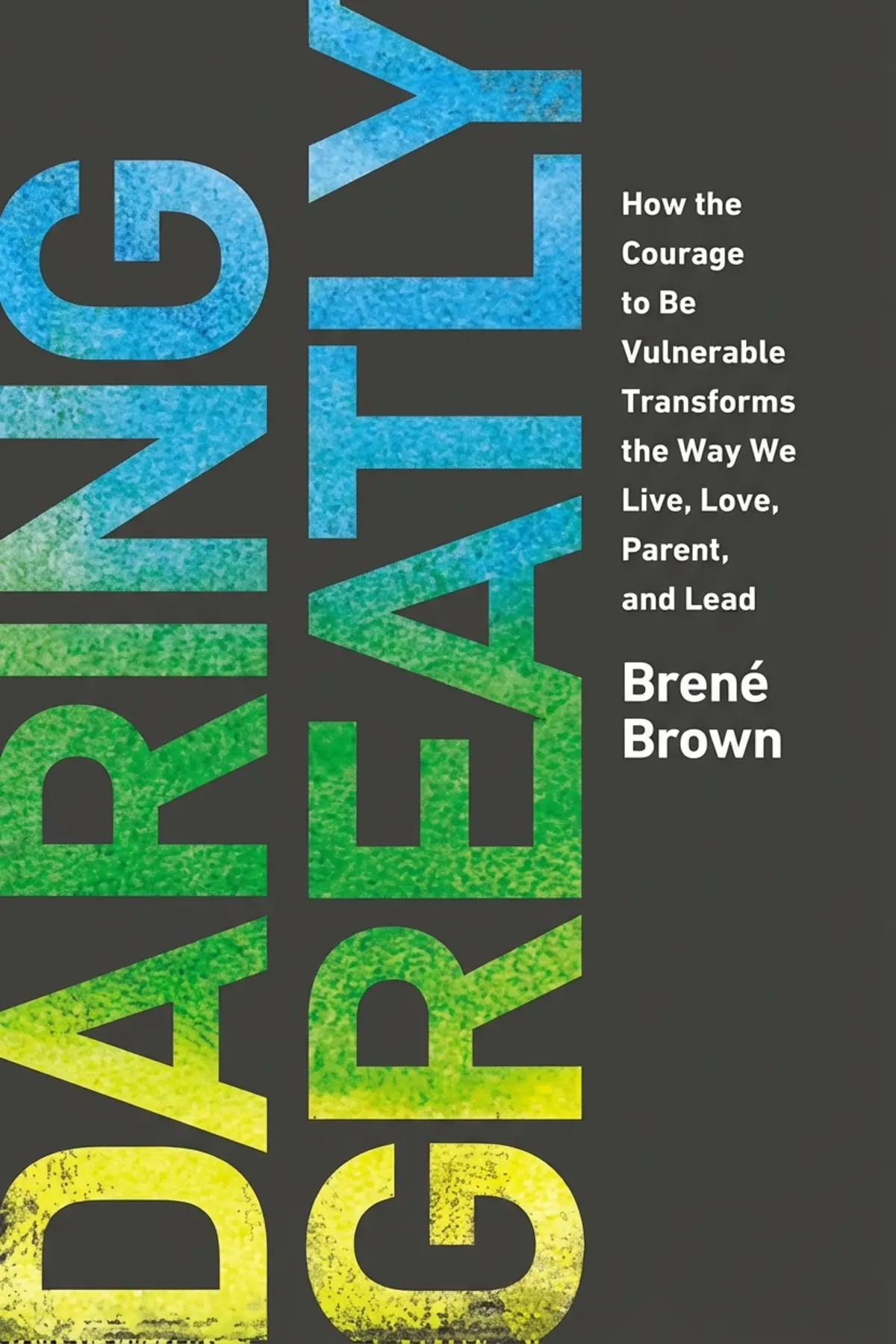
Table of Content
1. Introduction
1 min 53 sec
We often think of courage as something reserved for the bold, the fearless, and the invincible. We imagine the hero standing tall, unaffected by the whispers of critics or the sting of failure. But what if we have it completely backward? What if true strength doesn’t come from a lack of fear, but from the willingness to step into the arena while knowing we might fail? This is the core philosophy behind the concept of daring greatly. It is a call to move away from the sidelines of our lives, where we often hide behind masks of perfection and stoicism, and to embrace the messiness of being human.
In our modern world, we are frequently bombarded with the message that we are not enough. We aren’t productive enough, thin enough, successful enough, or liked enough. This persistent sense of scarcity breeds shame—a quiet, toxic force that tells us we are unworthy of love and belonging if we aren’t perfect. To protect ourselves, we shut down. We stop trying new things, we stop sharing our true thoughts, and we disconnect from the people who matter most. We become experts at avoiding the very thing that would actually heal us: vulnerability.
Throughout this exploration, we are going to look at why we are so afraid to be seen and how that fear is actually holding us back from the lives we want to lead. We will uncover the biological roots of our need for connection and why social rejection feels like physical pain. We will also discover that vulnerability isn’t just the source of our darkest fears, but also the birthplace of our greatest joys, including love, creativity, and innovation. By the end of this journey, the goal is to see that being vulnerable isn’t a liability—it’s the ultimate act of daring. It is the key to transforming our relationships, our work environments, and the way we raise the next generation. Let’s dive into how we can dismantle the walls of shame and start living with a deep sense of worthiness.
2. The Biological Imperative of Connection
2 min 02 sec
Explore why our brains are hardwired to prioritize social belonging and how the fear of being cast out manifests as the paralyzing emotion of shame.
3. The Shadow of Scarcity Culture
1 min 59 sec
Uncover how the modern obsession with ‘never being enough’ fuels comparison and prevents us from acknowledging our inherent value.
4. Vulnerability as the Birthplace of Joy
2 min 03 sec
Learn why the very emotions we try to avoid are the necessary gateways to experiencing love, creativity, and meaningful connection.
5. The Art of Shame Resilience
2 min 00 sec
Discover practical strategies for navigating the ‘shame spiral’ by using empathy and vocalization to diminish its power over your self-worth.
6. Dismantling the Shields of Perfectionism
2 min 08 sec
Understand how we use perfectionism and numbing as protective masks and why these defenses actually hinder our happiness.
7. Rehumanizing Our Institutions
1 min 59 sec
See how fostering an environment of openness and vulnerability can transform schools and workplaces into hubs of innovation and engagement.
8. Raising Wholehearted Children
1 min 46 sec
Learn the importance of being a ‘worthy’ role model and creating a shame-free home to help the next generation thrive.
9. Conclusion
1 min 59 sec
As we reach the end of this exploration, the path forward becomes clear, though not necessarily easy. The journey toward a wholehearted life is not a one-time event; it is a daily practice of choosing vulnerability over self-protection. It requires us to look into the mirror and acknowledge that while we are imperfect and wired for struggle, we are also worthy of love and belonging. This fundamental shift—from ‘what will people think?’ to ‘I am enough’—is the most powerful transformation we can undergo. It is the foundation upon which we can build more authentic connections, more creative careers, and more resilient families.
To live this way means stepping into the ‘arena’ of our lives. There will be critics, and there will be failures. There will be times when we feel the cold sting of shame or the overwhelming heat of uncertainty. But the alternative is to spend our lives on the outside, looking in, never fully experiencing the joy and love that can only be found through true engagement. Daring greatly is about having the courage to show up and be seen, even when we have no control over the outcome. It’s about realizing that our vulnerabilities are not our weaknesses, but our most accurate measure of bravery.
So, as you move forward, try to notice the shields you carry. Notice when you are performing for others or numbing your feelings to avoid the risk of being seen. When you feel the familiar tug of shame, name it. Reach out to someone you trust and find the healing power of empathy. Practice being grateful in the moments of joy rather than waiting for tragedy. And remember, in the end, it is not the critic who counts. It is the person who is actually in the arena, whose face is marred by dust and sweat, but who knows the triumph of high achievement and who, if they fail, at least fails while daring greatly. By embracing your own worthiness and vulnerability, you don’t just change your own life—you give everyone around you the permission to do the same.
About this book
What is this book about?
At its heart, this book is an exploration of the uncomfortable yet essential feelings that define the human experience. It challenges the common misconception that being vulnerable is a sign of weakness, arguing instead that it is the most accurate measure of courage. The narrative examines how a culture of scarcity—the constant feeling that we are never enough—fuels a cycle of shame that prevents us from truly engaging with the world. By drawing on years of research, the book offers a roadmap for moving from a place of fear and self-protection to a life of wholeheartedness. It provides practical insights into how we can build resilience against shame by naming our fears and seeking empathy. Ultimately, the work promises to show how changing our relationship with vulnerability can revolutionize the way we lead businesses, educate students, and raise our children, creating environments where innovation and connection can flourish.
Book Information
About the Author
Brené Brown
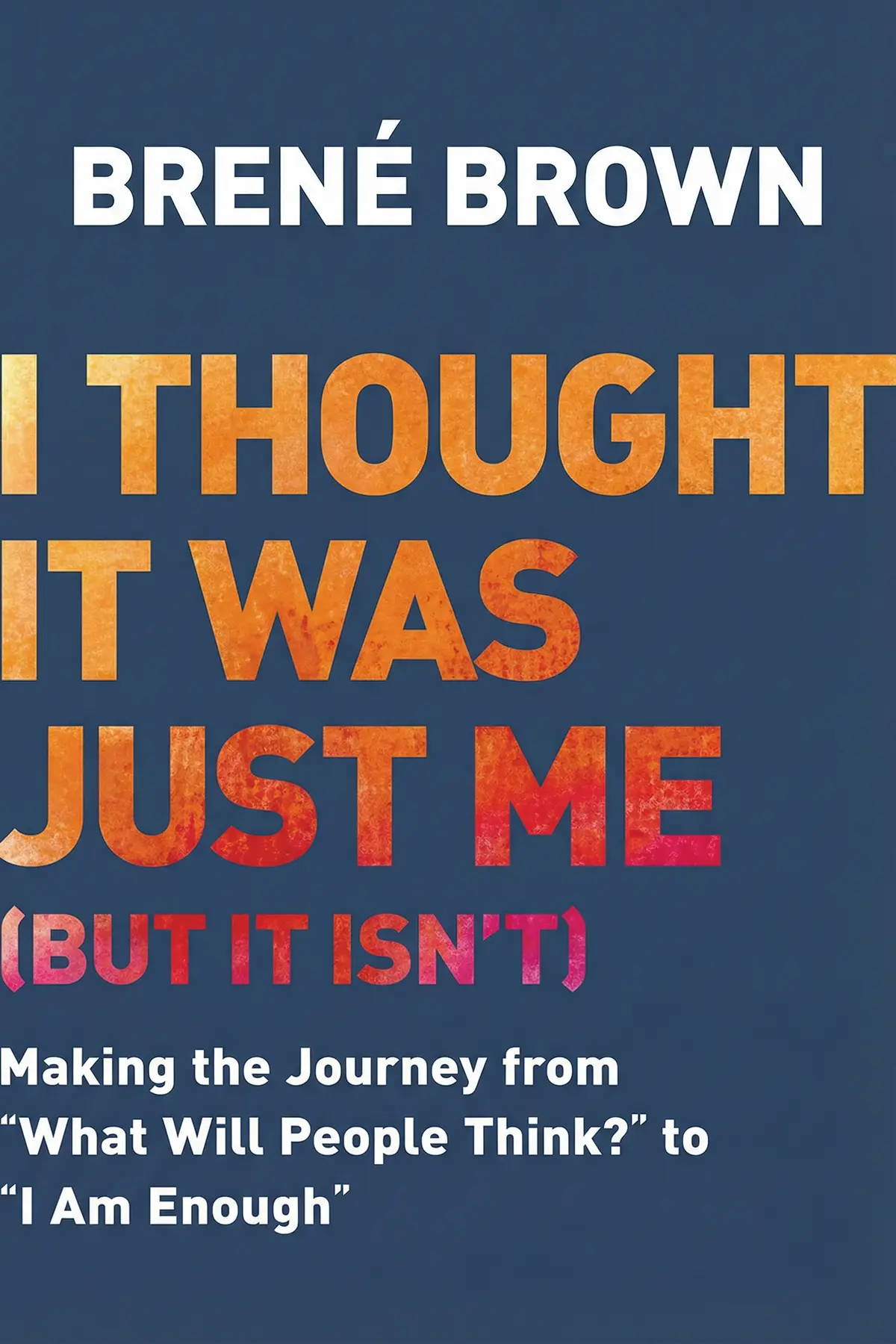
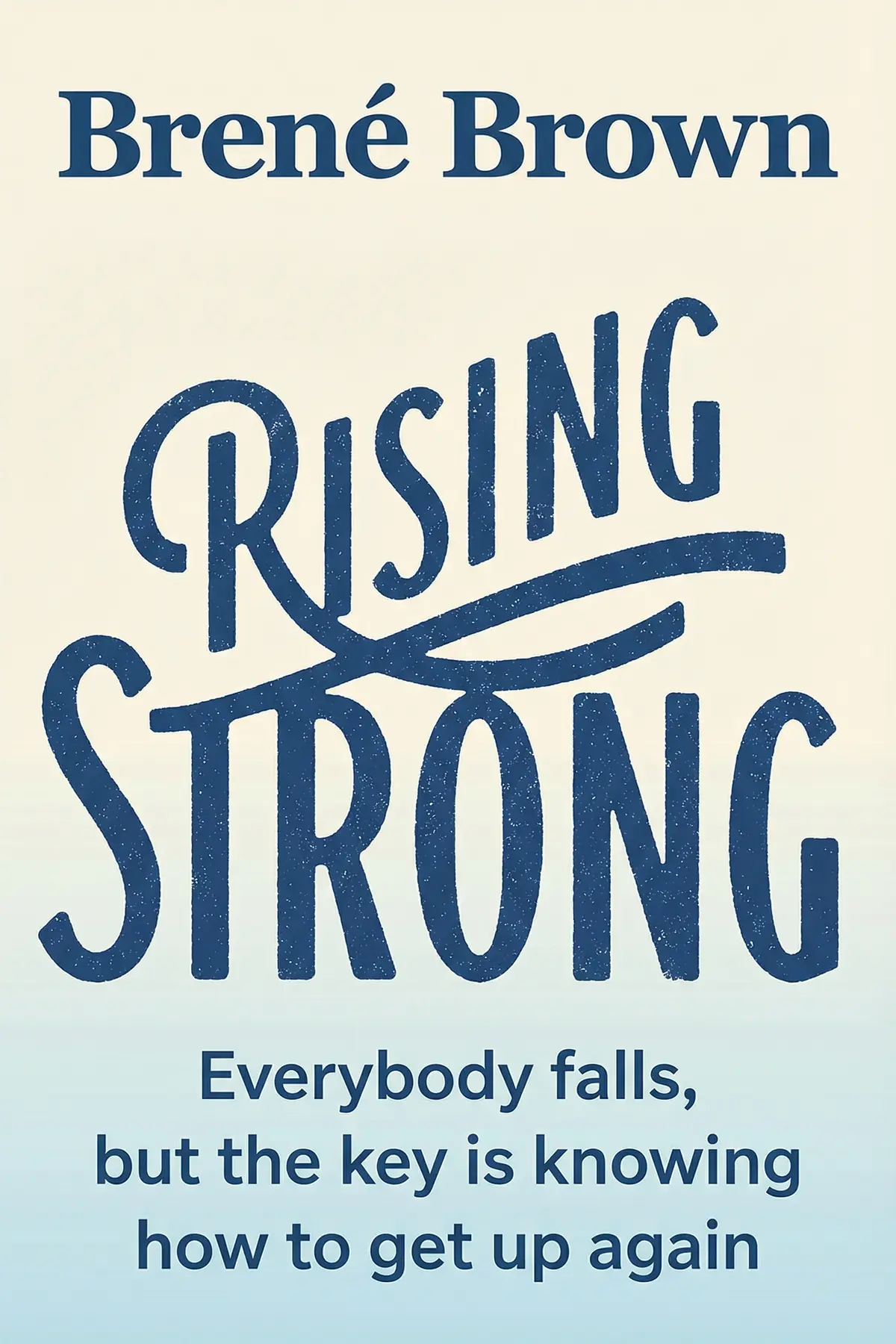
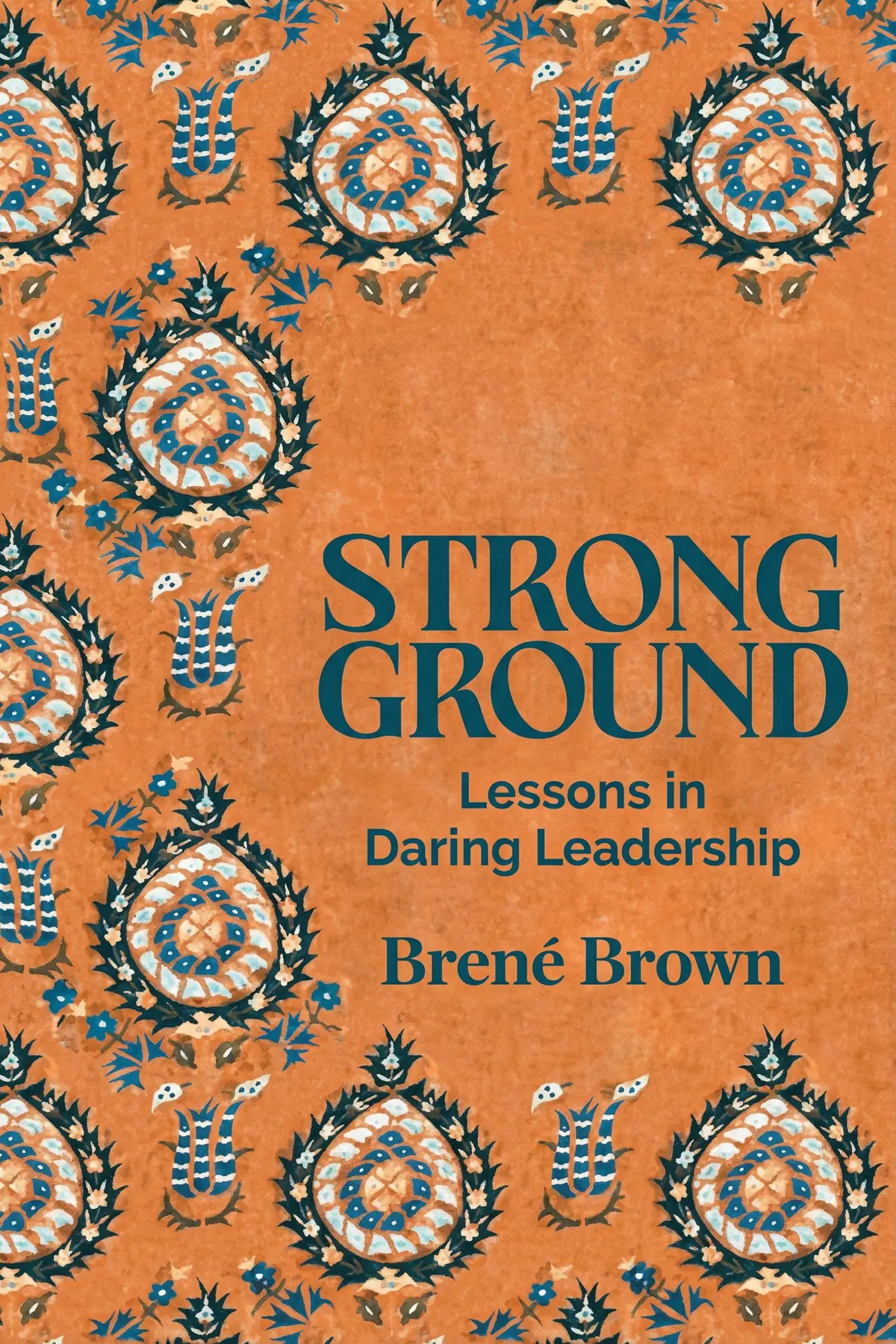
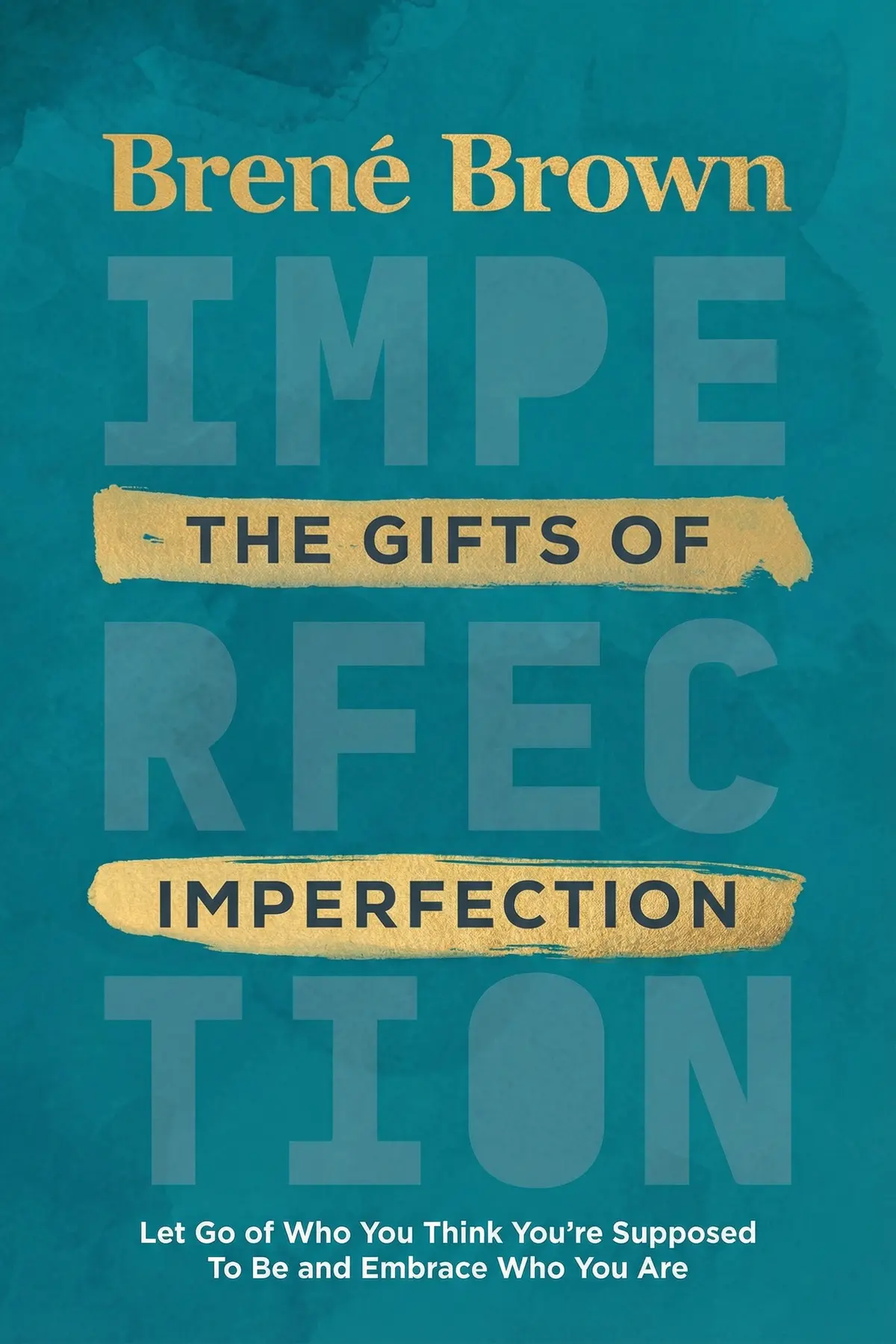
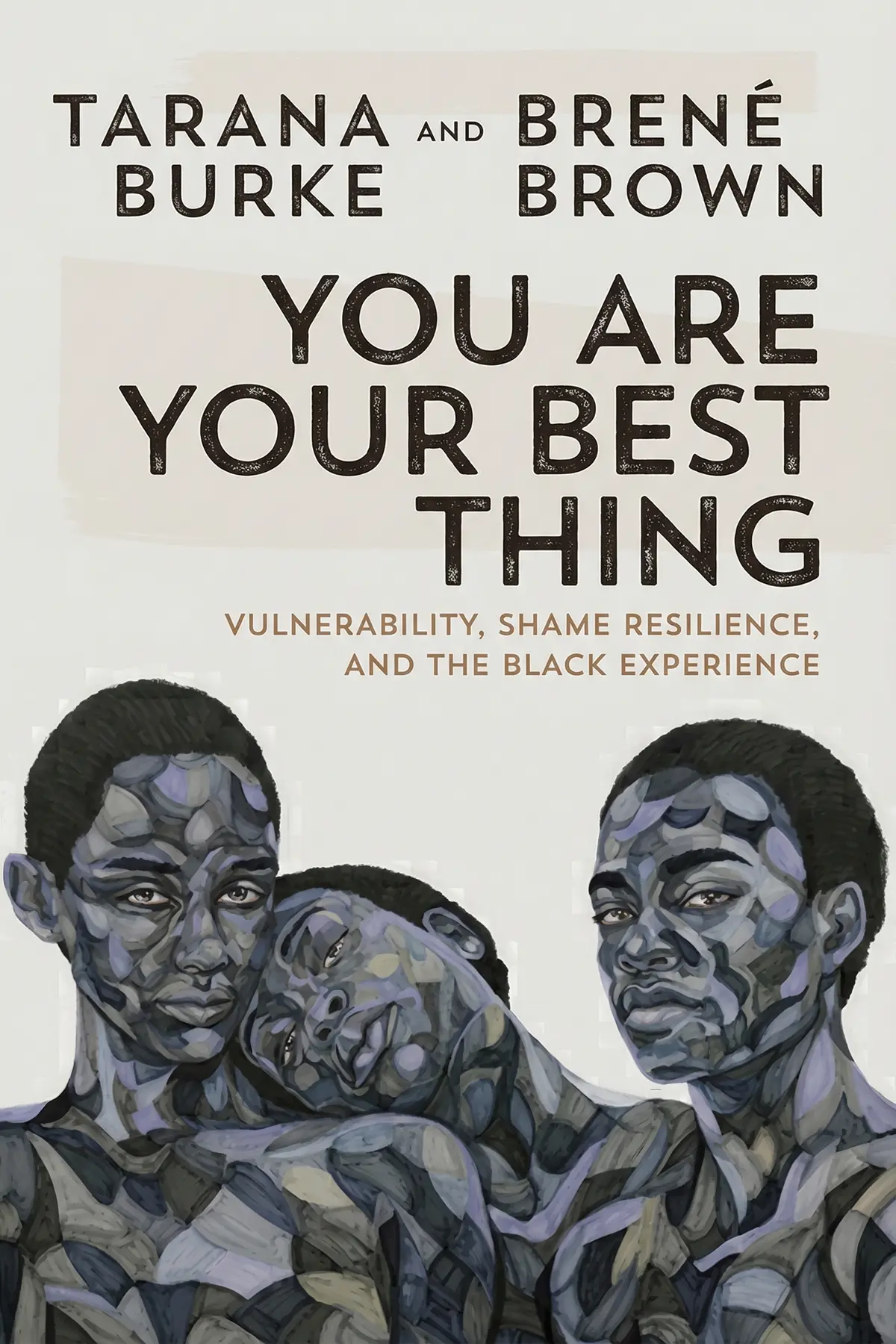
Brené Brown, PhD, is an awarded and renowned research professor at the University of Houston Graduate College of Social Work. She has dedicated more than a decade to researching the complex topics of shame and vulnerability. Her influential body of work includes several notable books on these subjects, such as I Thought It Was Just Me, published in 2007, and The Gift of Imperfection, which followed in 2010.
Ratings & Reviews
Ratings at a glance
What people think
Listeners find this work engaging and enjoyable to consume, noting that the quality of writing makes it accessible and simple to grasp. It provides actionable guidance that aids people in bonding with their inner selves through the acceptance of vulnerability, while simultaneously reshaping their perspective on choices and behaviors. Listeners value the uplifting material, with one mentioning how it prompted personal life reflection, and its stimulating quality that shifts one’s mindset.
Top reviews
Thawee
Picked this up after a friend insisted it would change my perspective on work-life balance, and frankly, it did exactly that. Brown’s writing is surprisingly compelling for a researcher; she doesn’t just dump data on you but weaves it into stories that feel like they were taken from my own life. I’ve always viewed vulnerability as a weakness, but seeing it reframed as the cornerstone of courage was a total lightbulb moment for me. The way she distinguishes between shame and guilt is especially transformative because it changes how you talk to yourself after a mistake. To be fair, some of the personal anecdotes felt a little long-winded, but they helped ground the heavier concepts in reality. It’s an easy-to-understand guide for anyone feeling 'sewn up' or afraid to take risks. I found myself highlighting entire paragraphs on connectivity and the 'scarcity' culture we live in today.
Show moreHunter
After hearing everyone on the internet rave about this for years, I finally dove in and I'm glad I did. It’s much more than just a glorified TED talk; it provides a deeper framework for understanding why we act the way we do when we're scared of rejection. The concept of 'Wholeheartedness' sounded a bit like sappy psychobabble at first, but the deeper I got, the more it resonated with my own struggles with perfectionism. Brown is an expert at naming these hidden emotional habits that keep us stuck in a rut. I will say the audiobook narrator's 'upspeak' was a bit distracting, but the actual content is stellar. It transforms how you understand your own decisions and actions in a way that feels permanent. It's a compelling look at why we avoid the 'arena' of life.
Show moreLucia
As someone who has spent years trying to be a 'control freak' to avoid getting hurt, this book felt like a personal intervention. Brown breaks down the walls we build around ourselves with such clarity that it's almost uncomfortable to read at times. Her definition of vulnerability—uncertainty, risk, and emotional exposure—completely reframed how I view my professional and personal risks. The writing style is very easy to understand and flows well, even when she’s discussing the darker parts of our psyche like narcissism and fear. I appreciated the specific element of 'disengaging' in parenting and how that's often a shield against being vulnerable with our kids. It's truly inspirational content that pushes you to stop playing it safe. Not gonna lie, I cried at least twice while reading the section on 'scarcity.'
Show moreAmelia
Wow. This is one of those rare books that actually changes the way you see every interaction you have with other human beings. Brown takes a topic as heavy as shame and makes it feel like something you can actually tackle and overcome through connection. I loved her point that you can't have joy or peace without allowing yourself to be vulnerable first; you can't selectively numb emotions. The practical advice on how to foster a 'daring' culture in the workplace was particularly useful for me as a manager. I did find the inclusion of certain corporate 'case studies' a bit dated, but the core psychological principles remain very relevant. It’s an easy, thought-provoking read that I’ll likely revisit whenever I feel myself withdrawing into my shell.
Show moreNikolai
Finally got around to reading this and I’m impressed by how Brown handles the intersection of social media and our modern 'not enough' culture. She addresses how we use things like Smartphones and alcohol to numb the discomfort of being ourselves, which felt incredibly convicting. The book is compelling and fun to read, despite the heavy subject matter, because her voice is so authentic and relatable. I particularly enjoyed the section on how men and women experience shame differently—it opened my eyes to the pressures my partner faces that I hadn't considered. While some might find it a bit 'new age,' the truth is that we are hard-wired for connection. This book gives you the vocabulary to pursue that connection more honestly. It's a transformative piece of work.
Show moreBrahim
Truth is, I went into this expecting another superficial self-help book, but it’s actually a deep dive into what it means to be human. Brown’s ability to name the 'shame' that keeps us from being our best selves is nothing short of brilliant. The way she links our fear of vulnerability to the rise in anxiety and addiction in our society is both sobering and empowering. I felt more connected to my own needs after reading her thoughts on 'wholehearted' living and the importance of play and rest. It’s a very thought-provoking book that reframes how you view every decision you make. Even if you aren't a fan of the 'qualitative' research style, the emotional truth in these pages is undeniable. It’s an inspirational read for anyone who wants to stop hiding and start living.
Show moreSarocha
The chapter on parenting was easily the highlight for me, though the rest of the book offers plenty of food for thought as well. It’s one thing to acknowledge that shame is harmful, but seeing how it manifests in how we raise our children—and how to cultivate shame-resilience instead—is incredibly practical advice. Brown’s tone is conversational and fun to read, making what could be a dry subject feel very accessible. My only gripe is that the 'research' feels more like a collection of curated stories than hard, hypothesis-driven science, which might irritate those looking for clinical data. Still, the message about showing up and letting yourself be seen is powerful. It really makes you reflect on the 'armor' you wear in daily life. Highly recommended for anyone wanting to be more connected with themselves.
Show moreMint
Ever wonder why some people seem to bounce back from failure while others get crushed by it? This book dives deep into that question by exploring the mechanics of vulnerability and how we protect ourselves from being 'seen.' Brown’s writing is very easy to understand, though she does have a habit of repeating herself to drive a point home. I found the discussion on 'perfectionism' versus 'striving for excellence' to be a crucial distinction that most of us miss. The research methodology is explained in the appendix, which helped me take her conclusions more seriously, though it still feels more like 'hypothesis generating' than hard proof. It definitely makes you reflect on the cultural narratives we buy into. A few sections felt a bit like they were stretching a TED talk into a full book, but the insights are worth it.
Show moreAhmed
Look, the message here is undoubtedly good, but I struggled with the lack of concrete tools provided in the middle chapters. I wanted more of a 'how-to' manual for daring greatly and less of a sociological report on what people said in interviews. Brown is a gifted storyteller, and her candor about her own 'midlife unraveling' is refreshing in a world of polished self-help gurus. However, the book tends to lean heavily on generalities that left me wanting more specific, actionable steps to implement in my daily routine. The chapter on 'shame shields' was the most useful part for me, as it helped me identify my own defensive patterns. To be fair, it’s a great starting point for self-reflection, even if it feels a bit fluffy in places. It’s a decent read, but I can see why others might find it repetitive.
Show moreSirichai
Teddy Roosevelt would likely find this whole 'vulnerability' movement quite baffling considering the original intent of his 'Man in the Arena' quote. While the author seems like a well-meaning person, I found the underlying science to be incredibly goofy and lacking in rigour. She relies almost entirely on qualitative anecdotes, which feels more like circular reasoning than actual research—the finding is always 'shame' because that's what she's looking for. Frankly, the idea that shame is never helpful is a dangerous oversimplification of human sociology and mental health. Some behaviors should be shamed by society to maintain order and ethics. Much of the book reads like a running monologue of her personal life rather than a guide to help others. If you want science, look elsewhere. If you want a feel-good narrative that ignores existing literature, this is for you.
Show moreFeatured in
Readers also enjoyed

A Guide to the Good Life: The Ancient Art of Stoic Joy
William B. Irvine
A High-Performing Mind: Strengthen Your Mind and Live Your Best Life
Andrew D. Thompson
Abundance: The Inner Path to Wealth
Deepak Chopra
59 Seconds: Change Your Life in Under a Minute
Richard Wiseman
AUDIO SUMMARY AVAILABLE
Listen to Daring Greatly in 15 minutes
Get the key ideas from Daring Greatly by Brené Brown, plus 5,000+ more titles in English and Thai.
- 5,000+ titles
- Listen as much as you want
- 7-day free trial
- Cancel anytime







