

16 min 35 sec
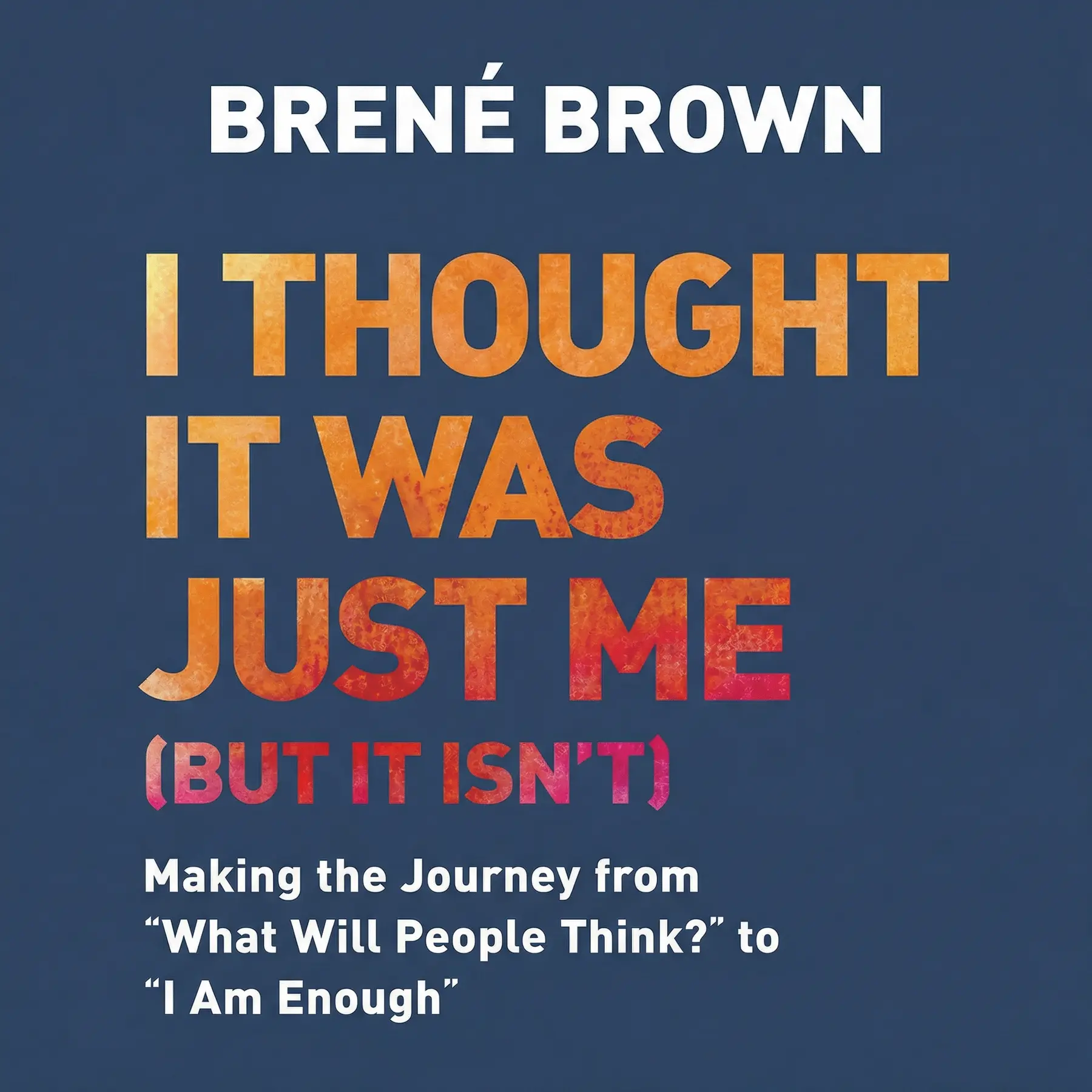
I Thought It Was Just Me (but it isn’t): Making the Journey From “What Will People Think?” to “I Am Enough”
By Brené Brown
Discover how to navigate the complex world of shame and vulnerability. This guide offers research-backed strategies for building resilience, fostering empathy, and embracing a life where you are finally enough.
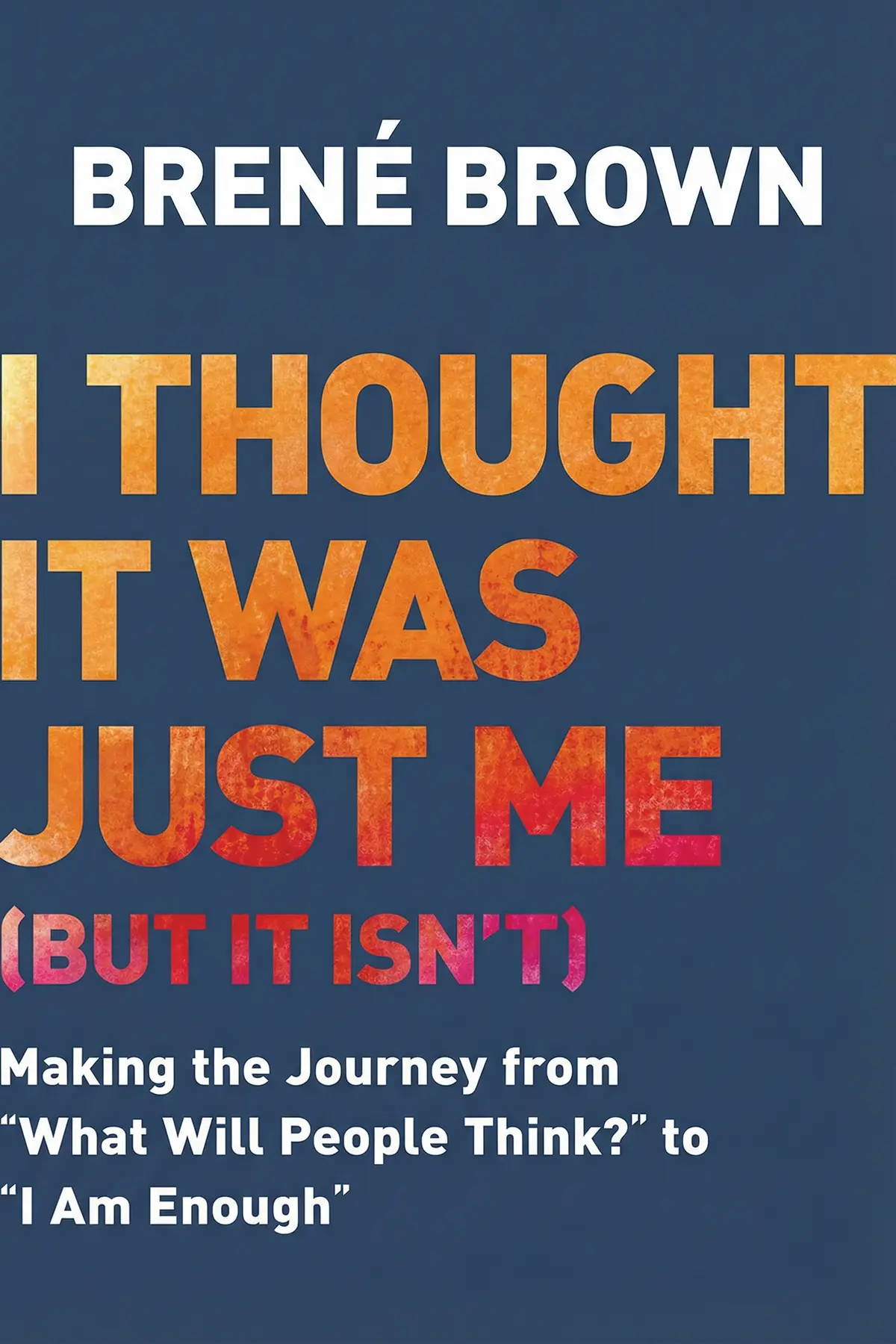
Table of Content
1. Introduction
1 min 43 sec
Imagine a moment from your past that still makes you cringe—a mistake at work, a social gaffe, or a time you felt utterly rejected. That sudden heat in your chest and the desperate urge to disappear is more than just a fleeting embarrassment. It is the experience of shame. We often think of shame as a solitary burden, a unique flaw that proves we are fundamentally broken. We tell ourselves, “I’m the only one who feels this way.” But the reality is that shame is a universal human experience. It is the silent epidemic that keeps us isolated and afraid.
In this journey through the mechanics of our most hidden emotion, we are going to look at what shame really is and why it has such a grip on our lives. We’ll explore the idea that the very things we think make us unlovable are actually the bridges to deeper connection. The throughline of this summary is the transition from a life governed by the fear of “What will people think?” to a life anchored in the belief that “I am enough.”
We will examine how shame thrives in secrecy and how bringing it into the light through empathy and awareness can strip it of its power. This isn’t just about feeling better in the moment; it’s about building a durable kind of resilience that allows us to face the world with our heads held high, even when things go wrong. By the end of this exploration, you’ll understand that while shame is inevitable, it doesn’t have to be the end of the story. You’ll find that the path to belonging doesn’t lead through perfection, but through the courage to be vulnerable and the grace to offer empathy to ourselves and others.
2. Defining the Pain of Disconnection
1 min 59 sec
Uncover the true nature of shame and how it differs from mere embarrassment by looking at the deep-seated fear of being excluded from the group.
3. The Healing Power of Empathy
1 min 47 sec
Explore why empathy is the only true antidote to the isolation of shame and how perspective-taking can bridge the gap between us.
4. Identifying Triggers and Physical Cues
2 min 01 sec
Learn to spot the early warning signs of a shame attack and understand how your personal history shapes what hurts you the most.
5. Developing Critical Awareness
1 min 52 sec
Discover how zooming out to see societal pressures can help you realize that many of your insecurities are manufactured by outside forces.
6. Healing Through Relational Connection
1 min 50 sec
Find out why building a support network is more effective for your self-worth than any individual achievement could ever be.
7. Shattering the Illusion of Perfection
1 min 46 sec
Examine the toxic nature of perfectionism and why embracing vulnerability is the key to fulfilling our most important roles.
8. Anger as a Mask for Shame
1 min 47 sec
Understand why we often lash out in anger when we feel hurt and how this defensive habit actually destroys the connections we need.
9. Conclusion
1 min 50 sec
As we conclude our look at the dynamics of shame and resilience, it’s worth reflecting on how much energy we spend trying to hide our true selves from the world. We’ve seen that shame is a universal experience, rooted in our deep-seated need for belonging and our fear of rejection. We’ve explored how it can be triggered by our past, fueled by societal expectations, and masked by unproductive anger. But most importantly, we’ve discovered that shame does not have to be a life sentence. It is a state of being that can be transformed through the power of empathy, awareness, and connection.
The journey from “What will people think?” to “I am enough” isn’t a destination you reach and never leave; it is a daily practice. It involves catching yourself when you start to spiral into self-criticism and choosing to reach out to a friend instead. It means looking at the polished images of perfection in the media and reminding yourself that they are a manufactured illusion. It means having the courage to be the first one to say, “I’m struggling,” knowing that those words are the key to unlocking the empathy of others.
If there is one takeaway to carry with you, it is this: your imperfections are not what separate you from others; they are what connect you to the rest of the human race. When we stop trying to be perfect and start trying to be authentic, we create space for real relationships and genuine self-worth. You are enough exactly as you are, with all your mistakes and vulnerabilities. By embracing that truth, you not only heal yourself, but you also give everyone around you the permission to do the same. Shame dies when it is spoken in a room full of empathy. So, keep speaking your truth, keep connecting, and remember that you were never alone in the first place.
About this book
What is this book about?
Have you ever felt the crushing weight of judgment, either from others or from the harsh voice inside your own head? Most of us carry a secret burden of shame, fearing that if people saw our true selves, we would no longer belong. This exploration into the heart of our most uncomfortable emotion pulls back the curtain on why we feel "never good enough" and how we can break free from the cycle of self-criticism. By drawing on extensive research and real-life stories, this summary provides a roadmap for transforming shame into connection. You will learn to recognize the physical signs of shame, identify the cultural and personal triggers that set it off, and discover the power of empathy as a healing balm. The promise of this journey is a shift from the exhausting pursuit of perfection to a grounded sense of self-acceptance. It is an invitation to stop hiding and start living with the courage to be seen as you truly are.
Book Information
About the Author
Brené Brown
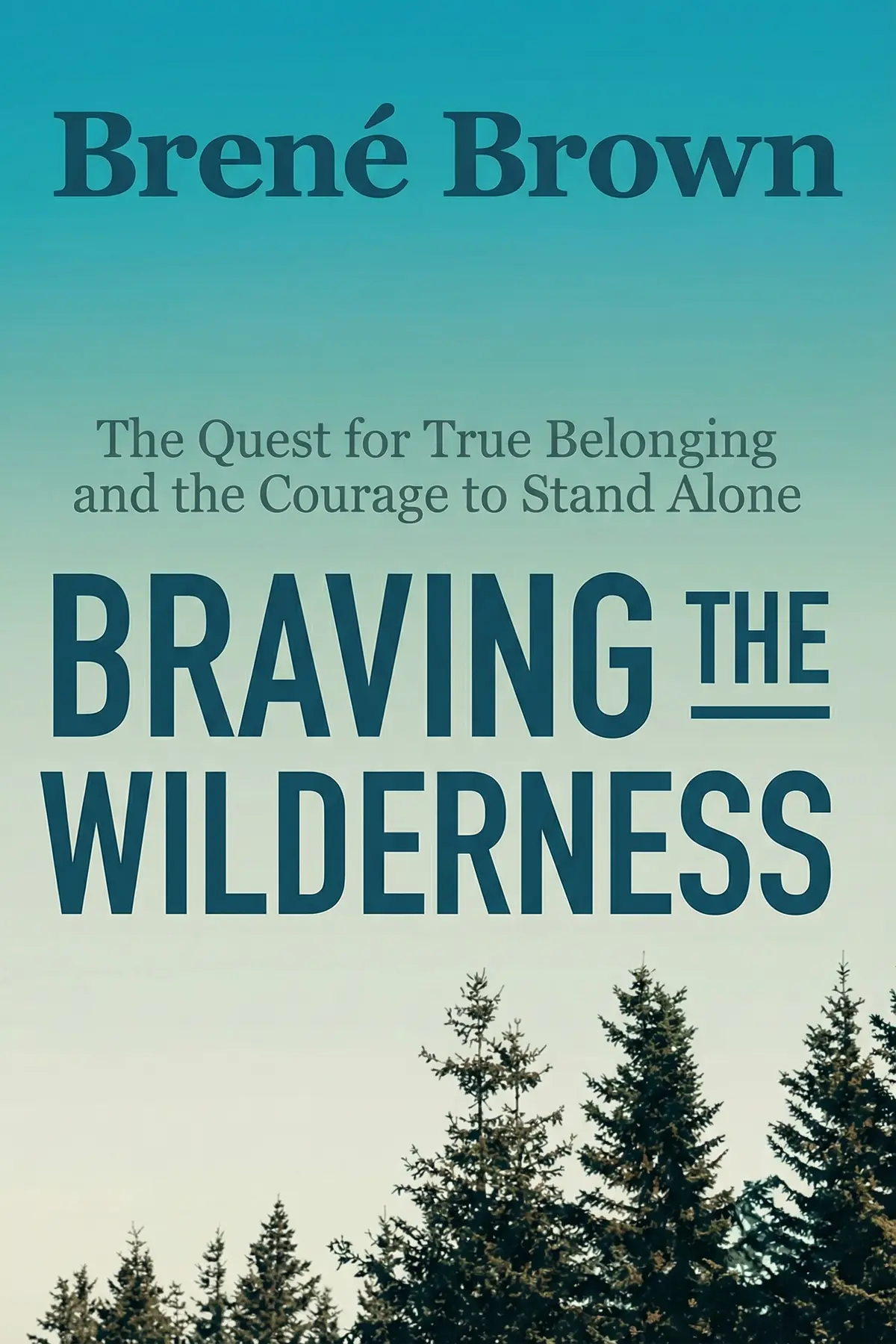
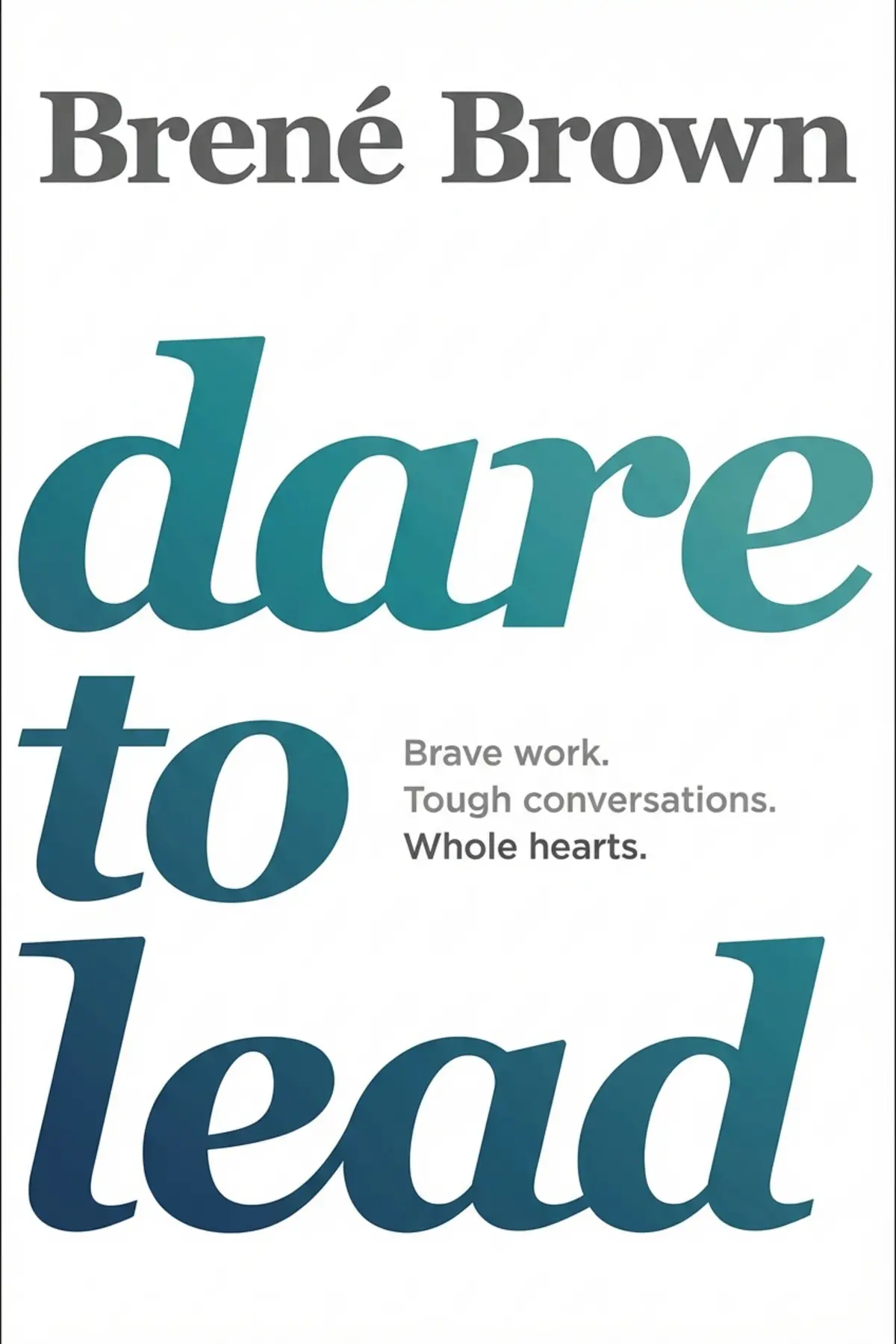
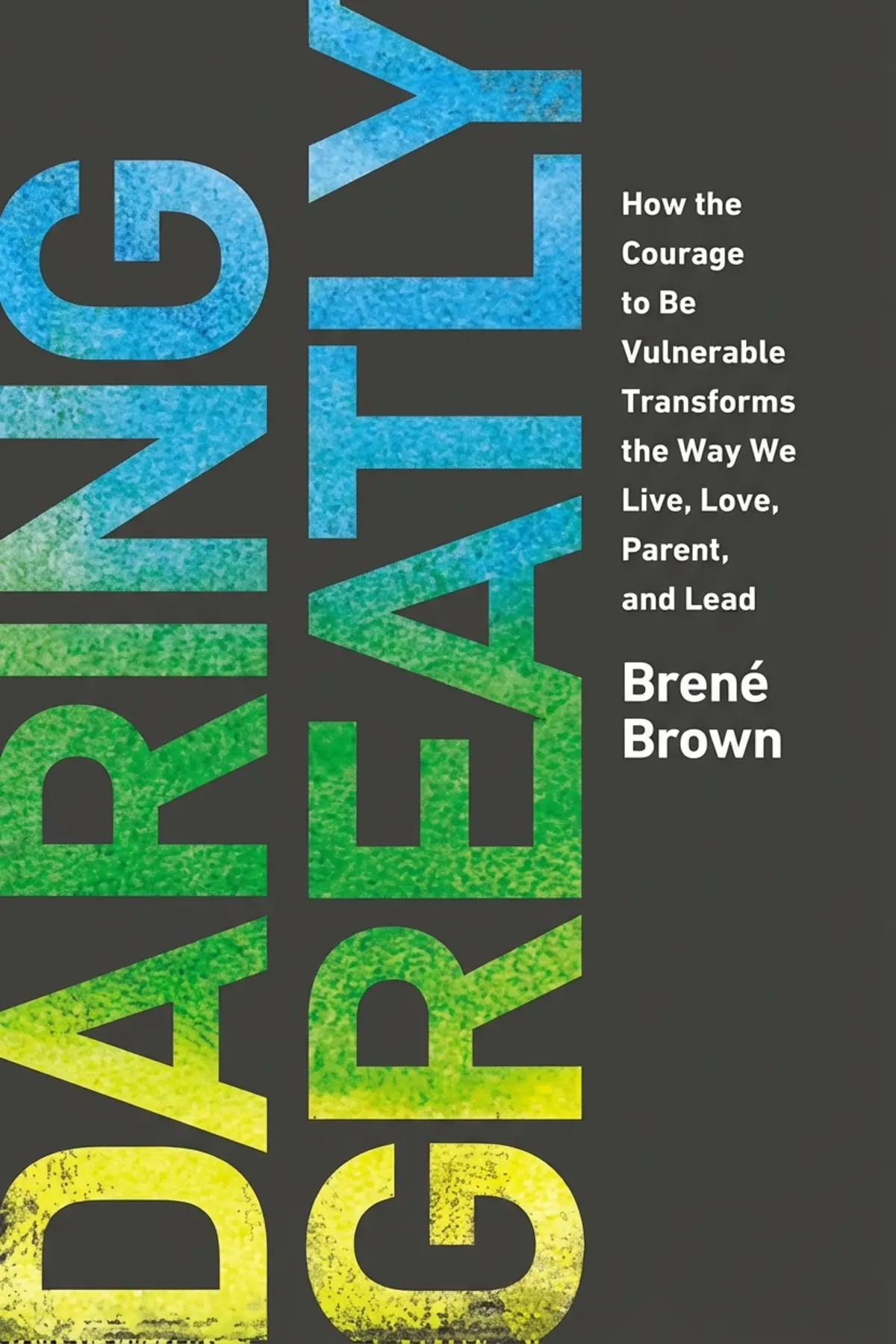
Brené Brown is a social worker and scientist who has dedicated her career to studying the human experience. She has conducted hundreds of interviews to understand the mechanics of shame and the power of vulnerability. A widely recognized public speaker, she has delivered several influential TED Talks. Brown is also the author of various other works, including Daring Greatly and The Gifts of Imperfection.
Ratings & Reviews
Ratings at a glance
What people think
Listeners find the book both insightful and beneficial, especially as a tool for therapists, with one listener pointing out how the content is converted into practical examples. Additionally, the writing is clear and easy to follow, presented in an approachable style, and listeners characterize it as a transformative read that offers great perspective on daily feelings and behaviors. They also value the author's method for exploring shame and vulnerability, with one review emphasizing how it thoroughly addresses the connection between women and shame.
Top reviews
Suda
Picked this up after seeing the TED talk, and it really hits differently when you dive into the full text. This book is a life-changing resource for anyone who feels like they are constantly failing at some invisible standard. Brown translates complex sociological research into usable examples that actually make sense in the context of a messy, everyday life. I loved how she explores the relationship between women and shame without making it feel like a clinical lecture. It’s written in such an accessible manner that it feels like a conversation with a very smart friend. While some of the examples about parenting and bake sales felt a little specific, the core message about empathy and vulnerability is universal. It gave me a whole new vocabulary for my emotions. I finally understand that those 'icky' feelings have a name and, more importantly, a cure through connection.
Show moreYothaka
Wow. This was exactly what I needed to hear right now. I spent so many years thinking I was the only one struggling with perfectionism and the fear of being 'found out' as inadequate. The title isn't just a catchy phrase; it’s a profound realization that happens about halfway through the first chapter. Brown’s writing is compassionate and deeply researched. She doesn't just tell you to 'be brave'; she explains the mechanics of how shame survives in secrecy and how empathy kills it. Not gonna lie, some parts were hard to read because they were so convicting. It forced me to look at how I judge other women to make myself feel safer. This isn't just a self-help book; it’s a call to be more human with one another. Truly transformative stuff.
Show moreWeera
Finally got around to reading this older title after loving 'Daring Greatly,' and it’s fascinating to see where the research began. This book focuses specifically on the female experience of shame, and it’s eye-opening. The way she describes the 'double binds' women face—be perfect but don't look like you're trying, be successful but don't be threatening—is spot on. It’s a very accessible read, though it deals with some heavy emotional heavy lifting. I found the section on 'speaking shame' to be the most useful part of the entire book. Once you name it, it loses its power over you. I’ve already started using some of the strategies with my daughters. If you've ever felt like you're drowning in expectations, this book will feel like a life raft. It's a fundamental text for understanding modern womanhood.
Show moreSam
Truth is, I didn't even realize how much I was carrying until I saw my own secret thoughts reflected on these pages. This book is a gut-punch of recognition. Brown has this amazing ability to take the things we are most afraid to say out loud and show us that we aren't alone. 'I Thought It Was Just Me' is an essential guide for navigating the pressures of being a woman today. It’s insightful, research-backed, and filled with compassion. I especially loved the section on 'critical awareness'—learning to see the bigger picture rather than just blaming ourselves. It’s a life-changing read if you’re willing to be honest with yourself during the process. I feel much more equipped to handle my inner critic now.
Show moreMingkwan
Not what I expected from a typical 'self-help' book, and I mean that in the best way possible. Instead of giving a cheesy 10-step plan to happiness, Brown offers a rigorous look at why we feel unworthy. The book is incredibly accessible and well-organized. I found the stories from her research participants to be the most moving part; they provided such wonderful insight into how shame operates in real time. It’s a comprehensive study of the relationship between vulnerability and courage. If you’re a therapist, a teacher, or just a human being who wants to be more empathetic, this is a must-read. It helped me realize that my flaws don't make me unworthy of belonging. It’s a message we all need to hear more often. Five stars for the clarity and the heart behind the research.
Show moreLeila
As a therapist, I find Brown's work to be an essential resource for the office. She has a gift for taking the 'big' concept of shame and breaking it down into manageable, identifiable triggers. Many of my clients find her 'shame resilience' framework much easier to grasp than traditional cognitive-behavioral tools alone. The book is incredibly insightful, especially the sections on how we use blame to discharge pain. My only minor gripe is that the tone can occasionally feel a bit repetitive, and the focus is heavily weighted toward a specific middle-class experience. Still, the way she illustrates the move from silence to speaking our truth is powerful. It’s a solid 4-star read that I find myself recommending constantly. If you want to understand why you react the way you do when you feel judged, start here.
Show moreThongchai
Ever wonder why a small comment from a stranger can ruin your entire day? This book digs into those exact moments. Brené Brown looks at the 'shame web' we all live in and provides a map to get out. I found the distinction between guilt and shame to be particularly helpful for my own personal growth. To be fair, the book does lean quite heavily on examples involving motherhood and traditional domestic expectations, which might not resonate with everyone. However, the underlying theory about vulnerability and the need for belonging is undeniable. The writing is clear and the exercises are practical rather than just theoretical. It’s a comprehensive look at how we can reclaim our power in a culture that thrives on making us feel like we aren't enough. Definitely worth the time.
Show moreOak
The chapter on 'shame triggers' alone is worth the price of admission here. It’s rare to find a book that offers such a clear bridge between academic research and actual, usable life advice. Brown identifies the ways we 'mask' our vulnerability and how that actually leads to more disconnection. Personally, I appreciated the focus on how we treat each other. It’s not just about self-love; it’s about creating a community where shame can’t survive. The writing style is a bit wordy in places, and she tends to circle back to the same points quite often, but the insight is worth the occasional slog. It’s a fantastic resource for anyone looking to build better relationships. You’ll definitely walk away with a better understanding of your own triggers and how to handle them with a bit more grace.
Show moreJoe
In my experience, Brené Brown is usually a home run, but this one was a bit of a mixed bag. I appreciated the deep dive into the sociology of shame, but the execution felt a bit dated. The constant focus on parenting examples made it difficult for me to stay engaged as someone who doesn't have children. Truth is, I felt like the book was shaming me for not having the same 'shame network' she describes as being so essential. It’s a bit of a paradox. That said, her insights on empathy versus sympathy are brilliant and have stayed with me long after closing the book. It’s an okay read, but I think her later books like 'The Gifts of Imperfection' handle these same themes with a much broader and more inclusive lens.
Show moreRapee
To be fair, I really wanted to like this, but I struggled with the incredibly narrow scope of the research. Brown seems to have a very specific, middle-class idea of what constitutes shame. Most of the examples involve things like forgetting to bake cookies for a teacher or feeling embarrassed at a PTA meeting. Frankly, it felt a bit sheltered. Where are the stories about the shame of poverty, or the shame of systemic marginalization? For a social worker, she seems oddly disconnected from any experience that isn't 'charmed.' I found her definition of shame as merely 'fear of disconnection' to be a bit reductive compared to the soul-crushing reality of trauma. It’s not a bad book if you live in the suburbs and struggle with perfectionism, but for those dealing with real-world survival, it feels incredibly surface-level and out of touch.
Show more
Readers also enjoyed

A Liberated Mind: How to Pivot Toward What Matters
Steven C. Hayes

59 Seconds: Change Your Life in Under a Minute
Richard Wiseman
ADHD an A-Z: Figuring It Out Step by Step
Leanne Maskell

AUDIO SUMMARY AVAILABLE
Listen to I Thought It Was Just Me (but it isn’t) in 15 minutes
Get the key ideas from I Thought It Was Just Me (but it isn’t) by Brené Brown, plus 5,000+ more titles in English and Thai.
- 5,000+ titles
- Listen as much as you want
- 7-day free trial
- Cancel anytime







