
20 min 44 sec
Atlas of the Heart: Mapping Meaningful Connection and the Language of Human Experience
By Brené Brown
Explore the complex map of human emotions with Atlas of the Heart. Learn to identify nuanced feelings, build resilience through hope, and cultivate deeper connections by mastering the language of experience.
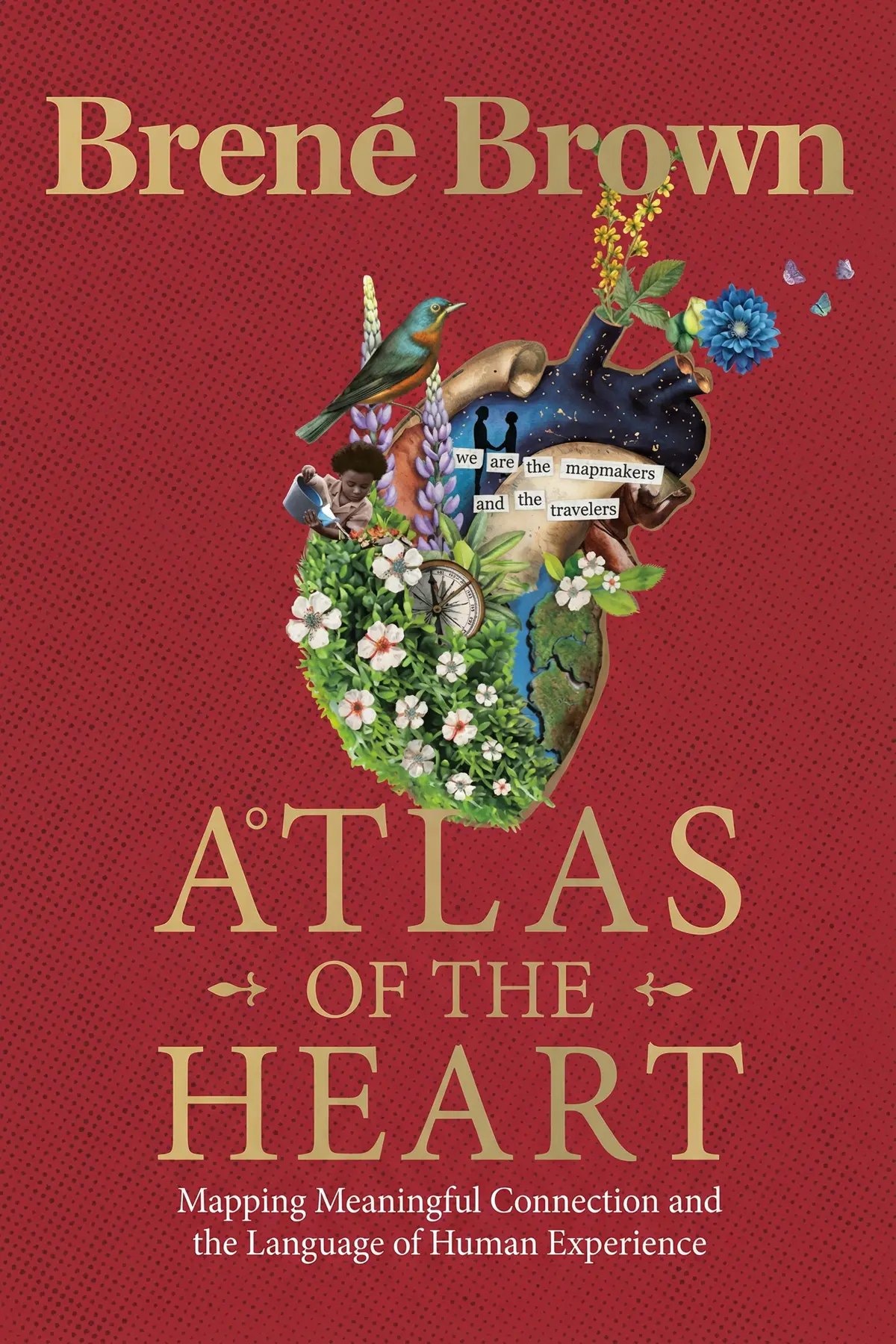
Table of Content
1. Introduction
2 min 09 sec
Have you ever found yourself in the middle of a powerful emotional storm, unable to explain exactly what was happening inside you? Most of us have moments where we feel overwhelmed, yet when someone asks us how we are, we struggle to find the right words. We might say we are stressed, or tired, or just fine, but those words often act as a veil, hiding the true complexity of our inner lives. Imagine trying to navigate a vast, unfamiliar territory without a map. You might see mountains in the distance or feel the chill of a deep valley, but without names for these landmarks, you are essentially lost. You know where you want to go—perhaps toward a place of peace, connection, or joy—but the path is obscured by a fog of vague definitions.
In this exploration of our internal landscape, we are going to look at how to clear that fog. We are diving into a guide designed to help us map the human heart with precision. This isn’t just about learning new definitions for the sake of intellectual curiosity. It is about survival and connection. When we cannot name what we are feeling, we cannot communicate our needs to others, and we certainly cannot provide ourselves with the care we require. We end up walking through life with a limited emotional palette, which limits the depth of our experiences and our relationships.
Today, we are taking a journey through the work of a researcher who has spent twenty years studying the very things we often try to hide: our vulnerability, our shame, and our deepest longings. We will discover why the words we use to describe our feelings are the bridges that connect us to the world. We will learn to distinguish between emotions that seem identical but have vastly different roots, such as the difference between simple sadness and the soul-crushing weight of despair. We will also look at why hope isn’t just a fuzzy feeling we wait for, but a skill we can actually build and practice. By the end of this summary, you will have a better understanding of how to use emotional granularity to transform your life, moving from a state of being lost in the dark to becoming a skilled navigator of your own heart.
2. The Power of Emotional Granularity
2 min 50 sec
Discover why having a limited emotional vocabulary is like trying to describe a complex injury with only a few basic words, and how precision leads to connection.
3. Turning Sensitivity into a Superpower
2 min 28 sec
Learn how early experiences of hyper-awareness can lead to a life of numbing, and how reclaiming that sensitivity is the key to a meaningful career and life.
4. Mapping the Terrain of Pain
2 min 53 sec
Distinguish between the different regions of hurt, from the fleeting nature of sadness to the physical impact of anguish and the danger of despair.
5. The Mechanics of Hope and Resilience
2 min 46 sec
Understand why hope is not a warm feeling but a cognitive skill that can be taught, and learn the three questions that stop an emotional flood.
6. The Paradox of Joy and Foreboding
2 min 42 sec
Explore why joy can feel terrifying and how we often ‘rehearse tragedy’ to protect ourselves, and why gratitude is the only way through.
7. Embracing Emotional Paradox
2 min 32 sec
Understand why being a whole person means holding contradictory feelings at once, and why there are no shortcuts on the journey to the heart.
8. Conclusion
2 min 24 sec
As we conclude our journey through the emotional landscape of the heart, it is worth reflecting on how much has changed since we first imagined being lost in that dark, unfamiliar city. We have moved from a place of vague, overwhelming sensations to a place where we have the tools to begin naming our reality. We have learned that language is not just a way to communicate with others; it is a primary way we communicate with ourselves. By developing emotional granularity—moving beyond the simple ‘mad, sad, glad’—we give ourselves the gift of clarity. We have seen how our personal histories can sharpen our sensitivity, and how we can reclaim that sensitivity from the shadows of numbing and survival.
We have explored the heavy regions of pain, learning to tell the difference between the natural ebb and flow of sadness and the more structural dangers of hopelessness and despair. We now know that hope isn’t a gift from the universe, but a practical skill that we can build through goals and resilience. We have also looked at the bright, fleeting light of joy, acknowledging the fear that often accompanies it and finding the antidote in a dedicated practice of gratitude. And perhaps most importantly, we have embraced the idea that being human is a paradoxical experience. We are allowed to be messy, contradictory, and vulnerable.
The ‘throughline’ of this entire exploration is that connection—both with ourselves and with others—is built on the foundation of accurate language and the courage to be seen. When we can name what we are feeling, we are no longer at the mercy of the fog. We can stand on solid ground, even when the weather is stormy.
So, as you step back into your daily life, I encourage you to take one small, actionable step: the next time you feel a strong emotion, don’t just settle for the first word that comes to mind. Pause. Breathe. Ask yourself if there is a more precise name for what you are experiencing. Are you ‘stressed,’ or are you ‘overwhelmed’? Are you ‘angry,’ or are you ‘hurt’? And if you find yourself in a moment of intense joy, don’t let the foreboding take over. Instead, say out loud: ‘I am grateful.’ By practicing this emotional precision, you are not just building a better vocabulary; you are building a more meaningful, connected, and courageous life. The atlas of your heart is now in your hands. It is time to start navigating.
About this book
What is this book about?
Atlas of the Heart serves as a comprehensive guide to the human emotional landscape. Based on decades of research, the book provides a framework for understanding eighty-seven distinct emotions and experiences that define what it means to be human. It moves beyond simple categories like happy or sad to offer a more precise vocabulary for our internal lives. The book promises that by naming our experiences with greater accuracy, we can better navigate our relationships and our sense of self. It explores the differences between similar-sounding emotions, the mechanics of building hope, and the paradoxes of vulnerability. Ultimately, it offers a path toward more meaningful connection and a grounded life through the power of emotional granularity.
Book Information
About the Author
Brené Brown
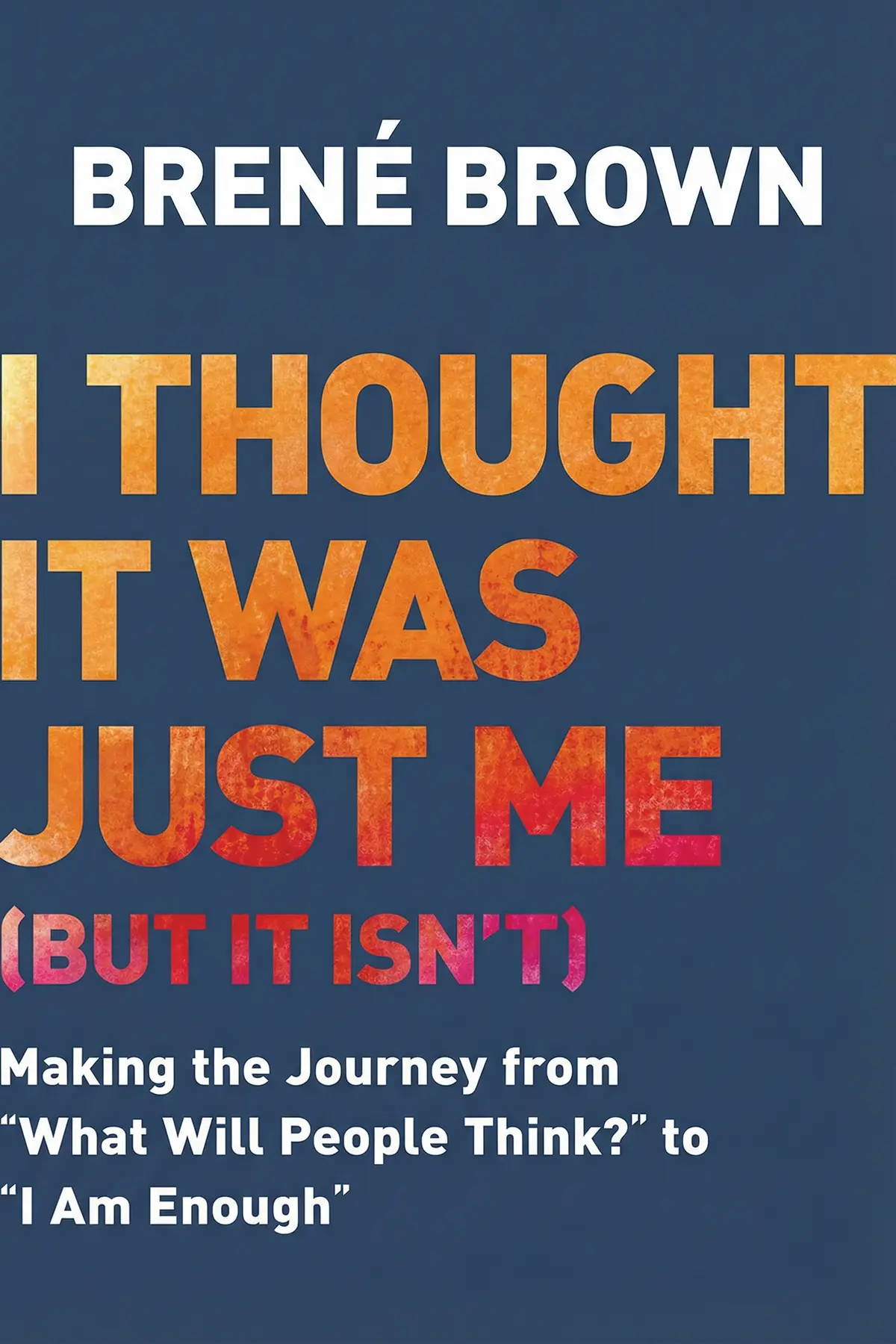
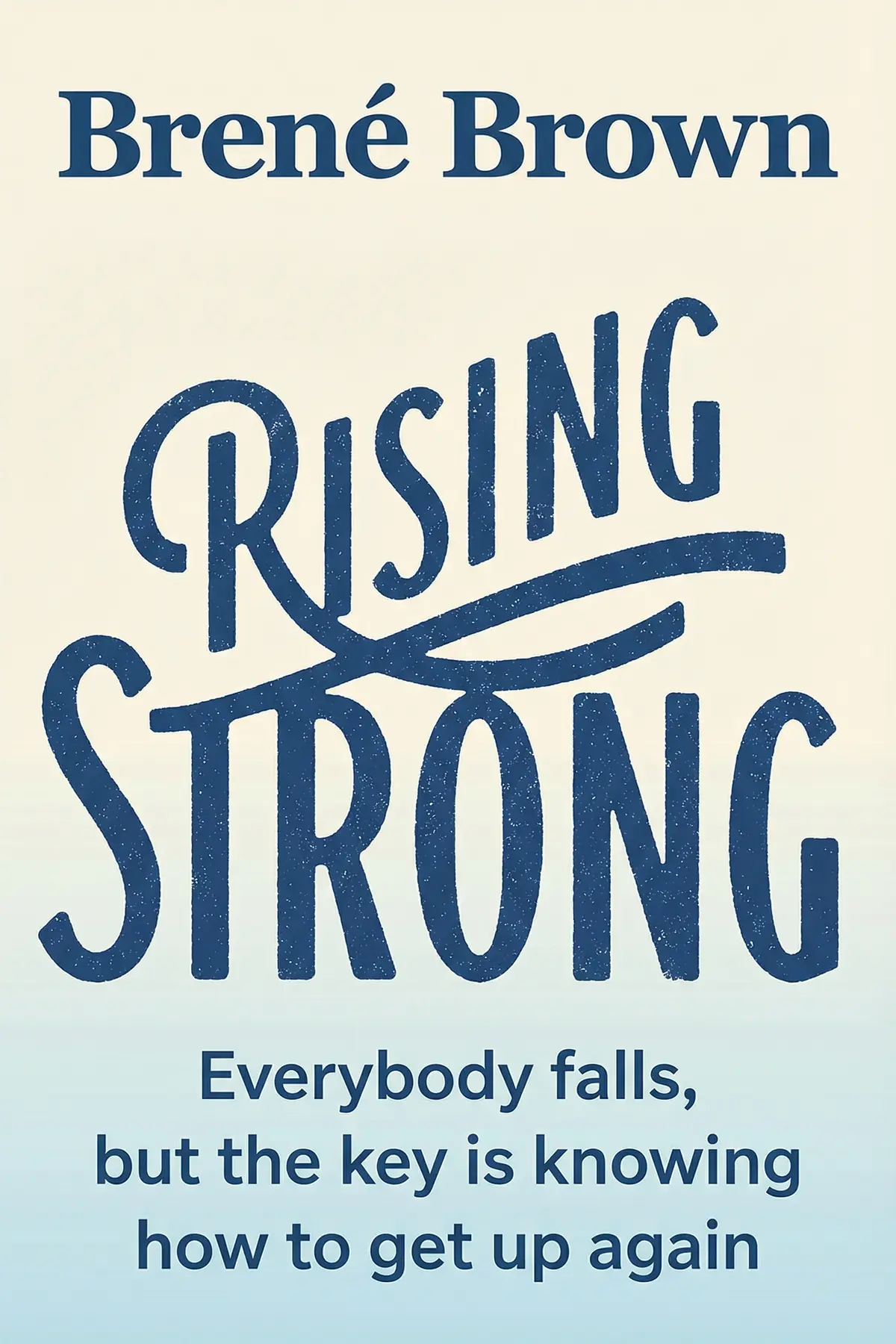
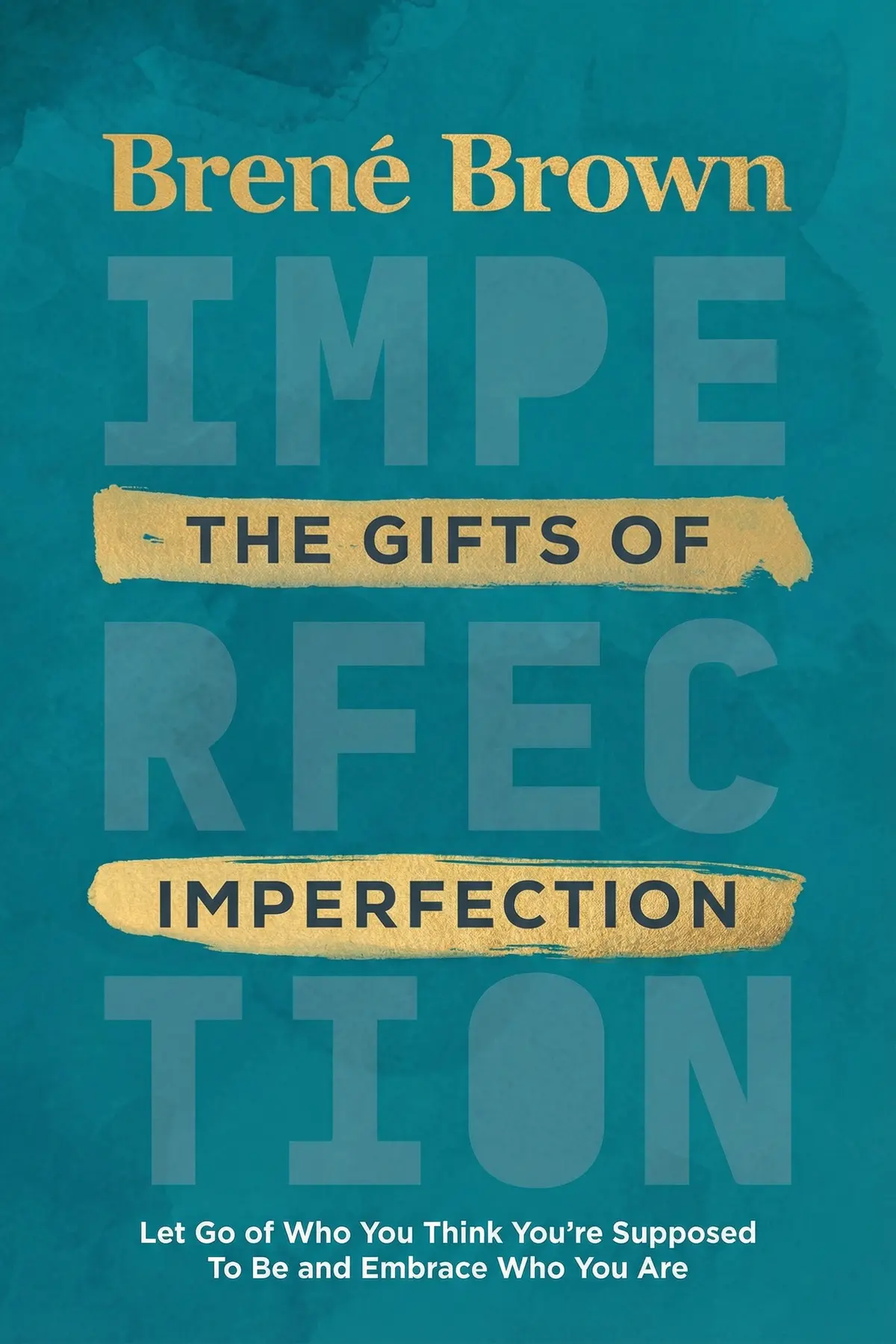
Brené Brown is a research professor at The University of Houston and a visiting professor in management at The University of Texas at Austin McCombs School of Business. She has spent the past two decades researching emotions like vulnerability and shame, and her TEDx talk on the subject has been viewed more than 50 million times. Her previous New York Times best-selling books include Daring Greatly, Rising Strong, and The Gifts of Imperfection.
Ratings & Reviews
Ratings at a glance
What people think
Listeners find this work compelling and thought-provoking, with one listener mentioning how it pulls together various research strands. The text successfully establishes a shared vocabulary for feelings and deep bonds, helping listeners understand themselves and their personal connections more deeply. Listeners value the book's actionable advice, stunning visuals, and polished prose, while one listener emphasizes how it teaches subtle word differences.
Top reviews
Petch
This book serves as a much-needed cartography of the human experience. Instead of just talking about feelings in broad strokes, Brown provides a precise vocabulary that allows for deeper self-awareness and stronger interpersonal bonds. I loved the way she broke down eighty-seven different emotions, many of which I’ve felt but never had a name for until now. The layout is stunning, making it feel less like a dry textbook and more like an inviting guide to the soul. While some might find the definitions a bit academic, the clarity they provide is invaluable for anyone trying to navigate complex relationships. It’s the kind of reference material you’ll want to keep on your nightstand for years to come. Highly recommend for the curious heart.
Show moreNatalie
Ever wonder why you can't put a finger on what you're feeling? This book is the answer to that specific frustration. I listened to the audiobook version, which Brown narrates herself, and it felt like sitting in a masterclass with a very wise, very funny friend. She translates complex social science into something that feels deeply personal and relevant to everyday life. The way she distinguishes between envy and jealousy, or boredom and disappointment, is a masterclass in semantics. It’s true that it feels like a dictionary at times, but isn't that what an atlas is supposed to be? By giving us the right words, she gives us the power to communicate our needs more effectively. This is a must-read for anyone who feels like their emotional vocabulary is stuck at 'happy, sad, or mad.'
Show moreOoi
Finally got around to this one and it was exactly the dose of support I needed this year. Brené Brown continues to teach and inspire by exploring what makes us human and how we react to the world around us. The production value of the physical book is incredible, with high-quality paper and illustrations that make the data pop. I especially appreciated the sections on social pain and the cost of comparison in our digital age. Frankly, it’s a relief to have someone validate that these feelings are universal and manageable if we just have the right tools. It helps you understand yourself and your relationships better through a lens of grace rather than judgment. This book is a portal to more meaningful connections if you are willing to do the work.
Show moreMilk
As someone who struggles with emotional literacy, this book felt like being handed a secret decoder ring for my own brain. The truth is, most of us aren't taught how to identify what we are feeling beyond the basics, and that lack of language keeps us isolated. Brown’s research pulls together various strands of psychology to show how our words directly impact our ability to belong. I loved the focus on subtle word differences; knowing I’m 'overwhelmed' rather than just 'stressed' actually changes how I handle my day. The writing style is conversational yet backed by serious academic rigor, which is a difficult balance to strike. It’s an engaging read that doesn't shy away from the messy parts of being a person. I feel much better equipped to handle my relationships after finishing this.
Show moreWin
Look, if you want a step-by-step manual with bulleted lists of how to fix your life, this might not be the right fit. But if you want to understand the very fabric of human connection through a scientific yet accessible lens, pick this up immediately. Brown has created a portal to understanding our internal lives that feels both revolutionary and incredibly obvious once you read it. The way she defines the subtle differences between being 'stressed' and 'overwhelmed' changed how I talk to my boss and my kids. It is an essential tool for building emotional literacy in a world that often demands we stay numb. This is easily her most ambitious work to date and the production quality of the hardcover is just the icing on the cake.
Show moreSuthinee
After seeing the gorgeous cover in a bookstore, I knew I had to grab a copy, and the interior design does not disappoint. It is a beautiful reference book full of diagrams and images that help visualize the data Brown has collected over decades. In my experience, the strongest part is her exploration of 'near enemies,' which helped me see how my attempts at being helpful were actually creating distance. Some of the personal anecdotes felt a little unnecessary and distracted from the core research, but her writing style remains engaging throughout. It isn’t as 'action-oriented' as her previous work, acting more as a dictionary of the heart than a roadmap for change. Still, it provides a vital common language for anyone looking to build more meaningful connections with those around them.
Show moreLincoln
The chapter on 'near enemies' changed my entire perspective on how I approach compassion and empathy in my daily life. It is rare to find a book that manages to be both a gorgeous visual experience and a rigorous social science deep dive simultaneously. Brown’s ability to weave together disparate strands of research into a cohesive map for connection is truly impressive. I did find that some sections moved a bit slowly, especially when she spent a long time on emotions that felt very similar or intuitive. However, the distinction between things like envy and jealousy was eye-opening and provided the 'common language' my partner and I desperately needed. It’s not a quick read, but it’s a meaningful one that rewards those who take their time and reflect.
Show moreVarinee
Personally, I found the linguistic precision here to be the real standout. Most people use emotional terms interchangeably, but this book shows why that’s a mistake that leads to unnecessary conflict. While I enjoyed the depth of the research, I can see why some readers might feel it's a bit repetitive in its structure. Each chapter follows a similar pattern that can feel formulaic if you try to power through it in one sitting. It works best as a resource you dip into when you’re struggling with a specific feeling or situation. The casual tone makes the heavy psychological concepts easy to digest for a layperson. Even with the slight lack of 'how-to' instructions, the self-awareness it fosters is a form of action in itself. A solid addition to any self-growth library.
Show morePing
To be fair, I’ve followed Brené’s work for years, but this installment felt a bit like a political detour in the opening chapters. I wasn't expecting her personal stances on the pandemic to take center stage, and it felt somewhat jarring compared to her usual focus on universal vulnerability. Beyond that, the book functions mostly as an expanded glossary of terms rather than a guide with actionable steps for change. The research is certainly robust, and the distinction between 'near enemies' is fascinating, but I felt the narrative was bogged down by repetition. It’s a beautiful object to hold, but the content didn't offer the same 'aha' moments as Daring Greatly did for me. It is a solid reference tool, but not her best narrative work.
Show moreJan
Not exactly what I expected based on her previous bestsellers. While the book is undeniably beautiful and well-crafted, it felt a bit like a scientific research assignment that I was being tested on. I was looking for fresh, revolutionary ideas, but much of this felt like a dictionary of emotions for people who have never been to therapy. I appreciate the effort to create a common language, but many of the definitions felt like things most emotionally intelligent adults already know. Also, the inclusion of political rhetoric regarding the anti-science movement felt out of place and alienating. It’s a great coffee table book for guests to flip through, but it didn't provide the deep emotional resonance I’ve come to expect from Brown’s work. It’s informative, sure, but a bit dry.
Show more
Readers also enjoyed
A Liberated Mind: How to Pivot Toward What Matters
Steven C. Hayes

Acting with Power: Why We Are More Powerful Than We Believe
Deborah Gruenfeld
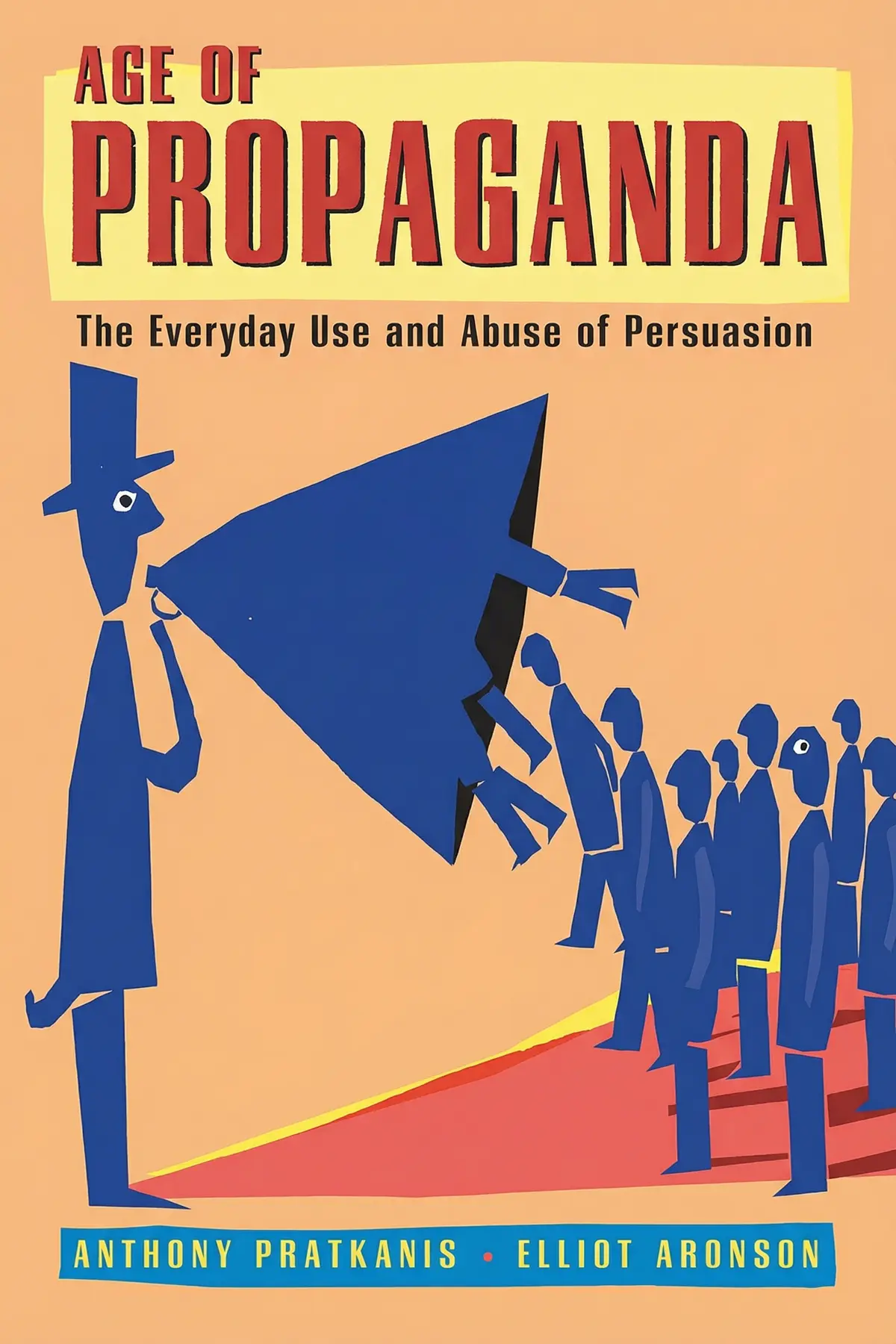
Age of Propaganda: The Everyday Use and Abuse of Persuasion
Anthony Pratkanis
AUDIO SUMMARY AVAILABLE
Listen to Atlas of the Heart in 15 minutes
Get the key ideas from Atlas of the Heart by Brené Brown, plus 5,000+ more titles in English and Thai.
- 5,000+ titles
- Listen as much as you want
- 7-day free trial
- Cancel anytime







