

19 min 12 sec
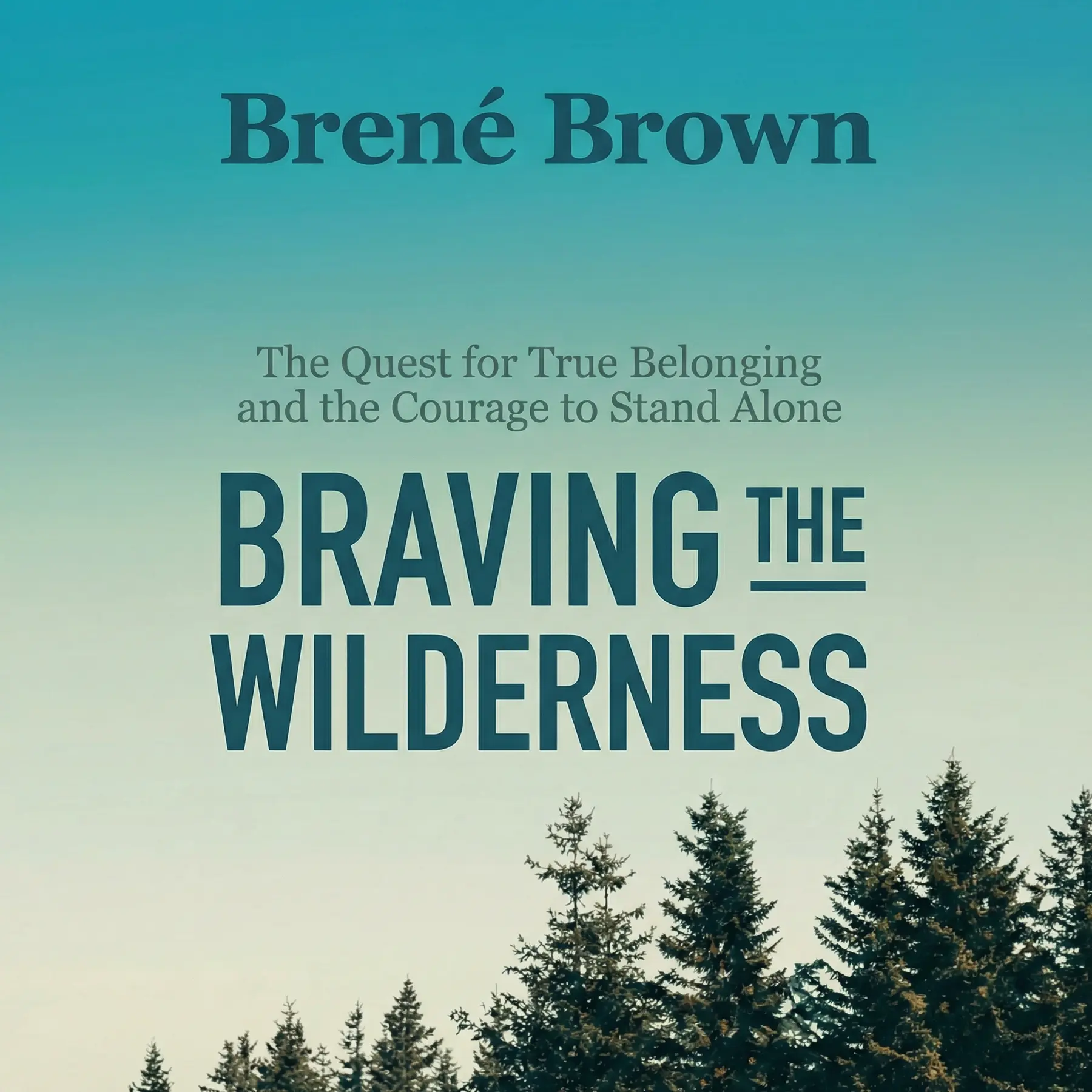
Braving the Wilderness: The Quest for True Belonging and the Courage to Stand Alone
By Brené Brown
Explore the profound difference between fitting in and true belonging. This guide reveals how the courage to stand alone in the wilderness of modern life leads to genuine self-connection and peace.
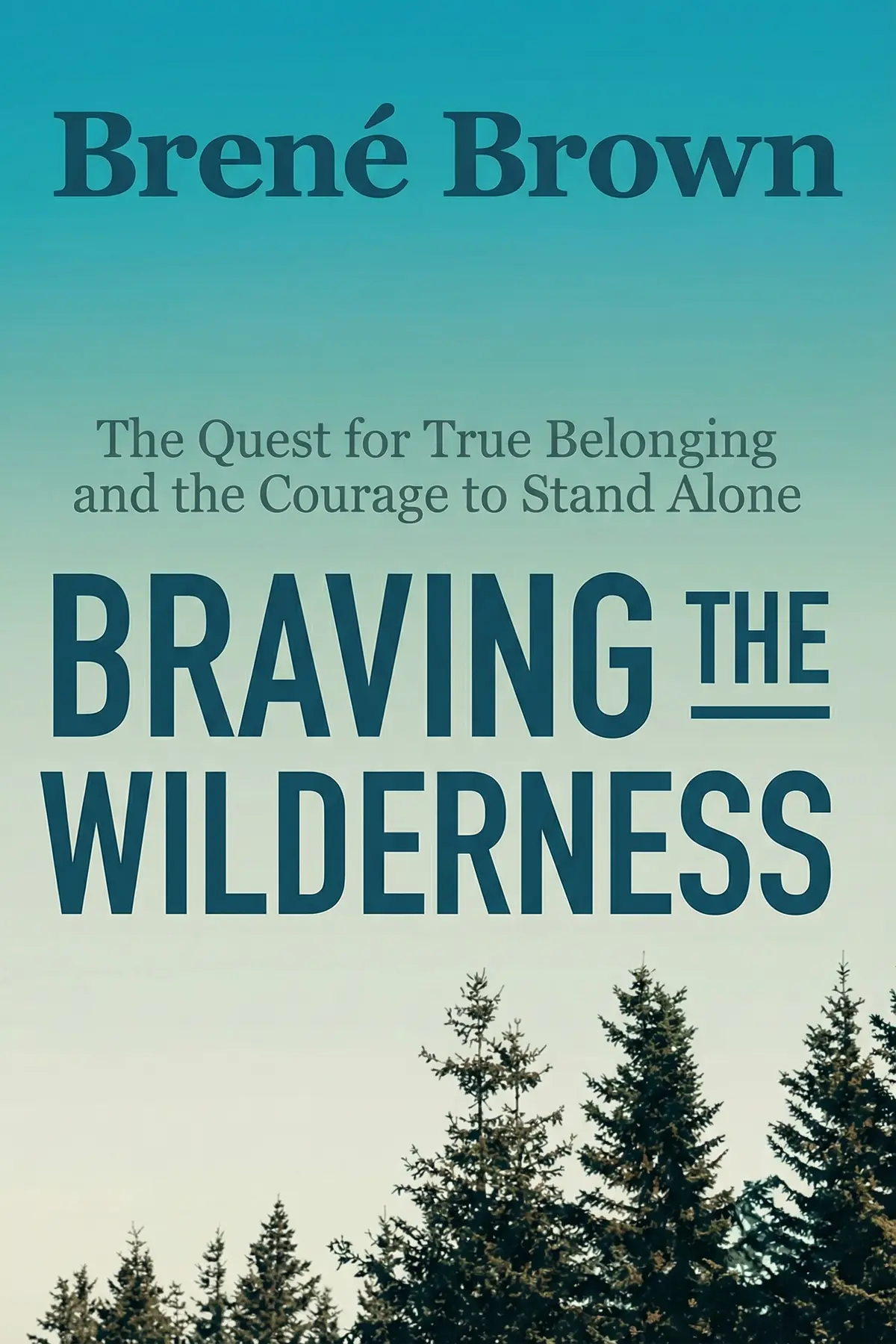
Table of Content
1. Introduction
1 min 44 sec
Have you ever felt like you were standing in a room full of people, yet you were completely and utterly alone? It’s a common sensation in our modern world. We live in a time when we are more connected than ever by technology, yet the statistics tell a different story—one of growing isolation and deep societal fractures. We were promised that the digital age would create a global village, a place where we could all find common ground. Instead, it seems we’ve used these tools to build high walls, surrounding ourselves only with those who echo our own opinions and validate our existing biases.
This retreat into ideological bunkers doesn’t actually solve our loneliness. In fact, it often makes it worse because we are performing for our chosen tribe rather than being our true selves. We trade our authenticity for the safety of the pack. But what if the answer to our deep-seated need for connection isn’t about fitting in at all? What if it’s about having the courage to walk away from the crowd and step into what we might call the wilderness?
In this exploration of belonging and bravery, we are going to look at why our search for acceptance so often leads us astray. We will examine the difference between ‘fitting in’—which is changing yourself to be accepted—and ‘true belonging,’ which is the spiritual practice of believing in and belonging to yourself so fully that you can share your most authentic self with the world. We’ll follow the path laid out by researcher Brené Brown to understand how we can navigate a polarized world without losing our humanity or our integrity. By the end of this journey, you’ll see that the wilderness is not a place of fear, but a place of incredible personal power and peace. It is the only place where we can truly be free.
2. The Primal Ache for Connection
1 min 52 sec
Explore why the drive to belong is a fundamental human necessity and how the absence of this connection creates deep, lasting psychological pain.
3. The High Cost of Fitting In
1 min 57 sec
Understand the destructive cycle of changing who you are to please others and how this leads to a life of performative acceptance.
4. Belonging to the Self First
1 min 45 sec
Discover how the journey to true connection begins with an internal commitment to your own identity, regardless of external validation.
5. Braving the Metaphorical Wilderness
1 min 41 sec
Learn why the wilderness represents the uncertainty of growth and how stepping into the unknown is the key to personal evolution.
6. The Seven Pillars of Internal Trust
1 min 48 sec
Examine the specific character traits that build trust, not just with others, but within your own heart and mind.
7. The Echo Chamber and the Loneliness Epidemic
1 min 46 sec
Analyze how modern social structures and digital bubbles are contributing to a global crisis of isolation and poor health.
8. Humanizing the 'Other' Through Experience
1 min 40 sec
Discover the power of firsthand interaction in breaking down stereotypes and rebuilding civic compassion.
9. The Dangers of Repressed Anger
1 min 48 sec
Explore why bottling up emotions leads to social violence and how to express anger in ways that promote healing.
10. Choosing Hate-Free Defiance
1 min 26 sec
Learn from powerful examples of how to maintain your humanity and love in the face of extreme tragedy and hostility.
11. Conclusion
1 min 45 sec
In the end, the quest for true belonging is not a destination we reach, but a practice we engage in every single day. It is a lifelong journey that requires us to be both the map-maker and the explorer. We have seen that the pain of being an outsider is real and significant, but that the solution isn’t to try and blend into the crowd. Instead, the solution is to dive deep into our own identity, to write our own permission slips, and to build a foundation of trust that can withstand the pressures of a polarized world.
The wilderness can be a lonely place, but it is also a place of breathtaking beauty and clarity. It is where we find our true voice and our true strength. By choosing firsthand experience over digital caricatures, and by channeling our anger into constructive action rather than bitterness, we can begin to bridge the divides that keep us isolated. We can find a way to stand alone in our integrity while still staying connected to the common thread of humanity that binds us all together.
As you move forward, remember that you have the power to change the tone of the world around you. This starts with how you engage in your daily life. A tangible way to put these ideas into practice is to commit to ‘dehumanization-free’ debate. The next time you find yourself in a heated discussion, especially online, resist the urge to use insults or to belittle the other person’s intelligence or character. You can be fierce in your defense of your values without being cruel to the person you are talking to. When we refuse to dehumanize others, we are reclaiming our own humanity. We are proving that we are brave enough to stand in the wilderness and that we are strong enough to keep our hearts open. That is where true belonging lives.
About this book
What is this book about?
In an era defined by deep political divides and social fragmentation, many people feel more isolated than ever before. We often try to cure this loneliness by retreating into ideological bubbles where everyone agrees with us, but this only deepens our sense of disconnection. This summary explores the counterintuitive idea that true belonging isn't something we find by joining a group; it is something we carry within ourselves. Drawing on personal narratives and research into vulnerability, the text outlines a path toward what is called the wilderness—a place of solitude and uncertainty where we must stand alone to find our true selves. It provides a framework for building trust, maintaining civility in heated debates, and turning anger into a constructive force for change. Ultimately, the promise of this journey is the freedom to be exactly who you are, regardless of whether the world approves or understands.
Book Information
About the Author
Brené Brown
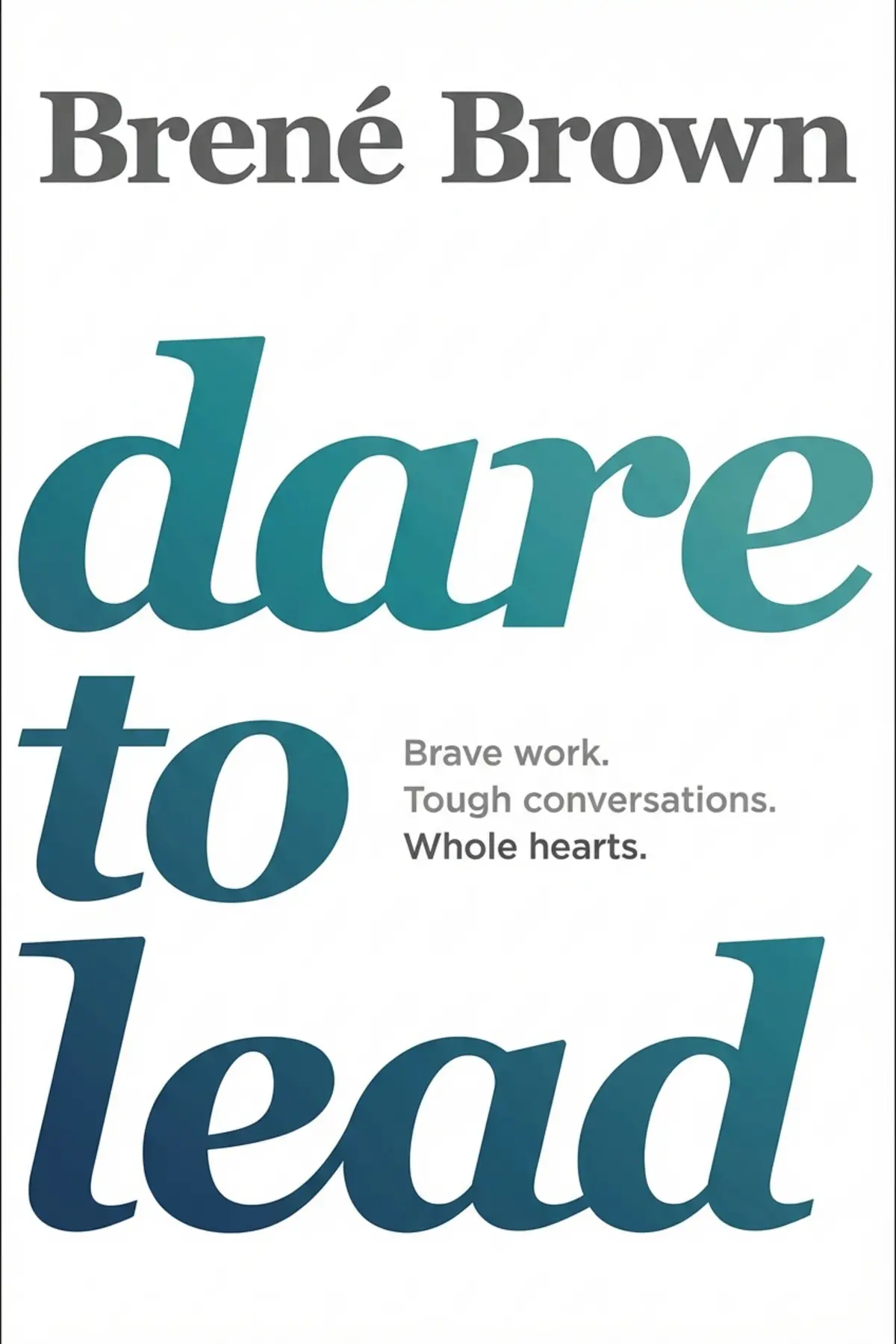
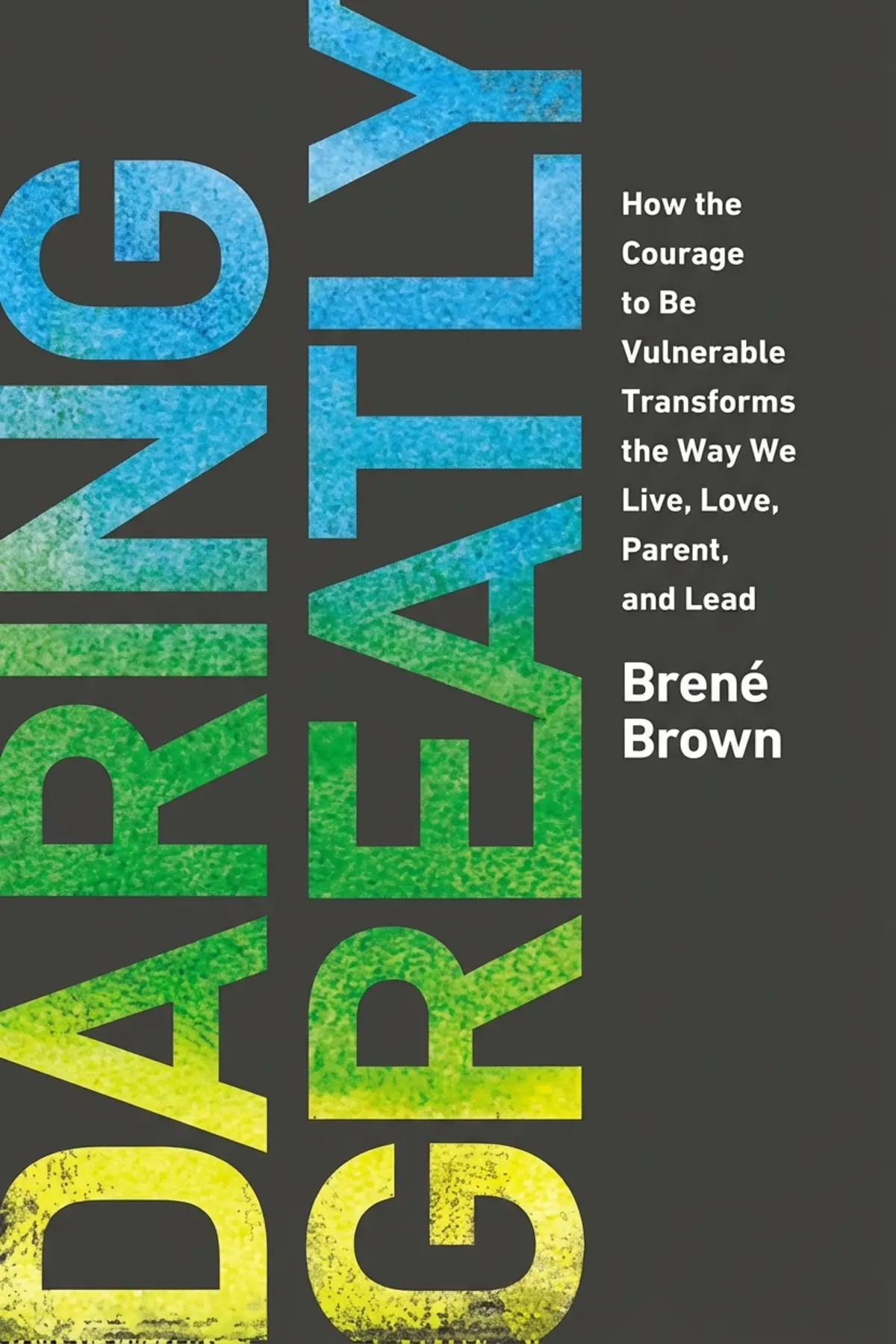
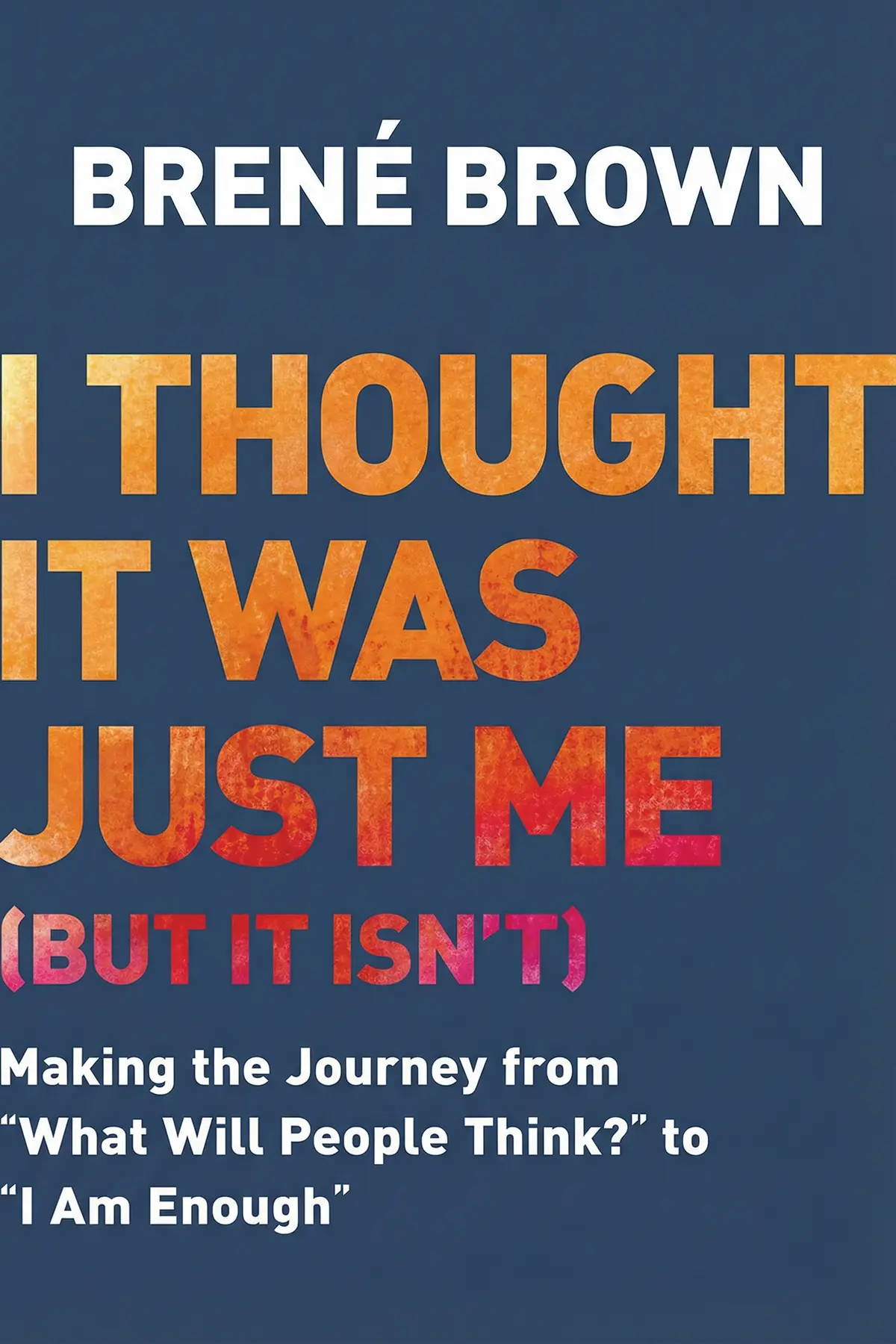
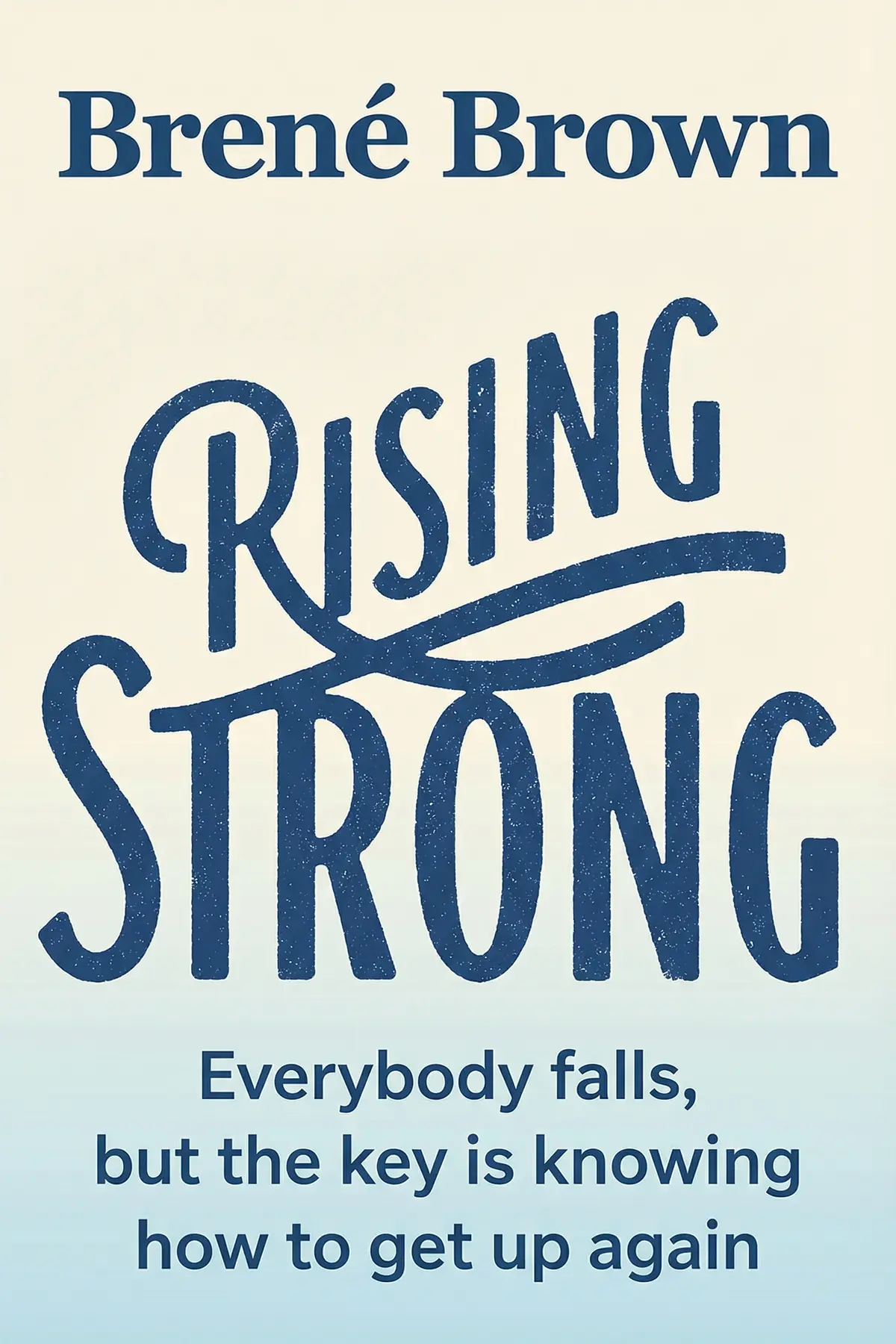
Brené Brown is a research professor at the University of Houston. She has dedicated more than fifteen years to the rigorous study of human emotions, focusing specifically on vulnerability, courage, empathy, and shame. Her insights have reached a global audience, notably through her TED talk, The Power of Vulnerability, which has been viewed more than 30 million times. Brown is also a prolific author of four best-selling titles, including works such as Rising Strong and Daring Greatly.
Ratings & Reviews
Ratings at a glance
What people think
Listeners find this work exceptionally accessible and mentally stimulating, gaining significant self-knowledge and life perspective through Brené Brown's observations. They value its useful guidance and sincere take on living authentically, with one listener remarking that it serves as a road map for personal growth. The prose is lauded for its approachability, sounding like a natural dialogue, and the high-caliber research ensures every claim is well-supported. Reactions to the book's rhythm are varied, as some consider it profoundly affecting though others perceive it as preachy.
Top reviews
Yanin
After hearing so much about the 'wild heart' concept, I finally dived into this, and frankly, it feels like a manual for surviving our current cultural moment. Brené’s exploration of the 'lonely feeling' that comes with standing alone in your truth really hit home for me. She breaks down the 7 elements of trust in a way that is incredibly accessible, making complex social science feel like a warm conversation with a wise friend. I particularly loved the 'strong back, soft front' metaphor—it’s such a powerful road map for personal growth. While she touches on some heavy political themes, her focus remains on how we can maintain our humanity and authenticity when everything feels polarized. It is a deeply moving read that challenged me to stop looking for confirmation that I don’t belong and start trusting my own value.
Show moreKwame
Wow, Brown really delivered a road map for these polarizing times that helped me find my footing again. Her mantra 'people are hard to hate close up, so move in' changed the way I look at my neighbors and my community. Not gonna lie, I’ve been a fan of her TED talks for years, but this book felt more urgent and honest than her previous work. It’s about the courage to stand alone in the 'wilderness' when your values don't perfectly align with any one group. The way she weaves in Maya Angelou’s wisdom about belonging nowhere and everywhere is just stunning. It’s an emotional journey that pushed me to look at my own 'wild heart' and realize that vulnerability isn't a weakness, it's the only way to truly connect. This is essential reading for anyone feeling exhausted by the constant 'us vs. them' mentality.
Show moreGioia
The audiobook experience is where this really shines because Brené's voice is so grounding and authentic. I've been feeling so much tension lately with friends and family over politics, and her perspective on 'holding hands with strangers' was exactly what I needed to hear. She doesn't preach; she shares her own mistakes and her own path toward a 'wild heart.' The section on why we shouldn't make fun of people we care about was a much-needed reality check for me. It’s a quick listen but one that I’ve already replayed twice because the themes of belonging are so dense. Truth is, we are all just looking for a way to be ourselves without losing our connection to others. This book provides a beautiful, vulnerable framework for doing exactly that. Definitely worth the credit!
Show moreMadison
This book found me exactly when I needed to hear that 'no one belongs here more than you.' As someone who has always felt like a bit of a misfit, the distinction Brown makes between 'fitting in' and 'true belonging' was a total epiphany. I was especially moved by the story about the pastor standing up for LGBTQ rights; it reminded me that being an ally requires stepping out of your comfort zone and into the wilderness. The writing is incredibly accessible and feels like a warm hug, yet it still manages to challenge your assumptions. I finished it in two sittings and immediately texted my best friend about the section on the 'lonely feeling.' It’s a heartfelt, meaningful exploration of what it means to be truly brave in a world that wants us to just pick a side and stay quiet.
Show moreNarumon
Picked this up during a particularly lonely stretch of my career, and the insights on belonging versus fitting in were exactly what I needed to hear. Brown’s writing style is so engaging; it really does feel like she’s sitting across from you. I found the 'High Lonesome' section about our current spiritual crisis to be incredibly thought-provoking, especially regarding how we seek out tribes just to feel safe. My only minor gripe is that I wish she included more specific data sets rather than just general references to her research. Sometimes the 'research storyteller' vibe leans a bit too much into the story and not enough into the hard science. However, the advice on being both fierce and kind is gold. It’s a solid 4-star read that offers a lot of practical tools for anyone trying to navigate the wilderness of modern life.
Show moreKan
Is it a memoir, a psychology text, or a self-help guide? It’s a bit of all three, which makes for a very readable but slightly disjointed experience. Personally, I found the chapter on 'speaking truth to bullshit' while remaining civil to be the highlight. It’s such a relevant topic given how much we struggle with conflict today. Just a heads up for the three people left who haven't finished Harry Potter: there is a massive spoiler for book six in here! Brown uses it beautifully to illustrate a point about courage, but it caught me off guard. The book does feel a bit 'white middle class' at times, as some of the examples of 'bravery'—like wearing clogs to a conference—felt a little low-stakes compared to the systemic issues she tries to tackle. Still, the core message about true belonging is one I won't forget soon.
Show moreDao
Ever wonder why you feel like an outsider even when you're in the middle of a crowd? This book dives deep into that specific isolation and offers some really practical advice on how to build genuine self-worth. I loved the focus on the 'brave heart' and the idea that we shouldn't negotiate our value with the world. However, I’ll admit it felt a little preachy in certain chapters, especially when she touches on political discourse. Some of her examples of 'wilderness' moments felt a bit privileged, but the underlying psychology is still very solid. The 'strong back, soft front' concept is something I’ve already started trying to implement in my daily life. It’s an accessible, thought-provoking read that will definitely make you look at your relationships and your boundaries in a new way.
Show moreIvan
As someone who struggles with vulnerability, this was a difficult but necessary read. I appreciated the honest approach Brown takes toward the 'spiritual crisis' of disconnection we’re all facing. The 'BRAVING' acronym for trust is a fantastic tool that I plan on using in my own therapy sessions. I do agree with some other reviewers that the data could have been presented with a bit more rigor—personally, I like to see the numbers behind the 'social scientist' labels. That being said, the emotional resonance of the book is undeniable. It’s a great guide for anyone trying to survive the current era with their mental health intact. The pacing is a bit hit-or-miss, and some stories land better than others, but the overall message of protecting your wild heart is incredibly powerful.
Show moreYok
To be fair, I expected a bit more new research given the hype surrounding this release. While I adore Brené’s voice and her previous work, this one felt a little like it was rushed to meet a deadline. There are some great nuggets of wisdom here, especially about the paradox of being tough and tender, but the narrative doesn't feel as cohesive as 'Daring Greatly.' Some of the anecdotes felt a bit like 'filler,' and I struggled to see how wearing clogs at a business conference really counts as 'braving the wilderness' in the grand scheme of things. It’s a decent book with a good heart, and her insights on the 7 elements of trust are always useful, but it didn't quite hit the high bar she set for herself in earlier titles. It’s okay, but maybe not the life-changing manifesto I was hoping for.
Show moreOrathai
Look, I wanted to like this, but the 'centrism as radicalism' framing didn't sit right with me at all. It feels like a lot of whiteness repackaged as something profound, without any real analysis of power or systemic oppression. Brown’s call for 'civility' felt like a way to tone-police people who are actually fighting for their lives. She tells a story about a pastor supporting LGBTQ rights as an example of bravery, but why not center an actual queer person who doesn't have the choice to 'leave' the wilderness? The book avoids ruffling any real feathers while pretending to be edgy. I found the 'both sides' approach to be pretty frustrating in the context of current events. There are some nice quotes about kindness, but kindness alone isn't going to fix white supremacy or capitalism. It felt very performative and safe.
Show moreFeatured in
Readers also enjoyed

59 Seconds: Change Your Life in Under a Minute
Richard Wiseman

A Guide to the Good Life: The Ancient Art of Stoic Joy
William B. Irvine

A High-Performing Mind: Strengthen Your Mind and Live Your Best Life
Andrew D. Thompson
Abundance: The Inner Path to Wealth
Deepak Chopra
AUDIO SUMMARY AVAILABLE
Listen to Braving the Wilderness in 15 minutes
Get the key ideas from Braving the Wilderness by Brené Brown, plus 5,000+ more titles in English and Thai.
- 5,000+ titles
- Listen as much as you want
- 7-day free trial
- Cancel anytime







