

18 min 29 sec
Available in:English
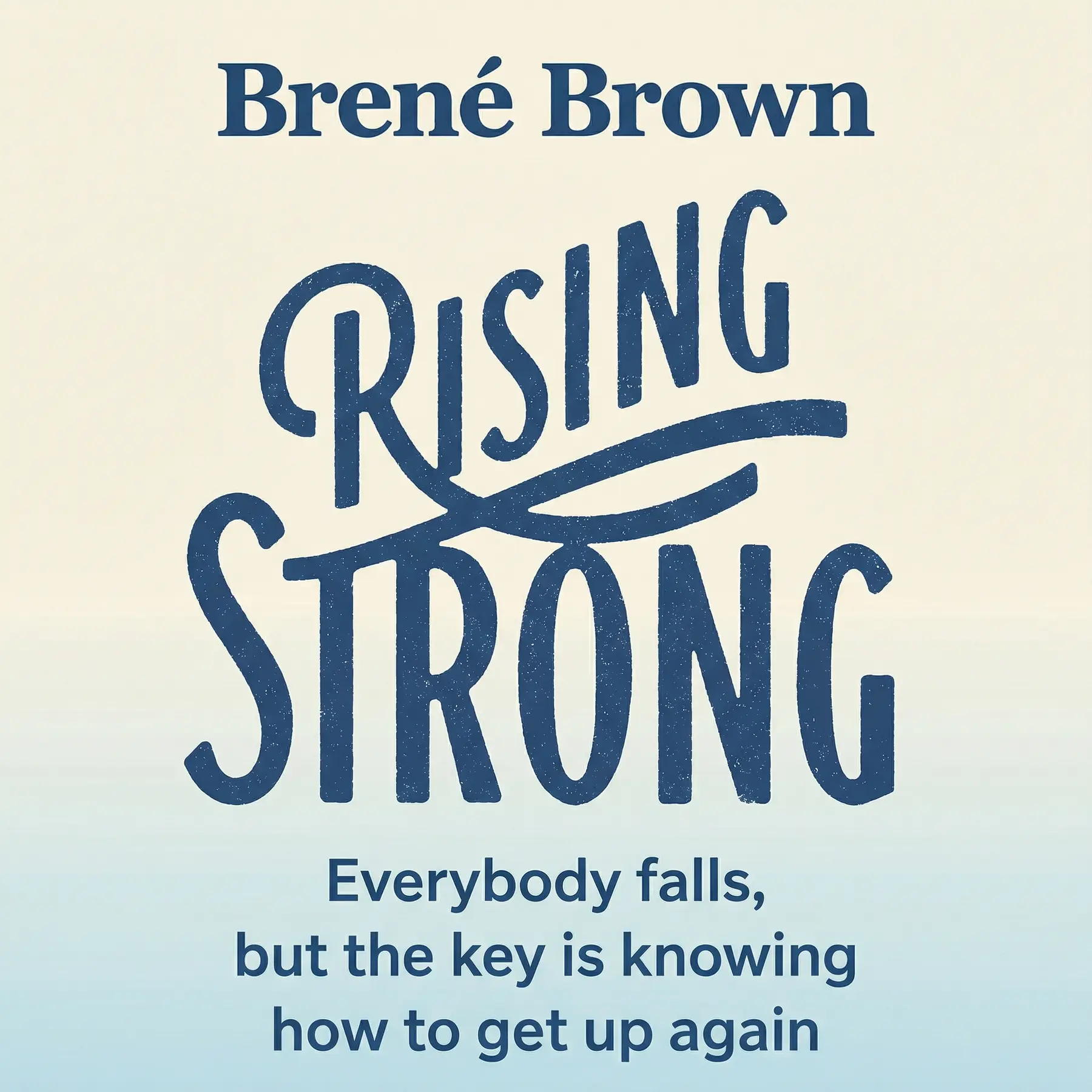
Rising Strong: How the Ability to Reset Transforms the Way We Live, Love, Parent, and Lead
By Brené Brown
Learn the transformative process of picking yourself up after a setback. This guide explores how to lean into discomfort, confront the stories we tell ourselves, and rise with more courage and resilience.
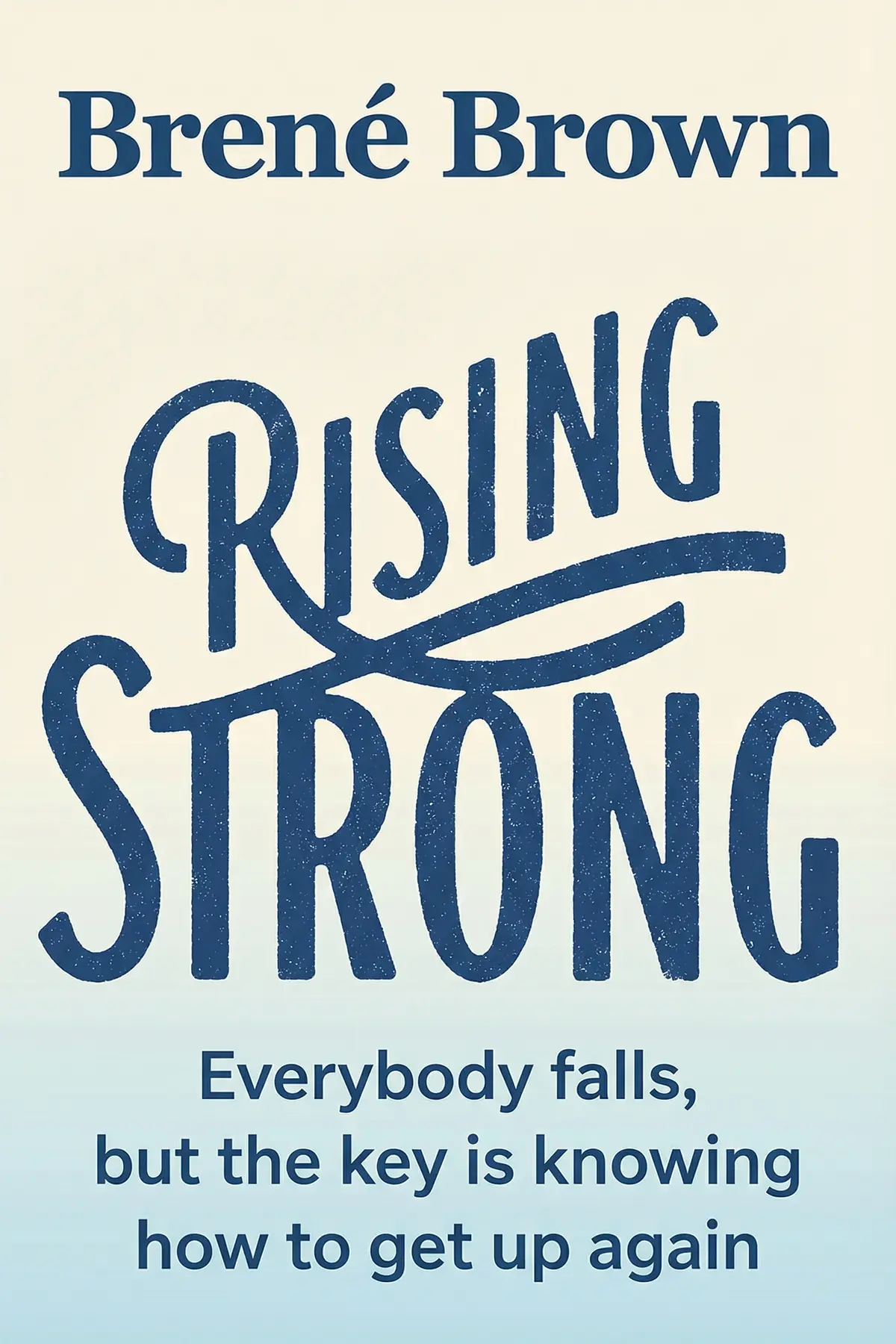
Table of Content
1. Introduction
1 min 39 sec
Every person who has ever dared to lead, to love, or to try something new knows the inevitable reality of the fall. We often see the ‘after’ pictures of success—the triumphant comeback or the resilient leader—but we rarely talk about the messy middle, the actual moment of being face-down in the dirt. This is where the true work happens. When we talk about being brave, we have to acknowledge that courage and failure are essentially packaged deals. You cannot have one without the risk of the other.
In this exploration, we are going deeper than just ‘positive thinking’ or ‘bouncing back.’ We are looking at a disciplined process for emotional resilience. The throughline here is simple but profound: if we are brave enough often enough, we are going to fall. The goal is to learn how to get back up in a way that makes us stronger and more whole than we were before the stumble. Whether you are dealing with a massive life upheaval like a job loss or a heartbreak, or just the small, grating irritations of a difficult day, the principles remain the same.
Over the next several segments, we will map out the three-stage journey of recovery. We will look at how to stop numbing our feelings and start investigating them instead. We will learn why our brains are hardwired to make up stories when we are in pain, and how those stories can trap us if we don’t challenge them. Finally, we will see how these individual changes can spark a wider revolution in our families and workplaces. It’s about more than just surviving a fall; it’s about using that fall to change the way we live and lead. Let’s begin by looking at why the willingness to fail is actually the first step toward true strength.
2. The Necessity of Embracing Failure
1 min 45 sec
True growth happens when we step outside our safety zones and accept that being brave always comes with a significant risk of stumbling.
3. The Three Pillars of Resilience
1 min 51 sec
Discover the framework of the reckoning, the rumble, and the revolution that transforms a moment of pain into a catalyst for change.
4. Acknowledge and Investigate Your Emotions
1 min 50 sec
Learn why identifying your feelings and staying curious about your emotional triggers is the essential starting point for any comeback.
5. Challenge Your Internal Narratives
1 min 44 sec
Understand how the brain creates stories to cope with pain and how writing a rough, uncensored draft can help you find the truth.
6. Maintaining Integrity Through Boundaries
1 min 40 sec
Examine how setting firm limits and taking responsibility for your well-being can prevent the toxic buildup of resentment.
7. The Role of Expectations and Forgiveness
1 min 35 sec
Uncover how hidden expectations lead to disappointment and why true forgiveness often requires letting go of our idealized versions of others.
8. The Strength in Asking for Help
1 min 39 sec
Challenge the myth that self-sufficiency is a virtue and discover why reaching out to others is a courageous act of resilience.
9. Building Accountability and Trust
1 min 33 sec
See how owning your mistakes and being willing to make amends can actually strengthen relationships and professional environments.
10. Scaling Resilience in Organizations
1 min 44 sec
Explore how the principles of the rumble can be applied to groups to prevent conflict and build a more transparent, brave culture.
11. Conclusion
1 min 29 sec
The journey of rising strong is not a quick fix or a simple checklist; it is an ongoing commitment to living a brave and vulnerable life. We have seen that the process begins with the reckoning—the vital step of stopping to acknowledge our emotions and getting curious about the discomfort we feel. We then move into the rumble, where we find the courage to challenge the inaccurate and often hurtful stories we tell ourselves when we are in pain. Finally, we reach the revolution, where our internal shifts manifest as radical changes in how we treat ourselves and others.
As you move forward, remember that the goal isn’t to never fall again. The goal is to develop the skills and the mindset that allow you to fall, learn, and get back up with more wisdom than you had before. This process requires us to set boundaries, communicate our expectations clearly, and embrace the courage it takes to ask for help. It asks us to be accountable for our mistakes and to build trust through honesty.
The most important thing to take away is that you have the power to write the ending to your own stories. You don’t have to be defined by your setbacks. Instead, you can use those moments of struggle as a foundation for a life built on integrity and resilience. The next time you find yourself in the dirt, don’t rush to get out of the discomfort. Reckon with it, rumble with it, and prepare for the revolution that follows. By choosing to rise strong, you aren’t just changing your own life—you are contributing to a culture where courage is valued more than perfection. Start today by writing that first permission slip, and see where your curiosity leads you.
About this book
What is this book about?
Life is defined by moments of falling and failing. Whether it is a professional disappointment, a fractured relationship, or a minor daily frustration, everyone experiences the sting of a setback. This summary explores the mechanics of resilience through a dedicated framework of reckoning, rumbling, and revolutionizing our approach to pain. You will learn how to identify the physiological signs of emotion, how to write through your internal narratives using 'shitty first drafts,' and how to set boundaries that preserve your integrity. By dismantling the myths of self-sufficiency and perfection, this book promises a roadmap for anyone ready to embrace vulnerability as a tool for personal growth and lasting organizational change.
Book Information
About the Author
Brené Brown
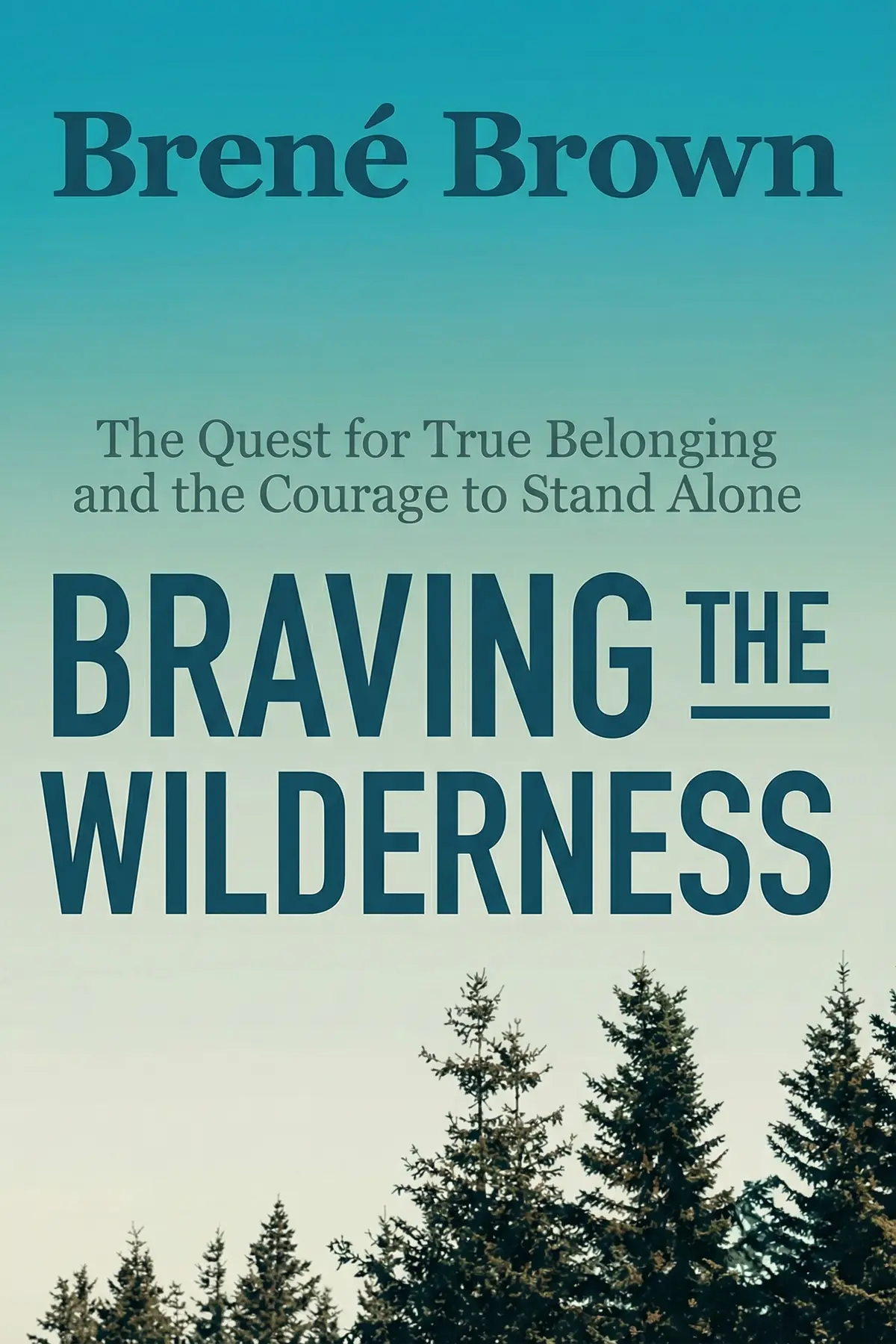
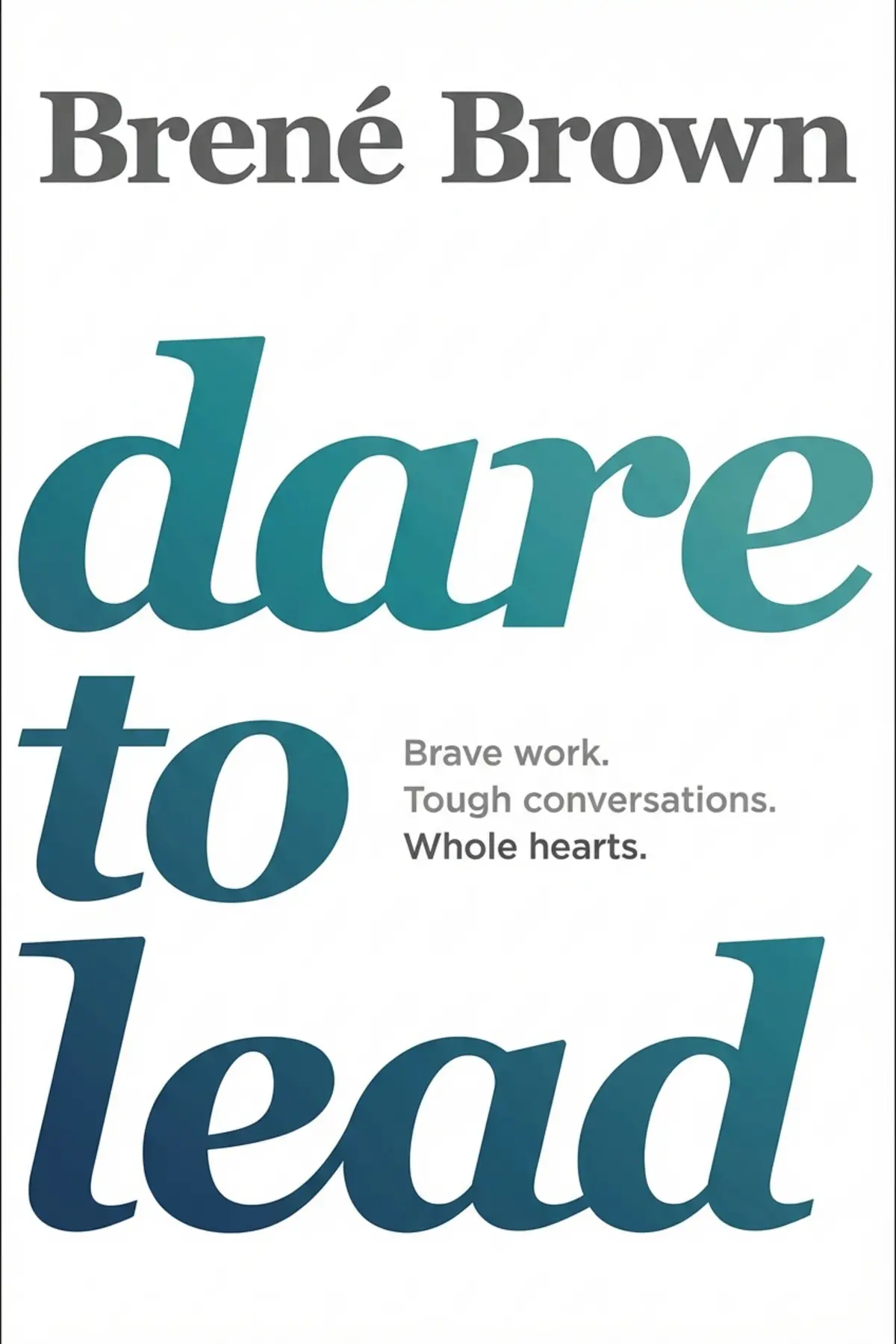
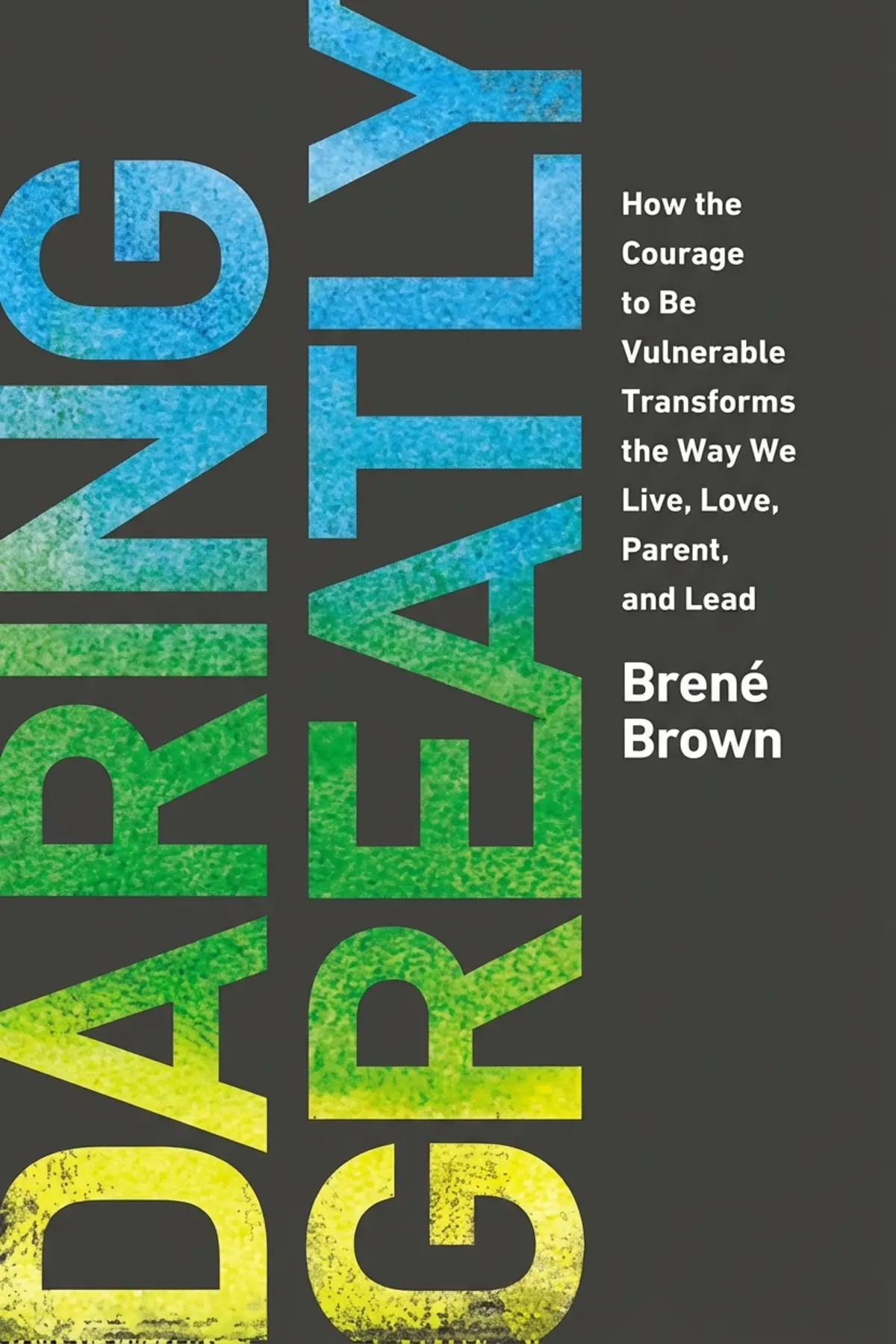
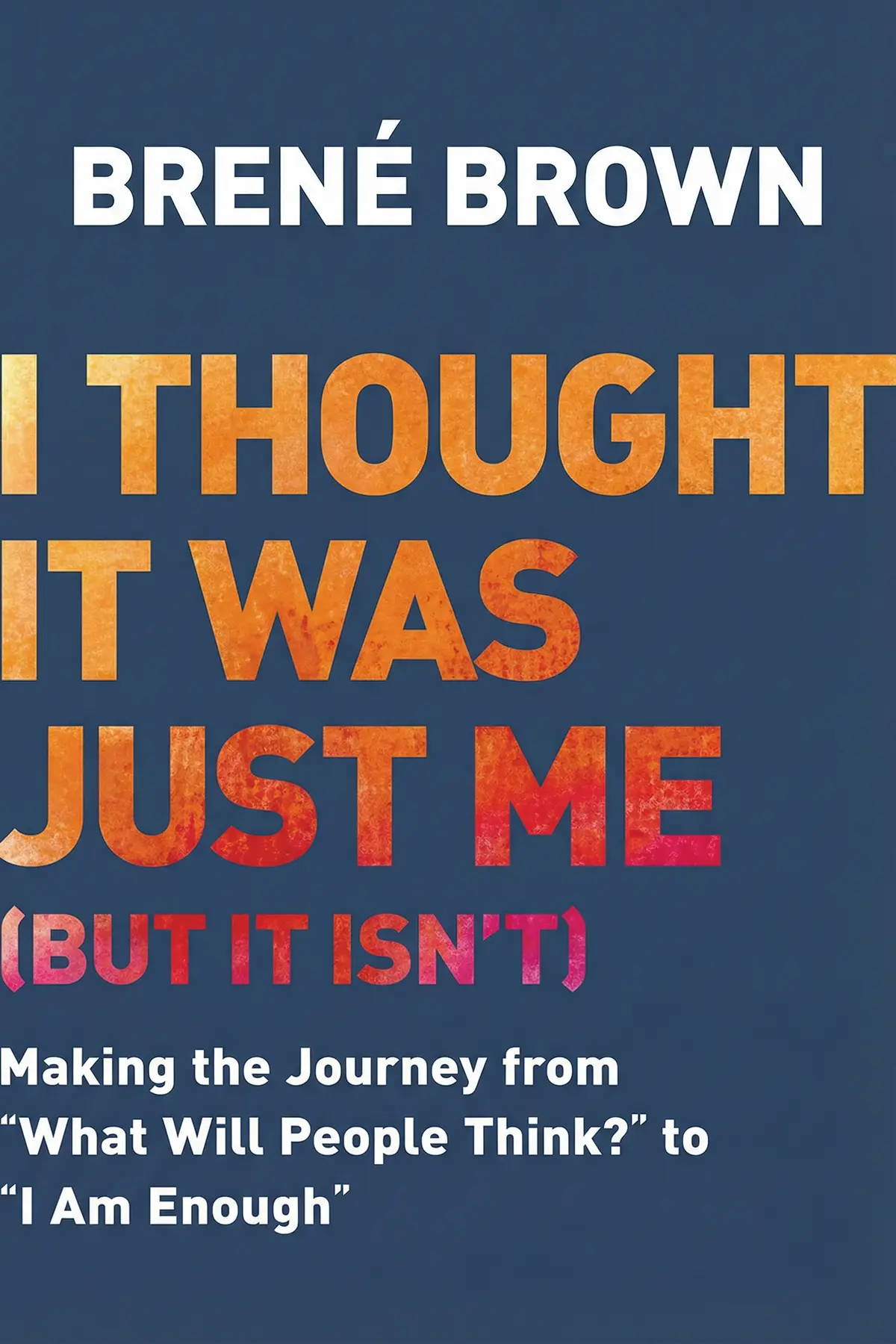
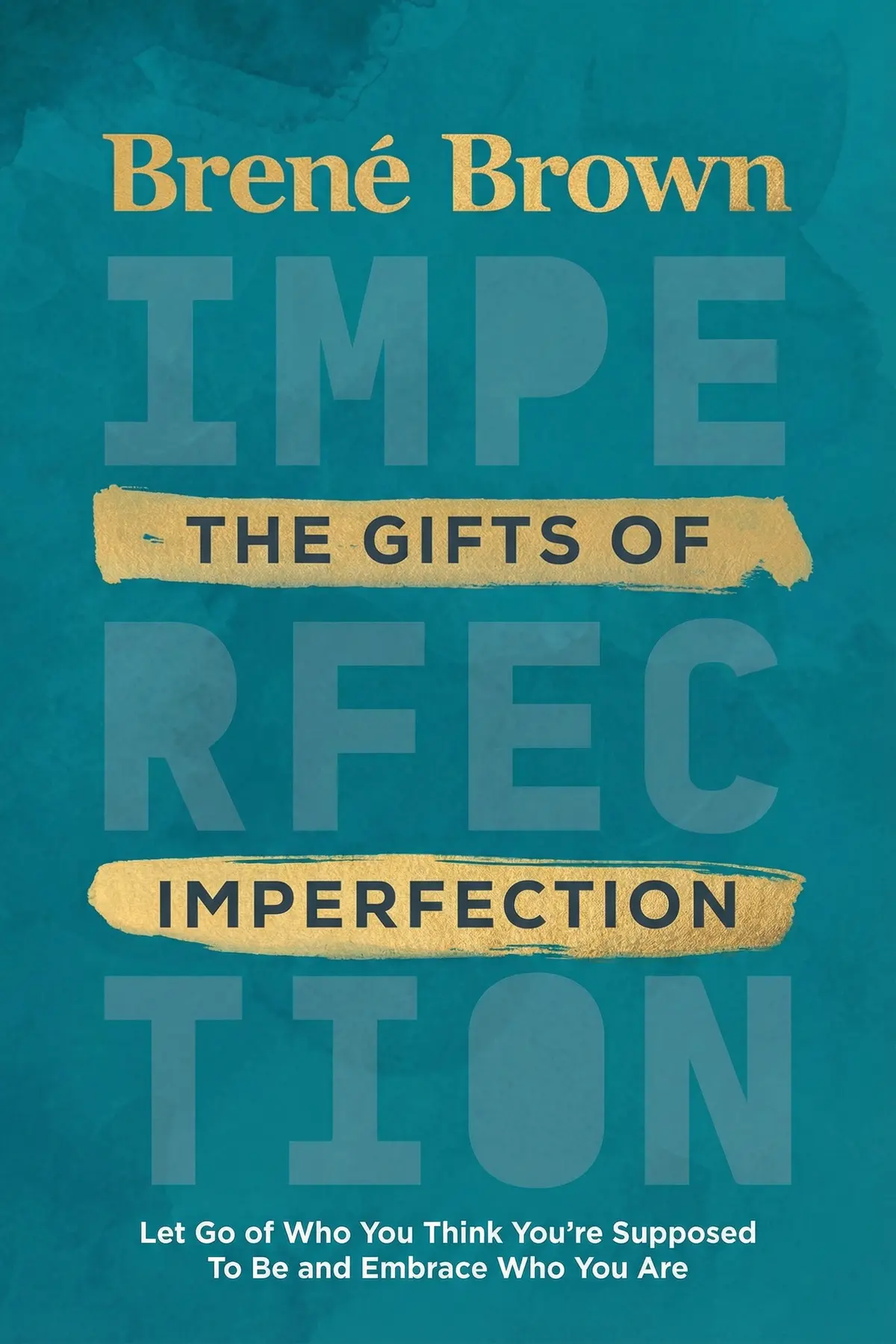
Brené Brown is a research professor at the University of Houston Graduate College of Social Work. The author of Daring Greatly, The Gifts of Imperfection and I Thought It Was Just Me (but it isn’t), she is also the founder and CEO of The Daring Way, an organization that brings her work on vulnerability, courage, shame and worthiness to organizations, schools, communities and families.
Ratings & Reviews
Ratings at a glance
What people think
Listeners find this work both enlightening and very accessible, suggesting it is a mandatory read for every human being. They further describe it as a transformative experience; one listener mentions how it supported them through hardships, while another notes that it instructed them on living more courageously. The book receives acclaim for its narrative technique, with one listener specifically identifying the way it incorporates personal tales and a candid writing style. Listeners also value the emotional resonance, with one noting it offers the language to articulate feelings, and its relatability, as many see themselves in the author’s shared experiences.
Top reviews
Komsan
Rising Strong is basically a survival manual for what to do after you’ve hit the dirt. I was immediately captivated by the way Brown breaks down the 'middle' of the story—that messy Act 2 where everything feels like a failure and you just want to skip to the end. Unlike other self-help books that offer quick fixes, she forces you to sit in the discomfort and actually 'rumble' with your emotions. Frankly, some of her personal anecdotes about her husband and her Texan background felt a bit repetitive, but they made the research feel human. It’s a rare book that provides both the words to describe your internal pain and the actual tools to move through it. I finished it feeling like I finally had permission to be imperfect.
Show moreMarco
Ever wonder why some people bounce back while others stay stuck in their shame? This book dives deep into the mechanics of resilience without sugarcoating how much the process actually sucks. Brown is an incredible storyteller who uses her own 'face down in the arena' moments to illustrate that bravery isn't the absence of fear, but the willingness to engage with it. I found the section on 'the stories we tell ourselves' to be particularly revelatory for my own marriage. While the academic side of me occasionally wanted more hard data and fewer song lyrics, the emotional weight of the work is undeniable. It’s a must-read for anyone trying to live more whole-heartedly in a world that rewards perfectionism.
Show moreKru
The chapter on her experience at Pixar was the highlight of the book for me. It perfectly illustrated how the creative process mirrors our emotional lives—both require a willingness to fail spectacularly before finding the way out. Brown’s writing is open-hearted and courageous, pushing the reader to confront the shame that usually keeps us silent. I’ve read a lot of self-help, but this one felt more like a transformative experience than a simple list of instructions. Some might find her focus on 'the rumble' a bit too idealized for the average corporate workplace, but the 'rising strong' manifesto at the end is genuinely inspiring. It’s a book I’ll probably return to once a year just to keep myself grounded.
Show moreBird
Wow. This was exactly what I needed to hear at this point in my life. Brené Brown has this incredible gift for taking these massive, scary emotions like shame and grief and giving you the words to actually grasp them. The way she talks about the 'shitty first draft' of the stories we tell ourselves was a total epiphany for me. Look, it’s not always a comfortable read—she really pushes you to look at your own behavior—but that’s exactly why it works. I found her personal stories about her family to be deeply relatable, even the small, seemingly petty ones. It’s a brave, open-hearted book that taught me how to live a little more courageously every day.
Show moreSuda
Finally got around to reading this after hearing my therapist mention it, and I’m glad I did. The research Brown conducts on qualitative stories is fascinating, and she has a unique way of making social science feel like a gripping narrative. I specifically appreciated the 'permission slips' idea for meetings; it’s a practical way to bring vulnerability into professional spaces. My only real critique is the formatting of the later chapters, which felt a bit disjointed with the random quizzes and bullet points. It breaks the flow of her otherwise beautiful prose. Still, if you’re looking for a way to navigate life's inevitable face-plants with a bit more grace, this is definitely worth your time.
Show moreOlivia
After hearing so much about Brené Brown's TED talks, I expected something a bit more academic, but this was surprisingly intimate. The truth is, the book often feels like reading someone’s private, unedited diary, which can be polarizing depending on what you're looking for. I appreciated the 'rumble' process even if the lingo felt a little too precious at times. She has this way of weaving qualitative research into storytelling that makes complex psychological concepts feel like a conversation over coffee. My only gripe is that the last third of the book gets bogged down in lists and quizzes that felt a bit like a corporate workshop manual. Still, the core message about facing your own 'shitty first drafts' is something I’ll be thinking about for a long time.
Show moreZanya
Picked this up during a particularly stressful month at work and found it to be exactly the anchor I needed. There’s something about Brown’s voice—even in print—that makes you feel seen and less alone in your struggles. I loved the breakdown of how we try to solve problems from a 'comfortable place' until we realize we have to face the dark middle. To be honest, I did find the repetitive use of her specific terminology like 'MFDs' a bit distracting after a while. It starts to feel like you're learning a secret code rather than just focusing on the psychology. Despite the cheesy quizzes at the end, the insights on vulnerability are profound enough to justify the read.
Show moreTak
As someone who loved Daring Greatly, I was worried this would just be a rehash of the same ideas. While there is definitely some overlap, Rising Strong focuses much more on the specific process of getting back up after a fall. The storytelling style is what makes it work; she doesn't just preach from a pedestal but gets down in the dirt with you. I will say that the middle section drags a bit, and her focus on her own Texan accent or church-going habits might not land with everyone. However, the core concept of 'rumbling with emotions' is a powerful tool for anyone dealing with disappointment. It’s insightful, highly readable, and ultimately very human in its execution.
Show moreGoy
To be fair, I knew I was in for some academic 'truthiness' when I started this, but I didn't expect to be so moved by it. The book is definitely lingo-saturated, and if you aren't ready to 'rumble,' you probably won't get much out of it. But for those of us struggling with the stories we tell ourselves during a crisis, this is life-changing stuff. I loved the focus on mindfulness and the importance of re-framing our initial emotional responses to aversive events. The transition from qualitative research to 80s-style self-help quizzes was jarring, but the gems hidden in the text make it worth the effort. It’s a great resource for being a more emotionally present human being.
Show moreJavier
Not what I expected at all, and to be fair, I struggled to finish it. While the underlying message of being honest with yourself is fine, it’s buried under 300 pages of what feels like 100-proof arrogance. Brown spends an inordinate amount of time complaining about her privileged life—like being annoyed by an email or having a minor spat with her pediatrician husband. It’s hard to find these 'adversities' relatable when they seem so petty compared to real-world struggles. Also, the 'research' feels incredibly squishy, often relying on song quotes or spiritual leaders rather than rigorous data. If you’re a fan of her earlier work, you might enjoy the 'rumbling' lingo, but for me, it just felt like an over-extended, repetitive blog post.
Show moreReaders also enjoyed
A High-Performing Mind: Strengthen Your Mind and Live Your Best Life
Andrew D. Thompson
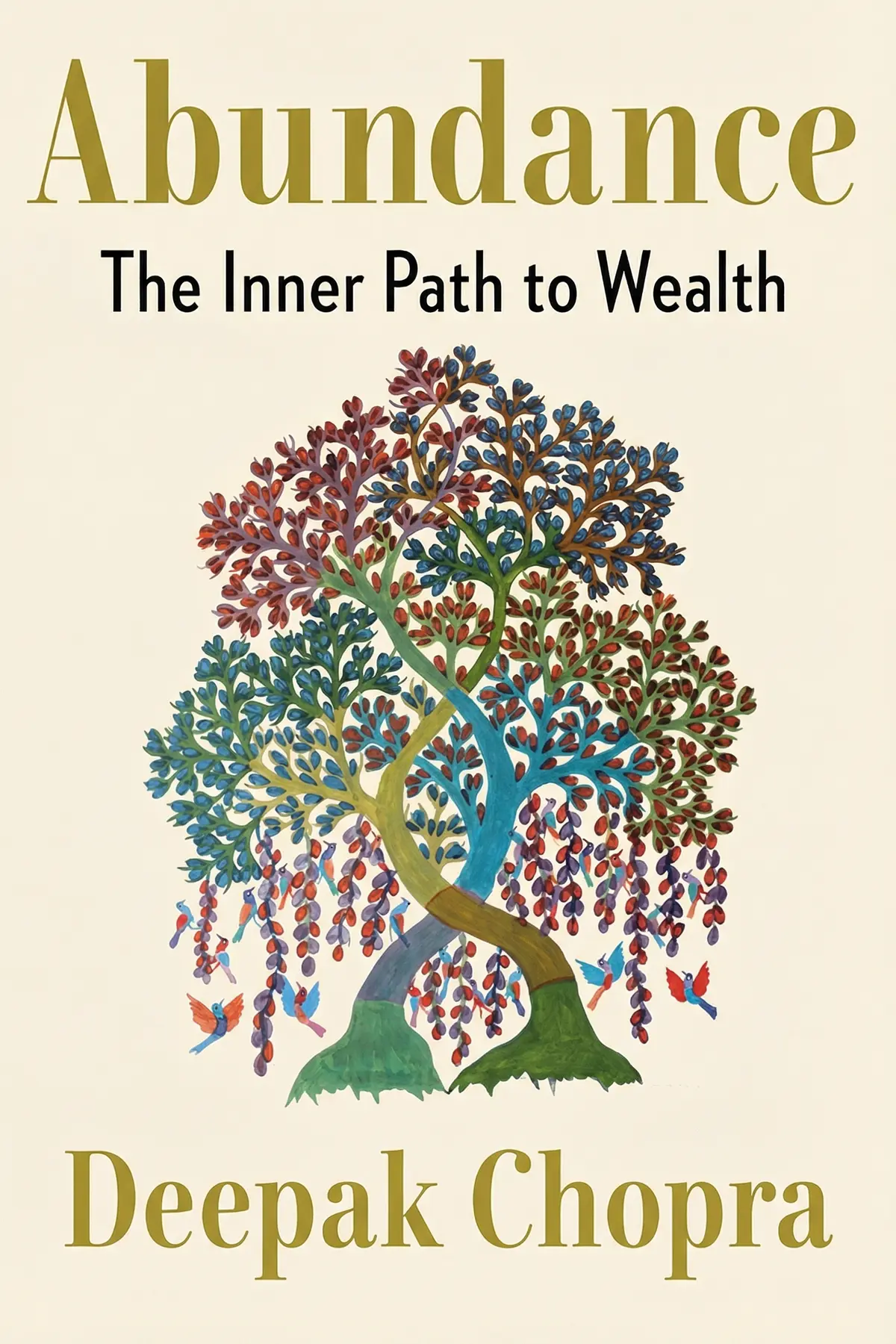
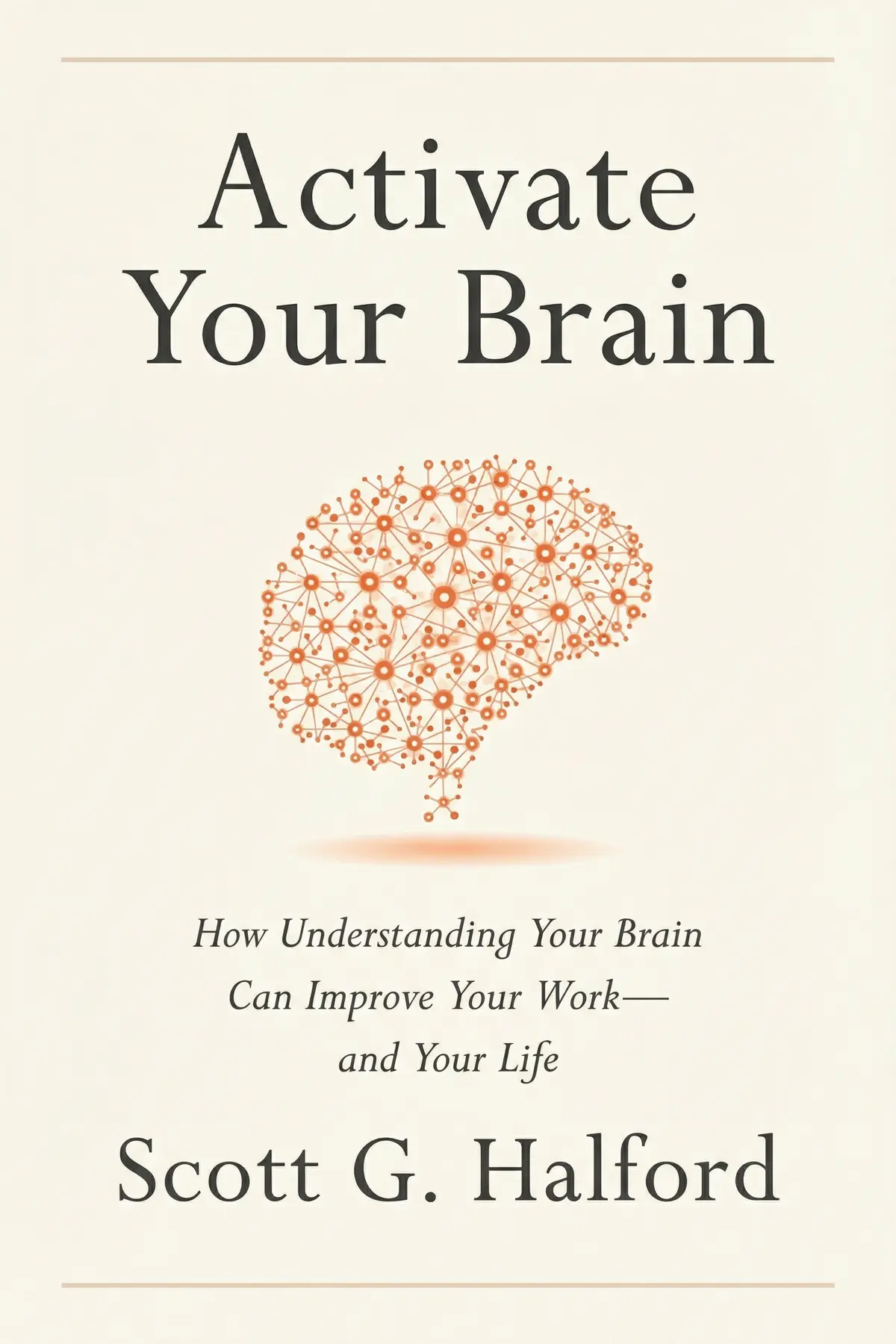
Abundance: The Inner Path to Wealth
Deepak Chopra
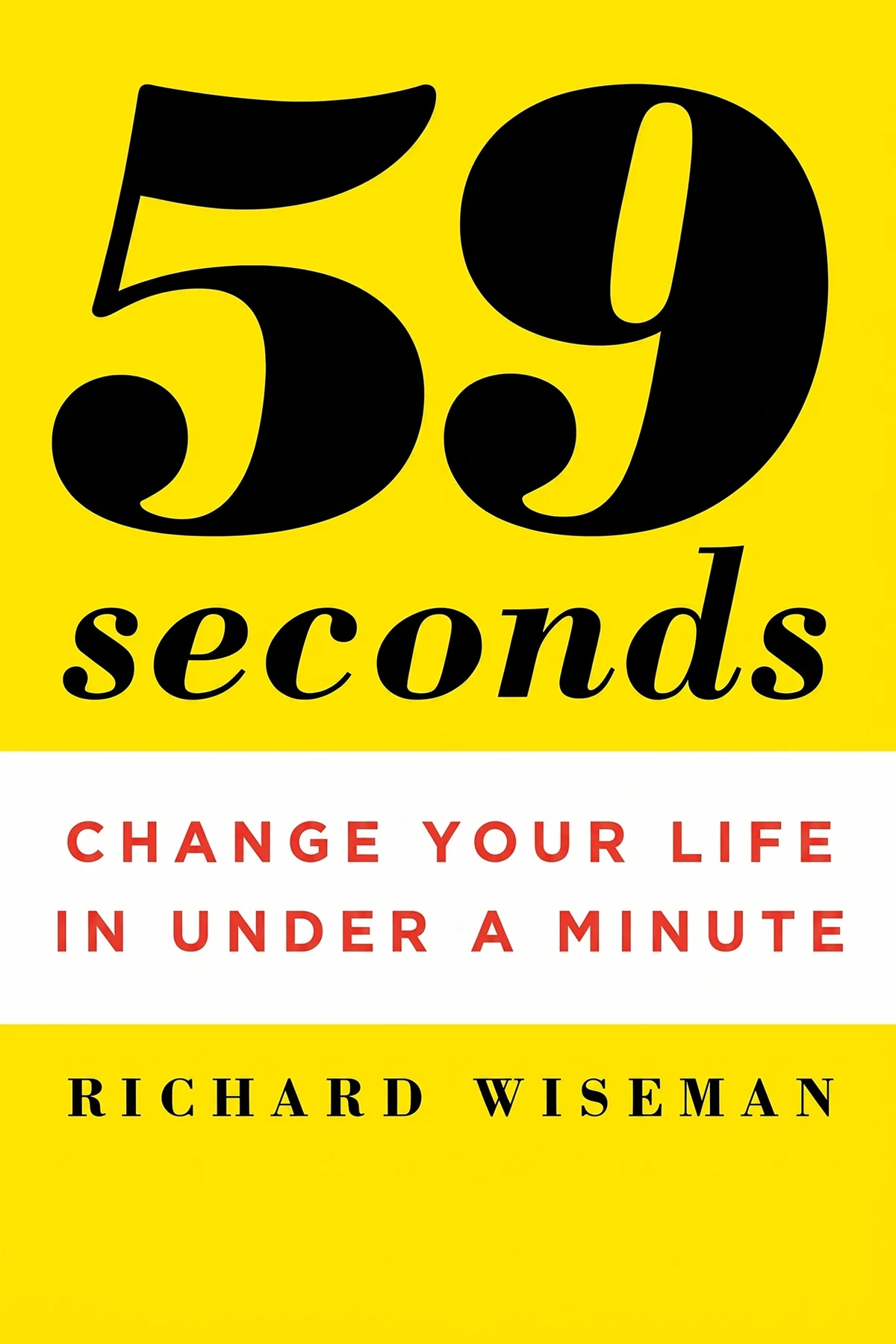
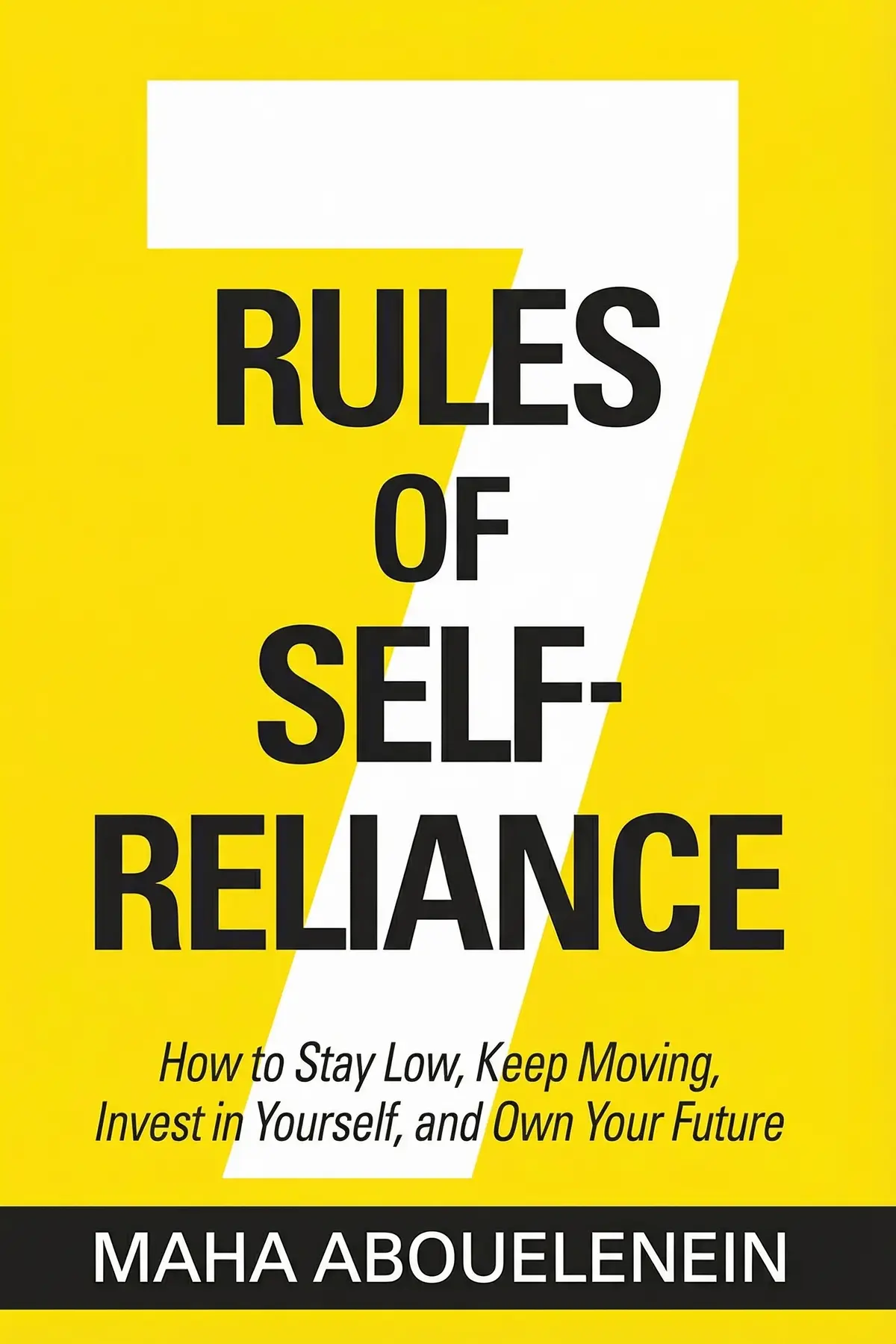
59 Seconds: Change Your Life in Under a Minute
Richard Wiseman

AUDIO SUMMARY AVAILABLE
Listen to Rising Strong in 15 minutes
Get the key ideas from Rising Strong by Brené Brown, plus 5,000+ more titles in English and Thai.
- 5,000+ titles
- Listen as much as you want
- 7-day free trial
- Cancel anytime







