
21 min 39 sec
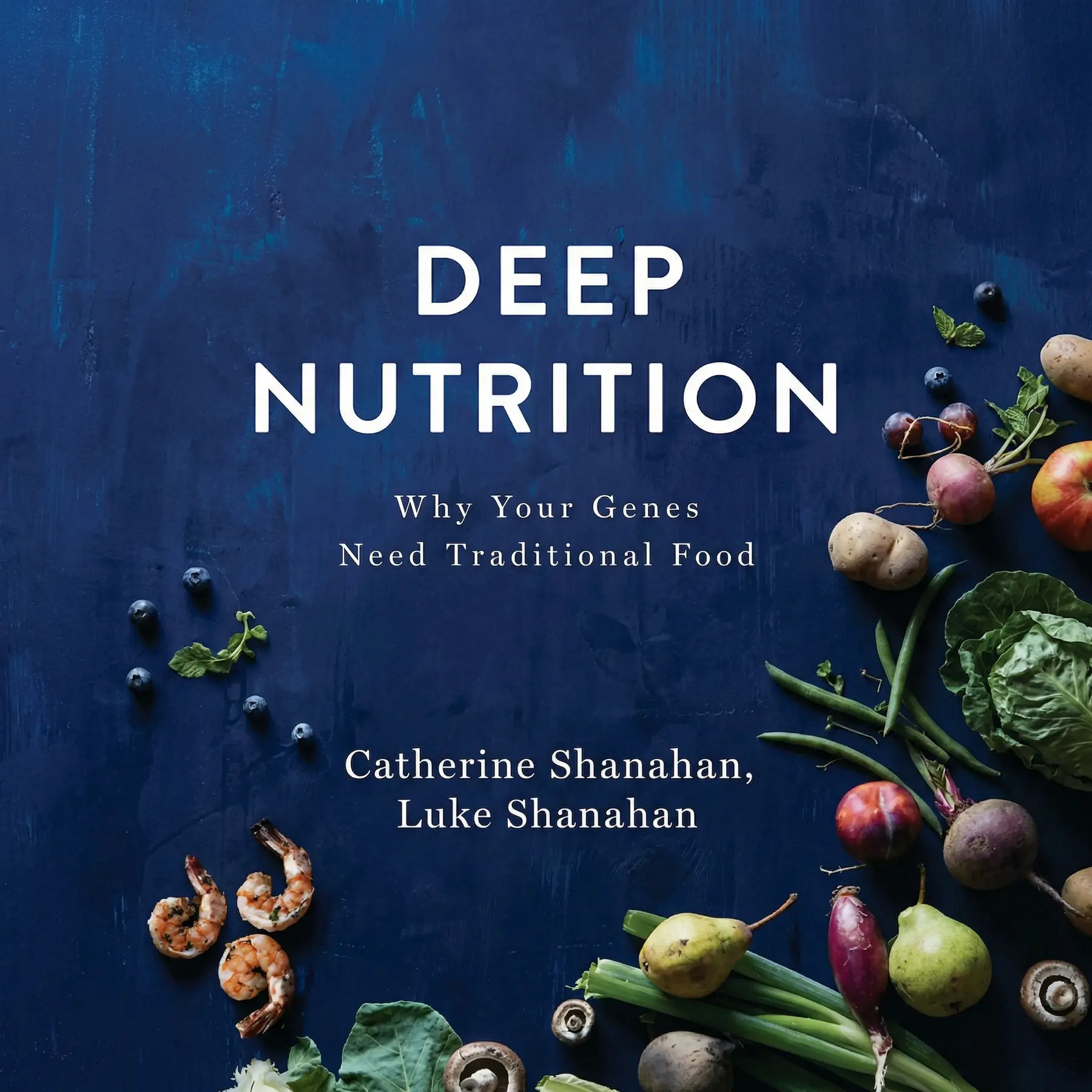
Deep Nutrition: Why Your Genes Need Traditional Food
Deep Nutrition explores how ancestral eating habits and nutrient-dense traditional foods can reprogram your health, combat modern diseases, and ensure optimal genetic expression for future generations through four essential dietary pillars.
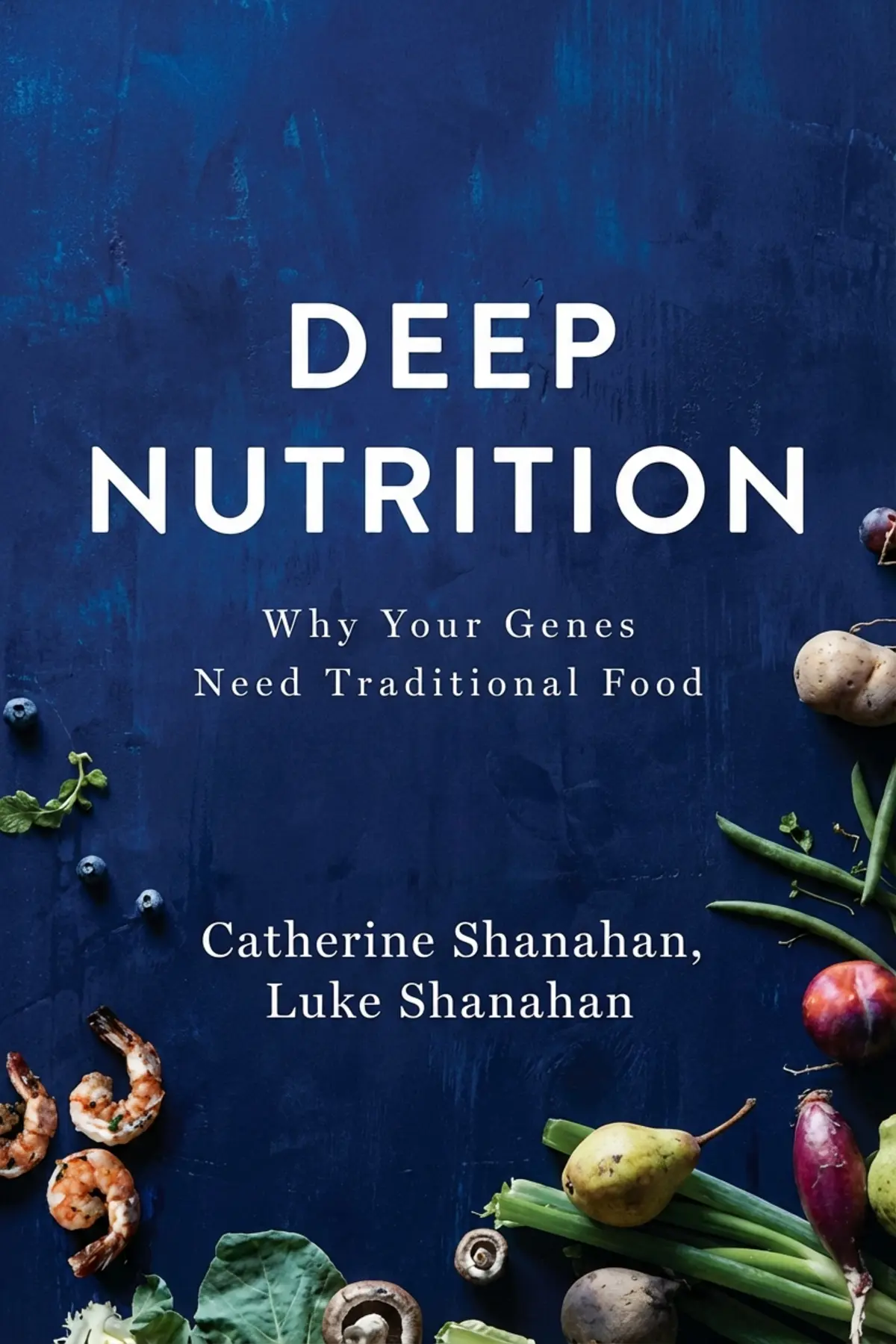
Table of Content
1. Introduction
1 min 47 sec
Have you ever found yourself standing in the grocery aisle, looking at a box of ‘low-fat, vitamin-enriched’ breakfast bars, and wondering why, despite all these engineered health foods, we seem to be getting sicker? It is a strange paradox of our time. We have more medical technology than ever before, yet our energy levels are flagging, and chronic issues are appearing earlier in life. To understand why, we have to look back—not just a few decades, but centuries.
In Deep Nutrition, Dr. Catherine Shanahan and Luke Shanahan argue that our genes are essentially waiting for a specific type of chemical information that only traditional, whole foods can provide. They suggest that the modern diet is more than just ‘unhealthy’; it is a fundamental departure from the biological requirements that shaped human evolution. The throughline of this journey is simple but profound: the further we move away from the traditional methods of preparing food, the more our physical and cognitive health suffers.
We are going to explore how the industrialization of what we eat has created a gap between our medical longevity and our actual quality of life. We will look at why ‘vegetable oil’ is a misleading name for a potentially toxic substance and why sugar is more than just empty calories—it is a disruptor of the very connections in our brain. Most importantly, we will uncover the four pillars of the ‘Human Diet’ that can help us reclaim our vitality. It is about moving past the fads and returning to a way of eating that our ancestors would recognize, ensuring that our bodies—and the bodies of our children—have the building blocks they need to thrive.
2. The Paradox of Modern Longevity
2 min 51 sec
While medical science helps us live longer, our actual physical health is declining faster than previous generations. Discover why modern medicine often treats symptoms rather than nutritional causes.
3. Ancestral Wisdom and Genetic Foundation
2 min 39 sec
Traditional cultures possess secrets to health that modern society has forgotten. Learn how pre-conception nutrition can determine the lifelong health of a child.
4. The Invisible Threat of Vegetable Oils
2 min 37 sec
Not all fats are created equal, and some can actively damage your brain. Explore how common cooking oils disrupt your body’s natural defense systems.
5. The Sweet Deception of Sugar
2 min 35 sec
Sugar is more than just a treat; it’s a powerful biological disruptor. Discover how the modern food industry hides this addictive substance in plain sight.
6. Pillars of Vitality: Meat on the Bone and Organs
2 min 48 sec
Optimal nutrition isn’t found in a lab; it’s found in the kitchen of our ancestors. Learn why the ‘forgotten’ parts of the animal are the most beneficial.
7. The Power of Sprouting and Fermenting
2 min 31 sec
Plants have natural defenses that can prevent you from absorbing their nutrients. Discover the ancient techniques that unlock the true value of grains and legumes.
8. Freshness as a Bio-Active Requirement
2 min 22 sec
The fourth pillar of health is often the simplest to find but the hardest to maintain. Learn why ‘fresh’ is more than just a marketing term for your produce.
9. Conclusion
1 min 29 sec
As we have seen, the path to vibrant health isn’t paved with the latest lab-grown supplements or ‘diet’ foods. Instead, it is found in the wisdom of our ancestors. Deep Nutrition shows us that the decline in our physical and cognitive health is not an inevitable part of aging, but a consequence of a diet that has become disconnected from our evolutionary needs. By understanding how unstable vegetable oils and hidden sugars act as toxins, we can begin to make choices that protect our brains and our genes.
To reclaim your vitality, remember the four pillars: eat meat on the bone to support your joints, embrace organ meats for their unmatched nutrient density, choose sprouted and fermented foods to unlock the power of plants, and prioritize fresh, raw produce for its antioxidant protection.
If you want to start today, take a look at your kitchen through a new lens. A great first step is the ‘kitchen detox.’ Go through your pantry and identify any products where vegetable oil is one of the top six ingredients. Removing these inflammatory triggers is perhaps the single most effective thing you can do for your long-term health. By returning to the ‘Human Diet,’ you aren’t just changing what you eat; you are honoring the biological heritage that allows you to live with strength, clarity, and purpose.
About this book
What is this book about?
Deep Nutrition presents a compelling argument for returning to the eating habits of our ancestors. Catherine and Luke Shanahan examine the disconnect between modern medical advancement and the declining physical health of younger generations, tracing the root cause to the industrialization of our food supply. The book investigates how processed vegetable oils and excessive sugar disrupt our biological systems, leading to cellular damage and chronic illness. By looking at long-lived traditional cultures and the findings of pioneering researchers, the authors identify 'The Human Diet'—a framework built on four pillars: meat on the bone, organ meats, fermented and sprouted foods, and fresh plants. This summary promises a roadmap to revitalizing your health by understanding the epigenetic power of food and making practical changes to your daily nutrition.
Book Information
About the Author
Catherine Shanahan
Catherine Shanahan, M.D., is a board-certified family physician with over ten years of clinical practice in Hawaii. She earned her medical degree from Robert Wood Johnson Medical School and studied at Cornell University. Her co-author and husband, Luke Shanahan, is a writer and lecturer who graduated from the University of Iowa’s Writers’ Workshop, bringing a passion for literature and culinary arts to their collaborative work.
Ratings & Reviews
Ratings at a glance
What people think
Listeners find this nutrition book compelling and accessible, featuring deeply researched material that details the science of traditional eating patterns and their wellness advantages. The text offers clear insights that are easy for the average person to grasp, and listeners appreciate how the book enables them to better interpret nutritional claims. They highlight its significant health benefits; one listener points out how it can reverse diseases using nourishing food, while another mentions how it breaks down what the body needs to thrive.
Top reviews
Chloe
As someone who has struggled with chronic inflammation for years, Dr. Shanahan’s work feels like a revelation. The way she breaks down the science of epigenetics makes it clear that our DNA isn't a fixed destiny but a flexible blueprint. I was particularly struck by the "Four Pillars of World Cuisine," especially the emphasis on bone broths and fermented foods. It’s not just a diet; it’s a total shift in how you view the biological signals you’re sending your body. The prose is engaging and accessible, even when she’s diving deep into molecular biology. My only minor gripe is the somewhat repetitive nature of the warnings against vegetable oils, but the message is so vital it’s hard to stay annoyed. It's empowering to realize that nourishing food can actually help reverse some of the damage caused by a standard modern diet. Truly a must-read for anyone serious about longevity.
Show moreElan
Ever wonder why our ancestors didn't suffer from the same 'modern' ailments we do today? This book provides a compelling answer through the lens of traditional diets and evolutionary biology. I’ve always been skeptical of "fad" nutrition, but Shanahan’s approach is grounded in how our bodies were actually designed to function. The explanation of how sugar leeches nutrients and causes hormonal static was particularly jarring for me. It forced me to rethink my relationship with sweets entirely. While some of the sections on facial symmetry and beauty are a bit out there, the core logic holds up remarkably well. She makes a strong case for eating real, unadulterated fats and avoiding the toxic sludge that is canola oil. The book is dense but never boring. It’s the kind of resource you’ll find yourself coming back to over and over again.
Show moreHassan
Picked this up after a recommendation from a friend, and I can't believe I didn't find it sooner. The chapter on vegetable oils changed my life literally overnight. Learning about how these oils oxidize and create "Megatrans" fats was terrifying but necessary. I immediately cleared out my pantry. The book is incredibly well-researched, yet it remains readable for someone without a medical degree. I love how she connects historical food preparation—like sprouting and fermenting—to modern genetic health. It feels like she’s giving us the keys to a kingdom we’ve forgotten. Some parts are definitely controversial, like the claims about how nutrition affects the physical beauty of children, but the underlying health benefits are hard to argue with. If you want to understand what your body actually needs to thrive instead of just survive, this is the book for you.
Show moreYaowaluk
This book offers a massive amount of research that bridges the gap between anthropology and modern medicine. Catherine Shanahan does an excellent job explaining why we need to return to the way people ate for centuries. I found the sections on the "Four Pillars"—especially organ meats and meat on the bone—to be both fascinating and practical. To be fair, the stuff about the Marquardt Mask and facial symmetry is a bit of a stretch for me. It feels a little too focused on aesthetics rather than pure health. However, the overarching themes of avoiding sugar and vegetable oils are invaluable. The writing style is analytical yet easy to follow. It’s a bit long-winded in places, but the wealth of information justifies the length. Even if you don't buy into every single theory, the dietary changes she recommends will undoubtedly make you feel better.
Show moreMethinee
Wow, the level of detail regarding how sugar disrupts hormone signaling is eye-opening. I’ve read a lot of health books, but this one goes deeper into the "why" than most. Shanahan’s critique of the modern healthcare system and the influence of big business on dietary guidelines is scathing. She isn't afraid to call out the "cholesterol myth" or the damage caused by Ancel Keys' legacy. The book is essentially a manual for reclaiming your health through traditional food. My experience following the advice has been positive, though cutting out all sugar and most fruit is a steep hill to climb. Some of the anecdotal evidence feels a bit like she's stretching the facts to fit her narrative. Regardless, the core message about eating food as close to the source as possible is undeniable. It's a solid read for the sheer amount of knowledge shared.
Show moreHenry
The chapter on vegetable oils alone is worth the price of admission. Frankly, I was shocked to learn how these oils are processed and the inflammation they cause in the body. Shanahan writes with a lot of authority, and her background as a physician adds significant weight to her claims. I appreciated the practical tips on how to identify "bad" fats when eating out. That said, I did find some of her assertions a bit ridiculous. For instance, the idea that sunburn is primarily a result of nutrient deficiency seems to ignore the reality of a thinning ozone layer. It’s these kinds of reaches that make the book feel a bit less scientific than it wants to be. Still, the general advice on fermented foods and bone broth is excellent. It’s a paradigm-shifting read that will make you question everything the government tells you to eat.
Show morePrinya
After hearing so much buzz about 'Deep Nutrition,' I finally dove in and found the empowerment I needed to take control of my health. It’s one of the few books that actually explains how your diet affects your future children and even grandchildren through epigenetics. The concept of "second child syndrome" was something I had never heard of before, but it makes so much sense when you look at nutrient depletion over multiple pregnancies. The author’s passion for real food is infectious. She breaks down complex metabolic processes into simple explanations that any layperson can understand. Switching to raw dairy and pasture-raised meats isn't cheap, but after reading this, it feels like an investment in my long-term survival. This book is a masterpiece of health literature. It’s rare to find something that is so dense with facts while remaining so engaging.
Show moreRay
To be fair, there is a lot of solid advice here regarding processed foods and the benefits of bone broth. I learned a lot about the importance of collagen and how traditional cooking methods preserve nutrients. But man, the obsession with beauty and facial symmetry got old fast. It felt very anecdotal and, at times, borderline offensive. The suggestion that we’d all be supermodels if we just ate more organ meats is a huge leap that isn't backed by the kind of rigorous science I was looking for. The tone can be quite alarmist and uses scare tactics to drive its points home. I also wish she hadn't dismissed certain supplements so quickly, as some of us need that extra support. It’s a decent book if you can filter out the fluff and the "cultish" vibes, but it requires a lot of critical thinking.
Show moreMikael
Not exactly what I expected, though I appreciate the focus on eating closer to the source. The truth is, the book feels like it’s trying to be two different things: a scientific treatise on epigenetics and a beauty manual. The two don’t always mesh well. While I agree that vegetable oils and sugar are the enemy, the restrictions are intense. No honey? Very little fruit? It feels a bit like a "fatty food" excuse for people who want to eat butter all day. Some of the illustrations were also a bit weird and didn't really help explain the concepts. It’s definitely an interesting read, and I’ll probably keep making my own stock now, but I won’t be following every rule. Read it with a healthy dose of skepticism. It’s a mix of great nutritional common sense and some very questionable personal opinions.
Show moreSomchai
Finally got around to reading this, but the pseudoscience was hard to swallow. While the author sounds smart, many of her "scientific" claims are based on her own small studies or personal anecdotes. The part where she implies children are "ugly" or have "recessed chins" because their mothers didn't eat enough bone broth is just insulting. It reeks of a weird, modern eugenics project that has no place in a nutrition book. Her logic is often flawed—essentially "I did X and Y happened, so X causes Y." It ignores so many variables in human health. Yes, we should probably all eat fewer processed foods, but you don't need a 400-page book of snake oil to tell you that. I found the tone condescending and the lack of peer-reviewed evidence frustrating. There are much better, more balanced books on the Paleo/traditional diet movement than this one.
Show moreReaders also enjoyed
AUDIO SUMMARY AVAILABLE
Listen to Deep Nutrition in 15 minutes
Get the key ideas from Deep Nutrition by Catherine Shanahan, plus 5,000+ more titles in English and Thai.
- 5,000+ titles
- Listen as much as you want
- 7-day free trial
- Cancel anytime







