
11 min 08 sec
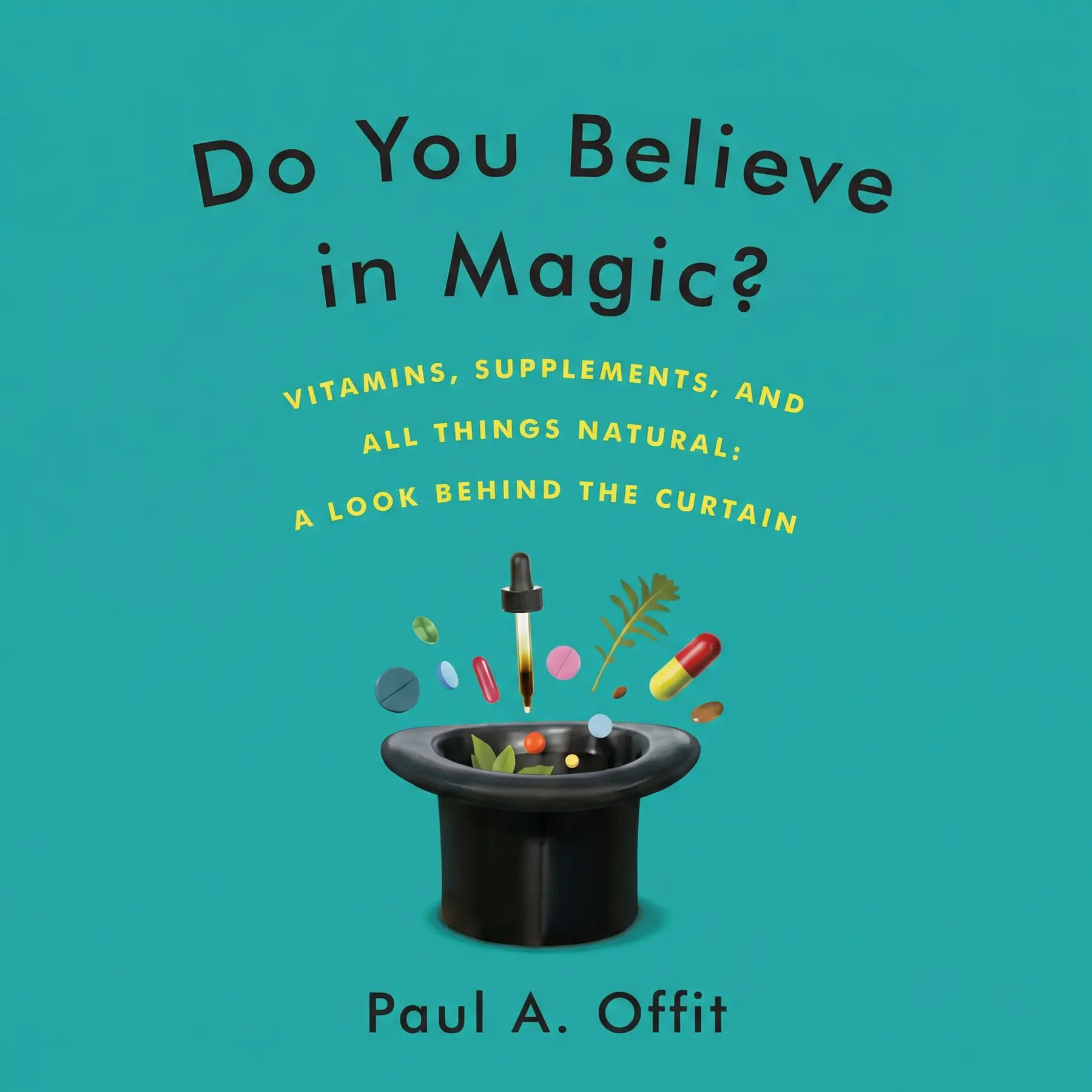
Do You Believe in Magic?: Vitamins, Supplements, and All Things Natural: A Look Behind the Curtain
A provocative examination of the multi-billion-dollar alternative medicine industry, exploring why rational people choose unproven supplements and rituals over science-based medicine, and the potential dangers inherent in those choices.
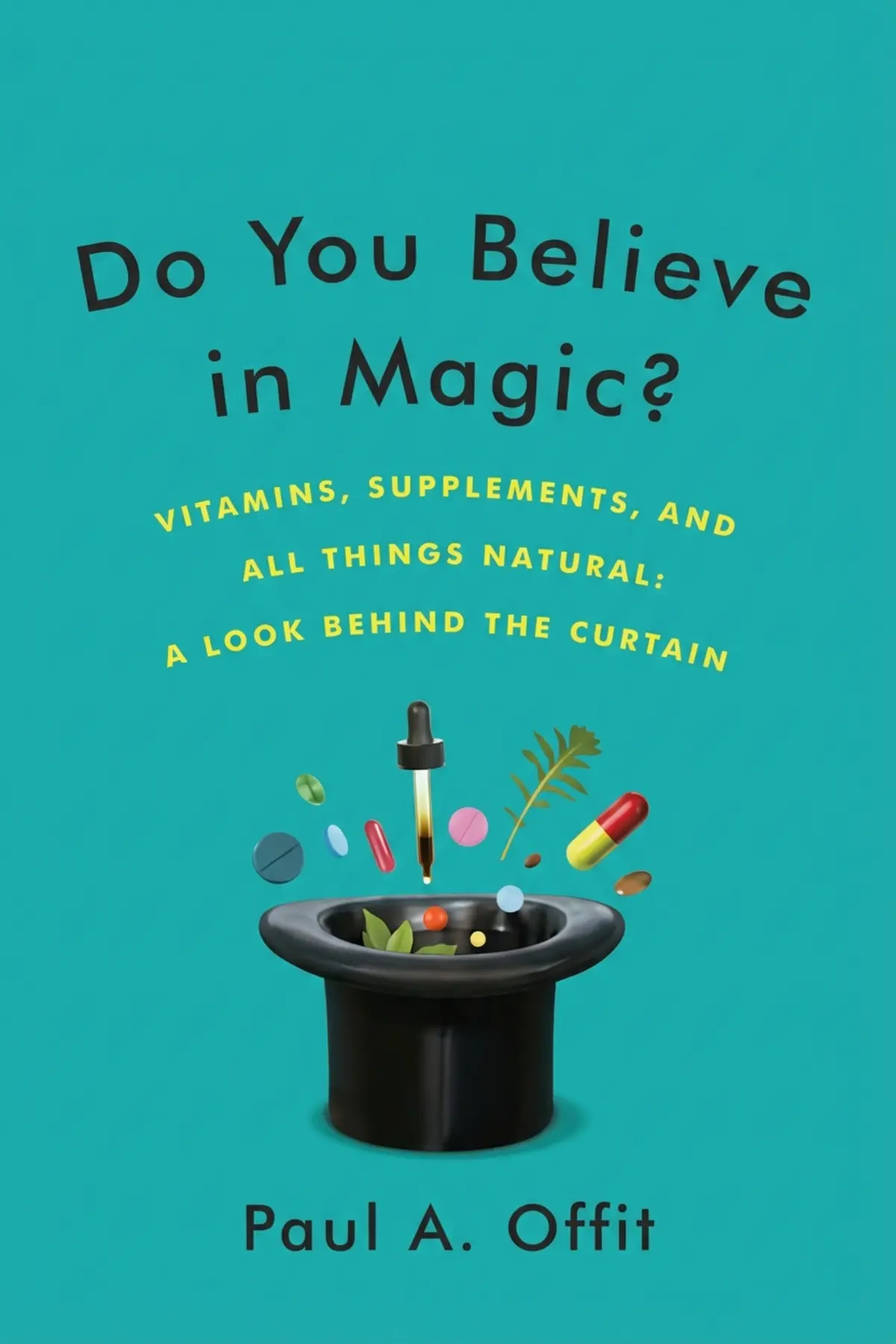
Table of Content
1. Introduction
1 min 44 sec
We have all been there. You feel a lingering fatigue, a strange ache, or just a general sense that you aren’t functioning at your peak. You visit a conventional doctor, only to be told after a few tests that everything looks fine and you perhaps just need more rest or a better diet. It feels dismissive. It feels like the system doesn’t care about your unique experience.
This is the moment when the world of alternative medicine becomes incredibly seductive. An alternative practitioner—whether a naturopath, a homeopath, or a supplement specialist—will often give you hours of their time. They might look into your eyes, use pendulums, or ask deep questions about your lifestyle. They offer a personal touch that modern, high-tech medicine often lacks. It is easy to see why millions of rational people turn to these ‘natural’ solutions.
However, there is a hidden side to this industry. While we often view vitamins and herbal remedies as ‘natural’ and therefore ‘safe,’ the data tells a different story. Between the years of 1983 and 2004, American poison-control centers documented over one million reports of negative reactions to supplements and minerals. This book, written by a leading infectious disease expert, looks at the evidence—or lack thereof—supporting the alternative medicine movement. We will explore why we are so easily swayed by celebrity endorsements, the strange history of medical gadgets, and the fascinating way our own brains can trick us into feeling healed through the power of ritual.
2. The Hidden Reality of Vitamin Supplements
1 min 59 sec
Discover why the vitamins in your cupboard might not be the health miracle you were promised and how high doses could actually be doing more harm than good.
3. The Influence of Celebrity on Medical Choice
2 min 00 sec
Explore how the fame and personal stories of stars like Suzanne Somers and Jenny McCarthy can overshadow scientific evidence and impact public health.
4. A History of Medical Charlatans
2 min 12 sec
Trace the long timeline of medical quackery from the early 20th century to the present, revealing the persistent nature of health scams.
5. Understanding the Power of the Placebo
2 min 00 sec
Uncover the biological reasons why alternative therapies often feel like they are working, even when the treatment itself is inert.
6. Conclusion
1 min 13 sec
In our search for health and longevity, it is easy to be led astray by the promise of ‘magic’ solutions that seem more personal and natural than the sterile halls of a hospital. However, as we have seen, the alternative medicine industry is often built on a foundation of unproven claims, celebrity influence, and historical quackery. While the placebo effect can offer temporary relief and the power of ritual shouldn’t be dismissed, these are not substitutes for evidence-based medicine.
The most important takeaway is to remain a critical consumer of health information. Don’t let a ‘natural’ label or a celebrity testimonial override scientific data. If you want the benefits of vitamins, the safest and most effective way to get them is through a diverse and balanced diet, rather than a shelf full of supplements. By understanding the psychology behind why we believe in these remedies, we can better protect ourselves from the financial and physical risks they often carry. Trust the science, respect the power of your body’s own internal healing, but never mistake a comforting ritual for a medical miracle.
About this book
What is this book about?
Modern healthcare often feels like a cold, efficient machine. In the rush of a ten-minute consultation, patients frequently feel unheard or dismissed, leading many to seek solace in the warm, attentive embrace of alternative healers. This book pulls back the curtain on that world, investigating everything from daily multivitamins to more extreme alternative cancer therapies. It explores the psychological pull of natural remedies and the historical roots of medical quackery, while exposing the lack of scientific evidence behind many popular claims. The narrative doesn't just dismiss these practices; it explains the biology of the placebo effect and the power of ritual, showing why we sometimes feel better even when the treatment itself does nothing. Ultimately, it serves as a guide for navigating the complex health landscape, promising to help readers distinguish between genuine healing and dangerous illusions while reinforcing the vital role of evidence-based science in protecting public health.
Book Information
About the Author
Paul A. Offit
Paul A. Offit, MD, is a distinguished medical professional serving as the chief of the Division of Infectious Diseases and the director of the Vaccine Education Center at the Children’s Hospital of Philadelphia. He is a prolific writer on medical science and public health, having authored notable works such as Autism’s False Prophets, Vaccinated, and Deadly Choices.
Ratings & Reviews
Ratings at a glance
What people think
Listeners find the book thoroughly investigated and accessible, noting its scientific and clinical prose. They further consider it a vital resource for health literacy and value its factual basis, with one listener highlighting that it's backed by reputable references. Furthermore, the text provides useful details on vitamins and dietary supplements, and listeners admire its perspective on human nature. Nevertheless, perspectives on its efficacy are divided; some find it helpful, while others say it never works.
Top reviews
Nikolai
Paul Offit has written an incredibly sobering look at the dark underbelly of the alternative medicine industry. His clinical, scientific style makes the information feel grounded and reliable, especially when he’s deconstructing the myths surrounding "natural" supplements. It’s terrifying to read about how families are lured in by the promises of people like Dr. Oz or Suzanne Somers, often at the expense of effective treatment. Truth is, we often want to believe in magic because the reality of chronic illness is too much to bear. Offit captures that human vulnerability perfectly while providing a necessary dose of reality. The research here is top-notch, backed by reputable references that make it an essential guide for anyone trying to navigate their own healthcare. It’s an easy read but packs a massive punch. If you’ve ever wondered why the FDA can’t just shut down the snake oil salesmen, this provides the legislative context you need.
Show moreChokdee
Wow. This book is a literal vaccine against the quackery that fills our social media feeds and daytime television. Offit name-drops everyone from Deepak Chopra to Dr. Mercola, explaining exactly how their "miracle" cures fail the test of science. The most heartbreaking parts involve people like Steve Jobs, who delayed conventional treatment for alternative methods, showing that even the most intelligent people can be hoodwinked. The author's clinical background as a pediatrician shines through, giving him a unique perspective on the harm caused by anti-vax movements and bogus autism treatments. I loved the section on the placebo response—it’s fascinating to learn how our brains can trick us into feeling better even when the "medicine" is just a sugar pill. This is essential reading for anyone who wants to be an informed healthcare consumer in a world full of influencers and "wellness" gurus.
Show moreDek
Finally got around to reading this, and it’s a total game-changer for how I view healthcare. Paul Offit doesn't pull any punches when it comes to "magical" thinking. He brilliantly illustrates how the placebo effect works and why it’s so dangerous when used as a substitute for real treatment for things like cancer or AIDS. The writing style is direct and evidence-based, which I found refreshing in an age of "my truth" and anecdotal evidence. It’s a public service to have someone call out the "Dark Side" of the alternative movement so clearly. He handles sensitive topics, like grieving parents seeking miracle cures, with a level of respect that stops the book from feeling too cynical. Frankly, this should be required reading for anyone who thinks "natural" always means "safe." It’s an eye-opening look at human nature and the billion-dollar industry that profits from our fears.
Show moreAroha
After hearing so much about Dr. Offit’s work with vaccines, I had high hopes for this book, and it did not disappoint. He provides a fascinating, if sometimes terrifying, look at how easily we can be deceived by charlatans promising "miracle" cures. The book is incredibly well-researched, providing a much-needed history of medical quackery from the days of snake oil to modern-day celebrity influencers. I appreciated how he focused on the tragic consequences for real families, which grounded the scientific arguments in human emotion. It’s an essential guide for anyone who wants to understand the difference between a placebo response and a clinical cure. Not every doctor is a great storyteller, but Offit manages to be both informative and engaging. This is more than just a book about medicine; it’s a manual on how to think critically about our own health and the people we trust with it.
Show moreMint
As a lifelong skeptic, I appreciated how this book tackles the "megadose" vitamin craze with such precision. Offit doesn't just call names; he traces the history of figures like Linus Pauling to show how even brilliant scientists can go off the rails. It’s a fascinating study of human nature and our desperate need for control over our mortality. Not gonna lie, some parts felt a bit repetitive, and he can be quite blunt when dismissing things like acupuncture. However, the core message about evidence-based practice is too important to ignore. Look, the medical system isn't perfect—Offit admits that people turn to CAM because they feel ignored by doctors—but he proves that "alternative" shouldn't mean "untested." This is a solid, well-researched read that changed my mind about the multivitamin I take every morning.
Show moreTee
Picked this up because I was curious about why the supplement industry is so massive despite the lack of evidence for many of its products. Offit explains the politics behind it beautifully, showing how lobbyists have essentially created a lawless market for vitamins and minerals. It’s a well-researched deep dive that makes you realize how much "freedom" we are given to accidentally poison ourselves. Personally, I found the chapter on the history of medicine to be the highlight, especially the parts about how ancient "wisdom" was often just arbitrary guesses. Some of his put-downs of figures like Andrew Weil felt a bit harsh, but the underlying science is hard to argue with. The book is easy to read and moves quickly, though I wish he’d spent more time on how modern medicine can improve its patient care to prevent people from fleeing to CAM in the first place.
Show moreElla
Ever wonder why people spend billions on things that don't work? Offit explores this question through a mix of tragic case studies and rigorous scientific analysis. He manages to make complex medical concepts easy to understand for a layperson, which is no small feat. I was particularly struck by the stories of people who abandoned life-saving chemotherapy for coffee enemas or "energy" healing. It’s a stark reminder that belief is a powerful drug. The book is very clinical, which I liked, though I can see how some might find it a bit dry in the middle chapters. One minor criticism: he paints with a very broad brush, sometimes lumping in harmless practices with dangerous ones. Still, the information on the lack of FDA oversight for supplements is worth the price of admission alone. It definitely made me rethink my own vitamin cabinet.
Show moreYothaka
The chapter on vitamins was a real eye-opener for me, especially the stuff about how megadoses of Vitamin C and E can actually be harmful. Frankly, I had no idea that Linus Pauling had such a massive, and somewhat negative, influence on the industry. Offit’s writing is sharp and his research is clearly backed by reputable sources. He does a great job of explaining that if a treatment actually works, it stops being "alternative" and just becomes "medicine." While I don't agree with every single one of his conclusions—especially regarding how he dismisses some therapies for chronic pain—the book is overall a very strong defense of science. It’s a quick read that provides a lot of "common sense" that seems to be missing from the current health conversation. I’d recommend it to anyone who finds themselves overwhelmed by conflicting health advice online.
Show moreAisha
While the writing is accessible and the stories are undeniably tragic, I found Offit’s tone to be somewhat patronizing at times. He seems to view the world in a strict binary: conventional medicine is good, and everything else is a dangerous delusion. This perspective ignores why people seek out healers in the first place—often because the current system is cold and rushed. He spends a lot of time mocking celebrities like Jenny McCarthy, which is fair, but he doesn't offer much of a bridge for those who find value in the placebo response or stress-reduction techniques. To be fair, his takedown of the supplement industry’s lack of regulation is necessary and informative. It just felt like he was preaching to the choir rather than trying to win over the people who actually need to hear this. It’s a decent resource for facts, but don’t expect a nuanced philosophical debate on healing.
Show moreSuthinee
To be fair, I expected a more balanced approach to the subject, but this felt like a one-sided hit piece. Offit is clearly an expert in his field, yet he dismisses anything outside of a clinical trial with a level of arrogance that is hard to stomach. He briefly mentions that people turn to alternative medicine because they are dissatisfied with the conventional system, but then he shows zero interest in how those two worlds might actually integrate. The way he mocks non-Western bodies of knowledge felt narrow-minded. He also completely ignores growing research on things like hallucinogens for PTSD, choosing instead to focus only on the most egregious frauds. If you want a book that confirms your existing bias against supplements, this is for you. If you want a nuanced discussion about the future of holistic health, keep looking.
Show moreReaders also enjoyed

A Life Decoded: My Genome: My Life
J. Craig Venter
A Planet of Viruses
Carl Zimmer
A Short History of Nearly Everything
Bill Bryson
A Thousand Brains: A New Theory of Intelligence
Jeff Hawkins
AUDIO SUMMARY AVAILABLE
Listen to Do You Believe in Magic? in 15 minutes
Get the key ideas from Do You Believe in Magic? by Paul A. Offit, plus 5,000+ more titles in English and Thai.
- 5,000+ titles
- Listen as much as you want
- 7-day free trial
- Cancel anytime







