
18 min 16 sec
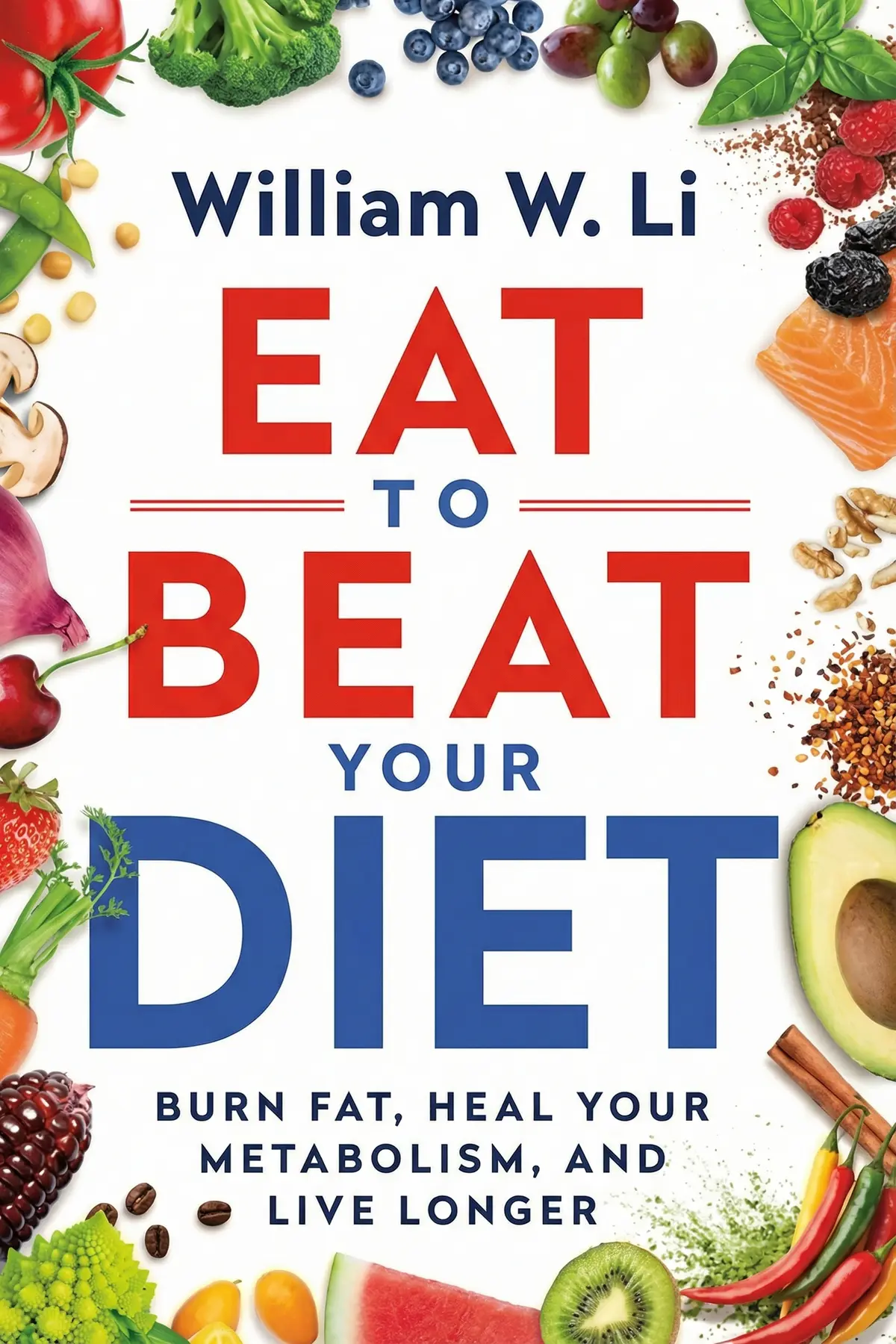
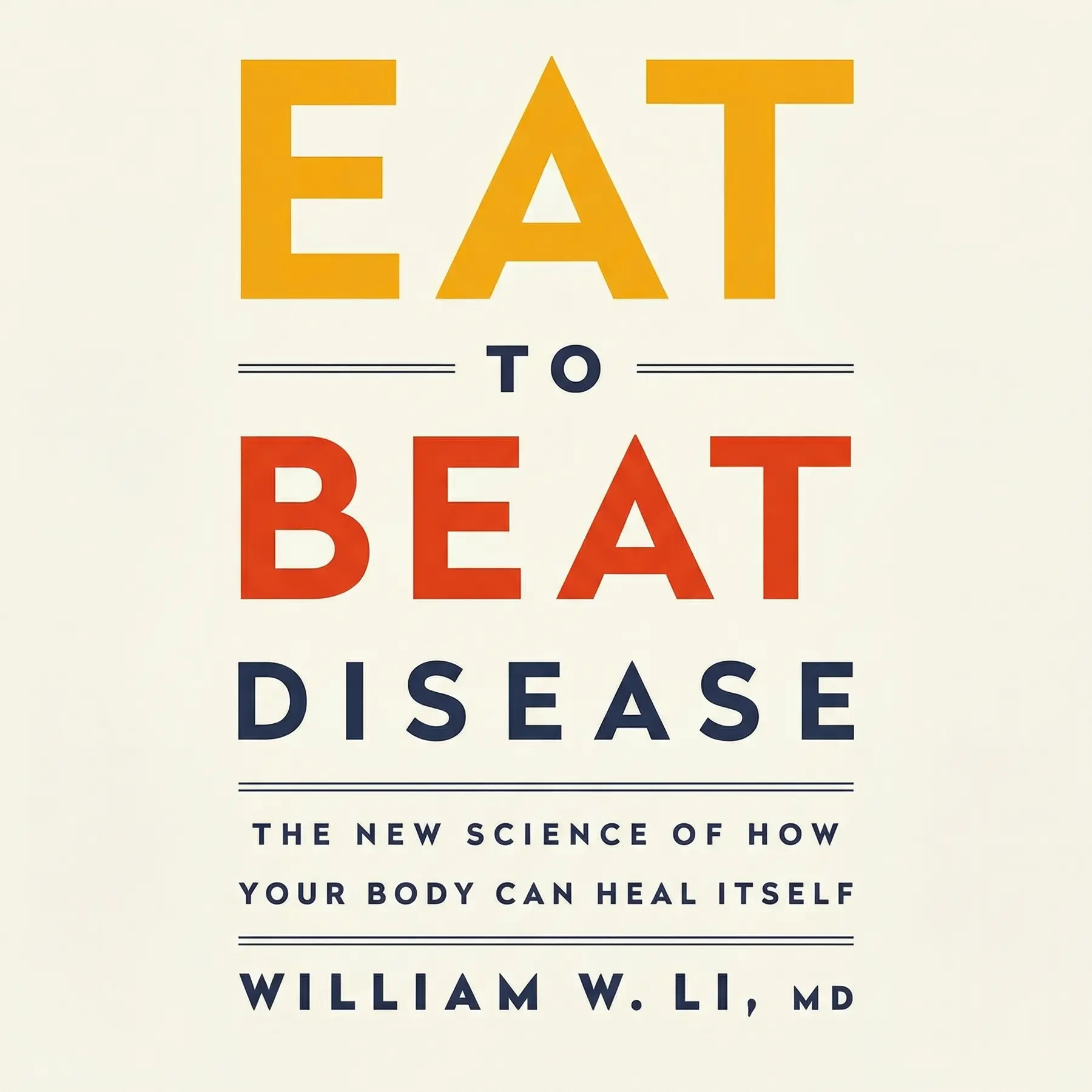
Eat to Beat Disease: The New Science of How Your Body Can Heal Itself
Explore how specific foods can activate your body’s natural defense systems to prevent and fight illness, using the latest nutritional science to optimize your long-term health and vitality.
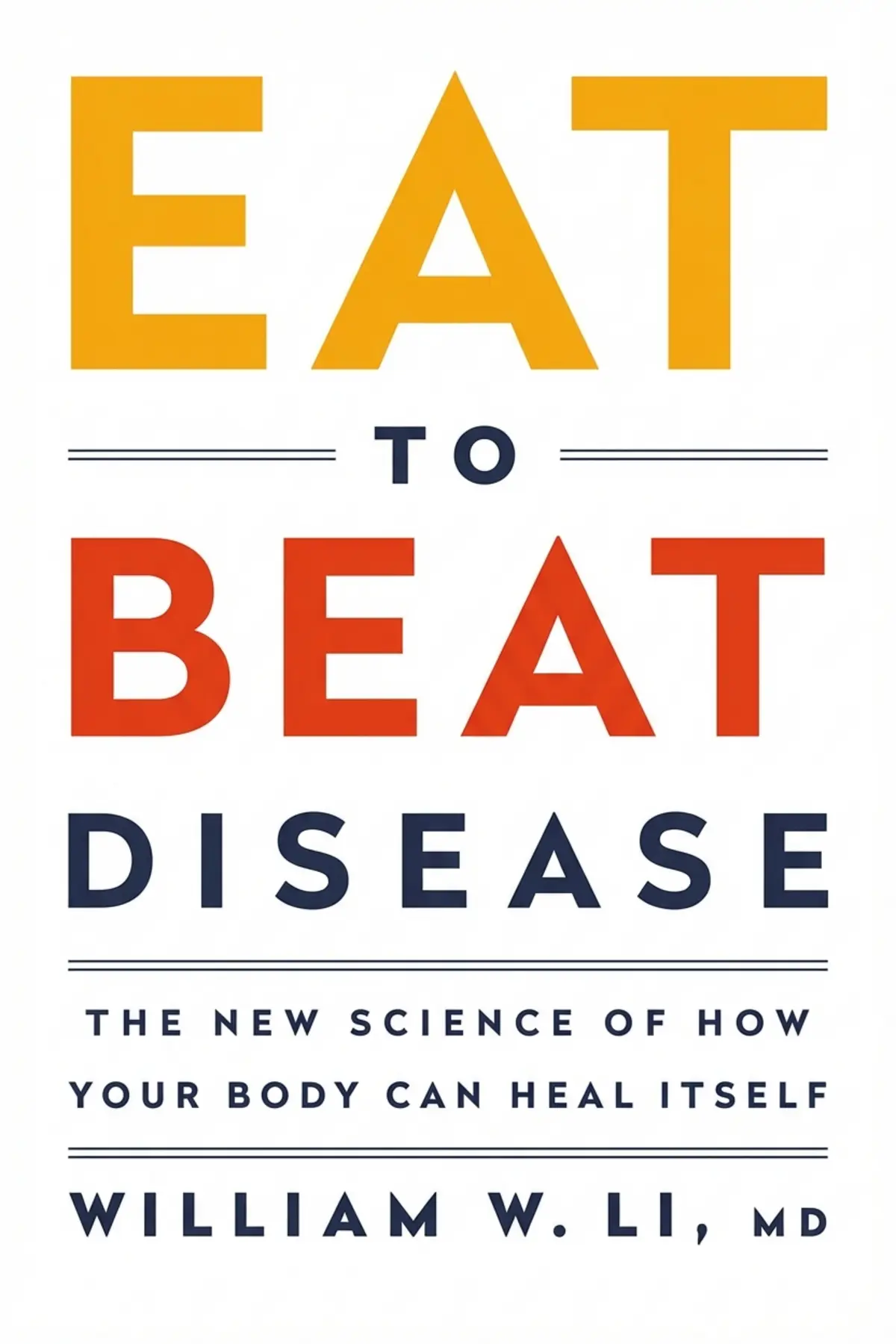
Table of Content
1. Introduction
2 min 02 sec
When we think about fighting serious illnesses like heart disease, cancer, or stroke, our minds often jump to the pharmacy or the hospital. We think of complex surgeries and potent medications. While those medical advancements are vital, there is another, more accessible weapon we use every single day: the food on our plates. For years, the connection between diet and health was discussed in broad terms, usually focusing on weight loss or basic vitamins. But a new frontier of science is revealing that food does much more than just provide fuel. It actively communicates with our biological systems, turning on the machinery that keeps us alive and turning off the processes that lead to decay.
In this exploration of the science behind how your body can heal itself, we are going to look at five specific pillars of health. These aren’t just abstract concepts; they are sophisticated defense systems that work around the clock to keep you functioning. We will see how these systems—which manage everything from your blood vessel growth to your genetic integrity—can be turbo-charged by specific dietary choices. Whether it’s the specific enzymes in a piece of broccoli or the surprising benefits hidden in a cup of cocoa, we are going to unpack how you can use your dinner table as a primary tool for disease prevention.
The throughline here is empowerment. You are not a passive observer of your own health, waiting for a diagnosis to take action. Instead, every meal is an opportunity to strengthen your internal defenses. We will journey through the microscopic world of your cells and the bustling ecosystem of your gut to understand how food acts as medicine. By the end of this summary, you’ll have a roadmap for making choices that don’t just fill your stomach but actually protect your future. Let’s begin by looking at how your body handles its most basic infrastructure: the network of blood vessels that can either sustain your life or feed a tumor.
2. Starving Disease Through Angiogenesis
2 min 51 sec
Discover how your body regulates blood vessel growth to prevent microscopic tumors from becoming dangerous and which common vegetables can help maintain this delicate biological balance.
3. The Power of Cellular Regeneration
2 min 20 sec
Learn about the critical role of stem cells in repairing your organs and how a simple daily habit involving cocoa can significantly increase their numbers.
4. Nurturing Your Internal Ecosystem
2 min 16 sec
Explore the complex world of your microbiome and find out how fermented foods and specific fruits can improve your mood and metabolic health.
5. Strengthening the Immune Surveillance
2 min 18 sec
Understand how your immune system identifies and eliminates threats and why ingredients like olive oil and mushrooms are essential for maintaining this defense.
6. Protecting Your Genetic Blueprint
2 min 19 sec
Learn how the ends of your DNA, known as telomeres, dictate how you age and how snacking on nuts and berries can actually slow down the biological clock.
7. Unexpected Allies in the Grocery Aisle
2 min 21 sec
Challenge your assumptions about healthy eating as we uncover the surprising medicinal properties found in spicy foods, beer, and certain types of cheese.
8. Conclusion
1 min 49 sec
The journey through the science of ‘Eat to Beat Disease’ brings us back to a simple but profound truth: your body wants to be healthy, and it has the systems in place to make that happen. Whether it’s through the tumor-starving power of angiogenesis, the regenerative potential of stem cells, the complex ecosystem of the microbiome, the protective shield of DNA repair, or the vigilant surveillance of the immune system, your biology is designed for survival. The missing piece of the puzzle is often the fuel we provide. By choosing foods like soy, broccoli, berries, and even the occasional piece of dark chocolate or hard cheese, we are sending the right signals to these systems.
One specific, actionable way to put this into practice is to look toward the sea. Large-scale studies, including research on over 35,000 women in Asia, have shown that consuming just three ounces of seafood a day can significantly lower the risk of breast cancer. Other data suggests that a daily serving of fish can cut the risk of bowel cancer by nearly a third. This is a clear example of how a consistent, small dietary shift can have a massive impact on your long-term health outcomes.
Ultimately, the throughline of this science is that food is not just calories; it is information. Every time you eat, you are either strengthening your defenses or weakening them. You don’t need to be perfect, but by incorporating these disease-beating foods into your life, you are taking an active role in your own healing. Your kitchen is, in many ways, your most powerful clinic, and the choices you make there today will determine the health you enjoy tomorrow. Start small, stay consistent, and let your diet become your most effective medicine.
About this book
What is this book about?
Eat to Beat Disease challenges the traditional view of health as merely the absence of illness. Instead, it presents health as an active state supported by five primary defense systems: angiogenesis, regeneration, the microbiome, DNA protection, and immunity. Dr. William W. Li explains how the choices we make at the grocery store and the dinner table directly influence these systems, either fueling or starving potential diseases like cancer and heart disease. This summary provides a deep dive into the specific bio-active compounds found in everyday foods—ranging from common vegetables and fruits to more surprising items like chocolate, beer, and cheese. By understanding how these ingredients interact with our cellular biology, listeners learn how to build a personalized dietary strategy. The promise is a proactive approach to wellness where food serves as a powerful medicine, helping to repair DNA, foster healthy gut bacteria, and boost the body’s innate ability to heal itself and resist the effects of aging.
Book Information
About the Author
William W. Li
William W. Li is a distinguished scientist, physician, and author. As a leader at the Angiogenesis Foundation, his research has contributed to the creation of several innovative medical devices and therapeutic treatments. His efforts have influenced the well-being of more than 50 million individuals globally. Dr. Li has served on the faculties of both Tufts University and Harvard. Additionally, his influential TED talk, titled Can We Eat to Starve Cancer?, has reached an audience of over 11 million viewers.
Ratings & Reviews
Ratings at a glance
What people think
Listeners find this book thoroughly researched and all-encompassing, filled with useful insights on nutrition. They like how it treats food as a form of medicine and offers specific food lists for daily consumption, assisting listeners in shifting their dietary patterns. The material is simple to digest and follow, which makes it an essential resource for anyone looking for a guide to healthy eating.
Top reviews
Darius
Starting this book felt like stepping into a high-level biology course, but Dr. Li makes the complex science of health defense systems remarkably easy to grasp. Most diet books focus on what to remove, yet this one celebrates what we can add to our plates. The five defense systems—angiogenesis, regeneration, microbiome, DNA protection, and immunity—are explained with incredible depth and clarity. I especially loved the sections on how sourdough and green tea support our internal biology. It is dense. It is scientific. However, the 5x5x5 framework makes the application feel totally doable for a regular person like me. My energy levels have already shifted significantly. It’s a game changer. Every household needs a copy of this on their shelf for reference.
Show moreArm
This book completely changed the way I look at my grocery list. Instead of feeling guilty about what I’m eating, I now feel excited to 'feed' my five defense systems every single day. Dr. Li has a gift for making complex biological processes like angiogenesis and DNA repair easy to understand for the average reader. In my experience, most wellness books push a specific 'ism' like keto or veganism, but this one is refreshingly inclusive. It includes some meats and cheeses, provided they serve a biological purpose. The 5x5x5 framework is incredibly simple. It works. It has helped me diversify my diet in ways I never thought possible. If you want to understand the 'why' behind healthy eating, this is the gold standard. Buy it.
Show moreIvan
Ever wonder if you could actually eat your way to a longer, healthier life without giving up everything you love? Dr. William Li makes a very convincing case that you can, provided you choose the right bioactives to support your body's natural shields. I loved learning about how something as simple as a tomato or a cup of green tea can influence our genetic expression. The book is empowering. It's positive. It shifts the focus away from restriction and toward the addition of nutrient-dense, flavorful foods. I’ve been following the 5x5x5 plan for a month now, and I genuinely feel more resilient and focused. It’s a lot of information to digest at once. However, the health questionnaire and meal plans at the end make it very manageable. Truly a masterpiece of modern nutrition.
Show moreDivya
Buying this book was one of the best decisions I've made for my family's well-being this year. After my father was diagnosed with a chronic illness, we were looking for ways to support his recovery through nutrition without falling for pseudoscience. Dr. Li provides a rigorous, evidence-based approach that feels both professional and hopeful. The level of detail regarding DNA protection and the microbiome is second to none. It’s not just a cookbook. It's a manual for human health. We have started incorporating the recommended mushrooms and leafy greens into every meal. The results in his energy levels are visible. Frankly, I think this should be required reading in every medical school. It’s that important. Don't hesitate to grab a copy if you want to understand your body better.
Show moreBook
Dr. Li provides a refreshing perspective on nutrition by treating food as a legitimate medicine. While most authors focus on weight loss, he zooms in on how specific ingredients interact with our cellular biology to prevent disease. The section on the microbiome was a total eye-opener for me. I loved it. However, the book is quite dense and can feel a bit repetitive when he lists the same foods across different defense systems. I also found some of the dose recommendations, like eating massive amounts of specific berries, to be a bit unrealistic for someone on a budget. Still, the overall message is empowering and positive. It focuses on abundance. It’s a must-read for anyone who wants to take a proactive approach to their health.
Show moreSiraporn
As someone who enjoys the intersection of science and wellness, I found Dr. Li’s approach to 'food as medicine' quite compelling. He breaks down the body’s internal mechanisms with surgical precision, explaining how we can use nutrition to starve tumors or boost our gut health. The sheer number of cited studies is staggering. It's impressive. This gives the book a level of credibility that many 'fad' diet books lack. However, I noticed that he sometimes glosses over the quality of certain studies to favor his narrative. The 5x5x5 system is the highlight of the book for me. It provides a structured way to ensure you're hitting all your nutritional bases without overthinking it. It’s a solid resource. You might find yourself skimming the redundant food lists, but the core message is vital.
Show moreCarlos
Look, this isn't your typical 'lose 10 pounds in a week' kind of book, and that’s exactly why I liked it. Dr. Li focuses on the long game—how to avoid chronic diseases by supporting your body’s internal systems through smart food choices. The science is heavy. It's deep. It's accessible, and the food lists are extensive enough that even picky eaters will find plenty of options. Personally, my only real gripe is that the book is quite repetitive; he often says the same thing three different ways across various chapters. That being said, the 5x5x5 framework is a brilliant piece of advice that I’ve already started sharing with my family. It’s a thick book. The insights into the microbiome and immunity are worth the time it takes to read. Great reference guide.
Show moreBank
Picked this up because the promise of 'beating disease' with chocolate and wine sounded too good to be true. To be fair, the science presented is extensive, but I felt like the author often blurred the lines between correlation and causation throughout the text. Just because a specific food is linked to a health outcome in a lab doesn't always mean it’s a miracle cure in the real world. It's complicated. I also struggled with the sheer volume of information; it’s over 400 pages and feels like it could have been condensed significantly. The 5x5x5 plan is a nice touch for organization, but many of the 'recommended' items are exotic or expensive imports. It’s a good reference for food facts. Just be careful with the hype.
Show morePia
Finally got around to finishing this massive tome, and I have mixed feelings about the whole experience. On one hand, the concept that our bodies have five distinct defense systems is a brilliant way to frame health. On the other hand, the book feels like it’s trying to sell a 'luxury' version of health. Telling readers they need specific fish from the Mediterranean or rare berries to fight cancer feels a bit elitist. Truth is, most people can't afford this lifestyle. There is also a lot of 'cherry-picking' when it comes to the data, especially regarding the benefits of alcohol and certain treats. I appreciate the positive tone, but I think people need to realize that eating a few grapes isn't a substitute for actual medical treatment. It’s okay. It’s just not the revolution I expected.
Show moreElias
Wow, I really wanted to love this, but it felt more like a scientific bibliography than a practical guide for the average person. While the research into how food affects things like stem cell regeneration is impressive, the actual advice often feels disconnected from daily reality. Some of the recommended 'dosages' for specific fruits or vegetables are laughably high. It's expensive. It's time-consuming. I also found it frustrating how he promotes soy so aggressively while downplaying the legitimate concerns some people have with it. The book is way too long. It spends hundreds of pages on technical details before getting to any actionable steps. If you’re a doctor, you might love this. For me, it was just a slog. I’ll stick to my local library for these types of reads.
Show more
Readers also enjoyed
AUDIO SUMMARY AVAILABLE
Listen to Eat to Beat Disease in 15 minutes
Get the key ideas from Eat to Beat Disease by William W. Li, plus 5,000+ more titles in English and Thai.
- 5,000+ titles
- Listen as much as you want
- 7-day free trial
- Cancel anytime







