
20 min 40 sec
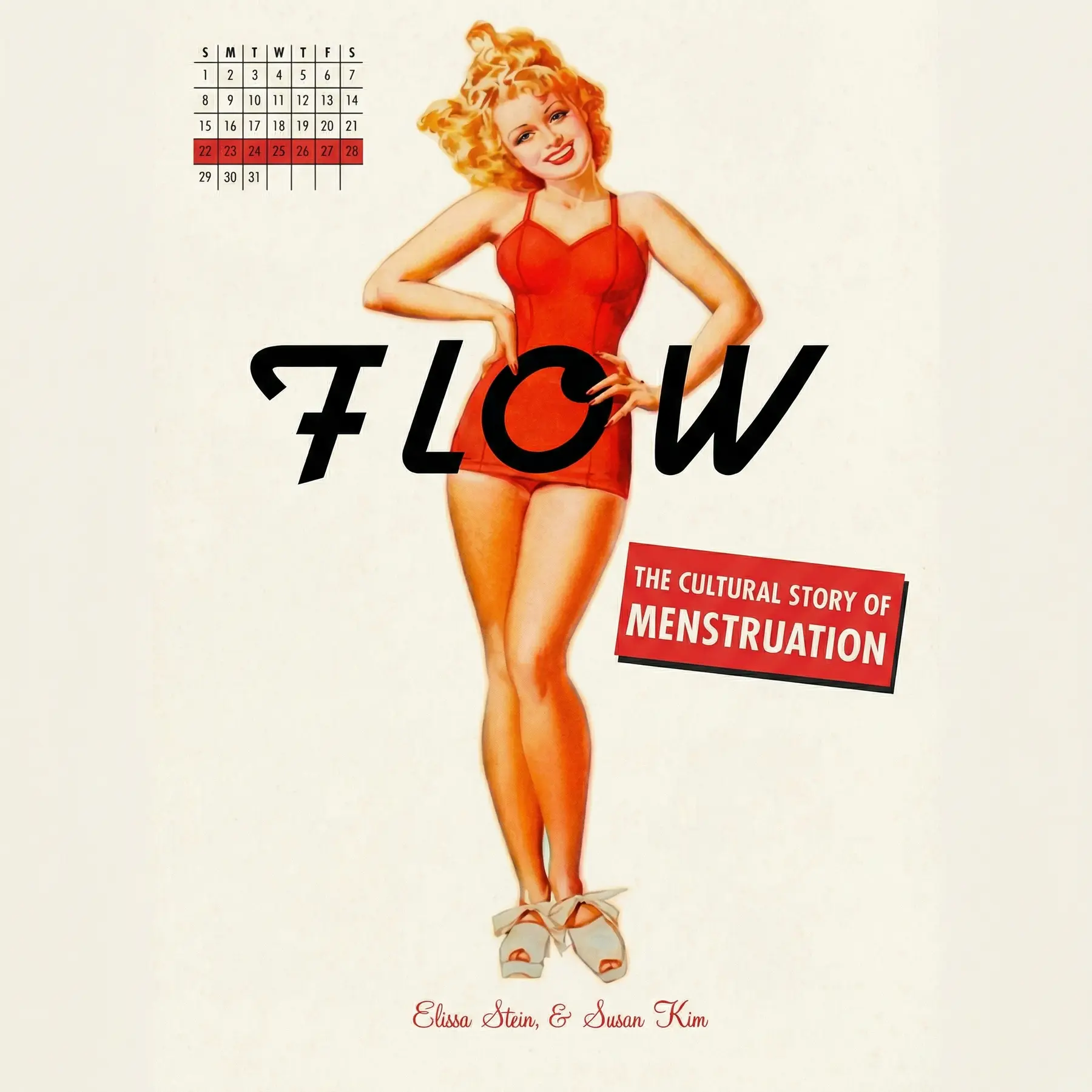
Flow: The Cultural Story of Menstruation
Explore the complex cultural history of menstruation. This summary reveals how ancient myths, marketing strategies, and medical misconceptions have shaped our understanding of a natural biological process that affects half the population.
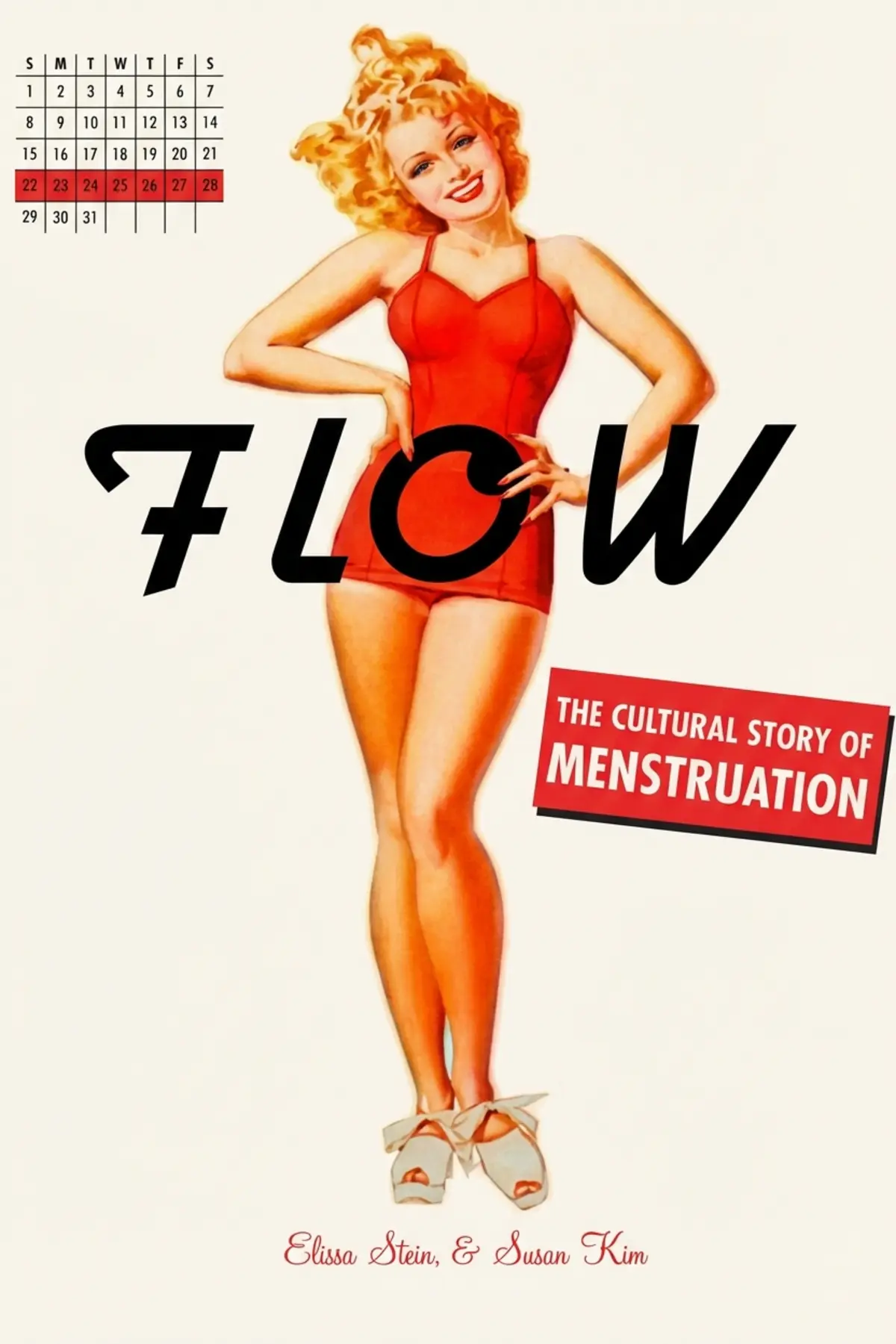
Table of Content
1. Introduction
1 min 45 sec
Imagine a biological event that occurs hundreds of times over a person’s life, yet is rarely discussed with complete honesty in public. On average, a woman will experience about 450 menstrual cycles during her lifetime. It is a fundamental part of human existence and the very foundation of reproduction. And yet, for most of recorded history, this natural process has been shrouded in mystery, shame, and a surprising amount of misinformation. Even in our modern, information-heavy age, many people find themselves embarrassed to talk about it or realize they don’t fully understand what is happening inside their own bodies.
This gap in knowledge isn’t an accident. It is the result of thousands of years of cultural baggage. From ancient philosophers who believed menstrual blood was a dangerous toxin to modern advertisers who use blue liquid to represent blood in commercials, the message has often been the same: keep it hidden, keep it quiet, and feel a little bit uneasy about it. This throughline of secrecy has shaped everything from medical treatments to the fight for women’s rights.
In the following minutes, we are going to unpack that history. We will look at how menstruation went from being a sacred mystery to a medical ‘problem’ that needed to be solved. We will explore the way the products we use have evolved and how those changes mirrored the social movements of their time. We will also clear up the biological confusion surrounding the birth control pill and the real risks of some common ‘hygiene’ practices. By looking at the cultural story of the flow, we can move past the taboos and gain a much deeper, more informed connection to the reality of human health.
2. Ancient Myths and the Duality of Blood
2 min 19 sec
In the distant past, menstruation was viewed with both awe and terror, leading to strange beliefs that governed women’s lives for centuries.
3. From Hysteria to the Modern Diagnosis of PMS
2 min 16 sec
Medical history has long struggled to categorize the emotional and physical changes of the cycle, often resorting to labels that pathologized women.
4. The Persistence of Religious and Social Taboos
2 min 12 sec
Deep-seated religious doctrines have often labeled menstruation as a state of impurity, creating barriers that affect personal and spiritual life.
5. The Intersection of Femcare and Feminist Progress
2 min 08 sec
The development of pads and tampons was more than a convenience; it was a technological shift that allowed for greater social participation.
6. Marketing Insecurity and the Illusion of Odor
2 min 09 sec
The multi-billion-dollar hygiene industry has often used shame and fear to sell products that the body doesn’t actually need.
7. Bridging the Knowledge Gap in Cycles and Pregnancy
2 min 00 sec
A general lack of education means many people are unaware of how fertility, ovulation, and menstruation actually interact.
8. The Pill and the Science of the 'Fake' Period
2 min 03 sec
Millions of women use hormonal birth control without realizing that the bleeding they experience is fundamentally different from a natural period.
9. The Commercialization of Menopause and Period Suppression
2 min 05 sec
Pharmaceutical companies have a vested interest in framing natural life stages as medical conditions that require long-term drug intervention.
10. Conclusion
1 min 43 sec
The story of menstruation is much more than a biological report; it is a mirror reflecting our society’s deepest attitudes toward the female body. As we have explored, the history of the ‘flow’ is a journey from the isolation of ancient menstrual huts to the sophisticated, but often shame-based, marketing of the modern world. We’ve seen how medical labels like ‘hysteria’ were used to control women, and how today’s multi-billion-dollar industries still rely on making people feel ‘unclean’ to sell products.
The throughline in all of this is the power of knowledge. When we understand the difference between a natural period and a withdrawal bleed on the pill, or when we recognize that many ‘hygiene’ products are actually harmful, we strip away the shame that has been used to silence this topic for centuries. We begin to see our bodies not as something to be ‘fixed’ or hidden, but as complex, healthy systems.
The most important takeaway is that you are the expert on your own experience. To start reclaiming this connection, consider keeping a period diary. By tracking your cycle—your energy levels, your moods, your physical symptoms, and your timing—you move from being a passive consumer of ‘femcare’ to an active participant in your own health. You’ll begin to see patterns that are unique to you, helping you distinguish between what is a normal part of your rhythm and when you might actually need medical advice. In a world that has spent thousands of years telling you to look away, the most revolutionary thing you can do is to pay attention.
About this book
What is this book about?
For something as universal as the menstrual cycle, it is remarkable how much of its history is rooted in silence and misinformation. This book takes a deep dive into the cultural story of menstruation, moving from the sacred and toxic myths of the ancient world to the modern multi-billion-dollar industry that often thrives on female insecurity. It examines why periods have been treated as a taboo for millennia and how this lack of open conversation has left many people in the dark about their own bodies. You will discover the fascinating and sometimes shocking evolution of feminine hygiene, from moss and rags to the high-tech, discreet products of today. The narrative also peels back the layers of medical history, showing how conditions like hysteria were misunderstood and how modern pharmaceutical companies continue to influence our perception of what is 'normal.' By the end, you will have a clearer understanding of the biology behind the cycle, the truth about the birth control pill, and the ways in which we can reclaim the conversation around female health.
Book Information
About the Author
Elissa Stein
Susan Kim is an accomplished writer known for her stage adaptation of Amy Tan’s celebrated work, The Joy Luck Club. Her diverse career includes screenwriting for children’s television and documentaries, which has earned her five Emmy Award nominations. Elissa Stein is an author whose creative output spans several unique subjects, including a visual exploration of pop culture, a look at the lives of children in New York City, and interactive publications focused on the expression of gratitude.
Ratings & Reviews
Ratings at a glance
What people think
Listeners find the work thoroughly documented and educational, especially valuing the way it explores the history of menstruation and various cultural elements. They characterize the narrative as fun and witty with an approachable style, and one listener mentions it makes an excellent present for a young woman starting her first period. The inclusion of vintage ads garners praise; one listener points out the gorgeous copies of print advertisements, while another values how it talks about women in other cultures.
Top reviews
Emma
Picked this up because the cover looked like a pop-art masterpiece, but the contents are even more striking than the design. This book is an absolute treasure trove of historical artifacts, specifically the vintage advertisements that showcase just how bizarre the feminine hygiene industry used to be. I spent hours poring over the gorgeous copies of print ads for Tampax and various douches. It’s a fascinating, deeply researched look at how our perceptions of menstruation have been shaped by corporate interests. Some might find the tone a bit casual, but I thought it made the heavy historical data much more digestible. It’s rare to find a book that manages to be both a coffee-table visual treat and a serious piece of cultural commentary. I've already recommended it to several friends who were equally stunned by the ' Lysol' era of feminine care.
Show moreCarlos
Wait, people actually used bleach-based products like Lysol to stay 'fresh' back in the day? This book is absolutely terrifying in the best way possible. I had no idea that for decades, companies were assuring women their douche products were safe with zero testing whatsoever. It is eye-opening to see how the 'fem care' industry was essentially born out of shame and marketing myths. The authors do a fantastic job of blending humor with some pretty grim historical facts. I loved the section on how Kotex pads became available the same year the 19th Amendment passed—talk about a turning point for liberation! Honestly, this should be required reading in health classes. It’s hilarious, shocking, and incredibly empowering all at once. I'll never look at a box of tampons the same way again.
Show moreJun
Finally got around to reading this and I’m genuinely shocked it took me this long to learn about 'hysterical paroxysm' and the bizarre medical history of women’s health. For historical authors, this book is an absolute goldmine for understanding what female characters would have actually dealt with each month. The research into the myths surrounding menstruation is deep and truly eye-opening. Despite the slightly irreverent tone, the facts are hard-hitting. It’s an engaging, fast-paced read that successfully turns a 'taboo' subject into a conversation piece. Definitely a must-read for anyone with a uterus.
Show morePensuda
After hearing several friends rave about this, I bought a copy for my niece's first period and ended up reading the whole thing myself before wrapping it up. It truly is an informative read that pulls back the curtain on the 'taboo' nature of periods. I was particularly floored by the section on ancient myths, like the Roman philosopher Pliny the Elder claiming period blood could cause horses to miscarry. It’s wild to see how these ridiculous assertions remained uncontested for over a thousand years just to keep women in their place. The book does a wonderful job of arming the reader with knowledge about their own body. While the authors sometimes try a bit too hard to be funny, the sheer volume of eye-opening facts makes it a must-read for any woman wanting to understand the history of her own anatomy.
Show morePatchara
The truth is, we spend so much of our lives menstruating that it's wild how little we actually know about what's going into our bodies. This book forced me to confront the idea that my choices—like using tampons for ten years without a second thought—have been heavily influenced by corporate marketing rather than health education. After reading the chapter on how companies have historically kept women in the dark, I’m seriously considering switching to a menstrual cup. The information provided here is vital for anyone who wants to break free from the taboos we've been conditioned to follow. My only minor gripe is that the writing can be a bit scattered and 'phrasey,' but the message is too important to ignore. It’s an essential guide for navigating the intersection of biology, history, and capitalism.
Show moreOm
Ever wonder why the history books conveniently leave out the fact that Kotex and the 19th Amendment arrived in the same year? This book brilliantly connects the dots between feminine hygiene and women's political liberation. It’s fascinating to see how self-adhesive pads in the 70s coincided with the women’s movement, proving that our bodily autonomy and our social freedoms are inextricably linked. I also appreciated the brief but important mentions of how menstruation affects women in other cultures, like girls in Sub-Saharan Africa missing school due to a lack of supplies. It puts our own history into a much-needed global context. While the writing leans a bit toward the 'humorous' side, the underlying research into the gaps in our medical knowledge is top-notch. It's an enlightening read that highlights how much work we still have to do to de-stigmatize a natural process.
Show moreJai
While I appreciated the deep dive into American consumerism, I couldn't help but feel a bit short-changed by the lack of international perspectives. This book is mainly about how American women's views of menstruation have been warped by a century of misogynistic rhetoric and an industry built on our collective insecurity. The research into how big businesses prioritize sales over health is solid and genuinely concerning. However, I wish there had been more about how the rest of the world views our 'monthlies' rather than focusing almost exclusively on the US market. The writing is engaging enough to hold your attention until the end, but the tone can be a bit 'full-on' at times. It’s a decent starting point for the subject, though I’m still searching for a more global history.
Show moreJoe
To be fair, the vintage print advertisements scattered through these pages are worth the price of admission alone. They do a magnificent job of expressing the attitudes of the advertising industry through modern times—usually by preying on women's fears of being 'unclean.' However, the book itself is a bit of a mixed bag. The authors have a tendency to be a bit repetitive, and their reliance on certain 'alternative' authorities made me skeptical. I didn't necessarily 'enjoy' the reading experience because the tone felt a little too much like a lecture, but I can't deny that it was informative. It’s a great resource for seeing the visual history of the period industry, even if the writing style doesn't quite live up to the graphics.
Show moreElena
Look, the concept here is absolutely vital, but the execution felt like being lectured by a patronizing older sister who thinks she's 'hip' to the youth. The writing style really grated on me. It felt exactly like reading a back-issue of Seventeen magazine—preachy, didactic, and way too cutesy for a book aimed at adults. I found the constant attempts at humor to be more distracting than entertaining, often pulling me right out of the narrative. To be fair, the primary source materials and old advertisements are great to look at, but they don't make up for the 'craptastic' prose. Plus, the authors include Gary Null as a respected authority on alternative medicine. Really? That alone made me question the validity of the rest of their research. It’s a great idea for a book, but the tone is just too juvenile for my taste.
Show moreRatchada
This book is a classic case of great research being absolutely tanked by a writing style that tries way too hard to be edgy and funny. Frankly, the tone was overly intimate and littered with annoying phraseology that made it hard to take the information seriously. Every time the writers wanted to point out something odd, they used the phrase 'funnily enough,' which irked me to no end by the third chapter. There were so many repetitious phrases that I started losing focus on the actual history. While the vintage ads are fantastic and the subject matter is undeniably interesting, I couldn't get past the wretched prose. If you're looking for a serious historical analysis, you might want to look elsewhere, as this feels more like a long-form blog post than a polished book.
Show moreReaders also enjoyed
A Biography of Loneliness: The History of an Emotion
Fay Bound Alberti
A Force for Good: The Dalai Lama's Vision for Our World
Daniel Goleman
A Room of One’s Own
Virginia Woolf
Abolish Rent: How Tenants Can End the Housing Crisis
Tracy Rosenthal
Abortion: Our Bodies, Their Lies, and the Truths We Use to
Jessica Valenti
AUDIO SUMMARY AVAILABLE
Listen to Flow in 15 minutes
Get the key ideas from Flow by Elissa Stein, plus 5,000+ more titles in English and Thai.
- 5,000+ titles
- Listen as much as you want
- 7-day free trial
- Cancel anytime







