
15 min 33 sec
How Minds Change: The Surprising Science of Belief, Opinion, and Persuasion
Explore the fascinating psychology behind how we form, maintain, and eventually shift our most deeply held beliefs. David McRaney reveals the social and neurological drivers of persuasion through real-world stories and science.
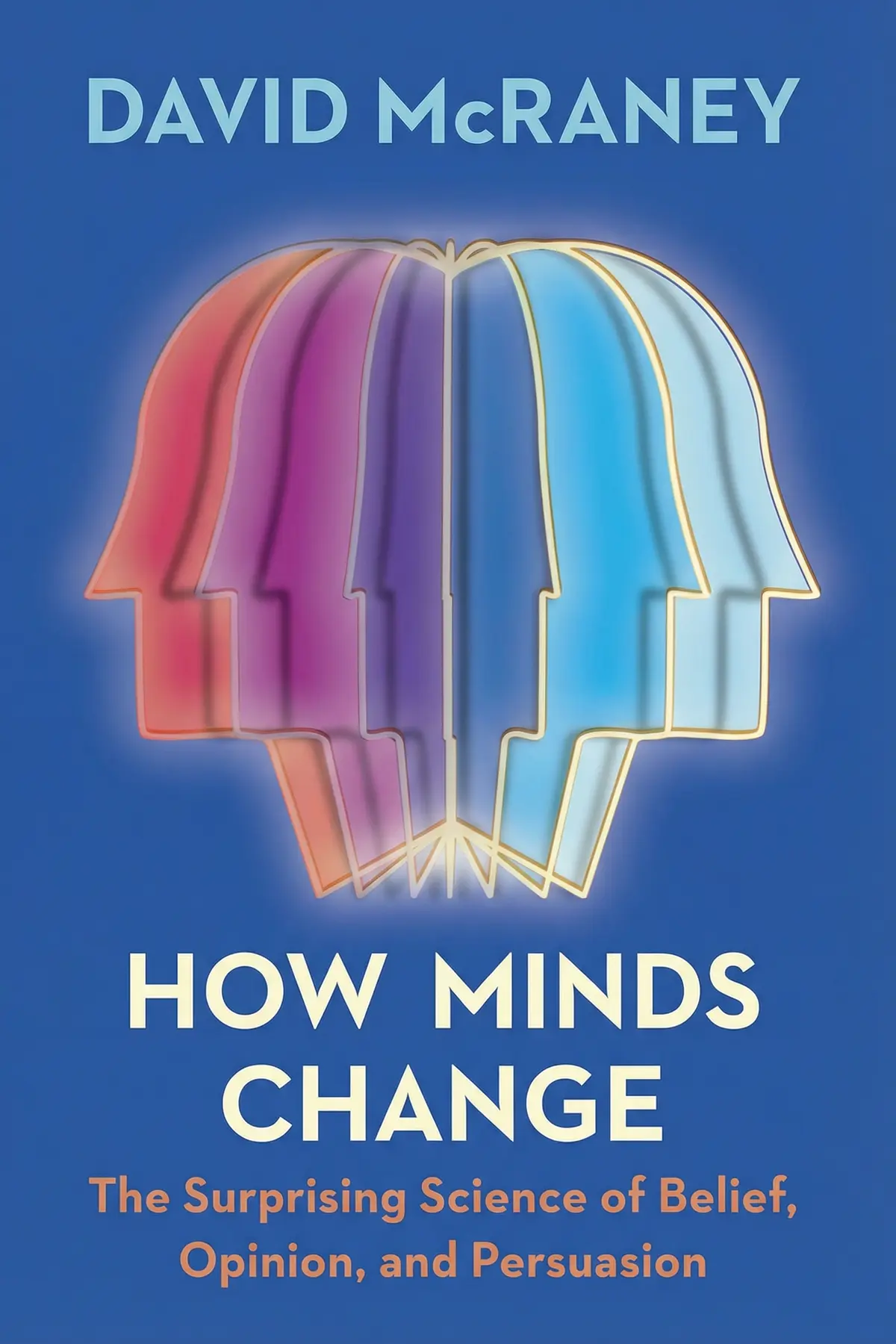
Table of Content
1. Introduction
1 min 46 sec
Why is it that two people can look at the exact same set of facts and walk away with two completely opposite conclusions? Why do some people seem entirely immune to evidence, while others are able to execute a total 180-degree turn on their most fundamental values? If you’ve ever found yourself in a heated argument at a holiday dinner or felt the frustration of watching a friend fall down a rabbit hole of misinformation, you know how impossible it can feel to shift someone’s perspective. It often feels like the more facts we provide, the more the other person digs their heels in.
But here’s the reality: minds do change. It happens every day. People leave high-control groups, conspiracy theorists walk away from their theories, and long-standing social prejudices dissolve. The question isn’t whether minds *can* change, but *how* it actually happens. In this exploration of David McRaney’s work, we are going to look at the underlying patterns of persuasion that govern the human experience. We’ll move past the idea that we are cold, calculating machines that simply need better data to reach the right answer.
Instead, we’ll discover that our beliefs are tied to our biology, our social survival, and our deep-seated need to belong. We are going to look at the throughline of this book: the idea that true persuasion isn’t about winning a fight; it’s about creating a safe space for someone else to think for themselves. We’ll examine the neuroscience of why we feel threatened by new ideas, the sociological reasons we value our ‘tribe’ over the truth, and the specific conversational techniques that can bypass our natural defenses. By the end of this journey, you won’t just understand why people stay stuck—you’ll have a practical toolkit for helping them find a way out.
2. The Social Anchor of Belief
2 min 33 sec
Discover how a prominent conspiracy theorist broke free from a logical prison and why facts alone weren’t the primary reason for his dramatic shift in perspective.
3. The Brain’s Defensive Reflex
2 min 19 sec
Learn why the brain treats a challenge to your political views the same way it treats a physical attack from a predator in the wild.
4. The Illusion of Rationality
2 min 15 sec
Discover the ‘observer effect’ of the mind, where we act first based on gut feelings and invent the logic to support it afterward.
5. The Power of Deep Canvassing
2 min 24 sec
How a simple 20-minute conversation focused on vulnerability and listening can shift long-held prejudices and win elections.
6. The 9 Steps of Street Epistemology
2 min 42 sec
A step-by-step tactical guide to helping others deconstruct their own beliefs through curiosity rather than confrontation.
7. Conclusion
1 min 34 sec
As we wrap up this journey through the science of belief, the most important takeaway is a shift in our own perspective. We often approach a disagreement as if we are at war, trying to conquer the other person’s territory with the artillery of facts. But as David McRaney has shown us, this approach is almost always destined to fail because it ignores the very things that make us human: our need for social safety, our biological reflexes, and our tendency to rationalize our intuitions.
To truly change a mind—whether it’s our own or someone else’s—we have to lead with empathy. Before you engage in your next debate, ask yourself: ‘Why do I want to change this person’s mind?’ Is it because you want to be right, or because you genuinely care about the outcome for both of you? If you share your motivations openly, you transform the interaction from a conflict into a collaboration.
Remember that every person you talk to is the hero of their own story, trying their best to navigate a complex world while keeping their social ties intact. If you can provide a space where they don’t have to choose between the truth and their tribe, you’ve done something remarkable. Persuasion is not an act of force; it is an act of invitation. By using techniques like deep canvassing and street epistemology, you are inviting others to join you in the difficult but rewarding work of thinking more clearly. In a world that feels increasingly divided, the ability to change a mind—and the willingness to have our own minds changed—is perhaps the most vital skill we can possess.
About this book
What is this book about?
Have you ever wondered why some people cling to their opinions even when faced with undeniable facts? This book dives deep into the mechanisms of the human mind to explain why we are often so resistant to change. It moves beyond the idea that humans are purely logical beings, showing instead that our beliefs are deeply intertwined with our social identities and our need for safety within a group. By examining the lives of former cult members, conspiracy theorists, and political activists, the narrative reveals that the key to changing minds isn't more data—it’s more empathy. Readers will discover the 'surprising science' of how the brain processes disagreement as a physical threat and why rationalization often happens after we’ve already made up our minds. More importantly, the book offers a roadmap for more effective communication. You’ll learn about proven methods like deep canvassing and street epistemology, which focus on listening and vulnerability rather than aggressive debate. The promise of this work is a new understanding of human connection, providing the tools needed to bridge even the most polarized divides by fostering genuine curiosity and mutual respect.
Book Information
About the Author
David McRaney
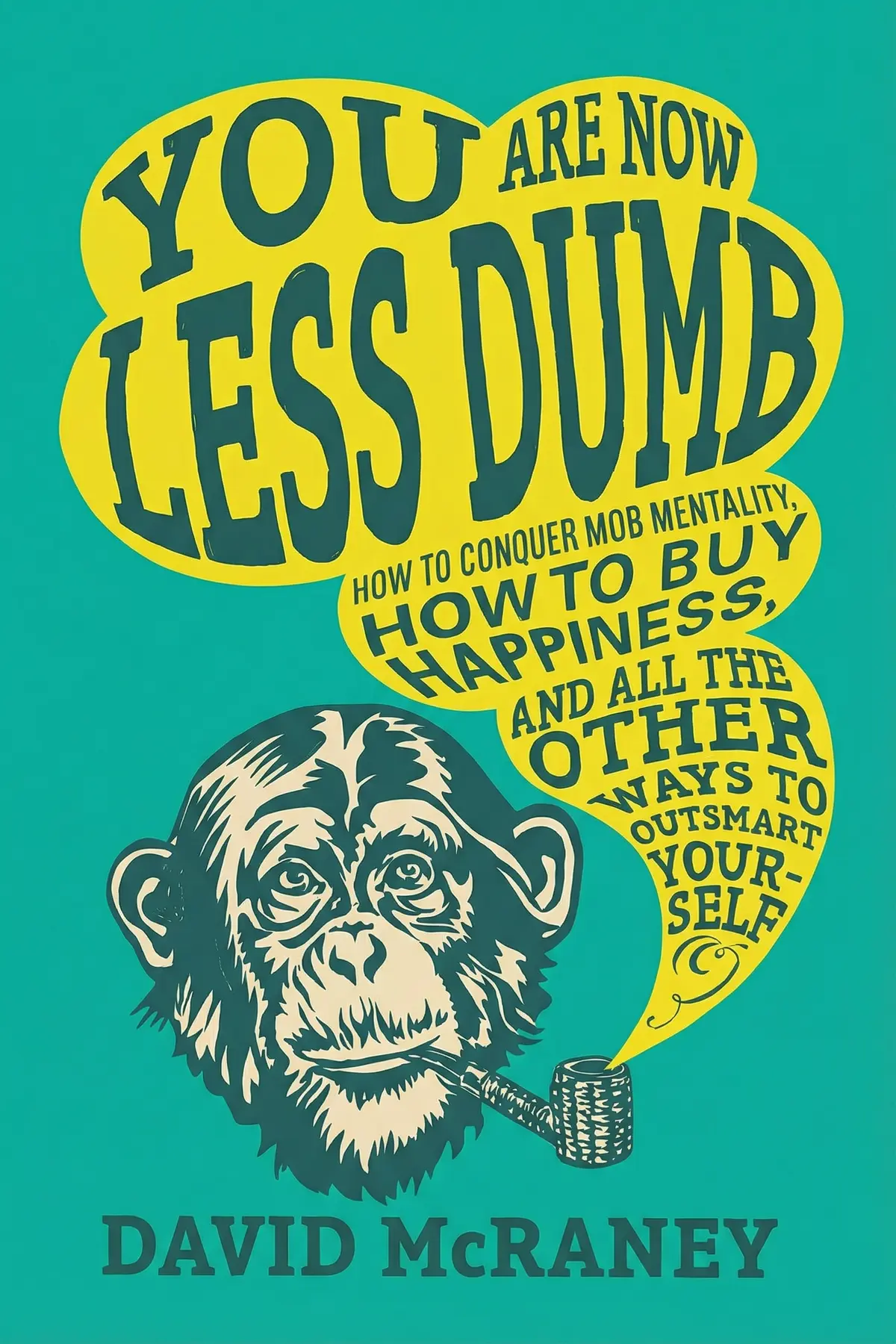
David McRaney is a dedicated science journalist and the creative force behind the popular blog, book, and podcast titled You Are Not So Smart. He has also authored the book You Are Now Less Dumb. As an expert in the mechanics of human reasoning and belief, McRaney travels the globe giving lectures on how we make decisions and why our minds work the way they do.
Ratings & Reviews
Ratings at a glance
What people think
Listeners describe the work as captivating and skillfully composed, noting the author's approachable and inviting tone. They also value the depth of insight, with one listener mentioning that the use of real-world anecdotes makes human psychology feel relatable. Furthermore, the caliber of research is praised, as one review points out how the book condenses contemporary studies into practical tools.
Top reviews
Gioia
Wow. This book completely shifted my perspective on how we approach disagreements in this polarized age. David McRaney takes complex psychological studies and weaves them into a narrative that feels both urgent and deeply personal. I was especially moved by the stories of people who left extremist groups, like the Westboro Baptist Church members, because it showed that change isn't about winning an argument. It’s about building a bridge and asking the right questions rather than dumping facts on someone. While some might find the 'pop-science' style a bit breezy, the actionable tools like the 1-10 scale are things I can actually use in my own life. This isn't just theory; it’s a manual for empathy. I've already recommended it to several friends who are tired of fighting with relatives over politics.
Show moreRiley
Ever wonder why your uncle won't budge on his political views no matter how many facts you throw at him? McRaney explains that logic is often the last thing that changes a mind, which is both frustrating and liberating. I loved the deep dive into Charlie Veitch's journey from being a 9/11 truther to accepting reality. It illustrates that 'tipping point' concept beautifully—the moment where the social cost of staying in a group outweighs the comfort of the belief. The writing is warm and engaging, making heavy topics like cognitive dissonance feel very accessible. My only minor gripe is that it leans heavily into American politics, which might date it eventually. Still, it's a must-read for the current climate. I genuinely feel more compassion for people I used to dismiss.
Show moreChan
Picked this up during a particularly heated election cycle and it was the balm I needed for my soul. It’s easy to look at people on the 'other side' and assume they are just stupid or malicious, but this book humanizes everyone. McRaney’s writing style is incredibly inviting, and he approaches his subjects with a sense of genuine curiosity that is contagious. I particularly enjoyed the exploration of how our brains are wired to prioritize group belonging over objective facts. It makes the world feel a little less chaotic when you understand the mechanics of why we are so stubborn. Not gonna lie, it changed how I talk to my own family about difficult topics. Truly an eye-opening read for the empathetic soul. Definitely worth the time!
Show morePang
Finally got around to finishing this and the 'tipping point' concept is going to stick with me for a long time. It’s a brilliant look at how we accumulate doubt until we suddenly flip our entire worldview. The book is well-written and avoids the dry, academic tone that usually plagues these kinds of psychology releases. I think the author’s background in journalism is actually a strength here because he knows how to keep a reader engaged through storytelling. He makes complex ideas feel like a relatable journey through the human experience. It’s rare to find a book that offers both deep theoretical insight and actual, usable steps for improving your relationships. I’ve already recommended this to several colleagues who struggle with office politics. Truly insightful stuff.
Show moreAva
David McRaney has a gift for making dense psychological concepts feel like a conversation over coffee with a very smart friend. This book doesn't talk down to you; instead, it invites you to learn alongside the author as he travels the world. I was fascinated by the 'deep canvassing' results and how a ten-minute conversation can actually create lasting change in someone’s prejudice. It’s a hopeful book in a time when most people have given up on talking to each other across the aisle. Frankly, I think this should be required reading for anyone in a leadership position. It might not have every answer, but it provides a much better starting point than just shouting into the void. A very rewarding and thought-provoking experience.
Show moreErn
After hearing McRaney on a podcast, I decided to dive into the full text, and I'm glad I did. The book does a fantastic job of explaining why 'truth' often feels tribal and why we dig our heels in when our identity is threatened. I found the sections on 'street epistemology' and deep canvassing to be the most enlightening parts of the entire read. Truth is, we usually try to argue with facts, but this book proves that rapport is much more effective than logic. Some parts felt a little repetitive, especially when he’s describing the various interview settings, but the core message is vital. It’s a solid resource for anyone trying to navigate difficult conversations without losing their mind. It offers far more actionable information than such books usually offer.
Show moreYam
As someone who works in communications, I found the breakdown of specific persuasion techniques like the 'seven steps' incredibly practical. Most books on psychology tell you what is happening in the brain, but McRaney actually shows you how to apply it in real-world scenarios. The way he summarizes recent studies into useful tools is impressive for a non-scientist. It’s not just about winning people over; it’s about understanding the internal processing we all go through when faced with new information. I did feel like some of the chapters on his personal travels could have been trimmed down to keep the pace tighter. However, the insight into human behavior is top-notch and very relatable. Look, it's not a textbook, but it's a great primer on human connection.
Show moreLadawan
The chapter on the Westboro Baptist Church and the concept of 'social death' really hit home for me. It’s terrifying to realize how much of our reality is dictated by the people we want to impress or be loved by. McRaney does a great job of showing that changing a mind is often a slow, painful process of reassessing one’s entire social world. I appreciated the specific examples of the 1-10 scale and how asking 'why not a lower number?' can open up a person’s reasoning. Some of the middle chapters felt a bit tangential, drifting away from the main thesis into personal travelogues. But overall, the quality of information is high and the stories are compelling enough to keep you turning pages. It's a very relevant pop-psychology book.
Show moreZoe
To be fair, McRaney is a journalist, not a PhD, and it shows in how he occasionally glosses over the nuances of the studies he cites. He relies heavily on older experiments like the Robbers Cave study without addressing some of the modern criticisms regarding how those trials were conducted. That said, his ability to talk to people and extract their core motivations is where the book really shines. The interviews with former cult members provide a fascinating look at the social glue that keeps us tethered to 'wrong' ideas. It’s a very readable book, but you should take some of the scientific claims with a grain of salt. It’s more about the 'how' of conversation than the 'why' of biology. It's interesting, but maybe not as groundbreaking as the marketing suggests.
Show moreLily
Not what I expected at all. I thought this was going to be a rigorous scientific text, but it’s basically just a collection of anecdotes and long-winded stories. If you’re looking for a book like Malcolm Gladwell’s, this might be for you, but it felt more like a novel than a serious study on the brain. The author spends way too much time describing the scenery and the people he interviews instead of getting to the hard data. I’m very disappointed that a book titled 'How Minds Change' doesn't actually spend more time on the neurology of it. It’s mostly just reporting on his travels and conversations. To be fair, some stories are okay, but it felt shallow and too focused on storytelling over substance. What the heck? I wanted science, not a travelogue.
Show moreReaders also enjoyed
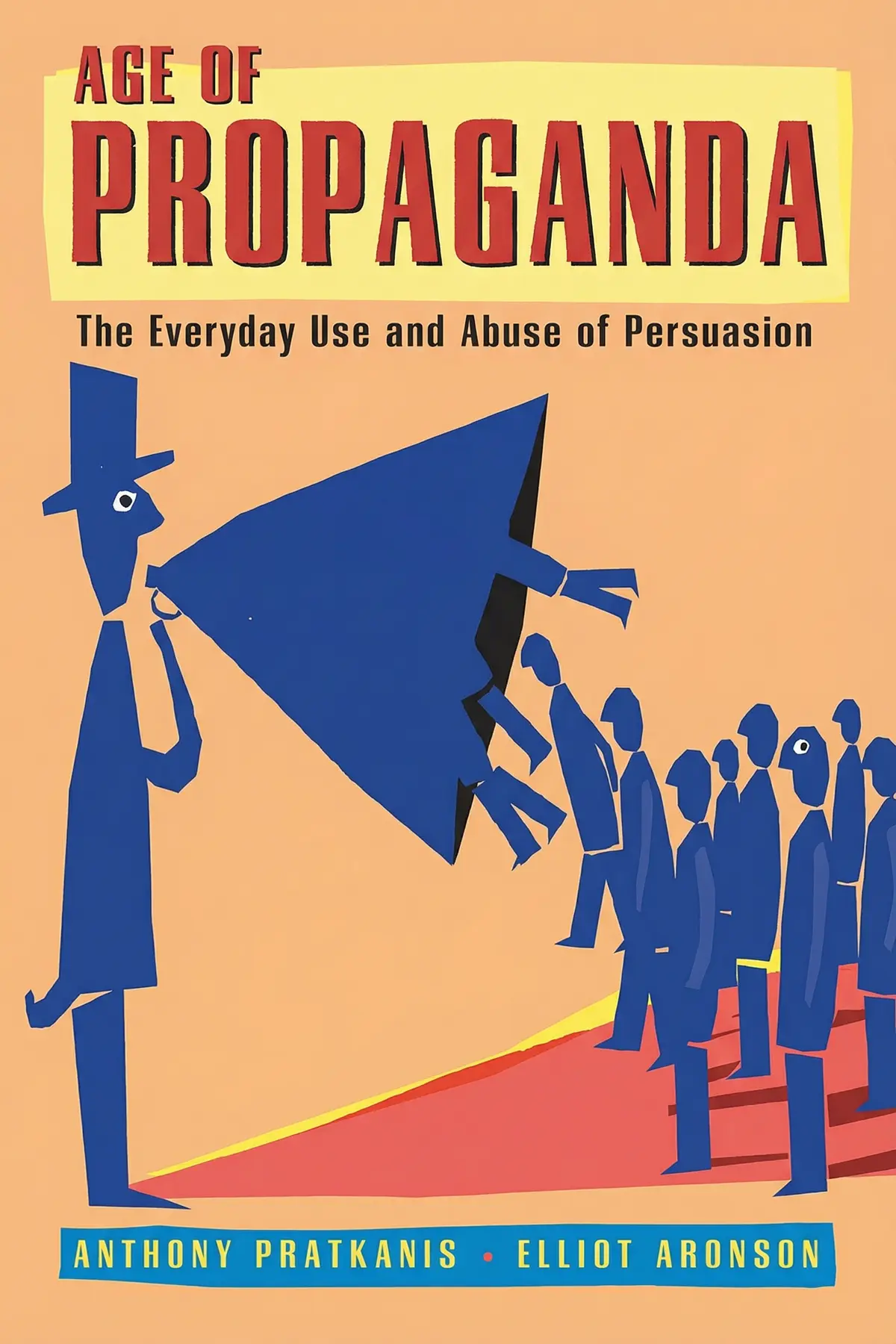
Age of Propaganda: The Everyday Use and Abuse of Persuasion
Anthony Pratkanis
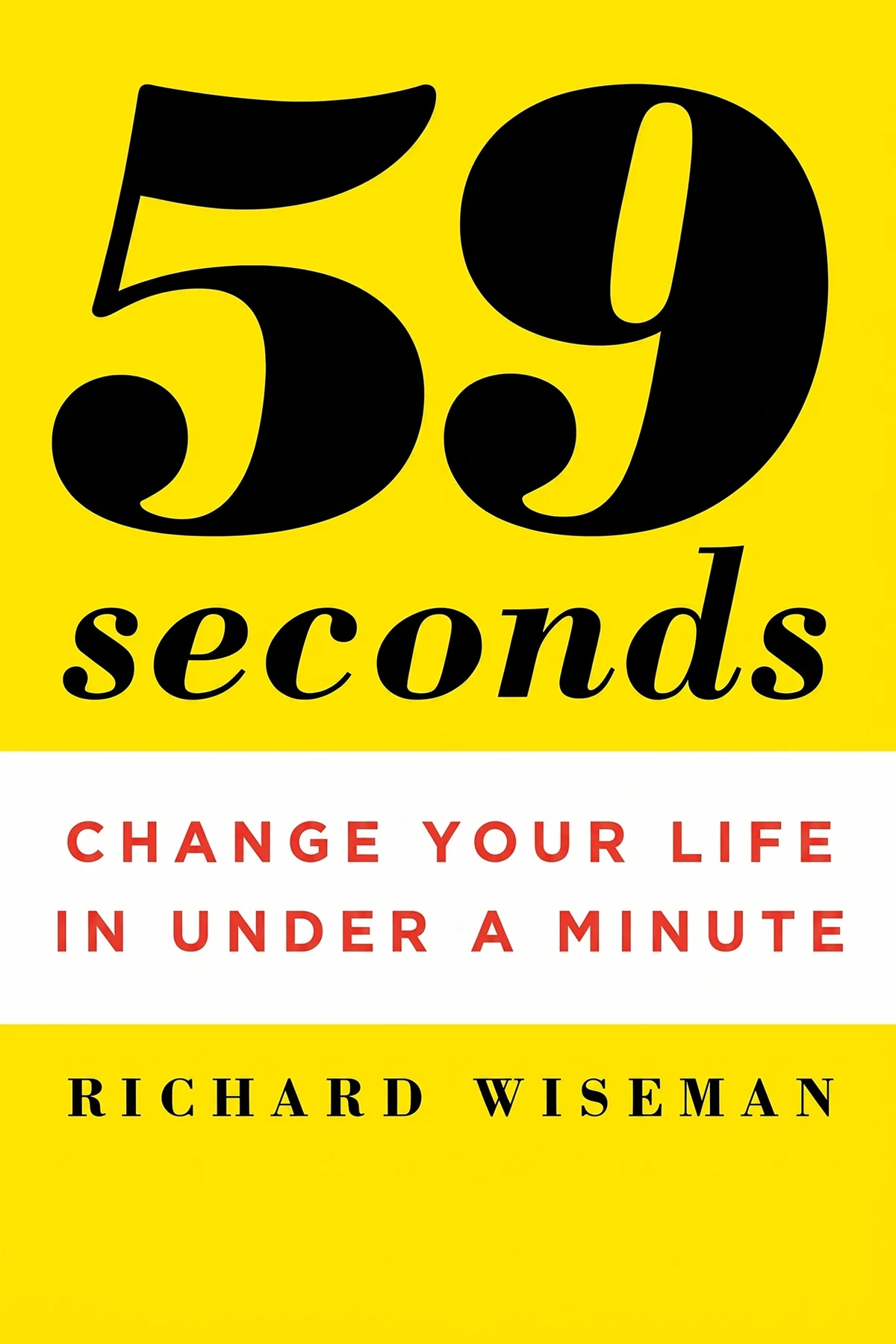
59 Seconds: Change Your Life in Under a Minute
Richard Wiseman
AUDIO SUMMARY AVAILABLE
Listen to How Minds Change in 15 minutes
Get the key ideas from How Minds Change by David McRaney, plus 5,000+ more titles in English and Thai.
- 5,000+ titles
- Listen as much as you want
- 7-day free trial
- Cancel anytime







