
16 min 26 sec
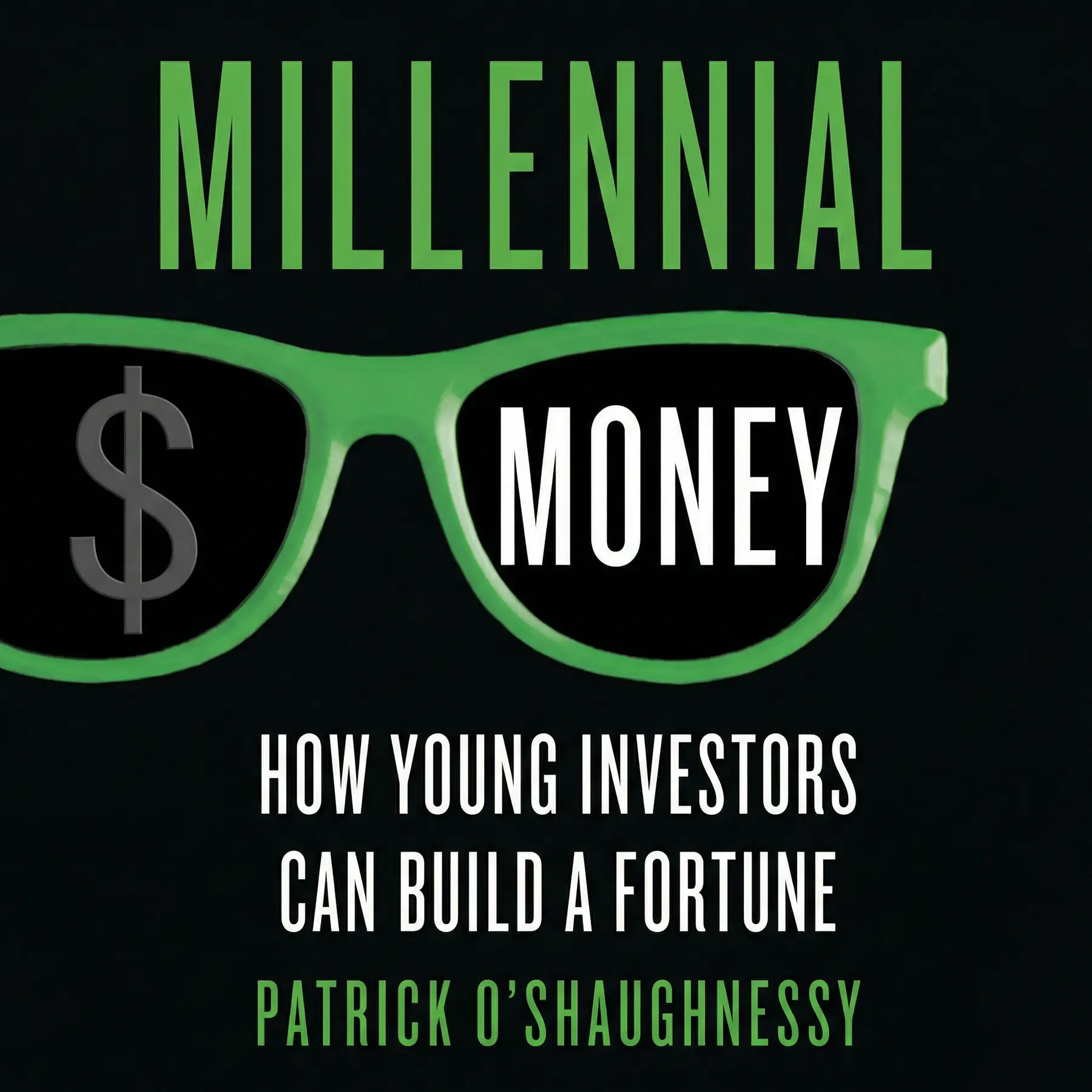
Millennial Money: How Young Investors Can Build a Fortune
Millennial Money offers a strategic roadmap for young investors to navigate financial uncertainty by leveraging time, global diversification, and disciplined, contrarian strategies to build lasting wealth and secure a comfortable retirement.
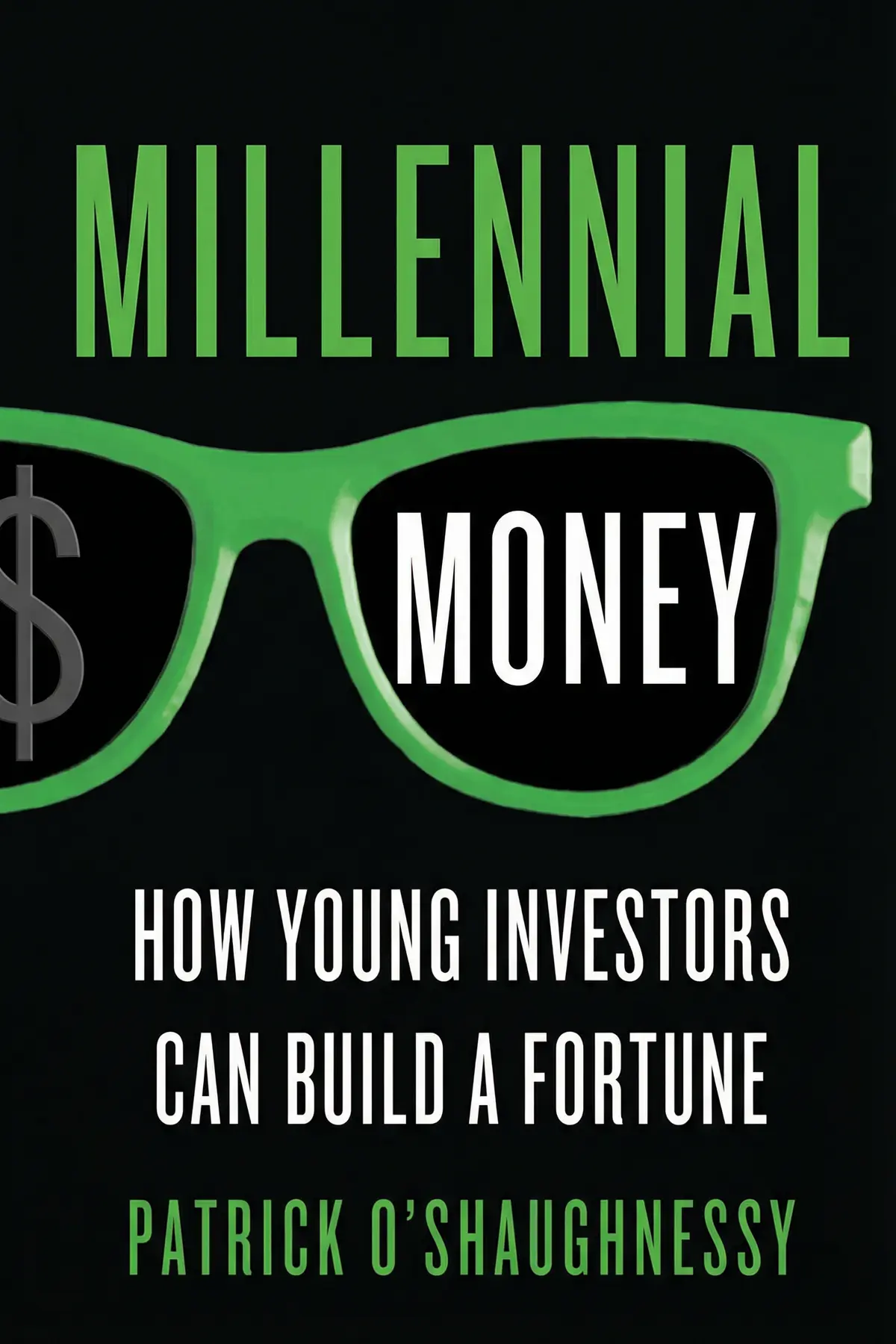
Table of Content
1. Introduction
1 min 28 sec
When you are in your twenties or thirties, retirement often feels like a concept from a distant science fiction novel. It is a period of life so far on the horizon that it seems unnecessary to worry about it today. You might tell yourself that you have decades to figure it out, or that you should focus on your immediate career and lifestyle first. However, this mindset is perhaps the most significant financial mistake a young person can make.
For the generation known as Millennials—those born roughly between 1980 and 2000—the economic landscape has shifted beneath their feet. The old promises of guaranteed state support and simple savings accounts are dissolving. To achieve a future that is not just survivable, but truly comfortable, a new approach is required. This is the central throughline of our exploration: the realization that your youth is not an excuse to delay, but rather your most powerful financial weapon.
By understanding how the stock market actually functions and how to harness the relentless power of time, you can move from a place of financial anxiety to one of immense potential. The goal here isn’t just to save a few dollars; it’s to build a fortune that ensures you will never be dependent on a crumbling system. We are going to look at why starting now is non-negotiable, how to avoid the common traps that snag even experienced investors, and how to develop a strategy that works even when the world feels volatile. Let’s dive into the mechanics of building long-term wealth in an uncertain age.
2. The Exponential Advantage of Early Action
2 min 00 sec
Discover how the simple math of compounding transforms modest early contributions into a multi-million dollar nest egg, and why delaying even a few years can cost you a fortune.
3. The Erosion of the Public Safety Net
1 min 55 sec
Explore why shifting demographics and rising government debt mean that traditional retirement benefits are no longer a guarantee, making personal investment a necessity for survival.
4. The Necessity of a Global Perspective
1 min 52 sec
Learn why ‘investing in what you know’ can lead to dangerous home-country bias and how diversifying across international borders protects your wealth from local economic crashes.
5. Why Following the Experts Can Limit Your Growth
2 min 03 sec
Examine the limitations of popular index funds and ‘sector leader’ strategies, and why true wealth often comes from looking where the crowd is not.
6. Identifying Value and Momentum
1 min 46 sec
Master the ‘Millennial Money Strategy’ by combining the search for undervalued companies with the power of market momentum to find stocks poised for significant growth.
7. Overcoming Your Biological Investing Traps
1 min 57 sec
Understand the psychological biases like ‘constructive paranoia’ that cause investors to fail, and how to use automation to protect your portfolio from your own instincts.
8. The Power of the Thirty-Year Horizon
1 min 55 sec
See why short-term volatility is just noise and how maintaining a long-term perspective is the only guaranteed way to see the market’s true upward trajectory.
9. Conclusion
1 min 30 sec
As we have seen, the path to financial security for the Millennial generation is not found in traditional savings or reliance on government systems, but in the disciplined, long-term mastery of the stock market. The throughline is clear: your greatest asset is time, and your greatest enemy is your own reactive psychology. By starting early, you allow the incredible power of compounding to do the heavy lifting for you, turning modest contributions into a substantial fortune.
To succeed, you must be willing to diverge from the mainstream. This means diversifying your holdings across the globe to protect against local downturns and employing a ‘value plus momentum’ strategy to find stocks that the rest of the market has overlooked. Most importantly, you must protect your portfolio from your own instincts. By automating your investments and committing to a multi-decade horizon, you remove the stress of daily market fluctuations and stay focused on the ultimate goal.
Here is your immediate call to action: don’t wait for the ‘perfect’ moment to start, because that moment doesn’t exist. Open an investment account, set up an automatic monthly contribution—no matter how small—and choose a diversified, value-oriented path. Additionally, remember to be mindful of the tax implications of your moves. By holding your most profitable investments for at least a year, you can benefit from lower long-term capital gains tax rates, keeping more of your hard-earned wealth. The future you will thank the present you for having the courage to begin today.
About this book
What is this book about?
Millennial Money is a comprehensive guide tailored for the generation born between 1980 and 2000, addressing the unique financial challenges they face in a post-2008 world. The book serves as both a wake-up call and a toolkit, explaining why traditional safety nets like state pensions may no longer be reliable. It promises to transform a young person's relationship with the stock market by replacing fear with data-driven confidence. Throughout the work, the focus is on maximizing the one asset millennials have in abundance: time. By exploring the mechanics of compounding, the necessity of global diversification, and the pitfalls of human psychology, the book provides a clear path to building a multi-million dollar portfolio. It moves beyond basic saving tips to offer sophisticated, contrarian investment strategies that outperform the mainstream market. Ultimately, it equips young adults with the mindset and systems needed to achieve financial independence and long-term security.
Book Information
About the Author
Patrick O’Shaughnessy
Patrick O’Shaughnessy is a professional portfolio manager who brings institutional-grade expertise to individual investors. Beyond his work in investment management, he is a contributor to prestigious financial publications, including the Wall Street Journal, where he shares insights on market trends and investment philosophy.
Ratings & Reviews
Ratings at a glance
What people think
Listeners find this to be a valuable resource for the younger generation, praising its effective strategies and extensive data-backed evidence. Furthermore, the material is accessible and clear, with one listener pointing out the straightforward three-step process included. Listeners also value the deep perspective offered to Millennials, as one review specifically mentions the book's focus on the psychological side of investment.
Top reviews
Bee
Patrick O’Shaughnessy manages to demystify the stock market without talking down to his audience. This book is a refreshing departure from the usual dry financial manuals that populate the "Business" section of bookstores. He lays out a clear, data-backed strategy that focuses on three primary steps to building long-term wealth. While some might find his quantitative background intimidating, he translates complex concepts into actionable advice for the average person. I particularly appreciated the emphasis on staying disciplined during market volatility. It’s not just about picking winners; it’s about avoiding the psychological traps we all fall into. My only gripe is that some of the charts are a bit small to read on a Kindle, but the core message remains incredibly powerful. If you’re just starting your career, this is the blueprint you need.
Show moreSupranee
Finally got around to reading this after it sat on my nightstand for three months. Wow. Why did I wait? The way O’Shaughnessy tackles the psychological aspects of investing is where this book truly shines. We are often our own worst enemies when it comes to money, and this book serves as a mirror for those bad habits. It’s less about picking the "hottest" stocks and more about understanding the math of compounding and the danger of high fees. I’ve read a few other books on index funds, but this one provides a more aggressive, quant-based approach that feels tailored for someone with a long time horizon. The writing style is punchy and direct, which I love. It’s a fundamental guide for anyone who wants their money to actually work for them over the next thirty years.
Show moreTippawan
As a 20-something trying to navigate the market for the first time, I found this to be an absolute godsend. Most investment advice feels like it's written for my grandfather, but O’Shaughnessy speaks our language. He provides a specific "recipe" for wealth that doesn't require a finance degree to understand. The focus on global diversification and avoiding "expensive" stocks makes so much sense when you see the historical data he presents. I’m not saying it’s easy—sticking to a plan when the market is crashing takes guts—but having this roadmap makes me feel a lot more confident. It’s the kind of book you want to buy for every friend who asks, "What should I do with my savings?" It’s practical, it’s evidence-based, and it’s genuinely fun to read.
Show moreWipawan
After hearing the author on a podcast, I knew I had to check out his written work. This book did not disappoint. It’s rare to find a quant-focused professional who can write with this much clarity and empathy for the common investor. He strips away the jargon and focuses on what actually moves the needle: fees, taxes, and behavior. The strategy he outlines is designed to beat the market over the long haul, and he provides the data to back up that claim. I’ve started implementing his "Millennial Money" strategy in my own brokerage account and already feel more in control. It’s more than just a finance book; it’s a mindset shift. If you want to stop gambling and start investing, buy this today.
Show moreRin
Ever wonder why you're bad at saving even when you know you should be doing it? O'Shaughnessy dives deep into the behavioral science of why we fail as investors. This isn't just a book about "buy low, sell high." It's a comprehensive look at the traps we fall into and how a systematic approach can save us from ourselves. The strategy is virtually guaranteed to work if you have a 20-year horizon, but the author is honest about the "bad times" you’ll have to endure. That honesty is refreshing. I've read dozens of finance books, and this is the one I'll be gifting to my younger brother. It's concise, it's powerful, and it's backed by a level of rigor you don't usually see in mainstream personal finance.
Show moreTum
Look, most finance books are a total snooze-fest, but this one actually kept my attention. Patrick O’Shaughnessy has a knack for making data feel like a story. He doesn’t just throw numbers at you; he explains the narrative of the market. The three-step approach is brilliant in its simplicity. I’ve always been intimidated by the stock market, but this book made me realize that I don’t need to be a genius to succeed—I just need to be disciplined. There were a few moments where the "quant" side got a little heavy, but he always brings it back to practical applications. It’s an essential read for my generation. It’s time we stop being afraid of the market and start using it to our advantage.
Show moreSuthee
Picked this up after seeing it recommended by a few finance bloggers I follow. Truth is, I was skeptical because "Millennial" is often used as clickbait, but the content here is genuinely substantial. The three-step process for building a portfolio is easy enough for a novice to implement by the end of a weekend. O’Shaughnessy doesn't just tell you what to do; he uses empirical data to explain the why behind every recommendation. Some of the personal anecdotes felt a bit detached from the reality of people struggling with massive student debt, though. However, if you can look past the slightly privileged tone, the investment logic is bulletproof. It’s a quick read that cuts through the noise of day-trading and "get rich quick" schemes. Definitely worth the price of admission for the behavioral finance insights alone.
Show moreNong
The chapter on compounding is arguably the best part of the entire book. It serves as a necessary wake-up call for anyone who thinks they can wait until their 40s to start taking their retirement seriously. Patrick does an excellent job of breaking down the math without making your eyes glaze over. The book is incredibly easy to read, and I finished it in just two sittings. While I found the strategy to be very sound, I do think he oversimplifies how difficult it is to remain unemotional during a market downturn. He mentions cognitive biases, but knowing they exist and overcoming them are two very different things. Still, as a general principle-based guide, it’s hard to beat. It’s a solid four-star read that I would recommend to anyone in their early 20s.
Show morePing
To be fair, the advice is solid, but the book feels a little repetitive toward the middle. Once you get the core concept—avoiding high-priced stocks and letting compounding do the heavy lifting—the rest of the chapters just feel like reinforcements of the same point. That’s not necessarily a bad thing for a beginner who needs the message to sink in, but for someone with a bit of experience, it could have been shorter. The writing tone is very accessible, which is a huge plus. I also enjoyed the sections on how our brains are literally wired to make bad financial decisions. It’s a good foundational text, even if it doesn't reinvent the wheel. I'd give it a 3.5 if I could, but I'll round up to 4 for the quality of the data, though I'm keeping my official rating at a cautious three.
Show moreRod
Not what I expected given the glowing recommendations from some of the "big names" in finance. Frankly, if you’ve read any classic investment book like The Intelligent Investor or even a basic Bogleheads guide, you won't find much new here. The author leans heavily on his personal experiences, which often fail to account for the actual economic constraints most millennials face today. It feels like it was written for people who already have a decent chunk of change to play with, rather than those starting from zero. The anecdotal evidence is thin, and the "original" strategies are just repackaged value and momentum factors that have been discussed ad nauseam in academic circles. It’s an okay primer if you’ve never thought about a 401k, but otherwise, it's a bit of a letdown. I'd suggest looking for free resources online instead.
Show moreReaders also enjoyed
AUDIO SUMMARY AVAILABLE
Listen to Millennial Money in 15 minutes
Get the key ideas from Millennial Money by Patrick O’Shaughnessy, plus 5,000+ more titles in English and Thai.
- 5,000+ titles
- Listen as much as you want
- 7-day free trial
- Cancel anytime







