
A Life Decoded: My Genome: My Life
J. Craig Venter
Explore the hidden world of the microbiome and discover how the overuse of antibiotics is disrupting our ancient internal ecosystems, potentially contributing to the rise of modern chronic diseases and health conditions.
1 min 41 sec
Have you ever considered that inside your body, there is a thriving, ancient world that has been millions of years in the making? Most of us view germs as enemies to be eradicated, but the reality is far more complex. We often reach for antibiotics at the first sign of a persistent cough or a painful infection, and there is no denying that these medications can feel like a miracle. They sweep in and clear away the invaders, restoring our comfort in a matter of days. However, this immediate relief might come with a hidden, long-term cost that we are only just beginning to understand.
Think of your body as a carefully curated garden. When we use broad-spectrum antibiotics, it’s not like pulling a single weed; it’s more akin to dousing the entire landscape in a powerful herbicide. Yes, the weeds will die, but so will the flowers, the grass, and the very microbes that keep the soil healthy. This is the central challenge of modern medicine that we are going to explore. We have become incredibly good at killing bacteria, but in our zeal for cleanliness and quick cures, we have begun to lose a fundamental part of what makes us human: our microbiome.
In the following minutes, we will look at how our health is tied to these microscopic residents and why their disappearance is linked to the rise of modern ailments like asthma and obesity. We’ll trace the history of our relationship with germs from the dawn of time to the discovery of penicillin, and finally, we will look at how we can change our habits to protect our internal ecosystem. The goal isn’t to abandon modern medicine, but to learn how to use it with the precision and respect it requires.
2 min 16 sec
Imagine the history of our planet condensed into a single day. You might be surprised to find out just how late humans arrived to the party compared to our bacterial ancestors.
2 min 31 sec
Our bodies are not isolated islands but complex environments where the loss of a single species can cause a massive ripple effect throughout our entire immune system.
2 min 08 sec
Humanity’s greatest medical achievement, the discovery of antibiotics, saved us from the brink of extinction, but it also changed our biological landscape forever.
2 min 06 sec
The antibiotics we take aren’t just coming from the pharmacy; a significant portion of our exposure comes through the industrial food system and the animals we eat.
2 min 04 sec
A simple course of antibiotics can sometimes clear the path for much more dangerous invaders to take hold, turning a minor treatment into a major crisis.
2 min 15 sec
Restoring the balance doesn’t mean giving up modern hygiene, but it does mean making smarter choices about how we interact with the invisible world.
1 min 38 sec
The story of our relationship with microbes is one of the most important narratives in modern science. We have spent the last century viewing bacteria through the lens of war, focused entirely on eradication and sterilization. And while that battle has saved us from the horrific plagues of the past, we are now realizing that we have also been killing our closest allies. The ‘modern plagues’ of obesity, asthma, and autoimmune diseases are the silent witnesses to a disrupted internal landscape.
As we have seen, our health is not just about our own human cells; it is about the trillions of microscopic organisms that help us digest our food, calibrate our immune systems, and even influence our metabolism. To move forward, we must adopt a more surgical and respectful approach to medicine. We must protect our children’s developing microbiomes, rethink how we produce our food, and be more discerning about the chemicals we use in our homes.
The next time you are offered an antibiotic or reach for a heavy-duty sanitizer, take a moment to consider the garden inside you. Ask yourself if the intervention is truly necessary or if you can allow your natural defenses to do their work. By valuing the microbes we have left and working to restore the ones we have lost, we can reclaim a level of health and resilience that modern medicine alone cannot provide. It is time to welcome our microbial partners back to the table and recognize that their survival is inextricably linked to our own.
This exploration into the world of microbiology reveals the essential partnership between humans and the trillions of microbes that call our bodies home. It examines how our microscopic inhabitants, known as the microbiome, are critical for our immunity and overall health. However, this ancient balance is currently under threat. Through the lens of modern medicine and industrial agriculture, we see how the widespread use of antibiotics—while life-saving in emergencies—is acting like a scorched-earth policy in our digestive systems. The promise of this narrative is a deeper understanding of our internal ecology and a roadmap for living more harmoniously with the microbial world. By looking at the history of evolution and the specific ways modern hygiene and medical practices alter our internal landscape, we can begin to see why chronic conditions like obesity, asthma, and diabetes are on the rise. Ultimately, the goal is to provide a balanced perspective that allows us to reap the benefits of modern medicine without accidentally destroying the very organisms that have kept our species thriving for millennia.
Dr. Martin Blaser is a distinguished professor of microbiology and serves as the Director of the NYU Human Microbiome Program. Throughout his career, his research has been deeply focused on the behavior and impact of various bacteria, including Helicobacter pylori, Campylobacter, and Salmonella Bacillus anthracis. More recently, his academic and clinical investigations have shifted toward a primary focus on the human microbiome and its complex relationship with modern health challenges.
Listeners find this work exceptionally accessible and skillfully composed, offering solid insights supported by scientific studies. They describe it as a stimulating read that alters their perspective on medical care and wellness, regarding it as a top-tier resource on how rising antibiotic use affects people. Listeners value the intriguing topics and captivating prose, with one review specifically pointing out the complex ecology of gut bacteria.
Finally got around to reading this, and it’s a total game-changer for how I view my own health and the medications I take. Blaser, who leads the Human Microbiome Program at NYU, explains with incredible clarity how our 'invisible friends' are being wiped out by a century of antibiotic overuse. The way he links the disappearance of specific microbes to the rise in modern plagues like childhood obesity and asthma is both fascinating and terrifying. I especially appreciated the sections on how C-sections might be depriving newborns of essential starter cultures. It’s a beautifully written, thought-provoking call to action that doesn't just complain but offers a path toward restoration. One of the best science books I've read in years.
Show moreAfter hearing about the human microbiome in a podcast, I picked this up to understand the science behind the hype. Martin Blaser manages to take a subject that could be incredibly dry and turn it into a gripping narrative about our co-evolution with bacteria. The book explains how our modern obsession with cleanliness and 'better safe than sorry' medicine is actually backfiring on us in ways we never anticipated. I was particularly struck by the data on how different the microbiome of a child born via C-section is compared to one born vaginally. It’s a powerful reminder that we are ecosystems, not just individuals. This is easily one of the most important health books I’ve read in recent years. Highly recommended.
Show moreThe chapter on H. pylori serves as a perfect microcosm for the delicate balance we've spent centuries disrupting through modern medicine. Blaser argues convincingly that we are witnessing an extinction event right inside our own bodies, and the consequences are visible in every doctor's waiting room. I loved how he explored the history of public health, from the industrial revolution to the post-WWII penicillin boom, showing both the triumphs and the unintended side effects. The book is passionate without being alarmist, and the science is grounded in his decades of research at the highest levels of medicine. If you want to understand why our modern lifestyle is making us sick in new and strange ways, you really need to start here.
Show morePersonally, I found this to be an incredibly eye-opening look at the hidden world within us. The idea that we are losing microbial species that have been with us since the dawn of humanity is a sobering thought. Blaser makes the science very approachable, explaining how the loss of these 'good' bugs leads to a rise in allergies and metabolic disorders. I especially appreciated the nuance he brought to the discussion; he isn't saying antibiotics are evil, just that we are using them with a dangerous lack of foresight and care. It’s a quick read but one that stays with you long after you’ve finished the last page. Highly recommended for anyone interested in the future of medicine and human evolution.
Show moreWow. Blaser writes with such passion and clarity that it’s hard not to look at a bottle of hand sanitizer with a little bit of suspicion now. He presents a compelling case for why our 'scorched earth' policy against bacteria has led to a host of unintended health problems. The book is well-researched and provides a great balance of personal anecdotes from his clinical career and hard data from the lab. I was fascinated by the connection between the disappearance of ancient microbes and the rise in childhood height and weight. It’s a thought-provoking read that challenges the standard medical narrative in the best way possible. Truly one of the most readable and vital pop-science books I've encountered recently.
Show moreAs someone with a background in biology, I appreciated how Blaser broke down complex ecological systems within the gut without being patronizing or overly simplistic. He makes a compelling argument that we’ve been far too liberal with antibiotics, treating them as a 'no-risk' intervention when the long-term costs to our microbiome are actually staggering. The discussion about H. pylori—a microbe he clearly loves—was a highlight for me, showing how a single organism can be both a pathogen and a protector depending on the life stage. My only minor gripe is that he occasionally brushes over the fact that some of these associations are still very much in the speculative phase. Overall, it's a vital read for understanding our evolving relationship with bacteria.
Show moreEver wonder why we’re seeing so much more asthma and gluten intolerance these days compared to our grandparents' generation? This book offers a compelling, if slightly scary, answer: we’ve accidentally decimated the microbial diversity that keeps our immune systems in check. Blaser writes in a style that is accessible to anyone, even if you haven't looked at a biology textbook since high school. I found the information about how livestock are fed low-dose antibiotics just to fatten them up to be particularly eye-opening regarding our own obesity epidemic. It really makes you rethink every prescription and every piece of chicken you buy. A bit repetitive in spots, but the core message is too important to ignore for anyone concerned about modern health.
Show moreThis book should be mandatory reading for every new parent or anyone who reaches for a Z-Pak at the first sign of a sniffle. Blaser does a fantastic job of illustrating how we’ve been throwing the baby out with the bathwater by using broad-spectrum antibiotics for minor viral infections. He highlights the invisible cost of these 'magic pills,' specifically how they disrupt the development of a child's metabolism and immune system. While the author's focus on H. pylori can feel a bit repetitive, his expertise in the area is undeniable and provides a solid anchor for his arguments. It’s an engaging, well-supported book that will definitely change how you talk to your doctor about future treatments. Truly eye-opening stuff.
Show moreNot what I expected, as the second half of the book leans quite heavily into speculation rather than established medical fact. I appreciate Blaser’s passion for his field, but I felt he stretched his theories a bit thin when trying to link missing microbes to things like the autism spectrum. To be fair, the first half of the book is a masterclass in microbial history and the discovery of penicillin, which I thoroughly enjoyed. However, once he moves into the 'modern plagues,' the science starts to feel a bit like a stretch based on small sample sizes. It’s definitely food for thought and worth a read, but I'd suggest taking some of the broader claims with a grain of salt until more human trials are conducted.
Show moreWhile the premise is intriguing, I found myself increasingly frustrated by the author's relentless obsession with H. pylori. He argues that this one bacterium is the lynchpin of human health, which feels incredibly myopic given the myriad of environmental factors like plastics and pollutants he conveniently ignores. Frankly, his reliance on mouse studies to draw broad conclusions about human obesity and autism is a major red flag for anyone who understands basic scientific methodology. Correlation is not causation, yet Blaser treats his hunches as gospel throughout much of the text. It's an interesting hypothesis, but the lack of rigorous human data makes it feel more like a manifesto than a science book. Most of the data simply doesn't translate to humans yet.
Show moreJ. Craig Venter
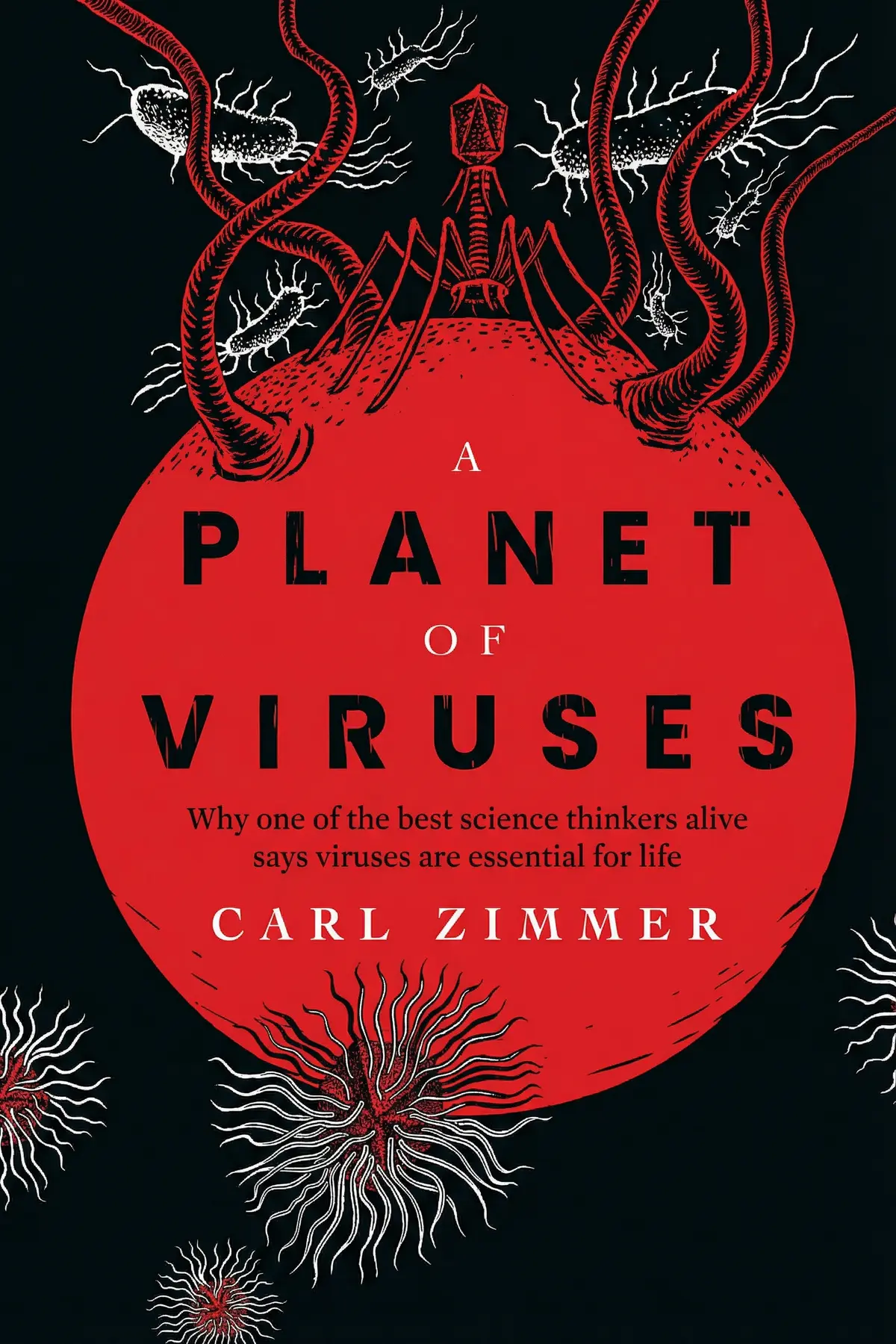
Carl Zimmer
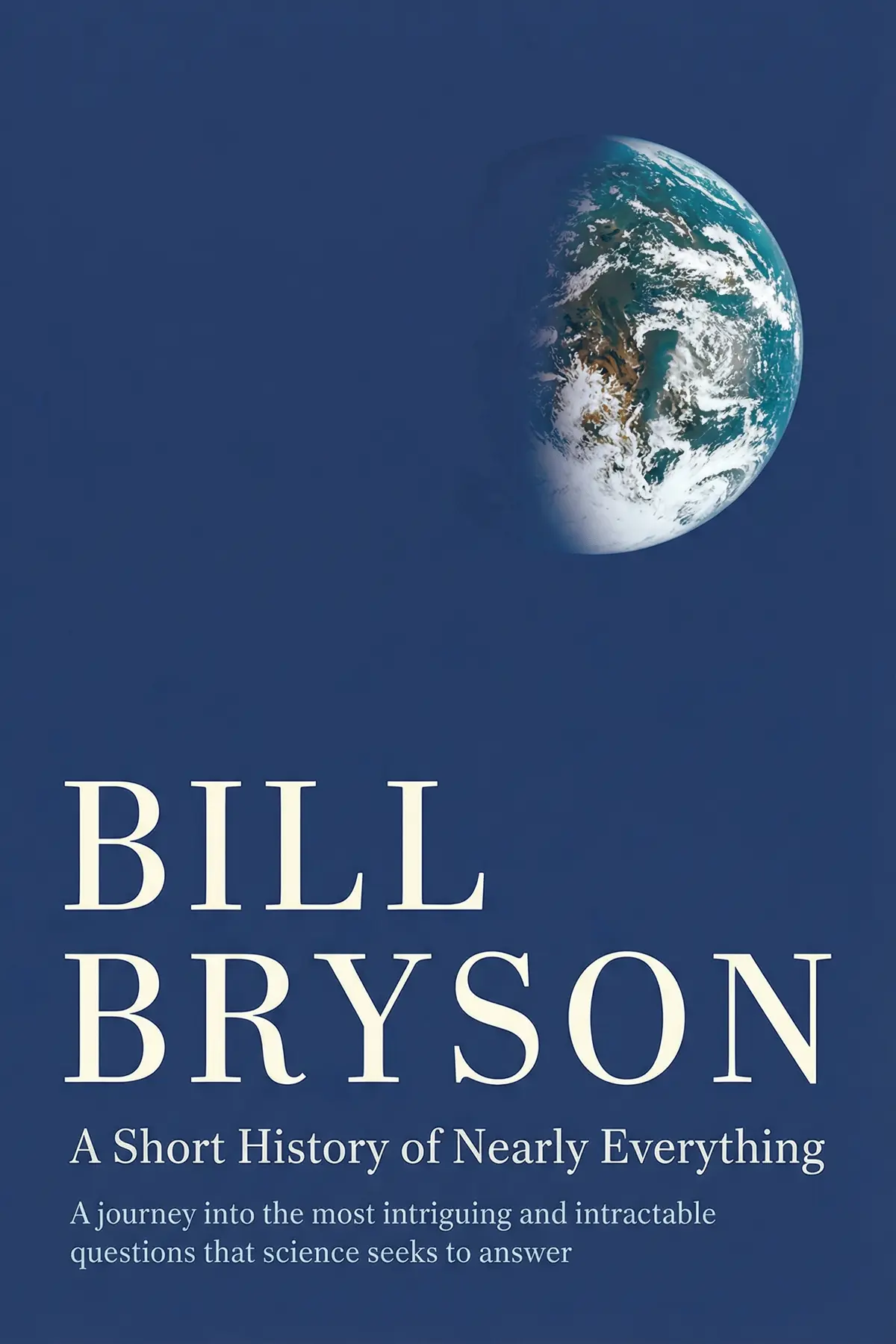
Bill Bryson
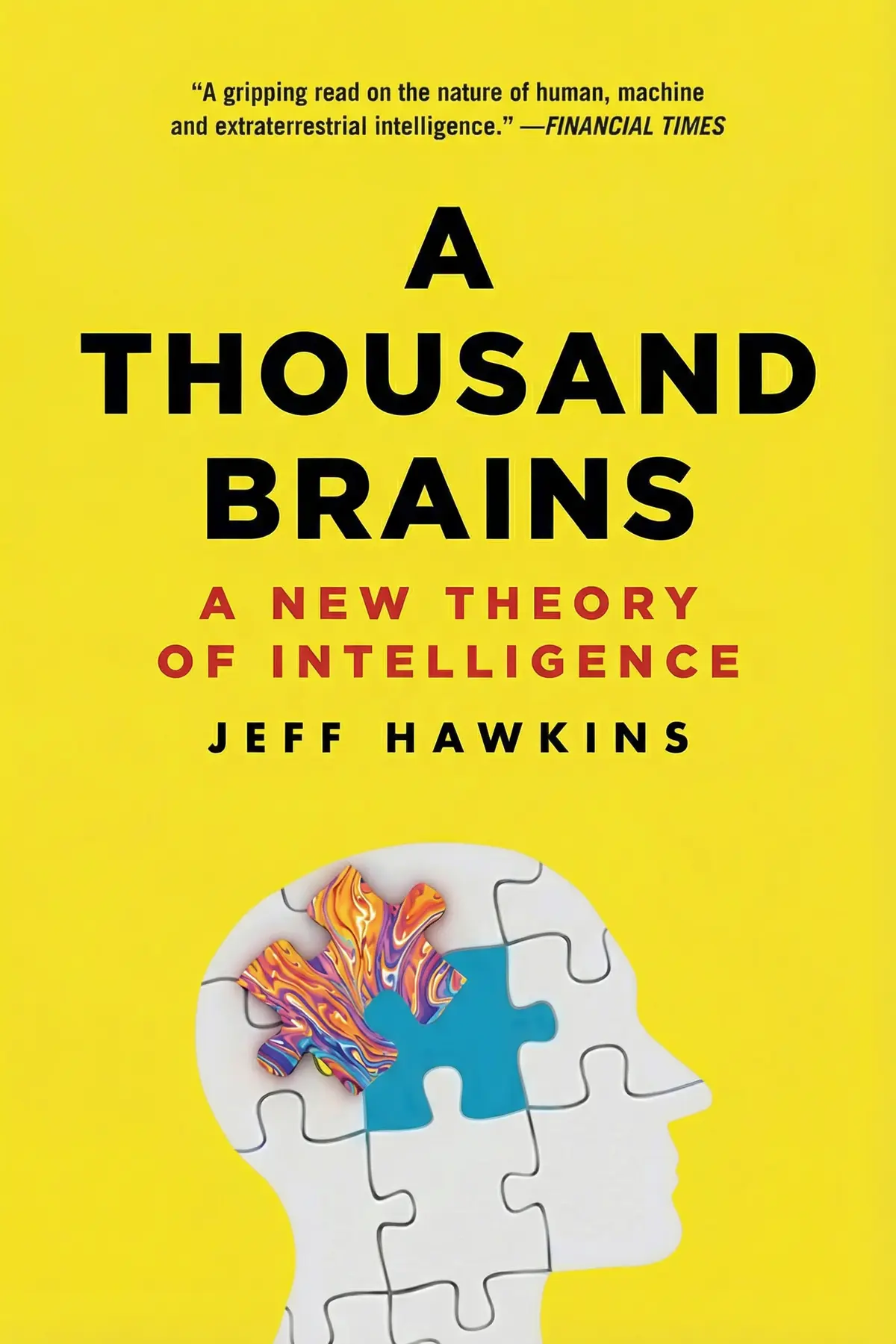
Jeff Hawkins
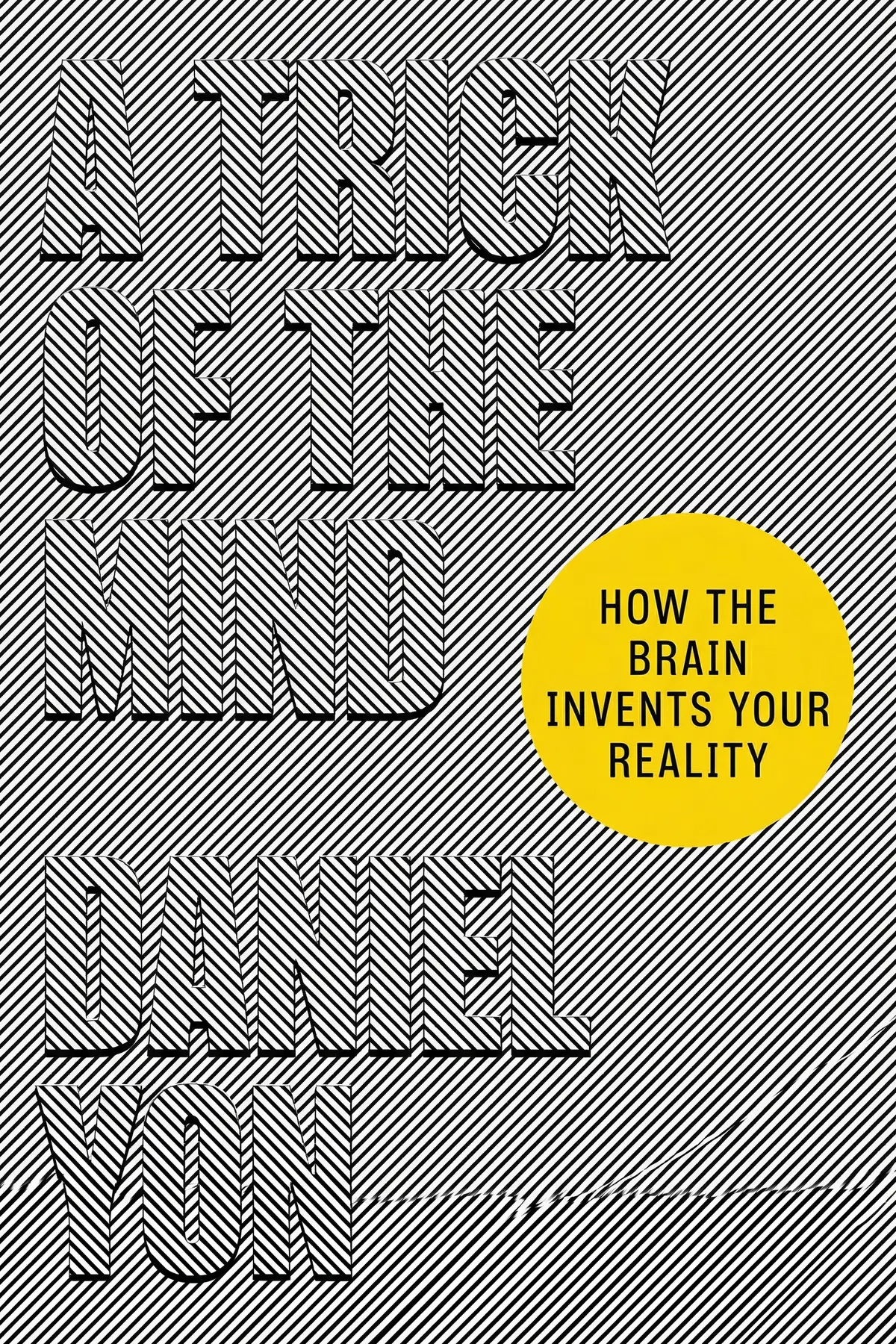
Lisa Kaltenegger
AUDIO SUMMARY AVAILABLE
Get the key ideas from Missing Microbes by Martin Blaser, plus 5,000+ more titles in English and Thai.







