

12 min 55 sec
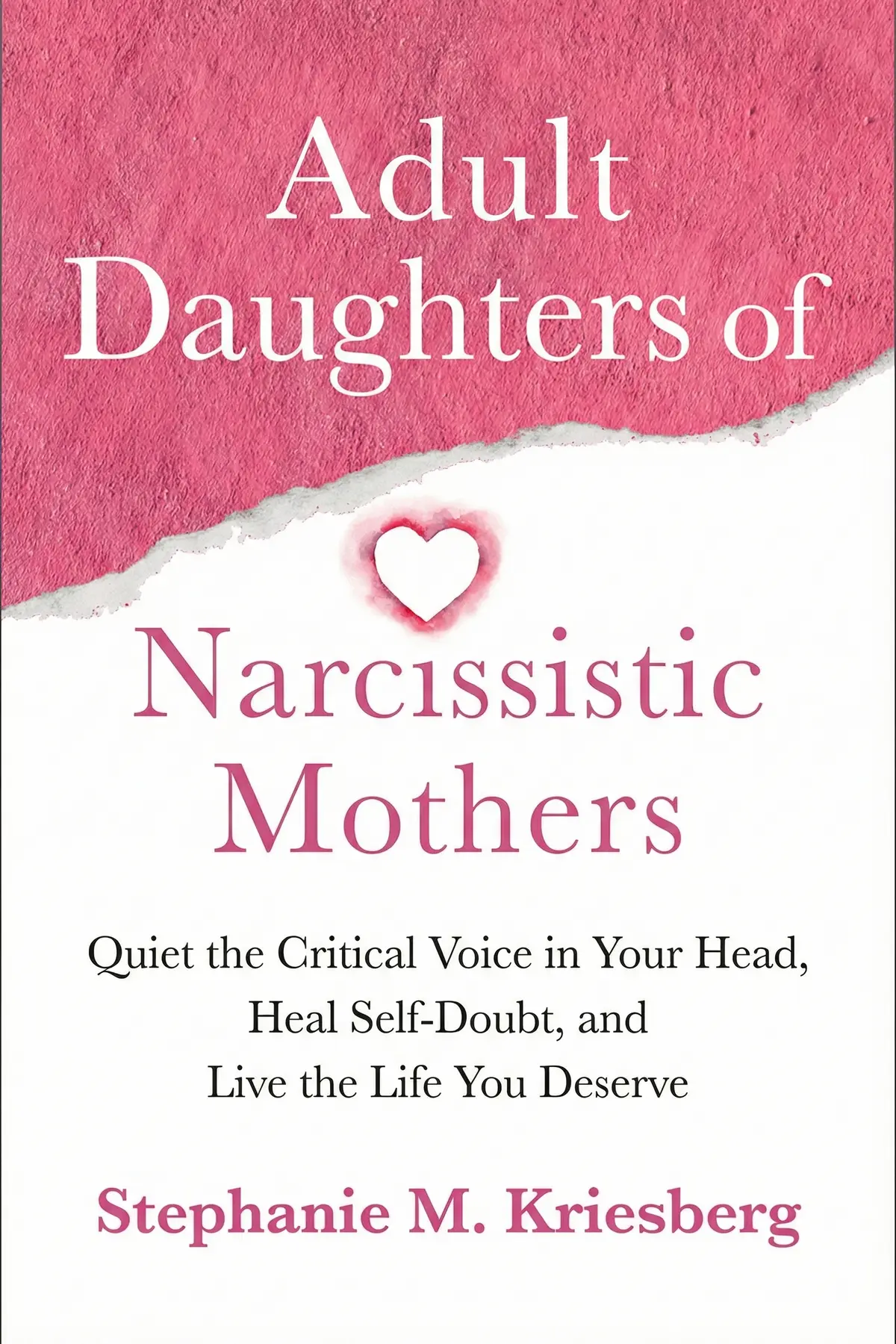
Real Self-Care: A Transformative Programme for Redefining Wellness
Psychiatrist Pooja Lakshmin reveals why commercial wellness often fails and presents a sustainable, internal framework for self-care through boundaries, compassion, values, and the reclamation of personal power.
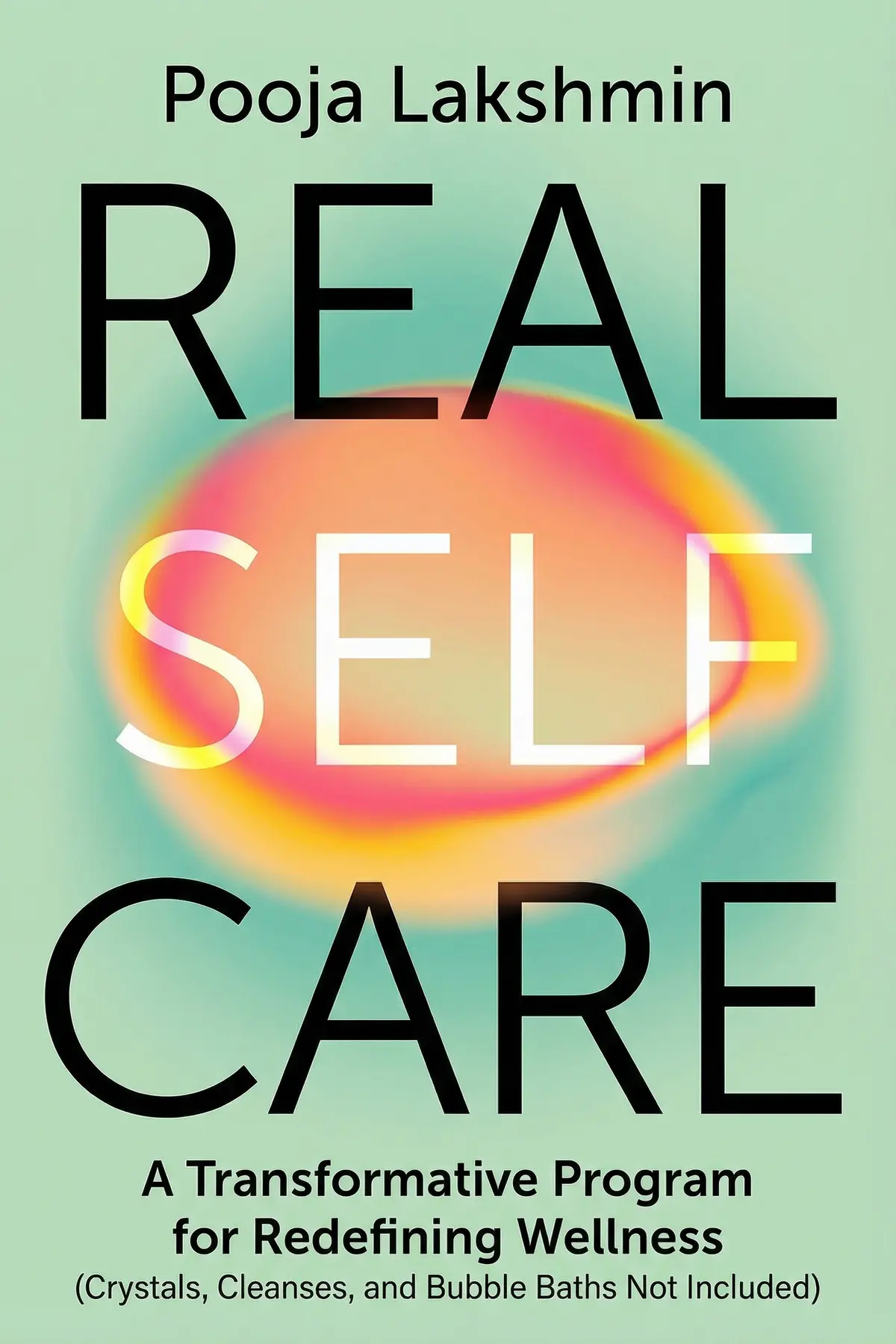
Table of Content
1. Introduction
1 min 50 sec
The modern wellness industry is a financial powerhouse, worth tens of billions of dollars. Everywhere you look, there is a new solution being marketed to help you feel more centered, more energetic, and more in control of your life. We are told that if we just find the right retreat, the right morning routine, or the right lifestyle supplement, our stress will evaporate. But for many people, these promises don’t just fall short—they leave them feeling more exhausted and more like they are failing at the very task of taking care of themselves.
What if the problem isn’t that you haven’t found the right product, but that the entire concept of self-care has been hollowed out? When self-care is reduced to a list of chores or expensive purchases, it ignores the actual conditions of our lives. It overlooks the systemic pressures that create burnout in the first place, such as the unequal distribution of labor at home, the lack of affordable healthcare, or the weight of social marginalization. When we try to fix these deep, structural issues with surface-level products, we aren’t just wasting money; we are missing the opportunity for true transformation.
In this journey, we are moving away from the idea that self-care is something you buy and toward the realization that it is something you practice internally. It is a shift from a performance of wellness to an internal framework of power. This throughline connects the way we speak to ourselves, the way we protect our time, and the way we align our choices with who we actually are. This isn’t about escaping your life for a weekend; it’s about changing the way you live your life every single day. We are going to explore how to stop blaming yourself for being burnt out by a system that isn’t designed for your flourishing, and how to start reclaiming your energy through boundaries, compassion, and the pursuit of your own core values.
2. Challenging the Systemic Wellness Myth
2 min 32 sec
Uncover how the commercial wellness industry often places the burden of systemic failures on the individual, leading to a cycle of burnout and unwarranted self-blame.
3. Establishing Non-Negotiable Boundaries
2 min 25 sec
Explore why setting limits is the foundation of mental health and how to navigate the guilt that often accompanies the word ‘no’.
4. Replacing the Internal Bully with Compassion
2 min 18 sec
Learn to identify the harsh inner critic that drives burnout and discover how self-compassion can replace the cycle of martyrdom.
5. Aligning Action with Authentic Values
2 min 22 sec
Moving beyond survival mode means identifying your core values and using them as a compass to assert your power and influence change.
6. Conclusion
1 min 28 sec
In the end, we have to recognize that the trendy version of self-care—the one that lives in advertisements and social media feeds—is often just another task on an already overflowing to-do list. Real self-care is different. it is a fundamental shift in how you relate to yourself and the world around you. It isn’t a destination you reach or a product you buy; it is a continuous, reflective process of making choices that honor your humanity.
By building healthy boundaries, you protect your limited energy from being drained by the demands of others. By cultivating self-compassion, you transform your mind from a hostile environment into a supportive one. By identifying your values, you ensure that the life you are building is actually yours. and by asserting your power, you refuse to be a passive observer in your own life.
This journey requires courage because it often involves disappointing others or challenging systems that benefit from your self-sacrifice. But the reward is a sense of peace and authenticity that no spa day could ever provide. As you move forward, remember that the goal isn’t to be perfect at self-care. The goal is to be curious, to be kind to yourself, and to remember that you deserve to take up space. You have the power to redefine what wellness looks like for you, starting with the very next choice you make. Embrace your limits, trust your values, and let your authentic self lead the way.
About this book
What is this book about?
This exploration dives into the critical difference between commercialized wellness and the internal work of true self-care. It moves past the industry of quick fixes and trendy products to address the systemic causes of burnout, such as inequality, lack of social support, and the mental load carried by marginalized groups. The book promises a path toward genuine well-being by providing tools to navigate a broken system. Readers will learn how to dismantle the internal critic, set non-negotiable boundaries, and align their daily actions with their deepest personal values. It is a guide to asserting personal power and building a life that feels authentic from the inside out.
Book Information
About the Author
Pooja Lakshmin
Dr. Pooja Lakshmin is a board certified psychiatrist with both a clinical and private practice. She is a contributor to The New York Times and speaker on topics of gender and mental health, as well as the founder of Gemma, an education platform for women’s mental health focusing on equity.
Ratings & Reviews
Ratings at a glance
What people think
Listeners find the book’s perspective on self-care to be sincere and revitalizing, with one noting it provides functional strategies for grasping personal requirements. Furthermore, the writing is articulate and easy to follow, and listeners value the work's influence, with one pointing out how it helps name emotions in the mind. They also prize the caliber of the information, with one listener highlighting its integration of scientific research, and consider it a worthwhile read, with one describing it as essential for everyone.
Top reviews
Anna
This book should be required reading for anyone tired of the 'wellness' industrial complex. Dr. Lakshmin uses her background as a psychiatrist to dismantle the idea that a simple pedicure can fix deep-seated burnout caused by failing social structures. Frankly, naming the emotions I’ve been feeling for years was the most therapeutic part of the experience. It is refreshing to read something that integrates scientific research without being overly academic or dry. The concept of 'internal principles' over 'external methods' finally clicked for me. I appreciated how she balances the harsh reality of systemic inequality with actionable ways to reclaim agency. It's an honest, refreshing look at how we treat ourselves in a world that asks for too much.
Show moreUraiwan
The chapter on boundaries alone makes this book worth every penny. Dr. Lakshmin provides a framework for 'betrayal vs burnout' that absolutely hit home for me. I was expecting some feel-good tips, but instead, I got a deep well of reflection and real-life experience. The metaphors she uses are refreshing and helped me visualize how to protect my energy at work. I love that she doesn't just give you a to-do list; she helps you design a system for living. It feels like she’s talking to you as a friend who also happens to be a world-class doctor. It’s easily one of the most impactful books I’ve read this year.
Show moreMaksim
Picked this up during a major work crisis and it completely shifted my perspective on what it means to take care of myself. Instead of adding more 'tasks' to my to-do list, Dr. Lakshmin taught me how to align my daily choices with my core values using her 'Compass' framework. The assertion of power section was particularly enlightening, showing that small shifts in our personal lives can actually ripple out into larger systemic changes. Gotta say, I feel much more in control of my life after finishing this. It’s not just about saying 'no'; it’s about understanding why you’re saying 'yes' in the first place. Truly a transformative program for redefining wellness.
Show morePhichai
As a woman of color, I found the author’s perspective on South Asian cultural expectations to be deeply validating. She speaks directly to the 'what will people say?' mentality that traps so many of us in people-pleasing cycles. The quiz format in the boundaries chapter provided practical solutions that I could actually use in my everyday life. While some parts felt a bit therapy-lite, the integration of Acceptance and Commitment Therapy principles made the advice feel sturdier than your average self-help book. My only gripe is that it glosses over the financial reality of things like hiring help or taking leave. Still, the focus on self-compassion and setting boundaries is high-quality and worth the read.
Show morePriya
Finally, a psychiatrist who gets that a bubble bath won't fix a broken system. Dr. Lakshmin’s distinction between 'faux self-care' and 'real self-care' is a total game changer for how I view my downtime. I've been using the strategies to handle my inner critic more effectively, and it’s actually working. The book is well-written and easy to understand, even when diving into more complex psychological concepts. I did feel like the chapter on asserting power was the weakest link, as the examples felt like lucky accidents rather than replicable strategies. Regardless, the focus on ownership over your life is a powerful message that I think most working women need to hear right now.
Show moreChiw
Dr. Lakshmin’s approach feels incredibly honest because she shares her own unfiltered mental health journey alongside her patients' stories. This vulnerability makes the advice on prioritizing oneself feel less like a lecture and more like a shared path. I appreciated the specific scenarios, like how to decline a bachelorette party invitation, because they made abstract concepts feel concrete. To be honest, I think the book could have been about fifty pages shorter without losing much value. It gets a bit circular toward the end. However, the scientific grounding and the focus on values-based living make it a standout in a very crowded genre of wellness books.
Show moreTaw
Ever wonder why you feel guilty even when you're supposed to be relaxing? This book answers that question by looking at the internal principles we use to govern our lives. I found the section on developing a more compassionate inner critic to be extremely well-integrated with current research. It’s a bit US-centric, and I agree with other reviewers that it leans heavily into the 'mom' perspective, which isn't always relatable. But the core idea—that self-care is self-preservation—is something I will be carrying with me. It’s a compassionate and actionable guide for anyone feeling the weight of the world. Not a perfect book, but a very necessary one.
Show moreAnucha
Look, the core message here is solid, but I struggled with the delivery. It felt like a lite version of therapy that most people might have already encountered in other self-help books or through actual clinical sessions. The discussion about setting boundaries was helpful, yet I found the lack of intersectionality disappointing, as there was barely a mention of the unique struggles faced by the LGBTQ+ community or disabled individuals. Truth is, it’s hard to balance systemic anger with individual empowerment, and this book didn't quite bridge that gap for me. I felt empowered one minute and frustrated the next. It is a decent entry point for beginners, but it didn't offer the depth I was hoping for.
Show moreConnor
After hearing so much hype on social media, I finally dove into this one. It's definitely a must-read if you are a chronic people-pleaser or a martyr, but for others, the applicability might be limited. The author predicates many of her ideas around traditional stereotypes of women, which felt a bit dated at times. I also kept waiting for a mention of how men can help change the state of things, but it never came. Personally, I found the first half about dismantling the wellness industry much stronger than the second half’s practical exercises. It’s a good book, but it didn't quite live up to the transformative promise for me.
Show moreNattapong
I really wanted to love this, but it felt like it was written for a very specific demographic that I just don't belong to. The advice is heavily geared toward American career women who are also mothers, leaving little room for those with different life circumstances. Also, avoid the audiobook; listening to the worksheets and long lists is incredibly tedious and numbing. The writing is fine, but it becomes repetitive by the halfway mark. To be fair, her personal story is interesting, but I felt the systemic change examples were a huge leap. It places a massive burden on the individual to fix problems that are clearly institutional. I didn't find the insights particularly new or ground-breaking.
Show moreFeatured in
Readers also enjoyed
A High-Performing Mind: Strengthen Your Mind and Live Your Best Life
Andrew D. Thompson
Alcoholics Anonymous
Alcoholics Anonymous World Services
Abundance: The Inner Path to Wealth
Deepak Chopra
A Liberated Mind: How to Pivot Toward What Matters
Steven C. Hayes
AUDIO SUMMARY AVAILABLE
Listen to Real Self-Care in 15 minutes
Get the key ideas from Real Self-Care by Pooja Lakshmin, plus 5,000+ more titles in English and Thai.
- 5,000+ titles
- Listen as much as you want
- 7-day free trial
- Cancel anytime







