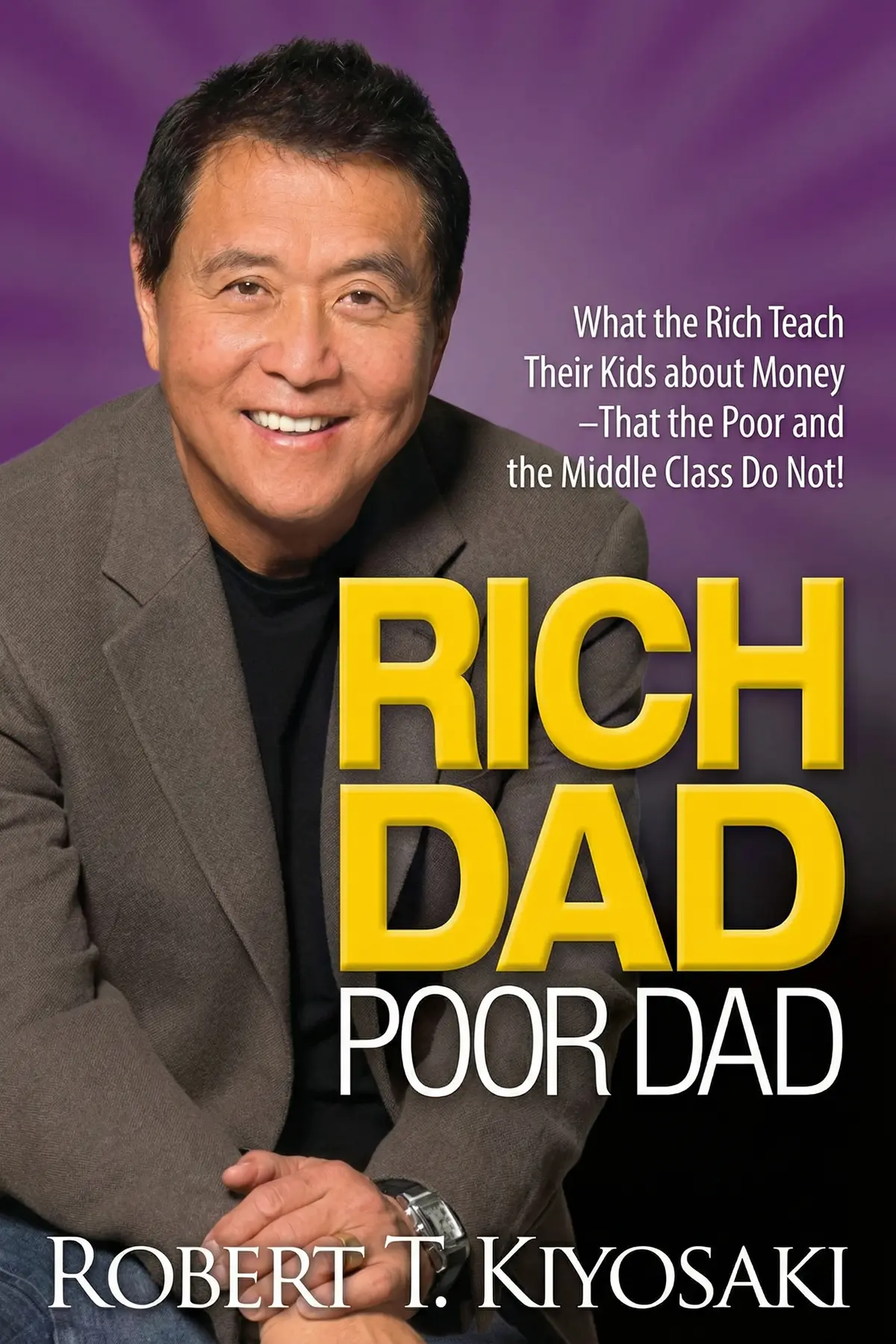
Rich Dad, Poor Dad: What the Rich Teach Their Kids about Money – That
Robert T. Kiyosaki
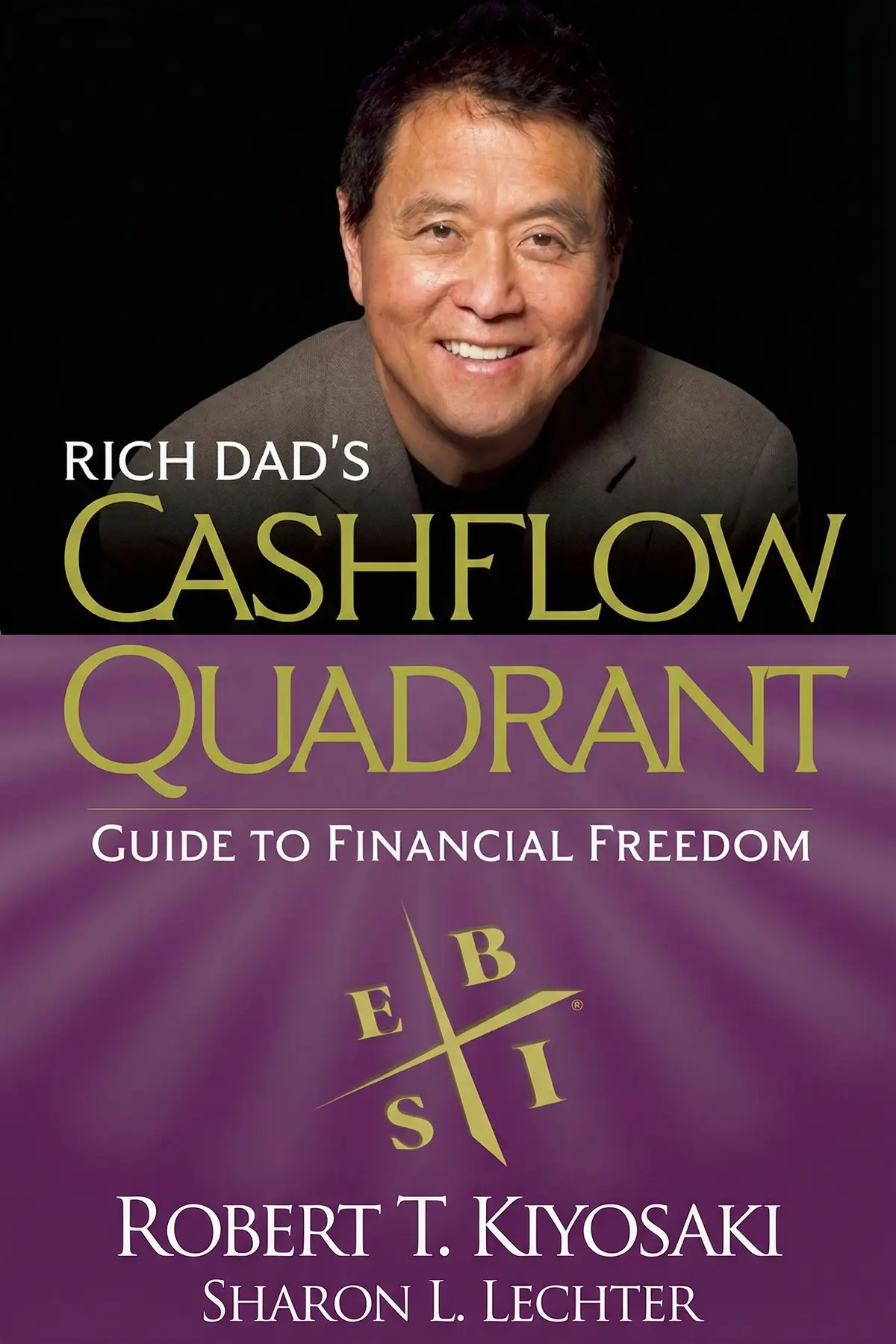
Discover the four distinct paths to wealth and learn how to transition from traditional employment to financial independence by mastering the psychology of business systems and strategic investment.
1 min 51 sec
Have you ever paused to consider why some people seem to work incredibly hard but never get ahead, while others seem to have all the time in the world and still grow wealthier by the day? It is a riddle that keeps many of us up at night, staring at the ceiling and wondering if the 40-year plan of working a steady job is actually the trap it feels like. We are often taught from a young age that the secret to success is simple: go to school, get good grades, find a secure job, and work your way up the ladder. But as we look around the modern world, that ladder often feels like it’s leaning against the wrong wall.
This is where the story of Robert T. Kiyosaki begins. He grew up observing two very different philosophies on life and money, embodied by two father figures. One was his biological father—a highly educated, hardworking man who followed all the traditional rules but ended his life in financial struggle. The other was his friend’s father—a man without a college degree but with a deep understanding of how money actually moves. These two men represented two entirely different ways of being in the world.
In this exploration of financial freedom, we are going to look at the mental and practical shifts required to stop trading your hours for dollars. We are going to break down the four distinct ways that money flows into a person’s life and why understanding which ‘quadrant’ you occupy is more important than the size of your paycheck. This isn’t just about picking stocks or starting a side hustle; it’s about a fundamental transformation of your identity. We’ll look at the shifting tides of the global economy, the psychological fears that keep us tethered to a desk, and the systems that can eventually set us free. By the end of this journey, you will have a new lens through which to view your career, your bank account, and your future. The goal is to move beyond the ‘rat race’ and into a life where your financial security is entirely in your own hands. Let’s begin by looking at the map of these four different worlds.
2 min 39 sec
Explore the fundamental framework that categorizes every earner into one of four distinct groups, revealing why where you stand on the map determines your level of freedom.
2 min 52 sec
Contrast the philosophies of an academic ‘poor dad’ and a business-savvy ‘rich dad’ to see how your core beliefs about money shape your reality.
2 min 32 sec
Learn the vital distinction between manual labor and system-building through a timeless parable about water and wealth.
2 min 47 sec
Understand why the old rules of job security and government support are crumbling and how to protect yourself in a volatile new economy.
3 min 02 sec
Delve into the core values and fears that drive people in each section, revealing that financial success is as much about temperament as it is about talent.
2 min 36 sec
Discover why the most successful path to wealth often involves building a business first to provide the capital and knowledge for high-level investing.
2 min 52 sec
Classify your current financial standing among the five tiers of investors and learn the specific steps needed to climb to the next level.
2 min 29 sec
Learn to separate your logic from your feelings as you tackle the deep-seated fears that often sabotage rational financial decision-making.
2 min 38 sec
Discover why the journey to wealth is a marathon, not a sprint, and how the ‘eighth wonder of the world’ can work in your favor.
2 min 05 sec
As we reach the end of this exploration of the cashflow quadrants, it’s worth taking a moment to reflect on where you currently stand and, more importantly, where you want to go. We have seen that the world is divided into four very different ways of earning a living, each with its own set of rules, values, and psychological demands. The left side of the quadrant, inhabited by employees and the self-employed, offers a sense of security and independence that is increasingly fragile in the Information Age. The right side, the realm of business owners and investors, offers the promise of true financial freedom, where time and money are no longer at odds.
Moving from the left to the right is not just a matter of earning more money; it’s a matter of transformation. It requires you to move from carrying buckets to building pipelines. It requires you to prioritize financial education over academic prestige. It requires you to master your fears and learn to view risk through the lens of logic rather than emotion. And perhaps most importantly, it requires patience—the willingness to take baby steps and allow the power of compounding to build your future.
The throughline of Robert Kiyosaki’s message is that your financial destiny is in your own hands. You are no longer living in a world where you can expect an employer or a government to take care of you. While that may seem daunting, it is actually the ultimate opportunity. By understanding the quadrants and choosing to develop the skills of the right side, you can build a life that is not just financially secure, but also rich in time and purpose.
So, as you step back into your daily life, look at your income through this new lens. Are you an employee trading your life for a paycheck? Are you a self-employed person who is the only thing keeping your business alive? Or are you starting to lay the first stones of a business system or an investment portfolio? The journey to the right side of the quadrant doesn’t require you to be a genius or have a lot of money to start. It only requires the courage to change your mindset and the discipline to start taking those first small steps today. Your future self will thank you for the pipeline you begin building now.
This summary explores the foundational concepts of financial independence through the lens of the four quadrants of income: Employees, the Self-Employed, Business Owners, and Investors. It breaks down why traditional academic education often fails to prepare individuals for the modern economic landscape and why the security once promised by the Industrial Age has vanished in the Information Age. You will learn about the psychological barriers that keep people trapped in the cycle of working for money rather than having money work for them. By contrasting the mindsets of those who value job security over financial freedom, the text provides a roadmap for moving from the left side of the quadrant—where your labor is tied to your income—to the right side, where systems and capital generate passive wealth. It is a promise of transformation, offering the principles needed to build a life where time and money are no longer mutually exclusive.
Robert T. Kiyosaki is the best-selling author of Rich Dad, Poor Dad. He’s the founder of Rich Global LLC and the Rich Dad Company, an education company that provides personal finance and business education through books and videos. He’s also an investor and radio personality. Sharon Lechter is an American businesswoman and leader dedicated to improving the financial education of teens and young adults. She’s a spokesperson for the National CPA Financial Literacy Commission; the founder of the financial education organization, Pay Your Family First; and a creator of Thrive Time for Teens, an award-winning financial board game.
Robert T. Kiyosaki
Robert T. Kiyosaki
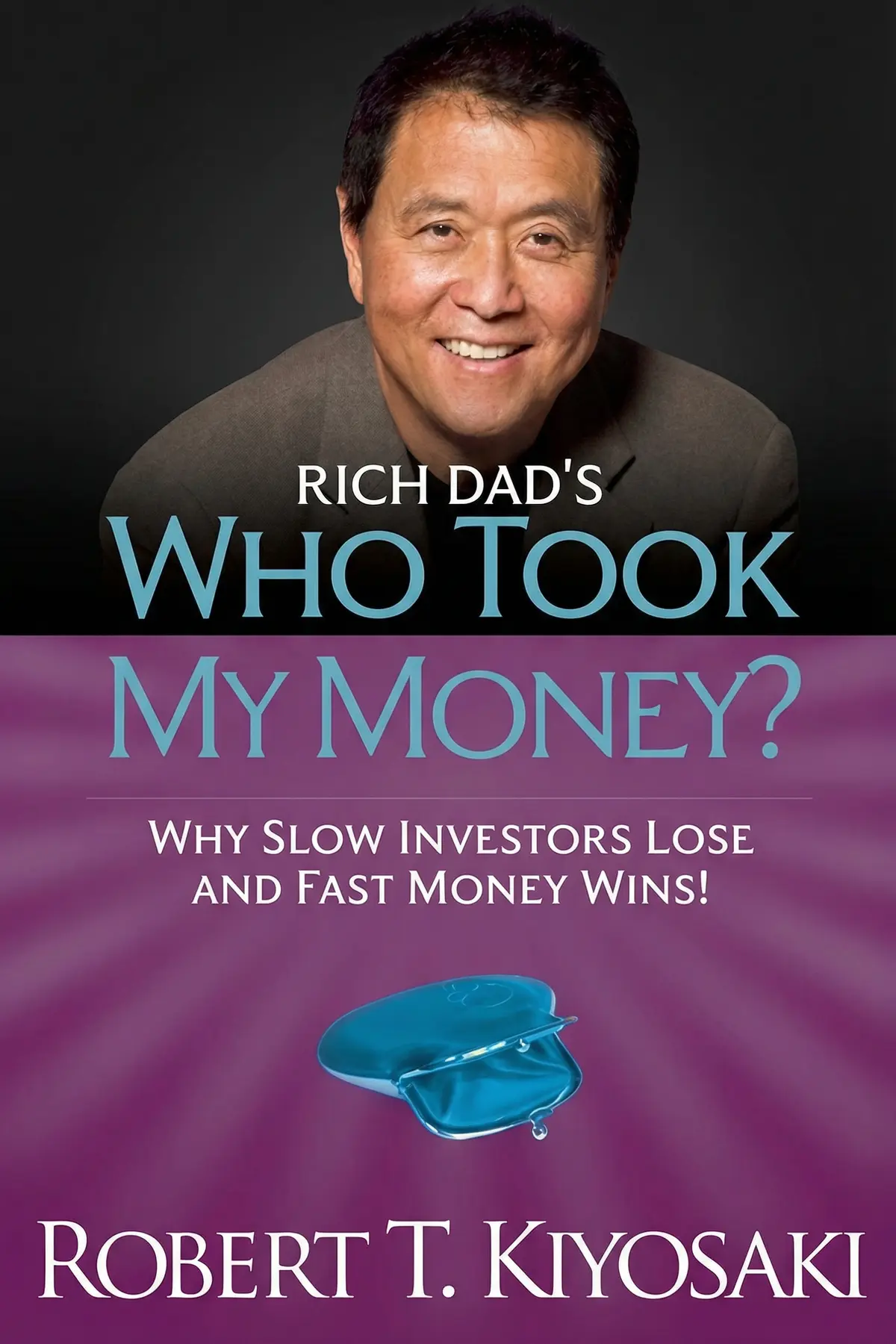
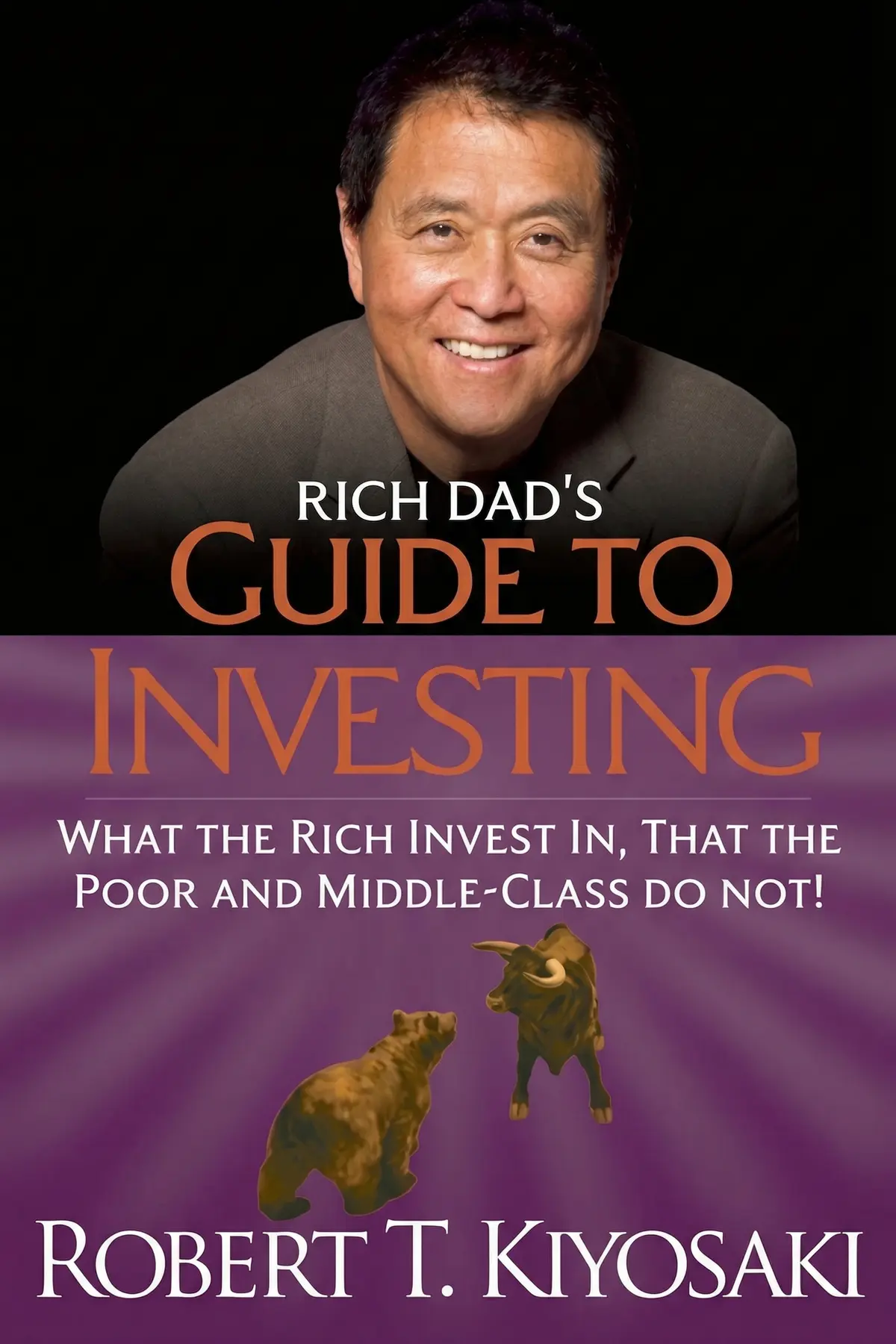
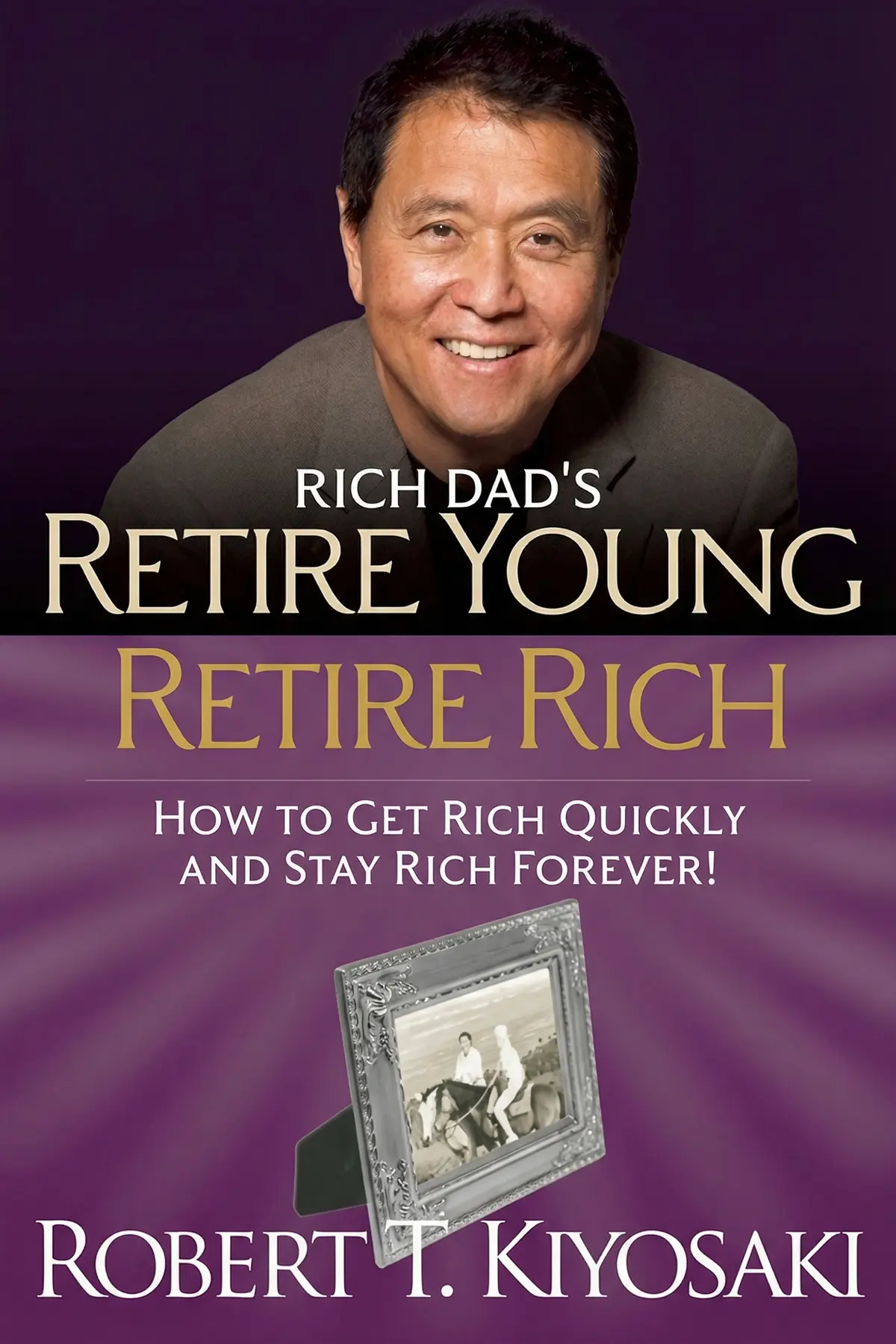
Robert T. Kiyosaki
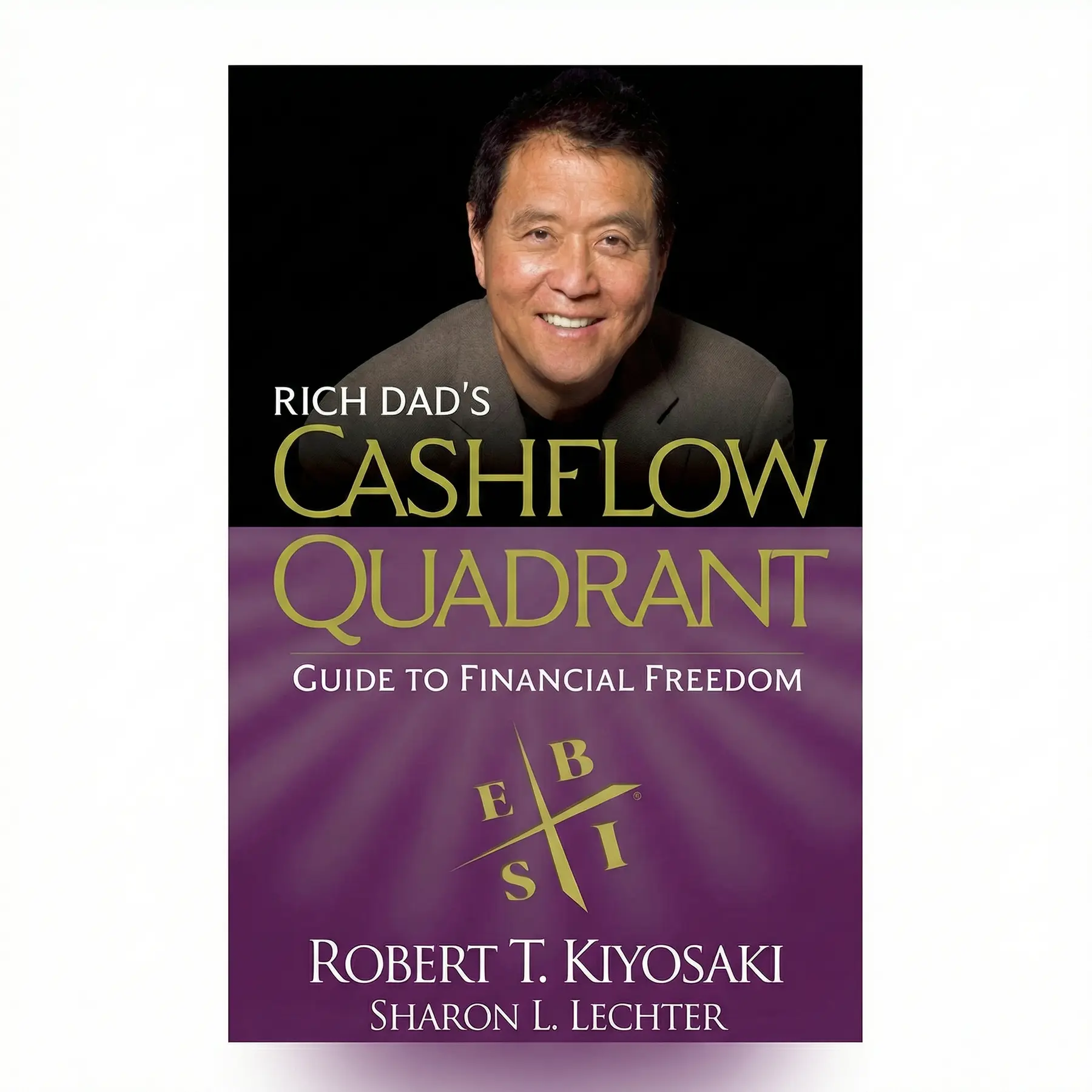
Listeners view this work as an essential listen from beginning to end, commending its actionable insights into financial mindsets and its power to shift perspectives. The narration is clear and accessible, featuring thorough breakdowns that bridge the gap between foundational principles and complex theories. Listeners value the direction provided for making fiscal decisions and feel the purchase is a bargain, pointing out that it costs less than consulting a professional financial advisor.
Finally got around to finishing this after years of hearing about the "quadrants." It is a complete perspective shift regarding how we view income generation. Most of us are conditioned to stay in the E or S categories, chasing a sense of security that doesn't actually exist in the modern economy. Kiyosaki breaks down the transition to becoming a business owner or investor with such clarity that it makes traditional career advice look ancient. I found the section on financial numbers particularly helpful, even if the prose is a bit simplistic at times. It is much more than just a sequel to his first book; it is a roadmap for anyone tired of hauling water buckets. While some might find his tone repetitive, the message needs that reinforcement to stick.
Show moreAs someone who has spent fifteen years in the corporate grind, this book felt like someone finally turned the lights on in a dark room. I have always valued "job security," but Kiyosaki argues that relying on a single paycheck is actually the riskiest move you can make. The way he distinguishes between an asset and a liability—specifically regarding your primary residence—is controversial but logically sound once you see the cash flow. It is significantly cheaper than hiring a financial advisor and arguably more effective at changing your long-term trajectory. I appreciated the seven steps to the financial fast track at the end. It gave me a tangible starting point after all the high-level theory.
Show moreEver wonder why some people seem to work less but accumulate way more wealth than the hardest-working professionals? This book answers that question by focusing on the "systems" rather than the labor. I loved the analogy of building pipelines versus hauling buckets; it perfectly illustrates why most people are exhausted and broke. The BE-DO-HAVE approach mentioned toward the end really resonated with my personal development journey. You have to change who you are before you can change what you do. It is a must-read for anyone feeling stuck in the 9-to-5 loop. My perspective on debt has completely shifted after reading his take on "good" versus "bad" leverage. It is a masterpiece of mindset training.
Show morePicked this up during a career transition and it was exactly the kick in the pants I needed to move forward. It is not just about money; it is about choosing which side of the economic fence you want to live on for the rest of your life. The author challenges every piece of common sense advice I was given growing up, from getting a good job to investing in mutual funds. While some of his claims about real estate seem dated given the current market volatility, the underlying principles of cash flow remain timeless. It is a great guide for anyone looking to take control of their financial destiny. Definitely worth the price for the mindset shift alone.
Show moreThis book is essentially a mental blueprint for anyone who feels like they are running in place financially. I appreciated the focus on "sophisticated investors" and how they view risk differently than the average person. To be fair, Kiyosaki can be quite polarizing, and his disdain for the "get rich slowly" crowd might rub some people the wrong way. However, his advice on finding mentors and learning from disappointment is universal and deeply practical. I didn't care for the constant self-promotion of his first book, but I cannot deny that the quadrant system is an effective way to categorize your income streams. It is a thought-provoking read that I will likely revisit every year.
Show moreThe core concept of the four quadrants—Employee, Self-Employed, Business Owner, and Investor—is undeniably brilliant for its simplicity. Truth is, I walked away with a much clearer understanding of why my freelance business felt like a trap rather than a path to freedom. Kiyosaki explains that if you can't leave your business for a year and have it survive, you just own a job. That realization hit me like a ton of bricks. My only minor gripe is the constant upselling of his board game and the general lack of technical "how-to" steps. He focuses almost entirely on mindset, which is vital, but sometimes you just want a bit more meat on the bones. Still, it is a foundational read for financial literacy.
Show moreIf you've already read the first book in the series, you might find the first few chapters of this one a bit redundant. Robert spends a lot of time rehashing his "two dads" story, which is iconic but starts to wear thin by the second volume. That said, the deep dive into tax advantages for those on the right side of the quadrant is eye-opening. Frankly, I never realized how much the legal system favors business owners over high-earning employees. The writing style is very accessible, almost like a conversation over coffee, which makes complex topics feel manageable. It is a solid follow-up that clarifies how to actually move toward financial independence without getting bogged down in jargon.
Show moreGotta say, the distinction between being "Self-Employed" and a "Business Owner" was the highlight of this book for me. Most people confuse the two, but Kiyosaki makes it clear that true freedom only exists when you own a system that operates without you. The prose is definitely written at a junior high level, which makes for a quick read but occasionally lacks the sophistication you would expect from a finance masterpiece. He is a salesman first and an author second, and it shows in every chapter. Despite the repetitive nature of the text, the core message is powerful enough to warrant a high rating. It definitely provides a mental blueprint for escaping the rat race.
Show moreTo be fair, this could have been a thirty-page pamphlet instead of a full-length book. The author tends to circle back to the same three points repeatedly, which can feel like he is just trying to hit a word count. If you have already read Rich Dad Poor Dad, you have encountered about sixty percent of this material already. However, the breakdown of the "B" and "I" quadrants offers enough new insight to keep it from being a total waste of time. He makes a compelling case against the public school system’s failure to teach real-world money management. It is an okay read, but don't expect a technical manual on investing; it is purely about changing your mental framework and little else.
Show moreWait, did I just pay to read a 300-page advertisement for a board game? Look, I understand the guy needs to market his brand, but the constant mentions of the Cashflow game and his other seminars feel incredibly predatory and distracting. The book is filled with vague anecdotes and very few hard facts or actionable investment strategies. He tells you to "be an investor" but doesn't explain the mechanics of a real estate deal or stock analysis in any meaningful way. It feels like high-level snake oil designed to make you feel smart without actually giving you the tools to succeed. I gave it two stars only because the quadrant diagram itself is a useful mental model for beginners.
Show more
Tren Griffin
Michael Batnick
AUDIO SUMMARY AVAILABLE
Get the key ideas from Rich Dad’s Cashflow Quadrant by Robert T. Kiyosaki, plus 5,000+ more titles in English and Thai.