Rich Dad, Poor Dad: What the Rich Teach Their Kids about Money – That
Robert T. Kiyosaki
Discover how to elevate your financial intelligence by mastering wealth protection, strategic budgeting, and information analysis. This guide reveals how the affluent keep more money and turn financial challenges into growth opportunities.
1 min 37 sec
Have you ever noticed that some people seem to work incredibly hard, yet they never quite manage to get ahead? They might secure a promotion or a raise, but somehow, at the end of every month, their bank account still sits at zero. It is a frustrating cycle that millions of people find themselves trapped in. The traditional advice we are often given is to work harder, save more, and live below our means. But if that were the secret to wealth, wouldn’t more hard-working people be rich?
The reality is that income is only one part of the equation. The missing piece—the element that separates those who struggle from those who thrive—is financial intelligence. In this summary, we are exploring the core principles of Robert Kiyosaki’s approach to building a higher financial IQ. This isn’t just about learning how to pick a stock or balance a checkbook. It is about developing a sophisticated understanding of how money moves, how it is taken from you, and how you can strategically position yourself to keep more of what you earn.
We will navigate through the hidden traps that catch most earners off guard and look at why the way you budget might actually be holding you back from abundance. By the end of this journey, you will see that financial IQ is not a fixed trait you are born with; it is a set of skills you can sharpen to navigate the complex economic waters of the modern world. We are going to look at how to spot the ‘predators’ waiting to take your wealth, how to flip the script on traditional budgeting, and how to use information as your most powerful tool. Let’s begin the process of making your money work for you, rather than you spending your whole life working for it.
4 min 07 sec
Explore the hidden threats to your income and learn why protecting your assets is just as vital as earning them in the first place.
2 min 58 sec
Discover why the traditional approach to saving fails most people and how a ‘pay yourself first’ strategy can force you to become more resourceful.
3 min 06 sec
Learn how to filter the overwhelming flood of financial data to find the insights that truly matter for your investment success.
1 min 37 sec
As we wrap up our journey through Robert Kiyosaki’s principles, the central theme is clear: your greatest wealth is not what is in your bank account, but what is in your head. Financial intelligence is the ability to solve financial problems, and the world is always going to provide us with plenty of problems to solve. Whether it is a shift in the tax code, a market downturn, or a new technological disruption, those with a high financial IQ don’t see these as threats; they see them as puzzles to be mastered.
Remember the key shifts we have discussed. First, stop being an easy target for financial predators. By understanding how taxes, fees, and legal structures work, you can keep more of your hard-earned money. Second, change your relationship with your budget. Move away from the ‘poor dad’ mindset of cutting costs and embrace the ‘rich dad’ mindset of paying yourself first and using assets to fund your lifestyle. This creates the healthy pressure needed to grow your income and your ingenuity. Finally, treat information with the respect it deserves. Be a critical thinker, vet your sources, and look for the long-term cycles that others miss.
Building your financial IQ is not a one-time event. It is a lifelong process of education and application. Start small, perhaps by dedicating a little more time to studying a specific investment class or by setting up an automatic transfer to pay yourself first this month. Over time, these small actions compound, leading to a level of financial freedom and security that hard work alone can never provide. The path to wealth is paved with intelligence, and today, you’ve taken a significant step forward on that road.
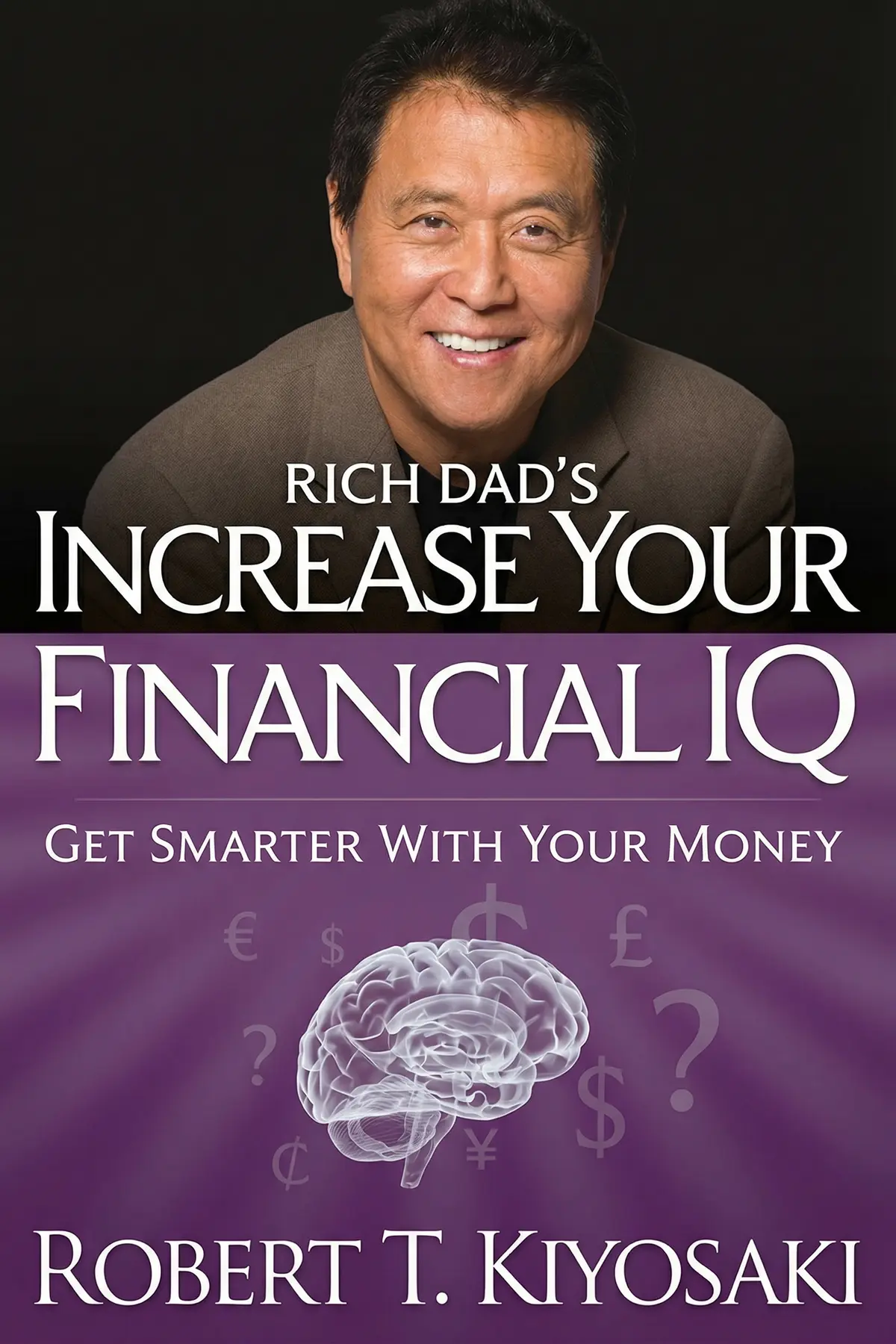
Rich Dad's Increase Your Financial IQ offers a deep dive into the practical mindset required to achieve true financial independence. Moving beyond basic savings advice, the book identifies the five essential financial intelligences: making more money, protecting your money, budgeting your money, leveraging your money, and improving your financial information. It provides a roadmap for navigating a world filled with economic 'predators' and complex market signals. The promise of the book is simple yet profound: you don't necessarily need more money to get rich; you need to get smarter with the money you already have. By shifting from a mindset of scarcity and penny-pinching to one of expansion and strategic surplus, readers learn how to force their money to work for them. It serves as a masterclass in wealth preservation and psychological resilience in the face of financial pressure.
Robert Kiyosaki is a renowned investor, entrepreneur, and educator known for challenging the conventional wisdom about money and investing. His other bestselling books include Rich Dad, Poor Dad, one of the most successful financial books of all time which has been translated into over 50 languages.
Robert T. Kiyosaki
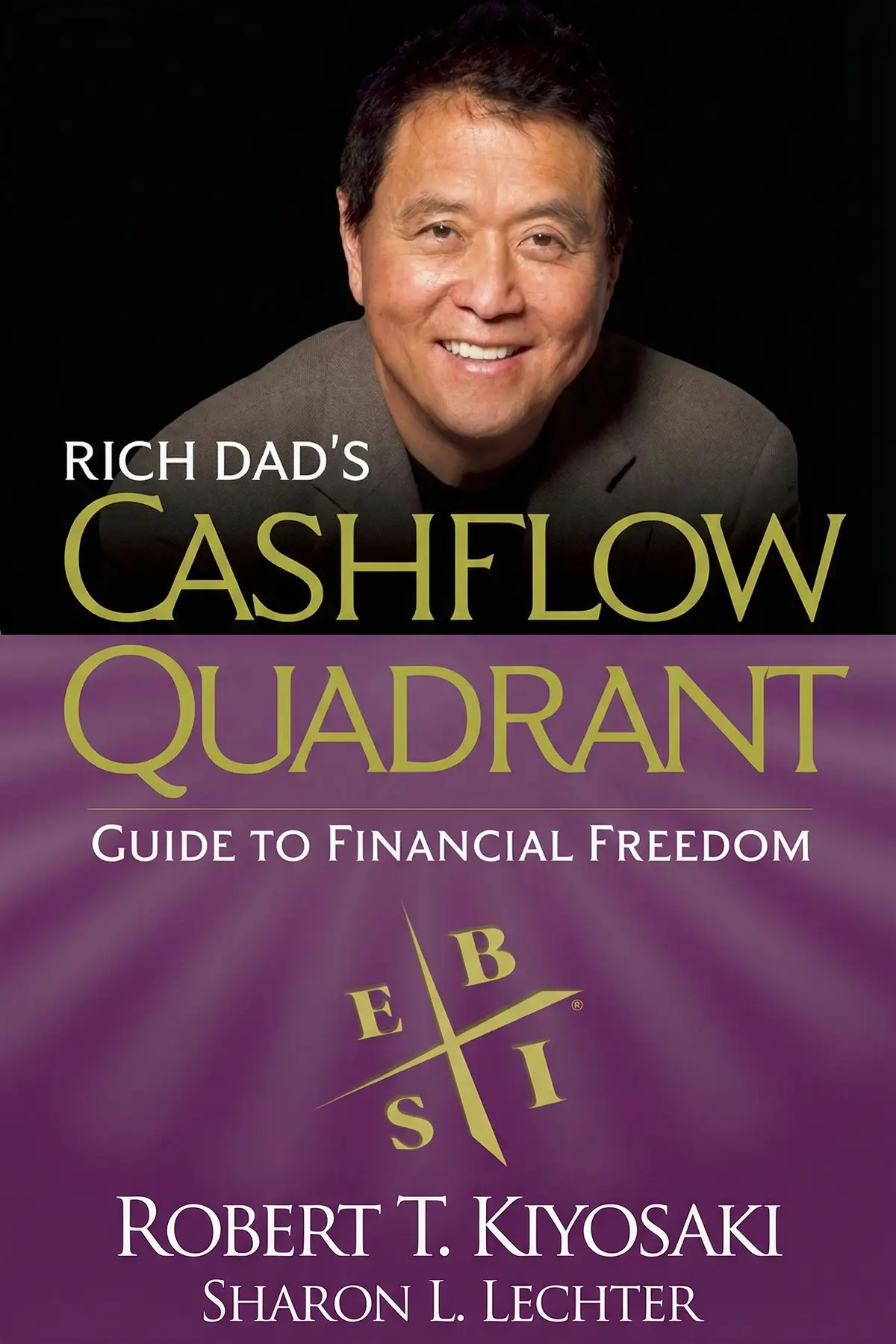
Robert T. Kiyosaki
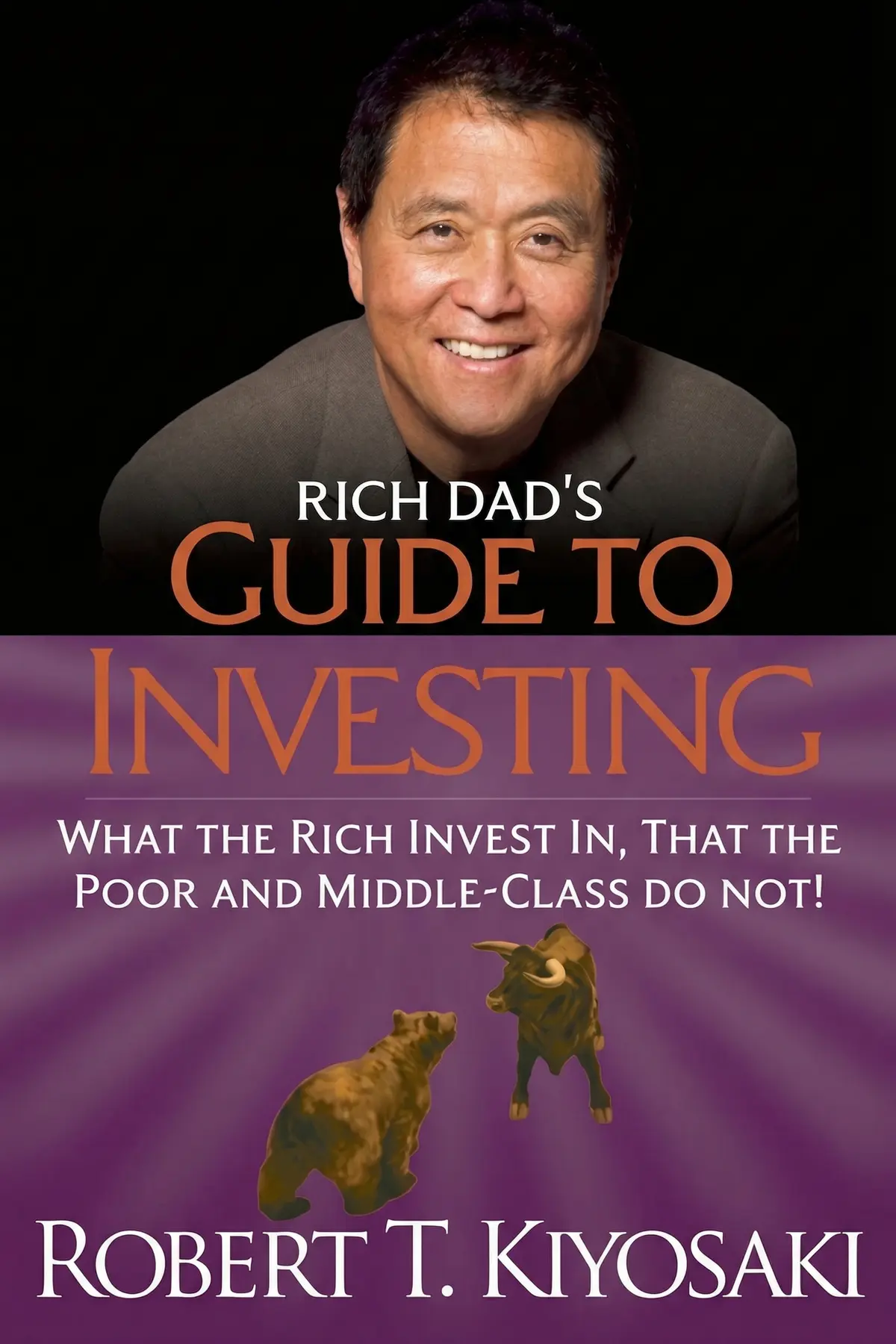
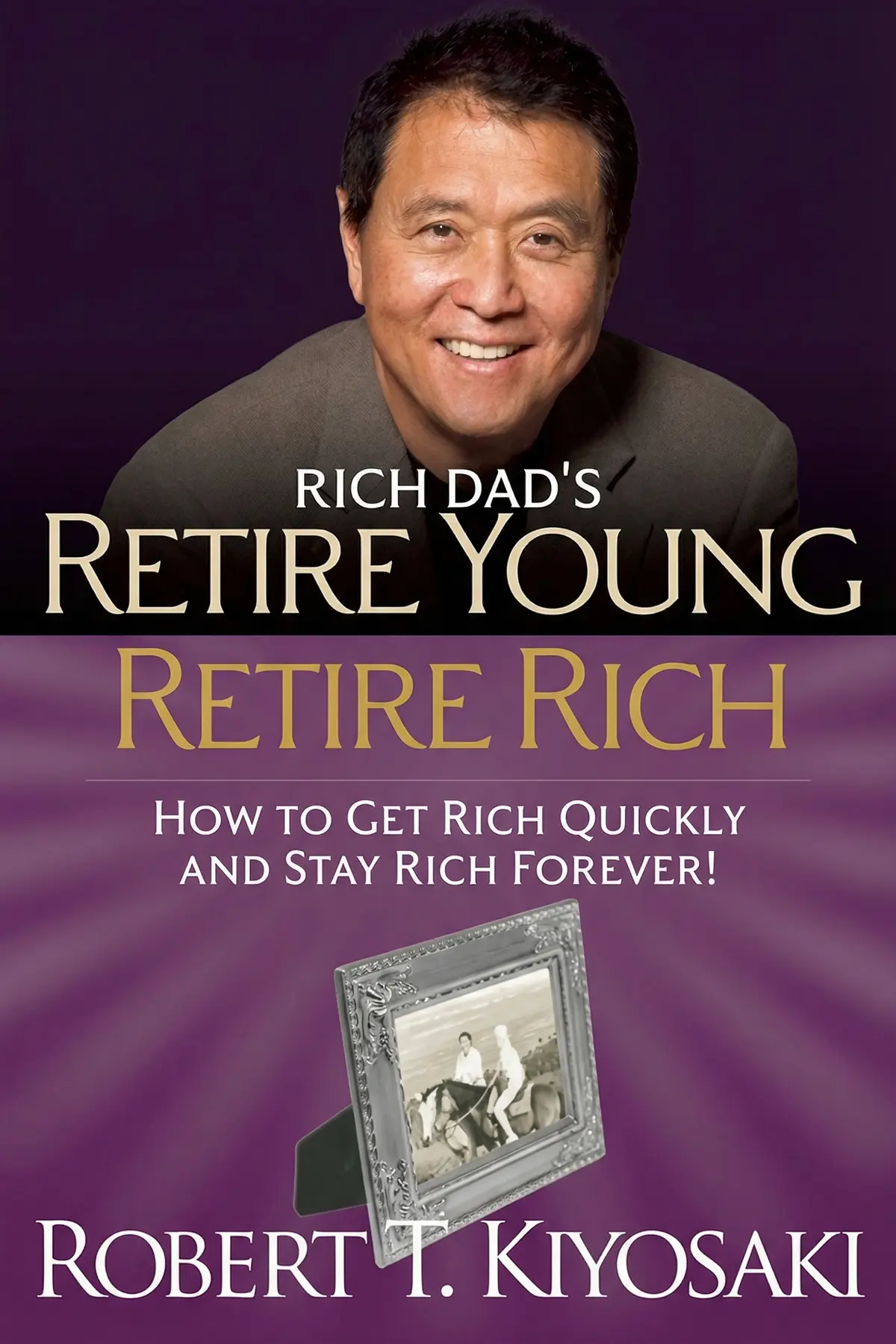
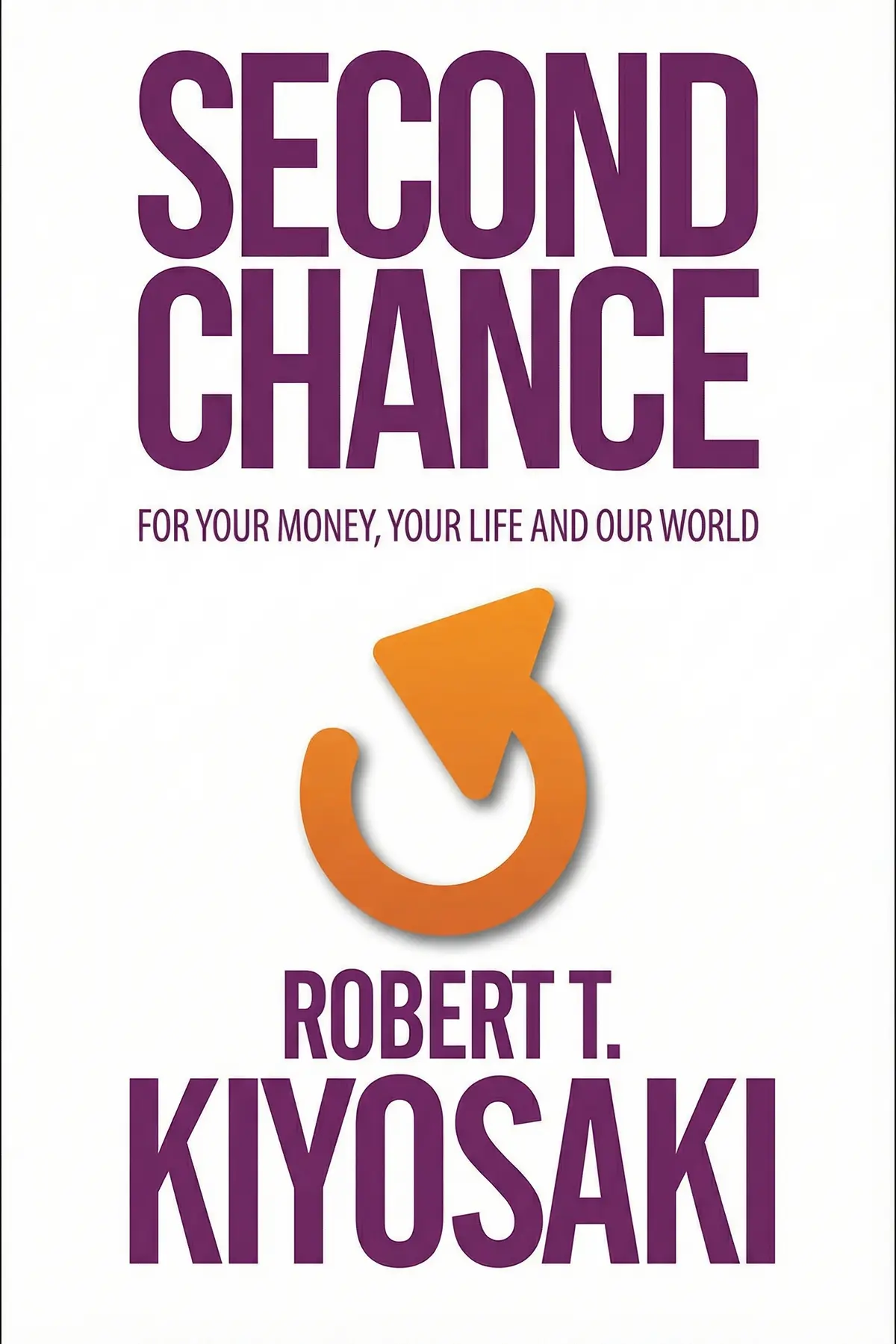
Robert T. Kiyosaki
Listeners describe this work as a fantastic resource for improving financial IQ and gaining essential wisdom regarding fiscal topics. It is highly accessible and encourages a shift in thinking, with one listener mentioning that it significantly speeds up the learning journey. They enjoy the enlightening lessons and the book's dedication to compounding financial intelligence over time, feeling it is a worthwhile purchase.
Wow. This was exactly the mental shift I needed to stop obsessing over my savings account and start focusing on my financial intelligence. Robert Kiyosaki has a way of making complex topics feel incredibly accessible, even if you don't have a background in finance. The core idea that "money problems make you smarter if you solve them" really resonated with me. I loved the breakdown of the five financial IQs, especially the section on leveraging your money. While some people might find his style a bit repetitive, I think it actually helps the concepts sink in for those of us who weren't raised with this mindset. It’s an eye-opening read that makes you realize that your greatest asset isn't your house or your car—it’s what you know. This book is definitely worth the money for anyone looking to build a more solid foundation for their future.
Show moreAs someone who felt like they were drowning in taxes and fees, the chapter on "Protecting Your Money" was a total eye-opener for my family. Kiyosaki explains the different types of income—earned, passive, and portfolio—in a way that finally made sense to me. It’s frankly incredible how much we lose to "predators" simply because we don’t know the rules of the game. This book doesn't just give you tips; it completely rewires your brain to seek out assets that produce cash flow rather than just chasing a higher salary. I particularly liked the focus on budgeting for a surplus by paying yourself first. It’s a habit that has already started to change our monthly financial meetings. If you’re tired of the "average" advice to just save and hope for the best, this book will dramatically shorten your learning curve.
Show moreEver wonder why people with high salaries still struggle paycheck to paycheck while others with less seem to build wealth effortlessly? This book answers that question by focusing on the "process" of wealth rather than just the dollar amount. Kiyosaki argues that it's the ability to solve financial problems that actually makes you rich, not the money itself. I found the section on "Financial IQ #4" regarding leverage to be particularly fascinating, especially the idea of using OPM (Other People's Money) responsibly. It’s a very easy read that opens up a completely new mindset regarding your career and your assets. It’s not just about getting rich; it’s about becoming the kind of person who knows how to handle money in any economy. I’ve already recommended it to several friends who are looking to start their own businesses.
Show moreAfter hearing so many people recommend this for building a baseline of financial intelligence, I finally jumped in and I'm glad I did. The book provides a fantastic framework for understanding how the modern financial system works against the average person. I loved the concept of the five IQs and how they all work together to protect and grow your wealth. The discussion on the Information Age versus the Industrial Age was particularly relevant to our current economy. It really helped me see why my traditional education didn't prepare me for the real world of money. It’s an eye-opening content-heavy guide that focuses on continuously compounding your intelligence. If you want to stop being a victim of the economy and start being a participant in your own success, this is a must-read.
Show moreFinally got around to this after years of hearing about the Rich Dad series, and I have to say, the core concepts are rock solid. Kiyosaki focuses on why just "working hard" isn't enough in the modern Information Age. He highlights the difference between those who are academically smart and those who are financially smart, which is a distinction often ignored in our school system. Truth is, some parts felt a little dated, and he does tend to repeat his favorite anecdotes several times to the point of being a bit much. However, the chapter on protecting your money from "financial predators" like taxes and bad brokers was worth the price of the book alone. It really forces you to look at your budget from a surplus perspective rather than a deficit one. It's not a step-by-step manual, but it’s a powerful tool for changing how you view every dollar that enters your bank account.
Show morePicked this up during a commute and found myself taking notes on my phone almost immediately after the first chapter. The way Kiyosaki breaks down the evolution of money from the gold standard to currency is a bit simplistic, but it serves his larger point about why the old rules of saving don't work anymore. I appreciated the emphasis on "Financial IQ #5," which is all about improving your information. In today’s world, having the right information at the right time is the ultimate leverage. My only real gripe is that he can be a bit dismissive of traditional retirement plans like index funds, which I think are still valuable for most people. Regardless, the mindset of treating your "expense column" as a way to predict your future is a game-changer. It’s an engaging read that keeps you thinking long after you put it down.
Show moreLook, Kiyosaki isn't for everyone, and his disdain for the 401(k) system is certainly controversial, but his logic on budgeting for a surplus is brilliant. Most finance books tell you to cut back on lattes, but he argues for increasing your income to afford the things you want. Personally, I found the distinction between good debt and bad debt to be very well-explained. He uses simple language to translate "deer-in-headlights" financial jargon into something anyone can understand. There is a fair amount of repetition—he really hammers home the same few points about the "Rich Dad" philosophy—but I found that it helped me internalize the concepts. It's not a perfect book, and you have to read it with a critical eye, especially regarding his views on gold and silver, but the overall message about taking control of your financial destiny is incredibly empowering.
Show moreTruth is, the book could have been half as long if you cut out the repetitive stories, but the impact it has on your mindset is undeniable. It focuses on the idea that information is the single greatest asset of our era. Kiyosaki does a great job of explaining why "investing is risky" is an opinion held by people with low financial IQ, whereas for the educated, it’s a controlled process. I appreciated his advice on finding good brokers and lawyers to help protect your assets. While I don't agree with every single political opinion he throws in, the core message about financial self-reliance is vital. This book dramatically shortens the learning process for anyone who didn't get this kind of education at home. It’s a solid addition to the Rich Dad series that reinforces the importance of lifelong learning.
Show moreTo be fair, I appreciate the mindset shift this book tries to encourage, but the lack of concrete "how-to" steps left me a bit frustrated. Kiyosaki spends a lot of time telling you that you need to be "smarter" with your money without actually detailing the specific mechanics of the investments he champions. The information density is somewhat low, and I found myself wishing he would dive deeper into the actual risks involved in high-leverage strategies. There’s a lot of talk about the "learning process," which is great for motivation, but when it comes to the nitty-gritty of market analysis, the text is quite vague. That being said, his perspective on the "wealth effect" and the illusion of net worth is genuinely insightful. It’s a decent book for beginners who need to be convinced that financial education matters, but if you’re looking for a technical guide to investing, you might want to look elsewhere.
Show moreI'm not gonna lie, the constant repetition made this a real struggle for me to finish. It felt like the author was copy-pasting the same three paragraphs about being "smart" with money across different chapters just to fill space. While the initial premise of increasing your financial intelligence is great, he is incredibly vague about his failures and the "how-to" part of his business ventures. For instance, he talks about making millions in real estate but glosses over the actual risks or the details of his bankruptcy. To me, it felt more like a long motivational talk than a practical finance book. He uses his friends and family as "examples of failure" to prove his point, which felt a bit cynical. There are some good threads about taxes, but they are buried under mountains of anecdotal filler. Not my type of financial advice.
Show moreAUDIO SUMMARY AVAILABLE
Get the key ideas from Rich Dad’s Increase Your Financial IQ by Robert T. Kiyosaki, plus 5,000+ more titles in English and Thai.