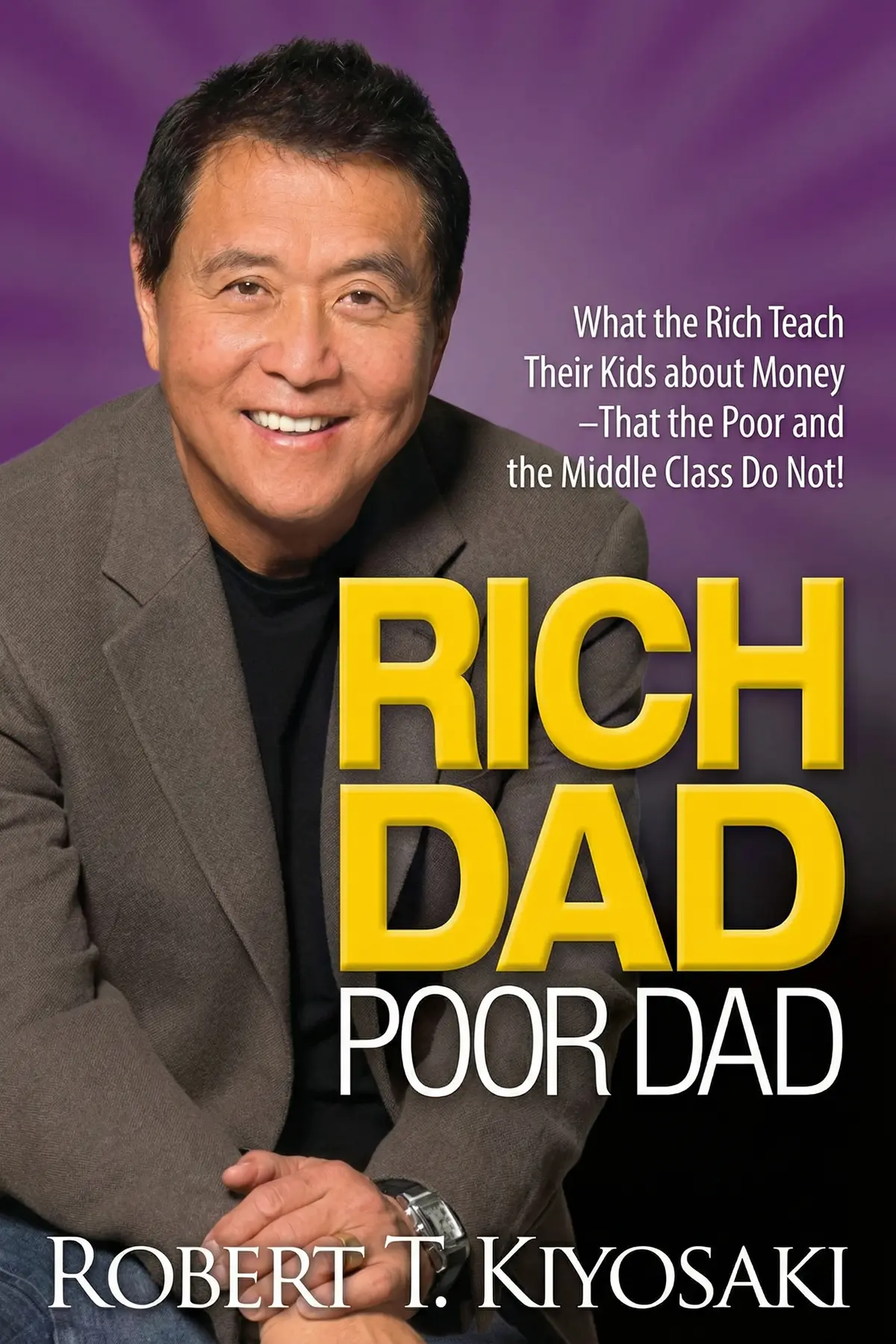
Rich Dad, Poor Dad: What the Rich Teach Their Kids about Money – That
Robert T. Kiyosaki
Discover why traditional long-term investing might be jeopardizing your retirement. This guide explains how to accelerate your wealth by prioritizing cash flow, utilizing financial velocity, and combining different asset classes for maximum synergy.
1 min 18 sec
Think about the standard financial path most of us are told to follow. You work hard, you put a portion of every paycheck into a mutual fund, and you wait forty years. The theory is that the market will grow, compound interest will work its magic, and you will eventually have a comfortable nest egg. But for many, this plan feels more like a gamble than a strategy. There is a nagging fear that the market might dip right when you need to retire, or that inflation will eat your savings before you can enjoy them.
What if the traditional ‘buy, hold, and pray’ method is actually the riskiest way to manage your future? This is the central question we are exploring today. We are looking at a paradigm shift that moves away from the slow, passive accumulation of assets toward a faster, more dynamic way of handling capital. The goal is to stop being a victim of the financial system and start being the person who controls where the money goes and how fast it comes back.
In the following sections, we will dismantle the idea that diversification is your best friend and look at why treating your investments like a dairy farm is far more lucrative than treating them like a cattle ranch. We will discuss the ‘velocity of money’ and how to get your initial investment back as quickly as possible so you can keep it working in new places. By the end of this journey, you will have a new perspective on what it means to be truly wealthy and how to ensure you never run out of resources, no matter how long you live.
1 min 57 sec
Time is the most finite resource in your financial journey. Understanding how your earning years are divided can help you avoid the tragedy of entering retirement without a plan.
2 min 08 sec
Diversification is often sold as a safety net, but it may actually be holding you back. Discover how combining different asset classes creates a synergy that builds massive wealth.
2 min 14 sec
Are you investing for a one-time payday or a lifetime of income? Using a simple farming metaphor, learn why cash flow is king over capital gains.
2 min 09 sec
Leaving your money sitting in one place for years is actually quite risky. Discover why moving your capital quickly is the secret to protecting and growing your wealth.
1 min 56 sec
Banks don’t lend money to people just because they have a good idea. Understanding the ‘banker’s perspective’ will change the way you look at your own financial health.
2 min 13 sec
Why do so many people fail to achieve wealth despite having the information? It usually comes down to four specific traps that keep people stuck in the rat race.
1 min 46 sec
The journey toward financial freedom is not a slow crawl toward a distant retirement date. It is a dynamic process of education, action, and speed. We have seen that the old rules—saving money, diversifying into mutual funds, and holding for the long term—are often more dangerous than they appear. They leave you exposed to a system that prioritizes its own profits over your security.
Instead, the path to true wealth involves becoming an active ‘power investor.’ This means looking for synergy between your business, your real estate, and your paper assets. It means shifting your focus from a one-time capital gain to a consistent, reliable stream of cash flow. By increasing the velocity of your money—getting your initial investment back so you can put it to work again—you create a snowball effect that builds wealth at a pace traditional savers can only dream of.
As you move forward, remember to look at the world through the eyes of a banker. Focus on your financial statement, seek out smart leverage, and always ensure your assets are protected. Do not let the words ‘I can’t’ stop you from exploring new opportunities. The world of finance is full of people ready to take your money through fees and bad advice, but it is also full of opportunities for those who are willing to learn.
A great way to start practicing this mindset in a low-risk environment is actually to play more Monopoly. It sounds simple, but the game perfectly illustrates the core principles of cash flow and asset management. You start with cash, you buy properties, you build houses and hotels, and you collect rent. That is the same game the ultra-wealthy are playing every day in the real world. Start playing that game with your own finances today, and you will ensure that when you reach the final quarter of your life, you are the one holding all the cards.
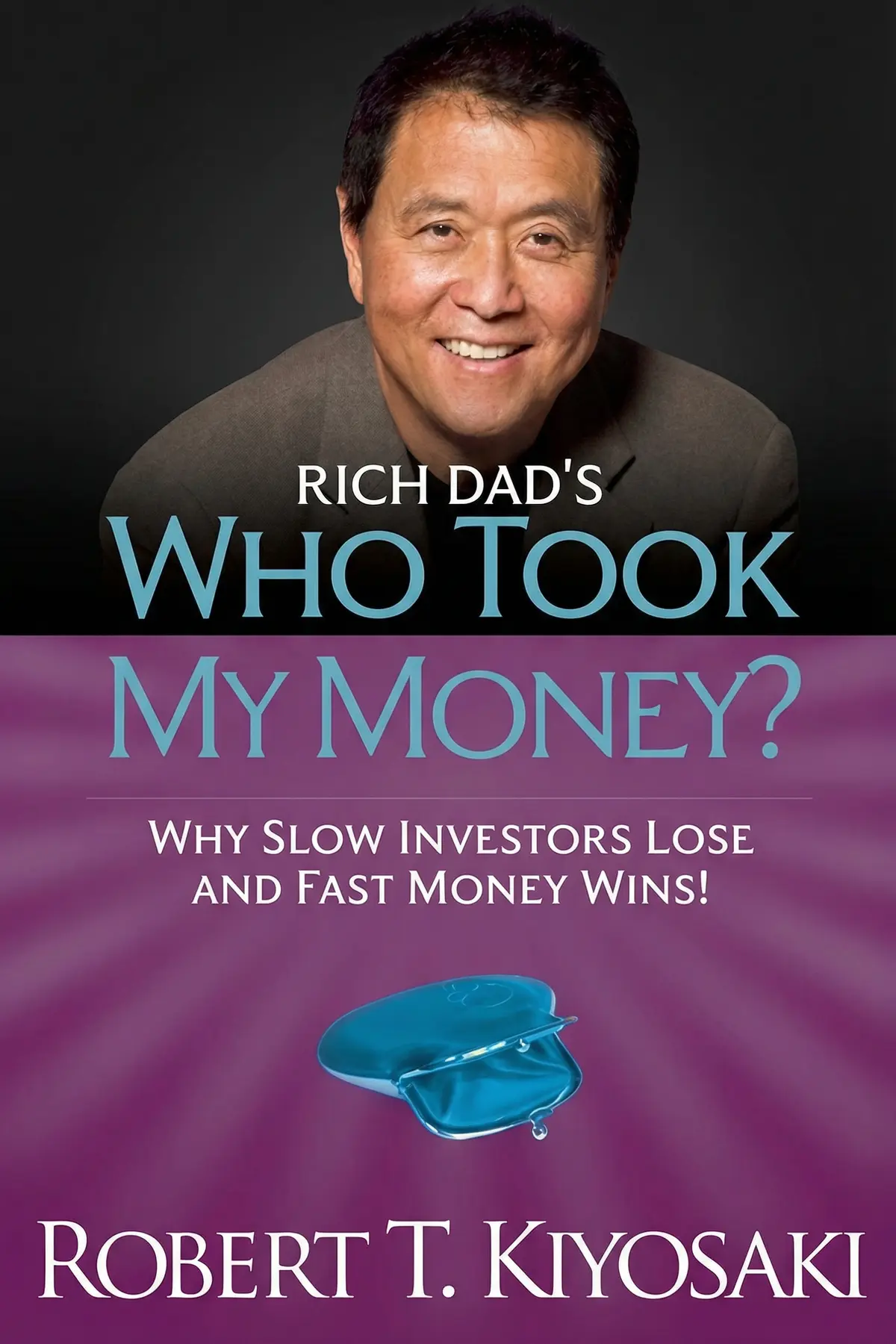
Many people follow the standard financial advice of saving money and investing in mutual funds for the long haul, only to find themselves anxious about whether it will ever be enough. This summary breaks down why that slow-moving strategy is often a recipe for mediocrity or even poverty in old age. It challenges the conventional wisdom of diversification and introduces a more aggressive, yet structured, approach to building wealth. You will learn about the concept of 'power investing,' which involves integrating businesses, real estate, and paper assets to create a self-sustaining financial engine. The promise is a shift from being a passive observer of your portfolio to becoming an active manager of your own financial destiny. By focusing on the speed at which your money returns to you and ensuring every asset generates immediate cash flow, you can move beyond the 'rat race' and achieve true financial independence much sooner than traditional methods allow.
Robert T. Kiyosaki is an author, businessman, and radio personality from Hawaii. He’s the best-selling author of Rich Dad, Poor Dad. He’s also the creator of the Rich Dad Company, which offers personal finance and business lessons through books and videos.
Robert T. Kiyosaki
Robert T. Kiyosaki
Robert T. Kiyosaki
Robert T. Kiyosaki
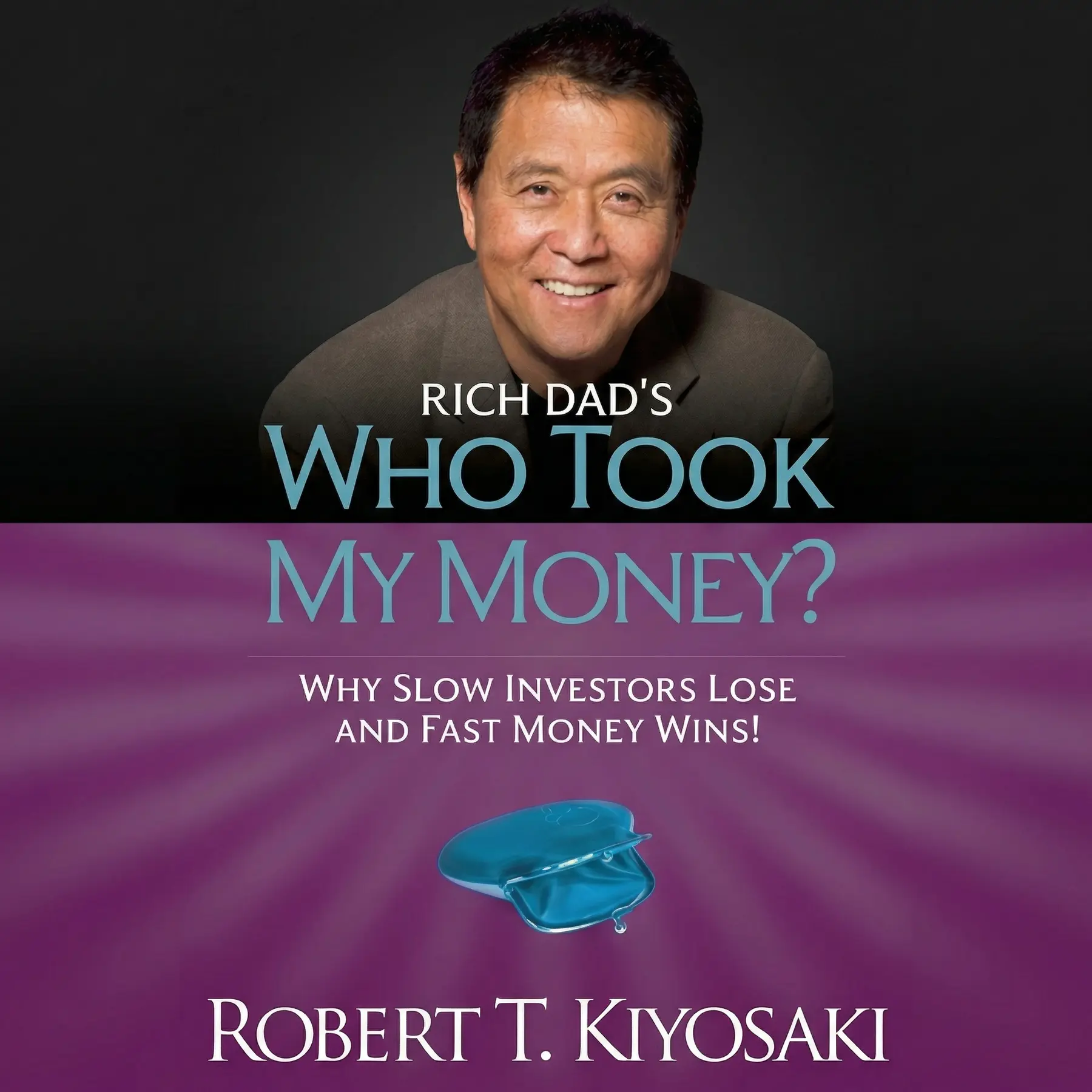
Listeners find this book provides an engaging introduction to the "velocity of money" concept and emphasizes focusing on cash flow instead of just saving long-term. Although some listeners believe the material is redundant and echoes the author’s previous books, they value the more detailed exploration of tax strategies and real estate leverage. They also highlight the benefit of learning about market cycles, as one listener pointed out the utility of the exit strategy chapter called "Why do pilots wear parachutes?" Furthermore, listeners value the actionable guidance on separating professional investment techniques from high-risk gambling.
Finally got around to reading this one after finishing the original Rich Dad series. While many financial gurus tell you to just "save and pray" in a 401(k), Kiyosaki argues for the velocity of money—keeping your capital moving to generate more assets. I found the breakdown of market cycles particularly enlightening; understanding that 20, 10, and 5-year rhythms exist helps take the emotion out of a volatile market. The section on tax planning was a real eye-opener for me as a small business owner. Yes, it’s repetitive if you’ve read his other work, but the repetition helps cement the mindset. It’s less about a specific "how-to" and more about how you view the movement of your wealth. If you're tired of watching your savings stagnate while inflation eats your lunch, this provides a much-needed mental shift toward active, professional investing.
Show moreWow, I wish I had understood the concept of 'velocity' years ago. This book completely flipped my perspective on what "safe" investing really looks like. Instead of letting my money sit idle in a bank account, I'm now looking for ways to keep it moving through different asset classes. Kiyosaki does a great job explaining why professionals don't just "diversify" into a bunch of paper assets and forget about them. He advocates for a more hands-on approach using leverage and tax strategies that the average person is never taught in school. The writing style is very conversational and easy to digest, which I appreciate because finance can be so dry. My only gripe is that he can be a bit vague on the "how," but the "why" is presented so convincingly that you can't help but go out and do your own research. Truly an eye-opener for anyone feeling stuck in the middle class.
Show moreEver wonder why some people get rich in a down market while everyone else is panicking? This book provides the answer by looking at the 20, 10, and 5-year cycles that govern our economy. I loved the advice on looking for "close store sales" or buying in bankruptcy—basically finding value where others see disaster. Robert's perspective on using "good debt" to acquire real estate is a game changer for anyone who thinks all debt is bad. He makes a compelling case for choosing cash flow over capital gains, which is a fundamental shift from what most of us were taught. Gotta say, the section on the 401(k) being a trap was pretty eye-opening. You have to be willing to put in the work and keep learning, but this book gives you the roadmap to start thinking like a pro. Don't let your banker lure you into bad habits; read this instead.
Show moreLook, if you want to keep working until you're 70, keep doing what your banker tells you. But if you want to actually build wealth, you need to understand what Kiyosaki is talking about here. This isn't just about saving pennies; it's about the velocity of money and using leverage to your advantage. The part about "Why do pilots wear parachutes?" was a total "aha" moment for me—realizing that most people enter investments with no exit plan is terrifying. He really hammers home the difference between an amateur investor who gambles on appreciation and a professional who invests for cash flow. Personally, I found the breakdown of the 20-10-5 cycles to be the most practical part of the book for long-term planning. It’s not a get-rich-quick scheme; it's a "get smart quick" book. It changed how I view my 401(k) and my overall tax strategy. Highly recommended for anyone serious about their financial future.
Show moreThe chapter on why pilots wear parachutes alone makes this worth the price of admission. It’s a brilliant metaphor for having an exit strategy before you even commit a single dollar to an investment. Most people just jump in and hope for the best, which the author rightly identifies as gambling rather than professional investing. I appreciated the deeper dive into real estate leverage, although I’ll admit the book can be frustratingly repetitive at times. He tends to circle back to the same themes from "Rich Dad, Poor Dad" quite a bit. However, the focus on cash flow over simple capital gains is a lesson most people still haven’t learned. It’s a solid follow-up that offers more "meat" than his introductory books, even if you have to sift through some fluff to find the real gems.
Show moreAs someone who has always been skeptical of the 'slow wealth' approach, this book resonated with me. Kiyosaki’s critique of how 401(k) plans "handcuff" the average investor is spot on and something most financial advisors are too afraid to mention. I particularly enjoyed the section where he breaks down how different professions view the world of money. It helped me realize I was stuck in an "employee" mindset even when looking at my portfolio. The emphasis on tax planning as a primary investment strategy is where the real value lies here. My main complaint is the organization; the book jumps around quite a bit and repeats several points across different chapters. Still, for anyone looking to transition from an amateur to a more professional mindset, the lessons on using debt as a tool and understanding market cycles are invaluable. It’s a solid addition to any financial library.
Show morePicked this up on a recommendation, and I'm glad I did, despite the author's polarizing reputation. The core concept of "the velocity of money" is something I haven't seen explained this clearly elsewhere. It's not just about having money; it's about how fast you can move it from one asset to another while getting your initial investment back. That said, I found it a bit ironic that he warns against gambling while promoting some very high-leverage real estate moves. You definitely need to do your own due diligence before trying anything he suggests. The writing is simple, almost too simple at times, and there is a lot of overlap with his earlier books like Rich Dad, Poor Dad. If you can look past the repetitive nature and the slightly "get rich quick" tone, there is a lot of practical wisdom here regarding tax advantages and distinguishing between different types of income.
Show moreIs it just me, or does Robert Kiyosaki say the same five things in every single book? I picked this up hoping for new insights, but much of it feels like a remix of his previous titles. To be fair, the core message about prioritizing cash flow and avoiding the "buy and hold" trap is sound, yet the delivery feels increasingly cynical. He spends a lot of time bashing 401(k)s and mutual funds, which might be dangerous advice for a novice who doesn't have the stomach for high-leverage real estate. Some of the talk about market timing felt a bit like "good luck with that" territory. It’s not a bad book, but it’s certainly not his best. If you’ve read his first two books, you can probably skip this one unless you really want to hear about the velocity of money in exhausting detail.
Show moreNot what I expected after reading the title, but it has some decent points. Frankly, it’s a bit of a mixed bag. On one hand, the advice about keeping your money moving and focusing on cash flow is great. On the other hand, it feels like he’s just rehashing the same stories from his other books to fill pages. The whole "Who Took My Money" question is answered pretty early on—it's the taxes, the brokers, and the "set it and forget it" mentality—and then the book just cycles through those points repeatedly. It’s a good primer if you’re new to his philosophy, but if you’re looking for a step-by-step technical guide on real estate or commodities, you won't find it here. It’s more of a mindset book. It’s light reading, good for a flight or a weekend, but don't expect a masterclass in finance.
Show moreThis felt more like a long-form sales pitch for a seminar than an actual educational book. Truth is, while there are some kernels of wisdom regarding cash flow, the author leans way too heavily into high-risk strategies without properly explaining the catastrophic downsides. He presents high-leverage gambling as "insured" or "safe" through some very questionable logic. I also noticed several quotes from people like Warren Buffett that seemed completely taken out of context to support a narrative that Buffett himself wouldn't agree with. The book is incredibly repetitive, often saying in ten pages what could have been said in one. It’s frustrating because there is a good message buried in here about financial literacy, but it’s wrapped in so much sleaze and marketing fluff that I had a hard time finishing it. Save your money and just watch a ten-minute summary online.
Show moreAUDIO SUMMARY AVAILABLE
Get the key ideas from Rich Dad’s Who Took My Money? by Robert T. Kiyosaki, plus 5,000+ more titles in English and Thai.