
14 min 56 sec
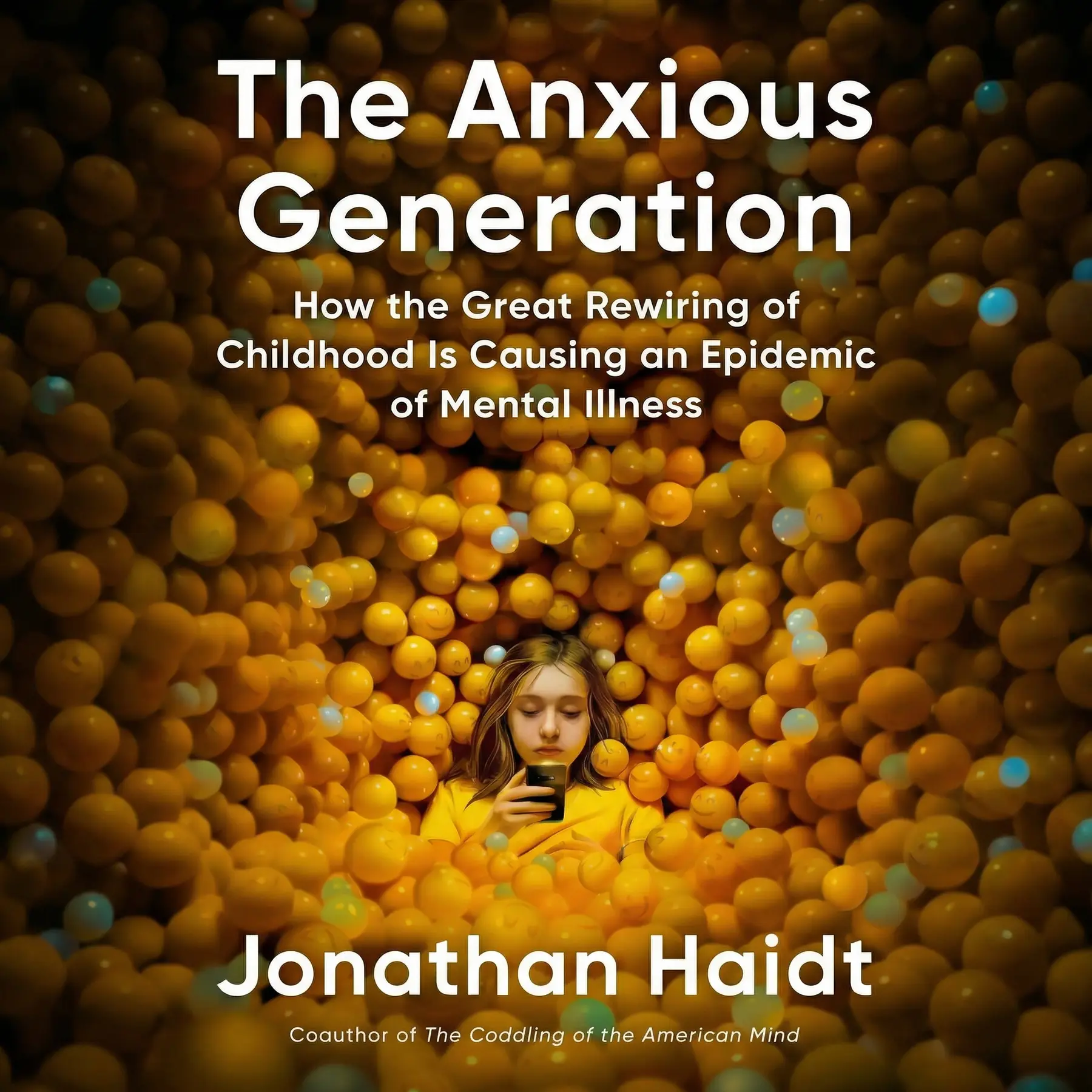
The Anxious Generation: How the Great Rewiring of Childhood Is Causing an Epidemic of Mental Illness
Explore the profound shift from play-based to phone-based childhoods. Jonathan Haidt examines how smartphones and social media have triggered a mental health crisis among Gen Z and offers a roadmap for recovery.
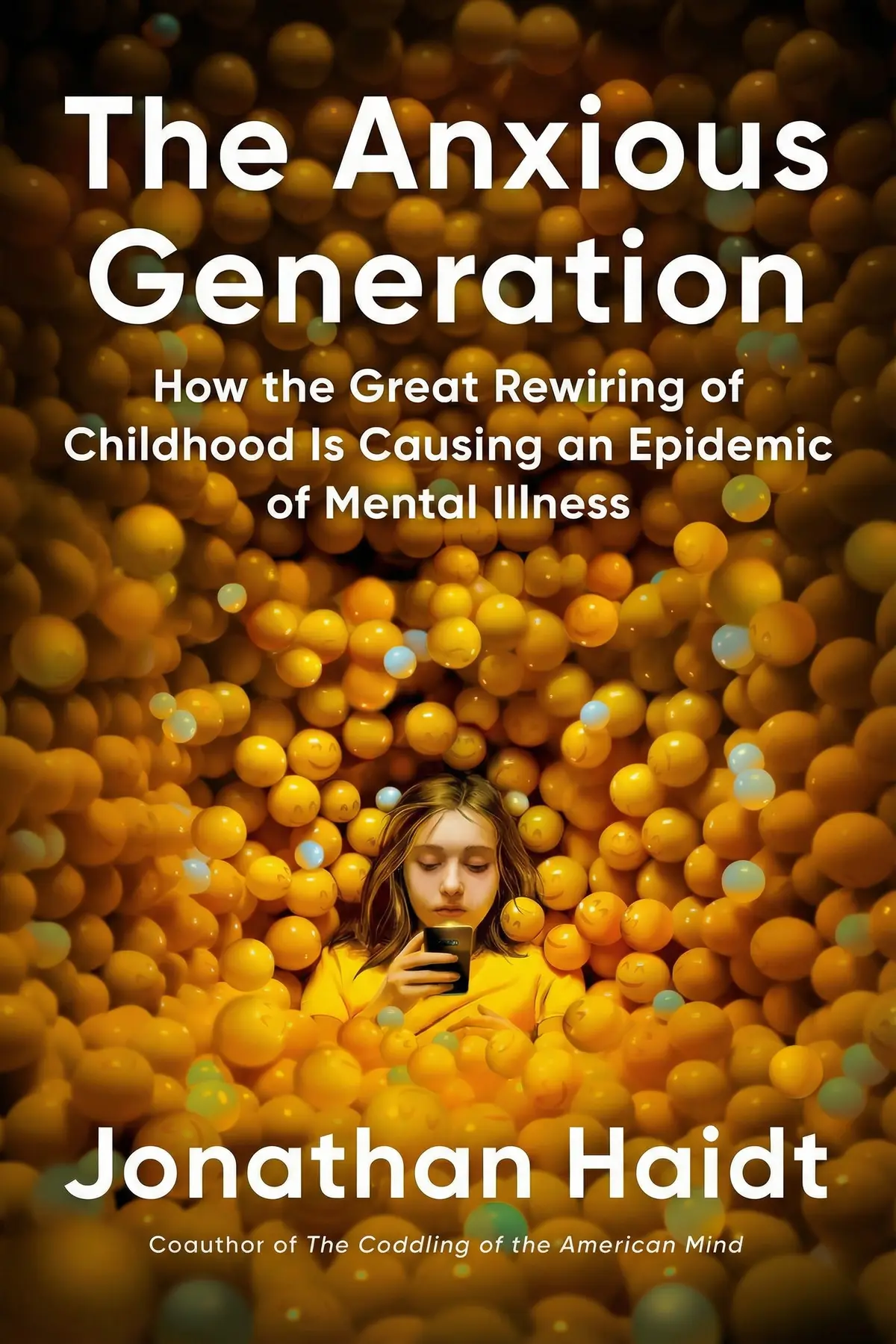
Table of Content
1. Introduction
1 min 45 sec
Every generation believes the world is changing faster than ever, but for the children born after 1995, that sentiment isn’t just a cliché—it’s a biological reality. We are currently witnessing a massive, unplanned experiment on the human mind. For the first time in history, an entire generation of young people has traded the physical world for a virtual one, moving from a childhood centered around play to one centered around the smartphone. The results of this transition are now becoming visible, and they are deeply concerning.
In this exploration of the modern adolescent experience, we look at the work of social psychologist Jonathan Haidt, who identifies a startling surge in anxiety and depression that perfectly aligns with the rise of the smartphone. This isn’t just a coincidence of timing. It represents what Haidt calls the “Great Rewiring of Childhood.” By moving life onto screens, we have accidentally stripped away the very experiences that allow human brains to develop resilience, social competence, and emotional stability.
Over the course of this summary, we will examine the data behind this mental health crisis and uncover the four specific ways digital life harms the developing mind: through social deprivation, the loss of sleep, the fragmentation of our attention, and the powerful grip of addiction. But this isn’t just a story of gloom. It’s also a guide for how we can fight back. We’ll look at actionable strategies for parents, educators, and policymakers to help return childhood to the real world. Whether you are raising a family or simply care about the future of society, understanding these shifts is essential for navigating the challenges of the digital age. Let’s begin by looking at the numbers that tell the story of a generation in distress.
2. The Statistical Shift in Adolescent Well-being
2 min 37 sec
Uncover the alarming data that shows a sharp decline in youth mental health starting around 2012, coinciding with the mass adoption of smartphones and social media apps.
3. The Biological Necessity of Real-World Play
3 min 10 sec
Explore why unstructured play is vital for brain development and how a phone-based existence disrupts the natural process of learning to navigate social risks.
4. The Four Core Harms of the Digital Age
3 min 11 sec
Delve into the specific mechanisms—social deprivation, sleep loss, attention fragmentation, and addiction—that are undermining the health of today’s youth.
5. Strategies for Reclaiming a Healthy Childhood
2 min 45 sec
Learn how parents, schools, and governments can work together to set boundaries and create environments where children can thrive in the real world.
6. Conclusion
1 min 28 sec
As we have seen, the rise of the smartphone has done more than just change how we communicate; it has fundamentally altered the landscape of human development. The ‘Great Rewiring of Childhood’ has replaced the essential, messy, and restorative experiences of the physical world with a digital environment that is designed to capture attention and monetize engagement. This has left Generation Z facing unprecedented levels of anxiety, depression, and social isolation.
However, the throughline of this journey is one of hope and agency. While the data is alarming, it also points us toward a clear path forward. By understanding the biological needs of the developing brain—the need for play, the need for sleep, and the need for focused, uninterrupted thought—we can begin to build guardrails that protect our children. We must move away from a culture of overprotection in the real world and underprotection online.
To make a difference, we have to act collectively. We can start today by encouraging more independent play, setting firm boundaries around screen use in our homes, and advocating for schools and governments to prioritize the well-being of young people over the profits of tech platforms. The goal is to return childhood to its rightful place: the real, physical world, where resilience is built and true connections are formed. By taking these steps, we can help ensure that the ‘Anxious Generation’ is the last one to suffer from this digital disconnect and that the generations to follow can grow up with the strength and stability they deserve.
About this book
What is this book about?
The Anxious Generation investigates a startling trend: the rapid decline of adolescent mental health that began in the early 2010s. Social psychologist Jonathan Haidt argues that the transition from a childhood defined by physical play to one dominated by digital devices has fundamentally rewired the brains of young people. This shift has replaced essential developmental milestones with addictive algorithms and social deprivation. The book identifies four major harms caused by ubiquitous connectivity: lack of sleep, fragmented attention, social isolation, and digital addiction. Haidt doesn't just diagnose the problem; he provides a collective action plan for parents, schools, and governments to reclaim childhood. By emphasizing real-world independence and age-appropriate technology use, this summary illustrates how we can foster a more resilient and mentally healthy next generation.
Book Information
About the Author
Jonathan Haidt
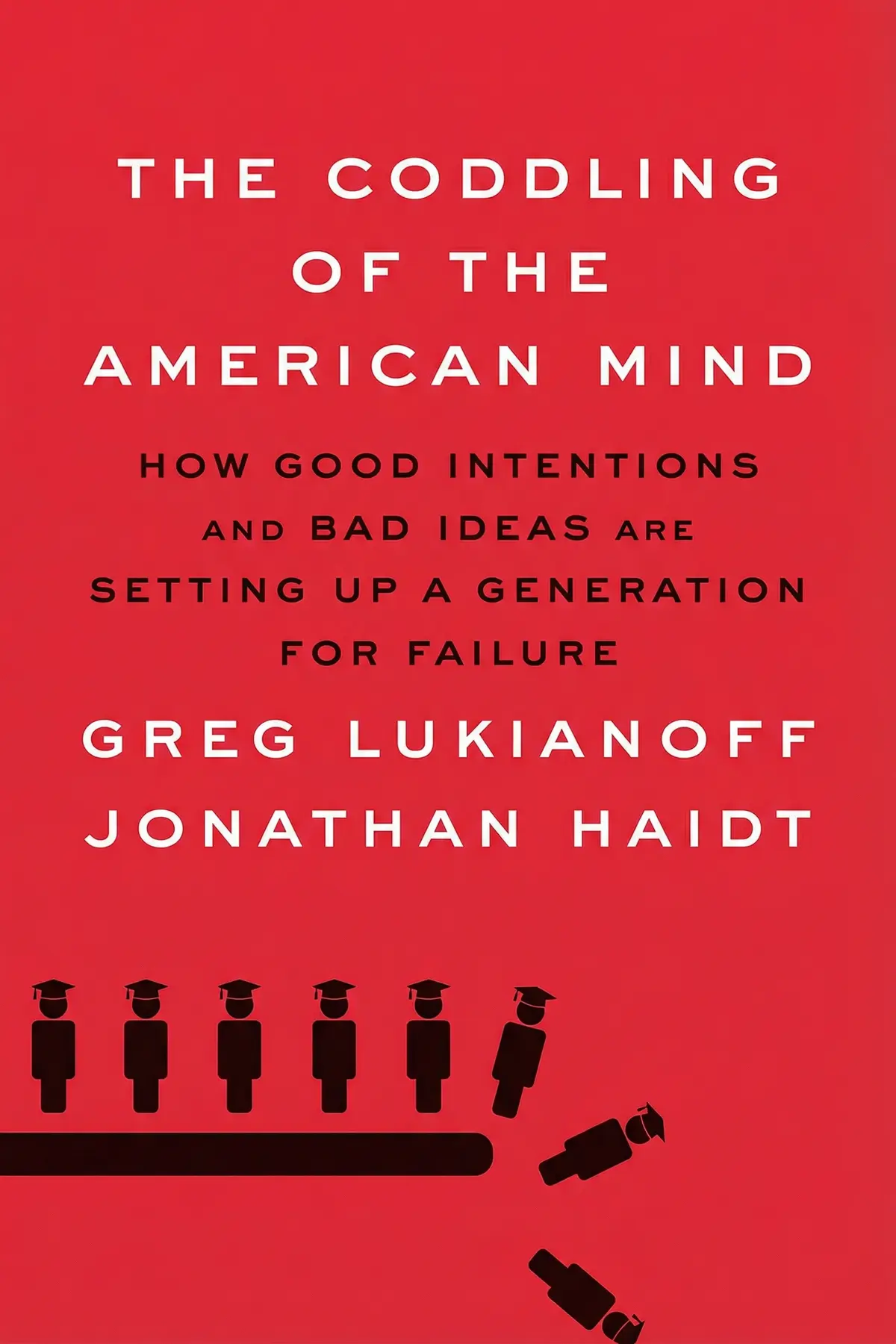
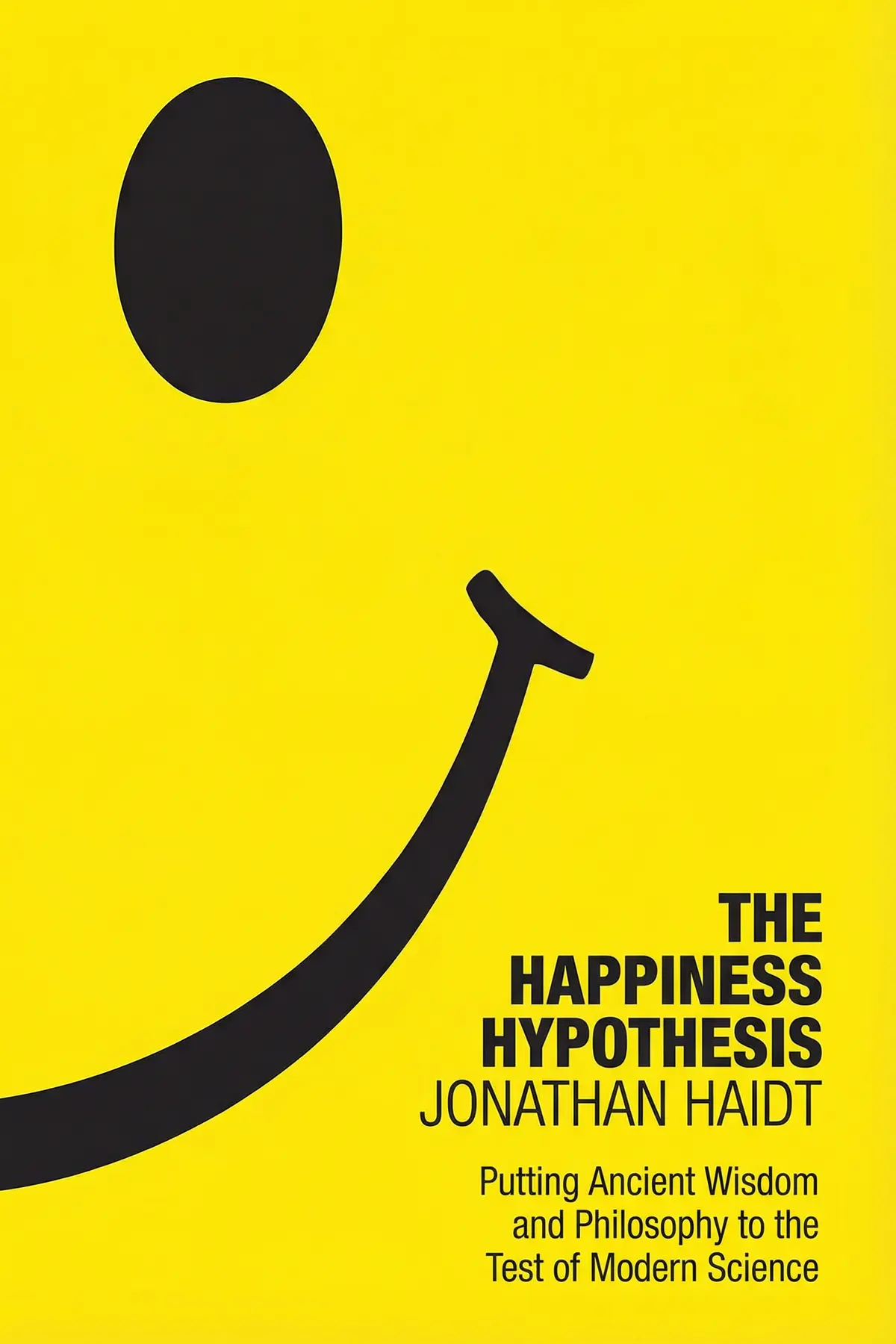
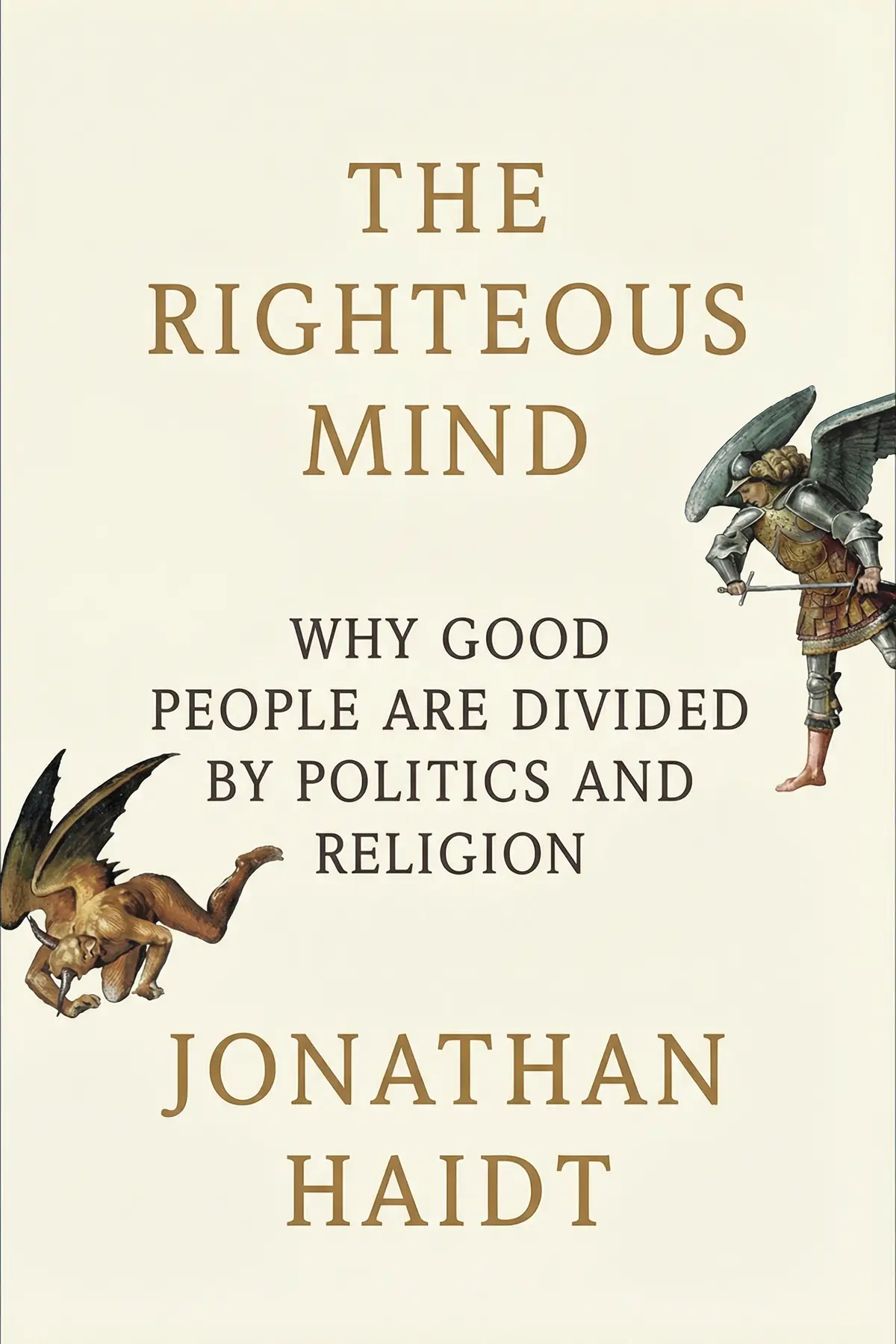
Jonathan Haidt is a social psychologist and professor of ethical leadership at New York University’s Stern School of Business. He’s the author of several influential books exploring the moral foundations of political and social divides, including The Righteous Mind and The Coddling of the American Mind.
Ratings & Reviews
Ratings at a glance
What people think
Listeners consider this work essential reading for parents and educators, packed with extensive data and thoroughly vetted insights. Furthermore, the text offers actionable advice and is composed in a style that is highly accessible to the general public. They value the deep exploration into the consequences of digital platforms; specifically, one listener points out how it connects the dots between social media and screen time. Additionally, listeners find the content eye-opening and intellectually stimulating, with one review highlighting it as a masterful contribution to understanding our social landscape.
Top reviews
Leila
Finally got around to reading Haidt’s latest, and it’s a total wake-up call for anyone with kids. The way he maps out the 'Great Rewiring' between 2010 and 2015 provides a clear, albeit terrifying, explanation for the mental health crisis currently hitting Gen Z. I found the distinction between a 'play-based' and a 'phone-based' childhood to be the most profound part of his argument. To be fair, some of his solutions, like banning smartphones until 16, feel like a massive uphill battle in today’s society. However, the actionable steps for parents and schools are incredibly practical and easy to understand. It’s a masterful contribution to our understanding of the current social landscape. We need to prioritize real-world 'discovery mode' over the digital 'defend mode' that social media triggers. Every parent, grandparent, and educator should have a copy of this on their nightstand.
Show moreTariq
As someone who works in middle school administration, I can say that Haidt has perfectly captured the 'attention fragmentation' we see in the hallways every single day. The chapter on 'phone-free schools' should be required reading for every school board in the country. He connects the dots between constant notifications and the decline of deep social bonds with impressive clarity. I especially appreciated the section on 'shared sacredness' and the need for children to find awe in nature rather than in a TikTok feed. It’s a thought-provoking look at how we’ve inadvertently traded our children’s autonomy for a digital cage. Not gonna lie, the statistics on self-harm among young girls since 2010 are devastating to read. This book isn't just an opinion piece; it's a necessary alarm for a generation that is losing its way in the virtual world.
Show moreAna
Wow. This book is a gut punch to any parent who has handed their ten-year-old a smartphone just to keep them quiet for an hour. Haidt masterfully explains how we’ve replaced real-world risks, which build resilience, with virtual risks that only foster anxiety and narcissism. The actionable steps he proposes—like no social media before 16—are the exact kind of boundaries our society is currently lacking. I loved the emphasis on finding awe and spirituality as a counterweight to the shallow self-branding of Instagram. Frankly, it’s the most enlightening book I’ve read in years. It doesn't just complain about the problem; it provides a roadmap for how we can reclaim childhood from the algorithms. The data on sleep deprivation alone is enough to make you want to throw every device in the house into a lake. Truly a masterpiece of social observation.
Show moreLincoln
Not what I expected, but exactly what I needed to hear. Haidt manages to articulate that nagging feeling many of us have that 'something is just wrong' with the way kids are growing up today. The distinction between 'communion' for girls and 'agency' for boys helped me understand the different ways my own children are struggling with their devices. It’s a masterful contribution that connects the dots between screen time, social deprivation, and the loss of traditional rituals. The prose is engaging and fast-paced, making a 400-page book feel like a quick read. I’ve already started implementing his suggestions, and the change in my household’s mood has been almost immediate. If you care about the future of our society, you need to read this book. It’s that simple.
Show moreAey
Direct and devastating. Haidt doesn't pull any punches when it comes to the damage social media platforms are doing to the developing brain. He describes them as 'conformity machines' that basically force children into a constant state of social comparison. In my experience as a teacher, his observations about the loss of focus and the rise in nihilistic beliefs are spot on. The practical solutions provided at the end are worth the price of the book alone. We need a collective shift in how we view technology in the hands of minors. It’s not just a tool; it’s a total environment, and currently, that environment is toxic. This is the definitive guide for anyone looking to understand and fix the generational mental health crisis. Essential reading for the 21st century.
Show morePim
Gotta say, this book changed how I view my role as a parent. Haidt’s deep dive into the 'sociogenic' differences between how boys and girls use the internet was fascinating and helped me see why my daughter’s anxiety is so different from my nephew’s social withdrawal. While some people might find the Mars analogy a bit much, I think it perfectly illustrates how we’ve placed children in an environment they aren't evolved to handle. The truth is, we’ve prioritized convenience over our children’s development for far too long. This book provides the scientific backbone for the 'no phones' movement that is finally starting to gain steam. It’s well-researched, thought-provoking, and ultimately hopeful. There are actionable steps we can take to turn things around, but we have to act now. This is a masterful call to action.
Show morePairot
Ever wonder why kids today seem so much more fragile than previous generations? Haidt’s analysis of the shift from 'discovery mode' to 'defend mode' offers a compelling answer. I was particularly struck by the discussion on how social media impacts girls through relational aggression while boys are losing themselves to the asynchronous worlds of video games and pornography. The book is written in a way that's easily understood by average readers, avoiding overly dense academic jargon. My only real gripe is that he spends a lot of time blaming tech firms while largely glossing over the role of parental controls that have existed for years. Still, the core message is vital. We are essentially running a massive, unsupervised experiment on our children’s brains, and the results are looking increasingly grim. It’s a must-read for anyone trying to navigate the repercussions of social media.
Show moreMia
Picked this up because I’ve noticed my own attention span shortening, and Haidt’s analysis of how screens 'rewire' our brains hit home. He makes a very strong case for the causative link between the rise of the iPhone and the spike in adolescent depression. I did find the sections on 'helicopter parenting' a bit contradictory, as he seems to want parents to be less protective in the physical world but hyper-vigilant in the digital one. To be fair, the stakes of physical play are much lower than the stakes of a digital footprint that never disappears. The book is well-researched, though I agree with other reviewers that he relies heavily on his own previous work. Regardless, the central thesis is hard to ignore. We need to get our kids off their phones and back into the real world before we lose an entire generation to the void.
Show moreBo
After hearing the buzz, I expected more rigor, but the science here often feels like it was backfilled to support a pre-existing bias. Haidt makes some bold claims about the rise in anxiety, but his citations frequently lead back to his own Substack or unpublished analyses, which is a bit of a red flag for a psychologist of his stature. The Mars thought experiment at the beginning felt like a dubious stretch to me. While I agree that social media is a 'conformity machine' that harms girls' self-esteem, I found his dismissal of 'helicopter parenting' to be oversimplified and a bit preachy. Truth is, there is some interesting data here, but the tone occasionally veers into 'old man yelling at clouds' territory. It’s worth a read for the conversation it starts, but don't take every correlation as absolute gospel truth.
Show moreTalia
Look, I really wanted to like this, but the casual inclusion of 'social contagion' theories regarding transgender youth in Chapter 6 felt incredibly lazy and out of touch. Haidt spends a massive amount of time on gendered differences in tech use but then relies on debunked articles to discuss gender dysphoria without interviewing a single transgender person. It feels like transphobic propaganda masked as social science. Beyond that, the book is riddled with unchecked privilege. His recommendations for 'play-based' childhoods ignore the reality of families living in unsafe neighborhoods where letting kids 'roam the streets' isn't an option. The result feels like a work that should be classified as an opinion piece rather than a rigorous psychological study. If you're looking for objective data, you might be disappointed by the cherry-picked citations and the reliance on controversial authors like Johann Hari.
Show more
Readers also enjoyed
Alcoholics Anonymous
Alcoholics Anonymous World Services
A Liberated Mind: How to Pivot Toward What Matters
Steven C. Hayes
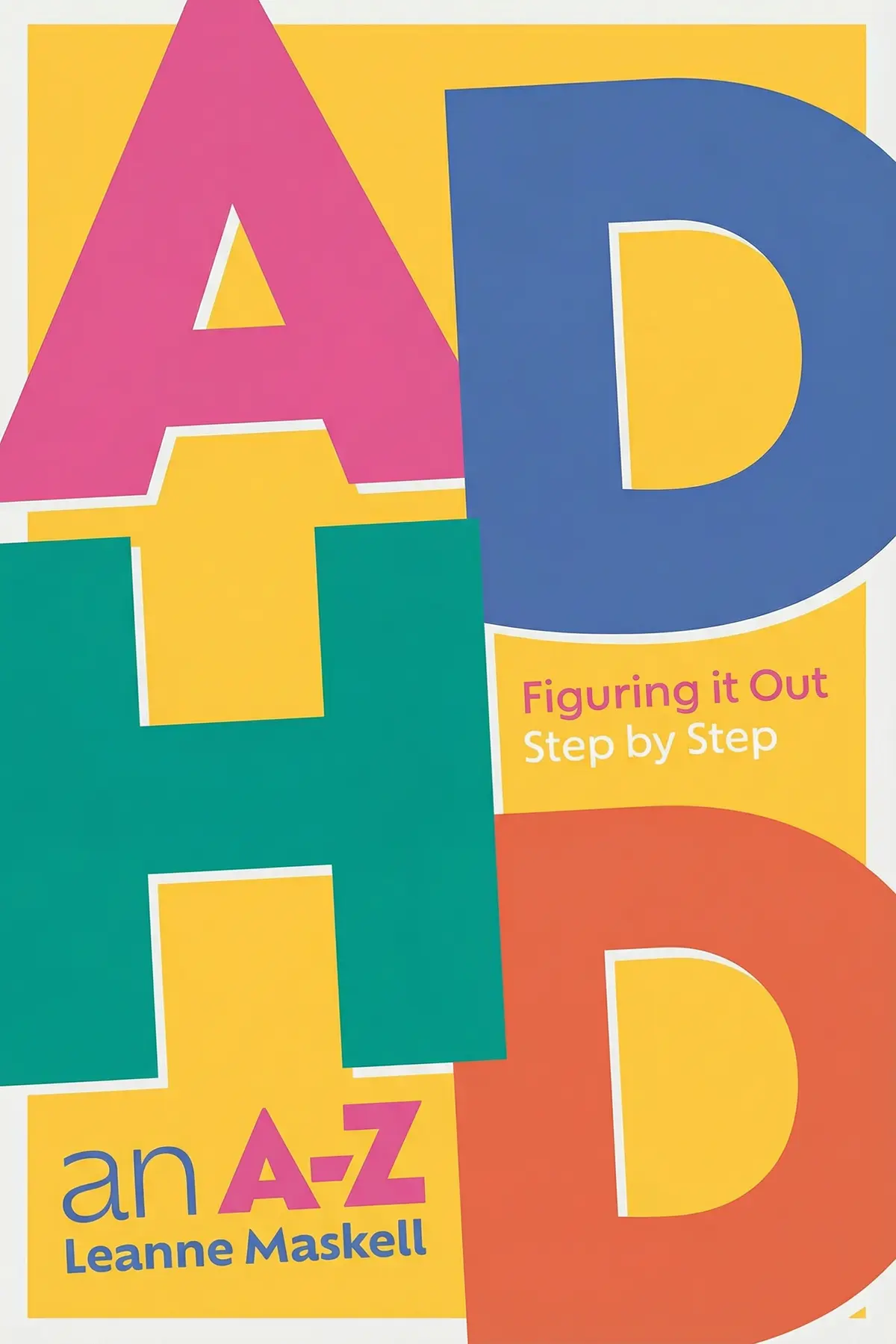
ADHD an A-Z: Figuring It Out Step by Step
Leanne Maskell
AUDIO SUMMARY AVAILABLE
Listen to The Anxious Generation in 15 minutes
Get the key ideas from The Anxious Generation by Jonathan Haidt, plus 5,000+ more titles in English and Thai.
- 5,000+ titles
- Listen as much as you want
- 7-day free trial
- Cancel anytime







