

23 min 52 sec
The Righteous Mind: Why Good People Are Divided by Politics and Religion
Explore the hidden psychological forces that drive our moral, political, and religious beliefs. This summary reveals why intuition trumps logic and how shared moral foundations can both unite and divide societies.
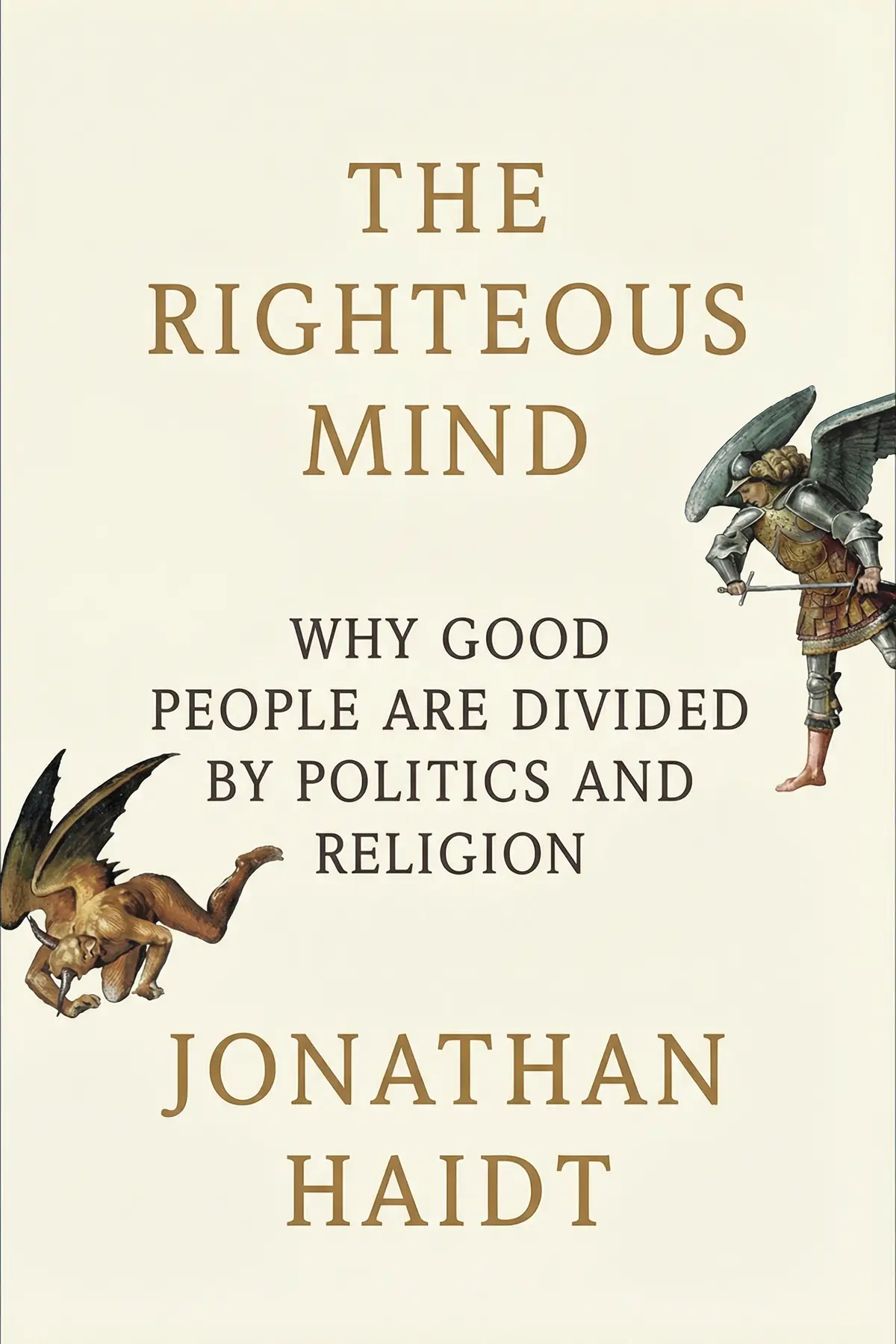
Table of Content
1. Introduction
1 min 35 sec
Why is it that two well-meaning, intelligent people can look at the exact same political event or religious tradition and come to two completely opposite conclusions? Why do our debates about right and wrong so often devolve into shouting matches where neither side seems to hear the other? We like to think of ourselves as rational creatures, weighing evidence like a judge in a courtroom. But as we will explore today, the reality of the human mind is much more complex and, frankly, a bit more humbling.
In this summary of Jonathan Haidt’s work, we are going to dive deep into the psychological architecture of our moral sense. We will see that our brains are not primarily designed for logic, but for social survival. We will discover that our moral judgments happen in a split second, long before we’ve even had a chance to think about why we feel the way we do.
The central throughline here is that morality is about much more than just being ‘nice’ or ‘fair.’ It is a multifaceted system that binds us into groups, helps us compete with others, and gives our lives a sense of sacred purpose. By the end of this journey, you’ll have a new lens through which to view your neighbors, your political opponents, and even your own gut reactions. We’re going to look at the evolutionary ‘hive switch’ that lets us lose ourselves in something bigger, the cultural biases that make Westerners the odd ones out on the global stage, and why the most heated arguments in our society today are actually conflicts between different, but equally sincere, moral foundations. Let’s begin by challenging everything you thought you knew about the relationship between your heart and your head.
2. The Dominance of Intuition over Logic
2 min 23 sec
Discover why your gut feelings are the real masters of your moral choices, leaving your rational mind to act as a mere press secretary.
3. The Role of Gut Feelings in Moral Verdicts
2 min 16 sec
See how even infants show moral preferences before they can speak, proving that our sense of right and wrong is hardwired.
4. Morality as a Tool for Reputation Management
2 min 05 sec
Explore how our deep-seated need for social approval and self-interest subtly bends our moral reasoning without us even noticing.
5. The Diversity of Moral Foundations
2 min 17 sec
Uncover the ‘moral taste buds’ that define human culture and why different societies prioritize different values.
6. The WEIRD Bias in Psychological Research
2 min 20 sec
Learn why the most commonly studied people in the world are actually the biggest outliers in human psychology.
7. The Dual Nature of Human Evolution
2 min 10 sec
Are we selfish or selfless? Discover the evolutionary ‘two-level’ game that made us both.
8. The 'Hive Switch' and the Power of Shared Experience
2 min 04 sec
Learn how certain rituals and moments of awe can shut down our selfishness and merge us into a greater whole.
9. Religion as a Social Glue, Not a Delusion
2 min 18 sec
Step beyond the debate over whether God exists to see the practical, evolutionary role religion plays in building communities.
10. The Moral Palette of Politics
2 min 31 sec
Discover why conservatives and liberals speak different ‘moral languages’ and how that leads to a permanent stalemate.
11. Conclusion
1 min 53 sec
As we reach the end of our exploration into the ‘Righteous Mind,’ the most important takeaway is a shift in perspective. We have seen that morality is not a logical puzzle to be solved, but a complex biological and cultural system designed to bind us together and help us navigate a social world. Our minds are led by the ‘elephant’ of intuition, with the ‘rider’ of reason doing its best to justify where the elephant has already decided to go.
So, where does this leave us in a world that feels more divided than ever? The first step toward a more constructive future is humility. When you find yourself in a heated disagreement with someone, remember that you are likely witnessing a clash of different moral foundations. They aren’t necessarily lacking in logic; they are simply tasting a different part of the moral spectrum.
If you truly want to persuade someone, stop attacking their ‘rider.’ No amount of data or clever debating will change an elephant’s mind if it feels threatened or insulted. Instead, you must talk to the elephant. Start with warmth, respect, and a genuine attempt to find common ground. If you can establish a social connection first, the other person’s ‘inner lawyer’ will be much less defensive, and they might actually be able to hear your arguments.
Finally, remember that human happiness doesn’t come from just satisfying our individual desires. We are, at our core, group-oriented creatures. We find our deepest satisfaction when we connect with something larger than ourselves—be it a community, a cause, or a shared tradition. By recognizing the value in the diverse moral frameworks that surround us—the liberal focus on care and the conservative focus on order—we can begin to see that both are necessary for a healthy, functioning society. We don’t need everyone to think the same way; we just need to understand why they think the way they do.
About this book
What is this book about?
The Righteous Mind explores the complex origins of human morality, challenging the traditional view that our ethical decisions are the result of cool, rational logic. Instead, the book posits that moral judgments are primarily driven by gut intuitions, with reasoning acting as a secondary tool used to justify those initial feelings to ourselves and others. By examining evolutionary history, social psychology, and cultural differences, the narrative explains why people from different backgrounds—particularly liberals and conservatives—often find it impossible to agree on fundamental issues. The book introduces the Moral Foundations Theory, which identifies the various 'taste buds' of our moral sense, ranging from care and fairness to authority and sanctity. It explains how Western, educated populations have a narrow moral focus compared to the rest of the world and how our evolutionary past has made us both selfish individuals and group-oriented 'hives.' Ultimately, the promise of the work is to provide a roadmap for better understanding across deep-seated divides, suggesting that by recognizing the diverse moral foundations of others, we can foster more constructive civil discourse.
Book Information
About the Author
Jonathan Haidt
Jonathan Haidt, PhD, is a prominent social and cultural psychologist currently teaching at New York University's Stern School of Business. His extensive academic career has focused on the intersection of morality and emotion, exploring how these forces shape human behavior and societal structures. In addition to his work on the psychological foundations of morality, his research and insights contributed to his previously published work, The Happiness Hypothesis.
Ratings & Reviews
Ratings at a glance
What people think
Listeners find this work exceptionally insightful and stimulating, serving as a powerful primer on moral philosophy that shifts their understanding of human conduct. Furthermore, the content is meticulously documented and backed by research, written in an accessible, engaging manner that simplifies complex ideas. They value how the material fosters deeper self-awareness and empathy for others, with one listener remarking that it provides enlightenment and understanding on every page.
Top reviews
Rapee
Jonathan Haidt’s work feels like a masterclass in why we just can't get along these days. By breaking down morality into six distinct foundations—like Care/Harm and Authority/Subversion—he provides a framework that finally makes sense of the shouting matches on cable news. I found the 'elephant and the rider' metaphor particularly illuminating; it explains so much about why we make gut decisions first and then scramble to find logical justifications later. Frankly, it’s a humbling read that forces you to realize your own political 'logic' is often just a lawyer for your emotions. While the sections on evolutionary biology get a bit dense, the prose remains conversational and accessible. This is the kind of book that stays with you long after you’ve put it down, fundamentally shifting how you view your neighbors and your own belief system.
Show moreEvelyn
Wow, this totally flipped the script on how I view political debates. I used to think people on the other side were either stupid or mean, but Haidt shows they just have a different 'moral palate.' The way he describes humans as being '90 percent chimp and 10 percent bee' is a brilliant way to explain our tribal nature. We are designed to bind together into groups, but those same bonds blind us to the truth of other perspectives. The book is incredibly well-researched and carefully documented, yet it reads like a conversation with a very smart friend. Not gonna lie, the section on how religion serves as a 'hive-switch' for human cooperation was the most interesting thing I’ve read all year. If you want to understand the 'why' behind our current cultural chaos, this is the essential starting point.
Show moreKiattisak
The chapter on the 'hive-switch' and group selection was worth the price of admission alone. Haidt manages to take complex evolutionary biology and turn it into a compelling narrative about why humans are the way we are. He shows that we aren't just selfish individuals; we are deeply social creatures who crave being part of something larger than ourselves. This explains everything from sports fandom to religious fervor. Personally, I found his explanation of 'moral matrices' to be one of the most useful tools for understanding human behavior I've ever encountered. The book is dense with information but never feels like a chore to read because of Haidt's narrative style. He weaves in his own personal journey of discovery, which makes the science feel much more grounded and relatable. Highly recommended for anyone interested in sociology or psychology.
Show moreSven
This book is essentially a blueprint for human tribalism. Haidt explains that our minds were designed for small-scale cooperation, and we are struggling to adapt those same moral intuitions to a massive, globalized world. The core message—that 'morality binds and blinds'—is perhaps the most important concept to understand in our current political climate. He doesn't just lecture the reader; he presents the evidence and lets you see the patterns for yourself. I appreciated how he highlighted that we are all hypocrites who are great at seeing the specks in others' eyes but not the logs in our own. It’s an enlightening, perspective-shifting read that actually provides some hope for how we might start talking to each other again. If you care about the future of our democracy, you really should give this a read.
Show moreSavannah
After hearing so much about the 'moral foundations' theory, I finally sat down with the source material and was blown away. Haidt is a brilliant storyteller as much as he is a scientist. He takes you from the streets of Brazil to the temples of India to explain how different cultures define 'the good.' What I loved most was the 'rider and elephant' analogy—it's the most accurate description of the human psyche I've ever seen. We are not rational beings; we are rationalizing beings. This realization is incredibly powerful when you're trying to navigate a disagreement. The book is long but never feels slow, and the summary points at the end of each chapter are really helpful for retaining the information. It’s a rare book that provides both intellectual depth and practical, real-world utility.
Show moreNoppadol
Ever wonder why your family dinner conversations turn into a minefield every holiday? Haidt argues that it’s because we aren’t just disagreeing on facts; we are operating from entirely different moral matrices. He explains that while liberals tend to focus on the Care and Fairness foundations, conservatives utilize a broader spectrum including Loyalty, Authority, and Sanctity. This insight was a total lightbulb moment for me. To be fair, some of the anthropological evidence from his time in India felt a little anecdotal, but the broader psychological data is robust. The writing style is engaging and avoids the dry, academic tone you might expect from a social scientist. It’s a well-documented journey through the human mind that helped me find a bit more empathy for the 'other side,' even if I still disagree with them.
Show moreEnd
As someone who identifies as quite liberal, this was a tough but necessary pill to swallow. Haidt’s central argument—that liberals miss out on several key moral foundations that conservatives hold dear—really challenged my worldview. It helped me realize that what I saw as 'blind obedience' might actually be a deeply felt moral commitment to Authority or Loyalty. The truth is, the book makes a compelling case that morality is about more than just preventing harm; it’s about binding a society together. My only gripe is that he occasionally treats the two sides as equally valid without addressing the hypocrisy that exists in modern politics. Still, the writing is clear, the research is top-notch, and the insights into human nature are truly profound. It’s a monumental piece of work that actually offers a path toward better communication.
Show moreOrathai
Picked this up on a whim after seeing Haidt on a podcast, and I’m glad I did. It’s rare to find a book that actually changes your mind about how the world works, but this one managed it. I always thought of morality as a simple matter of right and wrong, but Haidt reveals it's a complex, evolved system designed for survival. His research into 'disgust' and its role in our moral lives was particularly eye-opening. To be fair, I think he goes a bit easy on the religious and conservative side of things, but maybe that’s just my own 'elephant' reacting. The book is meticulously cited and the logic is easy to follow. It’s a great introduction to moral philosophy that doesn’t feel like a dry textbook. Every page offers a new way to look at the people around you.
Show moreAnthony
To be fair, Haidt is a much better psychologist than he is a political philosopher. On the positive side, his research into how 'WEIRD' (Western, Educated, Industrialized, Rich, and Democratic) societies are actually the outliers in moral thought is fascinating and well-researched. He successfully proves that our moral judgments are often intuitive and post-hoc. However, I found his attempt to bridge the partisan divide a bit naive. By placing conservative and progressive ideals on an equal footing, he seems to ignore the real-world consequences of some of those 'foundations' when they are used to marginalize others. The book is definitely thought-provoking and provides a great vocabulary for discussing ethics, but his 'enlightened centrist' tone occasionally misses the mark. It’s worth reading for the psychological insights, but take the political advice with a grain of salt.
Show moreTim
Look, the writing is conversational and easy to follow, but the actual logic feels dangerously flawed. Haidt spends hundreds of pages building a case for 'moral intuition' which basically suggests that we shouldn't even bother trying to be rational. It feels like a convenient excuse for people to stick to their biases. I also struggled with his 'six foundations' theory, specifically how he treats Sanctity or Authority as equal to Care and Harm. In a modern, pluralistic society, those provincial values often lead to exclusion and oppression. He brushes past the dark side of tribalism far too quickly to reach his goal of political reconciliation. While the psychological experiments he cites are interesting, the conclusions he draws feel like 'bio-babble' used to justify the status quo. I expected a more rigorous philosophical defense, but instead, I got a lot of anecdotes and speculative evolution.
Show moreReaders also enjoyed
21 Lessons for the 21st Century
Yuval Noah Harari
59 Seconds: Change Your Life in Under a Minute
Richard Wiseman
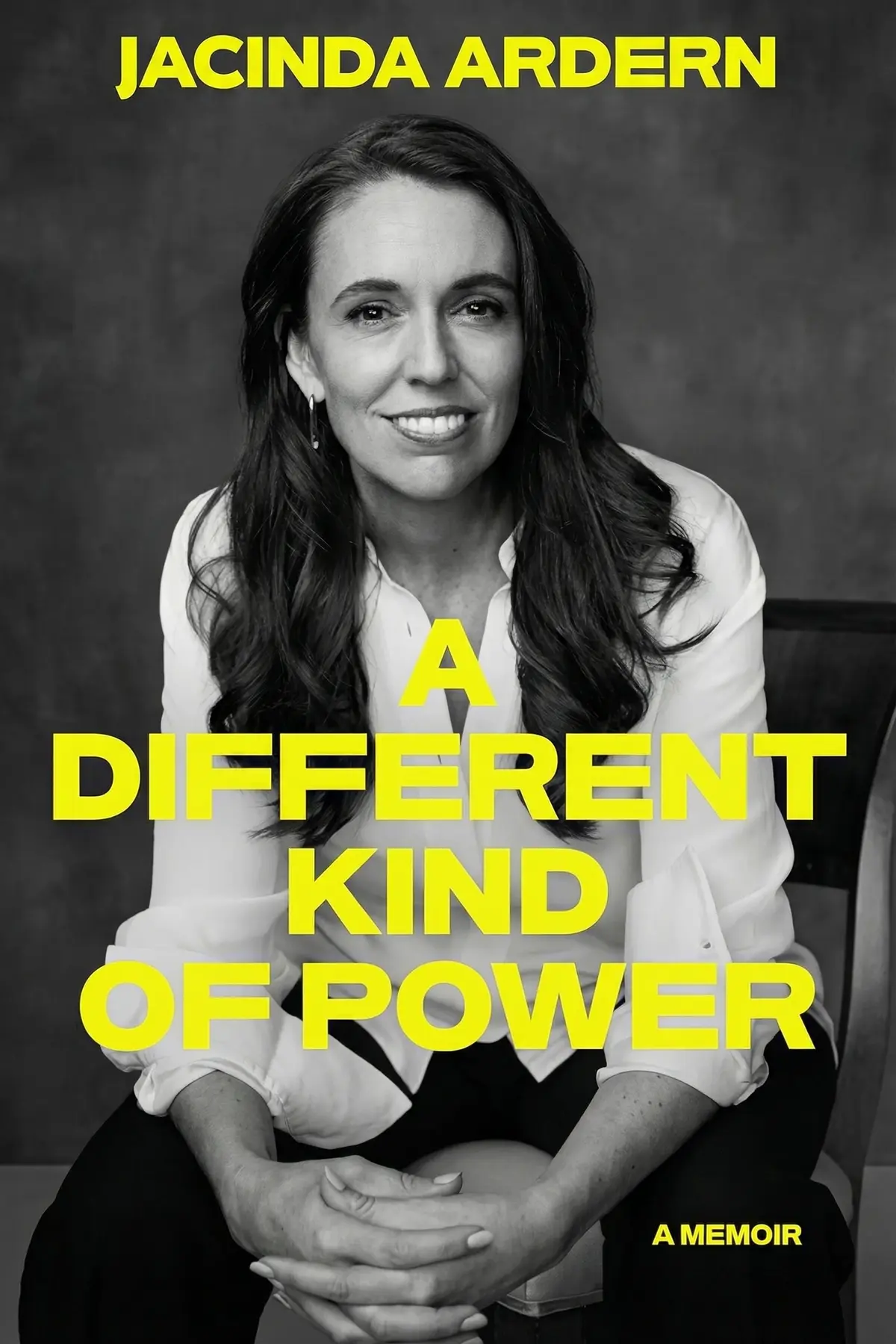
A Different Kind of Power: A Memoir
Jacinda Ardern
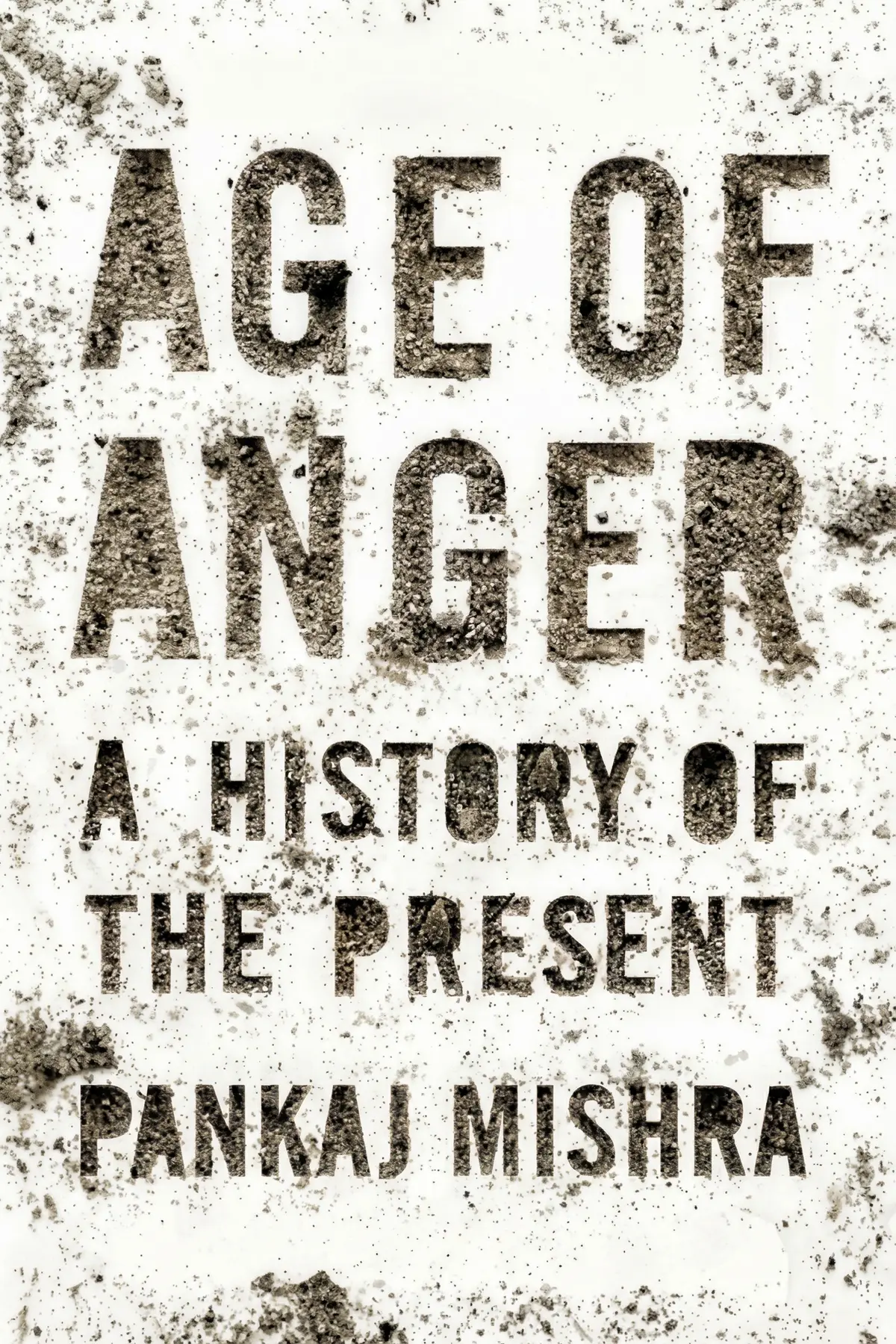
Age of Anger: A History of the Present
Pankaj Mishra
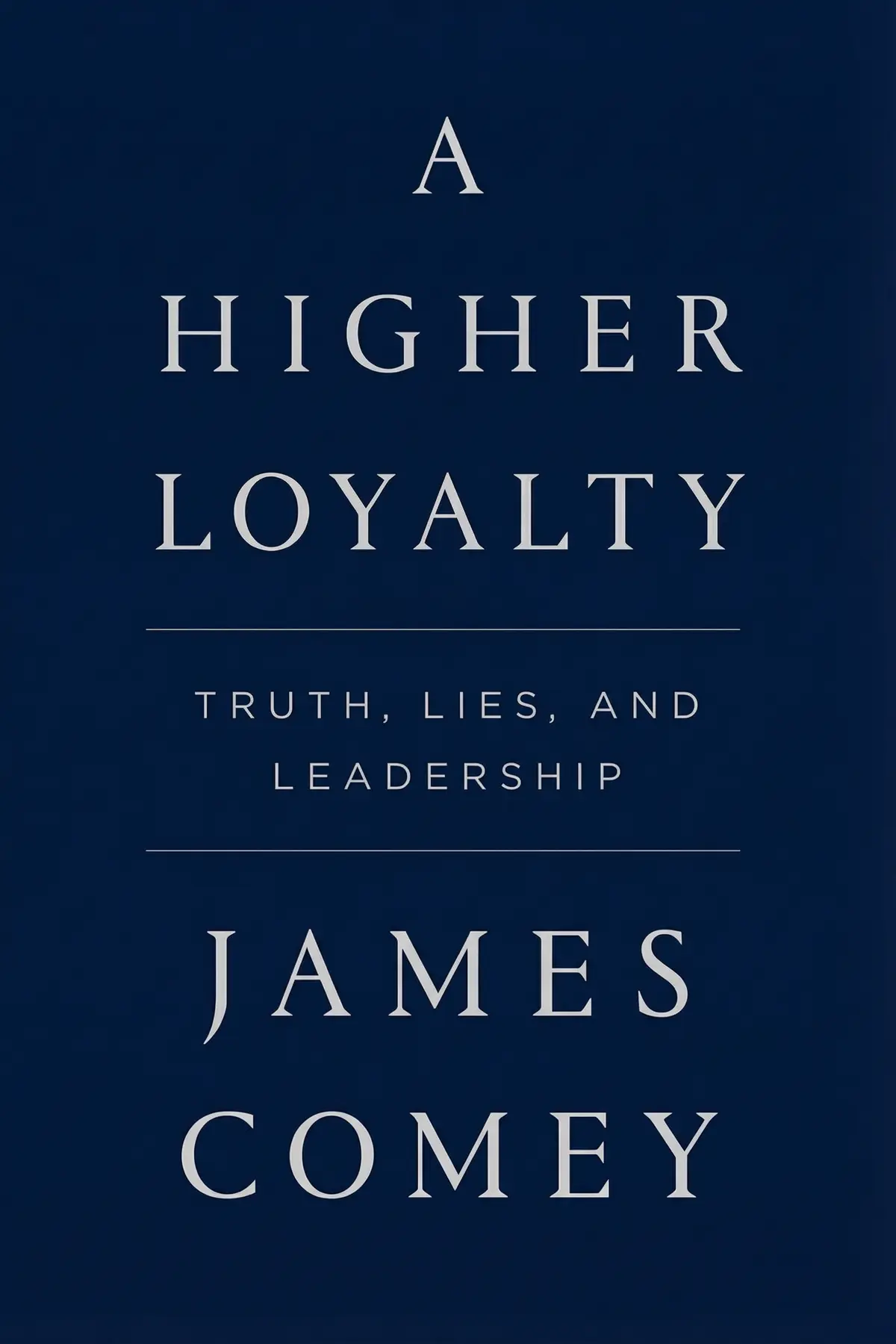
A Higher Loyalty: Truth, Lies and Leadership
James Comey
AUDIO SUMMARY AVAILABLE
Listen to The Righteous Mind in 15 minutes
Get the key ideas from The Righteous Mind by Jonathan Haidt, plus 5,000+ more titles in English and Thai.
- 5,000+ titles
- Listen as much as you want
- 7-day free trial
- Cancel anytime







