
19 min 49 sec
The Art of Logic: How to Make Sense in a World that Doesn’t
Explore the foundational principles of logical reasoning to navigate a complex, often irrational world. Learn how to bridge the gap between cold analysis and human emotion to find clarity and common ground.
Table of Content
1. Introduction
1 min 51 sec
We live in an era that often feels overwhelmingly chaotic. Every day, we are faced with a deluge of information, much of it contradictory, biased, or intentionally misleading. As humans, we are naturally inclined to navigate this chaos using our instincts and emotions. We make split-second judgments, dig our heels into positions we haven’t fully vetted, and often let our temper get the better of us during disagreements. This isn’t just a personal struggle; it’s a global one. From the rise of clickbait to the spread of misinformation, the quest for objective truth can feel like an impossible journey.
But what if there was a mechanism designed specifically to filter out the noise? What if we could step back from the heat of the moment and see the underlying structure of any problem? There is a tool for exactly that, and while it might sound intimidating or overly academic at first, it is actually one of the most practical skill sets a person can possess. That tool is logic. Logic isn’t just for mathematicians or computer scientists; it is a methodology for exploring the complexities of human life. It allows us to unearth the root causes of our conflicts and find pathways that actually resonate with our values.
In the following sections, we will explore the nuances of this powerful discipline. We will look at how logic functions like a piece of theater, why it can’t always tell you what to order at a restaurant, and how it can help us solve deep-seated social injustices. We’ll learn how to identify our own starting points—those unshakeable beliefs we carry—and how to use analogies to talk to people who seem to live in a completely different reality. By the end, you’ll see that logic isn’t about being a robot; it’s about being a more clear-sighted, empathetic human being who can find truth within the storm.
2. The Abstract Theater of Logic
2 min 07 sec
Discover why logic requires us to step away from reality and enter an abstract world to see the true structure of an argument.
3. Finding the Gray Area Through Negation
1 min 57 sec
Learn how to move beyond binary ‘right vs. wrong’ thinking by using logical negation to explore the space between extremes.
4. The Boundaries of Logical Usefulness
1 min 57 sec
Explore why logic isn’t always the best tool for every situation and how to recognize its inherent limitations.
5. When Instinct and Goodwill Trump Logic
2 min 06 sec
Discover the scenarios where time constraints and human connection require us to set logic aside for the greater good.
6. Defining Your Personal Axioms
2 min 09 sec
Understand the concept of axioms and why your personal ‘starting points’ are the foundation of every logical argument you make.
7. Navigating Ambiguity and the End of Absolutes
1 min 57 sec
See how language and the concept of ‘degrees of truth’ can help us bridge the gap during difficult disagreements.
8. The Power of Precision and Clear Definitions
2 min 07 sec
Discover why modern slogans often fail the test of logic and how to dissect complex issues with surgical precision.
9. Bridging Logic and Emotion with Analogy
1 min 52 sec
Learn the secret to persuasive arguing: using logical analogies to tap into an opponent’s existing emotional values.
10. Conclusion
1 min 46 sec
As we have seen, logic is far more than a set of rules found in a textbook. It is a living, breathing methodology that helps us make sense of a world that often seems determined to be nonsensical. While logic has its limits—it can’t replace our instincts in a fire, and it can’t always settle our debates over dinner—it remains our best defense against the tide of misinformation and irrationality. By learning to step back into the ‘theater’ of abstraction, we can see the true structure of the problems facing us.
The throughline of our exploration has been that logic is a tool for clarity and connection. It starts with the brave act of identifying our own axioms—those fundamental starting points that define who we are. It continues through the careful use of language, where we avoid the trap of absolutes and embrace the nuance of the gray area. And it reaches its peak when we use logical analogies to bridge the gap between our minds and the hearts of others.
To put this into practice today, try to become more aware of the words you use in your next disagreement. Instead of making a blunt assertion, try qualifying your statements. Use phrases like ‘in my experience’ or ‘it seems to me.’ This isn’t a sign of weakness; it’s a logical tactic that prevents your argument from being easily dismissed and keeps the door open for further exploration. When we approach the world with this kind of logical humility and precision, we don’t just find truth; we find a way to live together with more understanding and less conflict. Logic, ultimately, is about making the world a little more reasonable, one conversation at a time.
About this book
What is this book about?
The Art of Logic explores the vital role of structured reasoning in a world increasingly dominated by noise, fake news, and heated emotional debates. It moves beyond the idea of logic as a dry, academic subject, presenting it instead as a dynamic tool for personal and social clarity. The book demonstrates how we can use logical frameworks to dissect complex arguments, uncover our own hidden assumptions, and understand the perspectives of others even when we fundamentally disagree. By examining the limits of logic and its interplay with human emotion, the text provides a roadmap for more productive communication. It promises to equip readers with the ability to identify 'axioms' or core beliefs, recognize the pitfalls of oversimplified slogans, and use analogies to build bridges across ideological divides. Ultimately, it is a guide for anyone looking to make sense of the chaos and find a pathway toward truth and mutual understanding.
Book Information
About the Author
Eugenia Cheng
Eugenia Cheng is a scientist and academic on a mission to eradicate humanity’s fear of math. Her YouTube lectures have been viewed over a million times since 2007. Cheng’s other books include How to Bake Pi and Beyond Infinity, which made the shortlist in 2017 for the Royal Society Science Book Prize.
Ratings & Reviews
Ratings at a glance
What people think
Listeners feel this title serves as a clear and compelling guide to basic mathematical logic, though perspectives are mixed concerning the author's strong emphasis on her specific social and political viewpoints. They value the way the text equips people with strategies for decoding rhetoric and pinpointing truth in today’s society. Moreover, the audience enjoys the accessible writing style, with one listener observing that the author’s humor and wit help simplify intricate logical theories. They also point out that the book successfully links logic and emotion, as another listener praises her gift for turning abstract mathematical ideas into something that feels deeply personal and significant.
Top reviews
Por
Ever wonder why modern discourse feels so hollow and aggressive? Eugenia Cheng offers a refreshing antidote in this work, bridging the gap between cold mathematical abstraction and the heated world of human emotion. I loved how she used personal anecdotes—like her love of ice cream or her own struggles with weight—to show that logic isn't about being a robot. It's about finding clarity. The writing is conversational, witty, and surprisingly personal for a math book. She doesn't just give you formulas; she gives you a methodology to navigate the rhetoric and fake news that saturate our social media feeds. Truth is often buried under layers of bad arguments, and this book provides the shovel. While some might find her political examples divisive, I thought they were necessary applications of the theory. This is essential reading for anyone trying to stay sane in an illogical world.
Show moreNikolai
To be fair, I didn't expect a book about mathematical logic to be this vulnerable and moving. Eugenia Cheng writes with a kind heart and a genuine commitment to human betterment, which makes her a joy to follow even through difficult topics. She doesn't just stay in the ivory tower of her Cambridge background; she brings logic down to the level of everyday struggles, from weight gain to social injustice. I loved the way she explained that logic isn't here to replace emotion, but to help us understand it. Her writing is beautiful and deeply personal, making the abstract feel incredibly relevant. This isn't just a book for math nerds—it's a tool for anyone who wants to identify truth in a world full of bullying and rhetoric. She’s a worthy leader in the effort to make us a more rational, compassionate species. It’s easily one of the most enlightening books I've read this year.
Show moreClaire
Look, the world is an absolute mess of clickbait and flimsy reporting right now, so a guide to thinking clearly is exactly what we need. Cheng is a fantastic teacher who manages to make abstract concepts feel personal and relevant. I was particularly impressed by how she tackles thorny issues like gender inequality and Brexit without losing the thread of the underlying logic. Some readers might find the focus on her own life—like her ice cream habits—a bit much, but it makes the math feel human. She demonstrates that being logical doesn't mean ignoring your heart; it means understanding why you feel the way you do. The book is witty, engaging, and provides a much-needed methodology for cutting through the noise of modern life. It's a rare gift to find a Cambridge-educated mathematician who can write this accessibly for the average person. Highly recommended for the curious mind.
Show moreAey
Picked this up hoping to find a way to sharpen my critical thinking against the barrage of social media rhetoric. Eugenia Cheng delivers a lucid and engaging introduction to the basics of mathematical logic that feels both timely and necessary. Her wit and sense of humor shine through, making even the more complex sections on category theory feel manageable for a layperson. I particularly appreciated her discussion on how politicians use 'the lost middle' to warp facts and mislead the public. While the book leans heavily into her own progressive views, which might alienate some, the tools she provides are universal. You don't have to agree with every one of her political parables to see the value in her logical framework. It’s a conversational, thought-provoking read that effectively bridges the gap between the classroom and the real world. A few parts felt a bit repetitive, but the overall message is powerful.
Show moreEmma
The chapter on category theory was a surprise highlight for me, offering a unique perspective on how we abstract information. Eugenia Cheng has a talent for making the 'pure' form of logic accessible without stripping away its elegance. I found her explanations of how we choose different levels of abstraction to be particularly insightful, as it explains why two people can look at the same fact and reach different conclusions. To be fair, the book is quite conversational and moves away from formal logic into social commentary fairly often. Some might find the analogies about handwriting or expiration dates a bit simple, but they serve their purpose well. She isn't just teaching you how to solve puzzles; she’s showing you how to build a pathway through the chaos of modern life. It’s a solid 4-star read for anyone who wants to understand the structure of an argument better, even if the political leanings are overt.
Show morePick
As someone who values mathematical rigor, I found the initial explanations of logical structures to be quite lucid. Cheng has a genuine talent for taking abstract concepts like the 'lost middle' and making them digestible for a general audience. However, the book stumbles significantly when it attempts to apply these tools to highly charged social issues. For instance, her analysis of the tension between the police and the Black Lives Matter movement felt intellectually shallow, failing to account for the historical weight of slavery and systemic racism. It felt like a 'both-sides' equivalency that logic alone cannot resolve without better axioms. To be fair, she admits that applying logic to the real world is a messy affair, but the parables often felt more like personal justifications than objective illustrations. It’s an interesting read, but one that requires a very critical eye to separate the math from the personal bias.
Show moreAdam
Finally got around to reading Cheng’s take on our 'illogical world' and I’m left with some mixed feelings. On one hand, she is an incredibly gifted communicator who makes mathematical concepts feel like a warm conversation over coffee. Her bits about 'white privilege' and gender-based inequality are handled with a lot of heart, but they sometimes overshadow the actual logic she’s supposed to be teaching. At times, it felt like the logic was a 'sauce' poured over her personal convictions rather than the meat of the book itself. I enjoyed the parts about her own life, like her excessive love for ice cream, but the political barbs felt a bit divisive. Is it a good book? Yes. Is it a rigorous guide to logic? Not exactly. It sits in a strange middle ground between a memoir and a textbook, which might frustrate some readers while delighting others who want a more human touch.
Show moreSuphan
After hearing so much praise for Eugenia Cheng, I expected a more rigorous treatment of mathematical philosophy. Instead, the text feels like a collection of lecture notes that occasionally loses its way in the weeds of personal opinion. Her exploration of category theory and levels of abstraction is fascinating, yet she often chooses axioms based on her own feelings rather than universal truths. For example, her argument that the scales of justice should be weighted in favor of the disadvantaged is a provocative take, but it ignores the historical dangers of abandoning 'blind' justice. When choice and value judgments enter the logical structure, the math starts to feel a bit like rhetoric itself. The truth is, I enjoyed the conversational tone and the clever analogies, but I found the application to societal structures to be somewhat lopsided. It’s a helpful introduction to logic, provided you don't take her specific political conclusions as gospel.
Show moreCamila
This book purports to be an instructional guide on logic, but it functions primarily as a platform for the author's sociopolitical views. While Cheng is clearly a highly educated Cambridge graduate, her inability to step outside her own perspective makes the text feel more like a series of lectures on why her specific beliefs are correct. Only about half of the content is actually dedicated to the rules of logic, and even that portion isn't particularly illuminating for anyone with a basic grasp of the subject. The analogies are often contextually inappropriate, and she frequently breaks the very rules of logic she outlines when discussing sensitive topics. If you're looking for a rigorous, objective study of logical thought, you will likely be disappointed. It’s a well-written book in terms of prose, but it fails to deliver on its promise to teach the reader how to think independently. Instead, it mostly tells you what to think.
Show moreTakeshi
Wow. I have rarely seen such a flagrant display of unnecessary narcissism in what is marketed as a STEM guide. If you are expecting a deep dive into the technical rules of syllogisms or symbolic logic, you will be deeply disappointed because this is little more than a platform for Cheng to proselytize. She spends half the time explaining basic logic—which isn’t very illuminating—and the other half breaking those very rules to support her personal political leanings. It feels like she is trying to convince herself more than her readers. Her Cambridge credentials are mentioned often, yet she fails to use that intellectual power responsibly by teaching us how to think instead of what to think. Frankly, it is a missed opportunity. A book on logic should be a mirror for the reader's mind, not a window into the author's ego. I eventually gave up and put it in the bin.
Show moreReaders also enjoyed
A Guide to the Good Life: The Ancient Art of Stoic Joy
William B. Irvine
A Little History of Philosophy
Nigel Warburton
A Theory of Justice
John Rawls
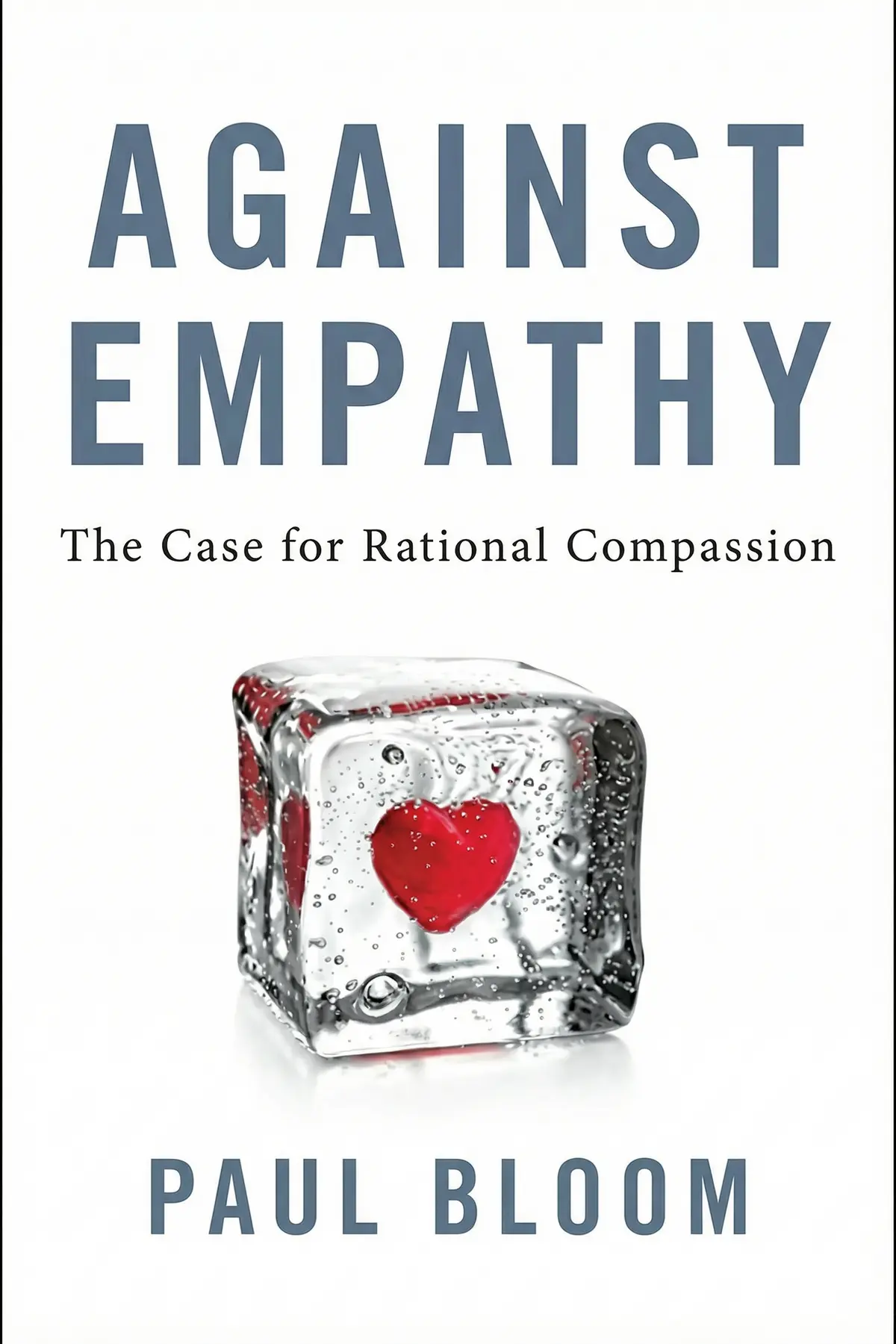
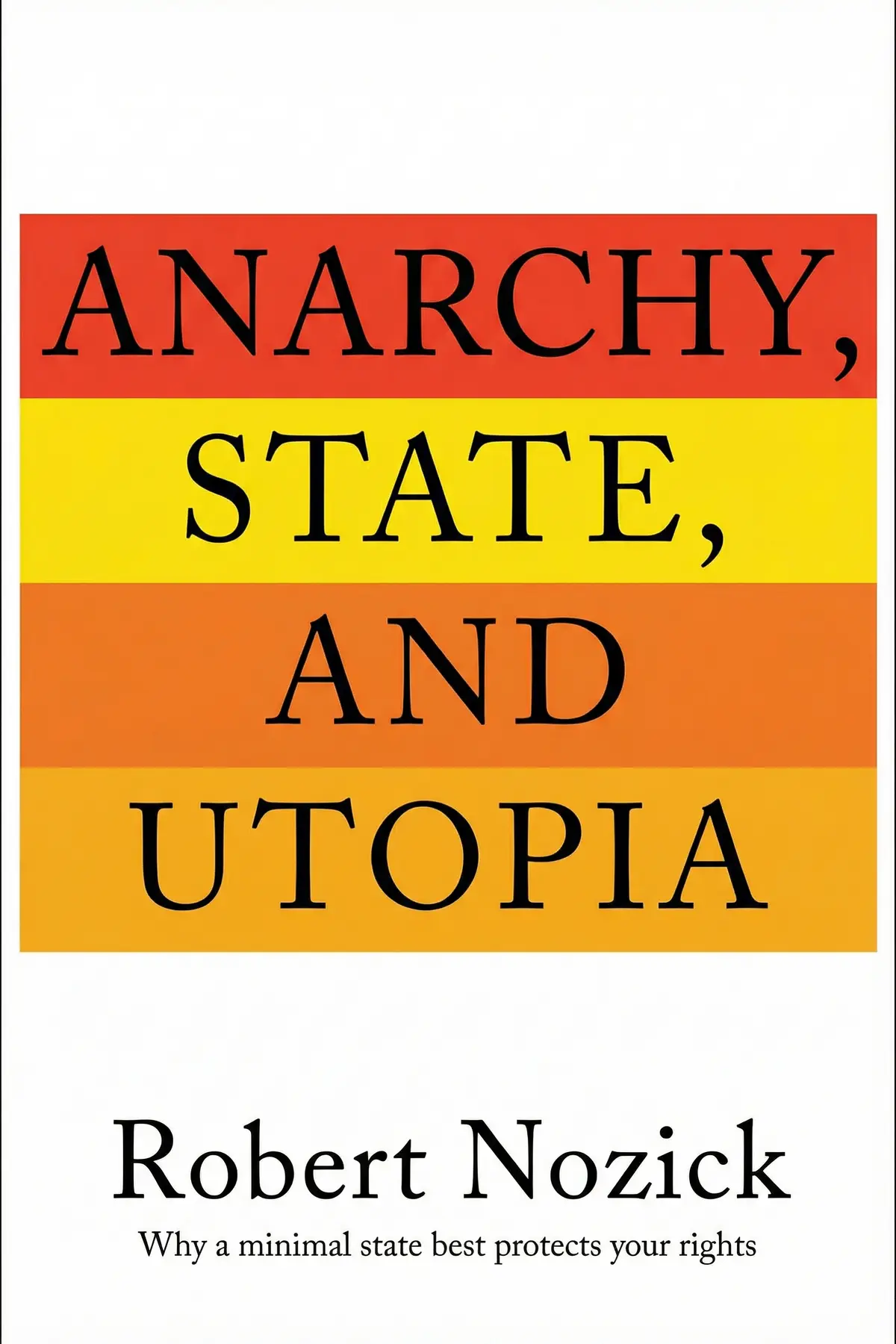
Anarchy, State, and Utopia
Robert Nozick
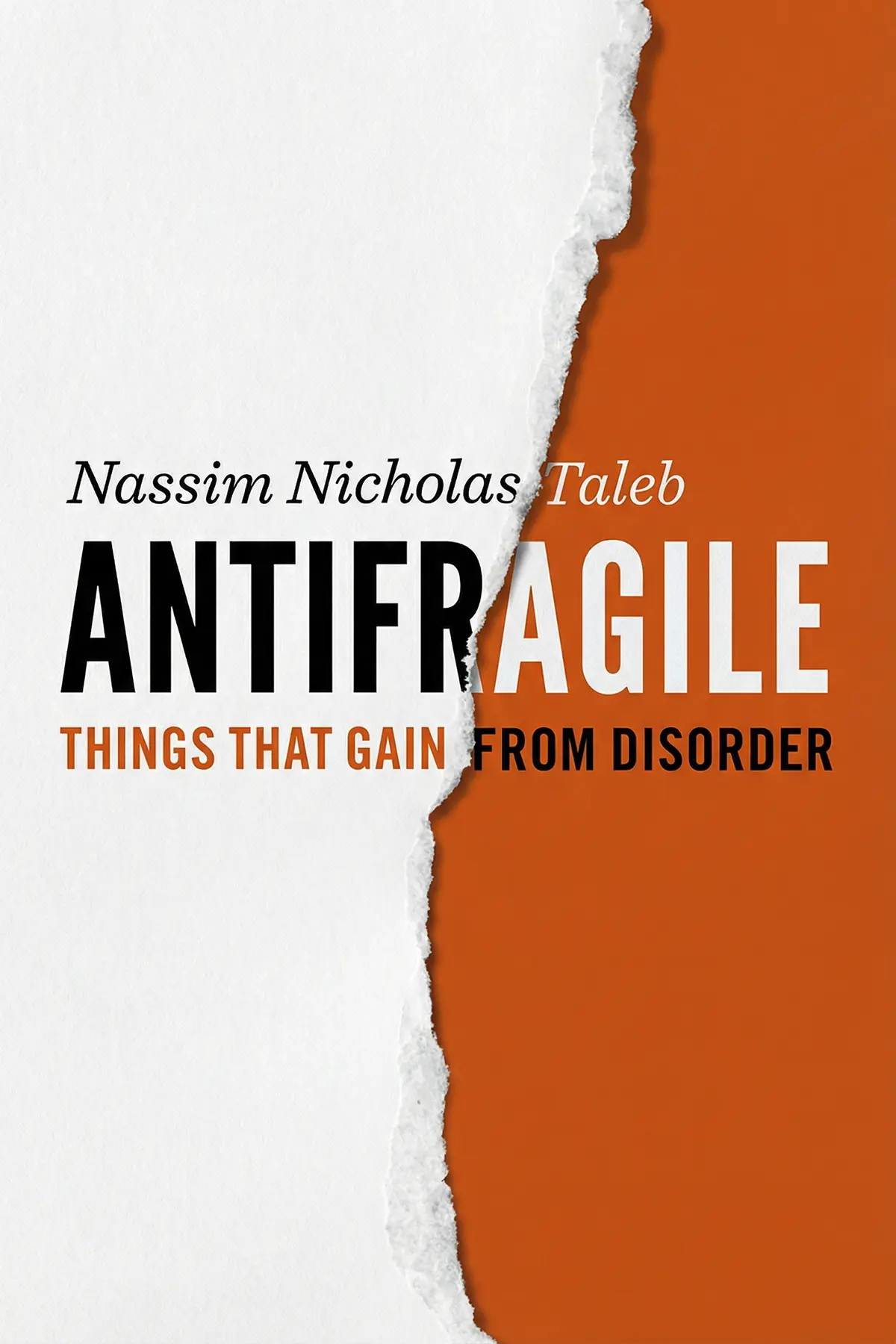
Antifragile: Things That Gain from Disorder
Nassim Nicholas Taleb
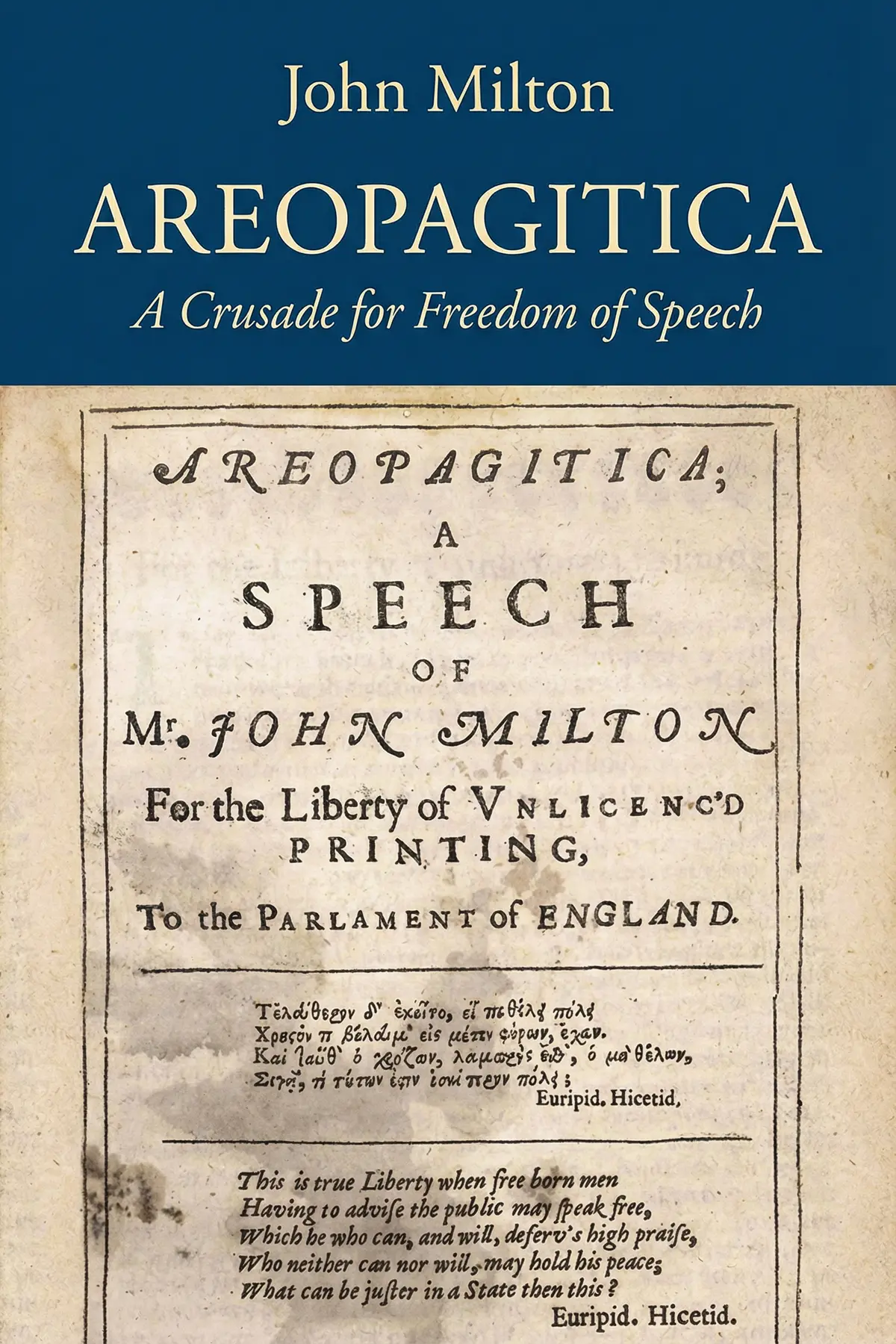
Areopagitica: Philosophy)
John Milton
AUDIO SUMMARY AVAILABLE
Listen to The Art of Logic in 15 minutes
Get the key ideas from The Art of Logic by Eugenia Cheng, plus 5,000+ more titles in English and Thai.
- 5,000+ titles
- Listen as much as you want
- 7-day free trial
- Cancel anytime







