
20 min 41 sec
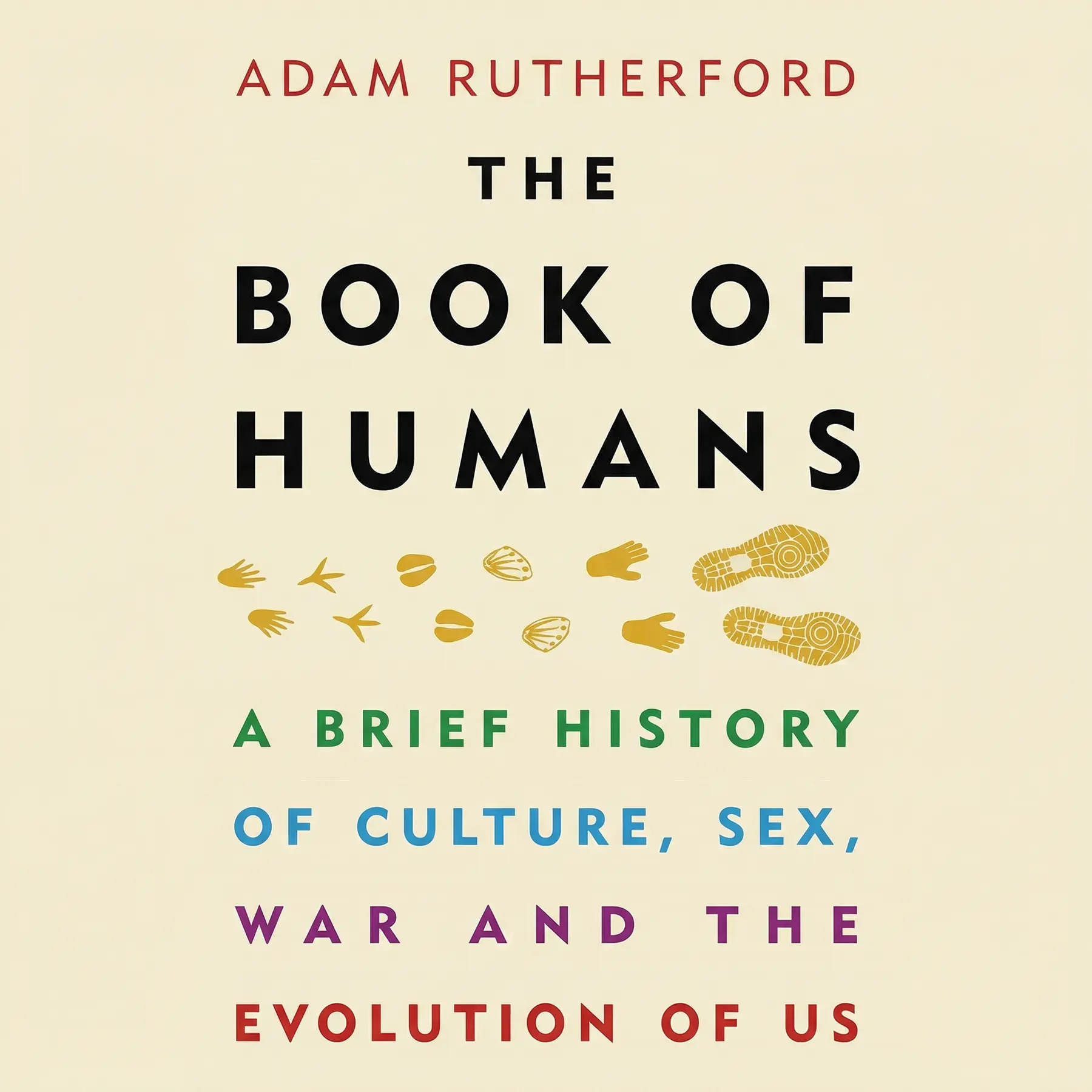
The Book of Humans: A Brief History of Culture, Sex, War and the Evolution of Us
Explore the fascinating intersection of biology and culture as we examine how humans are uniquely sophisticated yet deeply connected to the animal kingdom through genetics, tools, and social behaviors.
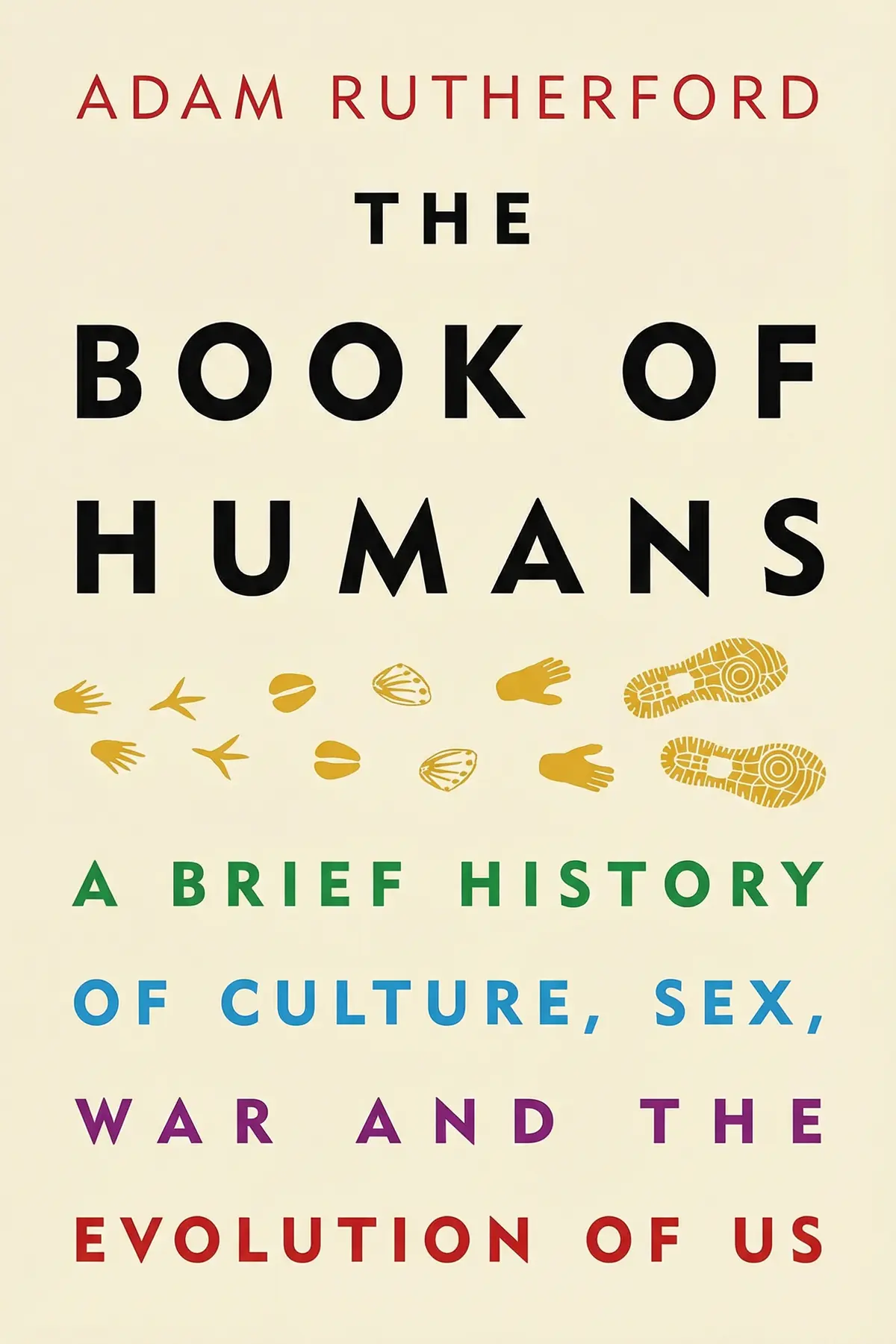
Table of Content
1. Introduction
1 min 53 sec
For centuries, we have looked at the world around us and seen a clear divide. On one side, there is the rest of nature—the ‘beasts of the field’—and on the other, there is us. We see ourselves as the pinnacle of creation, defined by our soaring intellects, our intricate languages, and our ability to reshape the entire planet to suit our needs. We have long believed that being human means being fundamentally different from every other creature that walks, swims, or flies.
However, as we peer deeper into our own genetic code and observe the complex lives of the animals around us, that clear divide begins to blur. We are starting to realize that the traits we once thought were exclusive to humans are actually part of a much wider spectrum of biological history. Our ‘specialness’ isn’t as absolute as we might like to think. Instead, it is a matter of degree rather than a total departure from the rest of life on Earth.
In this exploration of our evolutionary journey, we will walk through the milestones that define our species. We will see how we are inextricably linked to the animal kingdom through our DNA, our social structures, and even our most intimate behaviors. But we will also acknowledge the paradox: even though we are clearly animals, we have managed to push our capabilities to a level of complexity that is truly extraordinary.
By the end of this journey, you may find that your sense of identity has shifted. You will see that we are not isolated islands of intelligence but rather branches on a vast, interconnected tree of life. We are the products of millions of years of evolutionary trial and error, sharing our heritage with everything from the tiniest ant to the most intelligent dolphin. Let’s dive into the fascinating reality of what it truly means to be one of the most remarkable, yet fundamentally animal, species to ever exist.
2. The Evolution of Tool Use
2 min 34 sec
Think humans are the only ones capable of using technology? Think again, as we explore how various animals use tools to navigate their worlds.
3. Culture and Learning Beyond Biology
2 min 27 sec
Biological instincts aren’t the only things passed down through generations; discover how animals use cultural transmission to teach complex survival skills.
4. The Deep History of Farming
2 min 13 sec
Agriculture is often seen as a human revolution, but certain insects have been cultivating crops for millions of years longer than we have.
5. Sex, Pleasure, and Evolution
2 min 18 sec
Biological reproduction is only one small part of the story when it comes to the complex and varied world of animal sexuality.
6. The Genetic Blueprint of Life
2 min 16 sec
DNA is the invisible thread that links us to all living things, acting as an instruction manual that both preserves our past and drives our future.
7. The Power of Language and Symbols
2 min 23 sec
Explore the sophisticated machinery and cognitive leaps that allow humans to communicate through a vast world of symbols and syntax.
8. Imagination and the Birth of Art
2 min 16 sec
The ability to imagine the non-existent is a defining human trait, yet we are discovering that our extinct cousins may have shared our creative spark.
9. Conclusion
2 min 21 sec
As we conclude our journey through the evolution of our species, we are left with a paradoxical truth. On one hand, we are undeniably unique. No other creature on this planet has built cities, composed symphonies, or decoded the very blueprint of life. Our language, our technology, and our capacity for abstract imagination have set us apart in ways that are truly staggering. We are, as the saying goes, the ‘paragon of animals.’
Yet, on the other hand, every single trait that we once thought made us ‘special’ has its roots in the wider natural world. We see the beginnings of technology in the sticks used by chimpanzees. We see the foundations of culture in the lessons taught by dolphin mothers. We see the origins of farming in the fungal gardens of ants, and the beginnings of symbolic thought in the alarm calls of prairie dogs. Even our most intimate and social behaviors, like non-reproductive sex and the creation of art, are shared by other inhabitants of our planet.
What this tells us is that we are not separate from nature, but an integral part of it. We are the result of the same evolutionary forces that shaped every other living thing. Our differences are not a matter of kind, but of degree. We have simply taken the universal themes of biology and played them in a more complex key.
The lesson here is one of connection. In an age where we often feel alienated from the natural world, it is vital to remember that we carry the history of all life within our own bodies and minds. We are connected to the past through our DNA and to the present through our shared behaviors. This realization doesn’t make us ‘less’ human; it makes us part of something much bigger.
So, the next time you look at a bird in the sky or a dog in the park, remember that you are looking at a distant cousin. You share a heritage, a blueprint, and a struggle for survival. By embracing our animal nature, we can find a deeper sense of belonging on this planet. We are a remarkable species, but we are even more remarkable when we recognize that we are part of the great, unfolding story of life on Earth.
About this book
What is this book about?
The Book of Humans offers a profound re-evaluation of our species' place in the natural world. By blending evolutionary biology, genetics, and archaeology, it challenges the traditional view of human exceptionalism. The book explores the history of culture, sex, and war to show that while we possess remarkable traits like complex language and advanced technology, the foundations of these behaviors are visible across the animal kingdom. Readers are promised a journey through the evolutionary milestones that shaped us, from the development of symbolic art to the genetic mutations that allowed us to farm. It provides a nuanced perspective on what it truly means to be human in an era of high-tech genetic mapping, revealing that we are both a distinct outlier and a fundamental part of the biological continuum of life on Earth.
Book Information
About the Author
Adam Rutherford
Adam Rutherford is a science writer, podcaster, and broadcaster. A regular BBC personality and frequent contributor to the Guardian, he is also the author of several books on human evolution. He holds a doctorate in genetics from University College London and is a popular speaker among both academic and lay audiences.
Ratings & Reviews
Ratings at a glance
What people think
Listeners find this survey of evolution to be a stimulating experience; though some feel the narrative lacks a unified central thesis, many value the digestible and approachable way Rutherford breaks down complicated science. Furthermore, they appreciate the examination of human distinctiveness, with one listener observing that the text successfully illustrates how our characteristics often differ from animals in degree rather than kind. They also highlight the educational variety of subjects that bridge anthropology and genetics. Additionally, they note the intriguing details regarding animal communication and tool usage, finding the prose both clear and captivating for a broad audience.
Top reviews
Gung
Adam Rutherford has a knack for making the incredibly complex feel like a casual conversation over coffee. While many people compare this to Harari’s Sapiens, I actually found this to be the superior read because it lacks the overblown pretension of a 'grand theory of everything.' Instead, Rutherford gives us a lucid, bite-sized exploration of genetics and anthropology that feels grounded in real data. He avoids the trap of trying to sound like a prophet, opting instead to be a very well-informed guide. The way he breaks down our similarities with the animal kingdom—showing how we differ in degree rather than kind—is genuinely eye-opening. If you want a book that is easy to dip in and out of without losing the thread, this is it. It’s a fantastic example of the pop-science genre done right.
Show moreSuthee
Finally got around to reading this, and I’m struck by how Rutherford bridges the gap between hard genetics and engaging storytelling. He manages to condense a massive amount of information into something that feels digestible without being patronizing. I loved the exploration of how we aren't necessarily 'better' than other animals, just specialized in a very specific way regarding culture and information transfer. The book is physically beautiful too, which is a nice bonus for the shelf. It’s the kind of science writing that makes you want to go out and learn more about our ancestors. Truth is, we need more scientists who can communicate this clearly to the public without getting bogged down in jargon.
Show moreHazel
What sets us apart isn't just the presence of culture, but the unique way we instill that culture in our offspring and peers. This was the most compelling takeaway for me. Rutherford’s writing is non-pretentious and incredibly lucid, making it one of the better books on human evolution I've picked up in years. He covers everything from bipedalism to the 2018 discovery of Neanderthal art with a sense of genuine wonder. It’s a very grounded book that doesn't try to sell you a 'fake' theory of everything, which I found refreshing after the hype surrounding other titles in this genre. It’s the perfect book to keep on your coffee table or to gift to a curious friend.
Show moreBo
Picked this up on a whim and was immediately fascinated by the sections on animal tool use and the evolution of communication. Rutherford does a brilliant job of showing how we aren't these isolated 'miracles' of nature, but rather part of a long, messy continuum of life. The way he explains 64 codons and the universal nature of our genetic code is brilliant for a general audience. It’s a thoughtful and informative book that really makes you stop and think about our responsibility as a species. Not gonna lie, I learned more from this 200-page book than I did from several much longer texts on the same topic. Definitely worth the time to read.
Show moreSienna
Ever wonder what actually makes us different from a chimpanzee or a dolphin? This book dives deep into that question, dismantling the idea that humans have a monopoly on things like tool use or complex communication. Rutherford’s writing is sharp and engaging, particularly when he discusses how our sociability allowed us to create such a massive cultural footprint. I did find the middle section on animal sexuality to be a bit of a marathon; it felt like it went on for ages and occasionally lost its relevance to the main thesis. However, the insights into how we transmit culture to our offspring are worth the price of admission alone. It’s a thought-provoking survey of our evolution that manages to be both informative and humble.
Show moreOrawan
As someone who isn't exactly a science-literate person, I found this surprisingly approachable and well-written. I was worried it would be too dense, but the 'bite-sized' nature of the chapters made it very easy to follow. The insights into how other species use tools were fascinating—I had no idea some of those behaviors were so widespread! My only real gripe is that the ending felt a bit abrupt, and I wasn't entirely convinced by his final argument on why humans became so dominant. It felt a little bit like he reached the end and just decided to conclude that we're special because we say we are. Still, it’s a very informative read for anyone curious about our place in nature.
Show moreDylan
To be fair, much of the information here isn't exactly groundbreaking if you're a regular reader of popular science, but the presentation is top-notch. Rutherford has a great voice—he's funny, sharp, and knows how to keep a narrative moving. I particularly enjoyed the sections on how our genetics have changed as we moved from small tribes to massive communities. The book does a great job of showing that our 'uniqueness' is often just a matter of degree. While I agree with other reviewers that the sex section was a bit overlong, the rest of the content is so strong that it’s hard to complain too much. It’s a solid, four-star survey of what it means to be human.
Show moreThongchai
The chapter on sex and reproduction was an absolute slog that nearly made me put the book down for good. It felt like it took up a third of the entire text, and frankly, a lot of it felt like it was included just for the shock value rather than to actually advance the point about human uniqueness. That being said, the first few chapters on tool use and fire were actually quite decent. Rutherford is a good writer when he stays on track, and his prose is very accessible for a general audience. It’s a middle-of-the-road science book for me—not groundbreaking, but not a total waste of time if you’re new to the subject of anthropology. Just be prepared for some sections to drag.
Show moreSangduan
Look, I really wanted to like this, but reading it right after Sapiens was a massive mistake. The contrast is just too jarring. Where Harari is logical and builds a cohesive narrative, Rutherford’s book feels like a disorganized mish-mash of recycled bits from his previous lectures or articles. At times, it felt like sitting next to a drunk intellectual in a bar—the individual anecdotes are fun, but there’s no clear overarching argument tying it all together. The author also takes some really cheap shots at evolutionary psychology that felt intellectually lazy and ill-informed. There are some interesting facts about genetics tucked away in here, but you have to wade through a lot of fluff to find them.
Show moreEleanor
This book is basically just anthropocentric hubris masquerading as objective science. Rutherford spends the first half of the book telling us how we aren't that different from animals, only to spend the last half trying desperately to prove that we are actually the pinnacle of evolution. It’s contradictory and, frankly, quite annoying. He also displays a shocking ignorance of evolutionary psychology, attacking the field with basic fallacies that any first-year student could debunk. If you’re going to dismiss an entire discipline, at least do the reading first. It’s the worst kind of pop-science: flashy, superficial, and lacking a coherent soul. I’d recommend skipping this and picking up Frans de Waal instead.
Show moreReaders also enjoyed
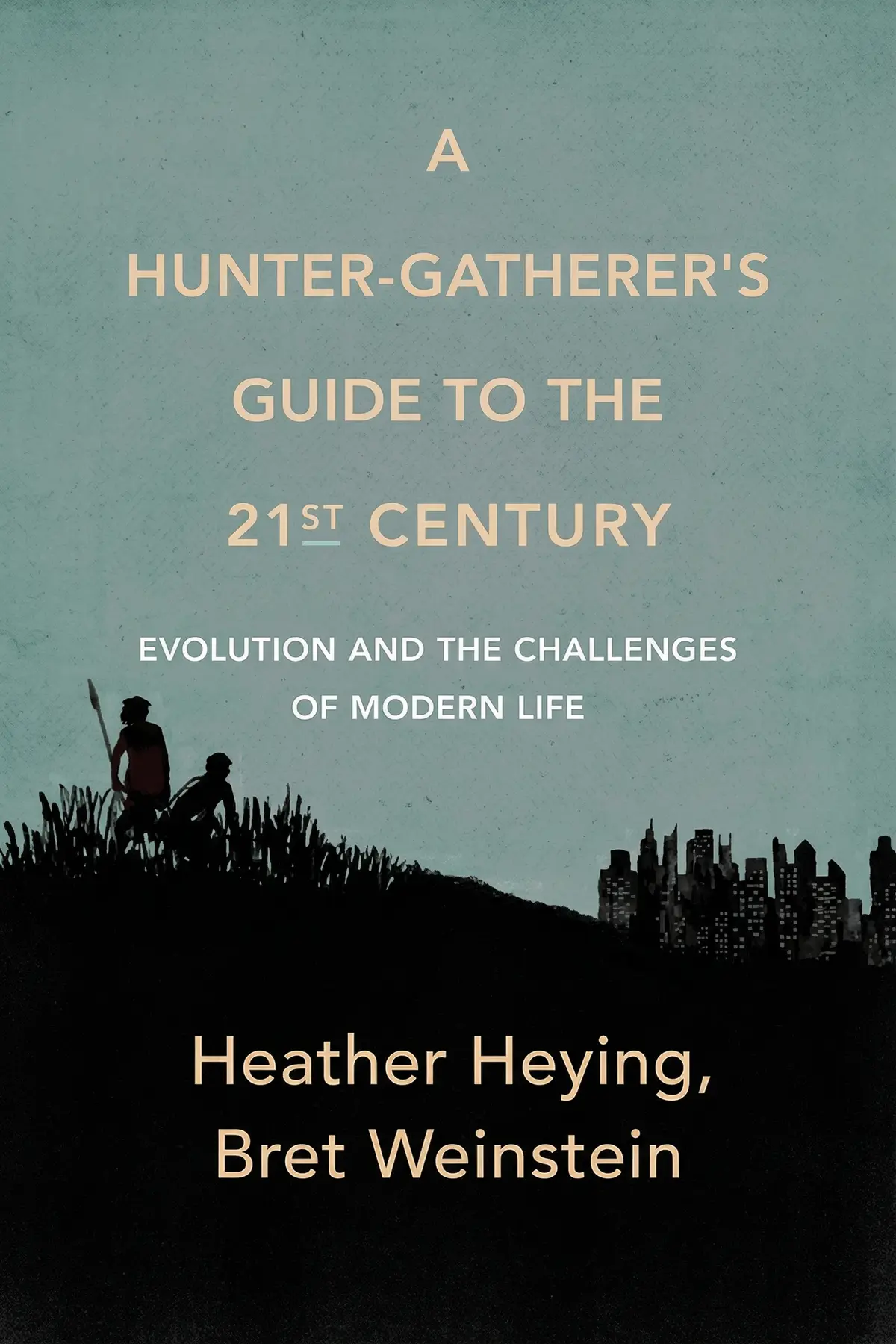
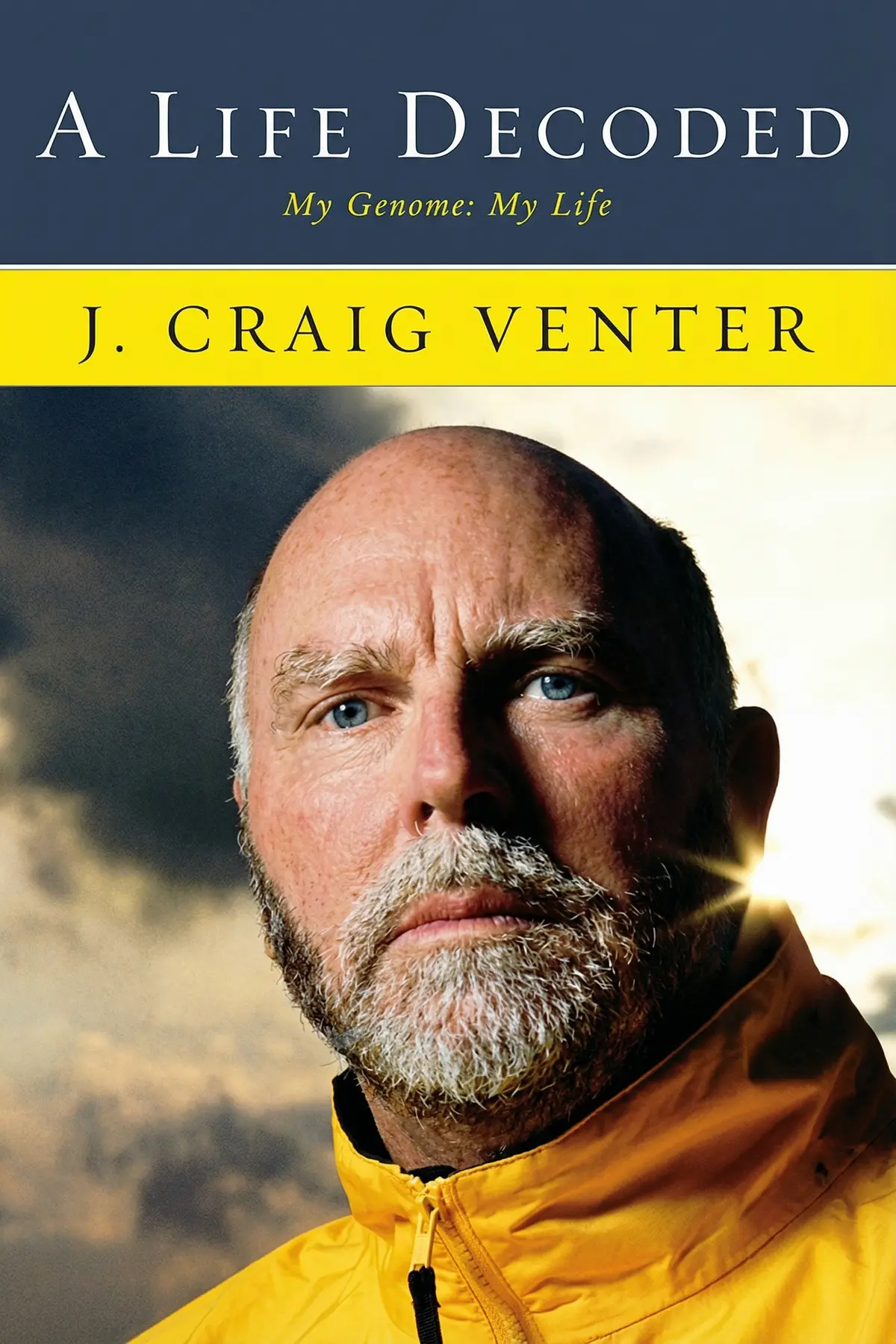
A Life Decoded: My Genome: My Life
J. Craig Venter
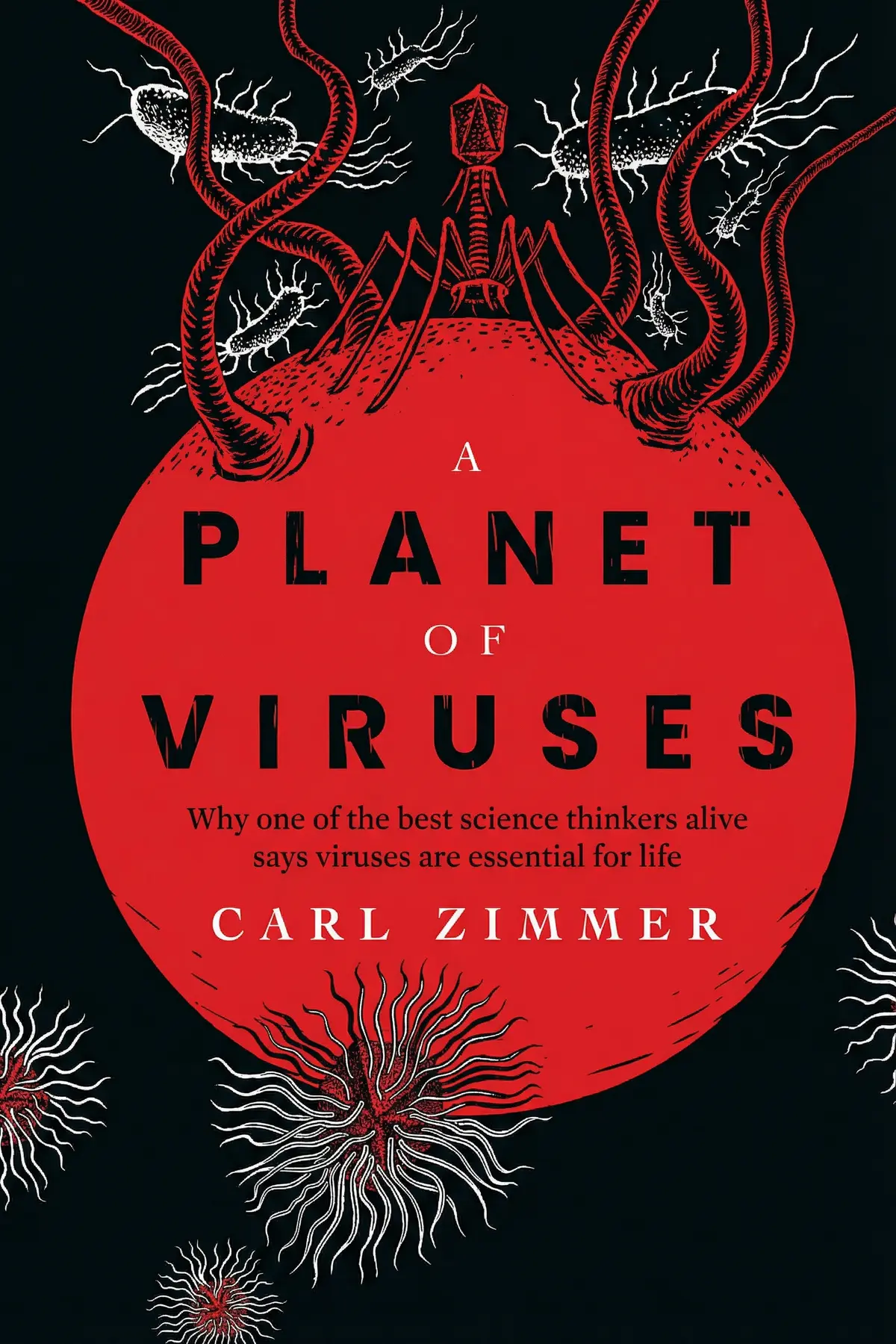
A Planet of Viruses
Carl Zimmer
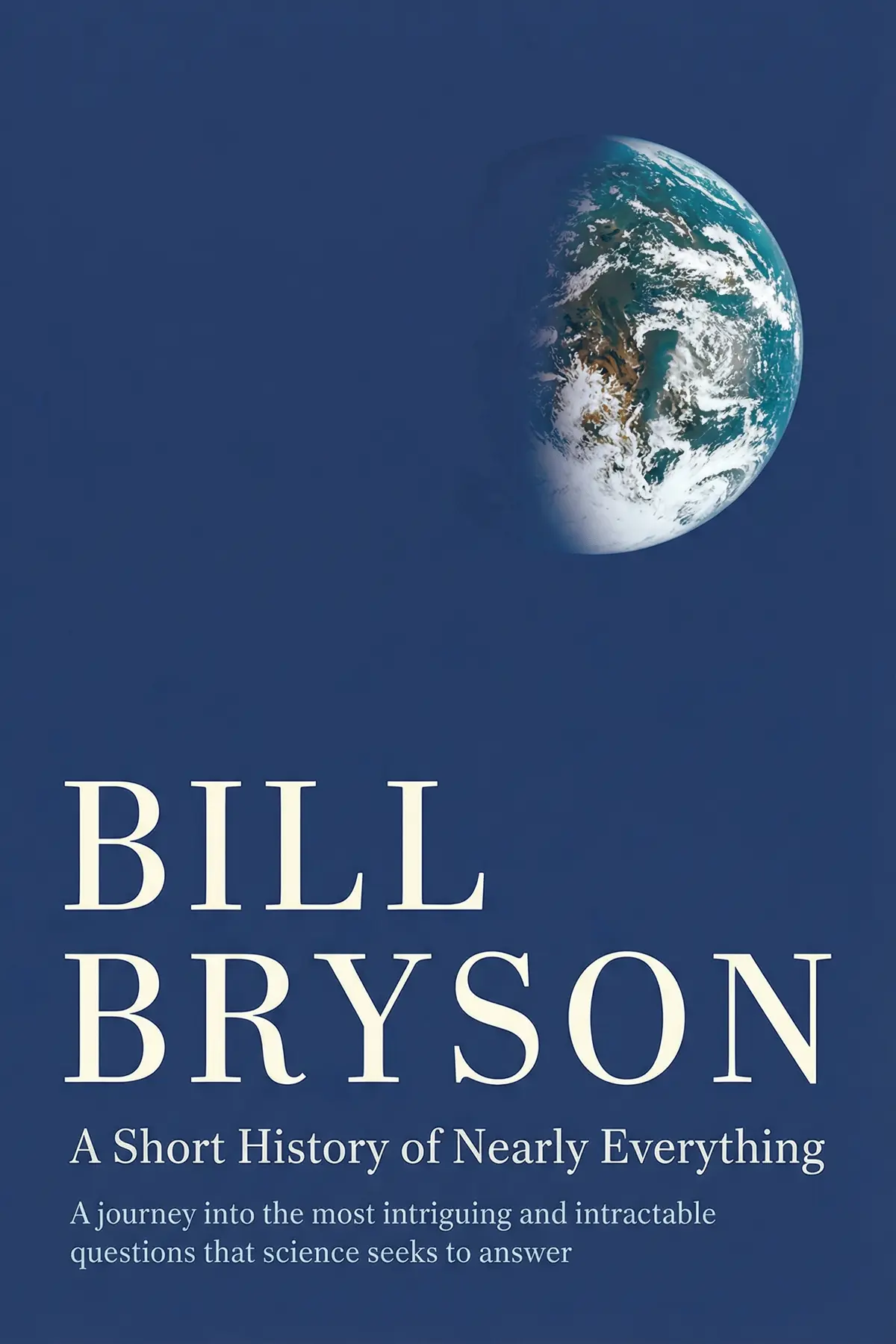
A Short History of Nearly Everything
Bill Bryson
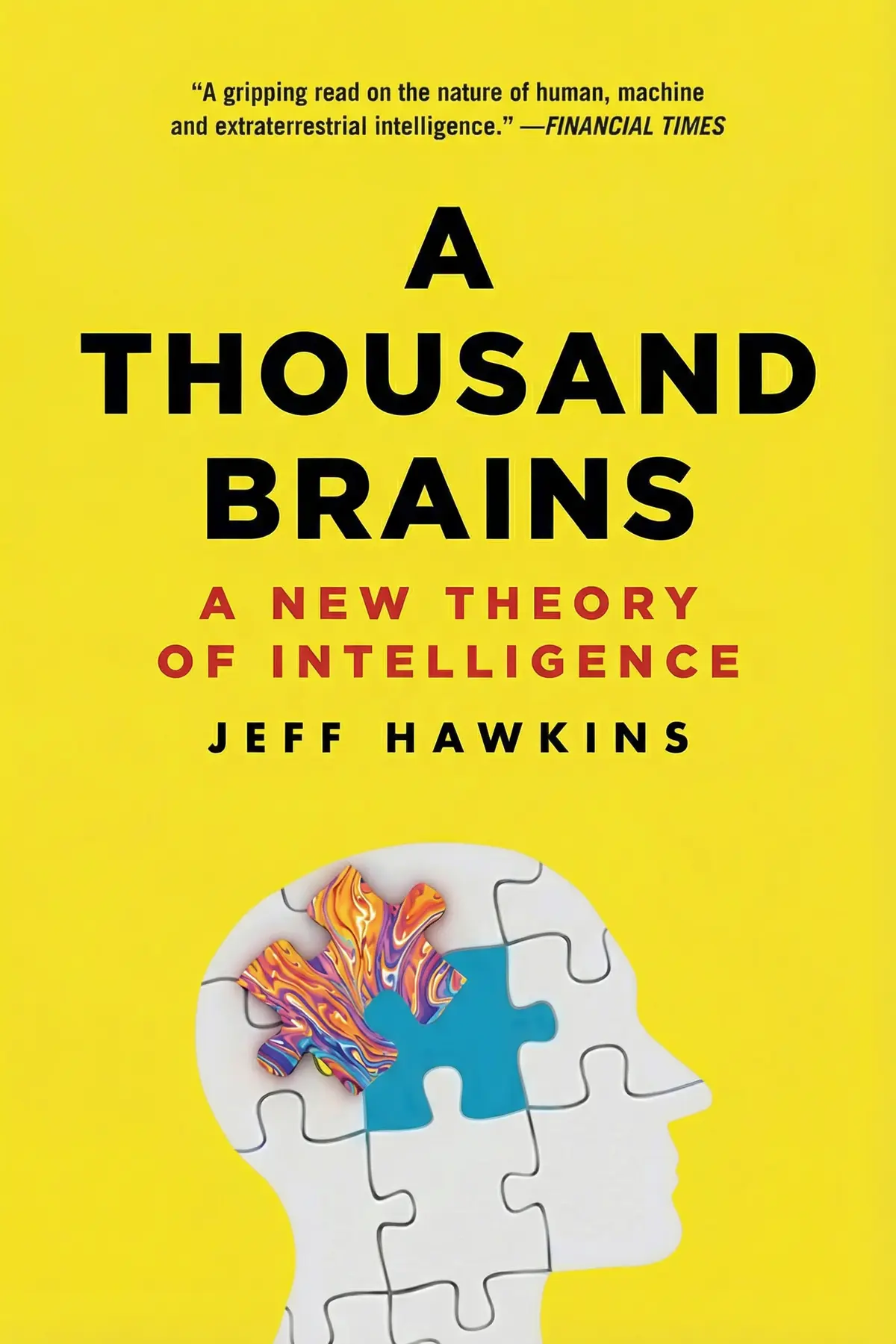
A Thousand Brains: A New Theory of Intelligence
Jeff Hawkins
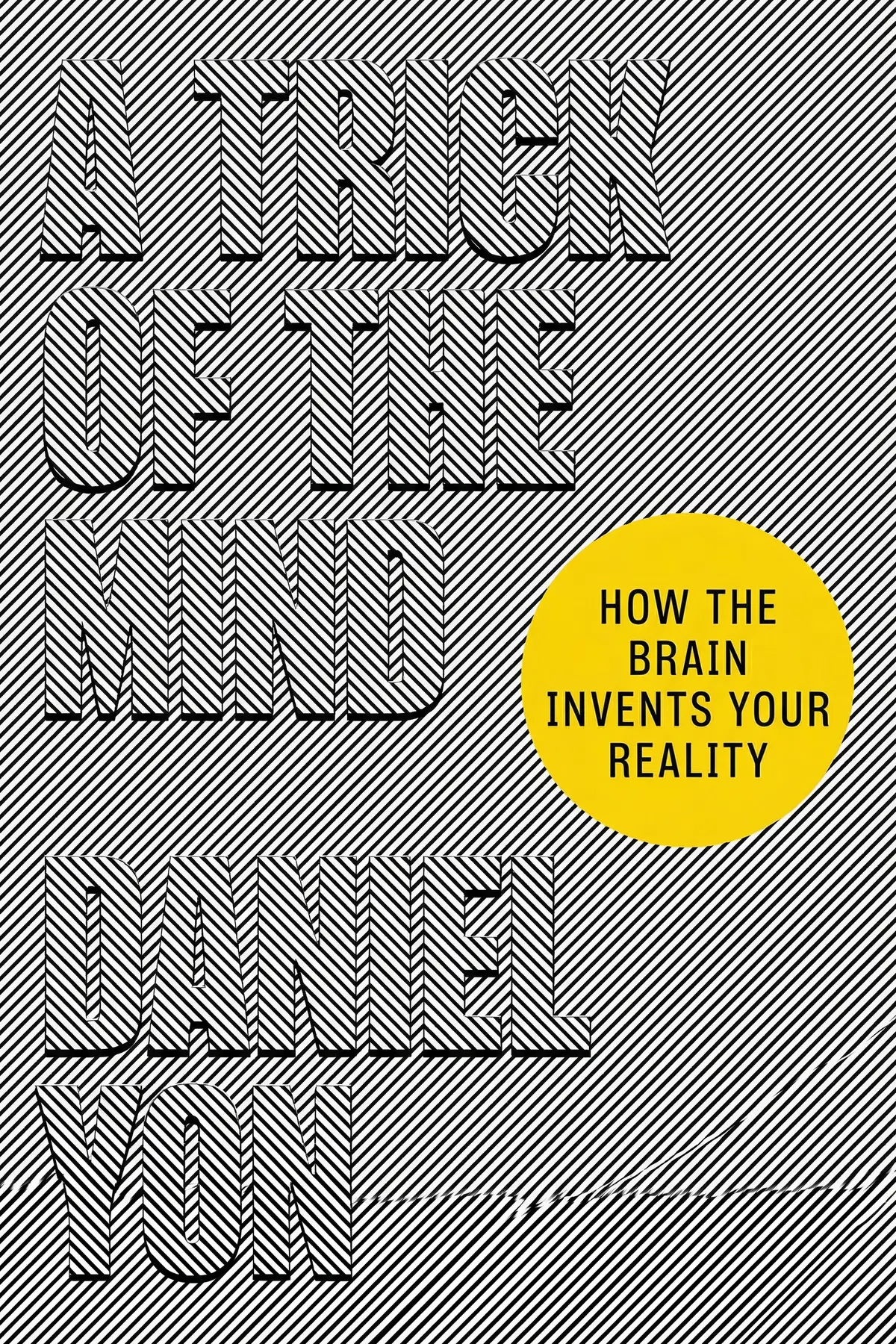
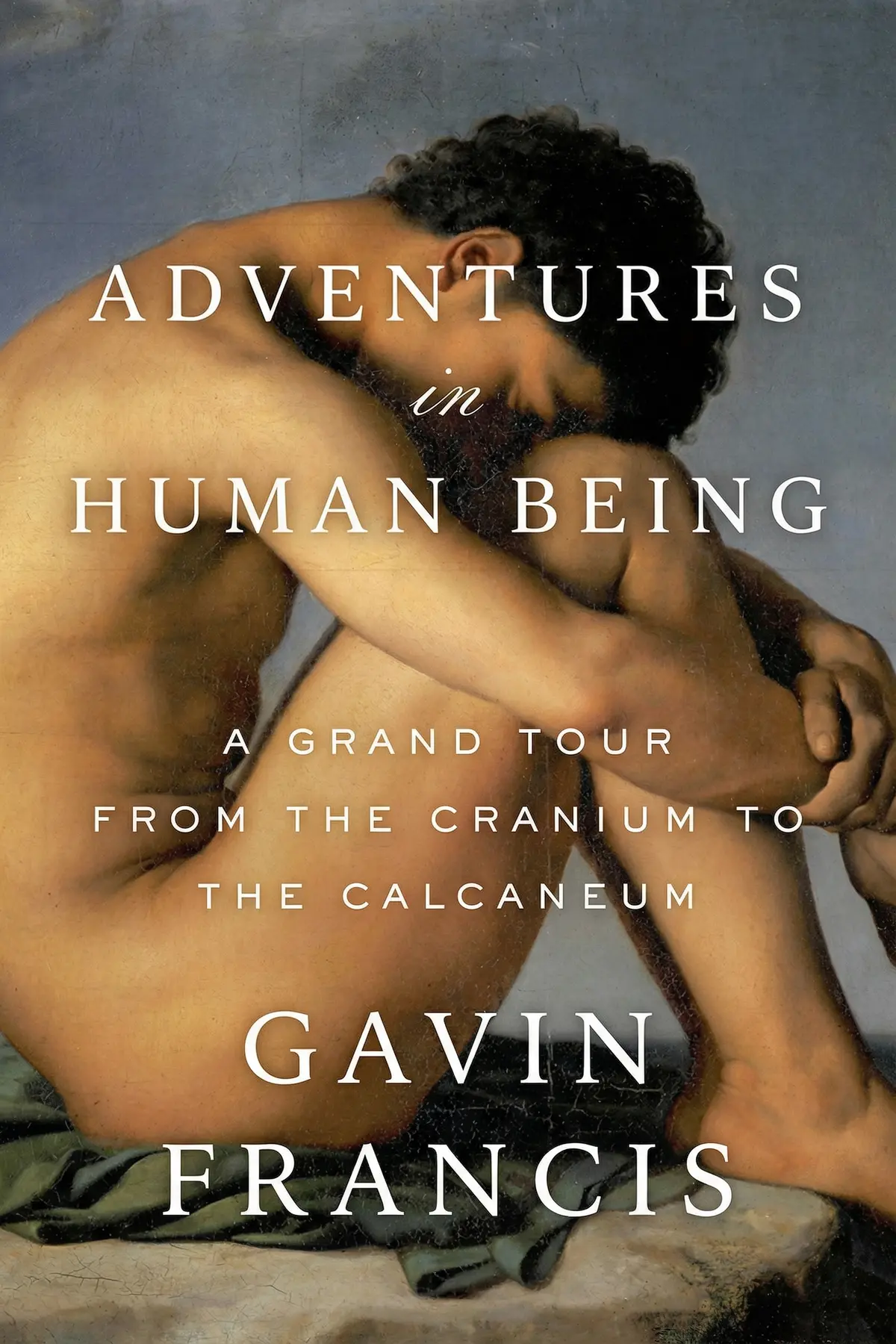
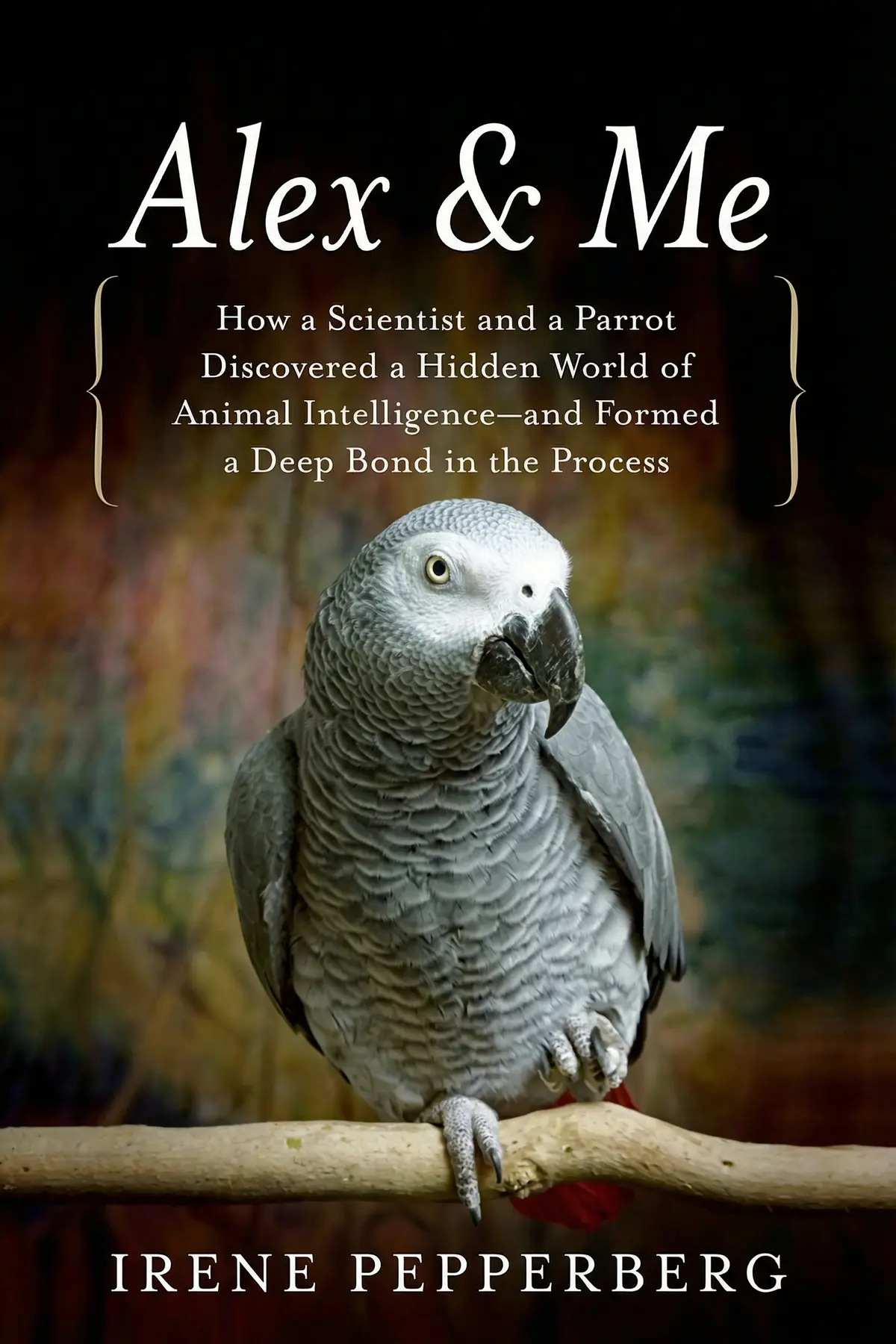
Alien Earths: The New Science of Planet Hunting in the Cosmos
Lisa Kaltenegger
AUDIO SUMMARY AVAILABLE
Listen to The Book of Humans in 15 minutes
Get the key ideas from The Book of Humans by Adam Rutherford, plus 5,000+ more titles in English and Thai.
- 5,000+ titles
- Listen as much as you want
- 7-day free trial
- Cancel anytime







