
24 min 58 sec
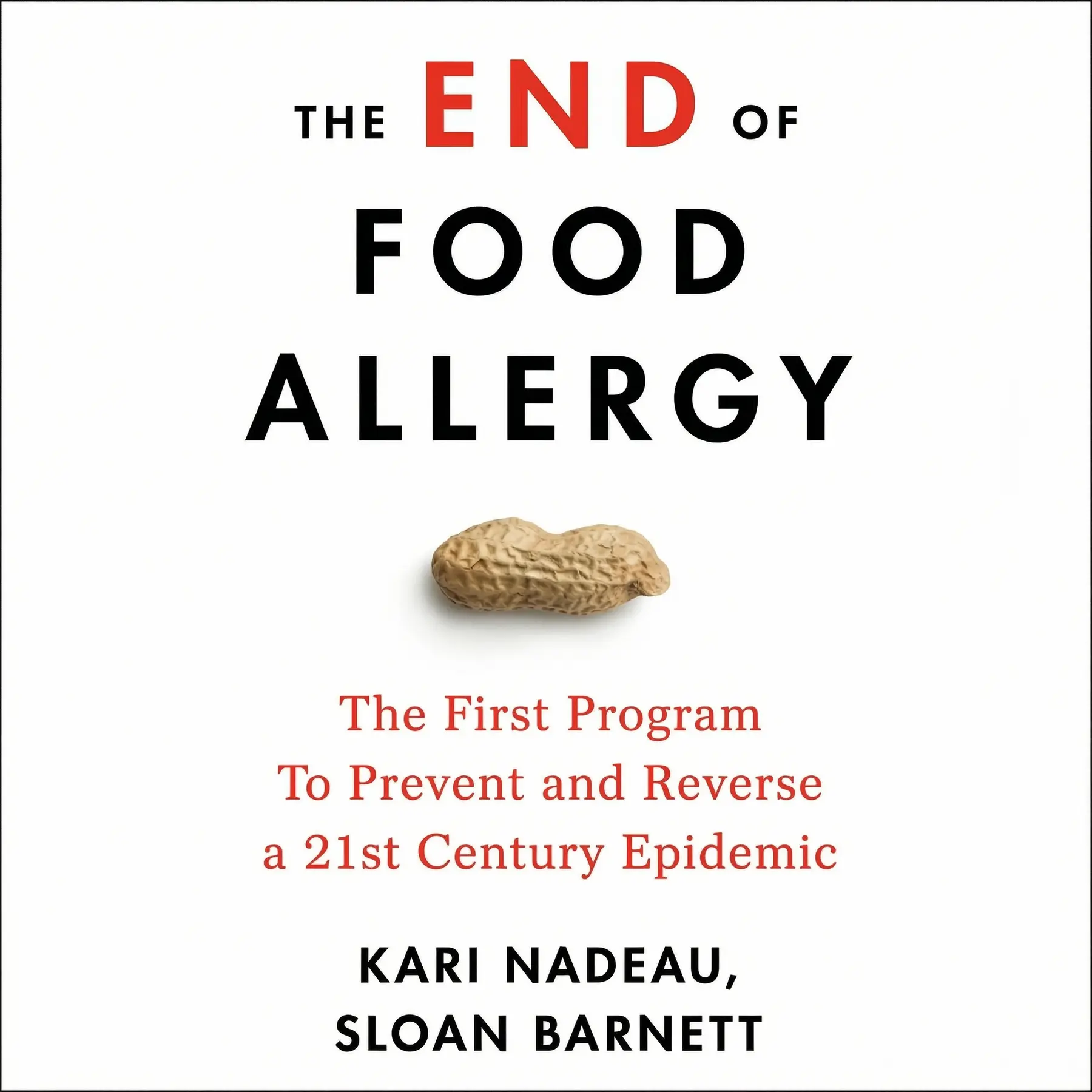
The End of Food Allergy: The First Program to Prevent and Reverse a 21st Century Epidemic
The End of Food Allergy explores a revolutionary medical shift, moving from strict allergen avoidance to early exposure and immunotherapy, offering a science-based roadmap to prevent and even reverse life-threatening food sensitivities.
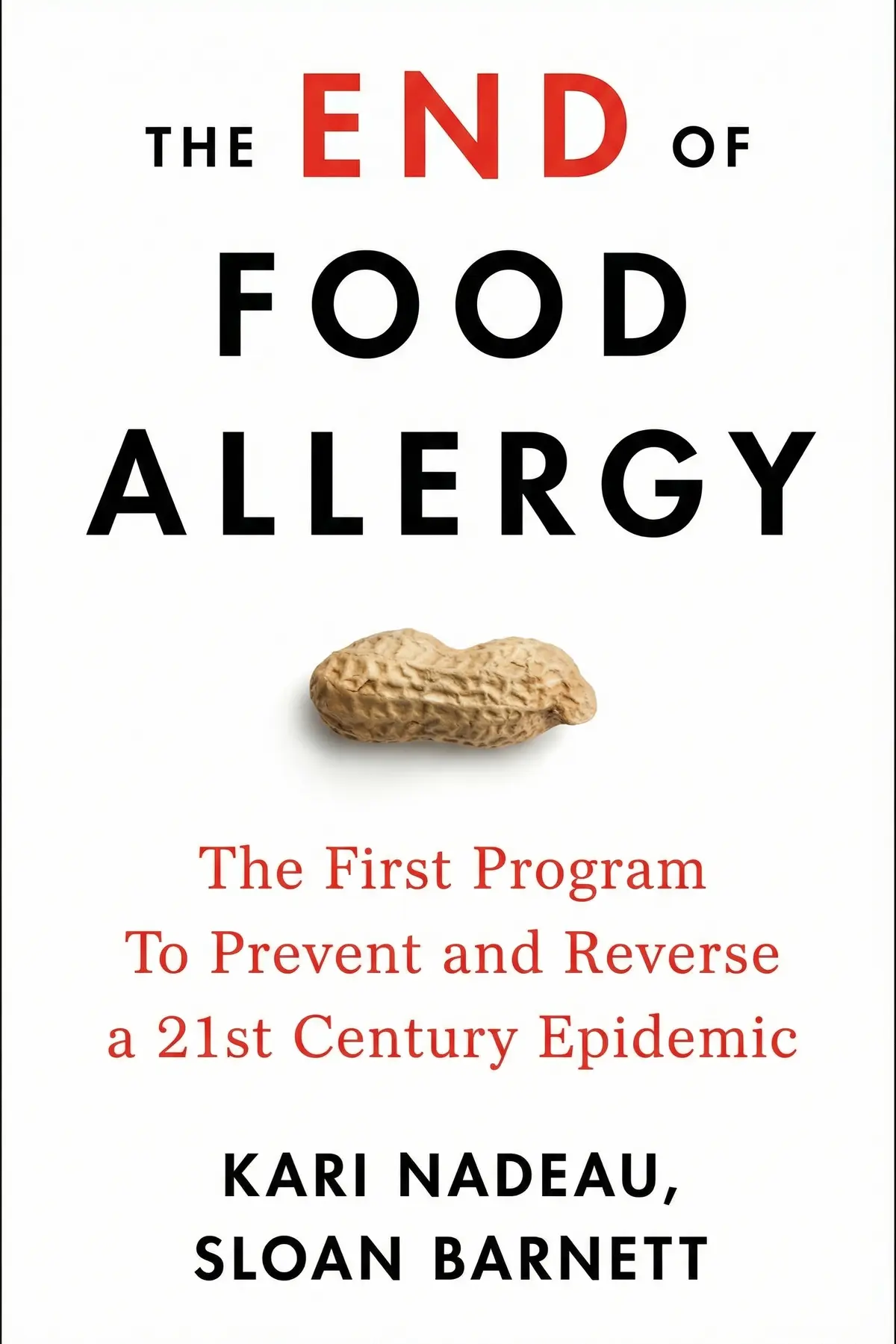
Table of Content
1. Introduction
2 min 05 sec
Imagine living in a world where a single bite of a common snack, a stray crumb at a birthday party, or a residue-covered hand could lead to a life-threatening emergency. For millions of families, this isn’t a hypothetical scenario—it is a daily, exhausting reality. For the past few decades, we have seen an explosion in food allergies, a rising tide that has transformed school lunchrooms and family dinners into potential minefields. The traditional response to this crisis was built on a foundation of total avoidance. We were told to hide the peanuts, banish the eggs, and scrub every surface, hoping that if we just stayed away long enough, our children would be safe.
But here is the startling truth: that very strategy of avoidance may have been the fuel for the fire. We are now standing at the threshold of a massive scientific shift. The End of Food Allergy documents this transition from a defensive crouch to an offensive strategy. It explores how researchers moved away from the old, failing wisdom and toward a new paradigm where the immune system is trained, not sheltered. This isn’t just about managing symptoms; it’s about a fundamental shift in how we understand human biology and the environment.
Throughout this summary, we are going to explore the radical idea that the best way to stop an allergy is to confront it head-on. We’ll look at the pioneering doctors who noticed strange patterns in global health data and the clinical trials that finally gave us the evidence to change our ways. We will also dive into the world of immunotherapy, a treatment that is effectively ‘curing’ people who once lived in constant fear. The throughline of this journey is empowerment through science. By the end of this exploration, you’ll see why the ‘allergy epidemic’ might finally be reaching its conclusion, and how we can protect the next generation from this 21st-century plague. It is a story of medical detective work, parental resilience, and a future where the dinner table is no longer a place of danger, but a place of connection.
2. The Failure of the Avoidance Paradigm
2 min 25 sec
Discover why the long-held medical advice to avoid allergenic foods actually contributed to a global rise in life-threatening sensitivities in children.
3. The Israeli Observation and the Bamba Factor
2 min 21 sec
A chance encounter with a popular Israeli baby snack led researchers to question everything they knew about the timing of allergen introduction.
4. The Dual-Allergen Exposure Theory
2 min 30 sec
Uncover the hidden pathway through which allergies develop and why your skin might be the gateway to food sensitivities.
5. The LEAP Study: A Scientific Revolution
2 min 12 sec
Learn about the landmark study that proved early allergen introduction can reduce the risk of peanut allergies by over 80 percent.
6. Expanding the Scope to Other Allergens
2 min 25 sec
Peanuts were just the beginning. Explore how researchers are applying the lessons of early exposure to milk, eggs, and beyond.
7. Understanding the Immune System’s 'Stop' and 'Go' Signals
2 min 27 sec
Take a journey inside the body to see how regulatory T-cells and antibodies determine whether you’ll have a reaction or remain symptom-free.
8. Oral Immunotherapy: Reversing the Inevitable
2 min 19 sec
For those already living with allergies, Oral Immunotherapy (OIT) offers a way to retrain the body and reclaim a life free from fear.
9. The Future of Allergy Treatment: Biologics and Beyond
2 min 13 sec
Explore the cutting-edge drugs and innovative therapies that are making allergy treatments faster, safer, and more effective than ever.
10. A New Chapter for Families and Society
2 min 07 sec
The end of food allergies isn’t just a medical victory; it’s a social and psychological shift that promises a more inclusive world.
11. Conclusion
1 min 54 sec
As we look back on the journey from the early days of the allergy epidemic to the present, the transformation is nothing short of remarkable. We have moved from a place of deep uncertainty and fear—where our primary strategy was to hide from the very foods we need to survive—to a place of scientific clarity and proactive healing. The core lesson of this entire exploration is that the human immune system is not a static defender, but a dynamic, learning organ. It requires education, and that education begins in the very first months of life. By choosing early exposure over avoidance, we have found a way to prevent the majority of food allergies before they even begin.
For those already dealing with allergies, the message is equally powerful: your biology is not your destiny. Through the incredible work being done in oral immunotherapy and the development of new biologic drugs, we are finding ways to retrain the body and restore safety. The ‘End of Food Allergy’ is not a distant, unreachable goal; it is a process that is happening right now in clinics and kitchens around the world. It is a transition from a world of restrictions to a world of possibilities.
As a final takeaway, remember that this is a partnership between science and the family. If you are a parent or a caregiver, the most important step you can take is to stay informed and work closely with medical professionals. Do not try to navigate this journey alone, especially when it comes to existing allergies. The future belongs to a generation that can eat with confidence, share meals with friends, and live without the shadow of anaphylaxis hanging over them. We have the tools, we have the evidence, and we have the path forward. The era of the food allergy epidemic is ending, and a new era of health and freedom is beginning.
About this book
What is this book about?
For decades, the standard medical advice for parents was simple: if you want to protect your child from food allergies, keep them away from peanuts, eggs, and dairy. But as allergy rates skyrocketed, researchers began to realize that this strategy was not only failing—it was likely making the problem worse. The End of Food Allergy marks a turning point in pediatric medicine, documenting the journey from a culture of fear and avoidance to one of proactive exposure and healing. This book details the groundbreaking work of Dr. Kari Nadeau and other leading scientists who discovered that the immune system needs early education to recognize food as safe. It outlines the specific clinical trials, such as the LEAP study, that proved early introduction can slash allergy rates by over eighty percent. Furthermore, it introduces the life-changing potential of Oral Immunotherapy (OIT), a process that retrains the immune system of those already suffering from severe allergies. The promise is profound: a future where the constant fear of accidental exposure is replaced by freedom and safety at the dinner table.
Book Information
About the Author
Kari Nadeau
Dr. Kari Nadeau is a leading expert in the field of immunology. She serves as the director of the Sean N. Parker Center for Allergy and Asthma Research at Stanford University. Holding an MD and a PhD from Harvard Medical School, she is a professor of Pediatric Food Allergy, Immunology, and Asthma, and a member of several prestigious research institutes at Stanford. Sloan Barnett is an accomplished lawyer and journalist, and a New York Times best-selling author. As a mother whose children successfully underwent Dr. Nadeau’s immunotherapy, she brings a personal and journalistic perspective to the science of allergy reversal.
Ratings & Reviews
Ratings at a glance
What people think
Listeners consider this work a detailed and educational tool for managing the intricacies of food allergies, especially for those raising small children. Though some listeners believe the emphasis on acute allergies neglects frequent food sensitivities, the majority value the actionable lifestyle tips for prevention, including the "6 D's" framework involving dirt, diversity, and vitamin D. Furthermore, they suggest the thorough exploration of oral immunotherapy is eye-opening, with one listener highlighting that the authors convey their message from a candid and direct viewpoint as both scientists and parents. Finally, the guide is commended for its approachable layout, which listeners characterize as a useful overview of clinical breakthroughs and a roadmap for the growing allergy crisis.
Top reviews
Supachai
After hearing Kari Nadeau speak on a podcast, I knew I needed to grab this for my shelf. It is a remarkably comprehensive guide that balances high-level research with the visceral reality of being a parent to an allergic child. I found the "6 D’s" framework—focusing on things like dirt, dogs, and diversity of diet—to be an incredibly practical way to approach prevention in a world that feels increasingly sterile. The authors write with an honest and straightforward perspective that never feels condescending to the reader. While some of the science regarding how climate change affects protein evolution in plants is dense, it provides a necessary context for why we are seeing this epidemic now. Not gonna lie, the sections on oral immunotherapy (OIT) felt like a glimpse into a future where we don't have to live in constant fear of a stray peanut. This is essential reading for anyone navigating the daunting world of modern food allergies.
Show moreSom
Wow, I finally feel like I have a roadmap for navigating my son's multiple food allergies. This book is a medical history, a how-to guide, and a survey of cutting-edge research all rolled into one accessible volume. The concept of mithridatism—slowly building tolerance through micro-doses—is explained so clearly that even a non-scientist like me can grasp it. I’ve read a lot of blogs on this topic, but nothing compares to the depth of information provided by Nadeau and Barnett. They offer a real sense of hope that the "end" of food allergies is actually on the horizon. The practical tips on skin care and avoiding harsh detergents are things I could implement immediately. It’s a life-changing resource for any family dealing with the daily stress of food avoidance. Truly, this is the most informative book on the subject I’ve encountered in years.
Show morePan
The chapter on how proteins interact with the skin barrier changed the way I think about my daughter’s routine. I had no idea that preventing dry skin was such a critical step in stopping the development of food allergies. This book is packed with fascinating research that is presented in a straightforward, honest manner by people who clearly care about their patients. The dual perspective of the authors as both elite researchers and concerned parents makes the advice feel very grounded. I loved the deep dive into the world of immunotherapy and the potential for a real "cure" in our lifetime. Even if you don't choose the medical route, the advice on dietary diversity and environmental exposures is worth the price of the book alone. This is an empowering read that replaces fear with actual scientific understanding. I feel much more confident advocating for my child now.
Show moreThida
Picked this up because my toddler has a severe egg allergy, and I felt like I was drowning in conflicting internet advice. This book acts as a helpful roadmap through the confusion, specifically regarding the newer methods of desensitization like immunotherapy. I appreciate that the authors don't just stay in the lab; they acknowledge the lifestyle changes required to manage these conditions. The explanation of how proteins entering through dry skin can actually trigger allergies was a total lightbulb moment for me. Frankly, the organization is a bit jumpy at times, leaping from history to clinical trials and back again without much warning. However, the core message about diversifying a child's diet early is something every new parent needs to hear before they start solids. It's a solid, evidence-based survey of where we are in the medical world today.
Show moreSomrutai
Ever wonder why every kid in your neighborhood seems to have a nut allergy these days? This book explores that exact question by looking at everything from the hygiene hypothesis to how climate change is altering plant proteins. I found the section on the "6 D's"—dirt, dogs, diversity, vitamin D, dryness, and detergents—to be the most useful part of the entire text. It’s a fascinating look at how our modern, clean environments might actually be working against our immune systems. The authors manage to be both researchers and parents, which gives the writing a very relatable and trustworthy tone. My only minor gripe is that some of the immunotherapy sections felt like they were still in the experimental phase. It’s hard to get too excited about treatments that are mostly available in clinical trials, but the optimism is definitely infectious.
Show moreDao
Finally got around to finishing this guide, and I have to say, the chapter on the evolution of allergies was eye-opening. The way the authors explain the rise of the epidemic through environmental changes like detergent use and lack of Vitamin D is brilliant. It makes so much sense why our immune systems are overreacting in this modern age. I appreciated the honest look at the risks and rewards of OIT, even if it sounds like a daunting process for most families. The 6 D's provide a simple framework that I've already started sharing with my friends who have newborns. While the book can be a bit heavy on medical terminology in the middle sections, it remains readable throughout. It’s a comprehensive resource that manages to be both skeptical and optimistic about the future of allergy treatment.
Show moreBam
Searching for answers in the confusing world of childhood allergies led me to this book, and I’m glad I found it. It’s a very well-structured survey of how we got to this point and what we can do to change the trajectory for the next generation. The focus on early introduction of diverse foods is a major takeaway that contradicts the old advice we used to get from pediatricians. While I found the detailed accounts of severe reactions to be a bit stressful, they do serve to highlight the importance of the research being done at places like Stanford. Gotta say, the section on detergents and their effect on our natural barriers was particularly convicting. It’s a solid resource for any parent, though I wish it spent a little more time on the logistical hurdles of accessing these new treatments. Overall, a very informative and necessary read.
Show moreDing
This book offers a deep dive into the science of severe food reactions, but it definitely has a specific agenda. The authors are heavily involved in oral immunotherapy, and while that's an exciting field, the text feels a bit like a long-form brochure for those specific treatments. To be fair, for families with life-threatening anaphylaxis, OIT is a miracle, but for someone with milder symptoms, the cost and time commitment described here seem excessive. I also felt that the book largely ignored food intolerances and sensitivities, which affect a huge portion of the population. If you aren't dealing with a true IgE-mediated allergy, you might find a lot of this information irrelevant to your daily struggles. It’s well-structured and easy to leaf through, yet it misses the mark for anyone looking for help with general gut health or digestive discomfort.
Show morePor
As someone who has lived with eczema for decades and gone through years of immunotherapy, I picked this up to see if there were any new breakthroughs I had missed. Honestly, there wasn't much new information here for a veteran of the allergy world. It’s a great primer for someone starting from scratch, but it feels repetitive if you're already familiar with the hygiene hypothesis or the importance of a healthy gut microbiome. The focus on children is understandable, but it leaves adult patients feeling like an afterthought in the medical landscape. Look, the structure is good and the writing is clear, but it lacks the depth I was hoping for regarding long-term management for adults. It’s a helpful survey for new parents, but seasoned allergy sufferers might find it a bit basic. I’d recommend it as a gift for a newly diagnosed family instead.
Show moreMax
Is this supposed to empower parents or just scare the living daylights out of them? While I appreciate the medical history and the survey of new advancements, the constant inclusion of heinous reaction stories felt unnecessary and fueled my existing anxiety. I was looking for a guide to help me feel more in control, but instead, I felt like I was reading a horror novel about hidden allergens. The book is also very clearly written for parents of young children, leaving adult allergy sufferers like myself with very little practical advice. Paying for expensive immunotherapy and spending six hours at a doctor’s office isn't realistic for everyone's lifestyle or budget. Truth is, avoiding my triggers is much easier than the grueling process they describe here. It’s a bit too focused on a specific medical path that isn't accessible to the average person.
Show moreReaders also enjoyed

AUDIO SUMMARY AVAILABLE
Listen to The End of Food Allergy in 15 minutes
Get the key ideas from The End of Food Allergy by Kari Nadeau, plus 5,000+ more titles in English and Thai.
- 5,000+ titles
- Listen as much as you want
- 7-day free trial
- Cancel anytime







