Exodus: How Migration is Changing Our World
Paul Collier
Paul Collier explores the fractures in modern society caused by failing economic systems and proposes a pragmatic, moral framework to restore social cohesion and shared prosperity for the working class.
1 min 53 sec
We often talk about capitalism as if it is an unchangeable law of nature, like gravity or the turning of the tides. We see it as a machine that either runs perfectly or breaks down completely. But if we look closer at the world around us today, we can see that the machine isn’t just malfunctioning; it’s creating a deep sense of anxiety and division that is tearing at the very fabric of our communities. For many people, particularly those in the working and middle classes, the promise of capitalism—that hard work leads to a better life—feels like a relic of a distant past.
Since the end of the Second World War, we’ve moved through a dramatic cycle. We started with a period of remarkable solidarity and shared growth, but we have landed in a time of extreme polarization. Wealth is concentrating in a few global hubs, while provincial towns crumble. The highly educated are thriving, while those without specialized degrees feel discarded. This isn’t just an economic problem; it’s a moral one. The systems that used to bind us together have fractured, leaving a vacuum that is increasingly filled by populist anger and ideological extremes.
In this exploration of Paul Collier’s work, we are going to look at a different path forward. Collier, a world-leading economist, argues that we don’t need to tear capitalism down, but we do need to save it from its own worst impulses. He suggests a move toward what he calls social maternalism—a pragmatic approach that focuses on restoring mutual obligations and ethical behavior in our firms, our families, and our global institutions. By the end of this journey, you’ll see how we can bridge the gap between the winners and losers of the modern economy and build a version of capitalism that actually works for everyone.
2 min 20 sec
Explore how the post-war era’s sense of national solidarity dissolved into a divided society where education and professional status have replaced a sense of community.
2 min 00 sec
Learn why rigid ideologies fail to solve modern problems and how a practical, ‘maternal’ approach can restore moral responsibility to our social institutions.
2 min 02 sec
Discover how the shift toward maximizing short-term profits has damaged the social contract and how we can reform businesses to serve the public good.
2 min 07 sec
Examine the link between family stability and economic success, and why supporting parents is a crucial step in healing the class divide.
2 min 17 sec
Discover why current international organizations are failing and how smaller ‘clubs’ of nations can tackle global challenges like climate change more effectively.
1 min 52 sec
Explore why some cities thrive while others decay, and how taxing ‘geographic luck’ could help revitalize struggling provincial towns.
1 min 55 sec
Learn how the current focus on university degrees devalues other types of work and how the German model of training can offer a better path.
1 min 39 sec
The future of capitalism doesn’t have to be a choice between cold, profit-driven markets and stifling state control. As we’ve seen through the lens of Paul Collier’s work, there is a third way—a path rooted in pragmatism, mutual obligation, and the restoration of our social fabric. The anxieties of our time are real, but they are not inevitable. They are the result of systems that have drifted away from their moral foundations.
By moving toward social maternalism, we can start to heal the rifts that have opened up in our societies. This means holding corporations to higher ethical standards and encouraging them to serve the public good. It means supporting families as the primary place where moral values are learned and nurtured. It means rethinking our global relationships and focusing on smaller, effective groups that can tackle the existential threats of our age. And finally, it means ensuring that every person—regardless of where they live or what degree they hold—has access to a life of dignity, purpose, and respect.
Changing the course of capitalism won’t happen overnight. It requires us to abandon the comfort of easy ideologies and do the hard, practical work of building a community again. But if we can find our way back to a sense of shared identity and mutual responsibility, we can create a world where capitalism serves humanity, rather than the other way around. The tools for reform are in our hands; we just need the courage to use them pragmatically.
The Future of Capitalism addresses the deep-seated anxieties of the modern age, focusing on the widening rifts between the highly educated elite and the struggling working class. It examines how the post-war era’s sense of shared identity and social democracy has given way to polarization, geographic inequality, and the breakdown of the family unit. Paul Collier provides a hopeful yet pragmatic roadmap for reform. He moves beyond traditional left-right ideologies to suggest "social maternalism"—a system where the state, corporations, and families work together through mutual obligation. The book promises a vision for a moral capitalism that moves away from pure profit-seeking and toward a society where everyone has a sense of purpose and belonging, regardless of their education or location.
Paul Collier is a world-renowned economist and author of the award-winning The Bottom Billion (2007). Formerly director of development research at the World Bank, Collier is professor of economics and director of the Center for the Study of African Economies at Oxford University.
Listeners consider the book well worth their time, appreciating its moral philosophy and depth, with one review noting how it examines overlooked concepts and uses frequent examples to support the narrative. Furthermore, the specialized subject matter earns praise, with one listener describing it as an immensely ambitious work. However, listeners are divided on how thought-provoking the book is, with one finding it too academic in tone. The writing style also draws mixed reactions, including one listener who found it difficult to follow.
This is a deeply ambitious work that attempts to bridge the gap between cold economic theory and moral philosophy. Collier argues that we’ve lost our sense of reciprocal obligation, replacing it with a hyper-individualism that serves only the elite. I found his breakdown of the "rifts" between booming metropolises and decaying provincial towns particularly haunting and accurate. While some sections get a bit esoteric, the narrative is driven by a genuine concern for the social fabric of our nations. It’s a refreshing change from the usual populist shouting matches we see in modern politics. He doesn't just complain; he offers pragmatic, if sometimes controversial, solutions for a more inclusive future.
Show moreFinally got around to reading this after seeing it on several "best of" lists, and it certainly lived up to the hype for me. Collier manages to take taken-for-granted concepts like "identity" and "patriotism" and re-examine them through a pragmatic lens. He avoids the typical ideological traps, focusing instead on how we can rebuild the social contract between the skilled and the unskilled. I loved the emphasis on reciprocal obligations; it’s a concept that feels lost in our current era of rights-based discourse. The book is ambitious and asks the big questions that most economists are too afraid to touch. If you're tired of the usual political tribalism, give this a serious look.
Show moreLook, this isn't your typical dry economics text. It’s a passionate, occasionally messy, but ultimately vital look at how we can save our society from tearing itself apart. Collier’s focus on "belonging" as a fundamental human need is something we’ve ignored for far too long in our pursuit of GDP growth. He challenges the reader to think about what we owe to each other, not just what we can get for ourselves. While I don't agree with every single policy proposal, the overarching message of pragmatism and mutual regard is incredibly powerful. This is a brave book that refuses to settle for easy answers or partisan slogans.
Show moreThe core of Collier’s argument centers on the idea that capitalism needs to be managed rather than defeated, which is a perspective we desperately need right now. He identifies three major rifts—spatial, class, and global—that are tearing our societies apart at the seams. I appreciated his personal anecdotes about growing up in Sheffield compared to his current life in Oxford; it grounded the high-level theory in something tangible. However, I did find his policy suggestions toward the end to be a bit scattershot. One minute we're talking about land value taxes, and the next, he's diving into the minutiae of foster care systems. It’s a thought-provoking read, even if the second half feels slightly disconnected from the first.
Show moreAs someone who lives in a struggling post-industrial town, Collier's description of the "spatial rift" hit close to home. He perfectly captures the resentment felt by those outside the "metropolitan bubble" who see the elite thriving while their own communities decay. His ideas on taxing the unearned income of big-city workers are radical, but they make a weird kind of sense when you consider how land values skyrocket. I do think he oversimplifies some of the social issues, and his "social maternalism" concept might rub some people the wrong way. Still, it’s an immensely ambitious work that provides plenty of examples to drive the narrative forward. It’s well worth reading for the perspective alone.
Show moreIs capitalism truly broken, or just unmanaged? Collier argues the latter, and his case is mostly compelling. He moves away from the "greed is good" mantra and suggests that companies have a moral obligation to the communities that sustain them. I found his critique of modern individualism to be the strongest part of the book, even if it feels a bit academic at times. Some of the chapters are a bit dense, but the moral philosophy behind his arguments is consistently fascinating. It’s not a perfect book—some of the sections on family life felt a bit out of place—but it’s a necessary contribution to the debate.
Show moreI wanted to love this, but the "two-book" problem mentioned by other reviewers is definitely real. The first half is a brilliant meditation on how we’ve eroded community trust, but the second half devolves into a laundry list of personal gripes. To be fair, Collier’s critique of the "economic man" is spot on and provides a necessary moral compass for future policy. Yet, his dismissal of certain modern concerns, like the climate crisis, makes the book feel strangely dated for something with "Future" in the title. It’s an interesting intellectual exercise, but I’m not sure how much of this is actually applicable in 2024. A decent read, but ultimately a bit frustrating.
Show morePicked this up expecting a standard economic treatise, but what I got was more of an ethical manifesto. The truth is, Collier is much better at diagnosing the sickness than he is at prescribing the cure. His analysis of how the "educated elite" have abandoned their less fortunate fellow citizens is piercing and deeply uncomfortable to read. However, when he gets into the weeds of policy—like his weird obsession with the French pension model—he loses me. The book oscillates between brilliant insight and confusing tangents that seem to have nothing to do with capitalism. It’s a mixed bag that requires a lot of patience to get through.
Show moreWhy does every Bill Gates recommendation feel like a massive homework assignment? This book was incredibly dense and, frankly, felt more like a collection of social science essays than a coherent plan for the future. I was expecting a sharp analysis of market mechanics, but instead, I got a lot of rambling about ethics and "social maternalism." Collier seems to spend more time attacking strawmen on the left and right than actually engaging with modern economic realities. The writing style is clunky and often difficult to follow, making it a real chore to finish. Unless you are a grad student in sociology, you might want to skip this one.
Show moreNot what I expected at all, and honestly, quite a disappointment given the author's reputation. Collier’s vision for the future seems to be a desperate attempt to return to the social norms of the 1950s, which is a bit ridiculous. He completely ignores the existential threat of climate change, which should be at the forefront of any discussion about the future of capitalism. For a book that claims to be forward-thinking, it feels remarkably stuck in the past with its focus on "traditional" family structures. The tone is condescending and elitist, as if he’s lecturing the masses from his ivory tower in Oxford. Save your money and read something that actually addresses the 21st century.
Show more
Ha-Joon Chang

Niall Kishtainy
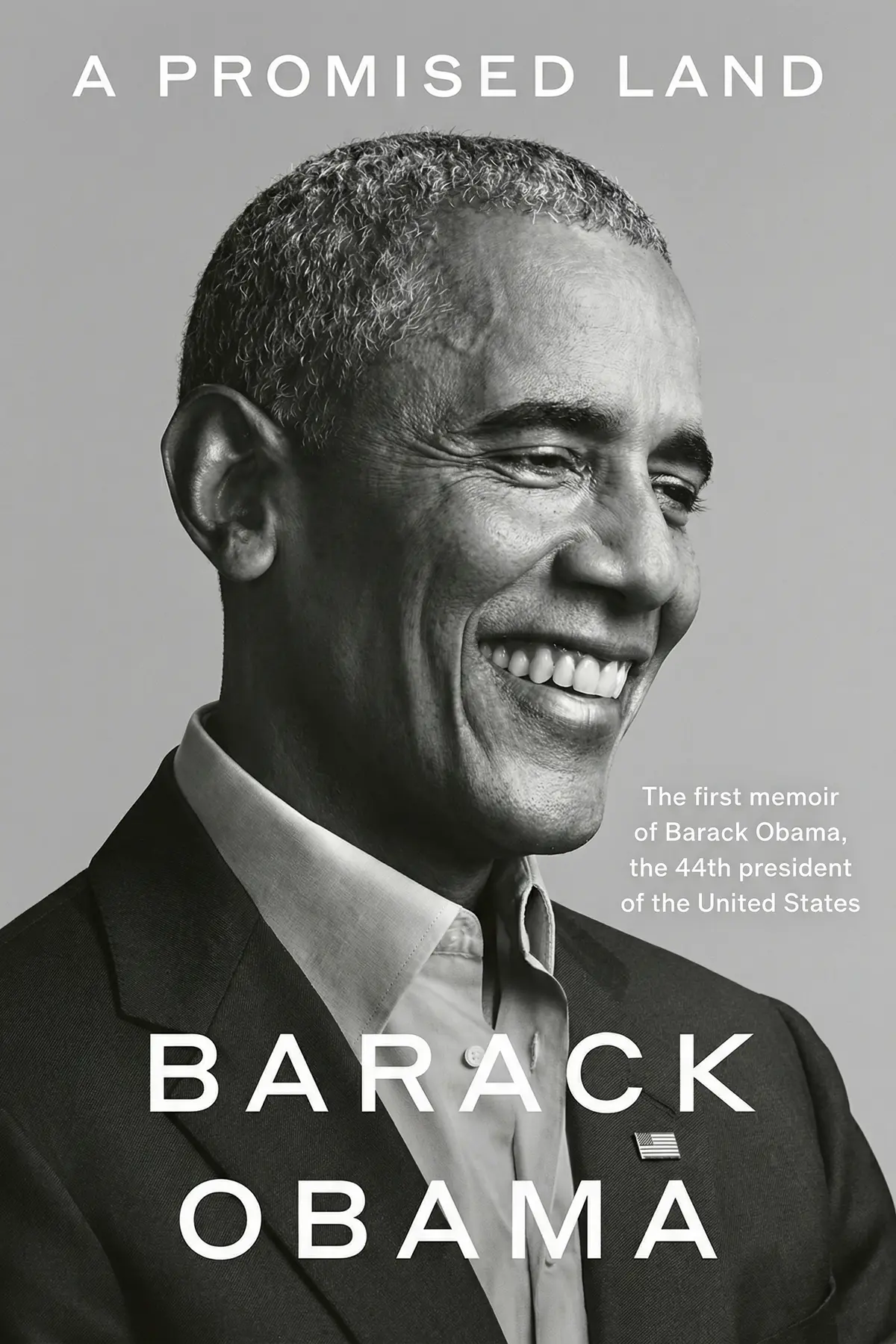
Barack Obama

Masaji Ishikawa
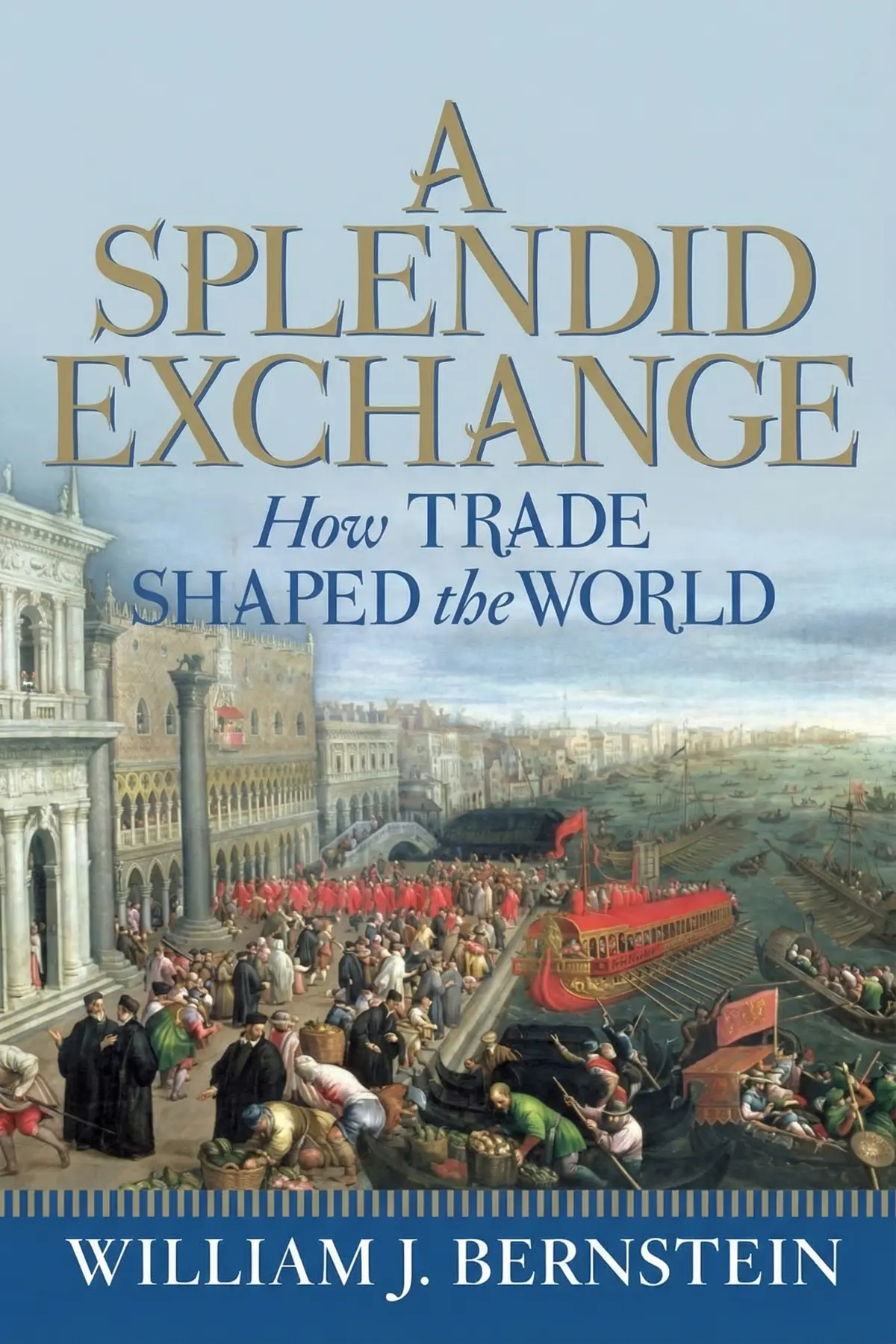
William J. Bernstein
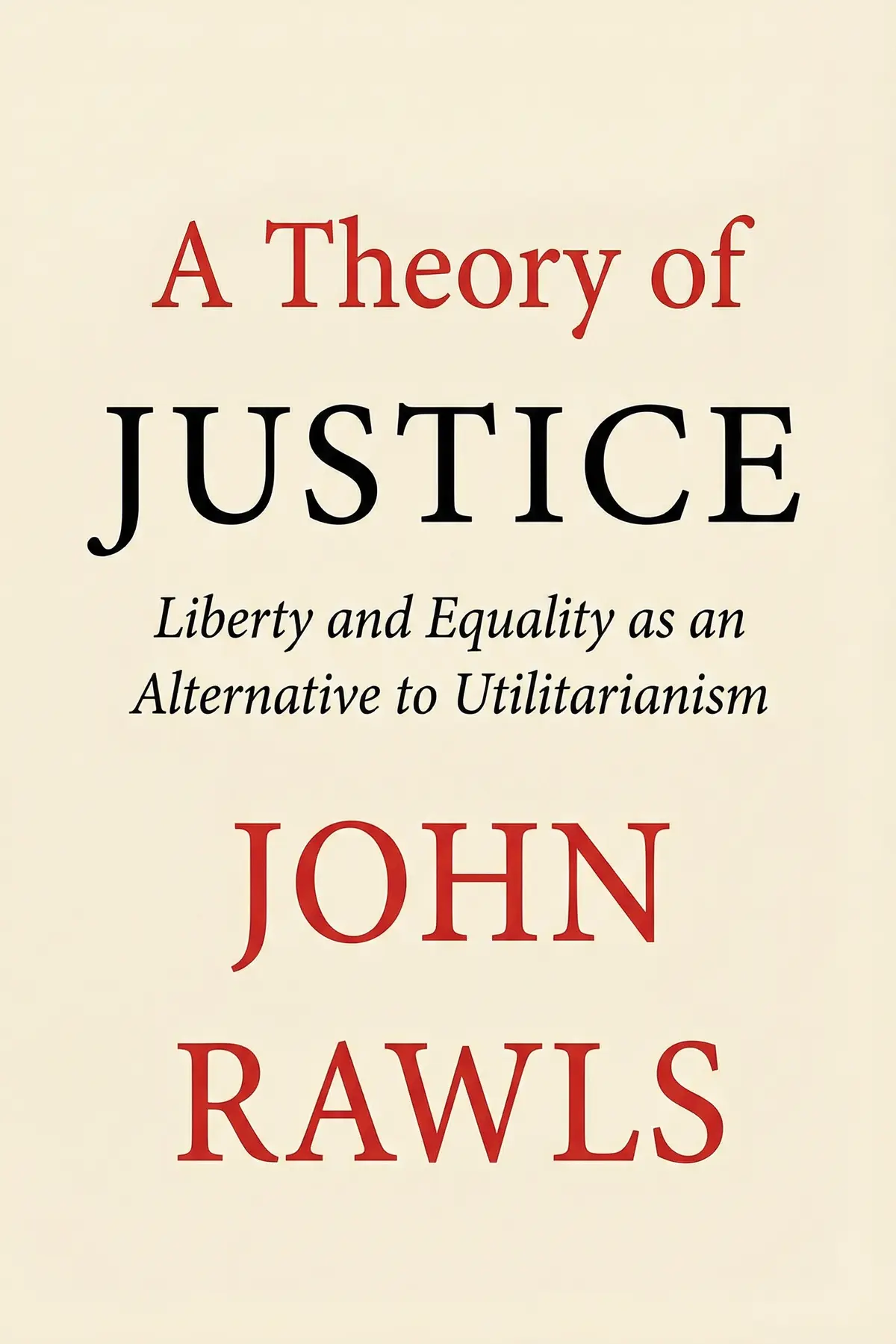
John Rawls
AUDIO SUMMARY AVAILABLE
Get the key ideas from The Future of Capitalism by Paul Collier, plus 5,000+ more titles in English and Thai.