
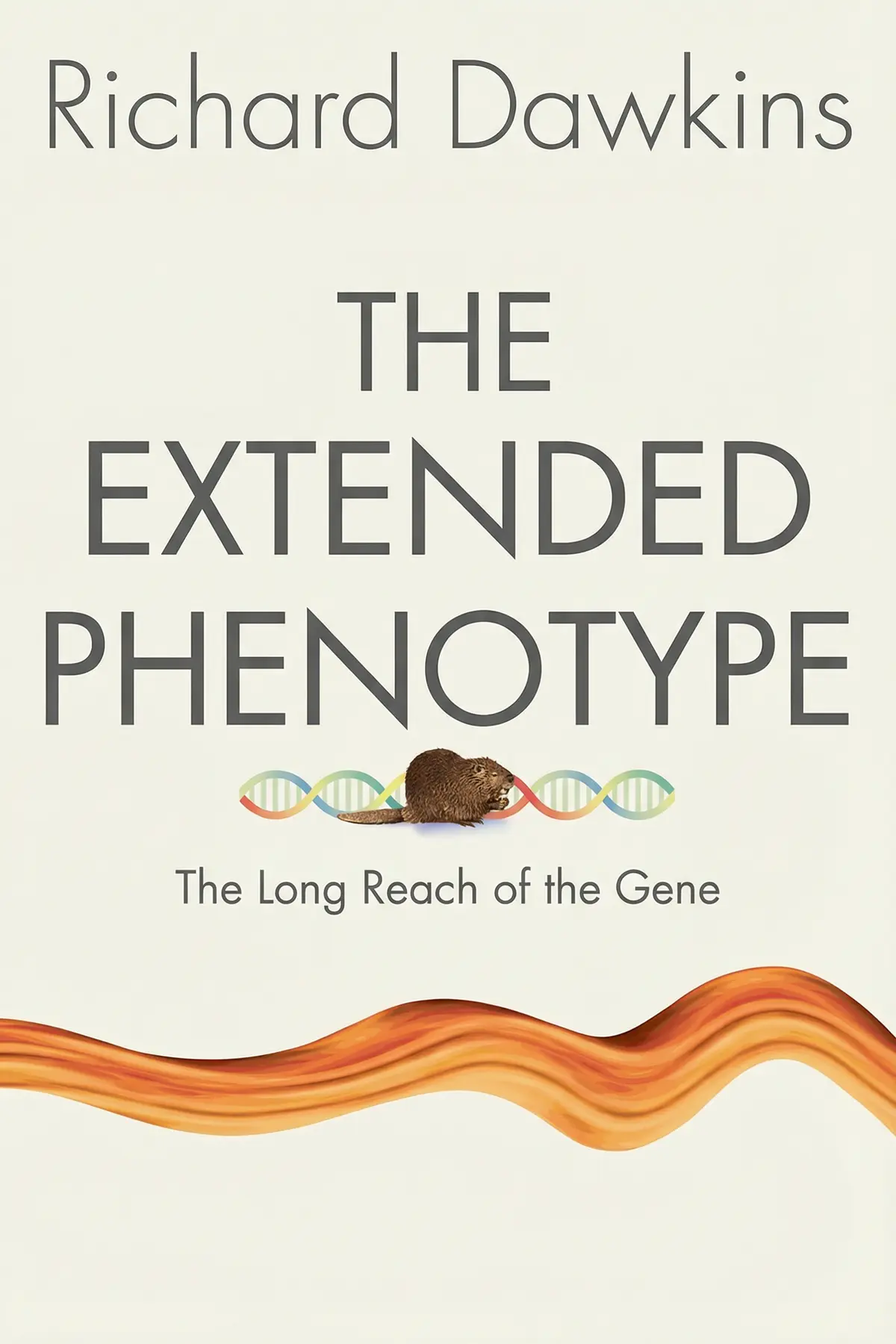
The Extended Phenotype: The Long Reach of the Gene
Richard Dawkins
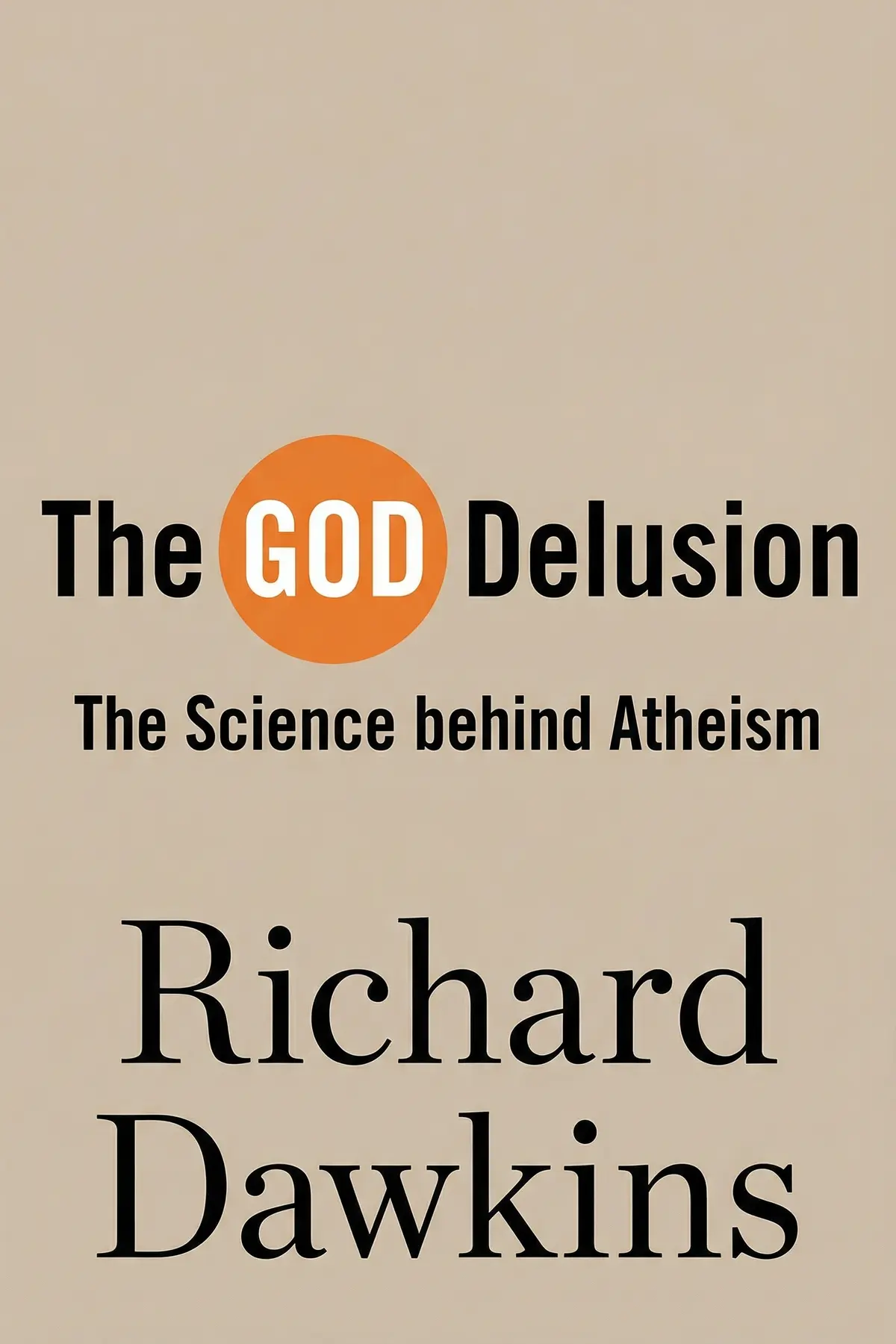
A deep dive into the arguments against theism, examining how evolutionary biology, historical scrutiny, and secular ethics provide a more compelling framework for understanding existence than traditional religious doctrines.
1 min 38 sec
For thousands of years, the human experience has been defined by a search for the divine. Whether through the lens of one faith or another, the question of a higher power’s existence has shaped empires, influenced laws, and dictated the private lives of billions. It is often assumed that religion is the essential foundation for morality, the primary source of our origins, and the only path to finding true meaning in a vast, cold universe. But what if that assumption is fundamentally flawed? What if the very tools we use to understand the world—logic, evidence, and the scientific method—point in a completely different direction?
This journey is an invitation to look at religion from a critical, secular perspective. It isn’t just about rejecting old stories; it’s about asking if the arguments traditionally used to support a belief in God can actually withstand modern scrutiny. We will explore the gaps in ancient scriptures, the ways our biological history influenced our spiritual tendencies, and why our sense of right and wrong might be a product of our times rather than a set of eternal commands.
By the end of this exploration, we aim to uncover a throughline that replaces supernatural mystery with natural wonder. The goal is to see if we can build a worldview that is grounded in what we can prove, while still embracing the awe and purpose that people often seek in faith. We’ll look at why the most famous logical proofs fail, how evolution explains our complexity far better than a designer could, and why the future of human morality might actually depend on moving beyond the dictates of the past. It is a shift from the comforting certainty of tradition to the exhilarating uncertainty of discovery.
2 min 06 sec
Philosophical attempts to prove a divine creator often rely on logical loops and linguistic tricks that fail to address the ultimate question of origins.
2 min 04 sec
Ancient religious texts are frequently treated as divine truth, yet they are riddled with historical inconsistencies and human errors.
1 min 49 sec
The staggering complexity of life is often cited as evidence of a designer, but natural selection offers a more probable and evidence-based explanation.
1 min 50 sec
Belief in the supernatural may be an unintended byproduct of psychological traits that once helped our ancestors survive.
1 min 43 sec
Altruism and kindness do not require a divine mandate; they are deeply rooted in our genetic drive to cooperate and survive.
1 min 47 sec
The values found in ancient religious texts often clash violently with modern ethical standards, suggesting they are poor guides for contemporary life.
1 min 51 sec
Humanity’s sense of right and wrong is constantly evolving through social progress, proving that morality is a product of culture rather than revelation.
1 min 41 sec
Taking ancient religious texts literally can lead to extreme prejudice and violence, hindering social harmony and individual rights.
1 min 45 sec
Labeling children with a religion before they can reason for themselves is a form of mental and physical control that can have lasting negative effects.
1 min 51 sec
Religious beliefs are often granted an unfair level of protection and legal exemption, placing them above other forms of conscience or opinion.
1 min 45 sec
Moving away from religion does not mean losing a sense of awe; science provides a more honest and profound way to appreciate the universe.
1 min 47 sec
In this exploration, we have traversed the landscape of theism and found that the arguments supporting it often crumble under the weight of logic and evidence. We’ve seen how the classical ‘proofs’ for a creator are logically flawed and how ancient scriptures, once thought to be divine, are in fact the messy products of human history and cultural evolution. We’ve also discovered that we do not need a supernatural designer to explain the complexity of life; Darwin’s theory of natural selection provides a far more elegant and supported explanation.
Perhaps most importantly, we’ve learned that our morality is not a static gift from the past but a dynamic, evolving consensus that moves forward with the progress of human society. The values of the ancient world no longer reflect the best of what we can be. By letting go of the need for divine authority, we actually gain the freedom to define our own values based on empathy, reason, and mutual respect.
The throughline of this journey is that a secular worldview is not a loss of meaning, but a gain in clarity. It allows us to appreciate the world as it truly is, without the distortions of dogma. The actionable path forward is one of intellectual honesty. We can start by refusing to label the next generation with religious identities they haven’t chosen, allowing them the freedom to explore the world with an open mind. We can continue by seeking our inspiration in the vast, real wonders of the natural world and the progress of human discovery. In the end, we don’t need the ‘god delusion’ to lead a life full of purpose, kindness, and awe. We simply need to look at the world with clear eyes and a commitment to the truth.
This exploration tackles one of humanity's oldest questions: does a divine creator truly govern the universe? By moving beyond the simple binary of belief and disbelief, the text examines the philosophical and scientific foundations often used to support theism. It scrutinizes classical arguments for God’s existence, such as the cosmological and ontological proofs, and finds them wanting in the face of modern logic. Furthermore, the narrative investigates the origins of religion itself, proposing that it is not a divine gift but an evolutionary byproduct—a 'misfire' of otherwise useful survival traits. From the historical unreliability of ancient scriptures to the shifting nature of human morality, the promise of this work is to provide a comprehensive toolkit for a secular worldview. It argues that we do not need ancient texts to be good people and that the wonders of the natural world, as revealed through science, offer a far more profound sense of awe than any supernatural explanation ever could.
Richard Dawkins is a prominent English ethologist, evolutionary biologist, and author, born in Kenya in 1941. He is highly regarded in both the scientific and literary communities, serving as a fellow of the Royal Society and the Royal Society of Literature. Throughout his career, he has been the recipient of prestigious honors, including the Royal Society of Literature Award and the Michael Faraday Award of the Royal Society.
Richard Dawkins
Richard Dawkins
Richard Dawkins
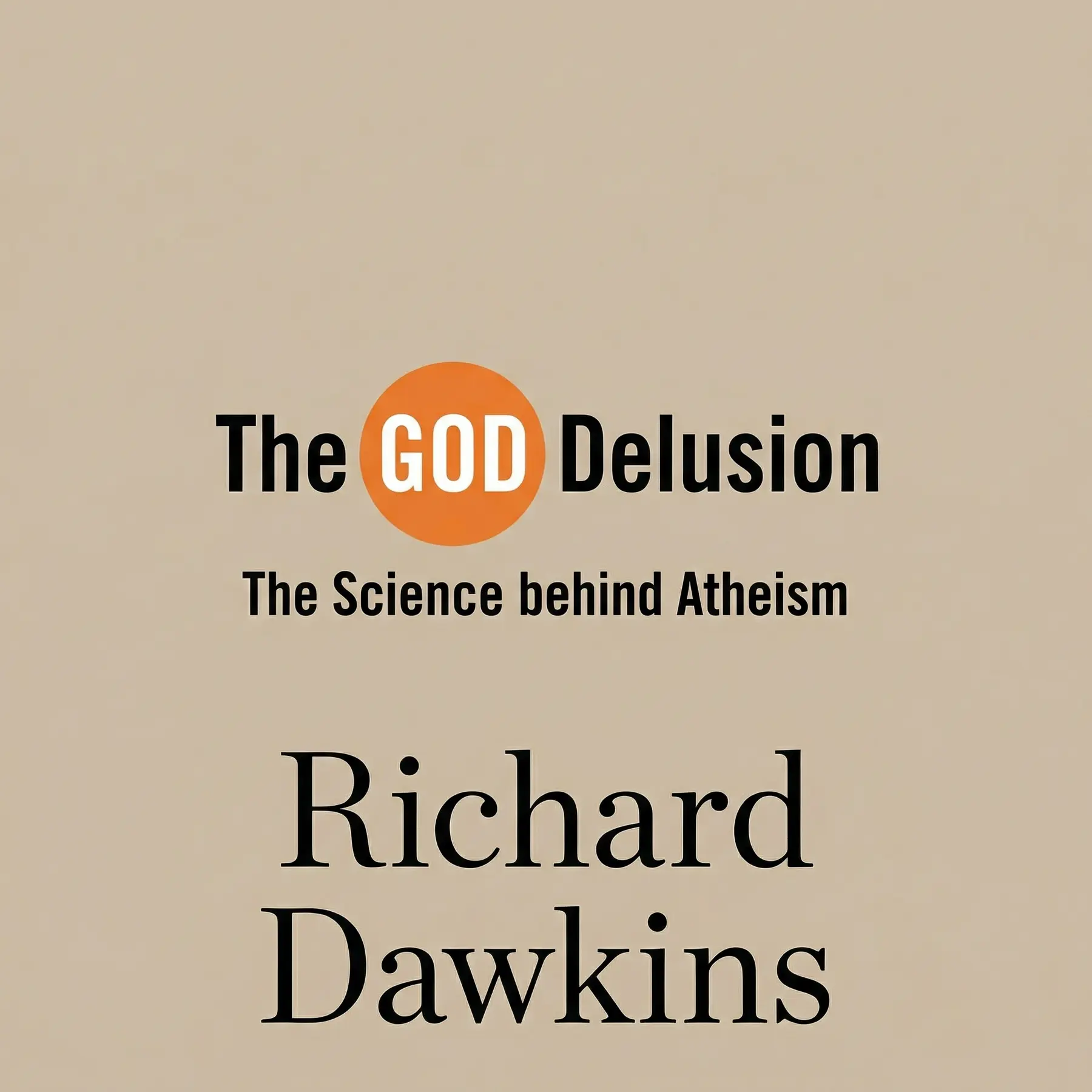
Listeners find this work remarkably accessible and well-crafted, particularly valuing its scientific methodology and the clear way it presents evidence. They characterize it as intellectually stimulating, with one listener noting that it offers a fresh perspective on life. The book is lauded for its exhaustive analysis and the impartial arguments found throughout. While listeners appreciate how it reframes religious notions in logical terms, some report conflicting opinions regarding its stance on religion.
Dawkins has a way of cutting through the noise with clinical precision. While many find his tone abrasive, I appreciated how he breaks down the logic of infinite regress to challenge the idea of a prime mover. To be fair, if you are looking for a gentle hug for your spiritual beliefs, you won't find it here. Instead, you get a rigorous deconstruction of why the probability of a creator is astronomically low. The writing is incredibly lucid, making complex evolutionary biology accessible to someone like me who hasn't stepped into a lab in years. It’s thought-provoking because it doesn't just attack religion; it offers a compelling alternative view of the universe based on evidence rather than ancient scripts. Some parts felt a bit repetitive, but the sheer force of his intellect carries the narrative. It’s a refreshing, if blunt, look at how we define existence without a divine overseer.
Show moreWow, what an eye-opener. I’ve always been on the fence, leaning towards agnosticism, but Dawkins provided the logical framework I was missing. The way he puts religious concepts into rational, scientific terms is just masterly. I particularly loved the section on the 'God of the Gaps'—the idea that just because we don't understand something yet doesn't mean a miracle happened. It’s a very empowering read that encourages you to find meaning in the real world rather than waiting for a hypothetical afterlife. Look, the guy is passionate, and that comes through on every page. He doesn't pull his punches, but why should he? We’re talking about the fundamental nature of reality here. It gave me a totally new outlook on life and a deeper appreciation for the beauty of natural selection. If you appreciate a clear, fact-based presentation that doesn't hide behind 'mystery,' this is the book for you.
Show morePicked this up during a period of deep questioning and I couldn't put it down. Dawkins has a gift for taking these massive, intimidating concepts and breaking them down into digestible, rational pieces. The way he explains the improbability of a designer by using the 'Ultimate Boeing 747' analogy was a major lightbulb moment for me. It’s not just a book about why god doesn't exist; it’s a celebration of the wonders of the natural world. I felt a sense of relief reading it, like someone was finally saying the things I had been thinking but was too afraid to voice. Not gonna lie, it’s a polarizing book, but that’s because it’s effective. It moves away from 'faith' and demands evidence, which is exactly how we should approach the world. For anyone looking for a rigorous, fact-based alternative to organized religion, this is the gold standard.
Show moreThe chapter on the 'Childhood of a Mind' really changed my perspective on how we label children. Dawkins makes a great point that we don't talk about 'Keynesian children' or 'Marxist children,' so why do we accept the label of 'Christian child' or 'Muslim child'? It’s these kinds of sharp, rational observations that make the book so impactful. Frankly, the world needs more of this kind of unapologetic secularism. His scientific approach to the 'mystery' of life is far more awe-inspiring than any creation myth I’ve ever heard. The book is well-written, punchy, and filled with the kind of clear-eyed logic that is often missing from these debates. It’s not about hating people; it’s about loving the truth. It provides a new outlook on life that is grounded in reality and human potential. An absolute must-read for anyone who values reason over superstition.
Show moreFinally got around to this classic of the 'New Atheism' movement. What struck me most was how Dawkins tackles the idea that morality requires a god. He uses those fascinating thought experiments to show that our sense of right and wrong is likely hardwired by evolution, not handed down on stone tablets. Not gonna lie, some of his examples of biblical violence are quite shocking when laid out so plainly. The book is highly readable and moves at a brisk pace, which I didn't expect from a biology professor. While he can be a bit of a 'stuck-up prick' at times, his core arguments about the 'sacred' being used as a shield against criticism are spot on. It really changed my outlook on how we privilege religious ideas in public discourse. A few chapters on memes and cultural Darwinism were the highlight for me. Definitely worth the read if you want to test your assumptions.
Show moreAfter hearing about this book for years, I expected something much more aggressive. In reality, it’s a very well-argued and thorough analysis of the evidence—or lack thereof—for a deity. Dawkins is a gifted writer who knows how to make a point stick. I found the chapter on the roots of morality especially compelling. He argues that we don't need a 'celestial policeman' to be good people, and his evidence from the animal kingdom supports that beautifully. To be fair, he does have a tendency to generalize, and I can see why people find him condescending. He treats religious belief as a sort of mental virus, which might be a bit extreme for some readers. However, his breakdown of the cosmological arguments is some of the clearest writing I’ve seen on the subject. It’s a provocative read that forces you to think, regardless of where you stand on the spectrum of belief.
Show moreAs someone who grew up in a religious household, this was a tough but necessary read. Dawkins doesn't shy away from the 'bloody' history of monotheism, and his critiques of the Old Testament are particularly biting. Gotta say, his argument that we are all 'atheists' about most of the gods humans have ever worshipped—he just goes one god further—is incredibly clever. The book is quite thorough and covers everything from the origins of religion to the way it influences modern politics. While I didn't agree with every single point, especially his dismissal of religious art, the central thesis is hard to ignore. It’s a very readable book that manages to be both educational and deeply provocative. It really challenges you to justify your beliefs using the same standards of evidence you'd use for anything else in life. Highly recommended for the curious.
Show moreIs it well-written? Absolutely. Dawkins is a master of the English language, and his scientific explanations are top-tier. However, the tone often drifts into a kind of intellectual superiority that might alienate the very people he’s trying to convince. Personally, I found his dismissal of sophisticated theology a bit thin. He treats every believer like a fundamentalist, ignoring the nuanced views of scholars like Bart Ehrman. As some critics suggest, he’s preaching to the choir here. If you’re already an atheist, you’ll love the validation. If you’re a seeker, you might feel browbeaten. Frankly, I would have preferred a more empathetic engagement with the sociological benefits of community that religion provides. It’s a brilliant polemic, but it lacks the philosophical depth you might find in someone like Nietzsche. A solid three stars for the science, but the delivery feels like a masturbatory enterprise at times.
Show moreEver wonder why people get so heated over Richard Dawkins? After finishing 'The God Delusion,' I finally see why. The science is impeccable, and his deconstruction of intelligent design is basically a masterclass in logic. But the tone? It’s frequently insufferable. He writes with the confidence of a man who has never had a moment of doubt, which makes the book feel more like a manifesto than a dialogue. In my experience, you don't win people over by calling their cherished beliefs 'delusions' right on the cover. He’s right about the dangers of fundamentalism, but he ignores the way religion provides a sense of belonging for millions. The book is a bit of a mixed bag. On one hand, you have brilliant insights into evolutionary psychology. On the other, you have a dismissive attitude toward the entire field of philosophy. It’s worth reading for the scientific perspective, but take the sociology with a grain of salt.
Show moreThis book is perhaps the most narrow-minded critique of faith I have ever encountered. Dawkins spends hundreds of pages attacking a straw-man version of religion that most educated believers wouldn't even recognize. He mentions John Hartung's 'love thy neighbor' theory but completely misses the nuances of Leviticus or the teachings of Jesus regarding the Good Samaritan. It’s frustrating because he demands scientific rigor from others but relies on shallow historical anecdotes himself. Truth is, he treats the most violent fanatics as the standard for all religious thought, which is just intellectually dishonest. Why not engage with actual theologians instead of quoting Douglas Adams every five minutes? He’s basically trying to turn science into a new religion, complete with its own dogmas and intolerance for dissent. If you want a real challenge to your faith, read someone who understands what they are criticizing. This is just a loud, repetitive rant.
Show more
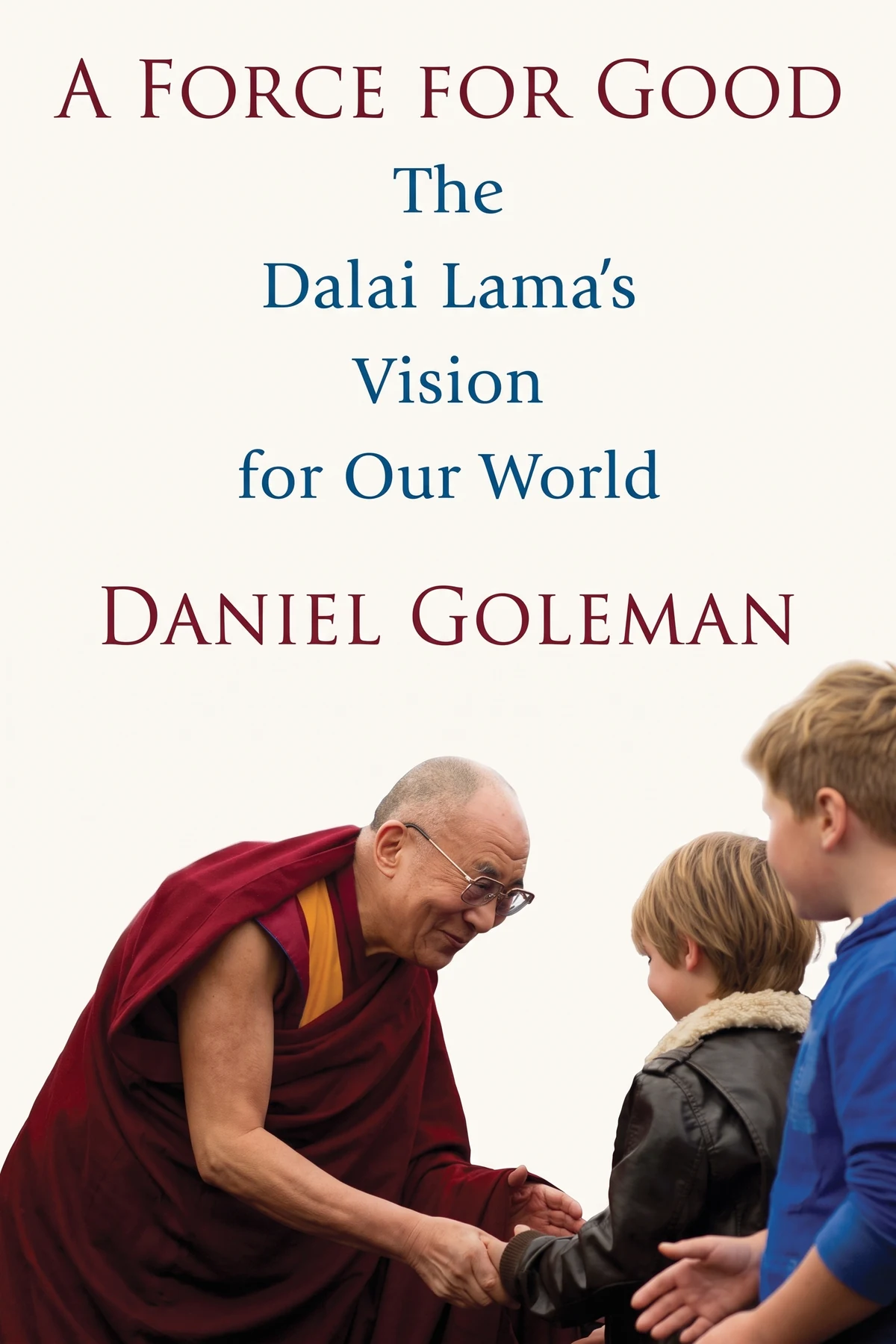
Daniel Goleman
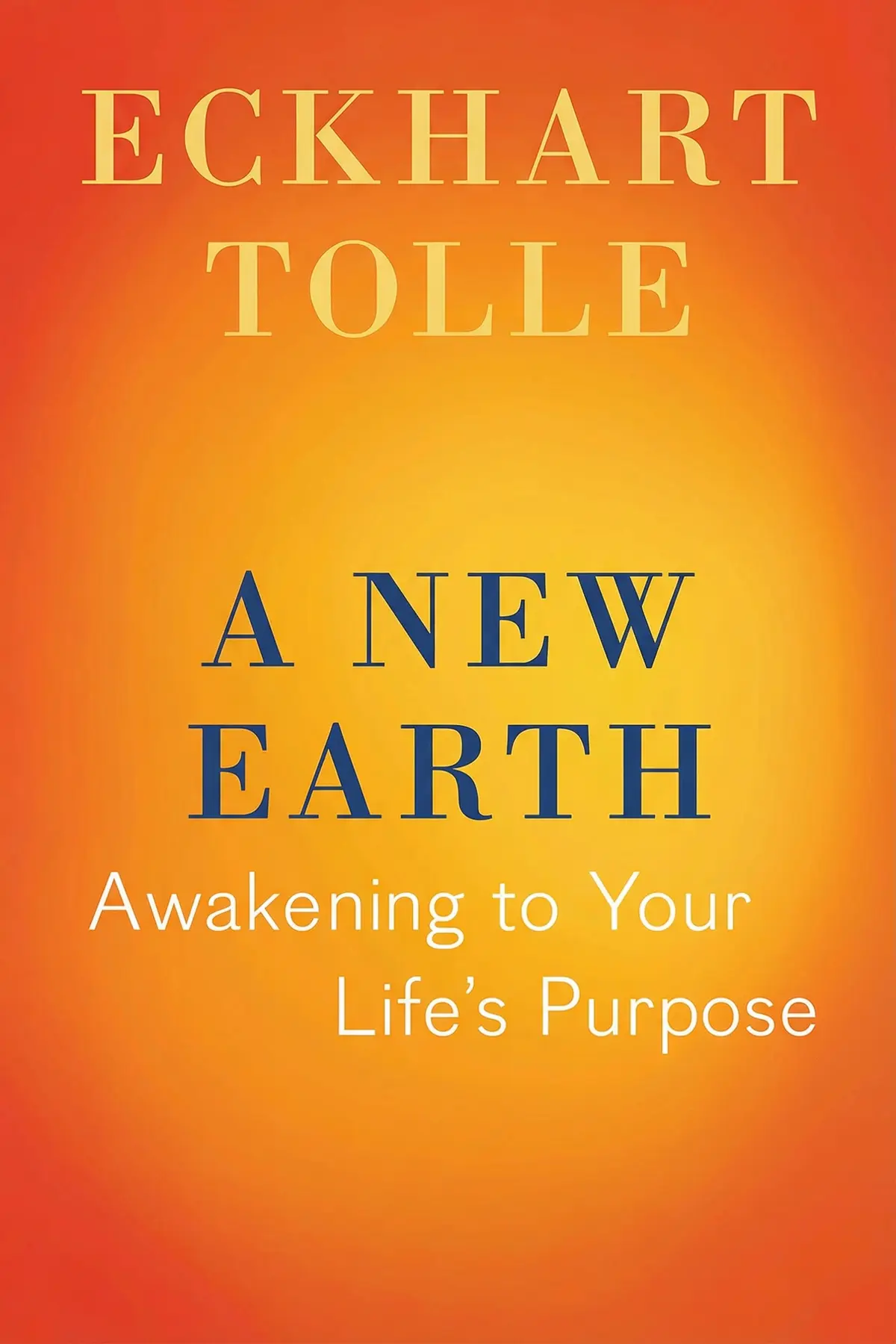
Eckhart Tolle
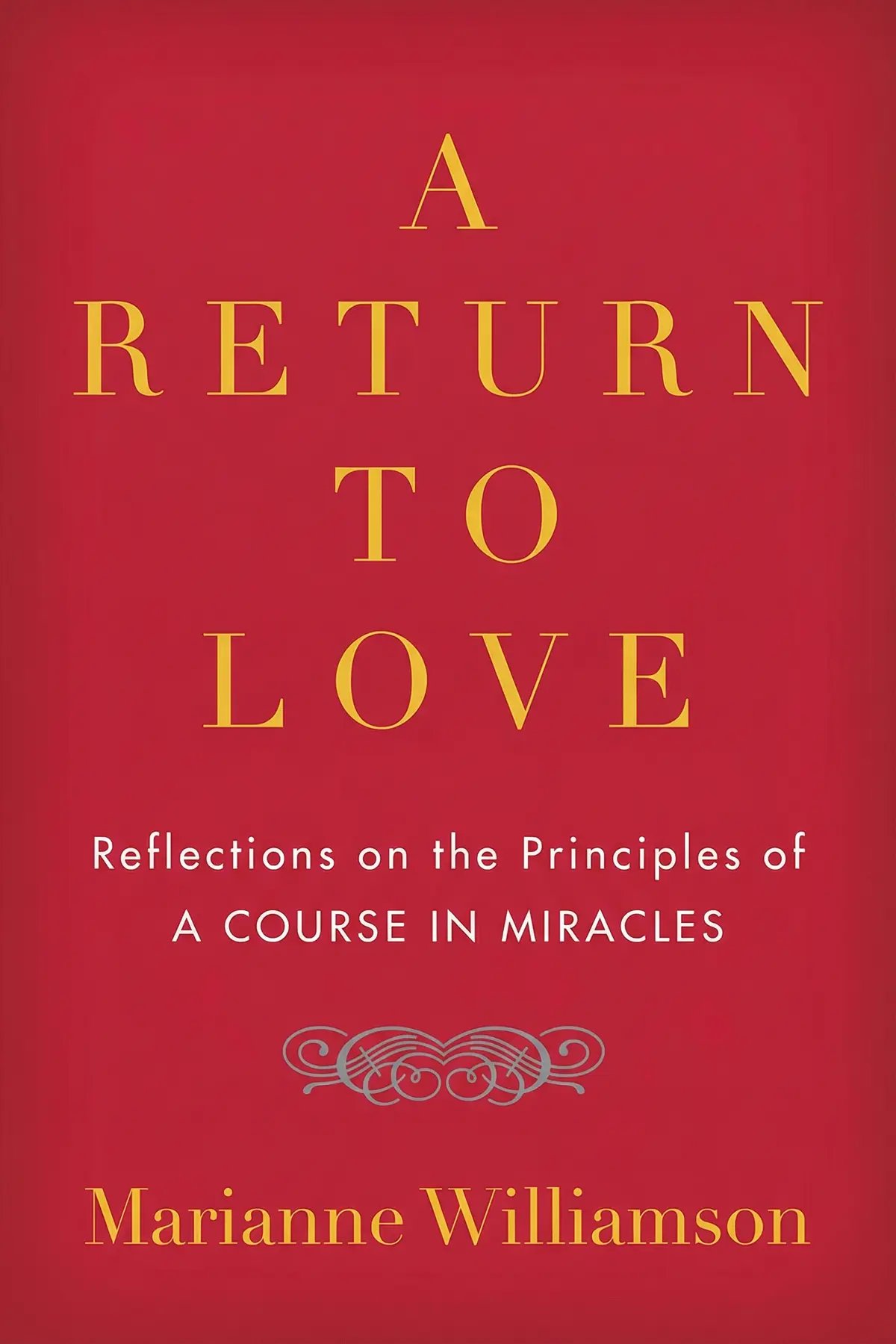
Marianne Williamson
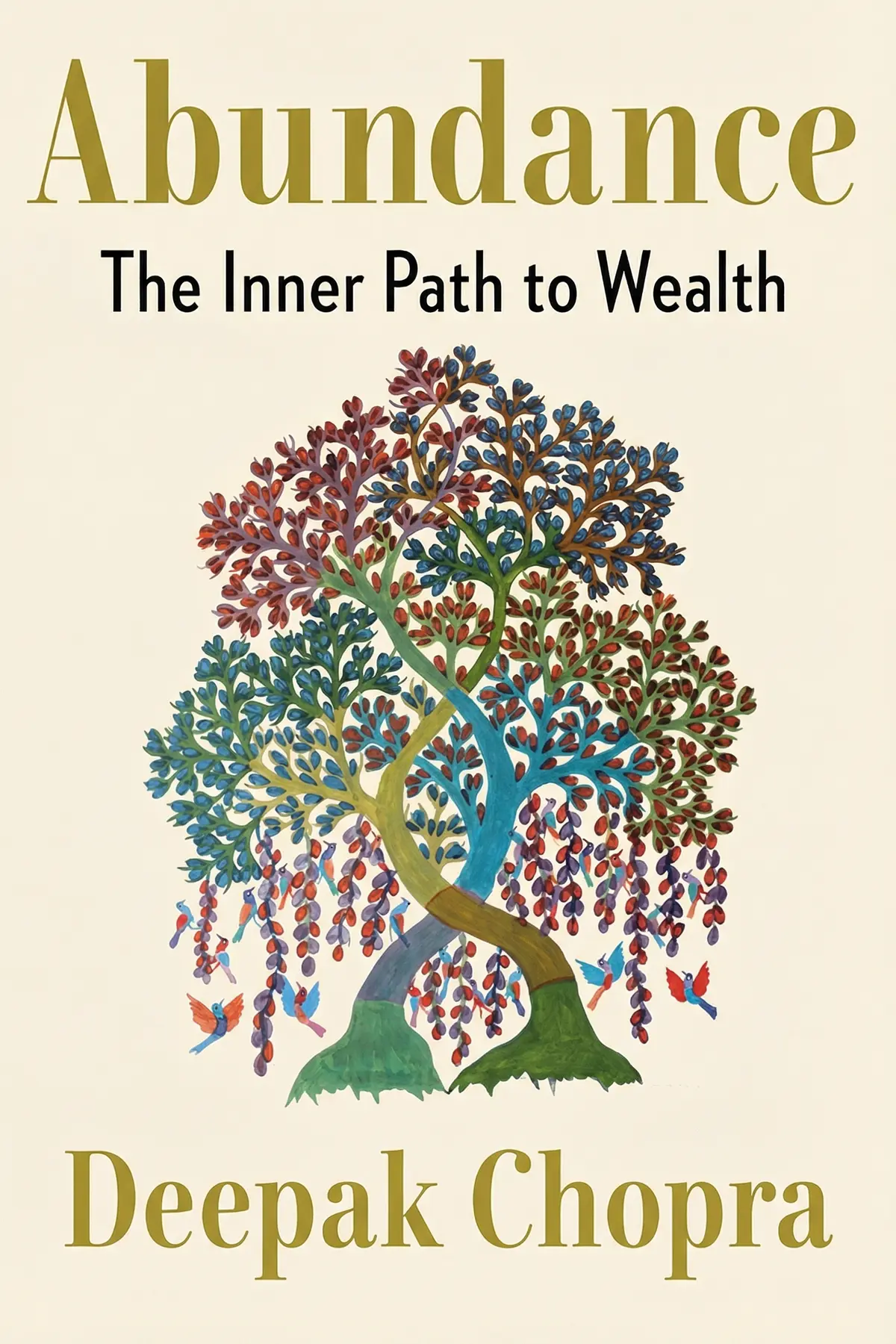
Deepak Chopra
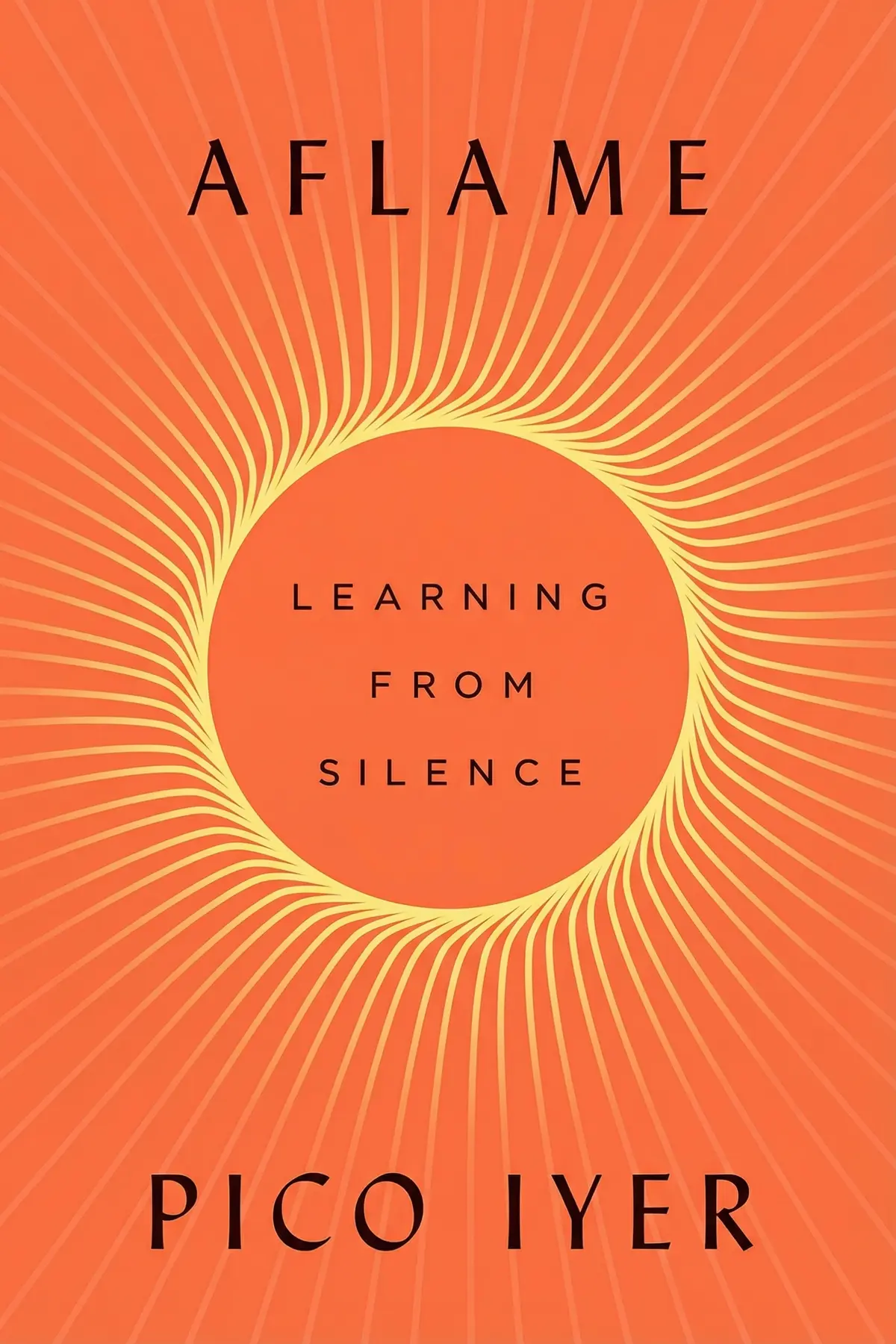
Pico Iyer
Alcoholics Anonymous World Services
Paramahansa Yogananda
Ram Dass
AUDIO SUMMARY AVAILABLE
Get the key ideas from The God Delusion by Richard Dawkins, plus 5,000+ more titles in English and Thai.







