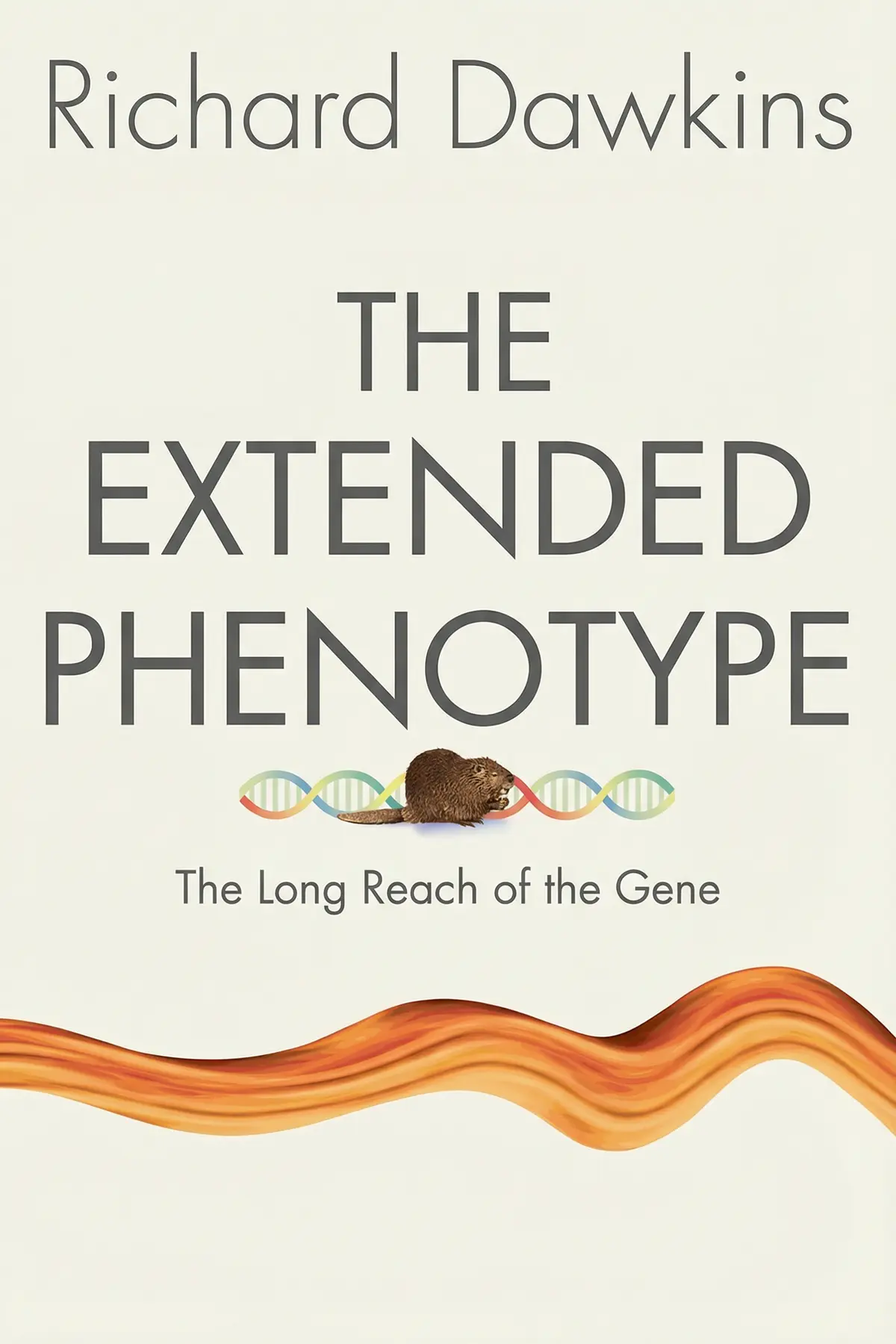
The Extended Phenotype: The Long Reach of the Gene
Richard Dawkins
A revolutionary exploration of evolutionary biology that shifts the focus from individuals to genes, explaining how the drive for genetic survival explains both fierce competition and surprising acts of altruism in nature.
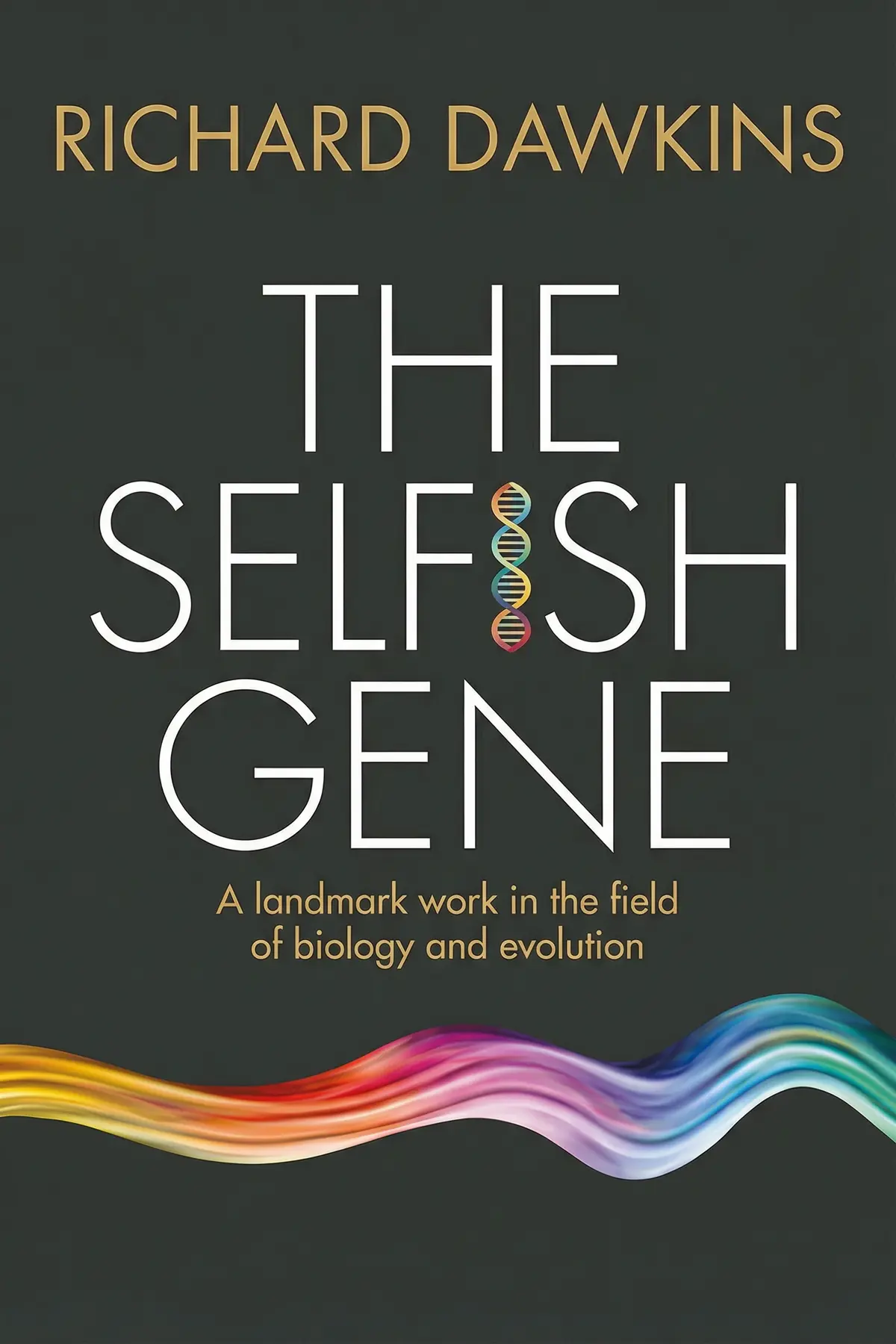
1 min 59 sec
For centuries, when we thought about evolution, we thought about the struggle of individuals. We imagined the lion chasing the gazelle, or the bird developing a brighter plumage to attract a mate. We saw the ‘hero’ of the story as the organism itself, fighting to survive and pass on its legacy. But what if we have been looking at the wrong hero? What if the organism is not the driver of evolution, but merely the vehicle?
This is the startling shift in perspective offered in these pages. We are invited to step back from the grand scale of nature and look into the microscopic world of the gene. By shifting our focus, we begin to see that the diversity of life on Earth is not driven by the desires of individuals or the needs of a species, but by the cold, mathematical necessity of self-replicating molecules. This gene-centered view changes everything. It changes how we interpret aggression, how we understand family bonds, and how we explain why an animal might sacrifice its own life for another.
In this journey, we will explore the origins of life in a primordial chemical soup and follow the development of increasingly complex ‘survival machines.’ We will see how genes program brains with behavioral strategies and how these strategies compete in a global game of survival. We will also touch upon the uniquely human world of culture, where ideas—or ‘memes’—behave much like genes, spreading and evolving across the globe. By the end, we will arrive at a deeper understanding of our own nature and the potential power of human foresight to rebel against the biological mandates that have governed life for billions of years. Let’s begin by going back to the very beginning, to the moment the first replicator appeared.
2 min 10 sec
Travel back billions of years to discover how a simple molecular accident created the first entity capable of making copies of itself, sparking the engine of evolution.
1 min 53 sec
Explore why the individual organism is too fleeting to be the focus of evolution, and why the nearly immortal gene is the true hero of the story.
1 min 57 sec
Understand how the competition between different versions of genes for a single spot on a chromosome leads to a ruthless, though unconscious, drive for survival.
1 min 56 sec
Learn how genes use physical traits and behaviors, known as phenotypes, to manipulate the world and ensure their own replication.
1 min 47 sec
Discover why thousands of selfish genes choose to work together to build something as complex as a human body.
1 min 45 sec
Examine how genes act like computer programmers, setting up complex rules and simulations to help brains navigate an unpredictable world.
2 min 02 sec
Uncover how game theory explains why certain animal behaviors, like aggression or caution, reach a stable balance in a population.
1 min 49 sec
Explore the hidden genetic math that explains why animals—and humans—are often willing to sacrifice themselves for their relatives.
1 min 48 sec
See how selfishness can lead to unexpected partnerships between different species, creating win-win scenarios in the struggle for life.
1 min 59 sec
Discover the ‘meme,’ a unit of cultural transmission that evolves and spreads just like a gene, shaping the human world in its own image.
1 min 53 sec
As we reach the end of this exploration, we are left with a powerful, if perhaps chilling, vision of life. We have seen that we, and all other animals, are essentially vehicles—complex, temporary survival machines—built by a colony of selfish genes. These genes have persisted for millions of years, not because they have a plan or a purpose, but because they are the lucky survivors of a relentless, mathematical competition. Their ‘selfishness’ has shaped everything from the curve of a wing to the deepest instincts of a mother’s heart.
However, this is not a message of despair. While our biology is governed by the survival of our genes, and our culture is shaped by the spread of our memes, humans possess something unique in the natural world: conscious foresight. We are the only species that can look at the ‘rules’ of the game and choose not to play. We can recognize when our genetic programming for aggression or greed is no longer serving us in the modern world. We can even enter into what we might call a ‘conspiracy of Doves,’ using our collective intelligence to build societies based on true altruism—a concept that doesn’t exist in the blind, mechanical world of pure biology.
By understanding the selfish nature of our origins, we gain the tools to transcend them. We can teach our children the value of generosity and cooperation, even if those traits aren’t ‘hard-wired’ into our DNA. The gene-centered view of life gives us a mirror in which to see our deepest impulses, and in seeing them clearly, we find the freedom to choose a different path. We may be born as survival machines, but we have the potential to live as something much more.
This summary provides a deep dive into Richard Dawkins’ landmark theory that the gene is the fundamental unit of evolution. It challenges the traditional view that natural selection focuses on the survival of species or individuals, arguing instead that organisms are essentially temporary 'survival machines' built to preserve immortal genetic code. The work promises to reshape your understanding of the natural world by providing a logical framework for complex behaviors. You will learn how 'selfish' genes can actually produce cooperative behavior through kin selection and mutualism, how game theory determines social stability in animal populations, and how the concept of the 'meme' applies evolutionary principles to human culture. Ultimately, it offers a powerful perspective on how biological imperatives shape life, while suggesting that human foresight uniquely allows us to transcend our genetic programming.
Richard Dawkins is an evolutionary biologist and author of influential and popular science books such as The Blind Watchmaker and The Extended Phenotype. He is also a committed atheist and an active critic of religion, to this end publishing his book The God Delusion and setting up the Richard Dawkins Foundation for Reason and Science.
Richard Dawkins
Richard Dawkins
Richard Dawkins
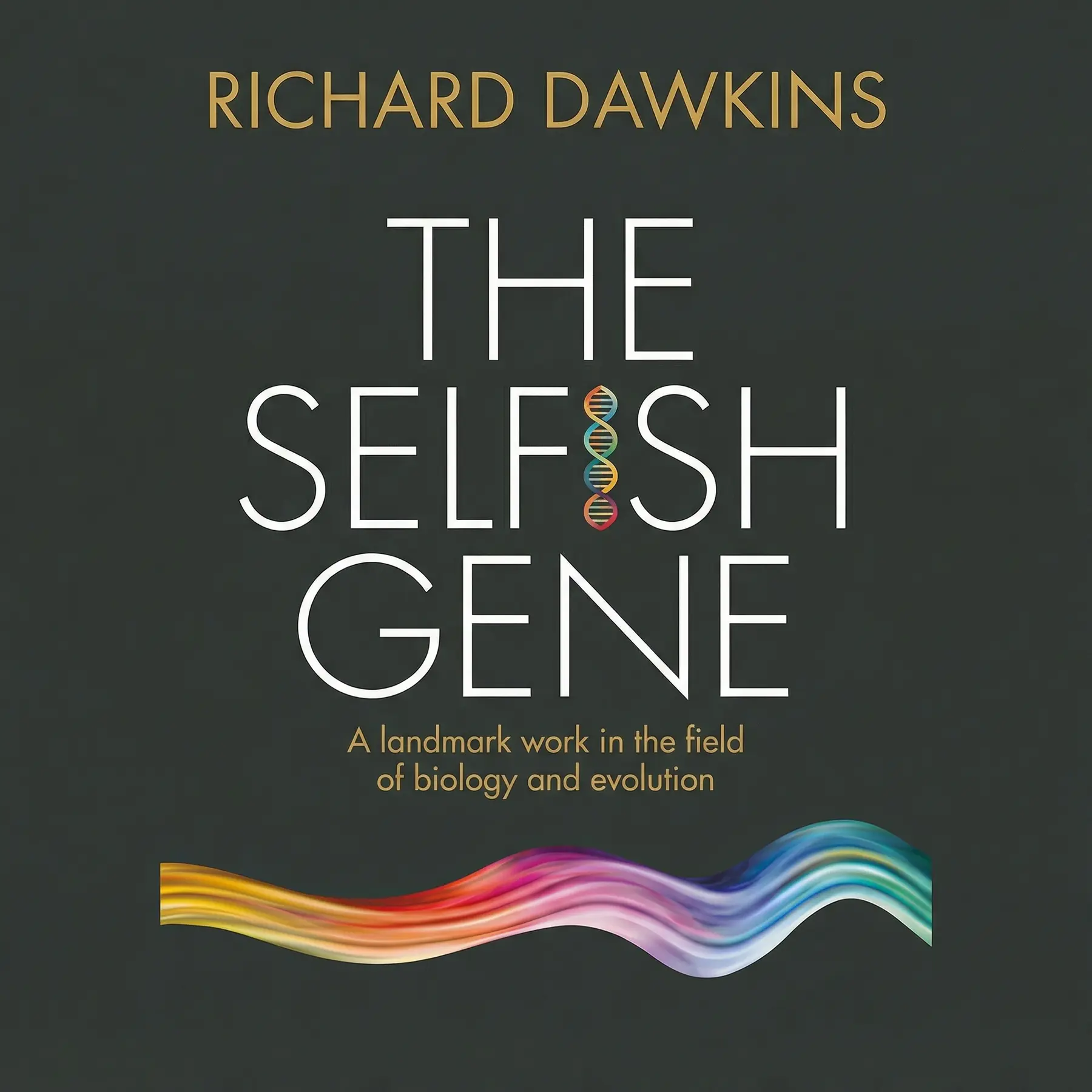
Listeners find this book a pleasure to experience, with lucid writing that renders intricate scientific ideas understandable for general audiences. They value its capacity for elucidating evolutionary theory, with one listener remarking on how it clarifies life and human nature, while another characterizes it as a groundbreaking piece of scientific literature. Listeners appreciate the in-depth clarifications provided throughout the text and find it deeply stimulating, with one review emphasizing how it alters their outlook on life on earth.
This book is a masterclass in scientific communication. Dawkins managed to flip my entire understanding of biology on its head by shifting the focus from the organism to the gene. It’s a chillingly elegant perspective that explains so much about animal behavior that previously seemed inexplicable or random. The prose is remarkably clear for such dense subject matter, making it feel like a stimulating conversation rather than a dry lecture. Even if you don’t agree with every philosophical implication he draws, the core logic is undeniably robust. It fundamentally altered how I view the natural world and our place within it as temporary biological shells.
Show morePicked this up expecting a dry textbook and was pleasantly surprised by how much of a page-turner it actually is. Dawkins has this incredible gift for making high-level evolutionary theory feel like a gripping narrative. I was especially fascinated by the chapters on the Prisoner's Dilemma and how "nice guys" can actually finish first in the biological race. Truth is, I haven't looked at an animal—or a human—the same way since finishing the final chapter. It’s rare to find a science book that is this accessible without ever feeling like it's "dumbing down" the material for the reader. Truly life-changing.
Show moreThe chapter on memes alone makes this book worth the price of admission. It’s wild to think that Dawkins coined a term in the seventies that would eventually define the way we communicate in the digital age. He treats ideas as their own kind of life form, competing for space in our brains just like genes compete for space in our DNA. Frankly, it’s one of the most thought-provoking concepts I’ve ever encountered in a non-fiction work. The rest of the book is equally sharp, dismantling traditional views of evolution with surgical precision. This is science writing at its absolute peak.
Show moreFinally got around to reading this classic and it’s every bit as revolutionary as they say. It doesn't just teach you about biology; it gives you a new lens through which to view every single living thing on this planet. The way he describes us as "lumbering robots" controlled by our genetic code is both terrifying and oddly liberating. Dawkins' prose is incredibly engaging, filled with fascinating anecdotes about everything from bees to birds. If you want to understand why life works the way it does, you absolutely cannot skip this book. It’s easily one of the most influential things I’ve ever read.
Show moreThis book remains a cornerstone of modern thought for a very good reason. Even decades after its initial release, the central thesis about the "selfish" nature of our genetic building blocks feels incredibly fresh and relevant. Dawkins has a knack for taking intimidating topics like molecular genetics and turning them into something any layperson can grasp and appreciate. The way he integrates game theory to explain the evolution of cooperation is particularly brilliant. It’s a profound, challenging, and ultimately rewarding read that forces you to confront the very nature of your existence. A true masterpiece of science literature.
Show moreEver wonder why we do the things we do, even when they seem to hurt our own chances of survival? Dawkins suggests we are essentially giant robotic survival machines, built to protect and propagate the tiny instructions inside us. To be fair, it’s a bit of an ego-bruising thought to realize you’re just a vehicle for some chemical strands. The writing is punchy and witty, though he does occasionally veer into a tone that some might find a bit patronizing. Still, the way he breaks down complex evolutionary strategies into understandable metaphors is brilliant. It’s a foundational read for anyone curious about the mechanics of life.
Show moreAs someone who has always been fascinated by social dynamics, I found the application of game theory to biology absolutely riveting. Dawkins explains concepts like Evolutionarily Stable Strategies (ESS) with such precision that you start seeing them everywhere in the real world. Personally, I found the middle sections a bit repetitive as he hammers home the same point with different examples, but the overall impact is powerful. The writing is elegant and the logic flows naturally from one chapter to the next. It’s a rigorous piece of work that challenges you to think more deeply about the hidden motives behind every biological interaction.
Show moreAfter hearing about Dawkins for years, I finally decided to see what all the fuss was about. The book is definitely a rabble-rouser, stripping away the romanticism of nature and replacing it with a cold, calculating logic. He explains "altruistic" behavior not as kindness, but as a clever strategy for gene survival, which is a bit of a downer if you like to think humans are inherently noble. In my experience, his arguments are incredibly persuasive and well-supported by observable data. My only real gripe is that he occasionally gets bogged down in minor academic disputes that feel a bit dated now.
Show moreWow, talk about a mixed bag. On one hand, the science here is groundbreaking and the logic behind the gene-centered view of evolution is hard to argue with. On the other hand, Dawkins can be incredibly arrogant and dismissive of any viewpoint that doesn't align with his own cold, hard materialism. Look, I appreciate the clarity of his explanations regarding altruism and kin selection, but the "fleshy robot" metaphor feels a bit hollow after three hundred pages. It’s an important book that everyone should read for the sake of scientific literacy, but be prepared for a healthy dose of condescension along the way.
Show moreNot what I expected at all, and frankly, quite disappointing given the massive hype surrounding it. While Dawkins is obviously brilliant, he lacks the imagination and wisdom to see beyond his own narrow, reductionist worldview. He treats human beings as nothing more than biological machines, ignoring the complexities of the soul and the abstract experiences that make life worth living. The tone is frequently patronizing, as if he’s the only one smart enough to see the "truth." It feels more like a manifesto for a specific type of rigid atheism than a purely scientific inquiry. I found it quite cold.
Show more
Lisa Kaltenegger
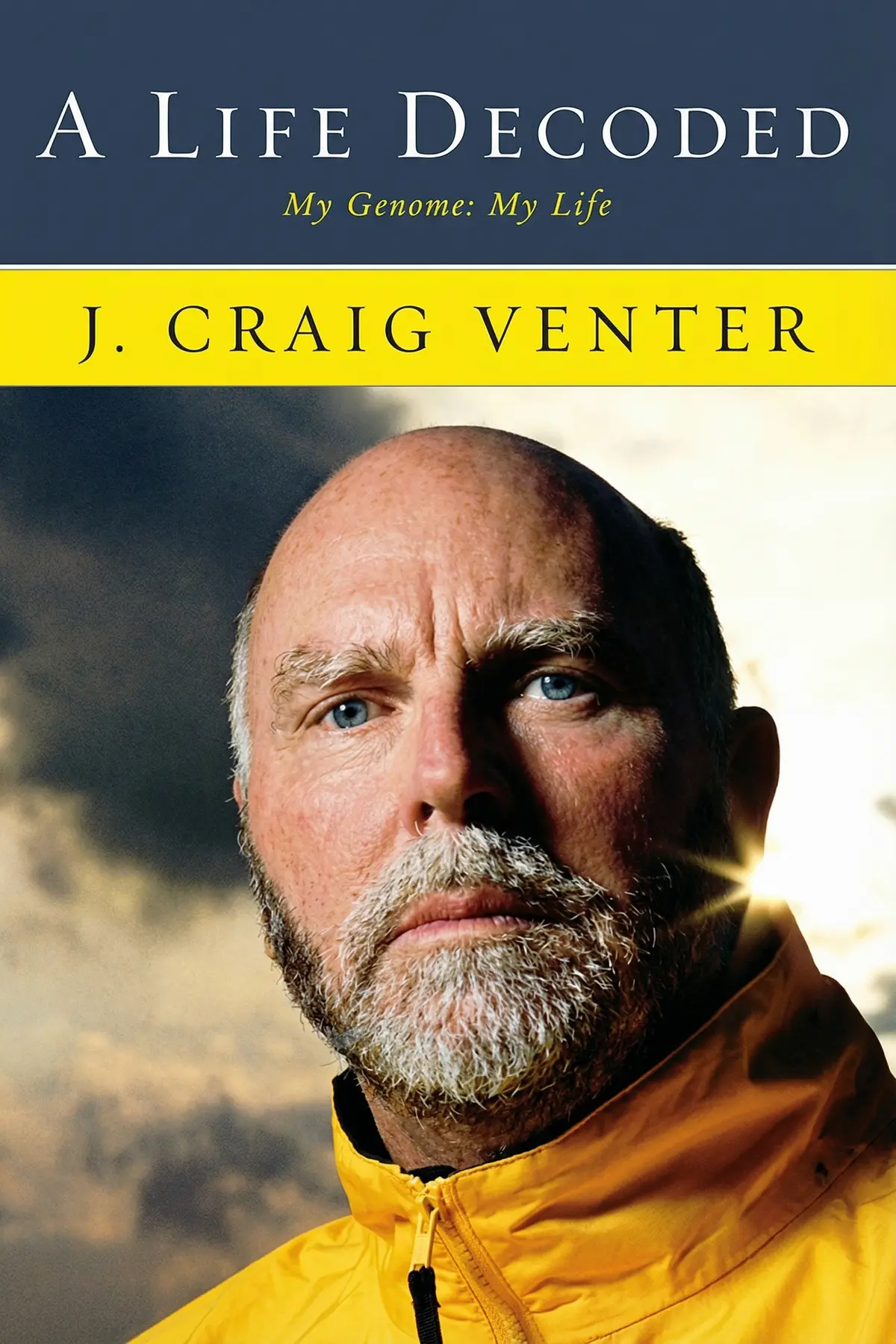
J. Craig Venter
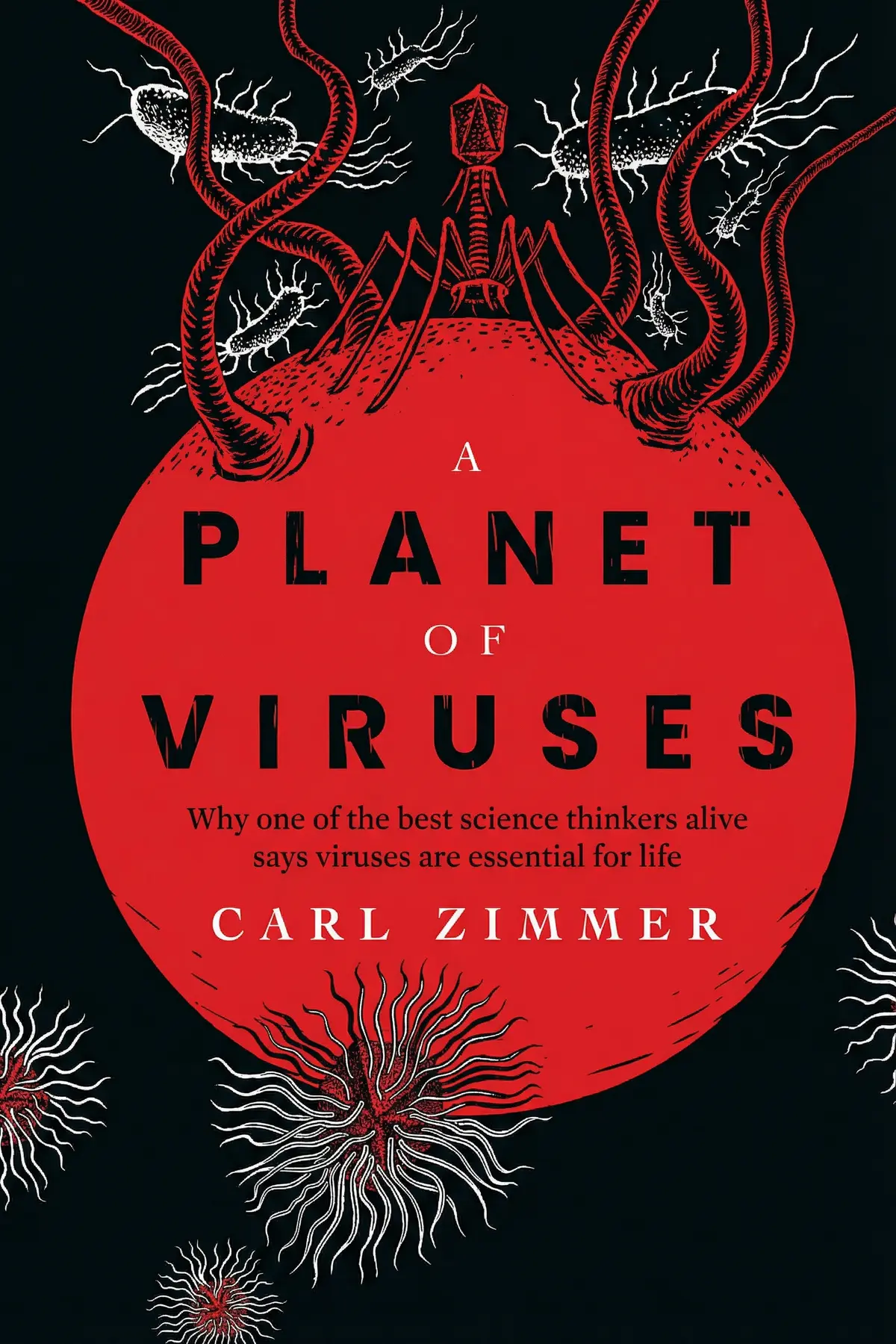
Carl Zimmer
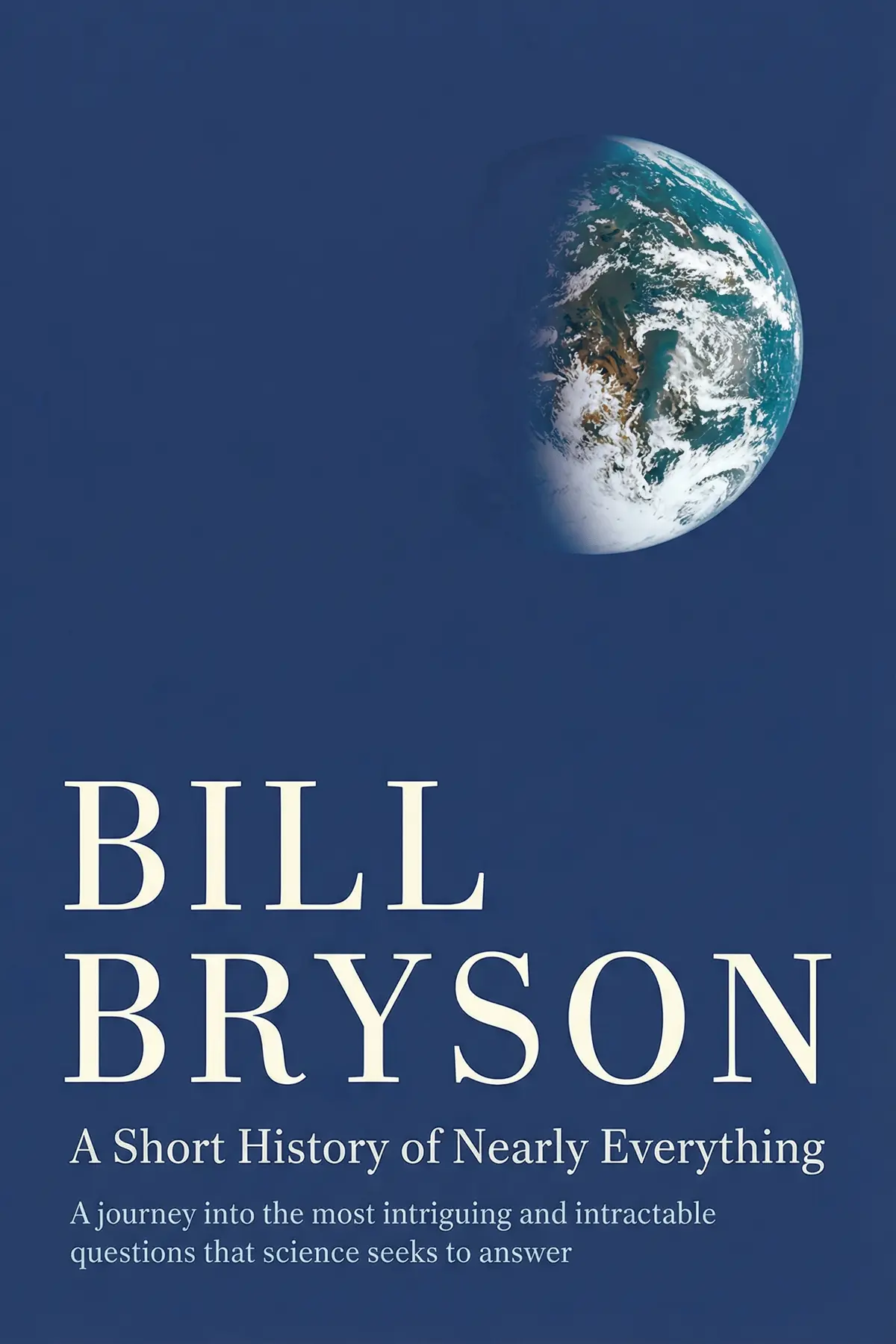
Bill Bryson
AUDIO SUMMARY AVAILABLE
Get the key ideas from The Selfish Gene by Richard Dawkins, plus 5,000+ more titles in English and Thai.