
18 min 08 sec
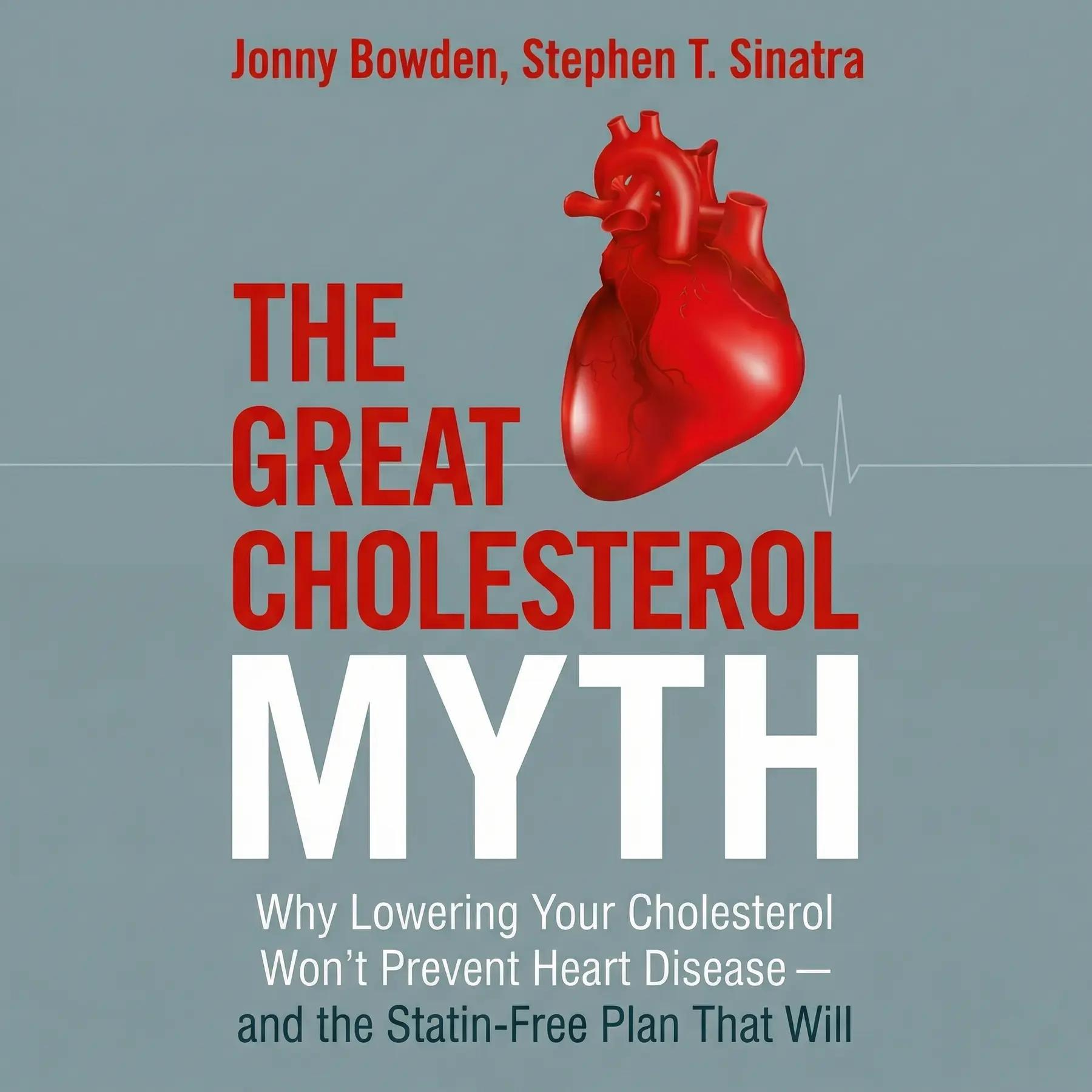
The Great Cholesterol Myth: Why Lowering Your Cholesterol Won't Prevent Heart Disease – and the Statin-Free Plan That Will
The Great Cholesterol Myth challenges the long-held belief that cholesterol is the primary cause of heart disease, pointing instead to sugar, inflammation, and stress as the true cardiovascular culprits.
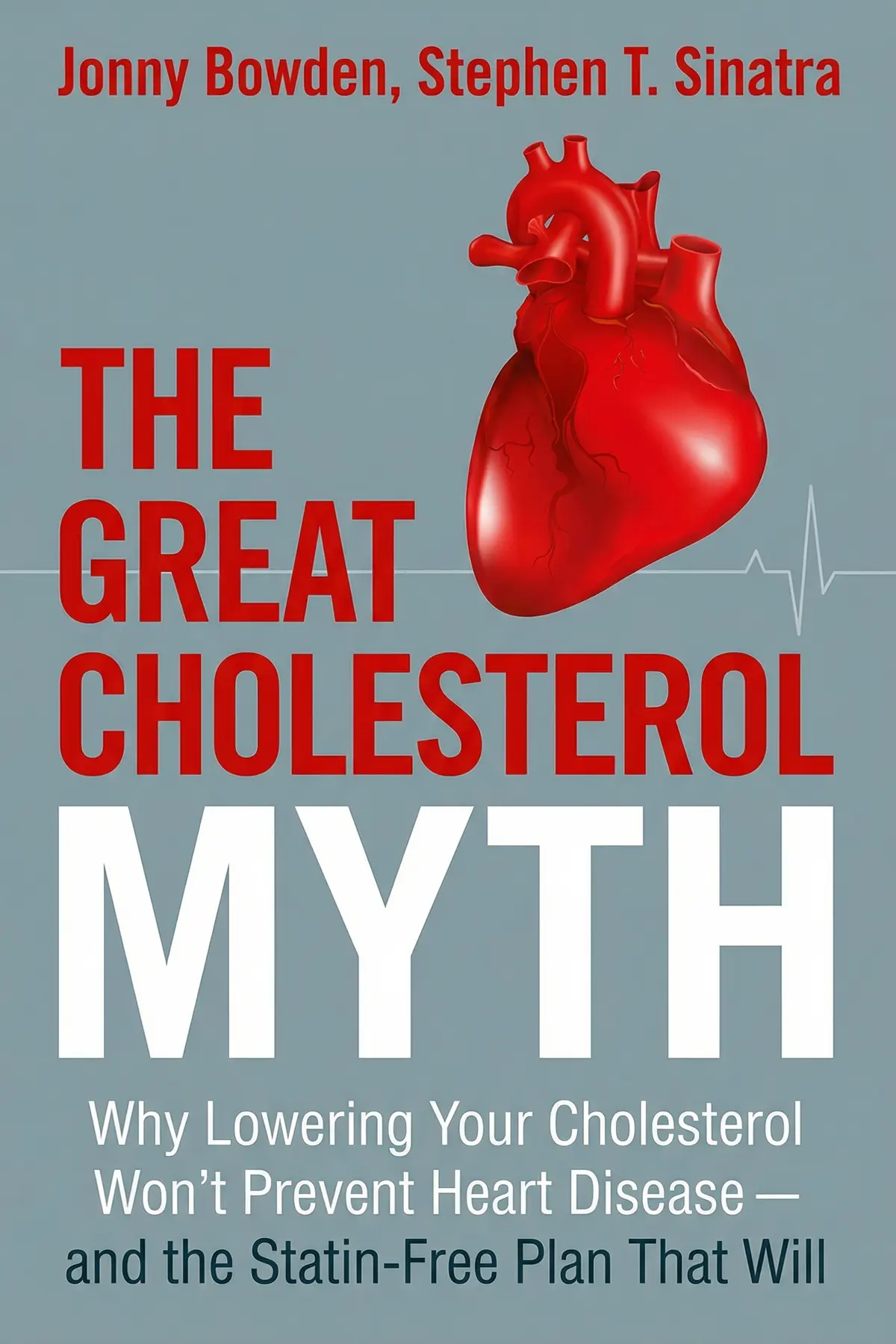
Table of Content
1. Introduction
1 min 42 sec
For the better part of half a century, one health message has been drilled into the collective consciousness with more consistency than almost any other: cholesterol is the enemy. We are told to fear it, to monitor it, and to avoid foods that might raise it. The common image we are given is that of a waxy sludge slowly filling up our arteries like rust in a pipe, eventually leading to the inevitable heart attack. This ‘lipid hypothesis’ has dictated everything from government dietary guidelines to the massive pharmaceutical industry built around cholesterol-lowering drugs.
But what if this foundational pillar of modern medicine is built on a misunderstanding? In the following sections, we are going to explore a different perspective—one backed by a cardiologist and a nutritionist who argue that the great cholesterol myth has distracted us from the real causes of heart disease. We will look at how outdated research from the 1950s set us on the wrong path and why the simple ‘good’ and ‘bad’ labels we use for cholesterol are scientifically obsolete.
More importantly, we will shift the focus away from a substance our bodies actually need to the factors that truly put our cardiovascular systems at risk. From the hidden dangers of sugar to the protective power of community and the potential downsides of popular medications, this throughline will challenge what you think you know about heart health. By the time we finish, you’ll see that preventing heart disease isn’t about waging war on a natural molecule, but about managing inflammation, insulin, and the stressors of modern life. It is time to look past the myths and discover what really keeps a heart beating strong.
2. The History of a Medical Misconception
2 min 34 sec
Discover how a single, flawed study from the mid-20th century successfully convinced the world that dietary fat was the primary cause of heart disease.
3. Moving Beyond Good and Bad Labels
2 min 43 sec
Standard blood tests often miss the most important details regarding your heart health by oversimplifying the roles of HDL and LDL.
4. The Case for Saturated Fat
2 min 13 sec
Contrary to popular belief, saturated fat is not the artery-clogging villain it has been made out to be, and it may even improve your cholesterol profile.
5. Sugar and the Insulin Connection
2 min 15 sec
The true dietary danger to your heart isn’t found in the butcher shop, but in the sugar bowl and the processed food aisle.
6. Stress and the Power of Social Connection
2 min 27 sec
Heart health is not just about what you eat; your psychological state and your relationships play a critical role in cardiovascular protection.
7. The Hidden Costs of Statin Drugs
2 min 23 sec
While widely prescribed, cholesterol-lowering medications can come with significant side effects that often outweigh their benefits.
8. Conclusion
1 min 51 sec
As we wrap up our look at the complex world of heart health, the throughline is clear: it is time to look beyond the simplistic ‘good’ and ‘bad’ labels of the great cholesterol myth. We have seen how a history of cherry-picked data led us to fear fat while ignoring the real dangers of sugar and insulin. We’ve learned that the size and density of your cholesterol particles are far more important than your total count, and that chronic inflammation is the true driver of arterial damage.
So, what can you do with this information? The path to a healthier heart involves a few key shifts in focus. First, prioritize reducing sugar and refined carbohydrates. By doing so, you lower your insulin levels, reduce your triglycerides, and help ensure your cholesterol particles remain in that large, fluffy, harmless state. Second, embrace healthy fats, including saturated fats from quality sources, which provide the building blocks your body needs for hormone and brain health.
You should also look at your lifestyle through a wider lens. Don’t underestimate the biological impact of stress and the protective power of social connection. Building a community and finding peace of mind are as vital as any supplement. Speaking of supplements, if you are looking for an actionable dietary step, consider increasing your intake of Omega-3 fatty acids, found in fatty fish like wild-caught salmon. These fats help combat inflammation and balance out the excess Omega-6s found in many modern processed oils.
Ultimately, heart health is about more than a single laboratory value. It is about maintaining a body that is resilient, a mind that is calm, and a life that is connected. By understanding the myths, you are now empowered to make choices that truly support your long-term vitality.
About this book
What is this book about?
For decades, we have been told a very specific story about our hearts: that cholesterol is a villainous substance clogging our arteries, and that saturated fat is its primary accomplice. This summary deconstructs that narrative, revealing that the link between cholesterol and heart disease is based on flawed historical data and misunderstood science. Instead of focusing on a single number on a blood test, authors Jonny Bowden and Stephen Sinatra suggest we look at the real drivers of arterial damage: chronic inflammation, excessive sugar intake, and the biological toll of stress. You will explore why the traditional categories of 'good' and 'bad' cholesterol are far too simplistic and how some medical interventions may do more harm than good. By the end of this journey, you will understand the importance of particle size, the danger of insulin resistance, and why social connection might be just as important for your heart as your diet. It is a comprehensive look at a statin-free approach to longevity and cardiovascular wellness.
Book Information
About the Author
Jonny Bowden
Jonny Bowden holds a PhD in holistic nutrition and is a recognized expert on weight loss and health. He has contributed to major publications including the New York Times, Forbes, and GQ, and is the author of Living Low Carb. Stephen T. Sinatra is a cardiologist and a professor at the University of Connecticut School of Medicine. His published works include Optimum Health and Reverse Heart Disease Now.
Ratings & Reviews
Ratings at a glance
What people think
Listeners find this book thoroughly researched and simple to grasp, offering high-quality insights into health and cholesterol. They value its readability and clear writing style, calling it a vital read that reveals the truth about statin medications and cholesterol. Listeners commend the depth of expertise shared, with one listener noting it is co-authored by a cardiologist and a nutritionist, and many consider it life-altering, with one mentioning it could save lives.
Top reviews
Thongchai
This book should be required reading for anyone who has ever felt bullied by their doctor into taking a pill. I was stunned to learn about the difference between absolute and relative risk; it turns out that 50% reduction the drug companies brag about is often just a 1% difference in real-world terms. Bowden and Sinatra do a masterful job of explaining how we've been misled about saturated fats while ignoring the real villains: sugar and chronic inflammation. Truth is, cholesterol is just a passenger in the car of heart disease, not the driver. The writing is punchy and accessible, even when they dive into the technicalities of LDL subtypes. I especially appreciated the section on lifestyle changes that don't involve expensive medications. It’s rare to find a health book that feels this urgent and life-saving. If you value your long-term health and want to avoid the 'Big Pharma' trap, grab this immediately.
Show moreBird
Finally got around to reading this after a scary lab result, and it has completely changed how I view my health. The authors explain that the 'myth' isn't that heart disease doesn't exist, but that we've been attacking the wrong target for decades. By focusing on cholesterol, we've ignored the massive impact of insulin resistance and sugar. The advice here is redonkulously simple: eat real food that your great-grandparents would recognize. I’ve started following the nutrition plan and feel more energetic than I have in years. No more fearing eggs or butter! This book is an eye-opener that empowers you to take control of your own biology rather than just being a passive patient. It’s extensively researched yet eminently readable. I’ve already bought three copies to give to friends who are struggling with similar health scares.
Show moreAmelia
Wow, talk about a paradigm shift! I’ve been on statins for two years and have dealt with constant muscle weakness and brain fog, never once suspecting the meds were the cause. This book helped me connect the dots between my treatment and my declining quality of life. The section on how statins can actually increase the risk of type 2 diabetes by 5% was a total shocker. Bowden and Sinatra are a powerhouse duo—having both a nutritionist and a cardiologist weigh in gives the arguments a lot of weight. They dismantle the 'lipid hypothesis' piece by piece, showing how inflammation is the real fire we should be putting out. The recipes included in the newer edition are actually tasty and easy to make, which is a nice bonus. Truly life-changing information that everyone should have access to.
Show morePick
Ever wonder why we've been told to avoid eggs for decades while heart disease rates continue to climb? This book provides the answer, and it’s not what you think. It turns out the 'cholesterol is bad' mantra was built on shaky ground. The authors explain how sugar and processed vegetable oils are the real drivers of chronic inflammation, which then leads to heart issues. I loved the casual yet informative tone of the writing; it felt like having a conversation with two very smart experts. Not gonna lie, I was a bit skeptical at first, but the sheer volume of research cited is hard to argue with. It’s an essential guide for anyone who wants to live a long, healthy life without being tethered to a pharmacy. Five stars for courage and clarity!
Show moreSomsri
The collaboration between a cardiologist and a nutritionist provides such a balanced perspective on a topic that is usually very one-sided. I’ve read a few books on this subject, but this one is by far the most accessible and comprehensive. They tackle everything from the history of the low-fat craze to the modern-day scam of statin marketing. The way they explain how these drugs can cause memory loss and ED was eye-opening and frankly quite frightening. I’ve since had a very different conversation with my doctor, armed with the questions provided in the back of the book. It’s well-researched, deeply informative, and could literally save lives. If you are on a statin or are being pressured to start one, you owe it to yourself to read this first. It’s a must-read for the modern age.
Show moreBrooklyn
Gotta say, I was skeptical at first about the 'myth' part of the title, but this book is a total game-changer. It explains how we’ve been looking at the wrong markers for heart health for way too long. The authors shift the focus to insulin resistance and oxidation, which makes so much more sense given the current diabetes epidemic. I found the sections on how to actually test for 'dangerous' high-density LDL to be the most useful part of the whole book. It’s not just about debunking old ideas; it’s about providing a new, better path forward. The writing is clear, the research is extensive, and the advice is actionable. I’ve already changed my grocery list and feel much more confident in my health choices. This is hands down one of the most important books I’ve ever read.
Show moreOmar
After hearing my doctor drone on about my LDL numbers for years, finding this book felt like a breath of fresh air. It breaks down the lipid hypothesis in a way that actually makes sense to a layperson without being condescending. I was particularly fascinated by the discussion on how inflammation and oxidation are the true culprits behind arterial damage, rather than just having 'high' cholesterol numbers. To be fair, some of the chapters on specific supplements felt a little heavy on the sales side, and I wasn't 100% sold on every single vitamin recommendation. However, the core message about eating real food and avoiding processed garbage is spot on. It’s well-researched and provides a much-needed counter-narrative to the medical machine. Definitely worth a read if you want to understand what's really happening in your bloodwork before agreeing to a prescription.
Show morePiyanart
As a middle-aged woman tired of the 'fat is evil' narrative, I found this to be an incredibly refreshing read. It’s fascinating to learn how our traditional understanding of 'good' and 'bad' cholesterol is actually quite limiting. The authors go into great detail about why we shouldn't fear things like lard or coconut oil, which has been a huge relief for my cooking! Frankly, the technical parts about LDL subtypes got a bit dense, but the overall message is easy to follow. I’ve started focusing more on my triglyceride to HDL ratio now, as the book suggests it's a much better predictor of heart health. My only gripe is that it feels a bit repetitive in the middle sections, but the knowledge I gained was worth the slog. A solid resource for anyone looking to navigate the confusing world of nutrition.
Show moreScarlett
While I appreciate the effort to debunk the saturated fat hysteria, I found myself feeling a bit conflicted by the end of this read. The authors make a compelling case against the over-prescription of statins, which I found very enlightening. However, the book then pivots into recommending a laundry list of supplements that felt a bit fishy and lacked the same level of rigorous evidence they demanded of the drug trials. Look, I agree that the standard American diet is a disaster, but the tone occasionally veers into territory that makes me a bit uncomfortable. The information on triglyceride to HDL ratios was incredibly helpful, but I wish there had been more focus on exercise and less on pills—even if those pills are 'natural.' It’s an interesting perspective that adds to the conversation, but I’d suggest reading it with a healthy dose of skepticism.
Show moreThanit
Picked this up hoping for a balanced view, but I honestly found it to be quite dangerous. This book should have big red letters saying 'read with caution' because it encourages people to ignore established medical advice. It’s one thing to question Big Pharma, but it’s another to skim over the importance of exercise and then suggest questionable supplements that have their own side effects! The authors use 'bad science' to justify a high-fat diet that could be disastrous for some people. I found the tone to be overly conspiratorial and the evidence cherry-picked to fit a specific narrative. I don't want anyone to read this without a very critical eye. It may be the first book I’ve wanted to get rid of just so no one else follows its advice blindly. Please, consult a professional before tossing your meds.
Show moreReaders also enjoyed
AUDIO SUMMARY AVAILABLE
Listen to The Great Cholesterol Myth in 15 minutes
Get the key ideas from The Great Cholesterol Myth by Jonny Bowden, plus 5,000+ more titles in English and Thai.
- 5,000+ titles
- Listen as much as you want
- 7-day free trial
- Cancel anytime







