
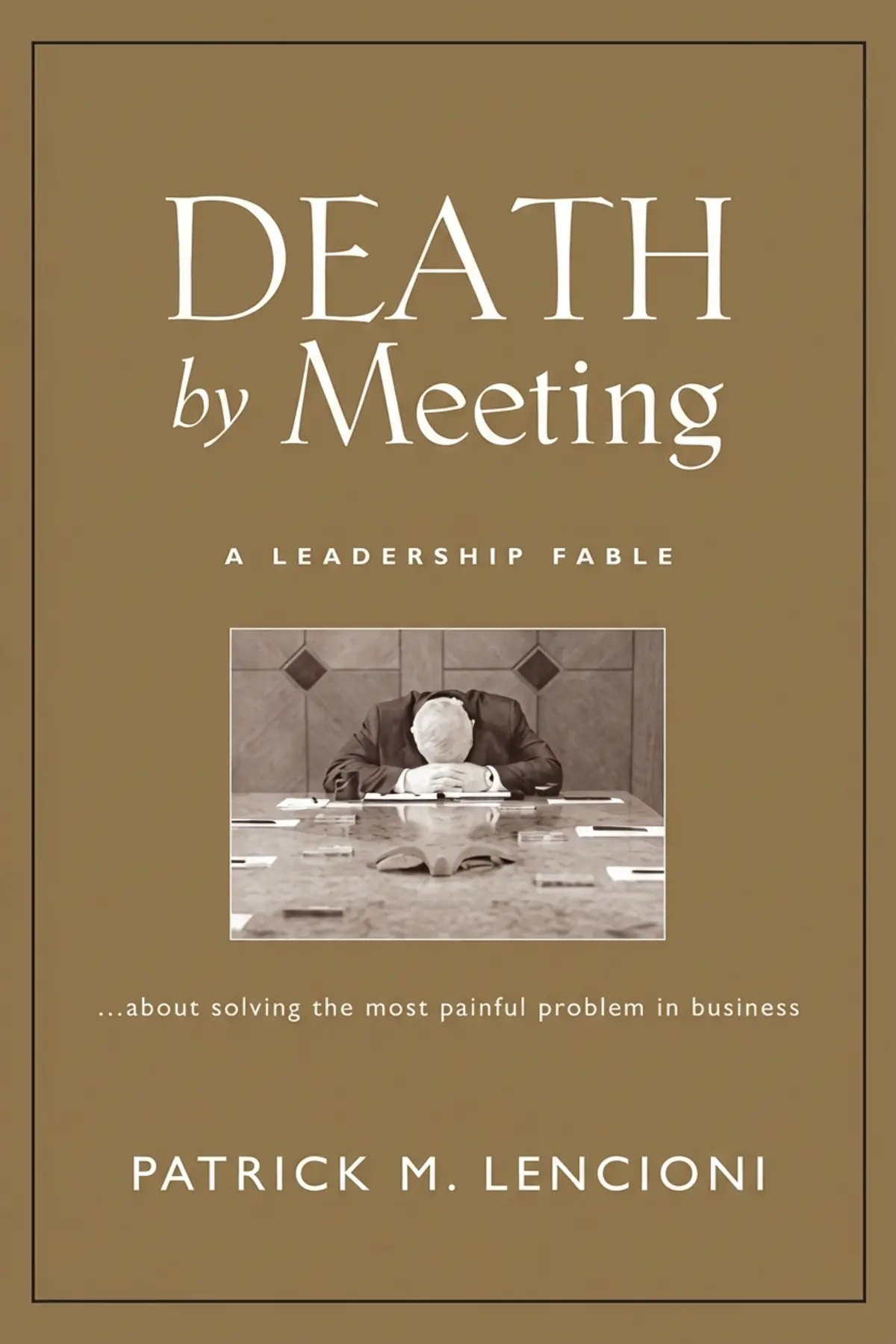
18 min 05 sec
The Ideal Team Player: How to Recognize and Cultivate the Three Essential Virtues. A Leadership Fable
Explore the three indispensable qualities that define the ultimate collaborator. Learn how to identify, hire, and develop individuals who possess the rare combination of humility, drive, and emotional intelligence to transform your organization.
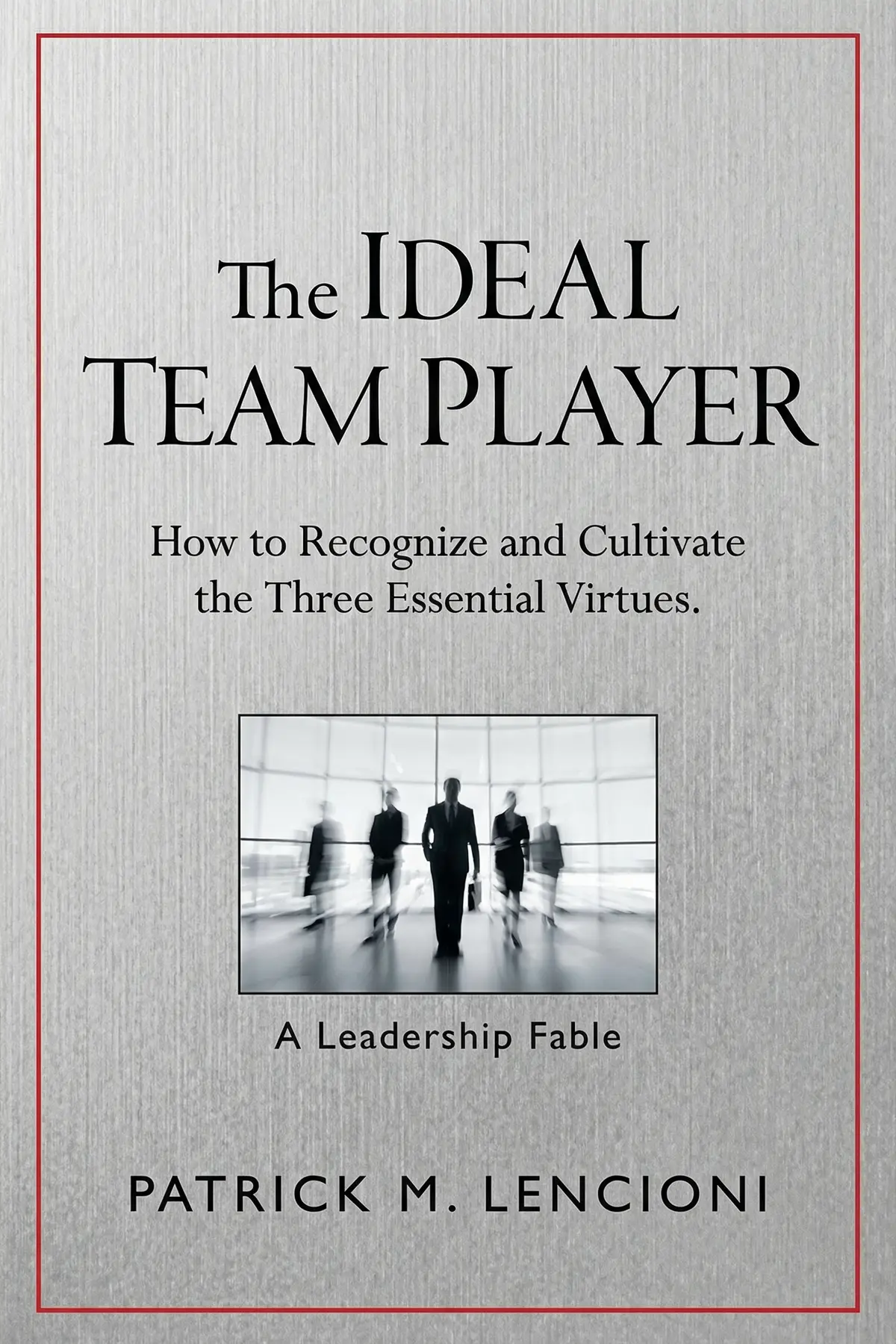
Table of Content
1. Introduction
1 min 46 sec
Think for a moment about the greatest achievements of the modern age. Whether it is the sleek design of the smartphone in your pocket, the breathtaking animation of a major motion picture, or the vast, interconnected repository of knowledge found on the internet, there is a common thread. The era of the lone inventor, working in a vacuum to change the world, has largely passed us by. Today, breakthrough innovation is almost exclusively the result of high-performing teams working in concert. We live in an age of collaboration where the ability to mesh your talents with those of others isn’t just a nice bonus—it is the fundamental requirement for success.
Yet, as anyone who has ever worked in an office knows, teamwork is incredibly difficult to get right. Humans are complicated. We have egos, we have personal agendas, and we have varying levels of motivation. When you put a group of talented individuals together, the result isn’t always magic; often, it is a mess of squabbles, misunderstandings, and stalled productivity. This raises a critical question for any leader or aspiring professional: How do you actually build a team that works? How do you move past the friction and find the people who will help the group soar?
The answer lies in identifying and cultivating three specific virtues. These aren’t just abstract concepts; they are the practical building blocks of the perfect collaborator. In this exploration, we are going to look at why even the most talented groups can fall apart and how you can ensure your team is made of the right stuff. We’ll see how a lack of social awareness can derail a project, why ambition without humility is a recipe for disaster, and how to spot the difference between someone who is just doing their job and someone who is truly hungry for the team’s success. By the end, you’ll have a clear roadmap for recognizing and developing the qualities that make someone an ideal team player.
2. Identifying the Roots of Team Failure
2 min 32 sec
Individual brilliance often masks deeper issues that prevent groups from succeeding. Discover the five hidden dysfunctions that turn a collection of stars into a failing unit.
3. The Essential Drive of the Hungry Worker
2 min 22 sec
Success requires more than just showing up. Learn why the most valuable team members are those who are constantly looking for the next challenge.
4. The Nuance of Social Intelligence
2 min 23 sec
Intelligence isn’t just about IQ; it’s about how you interact with others. Explore why being ‘smart’ is the key to navigating group dynamics.
5. The Quiet Strength of Humility
2 min 28 sec
Ego is the ultimate team-killer. Discover why the most effective collaborators are those who are willing to put the group’s needs above their own recognition.
6. Spotting the Virtues During the Hiring Process
2 min 29 sec
Traditional interviews often fail to reveal a candidate’s true character. Learn the specific strategies for identifying team players before they join your organization.
7. Developing and Sustaining a High-Performance Culture
2 min 24 sec
Building a team doesn’t end with the hire. Discover how to coach your current staff and embed the three virtues into the very fabric of your company.
8. Conclusion
1 min 41 sec
Building a world-class team is not an accident of luck or merely the result of a massive recruiting budget. It is a deliberate process of selecting and nurturing individuals who possess a specific character profile. As we have explored, the ideal team player is defined by the intersection of three essential virtues: they are humble, placing the group’s success above their own ego; they are hungry, possessing an internal drive to go the extra mile; and they are smart, having the social intelligence to work harmoniously with others.
When any one of these traits is missing, the team’s foundation is weakened. A person who is hungry and smart but lacks humility will eventually become a political manipulator. Someone who is humble and smart but lacks hunger will be a lovable slacker who doesn’t pull their weight. And someone who is humble and hungry but lacks social smarts will accidentally cause interpersonal friction that slows everyone down. It is only when all three virtues are present in every member that a team can truly reach its peak performance.
Your path forward is twofold. First, look inward. Honestly assess your own level of humility, hunger, and social awareness. We can all improve, and by modeling these virtues, you set the standard for everyone around you. Second, look at your team. Use this framework to coach your colleagues and to evaluate future hires. Don’t settle for just talent; look for character. When you fill your organization with people who are humble, hungry, and smart, you don’t just build a more productive workplace—you build a community that is capable of achieving the extraordinary. The era of the solitary genius may be over, but the era of the ideal team is just beginning.
About this book
What is this book about?
In a world where complex challenges require collective solutions, the ability to work effectively within a group has become the most valuable professional skill. This guide moves beyond technical expertise to focus on the character traits that make collaboration possible. It argues that while many people possess talent, few embody the specific blend of virtues needed to propel a team forward without creating friction. The book introduces a framework centered on being humble, hungry, and smart. It explains that these are not just personality quirks but essential competencies that can be cultivated. By understanding how these three traits interact, leaders can diagnose why their teams are struggling and learn how to recruit better talent. The promise is a more cohesive, productive, and less political workplace where the focus remains on collective achievement rather than individual ego.
Book Information
About the Author
Patrick M. Lencioni
Patrick M. Lencioni is the founder and president of The Table Group, a management consulting firm specializing in executive team development and organizational health. He is a highly acclaimed public speaker and a prolific writer who has authored 11 bestselling business books, reaching a global audience with his insights into leadership and teamwork.
Getting Naked: A Business Fable About Shedding The Three Fears That Sabotage
Patrick M. Lencioni

The Advantage: Why Organizational Health Trumps Everything Else in Business
Patrick M. Lencioni
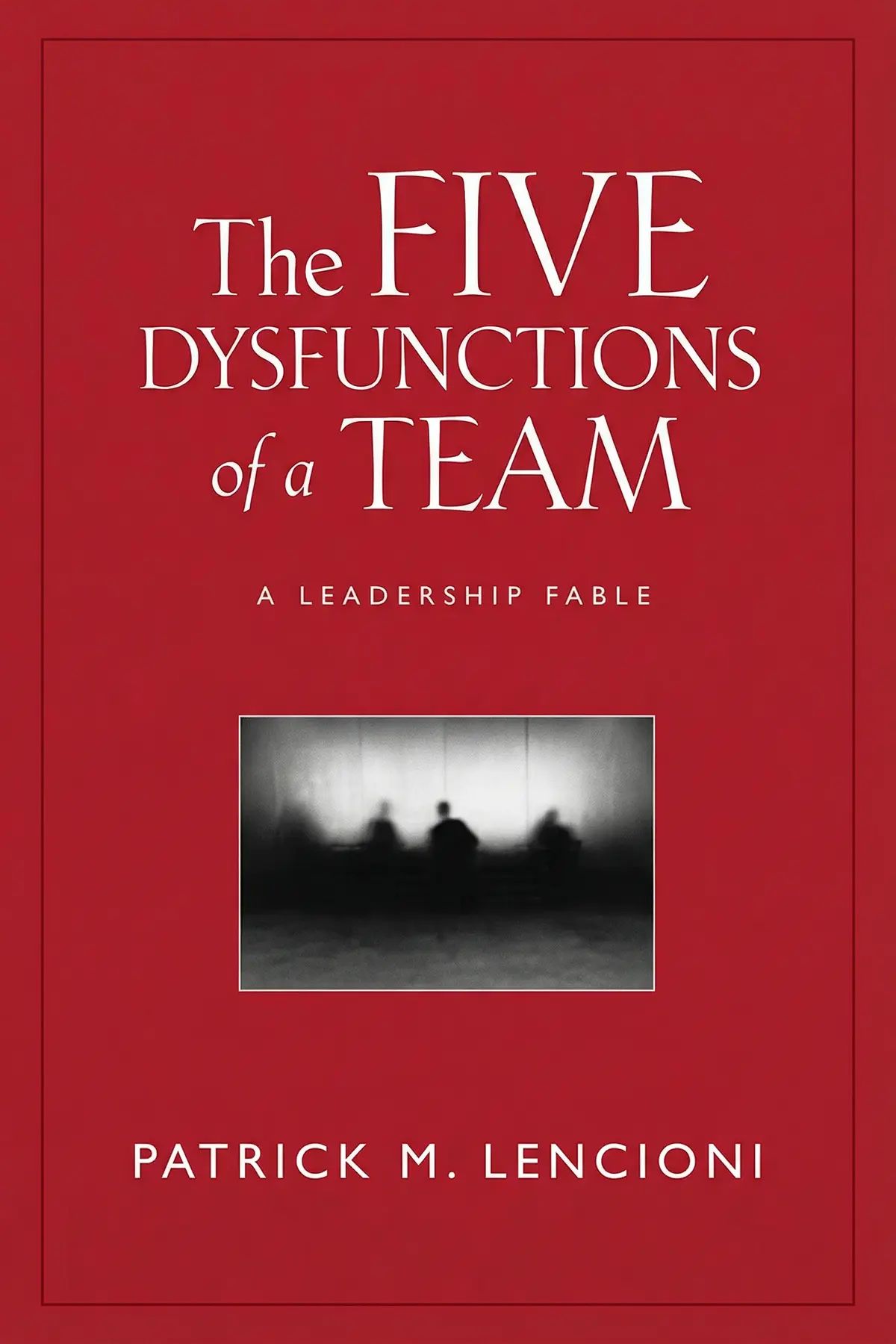
The Five Dysfunctions of a Team: A Leadership Fable
Patrick M. Lencioni
Ratings & Reviews
Ratings at a glance
What people think
Listeners find the book exceptionally easy to read, emphasizing that it is essential for preparing for interviews and praising its hands-on guidance and tips. Furthermore, the material is simple to digest, with one listener pointing out its effectiveness in helping them understand the significance of every virtue. They also prize the team-building perspectives, which demonstrate how to transform current staff into ideal team players, and the narrative style that brings concepts to life. The work earns praise for its emphasis on humility, with one listener observing how it makes collective action possible, alongside its clear and direct way of explaining ideas.
Top reviews
Yuwadee
Finally got around to reading Lencioni, and I can see why my manager keeps quoting it. The 'Hungry, Humble, Smart' framework is so simple it’s almost deceptive, but applying it to our current hiring process has been a total game-changer. I particularly appreciated the section on interviewing, which provides actual questions to suss out if a candidate is just acting the part or genuinely possesses these virtues. While some might find the construction company fable a bit cheesy, it effectively illustrates how a single 'jackass' can derail an entire project's momentum. It's a quick read that cuts through the typical corporate jargon to offer practical wisdom you can use on Monday morning. If you are looking to build a team that actually functions as a unit rather than a collection of individuals, this is essential.
Show moreMarasri
As someone who recently transitioned into a middle-management role, this book felt like a lifeline thrown into a stormy sea of HR issues. I’ve struggled with knowing how to label the specific friction points in my team, but Lencioni gives names to these behaviors in a way that is incredibly easy to understand. The focus on humility was a standout for me because it explains how ego prevents collective action from ever truly taking root. We’ve started using the self-assessment tools provided in the back, and the conversations they’ve sparked have been more honest than anything we’ve done in years. It’s rare to find a business book that is both this readable and this immediately applicable to daily operations. I honestly feel better equipped to handle my next round of interviews now that I know exactly what traits to look for.
Show moreMethinee
Ever wonder why some groups just click while others constantly struggle with internal politics? Lencioni nails the answer by focusing on three essential virtues that every hire needs to possess. I loved how he explained that missing even one of these traits makes someone a 'type' of problematic employee, like the 'lovable slacker' or the 'skillful politician.' This framework makes it so much easier to have difficult coaching conversations because you aren't just attacking someone’s personality; you’re pointing to a specific lack of a team virtue. The book is remarkably story-driven, which kept me turning pages much faster than a dry textbook would have. It’s helped me realize that I need to work on my own 'Smart' skills to better navigate office dynamics. Every supervisor who leads a team should keep a copy of this on their desk for quick reference.
Show moreFang
Wow, Lencioni really hit home with the idea that being a 'team player' isn't some vague, unteachable personality trait. By breaking it down into three actionable categories, he makes it possible to actually train and recruit for these behaviors. I’ve read a lot of management books, but few focus so heavily on how humility makes collective action possible within a high-stakes environment. The narrative style might be polarizing for some, but I found it helped the concepts stick in my memory much better than a list of bullet points would. It’s a must-read for interview preparation, especially if you want to move away from hiring based on 'gut feeling' and toward a more objective standard. Our office culture has already seen a shift just by making these three words part of our daily vocabulary. Simple, effective, and highly recommended for anyone in leadership.
Show moreWei
Picked this up for a work book club and I was pleasantly surprised by how much I enjoyed it. The story-driven approach really illustrates the ideas effectively, making it much more than just another dry business manual. I’ve always known that 'people skills' were important, but seeing them defined as being 'Smart' in a social context really clicked for me. It’s a quick read that provides a lot of 'aha!' moments, particularly regarding why certain high-performers are actually toxic to the team's long-term health. The advice on creating ideal team players from existing employees is especially helpful for those of us who can't just fire everyone and start over. It’s straightforward, easy to understand, and packed with practical wisdom that you can apply immediately. Definitely worth the time if you want to improve your workplace culture.
Show moreHarper
The chapter on hiring was by far the most valuable part of this book for me. Lencioni’s core thesis is that technical skills aren't enough; you need people who are socially aware and intrinsically motivated. I found the breakdown of the 'Smart' virtue particularly enlightening, as it focuses on emotional intelligence rather than just IQ. However, I’ll be blunt: the fictional fable that takes up the first two-thirds of the book felt unnecessarily long. I understand that a story-driven approach helps some readers visualize the concepts, but it could have been condensed significantly without losing the core message. Despite the filler, the tactical advice at the end on coaching existing employees to become ideal team players makes the purchase worth it. It’s a solid manual for any leader who is tired of dealing with high-performing 'divas' who poison the office culture.
Show moreTod
Truth is, this book could have been a long-form article, but I still found it worth the afternoon it took to read. Lencioni has a way of taking complex human interactions and distilling them into a straightforward presentation that anyone can grasp. I especially liked the 'Humble' section, as it highlights that true humility isn't about thinking less of yourself, but thinking of yourself less. That’s a powerful distinction for any corporate environment where self-promotion usually reigns supreme. My only gripe is the repetitive nature of the 'fable' portion; we get the point about the construction company pretty early on. Still, the practical tools for evaluating current staff and the sample interview questions are pure gold. It’s a very practical guide that helps you identify who is a true team player and who is just a talented jackass.
Show moreSukit
I have mixed feelings about the 'Hungry' component of Lencioni's triad. While I agree that drive is essential for a high-functioning team, the author’s definition occasionally flirts with encouraging burnout and a lack of boundaries. He suggests that asking about work-life balance in an interview might be a red flag, which feels a bit dated in today's professional landscape where mental health is a priority. Beyond that concern, the 'Humble' and 'Smart' (meaning people-smart) categories are spot on and provide a great vocabulary for team building. The book is written in his signature 'fable' style, which is fine, but it does mean the actual meat of the theory is buried under a lot of fictional dialogue. It’s a decent enough resource for a quick flight, but I’d recommend taking some of the 'Hungry' advice with a healthy grain of salt.
Show moreYongyut
To be fair, the model presented here is very logical, but the execution left me wanting a bit more substance. The 'Hungry, Humble, Smart' triad is a great starting point, yet the book ignores how external factors like company culture or poor management can kill an employee’s hunger. It places the entire burden of being an 'ideal' player on the individual, which feels a bit one-sided to me. Also, the author’s disdain for people who value their time outside of work is a little concerning; you can be a top-tier performer without making the job your entire identity. The fiction part was okay, though I found myself skimming it to get to the actual application section at the end. If you’re looking for a quick, high-level overview of team dynamics, this works, but don't expect a deep dive into organizational psychology.
Show moreIngrid
Not what I expected given all the hype surrounding Lencioni’s work. The 'fable' format occupied nearly 75% of the pages, and frankly, the writing quality of the fiction was quite amateurish and filled with one-dimensional characters. It felt like a 20-page white paper that was stretched into a full-length book to justify the hardcover price tag. The core concepts—being humble, hungry, and people-smart—are common sense and didn't really require a long narrative about a construction firm to explain. While the summary at the end offers some decent interview tips, there wasn’t enough depth or innovative research to keep me engaged throughout. I was hoping for more data-driven insights and fewer metaphors about 'jackasses' and 'accidental mess-makers.' It’s an easy read, sure, but I didn't find the 'practical wisdom' to be anything I hadn't already heard in a basic HR seminar.
Show more
Readers also enjoyed
A Bigger Prize: How We Can Do Better Than the Competition
Margaret Heffernan
A Year with Peter Drucker: 52 Weeks of Coaching for Leadership Effectiveness
Joseph A. Maciariello
Acting with Power: Why We Are More Powerful Than We Believe
Deborah Gruenfeld
All In: How Great Leaders Build Unstoppable Teams
Mike Michalowicz
AUDIO SUMMARY AVAILABLE
Listen to The Ideal Team Player in 15 minutes
Get the key ideas from The Ideal Team Player by Patrick M. Lencioni, plus 5,000+ more titles in English and Thai.
- 5,000+ titles
- Listen as much as you want
- 7-day free trial
- Cancel anytime







