
10 min 26 sec
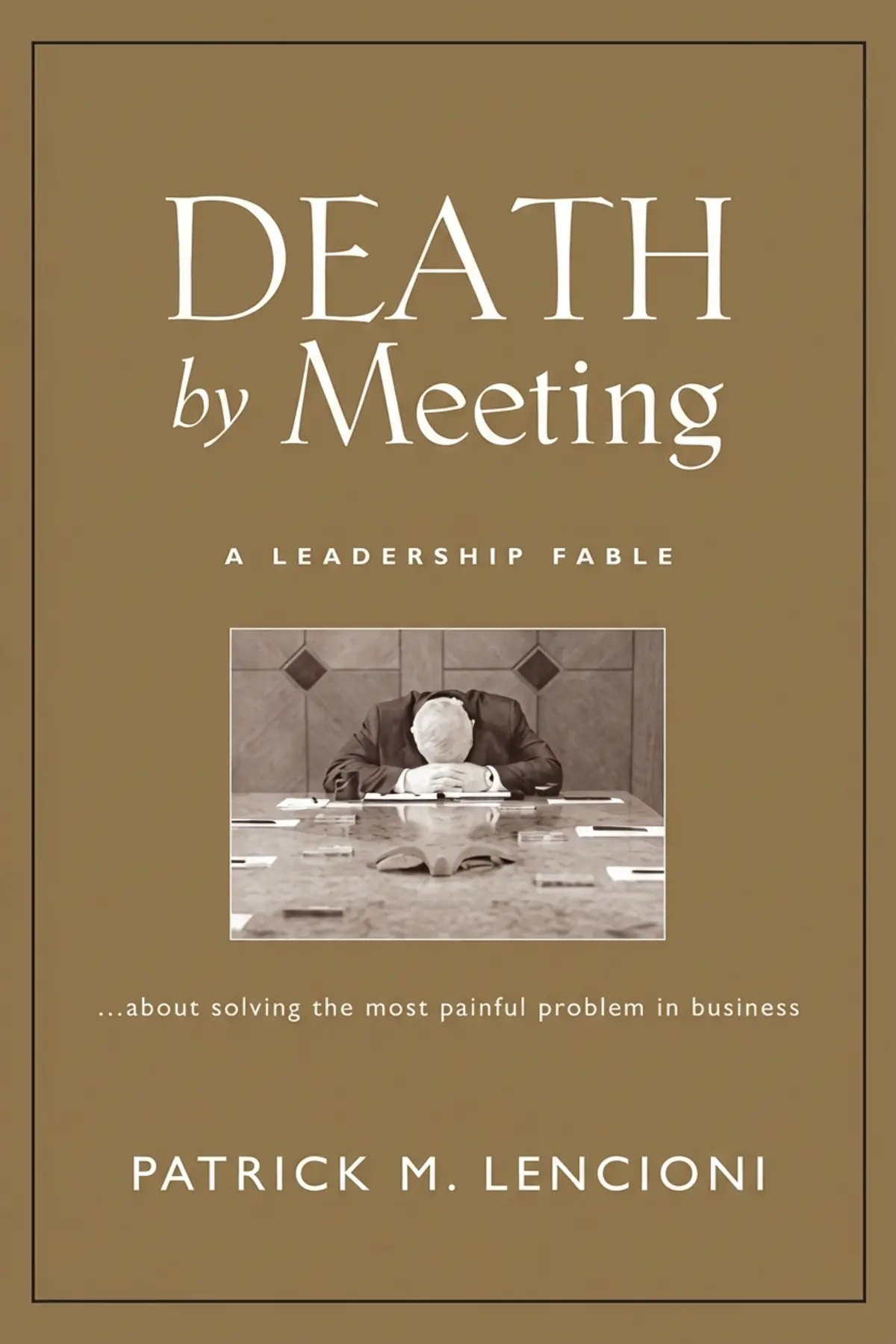
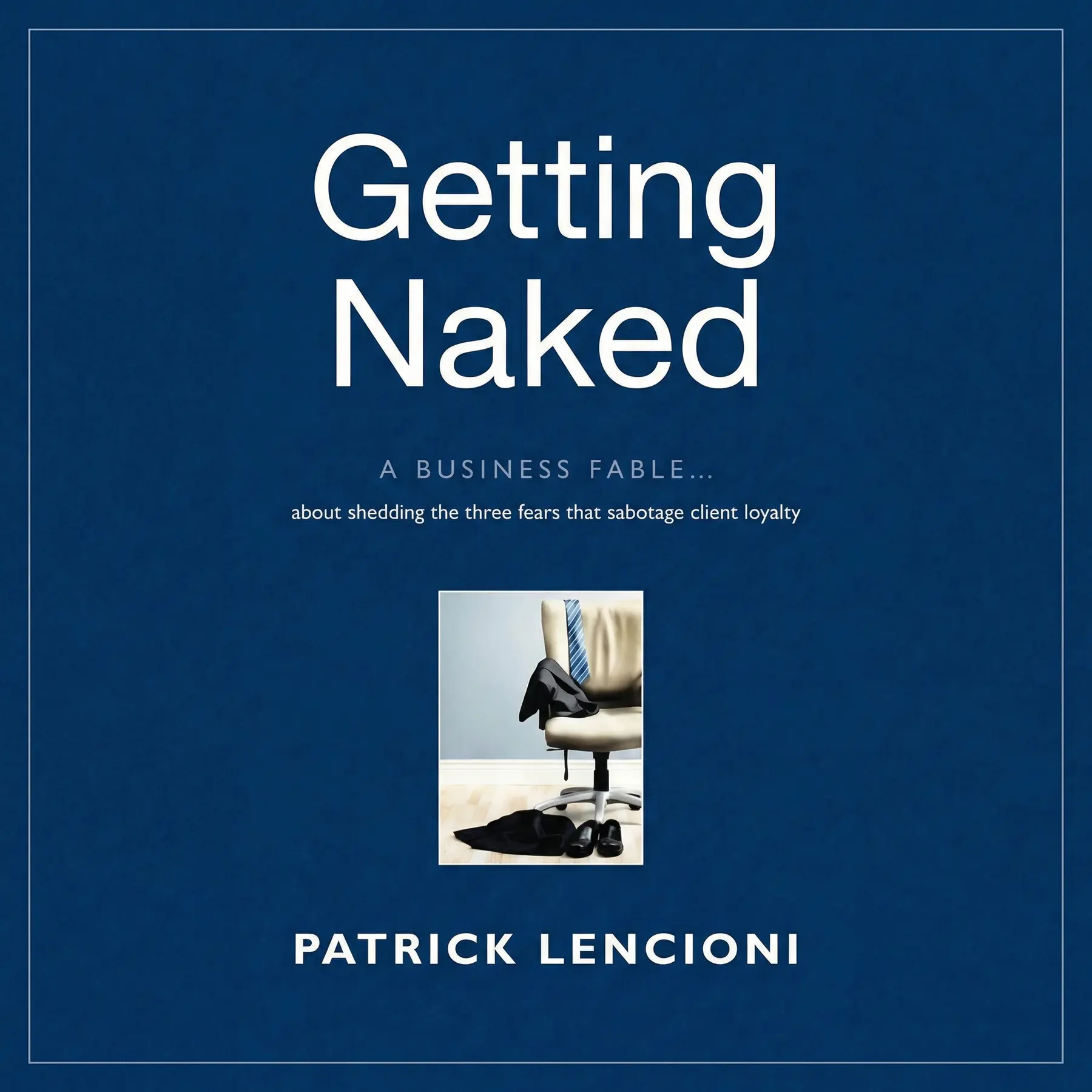
Getting Naked: A Business Fable About Shedding The Three Fears That Sabotage Client Loyalty
Getting Naked explores how consultants and professionals can build deep client loyalty by embracing vulnerability. Patrick Lencioni identifies three core fears that sabotage trust and offers a path to transparency and authentic connection.
Table of Content
1. Introduction
1 min 36 sec
In the high-stakes world of professional consulting and service-based business, there is a pervasive myth that we must always appear bulletproof. We are taught to show up with every answer prepared, every slide polished, and every hair in place. The logic seems sound: if a client is paying for our expertise, they surely want to see a paragon of competence. But according to Patrick Lencioni in his compelling business fable, Getting Naked, this obsession with perfection actually creates a wall between us and the people we are trying to help.
The core throughline of this summary is that true loyalty and deep trust are built on a foundation of vulnerability. Lencioni argues that our natural tendency to protect our image—what he calls our ‘clothes’—actually sabotages the very relationships we depend on. To build a lasting connection, we must be willing to stand ‘naked’ before our clients, stripped of our ego, our fears of looking foolish, and our need for constant validation.
This isn’t just about being nice or authentic in a vague sense. It is a rigorous professional discipline that requires us to confront three specific, deep-seated fears that most of us carry into every meeting. Over the next few sections, we will explore why letting your guard down is the most powerful move you can make, how to stop prioritizing your own business over your client’s needs, and why the most ‘inferior’ tasks can sometimes be the ones that lead to the greatest professional respect. By the end of this journey, you’ll see that being vulnerable isn’t a sign of weakness; it’s the ultimate mark of a confident, dedicated partner.
2. The Power of Radical Transparency
1 min 56 sec
Discover why trying to hide your flaws and nerves actually erodes your professional credibility, and how embracing your human side can turn you into a trusted team member.
3. Overcoming the Fear of Losing Business
1 min 53 sec
Learn how putting your client’s immediate needs ahead of your own bottom line can ironically lead to more secure and long-term professional success.
4. Embracing the 'Stupid' Question
1 min 45 sec
Find out why appearing ignorant in the short term can lead to brilliant breakthroughs and why you should never fear asking the obvious.
5. The Dignity of Service and the Fear of Inferiority
1 min 54 sec
Explore why there is no task too small when serving a client and how a servant’s heart can elevate your professional status.
6. Conclusion
1 min 22 sec
As we wrap up this exploration of Getting Naked, the central theme is clear: the most successful professional relationships are built on a foundation of radical vulnerability. Patrick Lencioni challenges us to look inward and identify which of the three fears—the fear of losing business, the fear of embarrassment, or the fear of inferiority—is currently holding us back. These fears are natural, but they are also the primary obstacles to the kind of trust that creates lifelong client loyalty.
What this really means is that our greatest professional tool isn’t our resume or our technical expertise; it is our humanity. When we stop trying to hide our flaws, when we prioritize the client’s needs above our own bottom line, when we ask the ‘dumb’ questions, and when we serve with genuine humility, we become more than just service providers. We become trusted advisors and essential partners.
So, as you move forward into your next client meeting or professional project, ask yourself: ‘Am I wearing too many clothes?’ Are you hiding behind a mask of perfection? If you can find the courage to stand ‘naked’ and be your honest, transparent self, you will find that the rewards—both in terms of business success and personal fulfillment—far outweigh the discomfort of being vulnerable. Building trust is a journey of shedding our defenses, and it starts with the simple, brave act of being real.
About this book
What is this book about?
In the world of professional services, many believe that maintaining an image of perfection and expertise is the key to winning and keeping clients. Getting Naked challenges this conventional wisdom, arguing that the most successful consultants are those willing to be vulnerable, transparent, and even a little 'naked' in front of their clients. The book presents a counterintuitive approach to building trust: instead of hiding weaknesses or avoiding difficult conversations, professionals should lean into them. By shedding the protective layers of ego and fear, you can transform your professional relationships. The promise of this approach is a level of client loyalty that cannot be achieved through technical skill alone. This summary breaks down the psychological barriers—specifically the fears of losing business, being embarrassed, and feeling inferior—that prevent us from truly connecting with those we serve. You will learn how to turn vulnerability into your greatest professional asset, creating a foundation of honesty that makes you indispensable to your clients.
Book Information
About the Author
Patrick M. Lencioni
Patrick Lencioni is founder and president of The Table Group, helping organizations optimize teamwork and engagement. Besides consulting and public speaking, he’s written bestsellers including Five Dysfunctions of a Team.

The Advantage: Why Organizational Health Trumps Everything Else in Business
Patrick M. Lencioni
The Five Dysfunctions of a Team: A Leadership Fable
Patrick M. Lencioni
Ratings & Reviews
Ratings at a glance
What people think
Listeners view this work as an essential guide for consultants, filled with valuable insights and presented in Lencioni's signature narrative style. They value the direct methodology and the way it enhances mutual respect and trust between advisors and their clients. The book provides significant career support, with one listener mentioning that it reveals the core principles behind achieving success in the consulting field.
Top reviews
Talia
As a professional who spends most of my day in front of clients, Lencioni’s fable about the Lighthouse consulting firm hit home immediately. The way he describes the fear of losing business resonates because it is a trap we all fall into when trying to please every stakeholder. By demonstrating how to be truly vulnerable, he shows a path toward deeper trust that most 'sales-y' books completely ignore. Truth is, I felt a weight lift off my shoulders reading about 'entering the danger' and asking the dumb questions I usually hide. It's a game changer. While the story format is simple, it makes the psychological hurdles of consulting much more relatable than a standard textbook. I am already planning to have my entire project management team read this before our next big client kickoff. If you want to move beyond being a vendor and become a partner, this is the blueprint.
Show moreGabriel
Ever wonder why some consultants seem to instantly win the room while others struggle to connect despite having better data? This book provides the answer by highlighting how radical honesty and vulnerability—what Lencioni calls 'getting naked'—can build an unbreakable bond with clients. I loved the section on 'telling the kind truth' because it addresses the awkwardness we all feel when a client is headed in the wrong direction. The author argues that being brave enough to address the elephant in the room is actually a service. It turns out that admitting your weaknesses actually makes you more credible, not less. This is a must-read for anyone in a service-oriented field who wants to move beyond transactional relationships. I am already seeing a shift in how I handle my discovery calls. It works.
Show moreYam
Wow, the scene where Amy calls out the executive’s negativity during the meeting was such a visceral moment that made the whole 'naked' concept click for me. It is about having the courage to 'enter the danger' for the sake of the project, even if it feels socially uncomfortable in the moment. In my experience, most business relationships are stifled by a polite surface-level professionalism that prevents real progress from happening. Lencioni’s approach encourages us to stop selling and start actually helping, even if that means giving away our best ideas for free during the pitch. This shift in mindset from self-protection to service is exactly what is missing in most modern sales training programs. If you want to build genuine loyalty, you have to be willing to lose the business first. Truly a transformative perspective.
Show moreSuthee
Gotta say, I have found that adopting the 'naked' approach makes prospects actually more likely to hire me. When I am honest about what I don't know, they trust me more. It is counterintuitive, but showing your cards early builds a level of respect that a polished, perfect presentation simply cannot achieve. Lencioni’s writing style is always accessible, making this an easy book to finish in a few sittings or on a short flight. Not gonna lie, I was skeptical about 'giving away the business' at first, but it has led to more referrals than any marketing campaign I have ever run. Every consultant needs this on their shelf. It is a fundamental guide for building real trust. Stop being afraid of appearing 'dumb' and start being helpful.
Show moreSamroeng
This book changed the way I pitch new business because I no longer feel the need to hide my limitations behind a wall of corporate jargon. The uncomplicated methodology Lencioni proposes is all about forging reliable connections through humility and directness. By focusing on the client's needs instead of our own ego, we unlock a level of collaboration that most firms never reach. I especially connected with the concept of 'doing the dirty work' because it shows the client that you are truly in the trenches with them. Some might find the storytelling a bit simplistic, but that is exactly why it sticks. It is a quick read that delivers essential axioms for long-term success. If you are struggling to build client loyalty, you need to read this immediately.
Show moreBook
Not what I expected from the title, but once you get past the metaphorical labels, it is mostly just basic interpersonal skills repackaged for the consulting world. The story follows a firm acquisition where the smaller, more 'vulnerable' company actually has a better client retention rate than the big, polished firm. To be fair, Lencioni is a great storyteller, and his writing is incredibly easy to digest over a single afternoon. However, I found some of the principles, like 'making dumb suggestions,' to be a little too idealistic for highly technical or regulated industries. In my world, a dumb suggestion could cost a client millions of dollars or result in a legal nightmare. It is a decent business fable, yet it lacks the nuance required for complex professional services where precision is just as important as trust.
Show moreUbolrat
Picked this up during a lull in my consulting work, and the timing could not have been better for my mental health. For years, I have been terrified of looking like I did not have all the answers, which only led to more stress and less authentic client engagement. Lencioni identifies this as the 'fear of being embarrassed,' and seeing it written out so clearly was a total epiphany for me. The idea of taking a bullet for the client or doing the 'dirty work' without complaint sounds simple, but it's rare in practice. My only gripe is that the story feels a bit one-sided, as every client in the book responds perfectly to these techniques. Real-life clients can be much more cynical. Still, the core principles are solid and worth testing in the field.
Show moreCamila
After hearing several colleagues rave about Lencioni’s 'Three Fears' model, I decided to see if the hype was actually justified. The book is structured as a fable, which makes the concepts easy to remember, even if the dialogue is occasionally a bit stilted. Frankly, the real value is in the final twenty pages where he summarizes the 'naked' principles, but the story helps illustrate how they play out in high-pressure scenarios. I especially appreciated the emphasis on 'honoring the client's work' and avoiding the trap of feeling superior just because you are the outside expert. It is a humbling reminder that we are there to serve, not to shine. While not his absolute best work compared to 'The Five Dysfunctions,' it is still a top-tier resource for anyone in account management.
Show moreVimolwan
Finally got around to this one after my boss recommended it, and I found the focus on 'naked' service surprisingly refreshing for the modern workplace. Most consultants spend so much energy trying to appear perfect that they actually distance themselves from the very people they are trying to help. Lencioni’s model focuses on shedding our ego, specifically the fear of being embarrassed or feeling inferior to the client. Personally, I think the advice to 'give away the business' is the most challenging part to implement when you have quarterly quotas to hit. Even though the fable is a little hokey in spots, it provides a safe context to examine our own professional insecurities. It is a fast read that will definitely stick with me during my next high-stakes presentation, even if it feels a bit repetitive at times.
Show morePaiboon
Look, I understand the core message here is about transparency, but this entire book could have easily been condensed into a single ten-page whitepaper. Like many of Lencioni's other works, the narrative feels forced and the characters serve only as hollow mouthpieces for his specific business philosophy. If you are a busy executive, frankly, just skip to the summary at the end to save yourself four hours of reading. The 'three fears' are insightful enough, but the fluff surrounding them is distracting. I found the 'dumb suggestions' advice a bit reckless depending on your industry. It is not that the advice is bad; it's just that the delivery feels like it is designed more to sell hardcovers than to provide efficient, high-level training. Not my favorite by this author by a long shot.
Show moreFeatured in

Readers also enjoyed
AUDIO SUMMARY AVAILABLE
Listen to Getting Naked in 15 minutes
Get the key ideas from Getting Naked by Patrick M. Lencioni, plus 5,000+ more titles in English and Thai.
- 5,000+ titles
- Listen as much as you want
- 7-day free trial
- Cancel anytime







