
14 min 41 sec
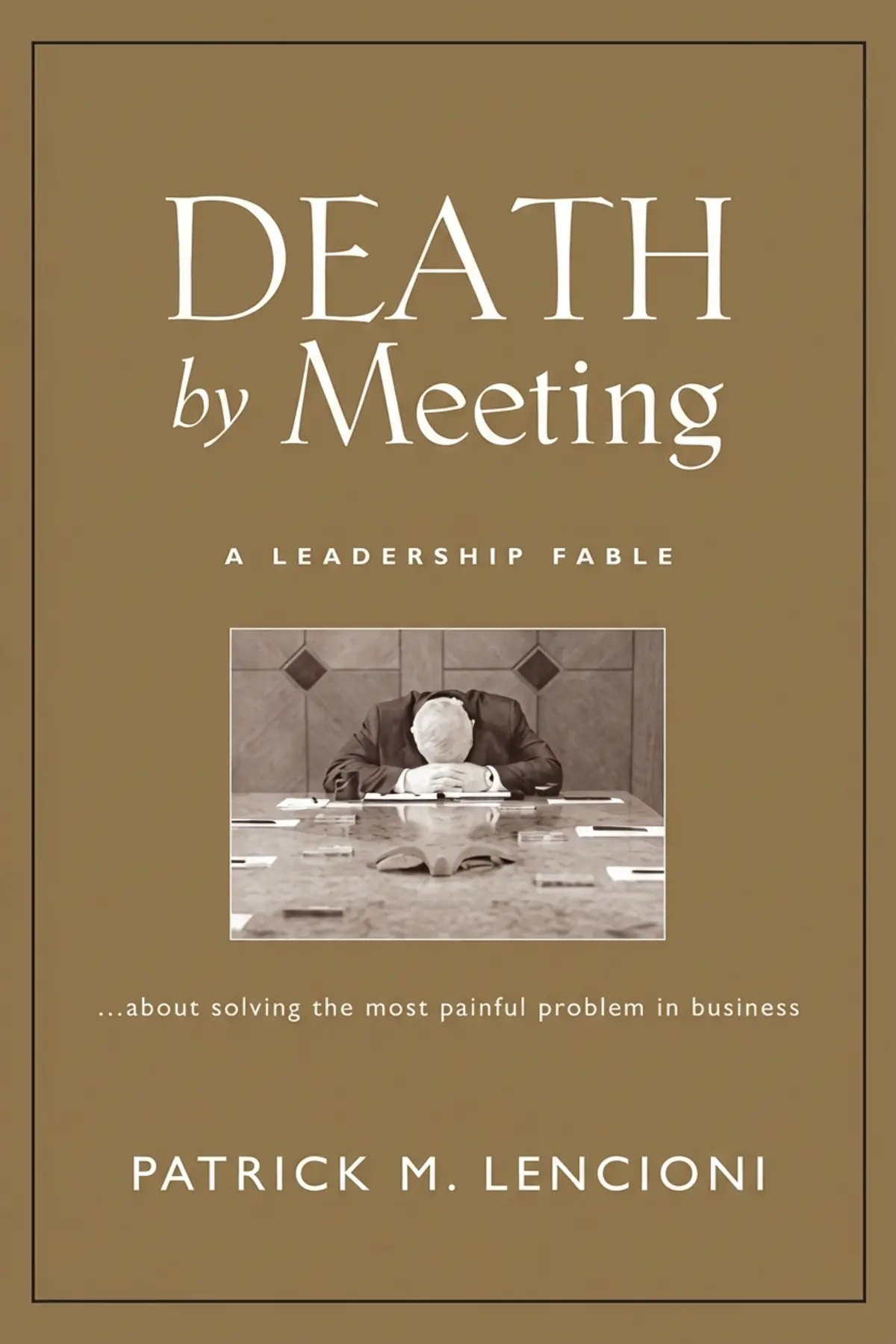
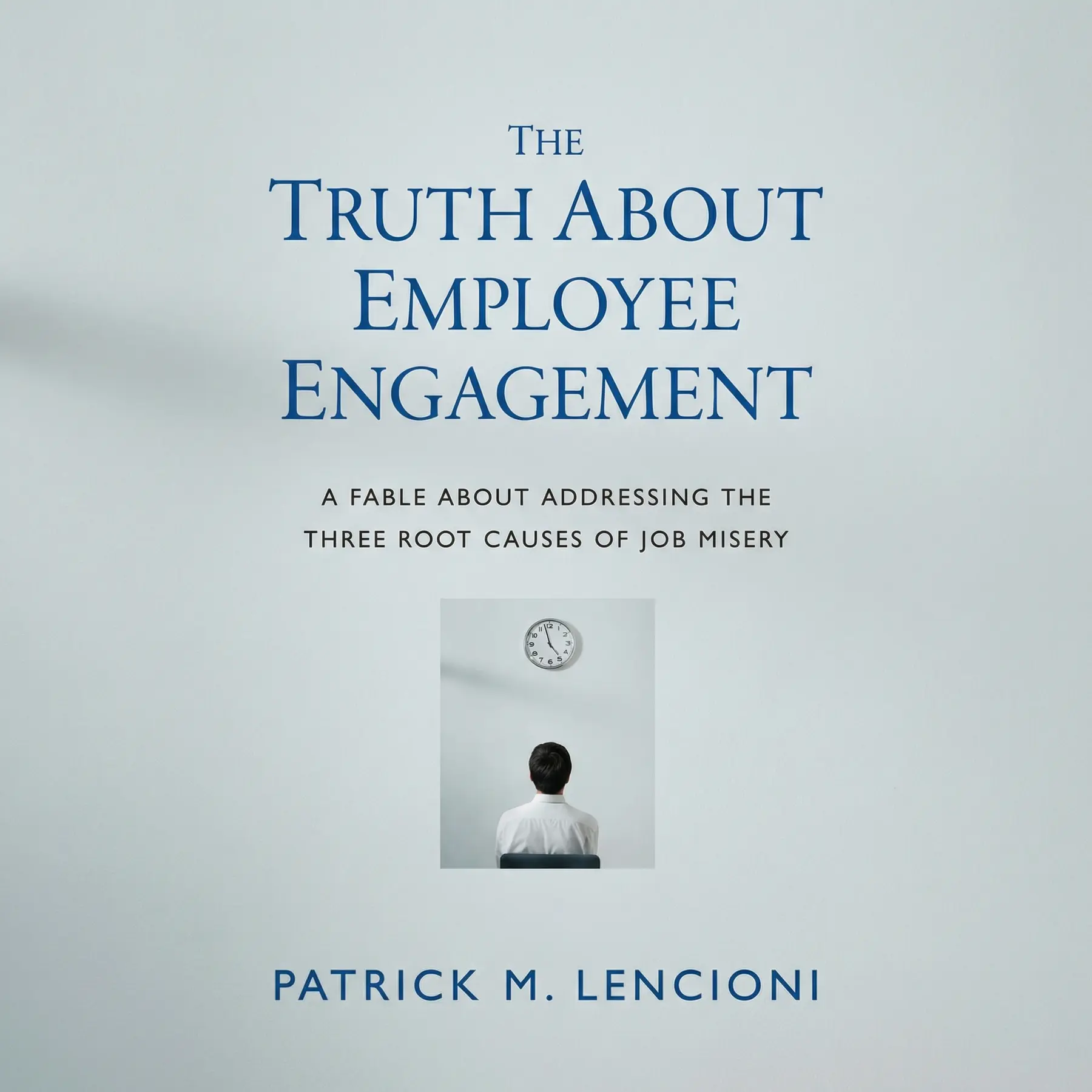
The Truth About Employee Engagement: A Fable About Addressing the Three Root Causes of Job Misery
Discover why paychecks aren't enough for true professional happiness. This summary explores the three psychological traps that lead to job misery and provides actionable strategies for managers and employees to find genuine meaning.
Table of Content
1. Introduction
1 min 40 sec
We spend a staggering portion of our adult lives at work. For many, that time is characterized by a heavy sense of dread, a constant checking of the clock, and a feeling of being completely uninspired. We’ve been conditioned to believe that this is just the way things are—that a job is a necessary evil to pay the bills. But what if the misery we feel isn’t actually inherent to the work itself?
In this exploration of Patrick Lencioni’s core philosophy, we dive into the heart of why so many people feel disconnected from their professional roles. It’s a common misconception that satisfaction is tied to the industry, the salary, or the prestige of a title. In reality, a high-powered executive can be just as miserable as a laborer, while a janitor might find more meaning in their day than a superstar athlete. The difference lies in a few fundamental psychological needs that are often overlooked in the modern workplace.
Throughout this summary, we will uncover the three specific reasons why jobs become miserable: the feeling of being invisible, the sense that your work doesn’t matter to anyone, and the lack of a clear way to see if you’re actually winning. By understanding these root causes, we can start to see a path toward a different kind of working life. We’ll look at how managers can shift their mindset to serve their teams better and how individuals can take ownership of their own engagement.
The throughline here is simple: workplace misery is a treatable condition. It isn’t about changing what you do; it’s about changing how you are seen and how you see your own contribution. Let’s begin by looking at why addressing this isn’t just a nice thing to do for employees—it’s a vital necessity for the health of our businesses and our society.
2. The True Cost of a Miserable Workforce
2 min 04 sec
Explore why a bad job is more than just a personal nuisance. Learn how workplace unhappiness bleeds into family life and cripples company productivity and profit.
3. Escaping the Shadow of Anonymity
1 min 54 sec
Discover why feeling invisible is the first step toward job misery and how a simple shift in personal recognition can revitalize a team.
4. Finding Purpose Through Relevance
1 min 55 sec
Work feels pointless when we can’t see who it helps. Learn how to connect every task to a human outcome to banish the feeling of irrelevance.
5. The Power of Objective Measurement
1 min 50 sec
Subjectivity is the enemy of satisfaction. Discover how clear, self-directed metrics can give employees a sense of daily victory.
6. Overcoming the Emotional Hurdles of Leadership
1 min 55 sec
Why do so many managers avoid the very things that boost engagement? Explore the barriers of awkwardness and the myth of professional distance.
7. The Manager as a Servant
1 min 53 sec
Flip the traditional corporate hierarchy on its head. Learn why true leadership is about serving your employees to ensure they thrive.
8. Conclusion
1 min 30 sec
As we wrap up our journey through the fundamental principles of workplace satisfaction, it’s important to remember that no job is inherently beyond saving. The ‘truth’ that Patrick Lencioni highlights is that job misery isn’t a byproduct of the work itself, but a symptom of a breakdown in human connection and clarity. Whether you find yourself in a cubicle, on a construction site, or in a boardroom, you have the power to influence the environment around you.
To move forward, start by auditing your own situation. If you are a manager, ask yourself honestly: Do I really know my team members as people? Do they know why their work matters today? Do they have a way to see their own progress without me telling them? If you are an employee, look for ways to bridge these gaps yourself. Seek out the human impact of your tasks and try to establish your own personal metrics for success.
The takeaway is clear: we don’t have to accept misery as a standard part of the professional experience. By tackling anonymity, irrelevance, and immeasurement head-on, we can transform our workplaces into spaces of growth and fulfillment. This isn’t just about making businesses more profitable—though that certainly happens—it’s about honoring the human spirit in the place where we spend the majority of our waking hours. When we feel seen, relevant, and capable of measuring our own growth, work stops being a burden and starts being a meaningful part of a life well-lived. Go out and find that meaning, or better yet, create it for someone else.
About this book
What is this book about?
Many people believe that a dream job is defined by a high salary or a prestigious title, yet millions of professionals across all industries find themselves deeply unhappy. This guide dismantles the myths surrounding workplace satisfaction by identifying three specific root causes of job misery: anonymity, irrelevance, and immeasurement. Through the lens of Patrick Lencioni’s insights, you will learn how these factors drain motivation and how they can be reversed to create a thriving culture. The promise of the book is simple but profound: any job, from entry-level service to executive leadership, can be transformed into a fulfilling experience when human connection and clear impact are prioritized. Whether you are a manager looking to boost productivity or an employee seeking a sense of purpose, these lessons provide the tools to bridge the gap between mere employment and true engagement.
Book Information
About the Author
Patrick M. Lencioni
Patrick Lencioni is a consultant and manager who specializes in developing strong teams and creating healthy dynamics within companies. He has worked not only for Fortune 500 companies but also for start-ups and nonprofit organizations. He has published numerous books including the bestselling The Five Dysfunctions of a Team.
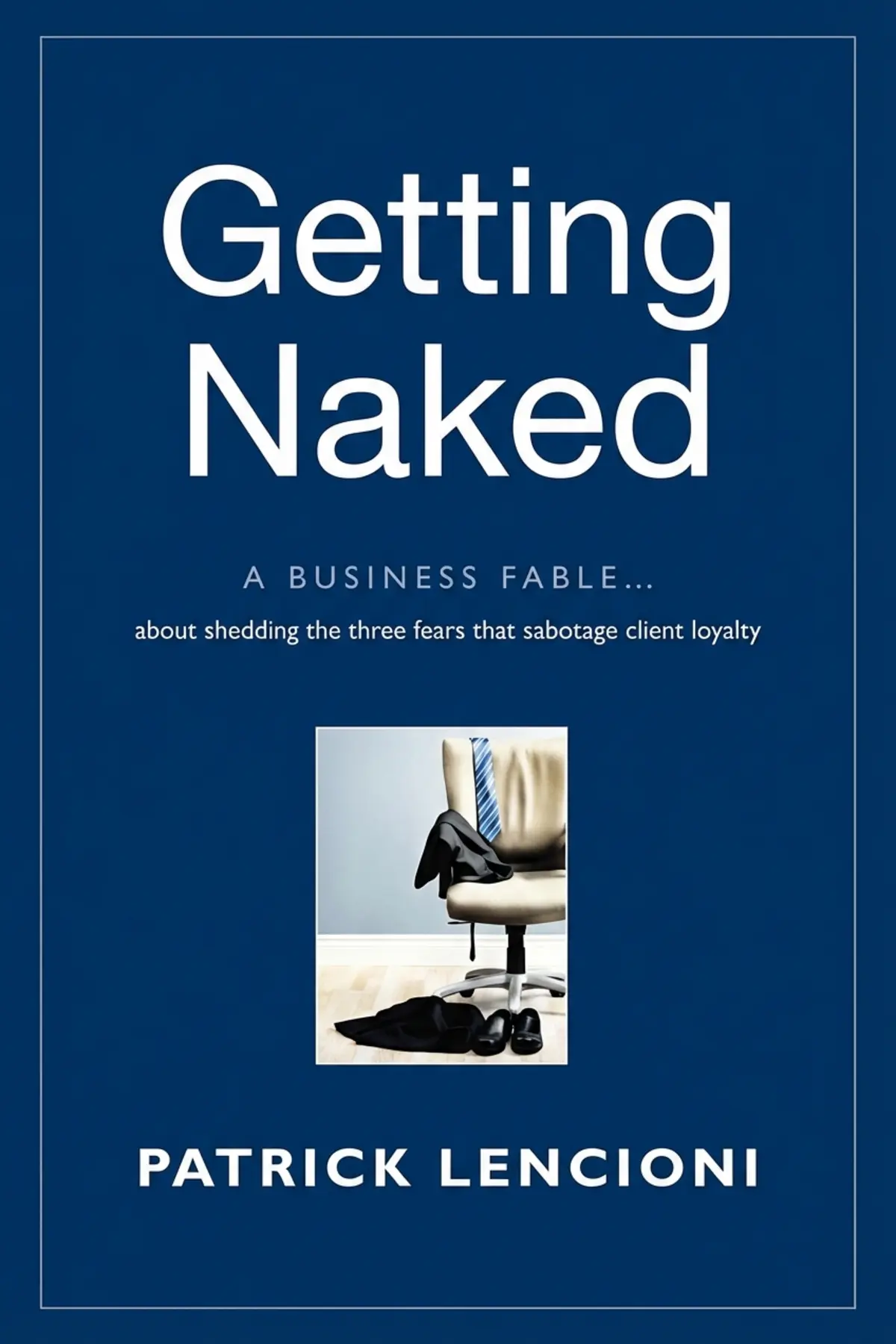
Getting Naked: A Business Fable About Shedding The Three Fears That Sabotage
Patrick M. Lencioni

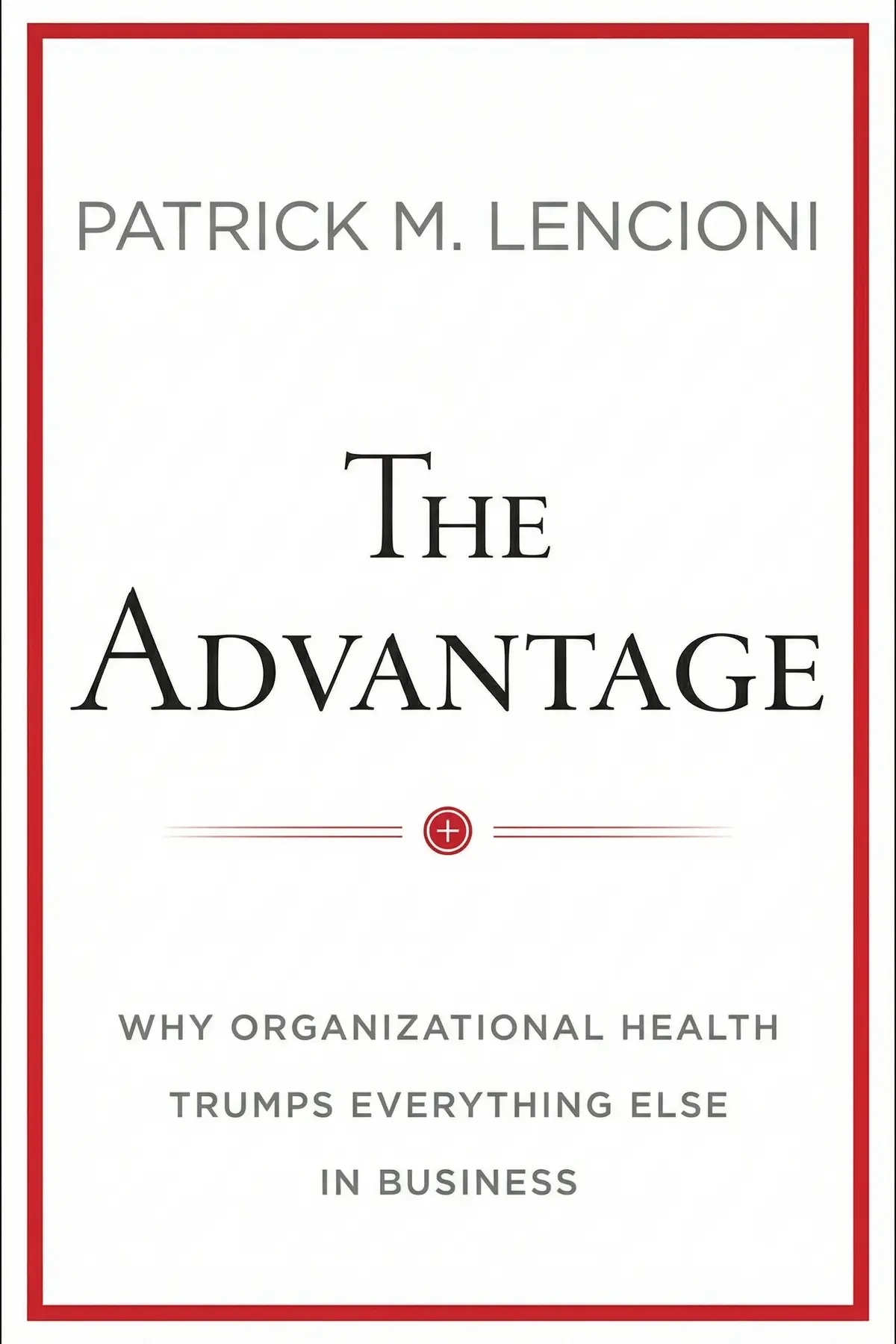
The Advantage: Why Organizational Health Trumps Everything Else in Business
Patrick M. Lencioni
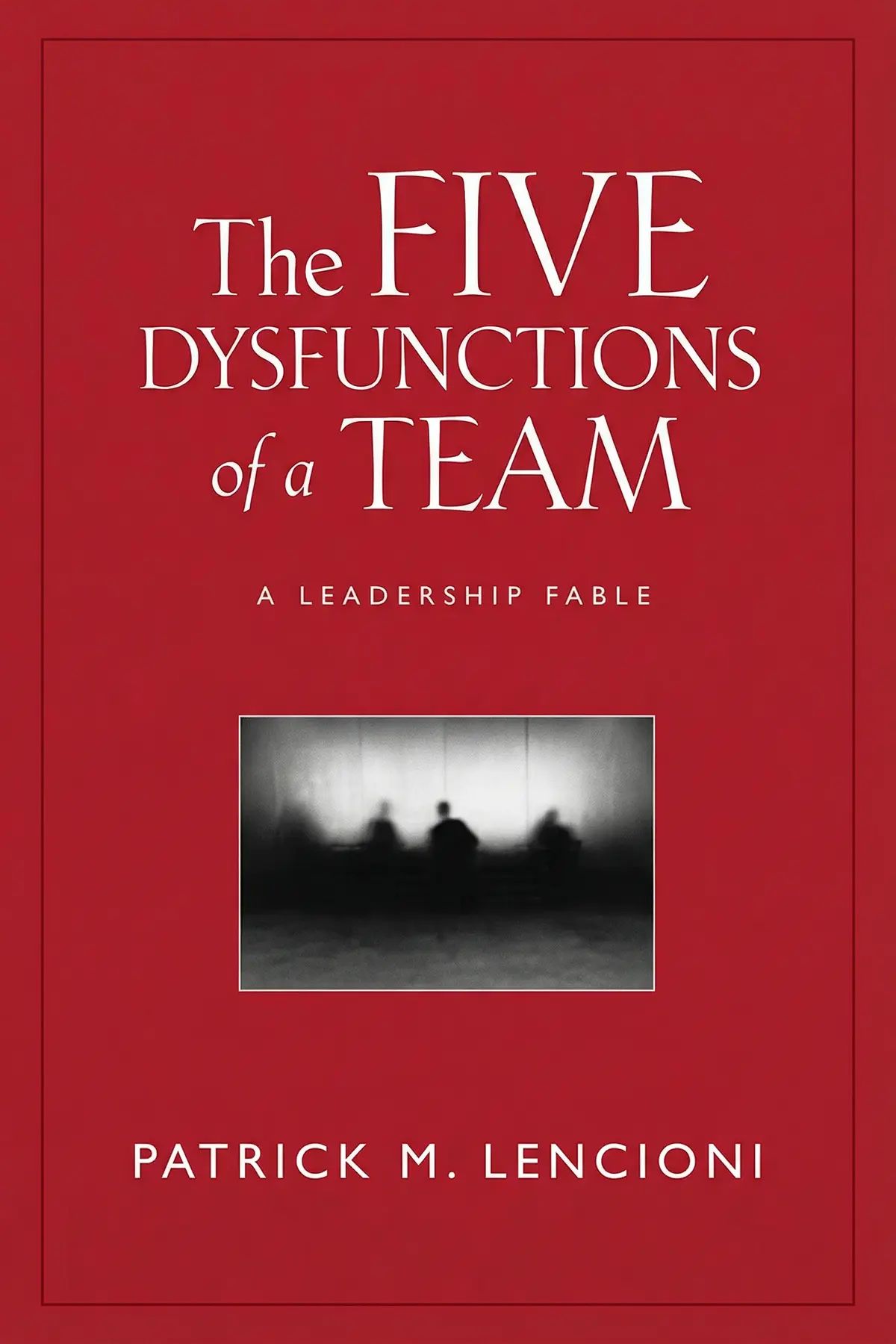
The Five Dysfunctions of a Team: A Leadership Fable
Patrick M. Lencioni
Ratings & Reviews
Ratings at a glance
What people think
Listeners find this to be an excellent choice for managers, successfully demonstrating engagement principles through a brief, compelling narrative. Additionally, they value the straightforward and realistic way it tackles difficult subjects, providing inspiring content that helps drive staff motivation. The book is also commended for a narrative style that keeps the audience hooked, while one listener points out that it offers a number of practical pointers.
Top reviews
Hemp
Ever wonder why some employees look like zombies even when they receive decent pay? Lencioni gets straight to the heart of the matter here by defining what actually makes a job "miserable." I found the three signs—anonymity, irrelevance, and immeasurement—to be incredibly insightful and, frankly, quite convicting for any leader. We often forget that people just want to be seen as individuals and know their work matters to someone else. The fable format makes these heavy concepts feel light and easy to digest during a morning commute. While the story of Brian Bailey is a bit idealized, the underlying message is powerful enough to overlook the occasional cheesiness. It’s an essential tool for anyone in leadership struggling with team morale.
Show moreDiego
Wow, this book hit home more than I ever expected it to. I realized that my last job was miserable not because of the tasks, but because I felt completely anonymous to my supervisor. Lencioni explains that when a manager doesn't know anything about your life outside of work, it creates a vacuum of fulfillment. The way he ties irrelevance to the feeling of being needed is just brilliant. It’s written so simply that you can finish it in one sitting, yet the concepts stay with you for weeks. I’m currently buying copies for my entire leadership team because we need this perspective right now. If you want to truly motivate your staff, start here.
Show moreAnucha
After hearing about this book for years, I finally understood why it's a staple in management circles. It addresses the "why" behind employee turnover in a way that feels incredibly authentic. The focus on immeasurement is particularly relevant in today’s remote work environment where feedback loops can often be broken. Lencioni argues that people need to be able to gauge their own success without waiting for a quarterly review, and he’s absolutely right. It’s a motivational read that reminds us that management is ultimately about service and connection. Simple, effective, and deeply human—I’ll be recommending this to my fellow directors.
Show moreKai
Picked this up for a book club at work and it sparked a really deep conversation about our current culture. The book follows a retired executive who ends up managing a pizza place to test his theories on engagement. Truth is, the dialogue is a little stiff, and the turnaround at the sporting goods store felt a bit too convenient for real life. However, you can't argue with the logic of the Three Signs; if your team doesn't know how to measure their own success, they’re always going to feel like they’re failing. It’s a short read that hits hard without getting bogged down in academic jargon. Definitely worth the afternoon it takes to finish.
Show moreLayla
As someone who has managed teams for over a decade, I appreciated how this book stripped away the fluff and focused on the human element. Lencioni highlights the need for personal connection to combat anonymity, which is a mistake I have definitely made in the past. I’ve often been guilty of ignoring the immeasurement aspect by relying too much on my own subjective feedback rather than giving my staff clear metrics. The story is a bit hokey, but it serves its purpose as a vehicle for the framework. I would have liked more deep dives into the implementation phase, but the second half of the book covers the basics well enough. It’s a practical guide that every first-time manager should keep on their desk.
Show moreRome
Lencioni has a way of making complex organizational issues feel manageable by boiling them down to specific, actionable problems. This book takes the massive topic of employee engagement and focuses on three clear hurdles for managers. I particularly liked the section on immeasurement, which highlights how employees lose motivation when they can't track their own progress. In my experience, most managers are afraid to be "too personal," but this book argues that failing to know your employees is actually a leadership failure. The writing style is engaging and quick, though it does occasionally veer into overly simplistic territory. It is a solid resource for improving the bottom line through better people management.
Show morePaiboon
Finally got around to reading this and I’m glad I did, despite the occasional cringe-worthy dialogue throughout the fable. The story of Brian turning around a roadside Italian restaurant is entertaining enough to keep you turning the pages. I liked the focus on how a "miserable" job differs from a "bad" one—it’s a distinction many HR departments miss. My only gripe is that the ending feels slightly rushed and introduces some religious undertones that felt out of place given the rest of the business content. Still, the practical tips in the back of the book are gold. It’s a helpful tool for anyone who wants to be more than just a boss.
Show moreClara
To be fair, I usually hate business fables, but Lencioni actually makes this one work. He highlights how easy it is for an employee to feel irrelevant if they don't see how their work helps a specific person. I loved the breakdown of how managers can help their team identify who they are serving, whether it's the customer or even just the boss. It’s a quick, punchy read that doesn't waste time with unnecessary fluff, despite what some critics say. The message is clear: if you want a successful company, you have to treat your employees like human beings with unique lives. This book provides the roadmap to doing exactly that.
Show moreCholada
The chapter on "Irrelevance" was the only part that really stuck with me after I finished. While I agree that employees need to know who they are helping, the rest of the book felt a bit repetitive. Lencioni uses the fable of Brian Bailey to illustrate his points, but the characters feel more like mouthpieces for his theory than actual people. Personally, you could probably read a summary of the three signs and get most of the value without sitting through the fictional narrative. That said, the core idea that misery isn't just about low pay is an important distinction to make. It's a decent read, just don't expect a literary masterpiece.
Show moreLeah
Not what I expected given the hype surrounding Lencioni. While the core theories on anonymity and irrelevance are solid, the fable format felt incredibly forced and the dialogue was quite wooden. Gotta say, the author’s decision to shoehorn in religious references at the very end felt out of place for a professional development book. There was even a cringe-worthy moment where the main character jokes about schizophrenia that really missed the mark for me. If you can look past the clunky storytelling, the management tips in the final section are genuinely helpful. However, I’d suggest just reading a summary of the three signs and saving yourself the four hours of listening time.
Show moreReaders also enjoyed
A Year with Peter Drucker: 52 Weeks of Coaching for Leadership Effectiveness
Joseph A. Maciariello




Acting with Power: Why We Are More Powerful Than We Believe
Deborah Gruenfeld
All In: How Great Leaders Build Unstoppable Teams
Mike Michalowicz
7 Powers: The Foundations of Business Strategy
Hamilton Helmer
AUDIO SUMMARY AVAILABLE
Listen to The Truth About Employee Engagement in 15 minutes
Get the key ideas from The Truth About Employee Engagement by Patrick M. Lencioni, plus 5,000+ more titles in English and Thai.
- 5,000+ titles
- Listen as much as you want
- 7-day free trial
- Cancel anytime







