
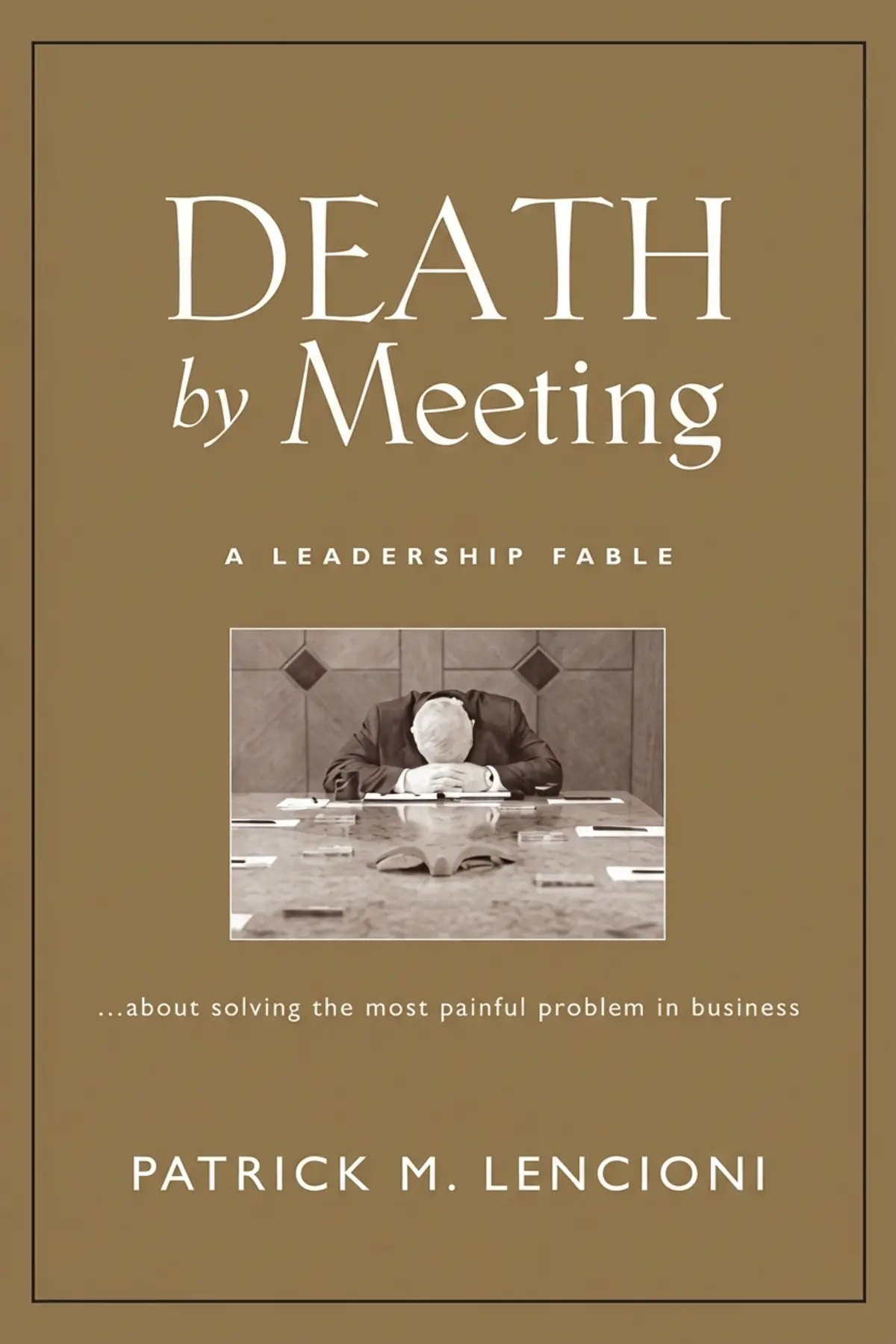
17 min 08 sec
The Motive: Why So Many Leaders Abdicate Their Most Important Responsibilities
The Motive explores the fundamental reason behind why people seek leadership roles, distinguishing between those driven by personal rewards and those motivated by a deep sense of responsibility to serve their organizations.
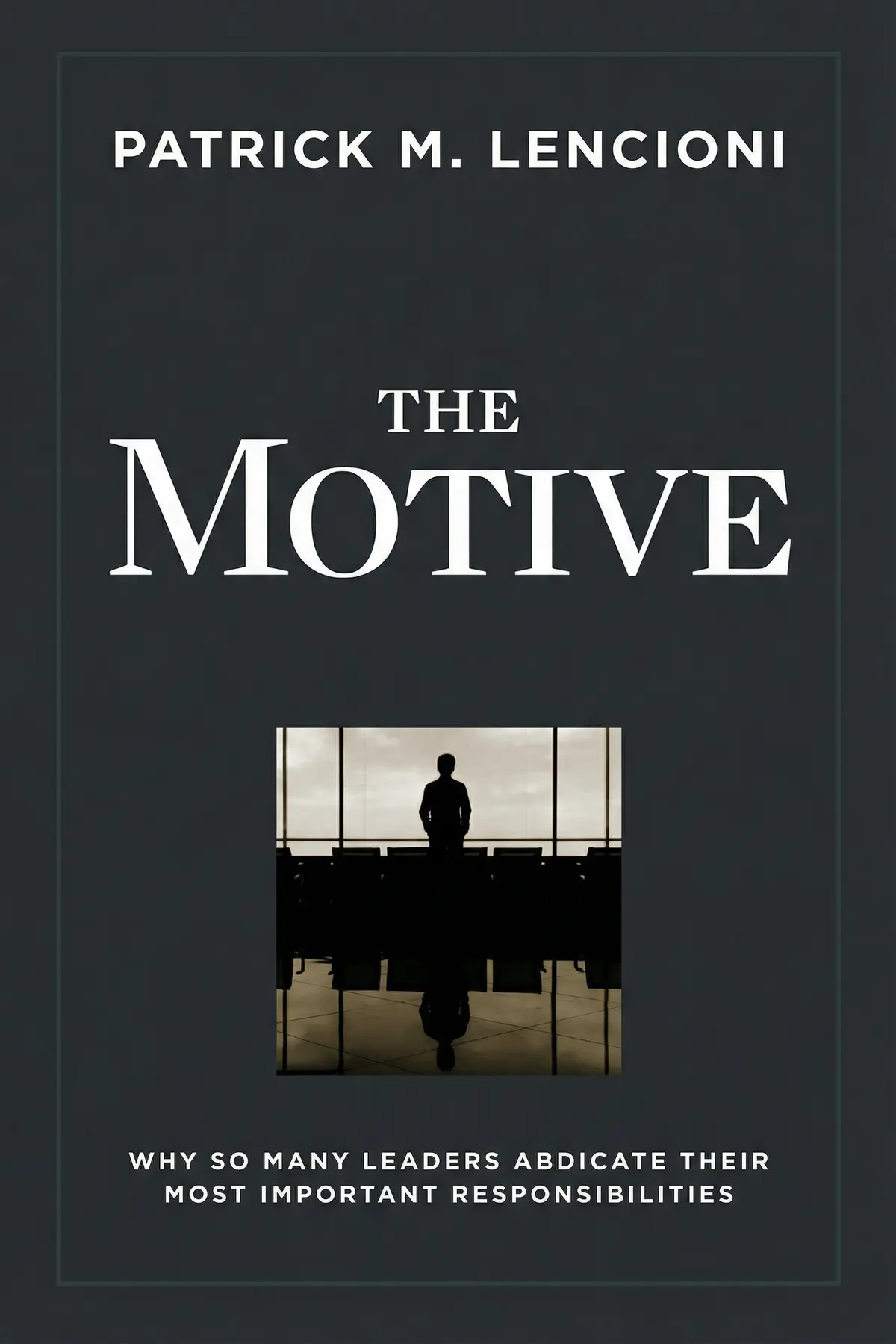
Table of Content
1. Introduction
1 min 59 sec
Imagine two companies in the same industry. One is a national powerhouse, yet it is struggling to keep pace with a smaller, more agile rival. The CEO of the lagging company, Shay Davis, is talented, ambitious, and hardworking. He has reached the pinnacle of his career, yet something is fundamentally wrong. His rival, Liam Alcott, seems to possess a secret sauce that makes his organization thrive. When these two finally meet, the revelation isn’t about a new financial strategy or a technological breakthrough. It is something much more primal and internal. It is about the motive behind why they chose to lead in the first place.
In this exploration of Patrick M. Lencioni’s work, we delve into the uncomfortable truth that many leaders are in their positions for the wrong reasons. We often assume that someone who reaches the C-suite or a high-ranking management role is naturally prepared for the weight of that office. However, the reality is that many people view leadership as a destination—a prize to be enjoyed after years of climbing the ladder. This is what we call reward-centered leadership, and it is the silent killer of organizational health.
Throughout this summary, we will decode the root causes of leadership failure by examining the psychological drivers that dictate a leader’s behavior. We will look at why some of the most brilliant minds in business abdicate their most important responsibilities, and how a simple shift in motive can transform a dysfunctional team into a world-class unit. We are setting out on a journey to understand the ‘why’ behind the ‘how,’ moving past superficial tactics to the very heart of what it means to be a leader. By the end, you will have a clearer picture of your own motivations and a roadmap for embracing the often-difficult, yet deeply rewarding, path of responsibility-centered leadership. Let’s begin by looking at how the wrong motive can quietly sabotage even the most promising careers.
2. The Reward-Centered Leadership Trap
2 min 45 sec
Discover how viewing leadership as a personal prize can lead to the neglect of essential duties and the eventual decay of an organization.
3. The Five Responsibilities That Leaders Frequently Avoid
3 min 19 sec
Explore the specific tasks that reward-centered leaders tend to ignore, and why these omissions are so damaging to team health.
4. Managing Individuals is Not Micromanagement
2 min 29 sec
Break down the harmful myth that high-level employees don’t need guidance and see why active management is a leader’s primary tool for success.
5. The Courage to Face Discomfort and Conflict
2 min 24 sec
Learn why the most important work of a leader often happens in the moments of greatest tension and how to lean into those challenges.
6. Consistency and the Myth of the 'One-Time' Message
2 min 21 sec
Understand why leaders must become ‘Chief Reminding Officers’ and why repetitive communication is the key to organizational alignment.
7. Conclusion
1 min 51 sec
As we reach the end of this exploration, the central question remains: Why do you want to lead? It is a question that requires brutal honesty. There is nothing inherently wrong with enjoying the perks of a high-level position, but those perks cannot be the ‘why’ that gets you out of bed in the morning. If leadership is your prize for past performance, you will likely spend your tenure avoiding the very tasks that your organization needs most. You will outsource team health, skip the hard coaching, avoid the uncomfortable conflicts, and stop communicating the core mission.
On the other hand, if you embrace leadership as a burden of responsibility—as a form of service to others—your entire approach will shift. You will see those difficult conversations not as a nuisance, but as an opportunity to help someone grow. You will see meetings not as a waste of time, but as the critical arena for decision-making. You will realize that your primary job is to ensure that everyone under your care is aligned, supported, and held to a high standard. This is the essence of what some call ‘servant leadership,’ but as we’ve seen, that term is almost redundant. If you aren’t serving, you aren’t really leading; you’re just presiding.
The future of our organizations, and indeed our society, depends on a new generation of leaders who are willing to roll up their sleeves and do the hard, often thankless work of responsibility-centered leadership. This isn’t just about business success; it’s about creating environments where people can find purpose and perform at their best. Whether you are currently in a corner office or are just starting your journey, the choice is yours. You can chase the reward, or you can accept the responsibility. One path leads to temporary comfort and eventual decline; the other leads to lasting impact and the true fulfillment that comes from making others better. The motive is everything. Which one will you choose?
About this book
What is this book about?
Many leaders struggle not because they lack skill, but because they have the wrong underlying motive. Patrick M. Lencioni argues that leadership is often viewed as a reward for hard work—a position of status and comfort—rather than a demanding duty of service. This shift in perspective leads to the neglect of essential tasks like team building, coaching, and conflict resolution. Through a compelling narrative and practical analysis, the book identifies two primary types of leadership: reward-centered and responsibility-centered. It outlines five specific areas where leaders frequently abdicate their roles when their motives are misplaced. By diagnosing these failures, the book promises to help current and aspiring leaders realign their focus, ensuring they embrace the grit and sacrifice required to build healthy, high-performing organizations. It is a call to move beyond the glamor of the title and commit to the actual work of leading.
Book Information
About the Author
Patrick M. Lencioni
Patrick M. Lencioni is the founder and CEO of the consulting firm The Table Group. In addition to his leadership speaking engagements, he writes business management books. His previous titles include The Five Dysfunctions of a Team, The Advantage, and The Ideal Team Player.
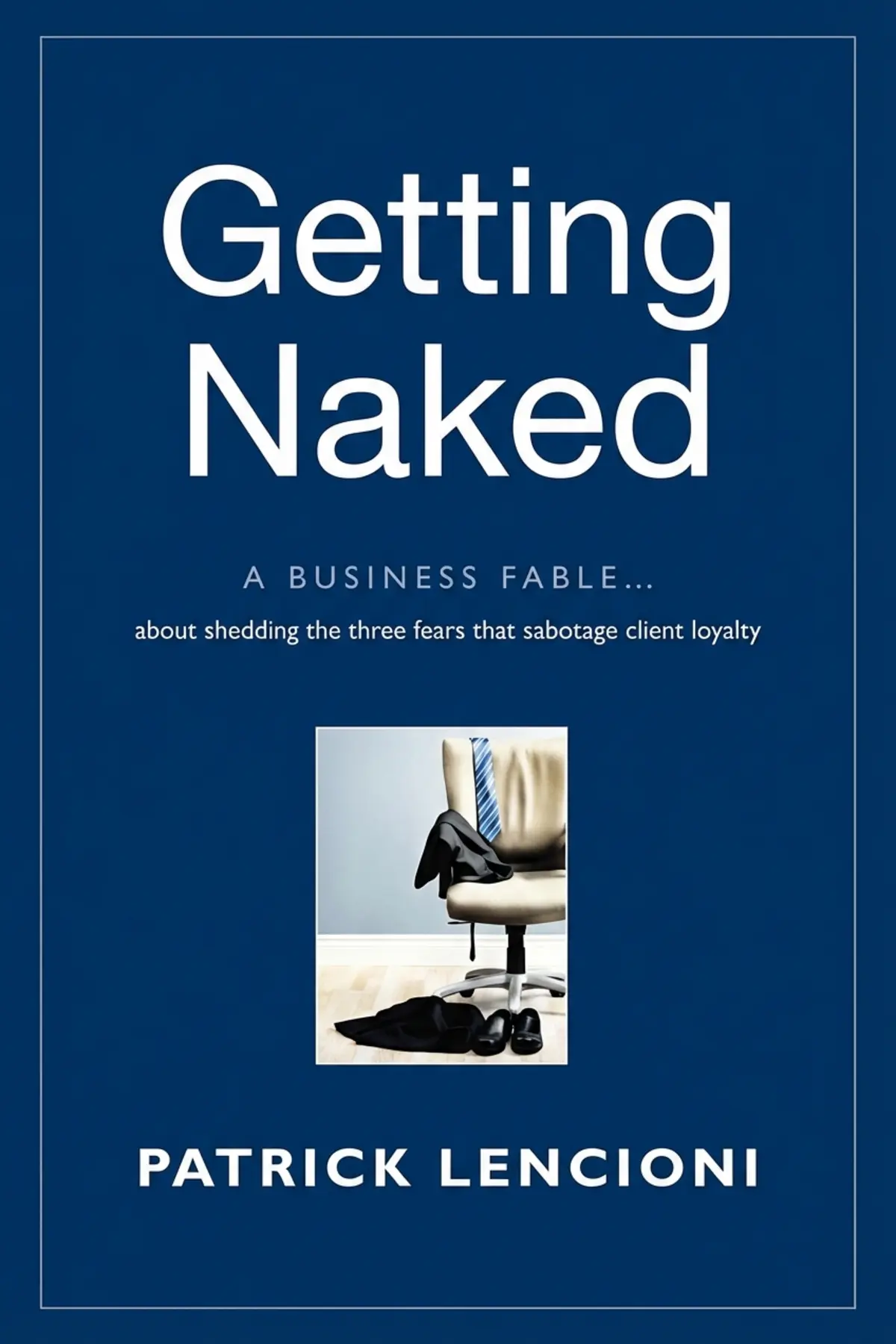
Getting Naked: A Business Fable About Shedding The Three Fears That Sabotage
Patrick M. Lencioni

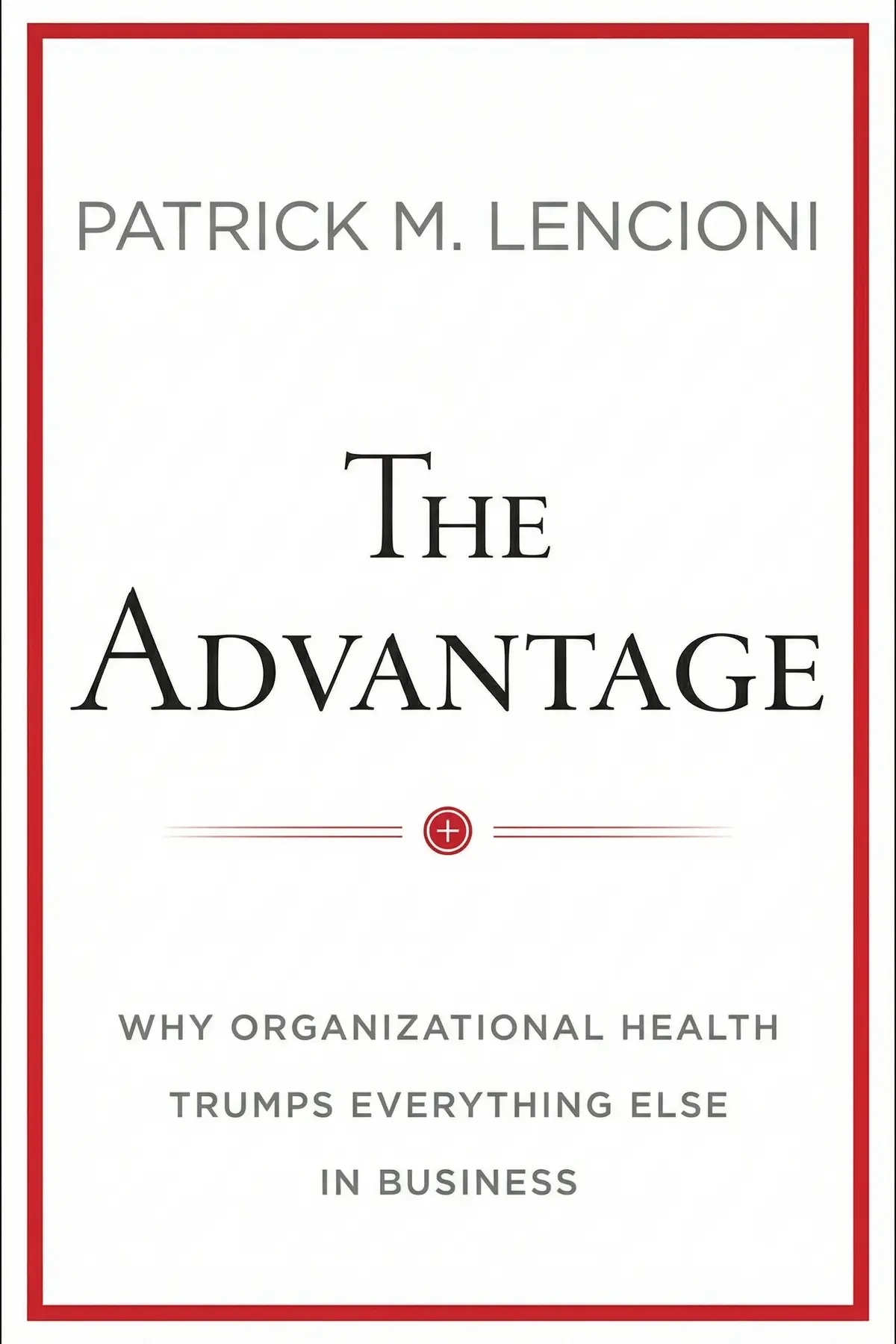
The Advantage: Why Organizational Health Trumps Everything Else in Business
Patrick M. Lencioni
The Five Dysfunctions of a Team: A Leadership Fable
Patrick M. Lencioni
Ratings & Reviews
Ratings at a glance
What people think
Listeners describe this work as accessible and straightforward, featuring clearly presented ideas and brief chapters that facilitate a fast pace. They value the revelatory viewpoint on why people lead and how the text pushes them to evaluate their own intentions. Listeners prize the book's functional advice and find the material absorbing, with one listener highlighting how it captures attention right from the beginning.
Top reviews
Chloe
Ever wonder why some leaders seem to flourish while others just coast on their titles? Lencioni hits the nail on the head by distinguishing between reward-centered and responsibility-centered motives. It’s a short, punchy read that challenges you to look in the mirror and ask why you actually want the job. Most people want the status and the office, but few want the grueling work of managing individuals and having those awkward, difficult conversations that actually move the needle. While the fable format is a bit simplistic, the message about being a 'service-centered' leader is vital. I finished it in one sitting and immediately started rethinking my approach to our weekly team meetings and how I hold my staff accountable.
Show moreSing
This book is a swift kick in the pants for anyone who thinks they’ve 'made it' just because they have a fancy title. The concept of the Chief Reminding Officer (CRO) really resonated with me because I’ve definitely been guilty of under-communicating my vision to the team. Lencioni argues that a leader's job is often repetitive and tedious, involving constant reminders and difficult accountability sessions rather than just glamorous strategy. It isn't about the perks; it’s about the sacrifice required to help your team actually succeed. I appreciated how palatable the information was, even if some of the examples felt a little too perfect for real-world application. Definitely a must-read for new managers.
Show moreVipawan
To be fair, I initially scoffed at the idea of a 'leadership fable,' but I was hooked by the end of the first chapter. The way Lencioni contrasts Shay’s failing leadership with Liam’s service-oriented approach provides a very clear roadmap for what a CEO should actually be doing. It’s not about the prestige or the board meetings; it’s about the 'shit' work that nobody else wants to do. I particularly liked the section on the five omissions of reward-centered leaders, especially the point about avoiding difficult conversations. It’s uncomfortable to confront people, but avoiding it just sows the seeds of failure. This is a very insightful and practical guide for anyone in charge.
Show morePooja
Honestly, this should be required reading for every person currently sitting in a C-suite or aspiring to get there. It’s a sobering look at the true cost of leadership and the sacrifice it requires of your time, energy, and ego. Many people view a promotion as a chance to do less work, but Lencioni argues it’s actually an invitation to do the hardest work of all. The focus on 'responsibility-centered' leadership is a refreshing change from the typical 'hustle culture' business books. It’s about serving the human beings who depend on the company. It’s an easy read, but it carries a very heavy and necessary message for today's bosses.
Show moreEthan
I've been managing people for over a decade, and yet this little book managed to point out several blind spots I didn't even know I had. I’ve definitely been guilty of avoiding those awkward corrective feedback sessions because they’re just so draining. But reading about the 'motive' behind that avoidance was a real wake-up call for me. The fable about Golden Gate Security is an engaging way to digest the theory, making the lessons feel much more practical than a dry textbook. It’s a great, quick read that challenges you to be a more 'executing' officer rather than just an executive. Highly recommended for any level of management, from CEOs to team leads.
Show moreBoy
As a long-time fan of Lencioni’s work, I found this to be one of his most convicting books yet. Most leadership books focus on *how* to lead, but this one forces you to examine *why* you are leading in the first place. The distinction between viewing leadership as a reward versus a responsibility is a game-changer for organizational health. Truth is, many of us avoid running meetings or managing subordinates because it’s exhausting work that doesn't feel 'strategic.' However, Lencioni proves that these are the very things only a leader can do. The book is short enough to read on a flight but deep enough to keep you thinking for weeks about your true purpose.
Show moreMattanee
The dialogue between Shay and Liam feels a bit forced at times, but the underlying message about the motive of leadership is absolutely undeniable. I’ve seen so many executives abdicate their responsibility for developing their leadership teams because they’d rather focus on the 'fun' parts of the business. This book exposes that behavior for what it is: selfishness disguised as being 'too busy.' It’s an eye-opening perspective that shifts the focus from 'me' to 'we.' I do wish there was a bit more 'meat' in the middle of the book, as it feels a little light on data. Still, the practical advice on holding people accountable is worth the price of admission alone.
Show moreHom
Look, the content here is gold even if the fictional wrapper is a bit thin and repetitive. I've worked for several 'reward-centered' bosses who only cared about their compensation and perks, and this book perfectly describes why their departments eventually crumbled. The idea that a leader must be the Chief Reminding Officer is such a simple but profound takeaway for anyone managing a team. We often think we've communicated enough, but Lencioni reminds us that we have to say it again and again. My only real gripe is that the book is so short for the price. You can finish it in about ninety minutes, but the lessons will definitely stick with you.
Show moreEleni
Finally got around to reading this, and while the leadership insights are top-tier, the 'fable' part was a struggle. The dialogue between the two CEOs, Shay and Liam, felt incredibly stilted and at times just plain cheesy. I found myself rolling my eyes at the constant nodding and smiling during their intense strategy sessions; it felt like bad fiction 101. It’s a very quick read—maybe too quick for the $15 price tag on Kindle—but I can't deny that the 'five omissions' section at the end is pure gold. It makes you realize how many leaders avoid the 'messy' stuff like giving corrective feedback or running effective meetings. Good content, but the fictional wrapper needs work.
Show moreWilliam
Not what I expected given the massive hype around Patrick Lencioni's other titles. Frankly, I found the story of Shay Davis and his struggling security company to be pretty thin and the writing style was basic at best. It felt like a 20-page essay padded out into a 160-page book with a lot of 'bad fiction' filler that didn't add much value. If you strip away the cheesy fable, the actual advice is just common sense: work hard, talk to your employees, and don't be a jerk. I don’t think it’s worth the high price for such a short, simplistic read. There are much better, more comprehensive leadership books out there.
Show moreReaders also enjoyed

A Bigger Prize: How We Can Do Better Than the Competition
Margaret Heffernan
A Year with Peter Drucker: 52 Weeks of Coaching for Leadership Effectiveness
Joseph A. Maciariello

Acting with Power: Why We Are More Powerful Than We Believe
Deborah Gruenfeld
All In: How Great Leaders Build Unstoppable Teams
Mike Michalowicz
AUDIO SUMMARY AVAILABLE
Listen to The Motive in 15 minutes
Get the key ideas from The Motive by Patrick M. Lencioni, plus 5,000+ more titles in English and Thai.
- 5,000+ titles
- Listen as much as you want
- 7-day free trial
- Cancel anytime







