
17 min 40 sec
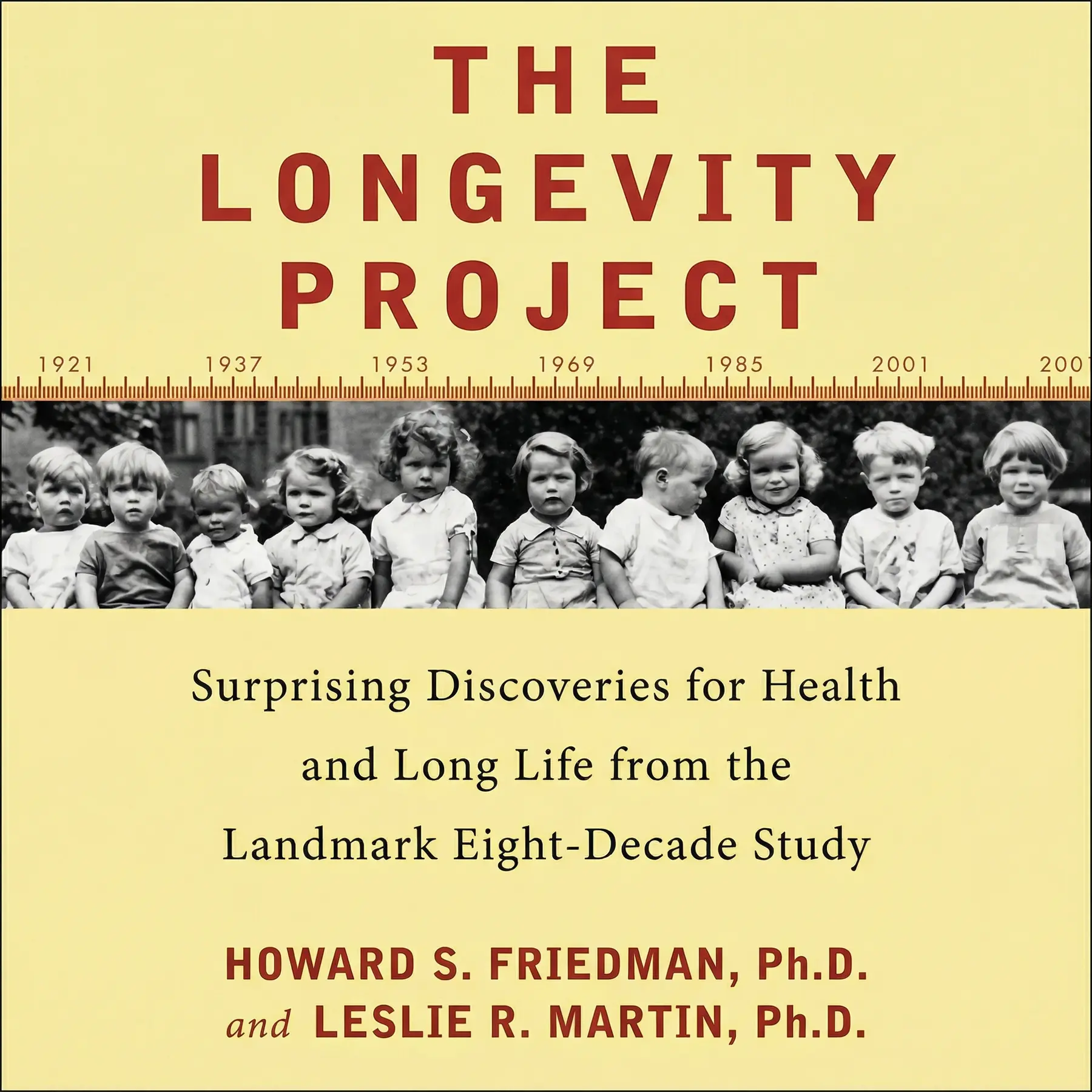
The Longevity Project: Surprising Discoveries for Health and Long Life from the Landmark Eight-Decade Study
The Longevity Project explores an eighty-year psychological study to reveal the true predictors of a long life, emphasizing character traits, social ties, and resilience over simple physical habits.
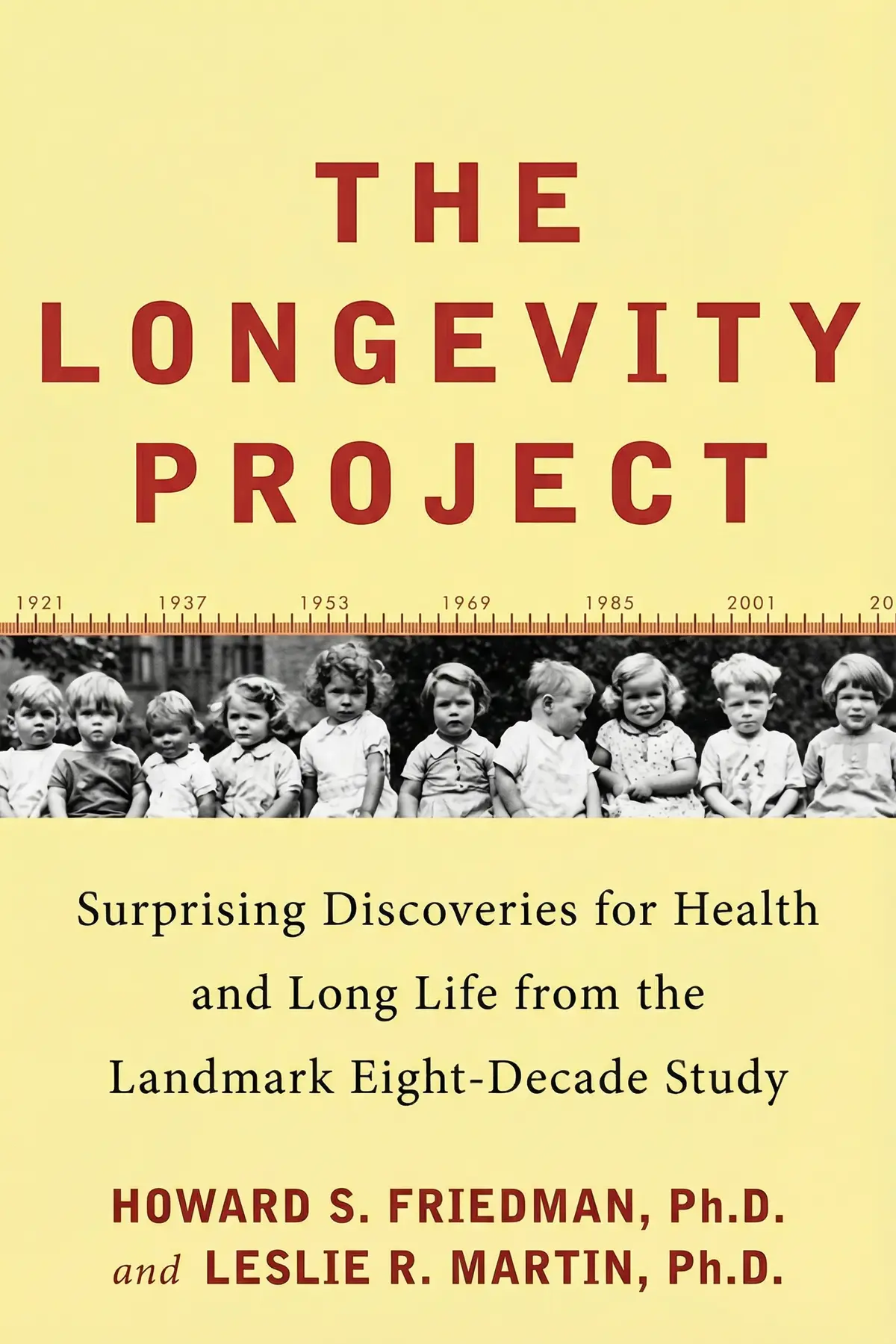
Table of Content
1. Introduction
1 min 57 sec
Why do some people thrive into their nineties while others, who seem equally healthy in their youth, fade away decades earlier? For ages, we have looked for the answer in bottles of vitamins, strict gym routines, or the latest dietary fads. But what if the secret to a long life isn’t just about what you eat, but who you are? This is the central question explored in the landmark research project known as the Terman Study, which serves as the foundation for our exploration today.
Back in 1921, a psychologist named Dr. Lewis Terman embarked on a mission that was remarkably ambitious for its time. He began tracking more than 1,500 bright children, intending to see how their early intelligence and personalities shaped their adult success. He collected everything: their family histories, their hobbies, the number of books on their shelves, and even how their teachers viewed them. Terman didn’t know it then, but he was creating the most valuable database on human aging ever assembled.
Decades later, researchers Howard S. Friedman and Leslie R. Martin picked up the baton. They weren’t just looking at intelligence anymore; they wanted to see who lived, who died, and why. What they discovered challenges almost every piece of conventional wisdom we hold about health. It turns out that longevity isn’t a matter of luck or simply having a ‘sunny’ disposition. Instead, it is a complex tapestry woven from our choices, our relationships, and our fundamental character. As we move through these ideas, you’ll see how your personality acts as a silent architect for your future, and how even small shifts in your social world can add years to your life. We are about to look at the throughline of longevity: the idea that a long life is built through a consistent, meaningful engagement with the world around you.
2. The Dominance of Conscientiousness
2 min 40 sec
Discover why being the person who always finishes their chores and plays it safe might actually be your greatest biological advantage for a long life.
3. The Myth of the Cheerful Child
2 min 23 sec
It is a common belief that a happy-go-lucky attitude is the secret to health, but the data suggests a surprising downside to early optimism.
4. The Long Shadow of Childhood Divorce
2 min 20 sec
Early family disruptions can have a profound impact on physical health decades later, but there is a specific trait that can change the outcome.
5. Why Marriage Favors the Masculine Lifespan
2 min 16 sec
The benefits of a wedding ring aren’t distributed equally, as men and women experience vastly different health outcomes from their domestic partnerships.
6. Social Bonds Over Sacred Rituals
2 min 18 sec
Is it the prayer or the people? Explore why religious communities offer health benefits that have little to do with faith itself.
7. Choosing Your Path to a Century
2 min 13 sec
There is no single ‘correct’ way to live a long life; instead, you must find the specific route that aligns with your unique personality.
8. Conclusion
1 min 33 sec
As we wrap up our journey through the findings of the Terman Study, the most important lesson to take away is that longevity is not a passive event. It isn’t something that just happens to you because of your genes or because you eat the right vegetables. It is an active achievement. The people who lived the longest in The Longevity Project were those who stayed involved in life. They were the ones who worked hard, who cared about their reputations, who nurtured their marriages or their friendships, and who refused to give up when things got difficult.
If you want to start changing your trajectory today, begin with your thoughts. Pay attention to how you react when things go wrong. If you find yourself thinking that the world is ending because of a small mistake, consciously tell yourself to ‘Stop.’ Replace that catastrophic thought with a more balanced one. Then, look at your social circle. Are you connected to people who make you feel supported and engaged? If not, find a group—a club, a volunteer organization, or even a professional circle—where you can build those bonds.
Ultimately, a long life is a byproduct of a life well-lived. It is the reward for being a person who shows up, who does the work, and who stays connected to others. You don’t have to be perfect, and you don’t have to be the most cheerful person in the room. You just have to be persistent. By building a life of purpose and reliability, you aren’t just adding years to your life; you are adding life to your years.
About this book
What is this book about?
The Longevity Project dives into one of the most comprehensive health studies ever conducted, spanning eight decades to track the lives of over 1,500 individuals from childhood to death. While most health advice focuses on diet and exercise, authors Howard S. Friedman and Leslie R. Martin reveal that our personalities, social connections, and career choices are far more influential in determining how long we live. By analyzing the data started by Dr. Lewis Terman in 1921, the book provides a roadmap for aging well. It dismantles common myths about cheerfulness and stress, showing instead that traits like conscientiousness and the ability to build meaningful relationships are the real keys to a century of life. The promise of this work is a deeper understanding of the psychological and social factors that either erode our health or sustain it over a lifetime.
Book Information
About the Author
Howard S. Friedman
Howard S. Friedman, PhD, is a psychology professor at the University of California whose work in health and longevity has won him awards from the Association for Psychological Science and the American Psychological Association. His other books include Health Psychology and The Self-Healing Personality. Leslie R. Martin, PhD, a psychology professor at La Sierra University in California, is a recipient of the Anderson Award for Excellence in Teaching and the Distinguished Researcher Award. She specializes in finding ways to improve the physician-patient relationship and in forging psychological paths we can follow to live longer and healthier lives.
Ratings & Reviews
Ratings at a glance
What people think
Listeners find this book compelling and straightforward to follow, featuring well-crafted writing that explains scientific data in a reachable format. They view it as a gripping study that provides unexpected revelations about long-term health, and one listener points out its multi-generational research approach. Listeners value how the content provokes thought, with one review calling attention to its emphasis on psychological wellbeing and deep satisfaction with life.
Top reviews
Owen
Picked this up because I’m a sucker for long-term data and this didn't disappoint. The Longevity Project is probably the most comprehensive look at human lifespan I've ever encountered. It’s not just about what you eat; it’s about who you are. The authors present the multi-generational research in such a way that it feels like a narrative rather than a spreadsheet. I was particularly struck by the findings on how social connections within a community—not just having friends, but being part of a group—impacted the subjects' health. It’s a deep dive into psychological satisfaction. Personally, I found the self-quizzes throughout the chapters to be a fun way to engage with the material. This isn't just another health book; it’s a manual on how to build a life that lasts. Deeply satisfying and highly recommended for anyone interested in the intersection of psychology and biology.
Show moreVera
Wow, it’s rare to find a science book that actually feels hopeful without being cheesy. This book completely changed how I think about "health." It’s not just about the numbers on a scale or your blood pressure; it’s about the "life pathway" you choose. The way the authors track Patricia and John from their childhood in San Francisco all the way to their nineties is just captivating. It makes the science feel human. I loved the debunking of the "relax" myth—the idea that hard work and a bit of stress can actually keep you alive longer if you have a sense of purpose. This is a must-read for anyone who feels overwhelmed by traditional health advice. It's well-written, deeply researched, and genuinely fascinating. It’s the kind of book you want to buy for everyone in your family.
Show moreBenjamin
This book does a remarkable job of taking eighty years of data and turning it into something readable. I was impressed by how Friedman and Martin managed to distill the complex Terman study into clear, digestible chapters without losing the scientific integrity. Most longevity books scream about green juice and marathons, but this one looks at the "conscientiousness" factor, which feels much more grounded. It’s fascinating to see how childhood traits ripple through decades to determine who survives into their nineties. To be fair, some of the conclusions about marriage and gender roles felt a bit dated, even with the modern analysis added in. However, the focus on psychological well-being as a driver of physical health is a perspective we desperately need more of. It’s a thought-provoking read that makes you reflect on your own life patterns. I particularly liked the sections on career satisfaction.
Show moreCarlos
After hearing about the Terman study for years, I finally dove into the source material through this accessible adaptation. The authors do a great job of explaining why "don't worry, be happy" is actually terrible advice for staying alive. It turns out that a little bit of anxiety and a lot of persistence go a long way. I appreciated the nuance regarding marriage; specifically how it benefits men’s longevity more than women’s. That’s the kind of scientific honesty you don't usually see in mainstream health books. My only gripe is that the writing can feel a bit "pop-sciencey" at times, oversimplifying the statistics to make a point. But overall, it’s a fascinating study. It makes you realize that your long-term health is being shaped by choices you made back in elementary school. It’s a sobering but ultimately empowering perspective on aging gracefully.
Show moreKofi
Finally got around to finishing this, and the self-quizzes were definitely the highlight for me. It’s one thing to read about other people’s longevity, but it’s another to see where you fall on the conscientiousness scale. The authors have a very engaging style that makes the data feel personal. I was surprised by the section on physical activity—specifically that you don't need to be a gym rat as long as you stay naturally active throughout your life. It's a much more sustainable view of health than what we usually get. I did find the focus on "high-achievers" from the original 1921 group a bit limiting at times, but the authors acknowledge this. It’s a thought-provoking look at how our personalities dictate our survival. Definitely worth a read if you're interested in the "why" behind aging.
Show moreMingkwan
The chapter on childhood divorce was a real eye-opener for me, especially the part about it having a bigger impact on longevity than the actual death of a parent. It’s these kinds of counter-intuitive findings that make The Longevity Project worth your time. The authors do a great job of focusing on psychological wellbeing as a core pillar of health, which is a refreshing break from the usual "eat your veggies" mantra. The book is well-organized and presents the scientific research in a way that anyone can understand. It’s a fascinating study that spans generations, offering a unique perspective on the long-term consequences of our habits and personalities. I did feel that some chapters dragged a bit, but the overall message is powerful. It’s a great reminder that longevity is a marathon, not a sprint, and our character is the engine.
Show moreJob
Ever wonder if your personality is actually your destiny? This book attempts to answer that by following 1,500 people from 1921 until their deaths. While the research is undeniably massive and impressive, I found the "surprises" to be a bit underwhelming. Basically, if you are reliable, stay active, and don't get divorced, you'll probably live longer. Not exactly earth-shattering news, right? Truth is, the writing is a little dry in the middle sections, and I found myself skimming the data points to get to the actual life advice. It’s an accessible study, but it lacks the punch of a truly transformative self-help book. If you like sociological history, you’ll enjoy it. If you’re looking for a quick hack to live to 100, you might feel like you’ve heard this all before. Still, the debunking of the "relax and don't work too hard" myth was quite refreshing.
Show moreHom
The truth is, some of these findings feel like common sense dressed up in lab coats. We know that being a reliable person with good relationships is better for you than being a reckless loner. Still, the multi-generational approach adds a layer of weight to those common-sense ideas. I enjoyed the bits about how childhood divorce affects kids decades later—it was heartbreaking but very insightful. However, the book struggles to stay engaging throughout its entire length. There’s a lot of "we found X, but Y was also true" which can get muddled. In my experience, it works better as a reference book than a cover-to-cover read. It's well-written enough, but it lacks the "wow" factor I was expecting from the title. A solid 3 stars for the effort and the historical value of the data.
Show moreWichai
As someone who prefers audiobooks, I found the experience of this one a bit clunky because of the charts and quizzes. You really need the physical copy to get the most out of it. The information itself is solid, though. I wasn't familiar with the Terman study before this, so seeing how they followed 1,500 kids for eighty years was pretty mind-blowing. However, I agree with other reviewers that the "surprises" aren't all that surprising. Be a good person, work hard, and don't smoke. Who knew? Gotta say, the writing is clear, but it lacks a certain flair. It’s a bit dry. If you’re a data nerd, you’ll love the methodology. If you’re looking for a page-turner, this might be a bit of a slog. It’s important info, just not always delivered in the most exciting way.
Show moreWeera
Look, I really wanted to love this because the premise is incredible. Who wouldn't want to see the results of an 80-year study? But honestly, the transition from the 1920s data to modern-day application felt clunky and a bit forced. The sample size, while large for its time, was very specific to a certain demographic, which makes some of the broader claims feel less "universal" than the authors suggest. I found the tone to be a bit repetitive after the first few chapters. It felt like they were stretching a few core observations—be prudent, be persistent—into an entire volume. I'm not saying the info is bad, but it definitely didn't need to be this long. If you've read a few articles about the Terman study, you've basically read this book. It's more interesting as a historical curiosity than a practical guide.
Show moreFeatured in
Readers also enjoyed
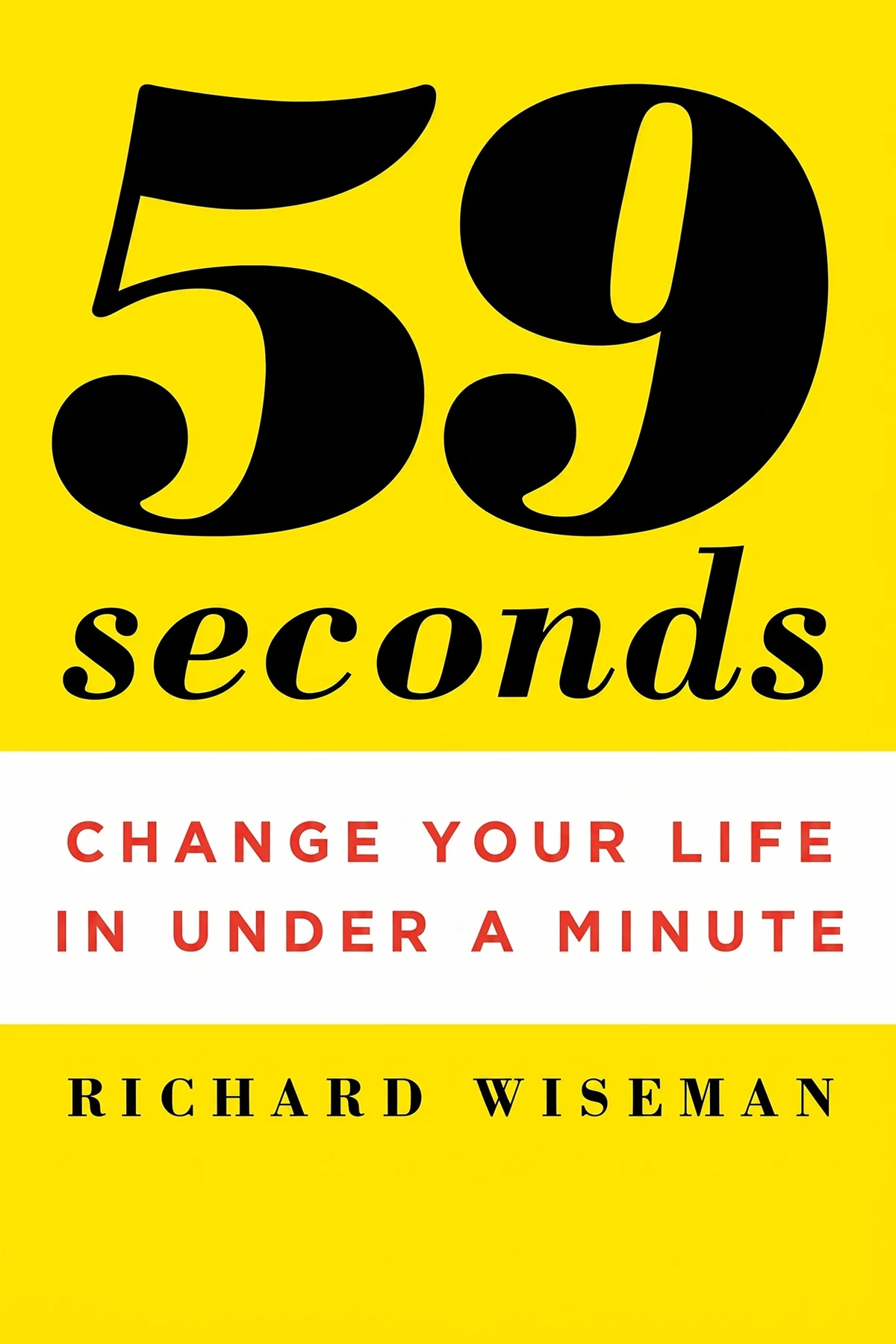
59 Seconds: Change Your Life in Under a Minute
Richard Wiseman
A Liberated Mind: How to Pivot Toward What Matters
Steven C. Hayes
AUDIO SUMMARY AVAILABLE
Listen to The Longevity Project in 15 minutes
Get the key ideas from The Longevity Project by Howard S. Friedman, plus 5,000+ more titles in English and Thai.
- 5,000+ titles
- Listen as much as you want
- 7-day free trial
- Cancel anytime







