
The Horse: A Galloping History of Humanity
Timothy C. Winegard
Explore the hidden history of the mosquito, the small insect that has shaped human destiny. This summary reveals how this deadly predator influenced the fall of empires, wars, and global economics.
1 min 44 sec
When we step outside on a humid summer evening, the high-pitched whine of a mosquito is usually treated as a minor irritation. We swat at it, reach for the bug spray, and move on with our lives. But if we pull back the curtain on the grand sweep of human existence, we find a much darker reality. For the vast majority of our history, that tiny insect has not been a nuisance; it has been our primary executioner.
To grasp the magnitude of this threat, we have to look at the numbers, and they are truly staggering. It is estimated that approximately 108 billion people have lived on this planet over the last 200,000 years. Of that total, roughly 52 billion individuals—nearly half of all humans who have ever existed—are believed to have died from diseases carried by the mosquito. Even in our modern age of advanced medicine, the toll remains heavy. In 2018 alone, mosquito-borne illnesses claimed over 800,000 lives, predominantly in Africa and Southeast Asia.
This is the story of a predator that doesn’t hunt with claws or teeth, but with microscopic pathogens. As we move through this history, we will see that the mosquito has been a silent power-broker. It has protected cities and destroyed armies. It has dictated where humans could live and who would work the land. It has even altered our very DNA. This isn’t just a story about a bug; it is a story about how biology has steered the ship of human civilization, often in directions we never intended. We will explore the rise and fall of empires, the shifts in global power, and the scientific battles that have brought us to the edge of a new genetic frontier. By the end, you’ll see that while we think we are the masters of our domain, we have often been at the mercy of the smallest of foes.
2 min 04 sec
Discover why only the female mosquito is a threat and how she turns a tiny pool of water into a staging ground for global epidemics.
1 min 57 sec
Learn how a lethal blood disorder became a survival mechanism, allowing some populations to flourish in the world’s most dangerous environments.
2 min 12 sec
Explore how the marshes of Greece and Rome acted as a biological moat, turning back legendary conquerors and protecting the cradle of Western civilization.
1 min 39 sec
Witness the end of history’s most ambitious conquest as a single insect accomplishes what no human army could: stopping Alexander the Great.
1 min 55 sec
Discover how the mosquito inadvertently aided the rise of Christianity and doomed the medieval European dream of conquering the Holy Land.
1 min 44 sec
See how the Columbian Exchange introduced a silent killer to the Americas, clearing the path for European conquest through biological devastation.
1 min 50 sec
Uncover the chilling connection between mosquito-borne immunity and the rise of African slavery in the American plantation economy.
1 min 49 sec
Discover how a mosquito-driven stalemate forced Abraham Lincoln to abandon hope for a quick peace and embrace the total abolition of slavery.
1 min 47 sec
Explore the Spanish-American War through a biological lens and see how yellow fever paved the way for the United States to become a global empire.
1 min 51 sec
Witness the death of an ancient myth as scientists finally identify the mosquito as the true carrier of the world’s most deadly diseases.
1 min 58 sec
Learn about the rise of DDT, the ‘miracle’ chemical that promised to wipe out mosquito-borne diseases forever, and the unexpected consequences of its use.
1 min 39 sec
See why the fight against the mosquito has stalled in the 21st century and how poverty continues to fuel a persistent biological crisis.
1 min 40 sec
Step into the future of genetic engineering, where we now possess the power to rewrite the mosquito’s DNA and potentially erase it from the Earth.
1 min 48 sec
The history of the mosquito is, in many ways, the history of the human race. We have spent millennia thinking of ourselves as the protagonists of a grand drama, driven by the brilliance of our leaders and the power of our ideas. But as we have seen, a tiny, blood-sucking insect has often been the one holding the pen. From the fall of the Greek and Roman empires to the tragic decimation of indigenous peoples in the Americas, the mosquito has reshaped our world through the simple, brutal mechanism of disease.
It influenced the rise of the United States, dictated the tragic logistics of the slave trade, and forced the hand of presidents during our most desperate internal conflicts. For most of our existence, we were victims of a biological lottery, our fates decided by the warmth of the climate and the proximity of a marsh. While the 20th century gave us a temporary upper hand through chemicals and medicine, the mosquito’s ability to adapt has proven that there are no easy victories in the natural world.
As we look toward a future dominated by the possibilities of genetic engineering, we must remember the lessons of the past. Nature is not a static background for human achievement; it is a dynamic and often dangerous participant. The mosquito has taught us that we are deeply connected to our environment, often in ways that are painful and humbling. Whether we choose to use technology to finally erase this predator from the earth or find a new way to coexist, one thing is certain: our destiny will continue to be intertwined with the creatures that share our planet, no matter how small they may be. The mosquito has been our deadliest predator, but it has also been our most significant historical teacher, reminding us of our own fragility in the face of the biological forces that truly rule the world.
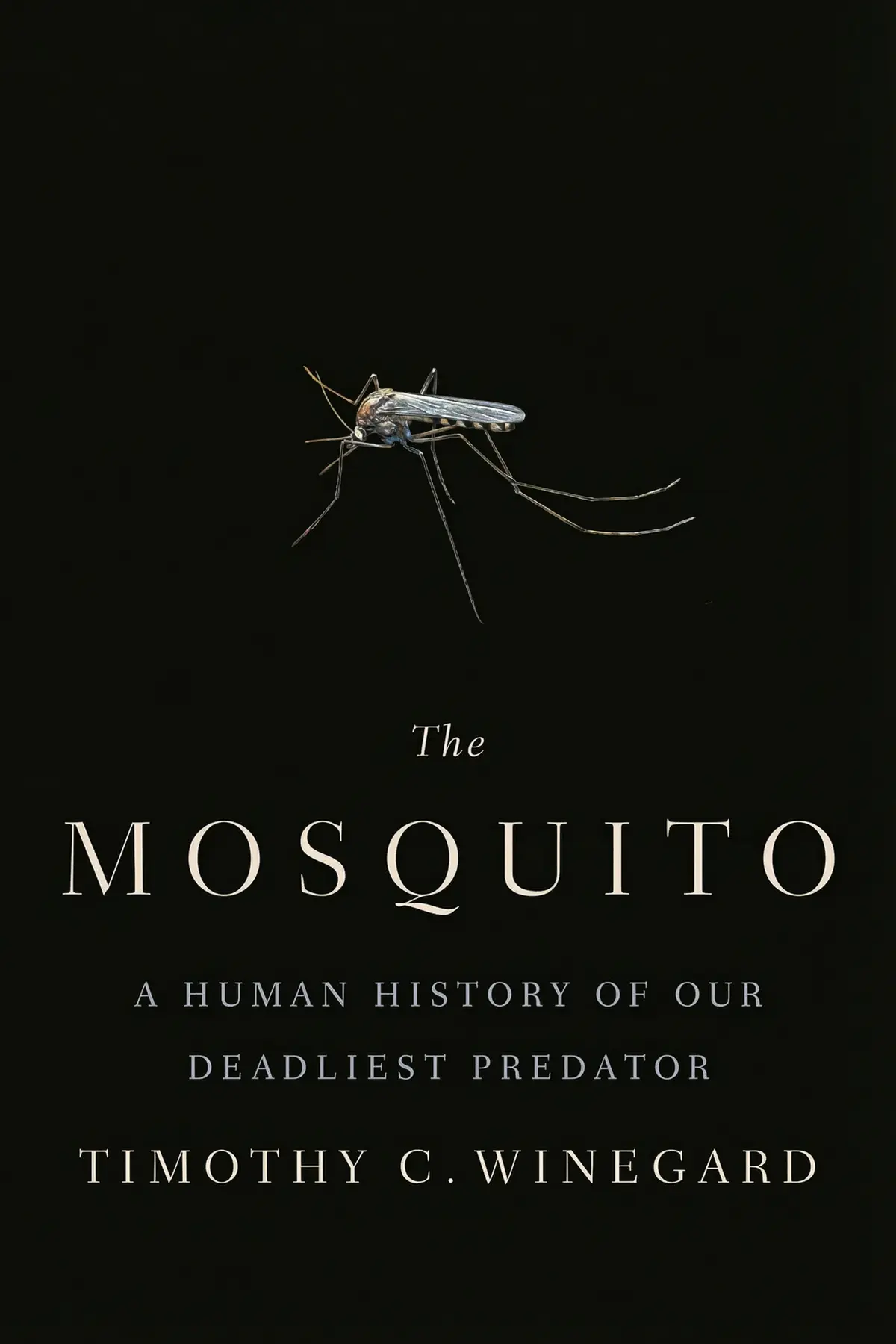
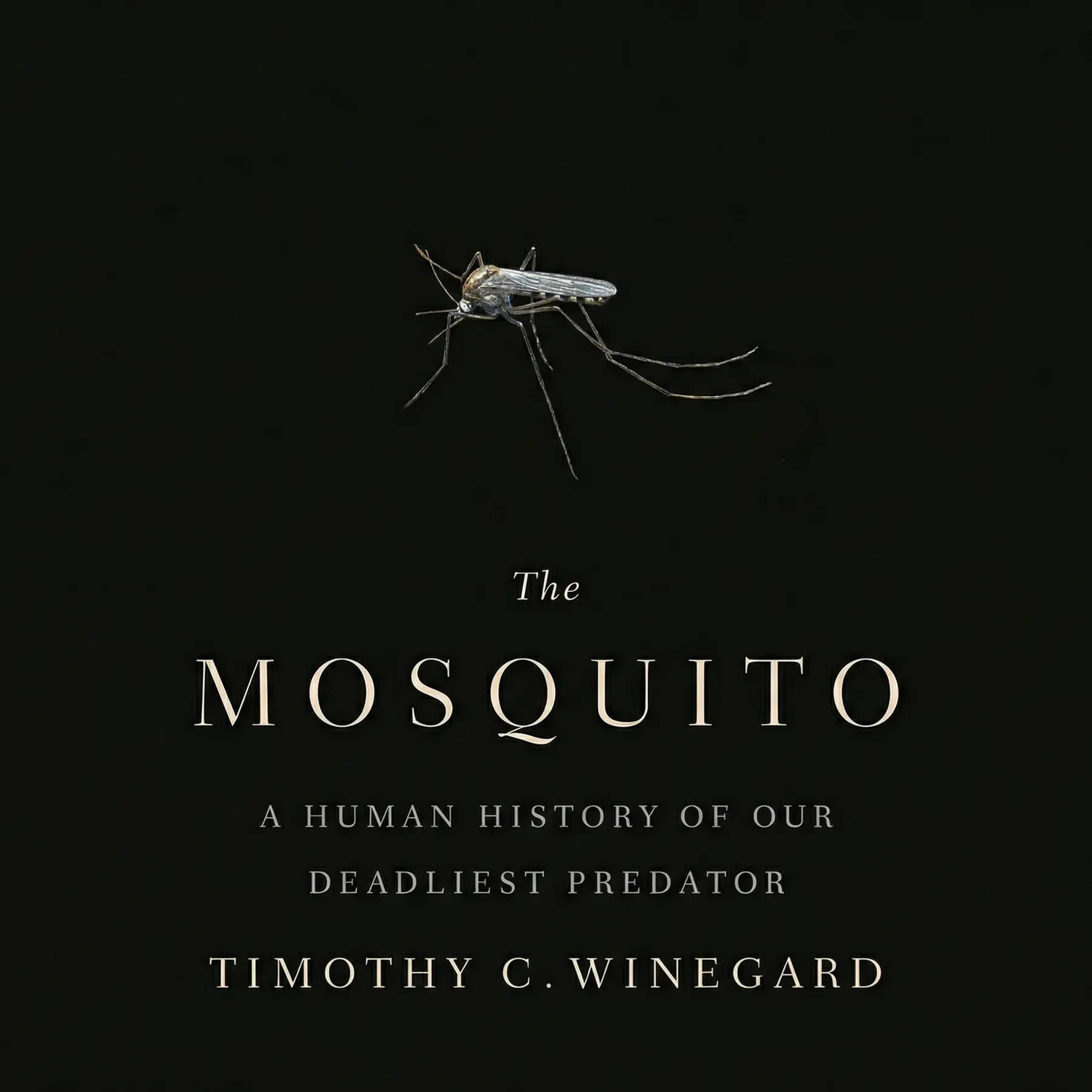
The Mosquito tells the sprawling, epic story of how a tiny insect has functioned as the primary driver of human history. Far from being a mere nuisance, the mosquito is presented as the ultimate apex predator, responsible for more human deaths than any other creature or conflict. Through the lens of military history, genetics, and geopolitics, the narrative explores how mosquito-borne diseases like malaria and yellow fever determined the outcome of world-altering events. From the rise and fall of ancient Rome to the colonization of the Americas and the outcome of the American Civil War, the mosquito has been a silent participant in our most significant turning points. The book promises to change how you view world history by highlighting the biological factors that often outweigh the decisions of generals and kings. It also looks toward the future, examining how modern science and genetic engineering might finally allow us to turn the tide against our most persistent and lethal adversary.
Timothy C. Winegard is a distinguished professor of history and political science at Colorado Mesa University. He earned his PhD in history from the University of Oxford and served as an officer in both the Canadian and British armed forces. His background in military history and indigenous studies informs his unique perspective on how biology intersects with warfare and colonization. He is the author of several other acclaimed works, including The First World Oil War and For King and Kanata.
Timothy C. Winegard
Listeners find the book fascinating and thoroughly researched, with one listener noting its extensive examination of both global and American history. The quality of writing is also praised, and listeners view it as essential reading for history enthusiasts. However, responses to the mosquito-specific content are varied, as some value the historical lens while others consider it monotonous. Furthermore, the scientific precision is under fire for leaning heavily on conjecture.
Wow, I never realized how much of our global history was dictated by a tiny, buzzing insect. This book is an absolute masterpiece of historical storytelling that places the mosquito at the center of the human experience. From the swamps of Ancient Rome to the trenches of World War II, Winegard proves that the mosquito has been our most persistent and deadly foe. The writing is incredibly vivid, making historical events feel urgent and alive rather than dusty and distant. I was especially moved by the explanation of how the mosquito shaped the African diaspora and the tragic history of slavery in the Americas. It is rare to find a book that completely changes the way you look at the world around you. To be fair, it is a long read, but every page is packed with insights. This is a must-read for any history buff or science enthusiast.
Show moreThe chapter on the American Civil War alone makes this book worth the price of admission. Winegard manages to weave together biology, genetics, and military strategy into a seamless and captivating narrative. I was particularly struck by the story of Ryan Clark and how sickle-cell anemia serves as an ancient evolutionary defense against malaria. It is a haunting reminder of how our bodies have been shaped by our environment over thousands of years. The author’s passion for the subject is evident on every page, and his ability to synthesize complex information is top-notch. In my experience, most history books ignore the environmental factors that determine the outcome of wars, so this was a refreshing change of pace. It is dense, yes, but the prose is so engaging that the pages fly by. I cannot recommend this book highly enough for anyone interested in the hidden forces of history.
Show moreAfter hearing about this on a podcast, I was hooked from the very first page of the introduction. Winegard sets the stage perfectly, describing our ongoing war with the mosquito in a way that feels both epic and terrifying. The statistics he provides are mind-blowing, especially the claim that mosquitoes have killed nearly half of all humans who ever lived. I found the section on the Crusades and how they were thwarted by local diseases to be absolutely gripping. Some reviewers have complained about the military focus, but for me, that was the most interesting part of the book. It shows how even the most powerful leaders like Napoleon were ultimately at the mercy of a tiny parasite. The writing is sharp and the research is clearly extensive, making it a definitive work on the subject. It is easily one of the best non-fiction books I have read in years.
Show moreTruly an eye-opening account of the silent force that has shaped our species for millennia. I was captivated by the way Winegard connects seemingly unrelated events through the lens of mosquito-borne illness. For instance, the discussion on how malaria influenced the surrender at Yorktown was particularly revelatory for me as a fan of American history. The author’s style is energetic and provocative, pushing the reader to think about history as a coevolutionary process between humans and nature. While he is a historian and not a scientist, the genetic and biological information he includes is presented clearly and effectively. I actually enjoyed the "General Anopheles" metaphors because they underscored the agency of the insect in these conflicts. This book is a brilliant reminder that we are not always the masters of our own destiny. If you want a book that will make you rethink everything you learned in school, this is it.
Show moreFinally got around to reading this, and I have to say the scale of the research is impressive. Winegard takes us on a whirlwind tour from the time of the dinosaurs to the modern day, showing how this tiny insect has dictated the rise and fall of civilizations. The way he connects the mosquito to the signing of the Magna Carta and the death of Alexander the Great was genuinely eye-opening for me. While the prose can be a bit flowery and dramatic at times, it keeps the narrative moving at a brisk pace. I particularly enjoyed the section on how mosquitoes influenced the coffee trade and the development of Starbucks. Not gonna lie, some of the military history got a bit dense, but the overall message is powerful. It really makes you reconsider our place in the natural world. This is a solid choice for anyone who loves "big history" books that challenge conventional wisdom.
Show moreNot what I expected, but in a good way! I thought this would be a dry textbook about diseases, but it is actually a gripping narrative about how nature humbles humanity. The chapter on the American Civil War was particularly fascinating, showing how malaria and yellow fever were often more decisive than any general’s strategy. Some of the metaphors about "General Anopheles" are a bit cheesy, yet they help make the historical impact feel more tangible for a casual reader. Gotta say, I will never look at a mosquito the same way again after reading about the death toll they have racked up. My only complaint is that the book meanders quite a bit in the middle sections. It jumps around chronologically, which can be confusing if you aren't paying close attention. Still, it is a well-researched and engaging piece of popular history that I would recommend to friends.
Show moreThe premise of the mosquito as the world’s deadliest predator is absolutely fascinating. I learned some incredible facts about blood types and how they affect attraction, such as Type O people being bitten twice as often as Type A. However, the book has some serious pacing issues that made it hard to finish. It starts as a biology book but quickly devolves into a repetitive march through Western military history. I found myself skimming through pages of detailed battle descriptions that felt only tangentially related to the actual insect. Look, the information about sickle-cell anemia and genetic immunity was great, but it felt buried under a mountain of military trivia. Winegard is clearly a historian first, and his lack of expertise in science shows during the more speculative sections. It is a decent read for a history buff, but for someone wanting a science-heavy look at the mosquito, it falls short.
Show moreAs someone who enjoys non-fiction, I found this to be a bit of a mixed bag. The author provides a wealth of historical detail, yet his habit of attributing every major human event to malaria feels like a stretch. Ever wonder if the mosquito really caused the fall of the Roman Empire? According to Winegard, the answer is always yes, regardless of other complex factors involved. Personally, I enjoyed the sections on how malaria influenced the American Revolution, though the constant repetition of certain metaphors became tedious. The book is heavily focused on the Euro-American experience, which seems like a missed opportunity for a global history. To be fair, the narrator of the audiobook version did a fantastic job keeping the material engaging. It is an interesting perspective, but take the historical conclusions with a grain of salt. It is more of a thematic collection of anecdotes than a cohesive historical analysis.
Show morePicked this up thinking it would be a deep dive into epidemiology, but it is really just a military history lecture in disguise. While the initial chapters had promise, the constant focus on the Peloponnesian War and the American Civil War became a real grind. The author relies on annoying personifications like "General Anopheles" that feel cute the first time but quickly become grating. Truth is, the book reads like a Wikipedia page that was put through a thesaurus to make it sound more profound than it actually is. I was frustrated by how little time was spent on Africa and Southeast Asia despite the grand title. The writing is often repetitive, ending almost every battle summary with a variation of "and then the mosquitoes arrived." It lacks the scientific rigor I expected from a book about such a deadly predator. This could have been a much shorter, more effective essay rather than a 400-page slog through wars we already know well.
Show moreThis book is a massive disappointment for anyone expecting actual science. I was initially drawn in by the premise, but Winegard quickly loses all credibility with his pompous and overwritten prose. The introduction alone is so insufferably self-important that it almost felt like a parody of a history text. Frankly, the scholarship here is lazy at best, as the author constantly inserts his own personal biases into historical events. He suggests that North American mosquitoes were basically harmless until Europeans arrived, which is a ridiculous and unsubstantiated claim. Throughout the text, he attacks Western history while giving every other culture a free pass on the same issues. If you are looking for a rigorous look at epidemiology or biology, look elsewhere. This is nothing more than a collection of military anecdotes shoehorned into a narrative about bugs. I ended up donating my copy to the library, though I almost felt bad for whoever picks it up next.
Show more
Charles C. Mann
James Shapiro
Andrew Ross Sorkin
Pankaj Mishra

Fay Bound Alberti
Ben Macintyre
Ron Chernow
Philip Freeman
AUDIO SUMMARY AVAILABLE
Get the key ideas from The Mosquito by Timothy C. Winegard, plus 5,000+ more titles in English and Thai.







