
16 min 27 sec
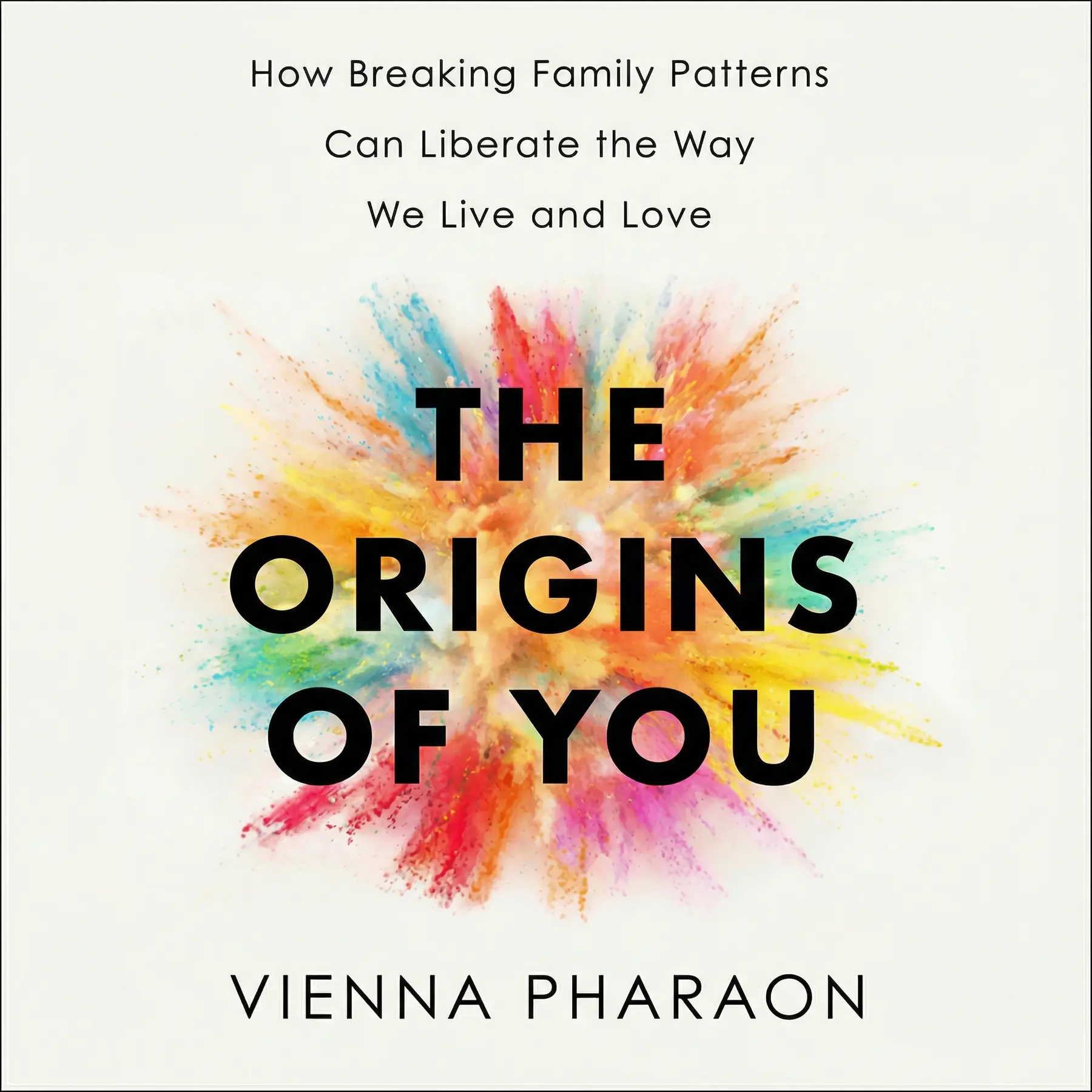
The Origins of You: How Breaking Family Patterns Can Liberate the Way We Live and Love
Explore how early childhood experiences and family dynamics shape adult behaviors. This summary provides a roadmap for identifying emotional wounds and breaking generational patterns to live a more authentic, liberated life.
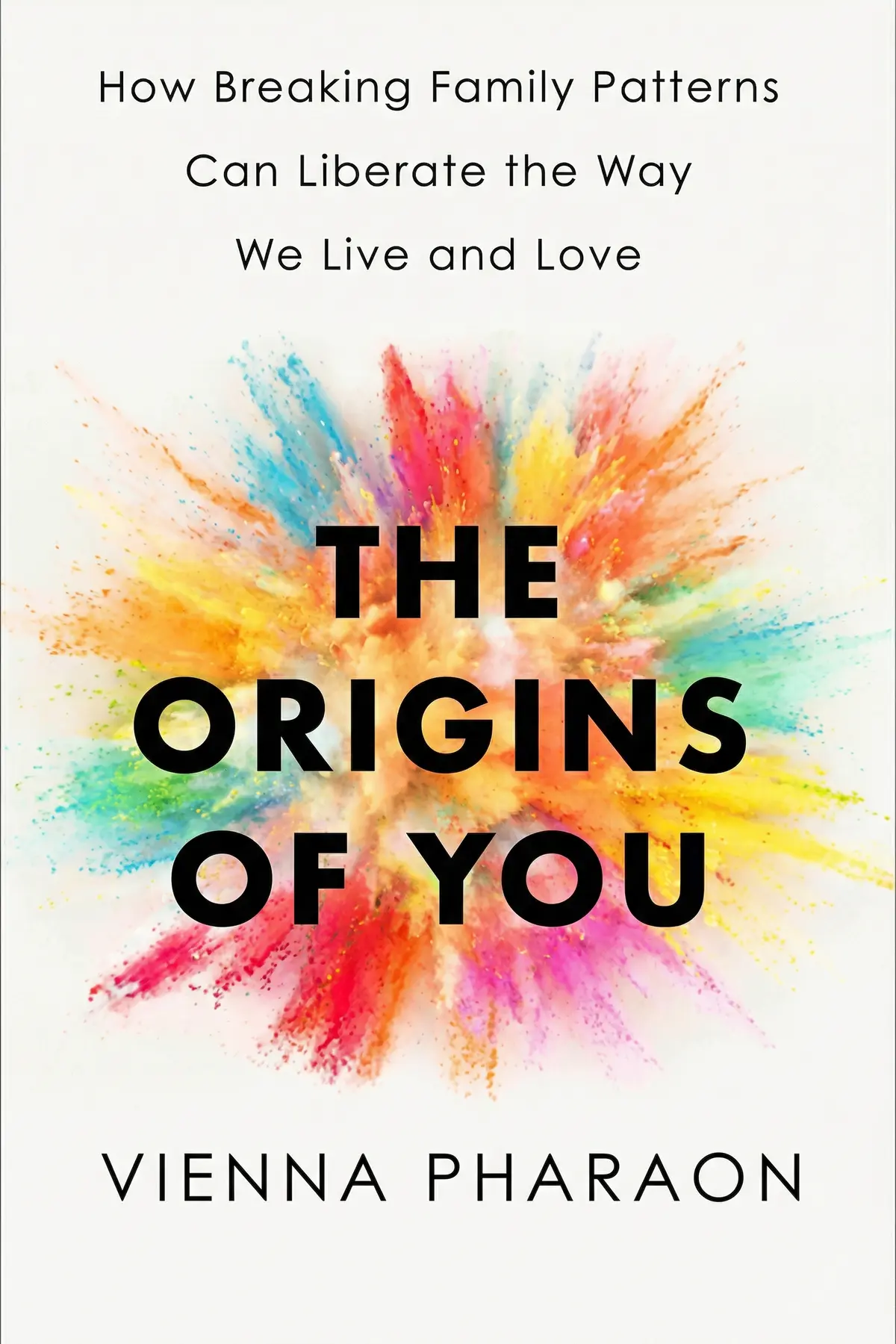
Table of Content
1. Introduction
1 min 32 sec
Have you ever looked at your life and wondered why you keep running into the same brick walls? Perhaps you find yourself dating the same type of person over and over, or you notice that you react with explosive anger to minor inconveniences, or maybe you feel a crushing need to please everyone around you at the expense of your own happiness. It can feel like you are stuck in a loop, repeating a script you didn’t even write.
Vienna Pharaon suggests that this script was actually drafted long ago, in the rooms of your childhood home. In our exploration of the insights from her work, we are going to dive deep into the concept of the family of origin. This isn’t just about blaming your parents or dwelling on the past for the sake of it; it is about understanding the architecture of your soul. We often carry around invisible wounds that dictate our choices, our fears, and our successes. By bringing these wounds into the light, we can finally begin to heal them.
Throughout this summary, we will look at how your early experiences created the foundation for your current reality. We will explore the specific types of emotional pain that many of us carry, such as the wound of unworthiness. More importantly, we will walk through a practical, transformative process for changing these patterns. You will learn how to pause before reacting, how to communicate your deepest longings during a fight, and how to finally step into a version of yourself that feels authentic and free. This is a journey of looking back so that you can finally, truly, move forward into a life of your own making.
2. The Blueprint of the Family System
1 min 50 sec
Your adult life is often a reflection of the invisible rules and roles established during your childhood within your unique family system.
3. Identifying the Hidden Origin Wounds
1 min 58 sec
Unhealed emotional traumas from our past act like physical injuries, requiring intentional care and attention to truly heal.
4. The Deep Ache of the Worthiness Wound
1 min 59 sec
When parents are inconsistent or emotionally absent, children often grow up doubting their intrinsic value and seeking external validation.
5. A Four-Step Path to Emotional Liberation
2 min 00 sec
Healing requires a structured approach of naming, witnessing, grieving, and finally pivoting toward new, healthy behaviors.
6. Transforming Conflict into Connection
1 min 55 sec
Conflict doesn’t have to be destructive; it can be a gateway to deeper understanding if we identify the wounds being triggered.
7. The Transformative Power of the Pause
1 min 54 sec
True freedom lies in the brief moment between a trigger and our response, where we have the power to choose a new path.
8. Choosing Authenticity Over Easy Peace
1 min 55 sec
Real peace comes from living in alignment with your true self, even if it occasionally causes temporary discomfort or rejection.
9. Conclusion
1 min 24 sec
The journey through your origin stories is perhaps the most significant trek you will ever take. We have explored how the invisible blueprints of our family systems can dictate our adult lives, often leading us down paths of unworthiness, destructive conflict, and reactive decision-making. But as we have seen, these patterns are not a life sentence. They are simply the starting point.
By engaging in the four-step healing practice—naming, witnessing, grieving, and pivoting—you can dismantle the old structures that no longer serve you. You have the power to expand the space between stimulus and response, using the ‘pause’ to choose authenticity over old habits. You can transform your relationships by looking for the longings behind your complaints and the wounds behind your partner’s defenses.
In the end, the ‘Origins of You’ is about taking ownership. It’s about moving from being a passive recipient of your family’s history to being the active architect of your own future. Healing isn’t about becoming someone else; it’s about stripping away the layers of protection and expectation to reveal the person you were always meant to be. It won’t always be easy, and the work is never truly finished, but the freedom that comes from living an authentic, liberated life is worth every step of the journey. Carry these insights with you, and remember that you have the capacity to break the cycle and start anew, starting right now.
About this book
What is this book about?
The Origins of You explores the profound impact our families of origin have on our current adult lives. It posits that many of our present struggles—whether in relationships, self-esteem, or career—are actually echoes of unresolved pain from our upbringing. By looking backward, we can finally move forward. The book offers a detailed framework for identifying specific types of emotional wounds and provides a clear, actionable four-step process for healing them. Readers are guided through the complexities of family systems, learning how to transform destructive conflict into constructive connection and how to reclaim their authentic selves from the weight of past expectations. The promise is a life defined not by old reactions, but by conscious, liberated choices.
Book Information
About the Author
Vienna Pharaon
Vienna Pharaon is a renowned therapist and relationship expert, known for her work in helping individuals and couples heal emotional wounds and foster healthy connections. As the founder of Mindful Marriage and Family Therapy, she has dedicated her career to empowering others to create authentic, meaningful relationships and fulfilling lives.
Ratings & Reviews
Ratings at a glance
What people think
Listeners find this book approachable and perceptive, aiding in their understanding of both themselves and those around them. Furthermore, it is portrayed as life-changing, with one listener highlighting the inclusion of practical exercises for applying the concepts. The work provides gentle support for resolving deep-seated wounds, and listeners value the sincere prose and its relatable nature.
Top reviews
Big
This book is a masterclass in compassionate self-reflection. I’ve always known my family history was a bit messy, but Vienna Pharaon gives you the vocabulary to actually name the pain. Her concept of 'origin wounds' doesn't feel like a blame game, but rather a bridge to understanding why we act out in our adult relationships. I found the section on the 'Gift' that comes from the 'Wound' particularly moving; it reminded me that my sensitivity is actually a strength born from chaos. The writing is incredibly accessible, making complex psychological theories feel like a warm conversation with a wise friend. I finished this feeling empowered rather than victimized. It is easily one of the most transformative books I’ve picked up this year.
Show morePraepimon
As someone who spent years in therapy trying to 'fix' myself, this book provided the missing piece of the puzzle. It takes family systems theory and strips away the academic jargon, leaving you with a clear roadmap for change. I loved how the author emphasizes that we aren't just products of our environment, but active participants who can choose a different path. The focus on 'unlearning' was huge for me. It’s not just about what happened to you, but about how you carry those events into your current communication and conflict styles. This is a must-read for anyone who feels stuck in a cycle of people-pleasing or emotional avoidance. It truly feels like decades of therapy condensed into 300 pages.
Show moreWichai
The chapter on family roles absolutely gutted me in the best way possible. Seeing myself described so accurately as the 'achiever' explained so much of my current burnout and anxiety. Pharaon has a way of cutting through the noise and getting straight to the heart of why we do what we do. The exercises weren't just fluff; they were challenging prompts that led to some serious breakthroughs in my personal journal. It’s rare to find a self-help book that is both deeply emotional and practically applicable. This isn't a book you just read once; it’s a manual for living that you’ll want to return to every time you hit a snag in your relationships.
Show moreWoramet
Finally got around to reading this and it feels like a decade of therapy sessions condensed into one volume. I’ve read a lot of psychology books, but few are this successful at bridging the gap between 'knowing' and 'doing.' The focus on how our past influences our current conflict styles was a lightbulb moment for me and my partner. We actually started reading sections aloud to each other to help navigate our recurring arguments. It provides a compassionate framework for healing without ever feeling preachy or judgmental. The writing is beautiful, the insights are profound, and the path to change is clearly laid out. I cannot recommend this highly enough for anyone wanting to improve their emotional intelligence.
Show moreYanin
Vienna Pharaon writes with such a gentle authority that you can't help but trust her process. This book helped me realize that the 'stuff' I’ve been carrying isn’t just a personal failing, but a survival strategy I learned a long time ago. The transition from identifying wounds to changing behaviors is handled so well. It’s not just about wallowing in the past; it’s about using that knowledge to set better boundaries and communicate more effectively today. I’ve already bought copies for three of my friends because the insights are just that universal. It’s a transformative read that manages to be both deeply personal and widely applicable to almost any family dynamic.
Show moreEleanor
Ever wonder why you keep repeating the same destructive patterns in your romantic life? Pharaon argues it’s because we are subconsciously trying to resolve old family dynamics, and her breakdown of different wound types is eye-opening. To be fair, I did find the middle section a bit repetitive, and some of the patient stories started to blend together after a while. However, the practical exercises at the end of each chapter are where the real value lies. They force you to stop reading and start doing the actual work of healing. It’s a solid 4-star read for anyone ready to stop running from their past and start building a more intentional future.
Show moreJames
Picked this up after hearing Vienna on a podcast and the concepts immediately clicked with my current situation. The way she describes how our 'wounds and gifts are next-door neighbors' changed my entire perspective on my upbringing. I used to be so ashamed of my need for control, but now I see where it originated and how it served me as a kid. The book is very well-organized, moving from identification to actual behavioral change. My only gripe is that it took quite a long time to get to the actual attachment theory stuff, which I think is vital context. Still, her writing style is so gentle and encouraging that you feel safe exploring some pretty dark corners of your history.
Show moreAndrew
Frankly, I was skeptical about another 'inner child' book hitting the market, but this one stands out for its clarity. It doesn't just tell you that your parents messed you up; it explains the specific mechanics of generational patterns. I appreciated that the author acknowledges that parents are human too, even while holding them accountable for the environment they created. Some of the patient anecdotes felt a little repetitive toward the end, but they served as good illustrations for the core concepts. If you're looking for a straightforward guide to understanding your family's influence on your personality, this is a fantastic starting point. It’s insightful, kind, and surprisingly easy to get through despite the heavy subject matter.
Show moreKevin
In my experience, many self-help books overpromise, but this one provides actual tools for disrupting harmful family cycles. I really appreciated the 'witnessing' exercises, which helped me process some old memories I hadn't thought about in years. While some parts felt a bit generalized, the core message about personal agency is powerful. You aren't just a victim of your past; you are the architect of your future. The book is very accessible, though I do wish there was a bit more emphasis on cultural factors outside of the nuclear family. Overall, it’s a very helpful resource for anyone starting their healing journey. It’s written with a lot of heart and genuine care for the reader’s growth.
Show moreElise
Not what I expected given the glowing reviews, though I can see why it resonates with so many. My main struggle is the underlying assumption that *everyone* has a deep-seated wound that defines their existence. At times, the tone felt a bit too 'feel your feels,' which might be off-putting for those who prefer a more clinical or agency-focused approach. I worry that looking at every childhood hiccup through a lens of trauma can sometimes keep us stuck in a victim mindset rather than moving forward. That said, the chapter on boundaries was excellent and provided some of the best advice I’ve read on the subject. It’s a helpful tool if you take what you need and leave the rest, but it wasn't a total game-changer for me.
Show moreFeatured in
Readers also enjoyed
ADHD an A-Z: Figuring It Out Step by Step
Leanne Maskell
Alcoholics Anonymous
Alcoholics Anonymous World Services
A Liberated Mind: How to Pivot Toward What Matters
Steven C. Hayes
AUDIO SUMMARY AVAILABLE
Listen to The Origins of You in 15 minutes
Get the key ideas from The Origins of You by Vienna Pharaon, plus 5,000+ more titles in English and Thai.
- 5,000+ titles
- Listen as much as you want
- 7-day free trial
- Cancel anytime







