
15 min 09 sec
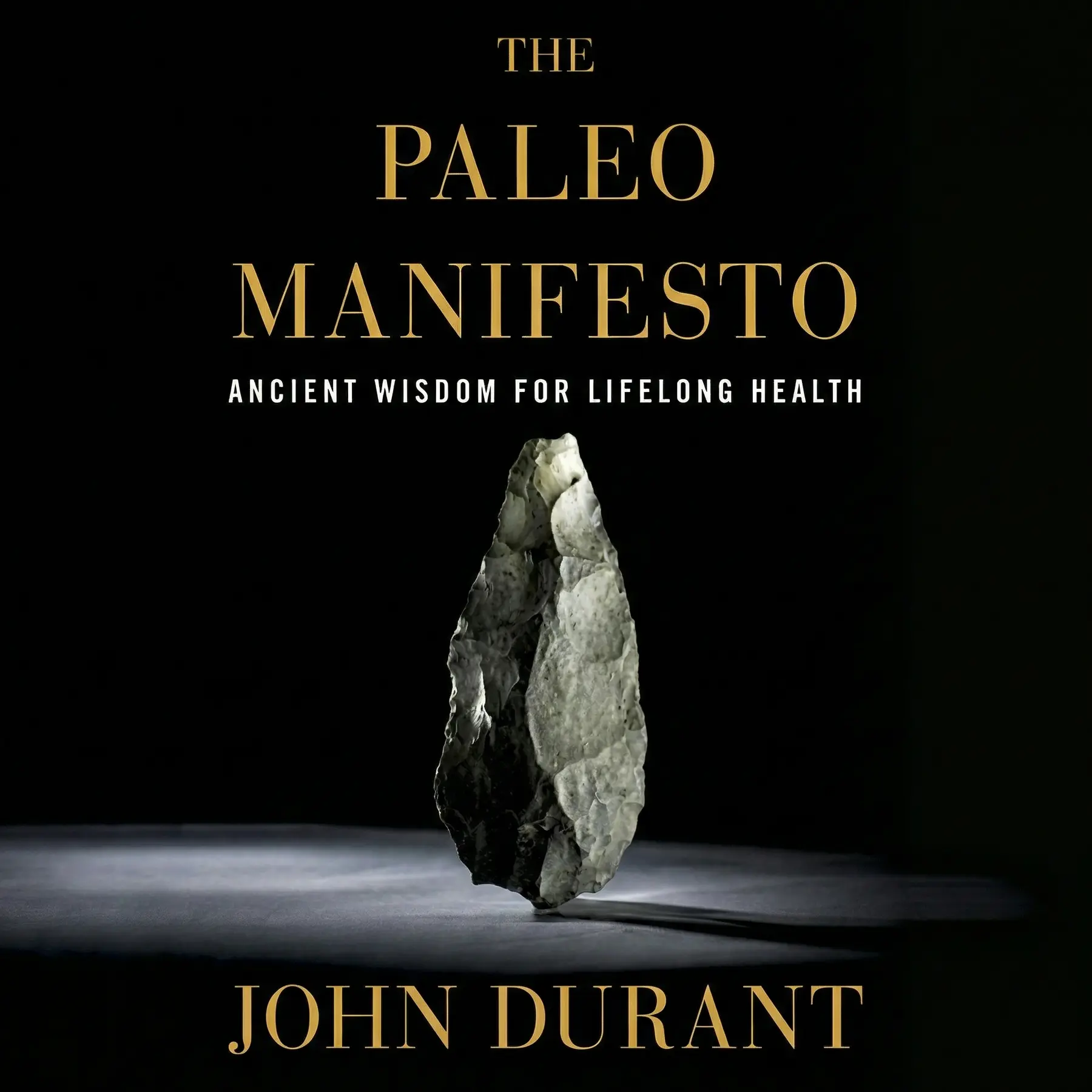
The Paleo Manifesto: Ancient Wisdom for Lifelong Health
By John Durant
The Paleo Manifesto explores how aligning our modern diet and lifestyle with our evolutionary history can reverse chronic health issues and restore the natural vitality our ancestors once enjoyed.
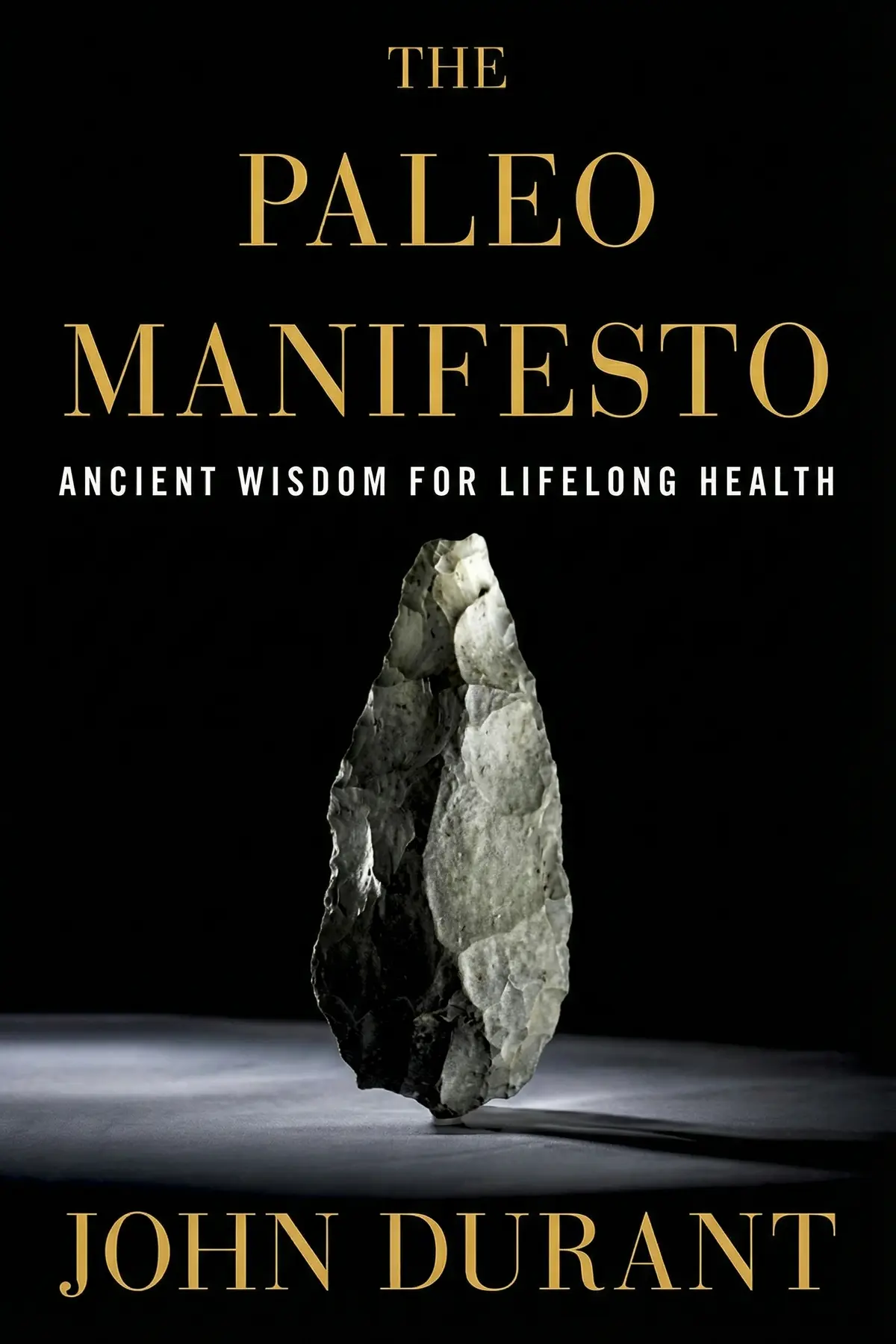
Table of Content
1. Introduction
1 min 36 sec
When you hear the word paleo, your mind might immediately jump to images of people dressed in animal skins, wielding stone tools, and perhaps engaging in some sort of historical reenactment of caveman life. It is easy to dismiss the movement as a fad built on nostalgia for a primitive past. However, this interpretation misses the core reality of what this philosophy represents. This isn’t about pretending the last ten thousand years didn’t happen; it is about recognizing that our biological hardware was forged over millions of years of evolution, and that hardware hasn’t changed nearly as fast as our technology has.
In the following minutes, we are going to explore a roadmap for health that is grounded in our evolutionary history. We will look at why the modern world often feels like it is at odds with our physical well-being and how we can bridge that gap. We will examine the evidence hidden in ancient skeletal remains, the surprising health struggles of zoo animals, and the scientific reasons why certain modern staples might be doing us more harm than good.
The central throughline here is the concept of evolutionary mismatch. We live in an age of abundance and convenience, yet we face rising rates of chronic illness. By looking back at how our ancestors lived—not just what they ate, but how they moved and interacted with their environment—we can find the keys to a more vibrant, energetic, and resilient life today. This is a journey through time that ends with a very practical set of tools for the modern world.
2. The Evolutionary Mismatch
2 min 40 sec
Explore why modern humans often feel sick and tired despite our technological progress, and how a change in environment can transform biological health.
3. Health Before the Harvest
2 min 28 sec
Ancient remains tell a surprising story about the physical superiority of our ancestors and the decline that followed the invention of farming.
4. The Hunter-Gatherer Nutritional Blueprint
2 min 12 sec
Reclaiming health starts with shifting from industrial food back to a diverse, seasonal, and nutrient-dense way of eating.
5. Navigating Modern Food Myths
2 min 45 sec
Understand the difference between processing and industrialization, and why many conventional health tips might be steering you wrong.
6. Movement and the Power of Temperature
2 min 22 sec
Health is about more than just what you eat; it is also about how you move and how you challenge your body with the elements.
7. Conclusion
1 min 06 sec
The transition to a paleo lifestyle isn’t about rejecting the modern world; it’s about making smarter choices within it. We’ve seen how the mismatch between our ancient biology and our current environment lies at the heart of many modern ailments. From the dental health of our ancestors to the metabolic boost of cold water, the evidence points toward a clear conclusion: our bodies thrive when we treat them according to their evolutionary design.
As you move forward, remember that your health is a reflection of your habitat. You can start small by swapping out industrial products for whole foods, standing up more at work, or even just turning the shower to cold for the last thirty seconds. These small adjustments are signals to your body that it is back in its natural element. The path to lifelong health isn’t found in a new laboratory chemical or a complicated diet fad; it is found in the ancient wisdom already written into your DNA. Take these principles, apply them to your daily routine, and watch as your body responds with the vitality it was always meant to have.
About this book
What is this book about?
The Paleo Manifesto examines the profound disconnect between the high-tech, sedentary world we inhabit and the biological blueprint we inherited from our prehistoric ancestors. It argues that many of today’s most common health struggles—from obesity and heart disease to dental decay—are not inevitable parts of the human condition but are actually the result of a mismatch between our genes and our environment. The book traces the history of human health from the Paleolithic era through the agricultural and industrial revolutions, highlighting how shifts in nutrition and activity levels have altered our bodies. By looking at the habits of hunter-gatherers, the author provides a framework for reclaiming our health. This involves more than just a diet; it is a holistic approach that includes eating whole, nutrient-dense foods, engaging in functional movement, and utilizing environmental stressors like temperature to optimize our metabolism. Ultimately, the promise is a path back to the robust health and energy that defined our species for millions of years.
Book Information
About the Author
John Durant
John Durant is a prominent figure within the paleo movement and the creator of Paleo NYC and Barefoot Runners NYC. He shares his insights on human health and evolution through his blog, HunterGatherer.com. His work and advocacy for evolutionary health have earned him appearances on The Colbert Report and NPR, as well as coverage in The New York Times.
Ratings & Reviews
Ratings at a glance
What people think
Listeners find this work to be a compelling and deeply researched exploration of human history across various evolutionary eras. Furthermore, the text provides a solid foundation for a comprehensive view of health, utilizing accessible explanations and an approachable, conversational tone. They value the stimulating material—with one listener specifically noting its observations on evolutionary psychology—and emphasize that it is a smooth read that covers far more than simple dietary advice.
Top reviews
Madison
Ever wonder why our modern bodies feel so fundamentally out of sync with our surroundings? Durant provides an extraordinary examination of human history, arguing that we aren't just eating wrong, but living wrong. This isn't your standard calorie-counting manual; it’s a holistic deep dive into how the Agricultural Revolution fundamentally rewired our culture and our health. I found the sections on thermoregulation and the benefits of cold exposure to be fascinating bio-hacking tips I hadn't considered before. The writing is incredibly slick and conversational, making complex evolutionary biology feel accessible. While he occasionally veers into personal anecdotes that feel a bit 'bro-centric,' the overall message about returning to our biological roots is compelling. It’s a thought-provoking read that pushes you to question everything from your standing desk to your sleep hygiene.
Show moreSarocha
The chapter on thermal regulation and cold exposure was worth the price of admission alone. I love how Durant doesn't just talk about what to put in your mouth; he looks at the entire human habitat. It’s a very engaging, well-researched piece of work that connects the dots between our ancestors and our current sedentary, overfed state. I’ve started implementing the 'field workouts' and focusing more on sun exposure, and the change in my energy levels has been noticeable. Truth is, most health books are dry and repetitive, but Durant has a conversational writing style that keeps you turning pages. He manages to make things like the 'Agricultural Revolution' feel like a high-stakes drama. It’s a refreshing, holistic approach to wellness that goes way beyond just eating grass-fed butter.
Show moreAva
Look, Durant is a talented writer with a Harvard pedigree, and it shows in his smooth, conversational prose. He manages to turn what could be a boring lecture on evolutionary biology into a compelling narrative about the human species. I’ve read a lot of Paleo books, but this one stands out because it treats the movement as a cultural shift rather than just a weight-loss plan. The insights into how penicillin changed our sexual habits and how that ties back to the Agricultural Revolution were brilliant. It’s a very easy read that manages to be thought-provoking without being overly academic. Whether you're into the 'caveman' thing or not, this book provides a solid framework for understanding why our modern environment is making us sick. Truly an extraordinary examination of our past and future.
Show moreOmar
Durant’s approach to human history is surprisingly thoughtful for a diet book. He frames the shift from hunter-gatherer societies to agrarian ones as a 'bug' in our biological software, which is a clever way to look at modern disease. The book is well-researched and provides a great bird's-eye view of how infectious diseases and social hierarchies followed the dawn of farming. I particularly enjoyed the meta-analysis of religious fasting and its potential immune-boosting effects. To be fair, he does have a bit of a 'Timothy Ferriss' marketing vibe that can be a little draining for introverts, but the core information is solid. It’s more of a philosophy of movement and existence than just a list of foods to avoid. Even if you don't buy into the whole 'nose-to-tail' eating thing, the historical context is worth the time.
Show moreJob
Not what I expected from a book with 'Paleo' in the title, and I mean that in a good way. It encompasses so much more than just a diet plan. Durant looks at evolutional psychology and how our sexual impulses and social structures were altered by the shift to city living. Some of the advice is wonderfully practical—like choosing white rice as the 'least toxic' grain—while other parts feel like a slick marketing ploy for an expensive alternative lifestyle. Look, he’s definitely aiming for a specific demographic of high-earning 'bio-hackers,' which can be a bit alienating. However, the underlying message of trusting our evolved biology is something everyone should hear. It’s an easy read that will definitely spark some interesting conversations at your next dinner party.
Show moreSin
Picked this up because I was curious about the 'bio-hacking' craze and stayed for the fascinating history lessons. Durant does an excellent job of explaining how industrial foods appeared too recently for our metabolisms to adapt. The writing is self-deprecating enough to be likable, despite the 'alpha' undertones that other reviewers have mentioned. I found his thoughts on 'nose-to-tail' eating and the toxicity of certain plant proteins to be a real eye-opener. Even if you aren't ready to start running barefoot through the woods, the book offers evidence for a more natural approach to health that just makes sense. It’s a slick, well-packaged argument against our post-agrarian existence. Just take some of the more extreme 'hunter' rhetoric with a grain of salt.
Show moreMilk
It's hard to ignore the didactic tone that creeps in during the fitness sections, but the historical analysis in the first half is genuinely top-notch. Durant explores how early religions actually helped manage the diseases that came with high-density city living, which was a perspective I’d never encountered in a health book. He makes great points about how we prioritize 'calories out' through exercise while ignoring how our bodies use energy for heat. The book is definitely aimed at a specific type of 'Cupertino treadmill desk' user, and that privilege shows. Still, the core message about eating unprocessed foods and getting more sunlight is something we all need to hear. It’s an engaging, if slightly flawed, manifesto for a different way of living.
Show morePakinee
After hearing the author on a podcast, I expected a rigorous scientific manual, but what I got was more of a lifestyle philosophical guide. The book is fairly readable and Durant is clearly a smart guy—his Harvard background shines through in his prose—but the logic sometimes feels like a stretch. He spends a lot of time on his own journey from being 'doughy' to 'lean,' which is fine, but I wanted more data. The 'not a bug, it’s a feature' analogy is great, though the book struggles with a bit of an identity crisis. Is it a history book? A fitness guide? A manifesto? It tries to be all three and ends up feeling a bit unfocused. It’s a decent entry point for beginners, but if you’ve already read the major Paleo blogs, you might find yourself skimming large sections.
Show moreEllie
To be fair, much of the nutritional advice here—like putting butter in your coffee or eating organ meats—can be found with a quick search online. The book is a bit of a scattershot collection of ideas. One minute you're reading about sushi and wasabi, and the next you're hearing about the author's CrossFit routine. I appreciated the effort to get into the science of epigenetics, but it often felt like it was skimming the surface to keep the tone light and 'chatty.' There’s a certain level of fanaticism in the writing that suggests 'I’m right and everyone else is wrong,' which can be annoying if you don't agree with every single point. It’s an okay summary of the movement, but it lacks the depth I was hoping for.
Show moreIsabella
Frankly, this felt like a long-winded blog post expanded into a book for the 'alpha male' crowd. I’ve been living a primal lifestyle for years, and there is almost nothing here that isn't already available for free on a dozen different websites. Durant’s tone is the biggest hurdle; he often comes across as didactic and slightly condescending, especially when he makes unnecessary comments about women in yoga pants or dismisses alternative viewpoints as 'feminine.' The science feels thin, replaced instead by a scattershot of evolutionary psychology and personal opinions. If you’re a guy who wants to feel like a 'caveman stud-muffin' while buying expensive treadmill desks, this might be for you. For the rest of us looking for rigorous nutritional science, it’s a pass. I’d suggest getting it from the library before committing to a purchase.
Show moreReaders also enjoyed
AUDIO SUMMARY AVAILABLE
Listen to The Paleo Manifesto in 15 minutes
Get the key ideas from The Paleo Manifesto by John Durant, plus 5,000+ more titles in English and Thai.
- 5,000+ titles
- Listen as much as you want
- 7-day free trial
- Cancel anytime







