
19 min 39 sec
The Power of Regret: How Looking Backward Moves us Forward
Explore why our most misunderstood emotion is actually a secret weapon for success. This summary reveals how analyzing past mistakes can sharpen your future decisions and lead to a more purposeful life.
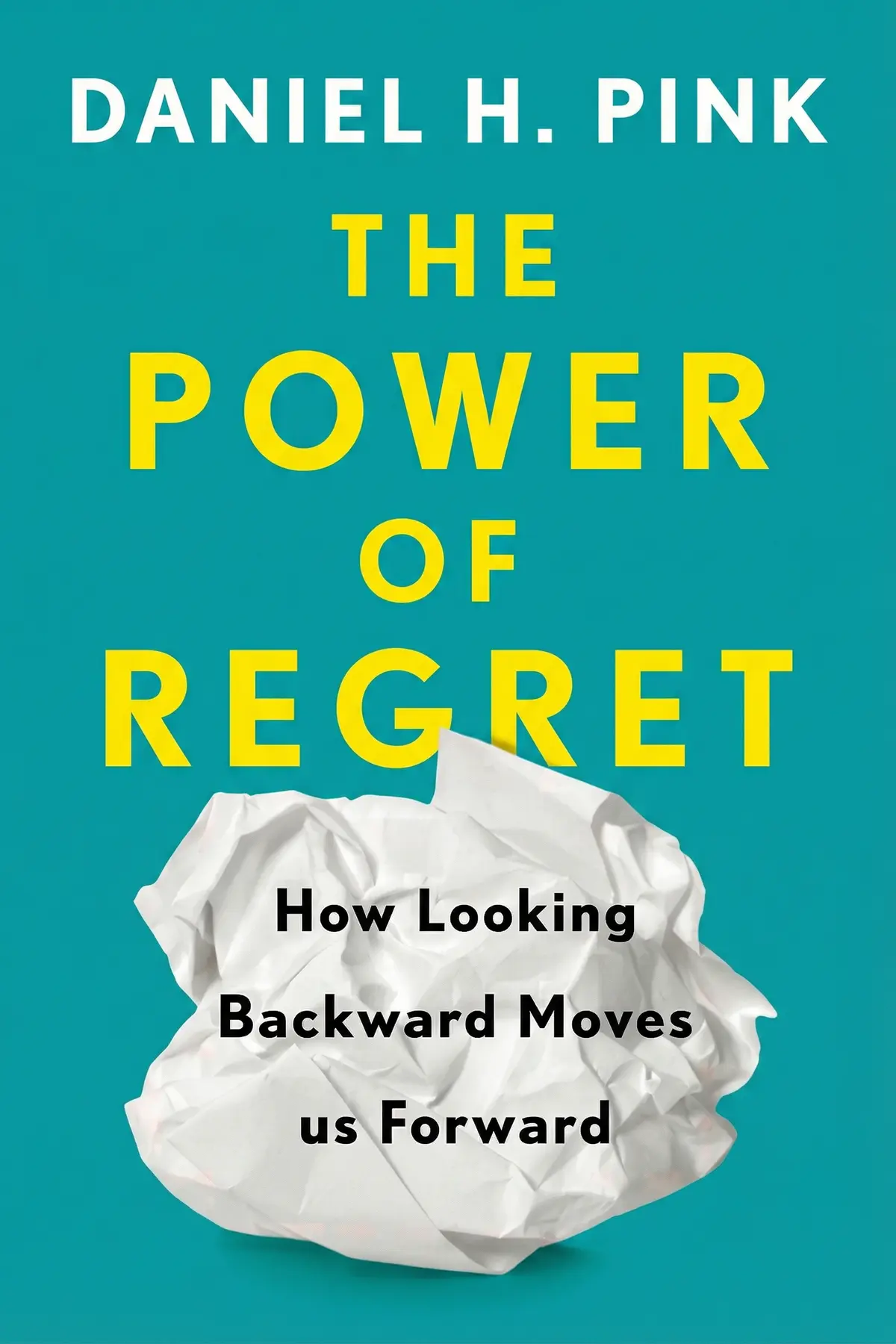
Table of Content
1. Introduction
1 min 54 sec
Imagine waking up, reaching for the morning paper, and seeing your own name in the obituary section. Even worse, imagine that the summary of your life—the legacy you’ve spent decades building—describes you as a ‘Merchant of Death.’ This isn’t a scene from a thriller; it’s the exact situation Alfred Nobel found himself in during the late nineteenth century. It was a moment of profound, world-shaking regret. But instead of letting that regret crush him, Nobel used it as a compass. He looked at the version of the future the world expected of him and decided to write a different story, eventually establishing the prizes that now define his name.
We often hear the phrase ‘no regrets’ used as a badge of honor. It’s tattooed on skin, printed on posters, and repeated by celebrities as a philosophy for a bold life. But this ‘no regrets’ worldview is fundamentally flawed. It ignores a basic truth of our biology and psychology: regret is one of our most common and essential emotions. It is a tool, not a trap. When we try to live without it, we are effectively choosing to live without the ability to learn from our mistakes.
In this exploration of Daniel H. Pink’s work, we are going to dive into why we feel this way and, more importantly, how we can stop running from our past and start using it. We will look at how the human brain functions as a time-traveling storyteller, weaving together ‘what happened’ with ‘what might have been.’ We’ll explore a three-step process for transforming a painful memory into a catalyst for growth. By the end, you’ll see why having a healthy ‘portfolio’ of emotions—including the negative ones—is the only way to build a meaningful future. Regret doesn’t have to be a weight that holds us back; if we learn to listen to it, it can be the engine that moves us forward.
2. The Catalyst for Transformation
2 min 37 sec
Discover how a mistaken obituary led one man to redefine his entire legacy, proving that looking back can be the ultimate motivator for change.
3. The Human Gift of Time Travel
2 min 50 sec
Learn about the psychological mechanism of counterfactual thinking and why our brains are hardwired to obsess over ‘if only’ scenarios.
4. Diversifying Your Emotional Portfolio
2 min 29 sec
Explore why a ‘positive only’ mindset is a risky investment strategy for your life and how negative emotions actually provide essential protection.
5. A Three-Step Framework for Moving Forward
2 min 38 sec
Stop wallowing and start working with this practical guide to processing regret through undoing, reframing, and strategizing.
6. Using Regret to Define Your Values
2 min 47 sec
Discover how the stories of missed connections and lost time reveal our deepest priorities and help us avoid making the same mistake twice.
7. The Competitive Advantage of Looking Back
2 min 36 sec
See how even in the high-stakes world of business, those who embrace their regrets outperform those who try to ignore them.
8. Conclusion
1 min 48 sec
As we have seen, the ‘no regrets’ philosophy is more than just a catchy phrase; it’s a recipe for stagnation. To deny regret is to deny the very mechanism that allows us to grow, to connect, and to excel. Whether it’s a massive life pivot like Alfred Nobel’s or a small tactical adjustment in a business meeting, regret is the internal compass that points us toward our best selves. It tells us when we’ve drifted off course and gives us the energy to steer back toward what truly matters.
So, how do we put this into practice today? Instead of waiting for a life-altering crisis to prompt reflection, we can build it into our routines. A powerful way to do this is to rethink our relationship with the New Year. Most of us focus entirely on resolutions—on the future. But this year, try pairing those ‘New Year’s resolutions’ with ‘Old Year’s regrets.’ Take a moment to look back at the last twelve months and identify two or three things you truly wish you had done differently.
Don’t just list them to feel bad; apply the three-step framework. Can any of them be undone with a phone call or a letter? Is there an ‘at least’ that can help you find the silver lining? And most importantly, what is the strategy for the coming year to ensure you don’t feel that same regret again? By making this a regular practice, you turn your past into a library of wisdom rather than a graveyard of mistakes. You move forward not by ignoring the rear-view mirror, but by using it to navigate the road ahead more safely and with greater purpose. Remember, the goal isn’t to live a life without regret; the goal is to live a life where your regrets are used to build something beautiful. Invest in the lessons of your past, and your future self will thank you for it.
About this book
What is this book about?
For generations, we have been told that looking back is a waste of time and that a life lived with 'no regrets' is the ultimate goal. Daniel H. Pink challenges this popular myth, arguing that regret is not a sign of weakness or failure, but a fundamental human faculty that exists for a very specific reason: to help us do better next time. By examining the psychology of 'counterfactual thinking' and the four core types of regret, this exploration provides a framework for turning painful memories into actionable wisdom. You will discover how to use the 'if only' moments of your past to create a more intentional 'what’s next' for your future, moving from paralysis to progress.
Book Information
About the Author
Daniel H. Pink
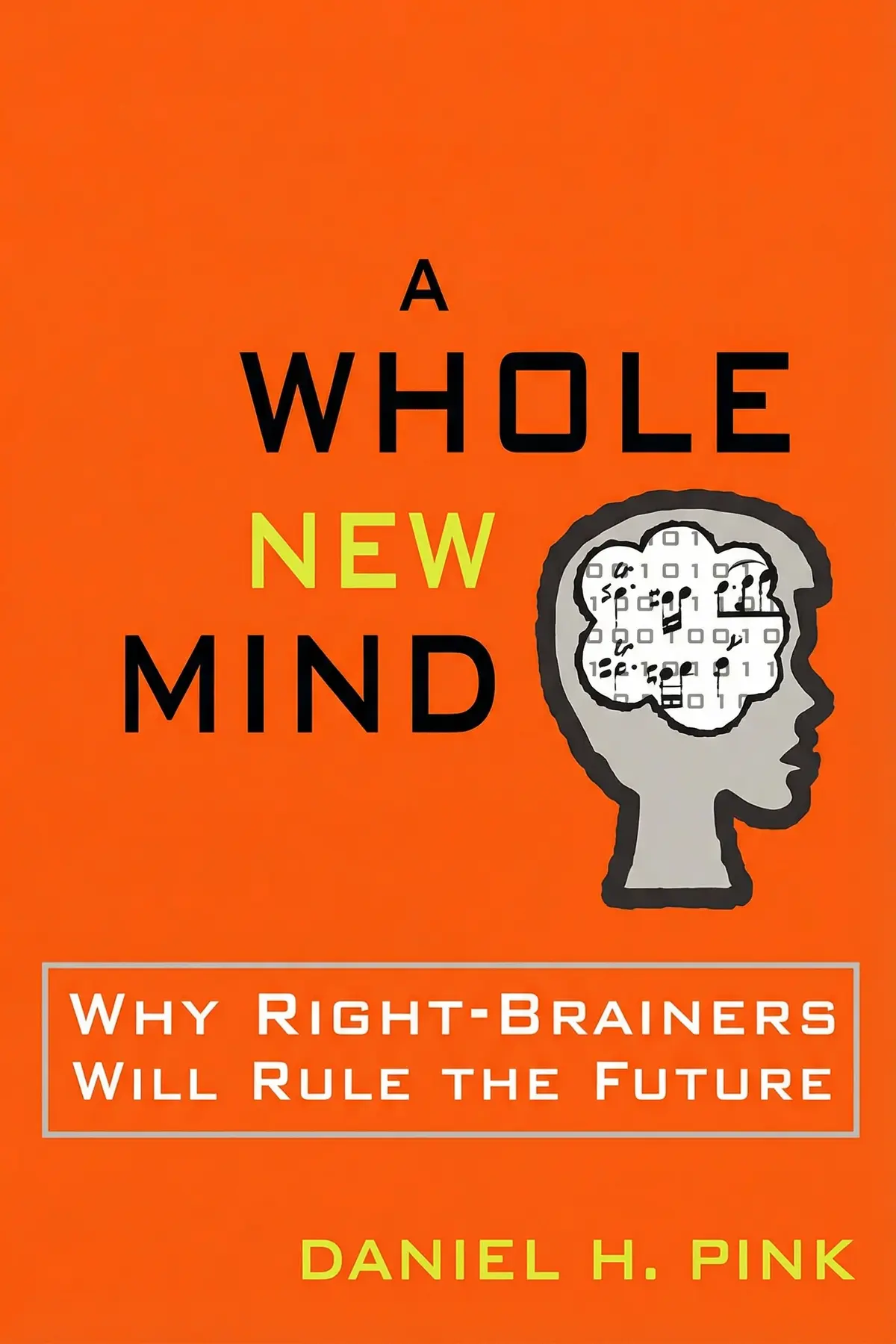
Daniel Pink is the acclaimed author of seven books, five of which earned spots on the New York Times bestseller list. His past titles include A Whole New Mind, Drive, Free Agent Nation, The Adventures of Johnny Bunko, To Sell Is Human, and When.
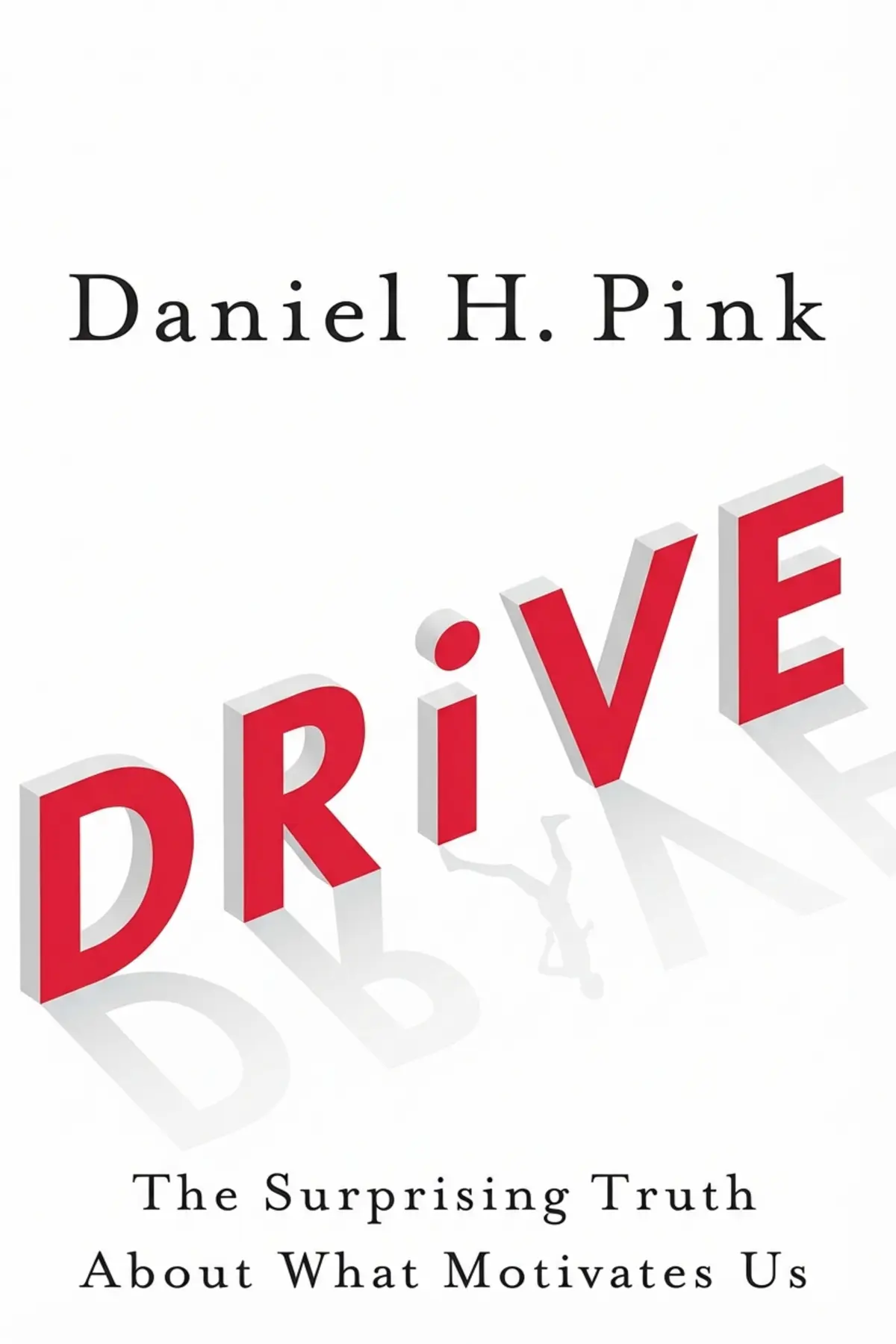
Drive: The Surprising Truth About What Motivates Us
Daniel H. Pink
When: The Scientific Secrets of Perfect Timing
Daniel H. Pink
Ratings & Reviews
Ratings at a glance
What people think
Listeners find the material highly accessible and value the thoroughly researched content, with one person mentioning how it keeps the chapters engaging. Furthermore, the work offers a perceptive look at regret, assisting audiences in grasping how it impacts their decision-making, and one listener emphasizes its value for self-help purposes. The prose is also lucid and organized, with one review pointing out how it successfully breaks down and categorizes the concept of regret.
Top reviews
Jom
Finally got around to reading Pink's latest, and it is a fascinating dive into why we should stop trying to live life with 'no regrets.' The rigorous data sets pulled from the World Regret Survey give this a level of authority that most pop-psychology books lack. I found the distinction between 'upward' and 'downward' counterfactuals especially useful for my own mental health. Instead of agonizing over 'if only' scenarios, the book teaches you to look for the 'at least' silver linings that help us grow. It’s well-structured, moving from the science of the brain to a systematic breakdown of the four core regrets: foundation, boldness, moral, and connection. If you’ve ever felt paralyzed by a past mistake, this will help you transform that pain into a strategic tool for future decision-making. Truly a life-changing perspective on an emotion we usually try to ignore.
Show moreRome
Wow, this book really shifted my perspective on my own career path and personal failures. I’ve always been someone who claimed to have 'no regrets,' but Pink convincingly argues that such a stance is actually a sign of low emotional intelligence. The truth is, regret is a biological signal telling us how to improve, much like physical pain tells us to pull our hand away from a flame. I particularly connected with the stories about 'connection regrets' and the importance of reaching out to people before the bridge is permanently burned. The writing is incredibly clear, and the pacing keeps you engaged even through the more data-heavy sections. It’s not just a self-help book; it’s a manual for human experience that uses 20,000 voices to prove we aren't alone in our mistakes. I’ve already started applying the 'at least' exercise to my recent setbacks, and it works wonders.
Show moreAir
Ever wonder why a bronze medalist looks happier on the podium than someone who won silver? Daniel Pink explains this through the lens of regret and counterfactual thinking in a way that is both intuitive and deeply researched. I appreciated how he categorized our inner baggage into four distinct buckets, making it easier to identify why certain past choices still sting. The section on 'boldness regrets'—the things we didn't do—really hit home for me as I approach my forties. To be fair, some of the anecdotes felt a bit repetitive toward the middle of the book, but the overarching message is solid. He moves us away from toxic positivity and toward a more honest form of self-reflection. It's a quick read, yet it provides a powerful framework for anyone looking to make better choices moving forward. Definitely worth keeping on the shelf for a re-read.
Show moreSuthinee
The chapter on 'Kintsugi'—the Japanese art of repairing broken pottery with gold—is the perfect metaphor for what this book tries to achieve. Daniel Pink argues that our regrets don't make us damaged; they make us more beautiful and functional if we handle them correctly. I loved the emphasis on 'self-distancing' as a way to analyze our past without the crushing weight of shame. By referring to ourselves in the third person or looking at our problems from a 'fly on the wall' perspective, we can gain incredible clarity. The research is clear and well-structured, making complex psychological concepts accessible to the average reader. My only minor gripe is that the 'four core regrets' felt a bit forced into their categories at times. However, the practical tools for turning 'if only' into 'next time' are invaluable. This is a great pick for anyone interested in personal development and better decision-making.
Show morePalm
Picked this up on a whim, and I’ve got to say, the section on how children don't even develop the capacity for regret until age five to eight was a total 'aha' moment for me. It explains so much about development and how we learn to predict outcomes. Pink is a master at taking academic concepts and making them feel relevant to your Monday morning. While some of the categories like 'moral regrets' felt a bit self-explanatory, the way he unpacks the 'boldness' category is genuinely inspiring. It’s the difference between the regret of action and the regret of inaction, with the latter being much more painful in the long run. The book is well-researched and avoids the usual fluff you find in this genre. It’s a solid, insightful exploration that provides a roadmap for living more intentionally. I’d recommend it to anyone feeling stuck in a loop of past mistakes.
Show moreWeera
This book provides a fascinating framework for an emotion we usually try to bury under the rug. I loved the concept of the 'American Regret Project' and how it used real stories to illustrate that everyone is struggling with something. The distinction between 'reflecting' and 'ruminating' is a crucial one that I think most people miss when they talk about the past. Pink’s prose is sharp, and he moves through the chapters at a brisk pace that keeps the heavier subject matter from feeling too depressing. Personally, I found the advice on 'self-compassion' to be the most practical part of the text, as it gives you permission to be human while still demanding that you learn. Some of the stories were a bit tear-jerkers, which added a nice emotional layer to the scientific data. It’s a well-rounded, thoughtful piece of work that actually offers a way forward.
Show moreBoss
As someone who identifies with Stoicism, I struggled with Pink’s central premise that we should give so much weight to the past. The book is easy to read and well-organized, but I’m not 100% certain that dwelling on things we can't change is actually productive for everyone. He tries to draw a line between 'reflecting' and 'ruminating,' yet many of the examples featured people in their 80s still suffering over childhood decisions. That seems more like a recipe for misery than a path to power. To be fair, the mental models regarding 'foundation regrets'—the small things that accumulate over time—were quite helpful for my daily planning. The writing style is punchy and professional, as you’d expect from Pink, but the core philosophy felt contradictory at times. It’s a decent exploration of the topic, but take the advice with a grain of salt if you prefer focusing on the present moment.
Show moreTantipat
Truth is, I found this book to be a bit of a mixed bag despite the hype. On one hand, the quantitative analysis of American attitudes toward regret is genuinely impressive and offers some cool insights into our collective psyche. On the other hand, it felt like a whole lot of words just to tell us that critical self-reflection is a good thing for growth. The categorization of regrets into four buckets felt slightly arbitrary, and I found myself skimming the middle sections where the anecdotes started to blend together. Look, if you’ve never thought deeply about your life choices, this will be eye-opening. But if you’re already a fairly reflective person, you might find the 'power' of regret to be a bit overstated here. It’s a fast, easy read, but it didn't quite hit the high bar set by Pink’s earlier work like 'Drive'.
Show moreDuang
Look, Daniel Pink is a master at synthesising the work of real sociologists and analysts into a very digestible output, but this one felt a little thin in places. The first few chapters are great—the stuff about brain 'time travel' and the World Regret Survey is top-tier. However, the 'four core regrets' sections felt like they were just stating the obvious: people regret being mean, being cowards, or not working hard. Did we really need a whole book to tell us that we regret not calling our parents or saving more money? To be fair, the writing is excellent and the 'At least' versus 'If only' framing is a helpful mental hack. It’s a useful book for a quick plane ride, but it doesn't quite dive as deep as I wanted it to. Good for a general audience, but maybe too basic for those who read a lot of psychology.
Show moreNathan
Not what I expected, and frankly, I found the author’s selection of stories to be incredibly biased and distracting. I was enjoying the early chapters on the psychology of time-traveling in our minds, but the heavy inclusion of abortion regret stories felt like a specific agenda was being pushed. Where are the stories about the regret of parenthood or the regrets men face in those same arenas? It felt like a very narrow, traditionalist view of morality hidden under the guise of 'sociological research.' Furthermore, much of the advice boils down to 'think about your mistakes and learn from them,' which isn't exactly groundbreaking. While the data from the American Regret Project is interesting from a statistical standpoint, the execution of the narrative felt preachy and skewed toward a specific American worldview. I struggled to finish it after the tone shifted so dramatically in the middle chapters.
Show moreReaders also enjoyed
Age of Propaganda: The Everyday Use and Abuse of Persuasion
Anthony Pratkanis

A Guide to the Good Life: The Ancient Art of Stoic Joy
William B. Irvine
A High-Performing Mind: Strengthen Your Mind and Live Your Best Life
Andrew D. Thompson
Abundance: The Inner Path to Wealth
Deepak Chopra
AUDIO SUMMARY AVAILABLE
Listen to The Power of Regret in 15 minutes
Get the key ideas from The Power of Regret by Daniel H. Pink, plus 5,000+ more titles in English and Thai.
- 5,000+ titles
- Listen as much as you want
- 7-day free trial
- Cancel anytime







