
20 min 39 sec
When: The Scientific Secrets of Perfect Timing
Explore the hidden science of timing and learn how synchronizing your schedule with your biological clock can transform your productivity, health, and happiness by making better decisions about when to act.
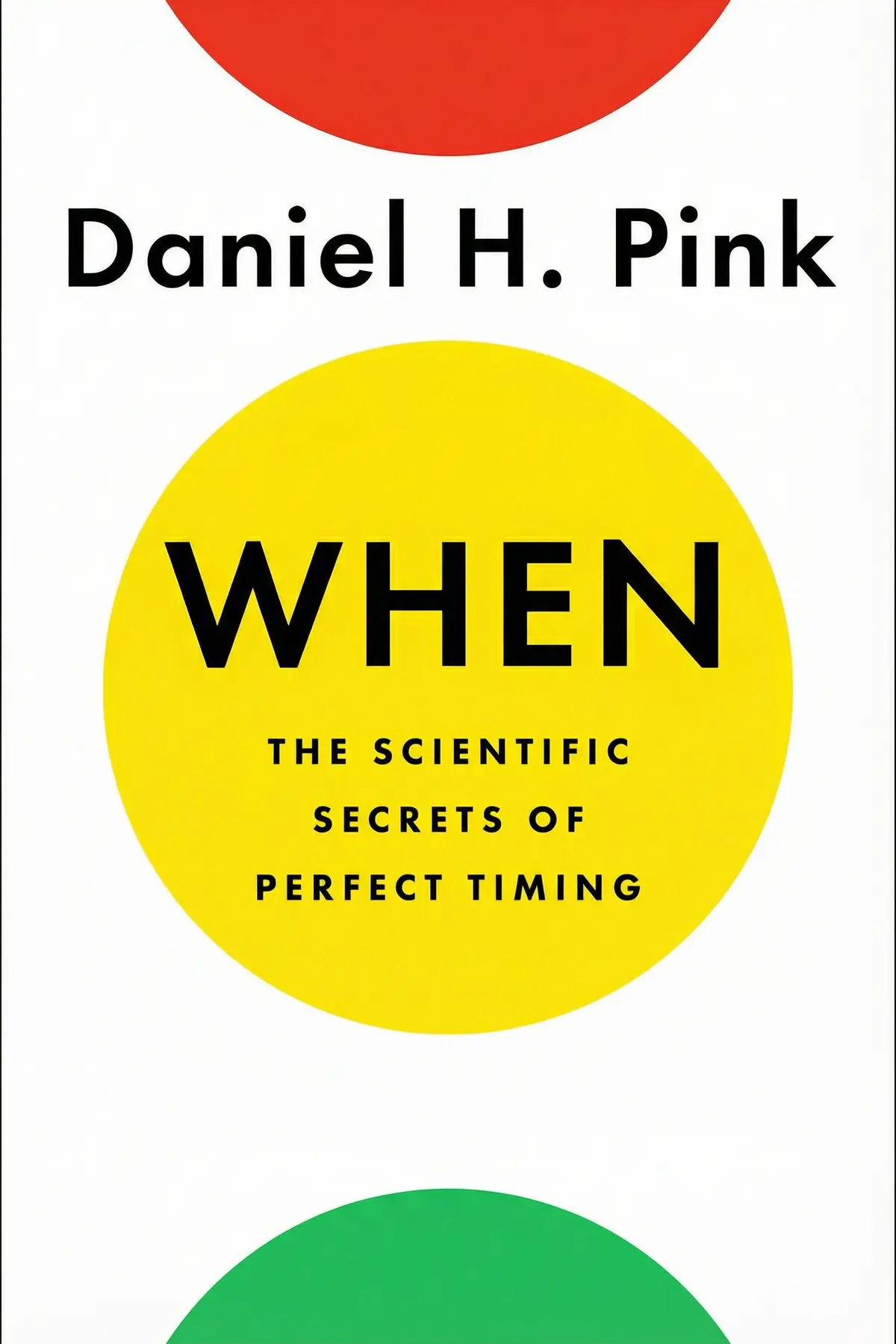
Table of Content
1. Introduction
1 min 43 sec
Think about the last time you had a truly productive day. You likely credited your focus, your coffee, or perhaps a lack of interruptions. But have you ever considered the invisible hand of timing? We treat time as a backdrop to our lives, a steady ticking in the distance that we try to fill with as much activity as possible. But what if time isn’t just a container? What if the specific moment you choose to perform a task matters just as much as the task itself?
In this exploration of the science of timing, we dive into the work of Daniel H. Pink to uncover how our internal clocks and external deadlines dictate the quality of our work and the state of our well-being. This isn’t just about time management or productivity hacks. It is about understanding the biological and psychological rhythms that define the human experience.
We often assume that our abilities are constant throughout the day. We think we are the same person at 9:00 a.m. as we are at 3:00 p.m., just perhaps a bit more tired. Science tells a different story. Our cognitive abilities, our capacity for empathy, and even our moral judgment fluctuate depending on the position of the sun. Through these insights, you will learn how to navigate the peaks and valleys of your daily energy, how to salvage the treacherous mid-afternoon, and why understanding the ‘when’ of life can be the ultimate competitive advantage. Let’s begin by looking at the emotional wave we all ride every single day.
2. The Universal Rhythm of Daily Mood
2 min 31 sec
Discover the hidden emotional cycle that governs your day and learn why your mood follows a predictable pattern of rising and falling regardless of your culture.
3. Matching Your Internal Clock to Your Tasks
2 min 43 sec
Not everyone is built the same; find out how your unique chronotype determines the best time for you to think creatively versus analytically.
4. The Dangerous Dip of the Afternoon
2 min 25 sec
The hours between two and four p.m. are more than just sleepy; they are statistically the most error-prone time of the day in critical fields.
5. The Art of the Effective Break
2 min 17 sec
Learn the precise formula for the perfect break and how a ‘napuccino’ can supercharge your alertness for hours.
6. The Power and Peril of the Midpoint
2 min 08 sec
Whether it is a sports game or a corporate project, the halfway mark triggers a psychological shift that can either paralyze or propel you.
7. The Psychology of Endings
2 min 26 sec
Endings carry a weight that far exceeds their actual duration; understand how they warp our memory and influence our biggest life choices.
8. Bridging the Gap to Your Future Self
2 min 32 sec
Find out why feeling disconnected from your future self leads to bad decisions and how to build a lasting sense of purpose through poignancy.
9. Conclusion
1 min 54 sec
As we bring our journey through the science of timing to a close, it’s clear that the clock is far more than a tool for scheduling meetings. It is a biological and psychological force that shapes our reality. We have seen that our moods follow a universal wave, that our internal chronotypes dictate our cognitive strengths, and that the middle and end of every endeavor carry their own unique risks and rewards. The big takeaway is that ‘when’ is a conscious choice that we can, and should, make with intention.
If you want to apply these secrets immediately, start with the most basic building block of your day: your morning routine. Science suggests that your relationship with coffee might need a tweak. Instead of reaching for a mug the second your eyes open, wait about an hour to ninety minutes. This allows your body’s natural waking hormone, cortisol, to do its job without interference. By the time you do have that first cup, you’ll be enhancing a natural peak rather than trying to jumpstart a stalled engine.
Timing is often the ‘hidden’ variable in the equation of success. We spend so much energy on the substance of our work, but by paying just a little more attention to the timing, we can achieve far more with significantly less friction. Stop fighting the afternoon trough—rest through it. Stop ignoring the midpoint—use it to spark urgency. And finally, stop viewing your future self as a stranger. By aligning your actions with the rhythms of time, you don’t just work better; you live better. The time to start is, quite literally, right now.
About this book
What is this book about?
Most of us believe that the key to success lies in 'how' we do things, or 'what' we choose to focus on. However, we often ignore the most critical variable of all: 'when.' This summary explores the groundbreaking research into the temporal patterns that govern our lives, revealing that timing is not an art, but a rigorous science. By examining everything from daily mood fluctuations to the biological reasons for the mid-afternoon slump, these insights provide a blueprint for a more effective life. You will discover why certain hours of the day are dangerous for medical procedures, how to structure your workday based on your unique internal rhythm, and why the midpoint of any project is the most dangerous and yet most opportunistic moment. The promise is simple: by mastering the clock, you can unlock higher performance and deeper satisfaction in every area of your life.
Book Information
About the Author
Daniel H. Pink
Daniel H. Pink is a celebrated author whose works have consistently reached the top of the New York Times bestseller lists. A graduate of Yale Law School, Pink has a background in the highest levels of American government, having served as the primary speechwriter for Al Gore during his time as Vice President. His influential library includes titles such as Drive and To Sell is Human, which explore the complexities of human motivation and social interaction.
Ratings & Reviews
Ratings at a glance
What people think
Listeners find this book both absorbing and extensively documented, with one listener pointing out its wealth of intriguing data and trials. They also value the actionable advice, as one listener specifically notes the beneficial suggestions provided at the end of every part and the impact on their daily routine. Furthermore, the text is lauded for being intellectually stimulating and well-written. Even so, the tempo earns varied critiques; while some find the organization clear, others describe it as sophomoric.
Top reviews
Sue
Daniel Pink has a way of taking complex social science and making it feel like a friendly chat over coffee. I’ve always struggled with that mid-afternoon energy crash, but learning about the biological 'trough' changed how I schedule my most important client meetings. The section on the 'nappuccino' sounds like a total gimmick, yet it actually works better than I expected for a quick mental reset. While some might say the advice is just common sense, having the data to back up why we feel sluggish at 2 PM is incredibly validating. It’s a quick, punchy read that provides actual tools you can use immediately in your professional life. Frankly, the 'Time Hacker’s Handbook' sections at the end of each chapter are worth the price of the book alone because they turn abstract theory into a literal to-do list for your life.
Show moreBrooklyn
After hearing so much about Pink's narration, I decided to go with the audiobook version for this one. He brings a level of enthusiasm and clarity that really elevates the material, making the data points feel much more personal. I particularly enjoyed the segments on 'midpoints' and how the awareness of being halfway through a task can spark a sudden burst of motivation. It’s a very practical guide, especially with the tips on how to structure breaks and why we should take more of them throughout the workday. Some chapters felt a little light on substance compared to others, but the overall message is strong and actionable. Truth is, I’ve already started shifting my creative work to the early morning, and the results in my output are already noticeable.
Show moreSombat
I’ll admit I was skeptical at first about an entire book dedicated to 'timing,' but I was quickly won over by the sheer volume of research. This isn't just a collection of opinions; it’s a synthesis of hundreds of studies across various fields like economics and biology. The writing is incredibly smooth, and Pink has a knack for finding the exact story needed to illustrate a dry statistic. I found the section on how starting a career during a recession impacts lifetime earnings to be particularly sobering and insightful. It changed my perspective from 'what' I should be doing to 'when' I should be doing it. It’s a rare book that is both intellectually stimulating and immediately useful for your personal life. Definitely worth a read if you feel like you're constantly fighting your own schedule.
Show moreOoi
Wow, I never realized how much I was sabotaging my own productivity just by doing the wrong things at the wrong hours. The chapter on the 'trough' explained so much about my daily 3 PM slump and gave me permission to actually take a break instead of powering through. I’ve started implementing the 'nappuccino'—drinking a coffee right before a 20-minute nap—and it has been a total game-changer for my focus in the late afternoon. Pink’s writing is incredibly engaging, blending rigorous research with stories that make the concepts stick in your brain. This isn't just another dry business book; it’s a manual for living a more synchronized and effective life. I’ve already recommended this to three of my colleagues who always look exhausted by the time our daily status meeting rolls around.
Show moreSomboon
Ever wonder why some projects start with a bang and others just fizzle out immediately? This book dives deep into the science of timing, exploring everything from hospital error rates in the afternoon to the way choral singing synchronizes our heartbeats. Pink writes with an engaging, almost conversational style that keeps the data from feeling too dry or academic. I did find the middle section a bit slow, as it felt like he was stretching the 'when' concept to fit topics like job hunting and quitting. However, the insights into how our 'chronotype' dictates our peak performance hours were eye-opening for my morning routine. To be fair, it’s not reinventing the wheel, but it organizes these concepts in a very accessible way that makes you rethink your entire daily calendar.
Show moreJib
As someone who manages a large team, the chapters on group timing and synchronization were particularly relevant to my daily operations. Pink explores the 'Symphony of Seconds' and how people work together in harmony, using examples like rowing crews and delivery systems in India. The book is organized beautifully, with clear takeaways that prevent the research from becoming overwhelming or abstract. While some critics argue that the science is 'soft,' I think it provides a necessary framework for understanding our internal clocks. Look, you might not agree with every single conclusion he draws from the data, but the core advice on scheduling is solid. It’s a thought-provoking look at how we can better align our corporate schedules with our natural biological rhythms.
Show moreSupachai
The premise of this book is fascinating, but the execution felt a bit uneven to me. On one hand, you get these startling statistics about how timing affects surgery outcomes and parole hearings, which are genuinely terrifying. On the other hand, a lot of the advice feels like stuff I’ve already seen on productivity blogs or in the New York Times over the last decade. It’s a well-researched collection of anecdotes, though it occasionally feels like a series of magazine articles stitched together rather than a cohesive narrative. Not gonna lie, I expected something more revolutionary given the hype surrounding Pink’s previous work. It’s a decent read for a plane ride, but don’t expect it to completely overhaul your life or offer deep philosophical breakthroughs.
Show morePear
This book is a bit of a mixed bag for me, landing somewhere between an academic study and a casual self-help guide. On one hand, the research regarding how timing affects everything from school testing to choral singing is genuinely fascinating to read about. On the other hand, the pacing is quite inconsistent, and some of the chapters feel like they were shoehorned in to meet a page count. I appreciated the practical tips on napping and scheduling, but I didn't feel like the various sections ever really congealed into a singular, powerful argument. It’s an easy enough read with some good takeaways, but it’s definitely not the life-changing manual that the marketing makes it out to be. Good for a weekend read but don't expect too much depth.
Show moreTeng
Picked this up hoping for deep insights into behavioral psychology, but it felt more like a collection of life hacks I could have Googled in twenty minutes. Pink spends a lot of time explaining things we already intuitively know, like the fact that we’re tired after lunch or that beginnings matter for long-term success. The writing style is definitely accessible, yet it borders on being a bit too simplistic—almost sophomoric at times. I found the attempt to link the sinking of the Lusitania to afternoon decision-making to be a massive stretch that undermined the book's scientific credibility. If you’ve read any other popular science books on habits or productivity, you’ll likely find this to be a repetitive exercise in stating the obvious. It just didn’t offer the 'aha' moments I was looking for.
Show moreTaweesak
Frankly, I found this to be a frustrating experience. Pink takes a handful of interesting studies about hospital errors and the afternoon slump and stretches them into a repetitive narrative that feels longer than it needs to be. While the writing is undeniably smooth, the content often feels like common sense disguised as a breakthrough discovery. I was hoping for something as revolutionary as 'Drive,' but this felt more like a collection of blog posts. The constant inclusion of 'Time Hacker’s Handbook' sections felt a bit like padding for a book that ran out of things to say halfway through. It’s not that the advice is bad, it’s just that it isn’t particularly new or insightful if you’ve followed any productivity news in the last decade. It's a bit disappointing.
Show more
Readers also enjoyed
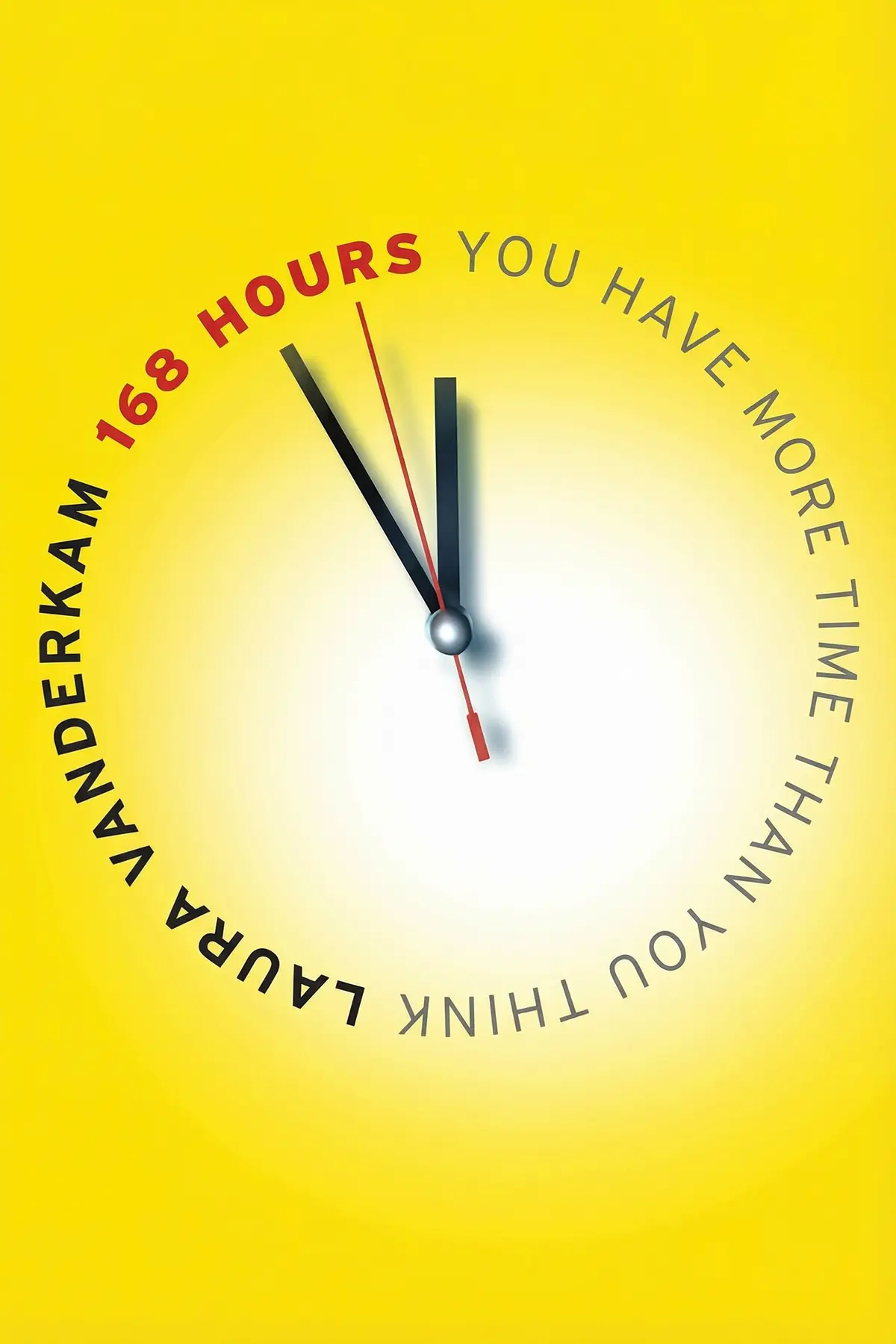
168 Hours: You Have More Time Than You Think
Laura Vanderkam

59 Seconds: Change Your Life in Under a Minute
Richard Wiseman
AUDIO SUMMARY AVAILABLE
Listen to When in 15 minutes
Get the key ideas from When by Daniel H. Pink, plus 5,000+ more titles in English and Thai.
- 5,000+ titles
- Listen as much as you want
- 7-day free trial
- Cancel anytime







