
25 min 53 sec
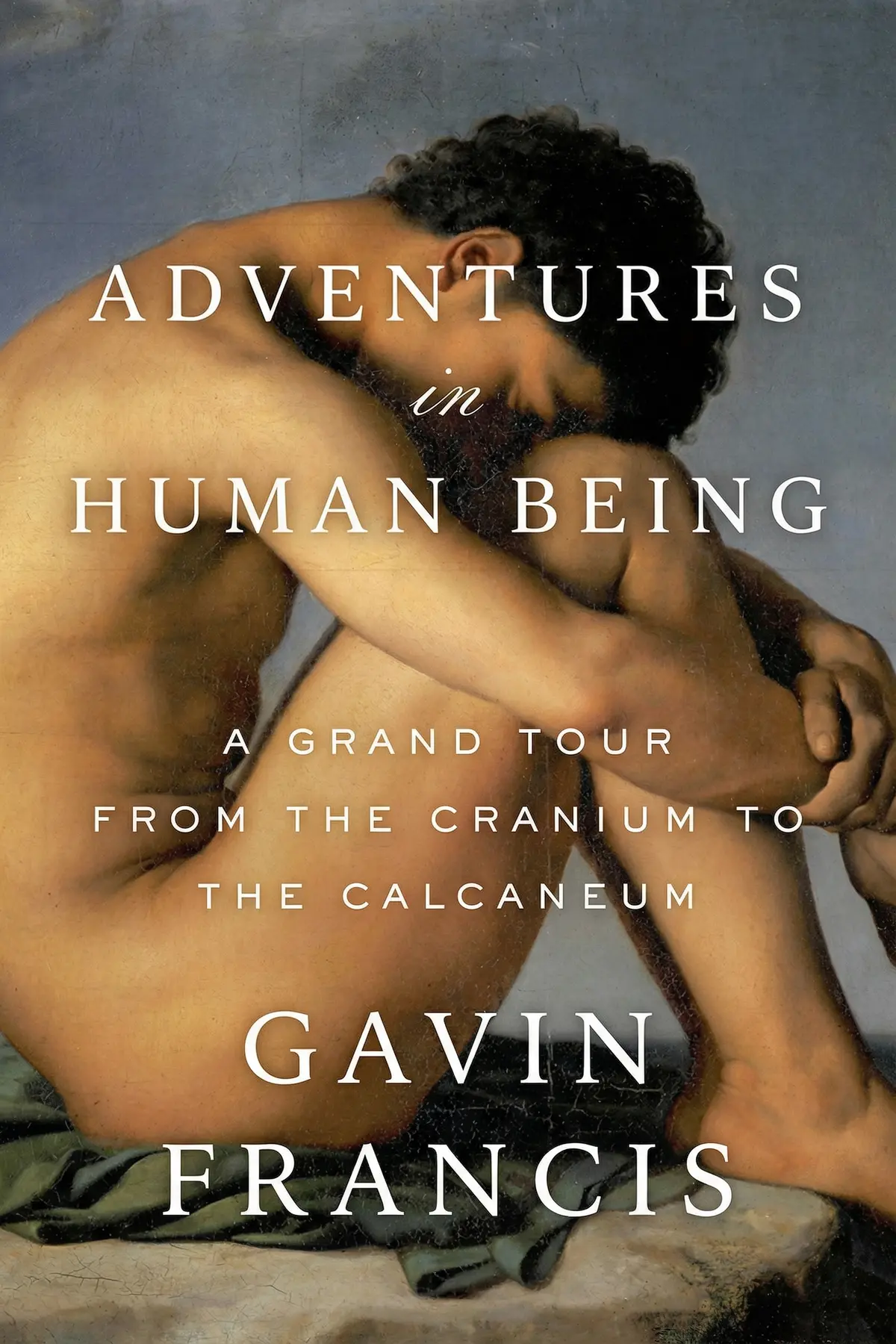
Under a White Sky: The Nature of the Future
Elizabeth Kolbert examines the complex paradox of modern environmentalism, where human ingenuity is increasingly called upon to solve the very ecological crises that previous generations of human engineering accidentally created through over-ambitious intervention.
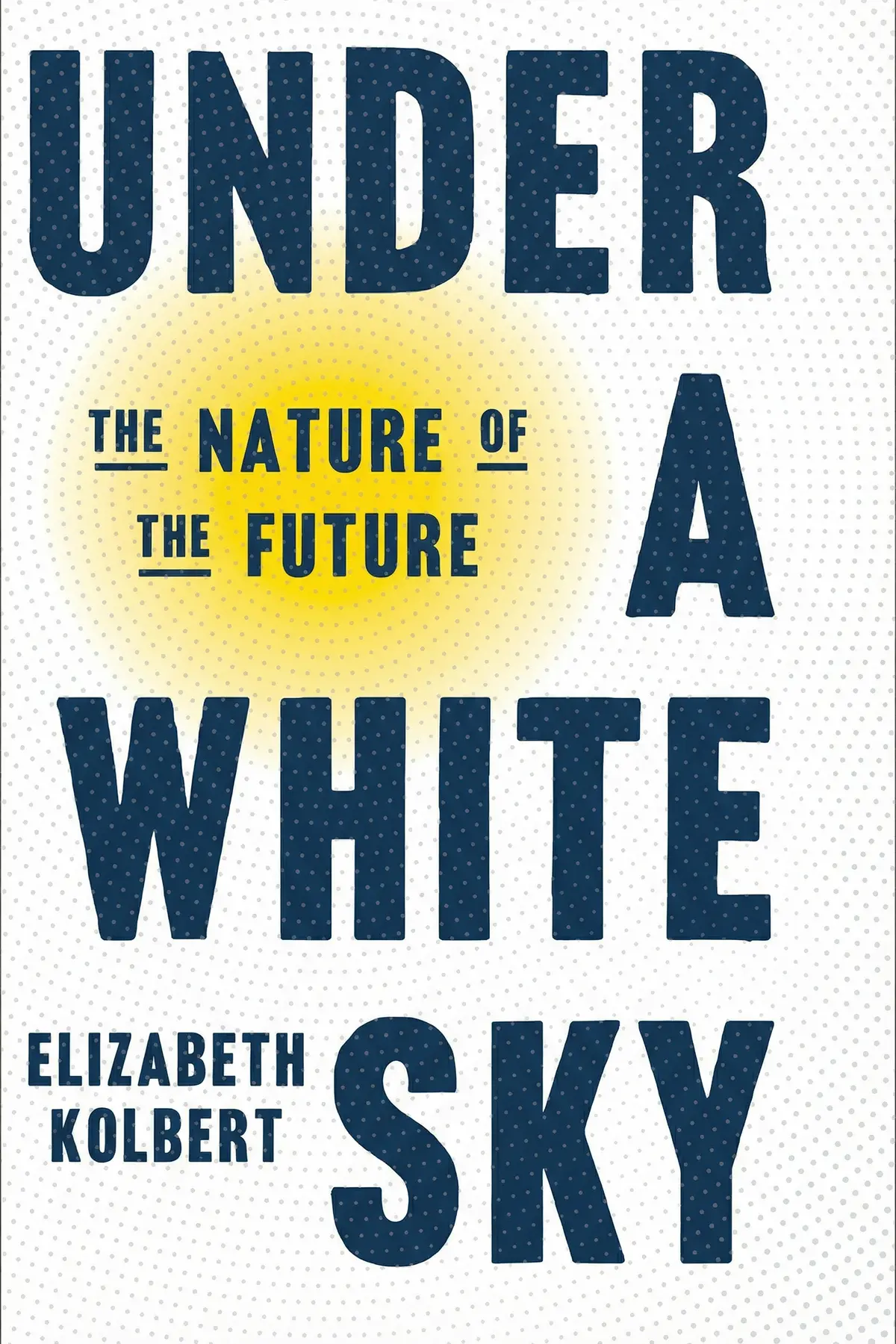
Table of Content
1. Introduction
2 min 26 sec
Imagine a world where the very things we did to make life better—building cities, feeding millions, and traveling across oceans—ended up unraveling the natural systems that sustain us. For a long time, the human story was one of triumph over nature. We cleared forests, dammed rivers, and pushed the boundaries of what was possible. But today, we find ourselves in a strange new position. We aren’t just managing the wild anymore; we are managing the consequences of our own previous successes.
In our time on Earth, the human footprint has become so massive and so undeniable that many scientists believe we’ve entered an entirely new geological epoch: the Anthropocene. To understand the scale of this, consider that human-made structures and biomass now dwarf the weight of all wild mammals by eight to one. We have fundamentally reshaped half of all the land on the planet that isn’t covered by ice. We have been, in biological terms, an incredibly successful species. Yet, that success has triggered a cascade of crises, from rising sea levels and mass extinctions to a warming atmosphere that threatens our very way of life.
In the past, we talked about ‘the control of nature’ as a way to use technology to solve the obstacles nature threw our way. If a river flooded, we built a wall. If a crop failed, we used chemicals. But these solutions didn’t just fix problems; they created entirely new ones, often more complex and dangerous than the original issues. Now, we are entering a phase that could be called the ‘control of the control of nature.’ We are using technology to fix the damage caused by our previous technology.
Over the course of this exploration, we will look at how human intervention is evolving. We’ll see how we are trying to rebuild disappearing coastlines, how we use electricity to manage invasive fish, and how gene-editing might be used to detoxify entire species. We will even look at the radical possibility of turning our blue sky white to cool the planet. This isn’t just a story about environmentalism; it’s a story about the precarious future of life on Earth and the massive, often desperate interventions we are considering to keep the world habitable. As we dive into these stories, we have to ask ourselves: can we really save nature by making it even more artificial?
2. The Vanishing Coastline of Louisiana
3 min 19 sec
Discover how the very systems built to protect Louisiana from the Mississippi River are now causing the state’s land to vanish into the sea at an alarming rate.
3. Managing Ecosystems in the Chicago Canal
3 min 12 sec
Explore the unintended consequences of reversing a river’s flow and the desperate, high-tech measures now used to stop invasive species from destroying the Great Lakes.
4. Gene Editing and the Australian Toad Crisis
3 min 11 sec
Learn how scientists are turning to CRISPR technology to rewrite the DNA of toxic toads in a radical attempt to save Australia’s native wildlife.
5. Conservation-Reliant Species and the Devils Hole Pupfish
2 min 47 sec
Meet the rarest fish in the world and discover the extreme, artificial measures required to keep a species alive when its natural habitat is no longer enough.
6. Super Corals and Assisted Evolution
2 min 42 sec
As the world’s coral reefs face an existential threat from warming oceans, scientists are attempting to speed up evolution to create ‘super corals’ that can survive the heat.
7. Turning Carbon into Stone
2 min 50 sec
Explore the innovative technology in Iceland that captures carbon dioxide from the air and pumps it underground to turn it into solid rock.
8. The Radical Prospect of Solar Geoengineering
3 min 07 sec
What if we could cool the Earth by reflecting sunlight away? Discover the world of solar geoengineering and the terrifying risks of changing the color of the sky.
9. Conclusion
2 min 19 sec
The journey through the various landscapes of human intervention—from the sinking marshes of Louisiana to the high-tech labs of Australia and the volcanic rocks of Iceland—reveals a consistent and challenging theme. We have reached a point in history where ‘nature’ is no longer something that exists apart from us. Our influence is everywhere, and our previous attempts to master the world have left us with a planet that is increasingly fragile and broken.
The stories of the Anthropocene show that our relationship with the Earth has shifted. We are no longer just exploring or even just exploiting the natural world; we are now responsible for its life support. Whether it’s the electric barriers keeping fish out of the Great Lakes or the scientists selectively breeding ‘super corals’ to survive a warming ocean, we are increasingly forced to use our ingenuity to fix the problems that our ingenuity caused. This ‘control of the control’ is a difficult and dangerous path, filled with unintended consequences and ethical minefields.
As we look toward a future that might include gene-edited species, carbon-storing rocks, and a white sky, we are forced to confront uncomfortable questions. How much of the natural world are we willing to sacrifice to save it? Are we prepared for the level of responsibility that comes with managing the entire planet’s systems? These interventions might feel like science fiction, but for many experts, they are becoming the only realistic options left on the table.
The lesson of these stories is not that technology is bad, but that it is never a simple fix. Every action we take to alter the environment ripples out in ways we can’t always predict. However, the potential cost of doing nothing—allowing the coast to vanish, the reefs to die, and the climate to spiral out of control—is even more terrifying. We find ourselves in a world where the only way forward may be to keep tinkering, keep engineering, and keep trying to manage the beautiful, broken world we have created. It’s a sobering reality, but it’s also a call to be more thoughtful, more humble, and more intentional about how we use our power to shape the nature of the future.
About this book
What is this book about?
Under a White Sky offers a fascinating and sobering look at the frontiers of environmental science and the radical measures humans are taking to repair a damaged planet. Elizabeth Kolbert travels the globe to witness firsthand the projects that might define our future, from the sinking bayous of Louisiana to the high-tech laboratories modifying the genetics of invasive species and the chemistry of the oceans. The book explores a central, haunting question: if we have already fundamentally altered the natural world, can we save it only by altering it further? This summary provides a deep dive into the 'Anthropocene,' an era where human influence is the primary driver of geological and biological change. It outlines the specific challenges of land loss, invasive species, and climate change, while detailing the experimental solutions like solar geoengineering and carbon mineralization. It is a story of how we moved from controlling nature to controlling our previous attempts at control, highlighting the ingenuity, risks, and ethical dilemmas inherent in playing God with the Earth’s systems.
Book Information
About the Author
Elizabeth Kolbert
Elizabeth Kolbert is a distinguished journalist and a longtime staff writer for the New Yorker, where she focuses on environmental issues. Her influential work has earned her numerous prestigious accolades, including the 2015 Pulitzer Prize for General Nonfiction for her book The Sixth Extinction. Known for her ability to translate complex scientific concepts into compelling narratives, Kolbert is a leading voice in the conversation regarding human impact on the Earth's ecosystems and the precarious future of the natural world.
Ratings & Reviews
Ratings at a glance
What people think
Listeners find the writing both gripping and skillfully composed, with one listener noting how the author makes difficult scientific ideas accessible to the layman. They view it as a powerful narrative that connects with the audience, and one listener draws attention to its superb analysis of environmental topics. Listeners value the book's wit while also finding it chilling, with one listener specifically applauding the Australian adventures.
Top reviews
Pierre
This book is a hauntingly brilliant exploration of the "technofix" trap we’ve built for ourselves. Elizabeth Kolbert masterfully illustrates the recursive nature of human intervention, where we are now desperately trying to fix the disasters caused by our previous attempts to control nature. From the electric barriers keeping Asian carp out of the Great Lakes to the radical idea of dimming the sun, the narrative is both terrifying and impossible to put down. While some might find her inclusion of scientists' personal quirks distracting, I think it adds a necessary human element to the cold, hard data. Kolbert doesn't offer easy answers, but she does provide a much-needed wake-up call about the Anthropocene. It’s a slim volume that carries immense weight. Truly, it makes you look at the blue sky and wonder how much longer it will stay that way.
Show moreGioia
After hearing so much buzz, I dove into this and was immediately struck by Kolbert’s dark, dry humor. Who knew a book about the collapse of ecosystems could actually be funny in such a twisted way? Her account of being body-slammed by a jumping carp while researching the Chicago Canal is a perfect metaphor for the book’s thesis. We try to control nature, and nature literally hits us in the face. The segments on CRISPR and "daughterless" toads in Australia are particularly mind-blowing, showing just how far we are willing to go to play god. Look, the reality is that we are in a mess of our own making, and Kolbert doesn't sugarcoat the "white sky" option—injecting reflective particles into the stratosphere. It’s terrifying, yes, but also deeply engaging. She has this incredible knack for making you care about a tiny fish as much as the entire planet's atmosphere.
Show moreMalee
Wow. I am still processing the sheer scale of what Kolbert covers in these pages. This isn't just a book about the environment; it's a book about the limits of human intelligence and our refusal to acknowledge them. The irony of the Chicago Sanitary and Ship Canal is thick enough to choke on. We reversed a river to save our drinking water, only to create a highway for invasive species that now threatens the entire Great Lakes ecosystem. Personally, I enjoyed the bits of travelogue and the descriptions of the researchers. It made the scientists feel less like voices of doom and more like real people trying to solve impossible puzzles. The "white sky" scenario is a haunting image that will stay with me for a long time. It’s an essential read that manages to be both informative and deeply unsettling.
Show moreCooper
This book is effectively a sequel to The Sixth Extinction, but with a more focused lens on the "fixers" rather than just the "destroyers." Kolbert’s reporting is top-notch, and she has an incredible eye for the absurdities of our current situation. The idea that we might have to use microscopic diamonds to save the world is both beautiful and terrifying. To be fair, some readers might find the lack of a "call to action" frustrating, but I appreciated her honesty. She doesn't pretend there are easy fixes or that everything will be fine if we just recycle more. Instead, she presents the reality of a world where we are forced to choose between the unnatural and the extinct. It’s a slim, fast-paced book that packs a massive punch. If you want to understand the true nature of the future, read this.
Show moreWachira
Ever wonder how we ended up in a situation where we have to contemplate "dimming the f-ing sun" just to survive? Kolbert takes us on a tour of our own hubris, starting with the reversal of the Chicago River and moving into the desperate fight for the survival of the Devils Hole pupfish. The writing is incredibly clear, making complex ecological disasters understandable for someone like me who hasn't stepped into a lab since high school. To be fair, the section on Louisiana's disappearing coastline was particularly gut-wrenching. You see the sheer scale of our meddling and the astronomical costs of trying to undo it. It’s a bit disjointed in places—almost like a series of long-form essays tied together by a common thread—but the individual stories are so compelling that it hardly matters. A sobering but necessary read.
Show moreLek
The chapter on solar geoengineering alone makes this book worth your time. Imagine a world where the sky is permanently a milky white because we decided to spray diamonds into the air to reflect sunlight. It sounds like a bad sci-fi movie, yet Kolbert shows us that it might be our only "chemotherapy" for a dying planet. The prose is sharp and the pacing is excellent. I loved the way she connected the history of the Mississippi River levees to the current disappearance of Louisiana’s wetlands. It’s a domino effect of human error. My only minor gripe is that the book ends rather abruptly, leaving you in a state of existential dread without much of a silver lining. But then again, maybe that’s the point. We are living in a world of our own design, and it’s a design that is failing.
Show moreSam
Picked this up because I wanted to understand more about the "Anthropocene," and I wasn't disappointed by the clarity of the research. Kolbert manages to take high-level scientific concepts—like gene drives and carbon mineralization—and explain them through vivid storytelling. Truth is, I found the section on coral reefs and "assisted evolution" to be the most moving part of the book. Seeing how scientists are trying to breed hardier corals to survive warming oceans is both inspiring and tragic. It highlights the desperate lengths we are going to just to preserve a fraction of the biodiversity we've lost. The writing is punchy, with short, impactful sentences that keep the momentum going. Even when she’s describing the technicalities of carbon capture in Iceland, she keeps it grounded in the physical reality of the landscape.
Show morePraepimon
As someone who usually finds science books a bit dry, I was surprised by how much I enjoyed the narrative flow here. Kolbert avoids the typical data-dumping style and instead focuses on the people on the front lines of ecological restoration. Whether she’s in a boat dodging carp or in a lab looking at genetically modified chestnuts, the sense of place is always strong. Gotta say, the section on the cane toads in Australia was eye-opening. It’s a classic example of a "solution" becoming a plague. While I think she could have spent more time on the potential solutions that don't involve geoengineering, her focus on the most "drastic" options makes for a more compelling narrative. It’s a sobering look at the future we are currently building, one intervention at a time.
Show moreTaweesak
Finally got around to reading this after loving The Sixth Extinction, but I found myself a bit let down by the execution here. The central theme—people fixing problems made by people fixing problems—is clever, yet the book feels slightly rushed and thin compared to her previous work. I’ll be frank: I didn't need to know what kind of shoes the researchers were wearing or their specific hairstyles. In a book about the literal end of the world as we know it, those personal asides felt like filler that distracted from the science. However, the chapter on the pupfish in Death Valley was genuinely fascinating and provided a rare moment of empathy in an otherwise bleak landscape. It’s an okay primer if you aren’t already familiar with geoengineering or invasive species, but it lacks the depth I was craving.
Show moreIsabella
Not what I expected at all, and frankly, quite a disappointment. If you’ve read The Sixth Extinction, this feels like a collection of b-sides that didn't make the cut for a better book. Many of these topics, like the cane toads in Australia or the Asian carp in the US, have been covered extensively in better documentaries and articles years ago. There isn't much new information here for anyone who keeps up with environmental news. The structure is loose, and the tone oscillates between snarky and hopeless without ever landing on a satisfying conclusion. It felt like Kolbert had a deadline and just stitched together some field notes. I appreciate her ability to explain things simply, but this lacked the investigative rigor and cohesive punch of her earlier writing. It’s a quick read, sure, but it feels superficial.
Show moreReaders also enjoyed
Alien Earths: The New Science of Planet Hunting in the Cosmos
Lisa Kaltenegger

A Life Decoded: My Genome: My Life
J. Craig Venter
A Planet of Viruses
Carl Zimmer
AUDIO SUMMARY AVAILABLE
Listen to Under a White Sky in 15 minutes
Get the key ideas from Under a White Sky by Elizabeth Kolbert, plus 5,000+ more titles in English and Thai.
- 5,000+ titles
- Listen as much as you want
- 7-day free trial
- Cancel anytime







