
A Life Decoded: My Genome: My Life
J. Craig Venter
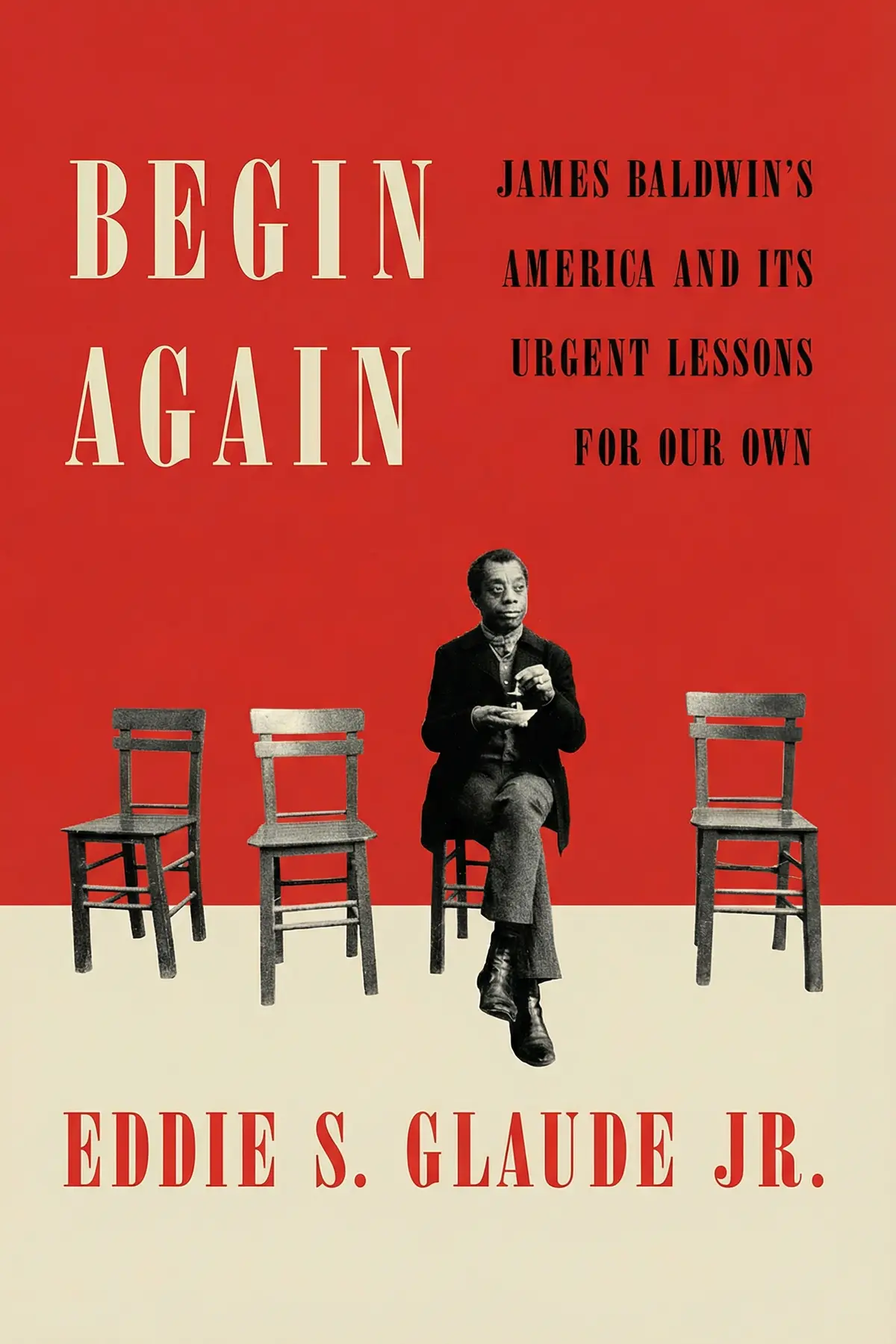
Explore the life and work of James Baldwin as a lens through which to view modern America's struggles with race. This summary examines the systemic lies and the necessary path toward national healing.
2 min 07 sec
To understand the current state of the United States, we have to look back at the two distinct moments when the nation attempted to define itself. The first occurred in 1776, a time when the world was told that equality was a foundational pillar of this new experiment. Yet, this declaration existed alongside the brutal reality of enslavement. This contradiction created a fracture in the American soul from the very start. The second attempt at founding the nation took place during the Reconstruction period following the Civil War. This was a pivotal window where the country could have finally aligned its reality with its rhetoric. Instead, that opportunity was traded for the implementation of Jim Crow laws, which effectively reinstated a hierarchy based on race.
Fast forward to the mid-twentieth century, and we see a third major opportunity for transformation. The civil rights era managed to dismantle the legal structures of segregation, but it struggled to address the deeper, cultural sickness that allowed those laws to exist in the first place. In the middle of this turbulent era stood James Baldwin. As a novelist and essayist, Baldwin didn’t just write stories; he performed an autopsy on the American psyche. He gave a name to the invisible forces holding the country back, famously identifying what he called the ‘white problem.’
In this exploration of Eddie S. Glaude Jr.’s work, we are going to look at our modern world through the eyes of Baldwin. We will see how his difficult personal history shaped his understanding of systemic prejudice and why he eventually felt the need to leave his home country just to see it more clearly. More importantly, we’ll look at why today’s political tensions aren’t just about a single leader or a single election, but are symptoms of a much older and more persistent ailment. By the end of this journey, you’ll understand why confronting the past is the only way to genuinely move into the future. Baldwin’s life and words offer us a roadmap—not for a quick fix, but for a fundamental reconstruction of who we are as a people. This is about more than just politics; it’s about the very principles we claim to hold dear and the courage it takes to finally live them out.
2 min 38 sec
Discover the hidden narrative that sustains racial inequality and learn why a deep-seated cultural fabrication continues to prevent true democratic progress.
2 min 33 sec
Explore why Baldwin chose to be more than just a storyteller, transforming his prose into a mirror that reflected the uncomfortable truths of the human condition.
2 min 36 sec
Delve into the complex middle ground Baldwin occupied during the civil rights movement, balancing the call for non-violent love with the rising tide of militant frustration.
2 min 29 sec
Follow Baldwin’s journey through the darkness of the late 1960s, a period of profound personal and national loss that forced him into a deep state of reassessment.
2 min 33 sec
Witness the evolution of Baldwin’s hope as he moves away from appealing to the white moral conscience toward a more grounded and self-reliant perspective.
2 min 24 sec
Learn why monuments and street names are often used as distractions from the real work of social justice and how to distinguish between true progress and empty gestures.
2 min 43 sec
Examine the roots of contemporary political polarization and see why modern conflicts are actually the latest chapter in a very old American story.
2 min 11 sec
As we reach the end of this journey through the life and insights of James Baldwin, the central throughline is clear: the United States is caught in a recurring cycle of self-delusion. We have seen how the country’s original sin was not just the act of enslavement, but the creation of a ‘lie’ to justify it—a lie that continues to evolve and adapt to every new era. From the first founding to the civil rights movement and into our current political moment, the ‘value gap’ remains the primary obstacle to true democracy. James Baldwin’s life was a testament to the power and the cost of being a witness to this truth. He showed us that while the work of dismantling systemic racism is exhausting and often heartbreaking, it is the only work that can truly save the soul of the nation.
What can we take away from this as we navigate our own turbulent times? First, we must learn to recognize the ‘lie’ in all its modern forms. We must be skeptical of progress that is purely symbolic and demand changes that address the actual conditions of people’s lives. Second, we have to embrace Baldwin’s concept of ‘unhopeful hope.’ This is a determination that doesn’t depend on quick victories or easy optimism, but on a deep-seated commitment to doing what is right because it is right. We must be willing to speak the truth even when the country isn’t ready to hear it.
Finally, Baldwin’s legacy calls us to a moment of radical accountability. It is not enough to point fingers at others; we must look at how we ourselves benefit from or sustain the value gap in our daily lives. The process of ‘beginning again’ is not a one-time event, but a continuous choice to choose honesty over comfort. By confronting our history with the same courage and precision that Baldwin brought to his writing, we can start to bridge the divide. The path forward is difficult, and the consequences of failure are severe, but the promise of a more just and united future is still within our reach. It starts when we decide that the lie is no longer worth telling, and that the truth, however painful, is the only foundation upon which we can build a nation that finally lives up to its name.
Begin Again provides a profound examination of the United States through the perspective of one of its most piercing critics: James Baldwin. Author Eddie S. Glaude Jr. uses Baldwin’s evolution as a writer and activist to explain the recurring cycles of racial injustice in America. The book argues that the nation’s problems aren’t just about individual leaders or specific eras, but are rooted in a foundational lie about the value of human life. By looking at the first and second 'foundings' of the country, the civil rights movement, and the rise of contemporary political divisions, the narrative reveals a 'value gap' that continues to define the American experience. This summary offers a roadmap for understanding how to confront this painful history. It promises to guide listeners through Baldwin’s personal journey of trauma, witness, and 'unhopeful hope,' providing the intellectual tools needed to dismantle systemic racism. Ultimately, it’s a call to look honestly at the past so that the nation can finally live up to its stated ideals and truly regain its moral footing.
Eddie S. Glaude, Jr. is a distinguished scholar and award-winning writer. He earned his PhD in religion from Princeton University and holds a master’s degree in African American studies from Temple University. Glaude has dedicated his career to exploring the intersections of religion, race, and democracy. His bibliography includes influential works such as Exodus!: Religion, Race, and Nation in Early Nineteenth-Century Black America, published in 2000, and the 2016 book Democracy in Black: How Race Still Enslaves the American Soul. As a leading voice in contemporary thought, his work focuses on the historical and spiritual dimensions of the Black experience in the United States.
Listeners consider this work a must-read, commending the superior prose and profoundly reflective material. Furthermore, they value the perceptive look at James Baldwin's biography, while one listener points out how the text confronts falsehoods with an uncompromising style. Listeners also find the narrative absorbing, with one remarking that those who enjoy history will not find it dull. They prize the political background provided, with one review emphasizing its depiction of milestones from the Civil Rights movement, and admire the sincere perspective, with one listener characterizing it as beautifully crafted with a poignant sense of humanity.
Eddie Glaude Jr. doesn't just analyze James Baldwin; he enters into a grueling, soul-searching dialogue with him. This isn’t a dry academic exercise but a visceral exploration of the 'after times' we currently inhabit. The book brilliantly exposes the persistent lies Americans tell themselves to avoid facing the reality of racial hierarchy. I was particularly struck by the parallels Glaude draws between the Reagan-era betrayals and the modern political landscape. Some might find the tone heavy, yet it feels necessary given the weight of the subject matter. It's a beautifully crafted work that forces you to confront your own complicity while still searching for a sliver of hope. You can feel the author's own struggle on every page, making it feel more like a shared journey than a lecture. It is essential reading for anyone trying to navigate our present moment.
Show moreThe way Glaude dissects 'the lie' at the heart of the American project is absolutely chilling and necessary for our current moment. Truth is, I haven't felt this challenged by a book in years, especially regarding the idea of 'achieving our country.' He avoids the trap of easy optimism, instead choosing to sit with the bitterness and frustration that Baldwin felt after the assassinations of King and Malcolm X. The descriptions of the Legacy Museum were particularly moving and added a contemporary weight to the historical analysis. It’s not a light read by any means, but it is an essential one for anyone trying to understand the persistent rot in our democracy. This isn't just about politics; it's about the very soul of the nation and the personal costs of witnessing injustice day after day.
Show moreBaldwin has always been a beacon, but this book makes his light feel blindingly relevant to the struggles of the 21st century. Glaude captures the energy of Baldwin’s anger and his capacity for love with incredible nuance and respect. I loved the focus on Baldwin's later, often overlooked works, which seem to speak more directly to our current 'after times' than his early hits. The prose is elegant and frequently poetic, mirroring the subject's own legendary style without being a mere imitation. It’s rare to find a book that manages to be both a rigorous intellectual study and a deeply personal memoir of faith and doubt. I found myself highlighting passages on nearly every page because the insights into human nature were so sharp. Truly a masterclass in how to use history to diagnose the present.
Show moreReading about Baldwin’s time in Turkey and France was a revelation that completely reframed my understanding of his work. Glaude does a magnificent job showing how the distance from the U.S. allowed Baldwin to see the 'American lie' with much more clarity. This isn't just a book about race; it's a book about the psychological toll of living in a society that refuses to acknowledge your humanity. The writing is incredibly soulful, capturing a sense of melancholy that is perfectly balanced by a call to moral courage. I was particularly moved by the sections discussing the 'after times' following the deaths of Medgar Evers and Martin Luther King Jr. It made me realize that our current exhaustion is not new, but part of a long, painful tradition. This is mandatory reading for anyone who cares about the future.
Show moreAfter hearing Glaude on TV, I expected a sharp critique, but I wasn't prepared for how poetic and heartfelt this would be. He treats Baldwin like a mentor and a friend, guiding the reader through the most difficult questions of our national identity. The analysis of the 'lie'—the idea that white lives matter more than others—is handled with a bluntness that is both refreshing and painful to read. I appreciated how the book stayed grounded in the present, constantly reminding us that these aren't just historical footnotes. The pacing is excellent, moving between personal reflection, biography, and political theory with ease and grace. It’s a stunning achievement that honors Baldwin’s legacy by being just as uncompromising as he was. I finished it feeling both drained and deeply inspired to do better in my own community.
Show moreFinally, a book that doesn't just lament our state but asks us what we're going to do about it in the ruins of 'the lie.' Glaude’s writing is evocative and powerful, managing to channel the very spirit of James Baldwin while maintaining his own unique perspective. He doesn't offer easy answers or 'feel-good' solutions to the deep-seated issues of racism and inequality. Instead, he insists that we must 'begin again' by doing the hard work of self-examination and truth-telling. The parallels between the 1960s and our own era are drawn with such precision that it’s impossible to look away. This is the kind of book that you finish and immediately want to buy copies for everyone you know. It’s a profound meditation on struggle, resilience, and the enduring power of the human spirit.
Show moreI picked this up hoping for a straight biography, but what I found was a haunting meditation on the cyclical nature of American history. Glaude uses Baldwin’s life—specifically his 'Third Period' and his time in Istanbul—to show how we keep arriving at the same crossroads. The connections made between the 1960s backlash and today’s environment are genuinely illuminating and terrifyingly accurate. I appreciated the deep dive into the Reagan years, a period I lived through but never fully processed in this specific racial context. My only minor complaint is that the writing can feel a bit dense in the middle sections. However, the emotional payoff in the final chapters is well worth the effort. It’s a thoughtful, if occasionally difficult, look at why progress in this country feels so fragile and why we must constantly reinvent our struggle.
Show moreIt’s rare to find a book that connects the dots between the 1980s and our current political mess so effectively. Glaude's argument that we are trapped in a cycle of 'racial innocence' is compelling and hard to ignore once you see it. I appreciated how he didn't shy away from Baldwin's darker moments, including his suicide attempts and his deep depression during his time abroad. However, I did feel that some of the historical framing was a bit hyper-pessimistic, ignoring some genuine strides made over the decades. Still, the core message about the need to 'begin again' by confronting the truth is something I can't stop thinking about. It functions as both a warning and a very tentative road map for the future. The chapters on the South and the Civil Rights movement are particularly strong and evocative.
Show moreWhile the scholarship here is undeniable, I struggled with the balance between the author’s voice and his subject. To be frank, the book often feels like 75% Glaude and 25% Baldwin, which might frustrate those looking for a traditional biography. I wanted more of Baldwin’s specific literary analysis and less of the author’s personal anecdotes from his own life. The central argument about 'the lie' is powerful, but it tends to get repetitive across the later chapters. Additionally, the tone fluctuates between academic jargon and deeply emotional prose, which makes for a slightly disjointed reading experience. It’s a decent companion to 'The Fire Next Time,' but it doesn't quite stand on its own as a definitive work. It left me wanting to go back and just read Baldwin's original essays instead.
Show moreLook, I really wanted to love this, but I found the framing here a bit too bleak and occasionally ahistorical for my taste. Glaude seems to fall into a pattern of seeing only the betrayals of history while dismissing the actual legislative and moral accomplishments of the past fifty years. While he captures Baldwin's voice perfectly, his own 'burn-it-down' rhetoric sometimes clashes with the more hopeful aspects of the Civil Rights era. The book is definitely intellectually stimulating, and it sparked several long debates with my friends, which I suppose is a win. But I found myself disagreeing with the 'progressophobia' that seems to permeate the later chapters of the text. It’s a solid 3-star read for the insights into Baldwin’s personal life, even if the political conclusions felt one-sided to me.
Show moreJ. Craig Venter

Ishmael Beah

James Herriot

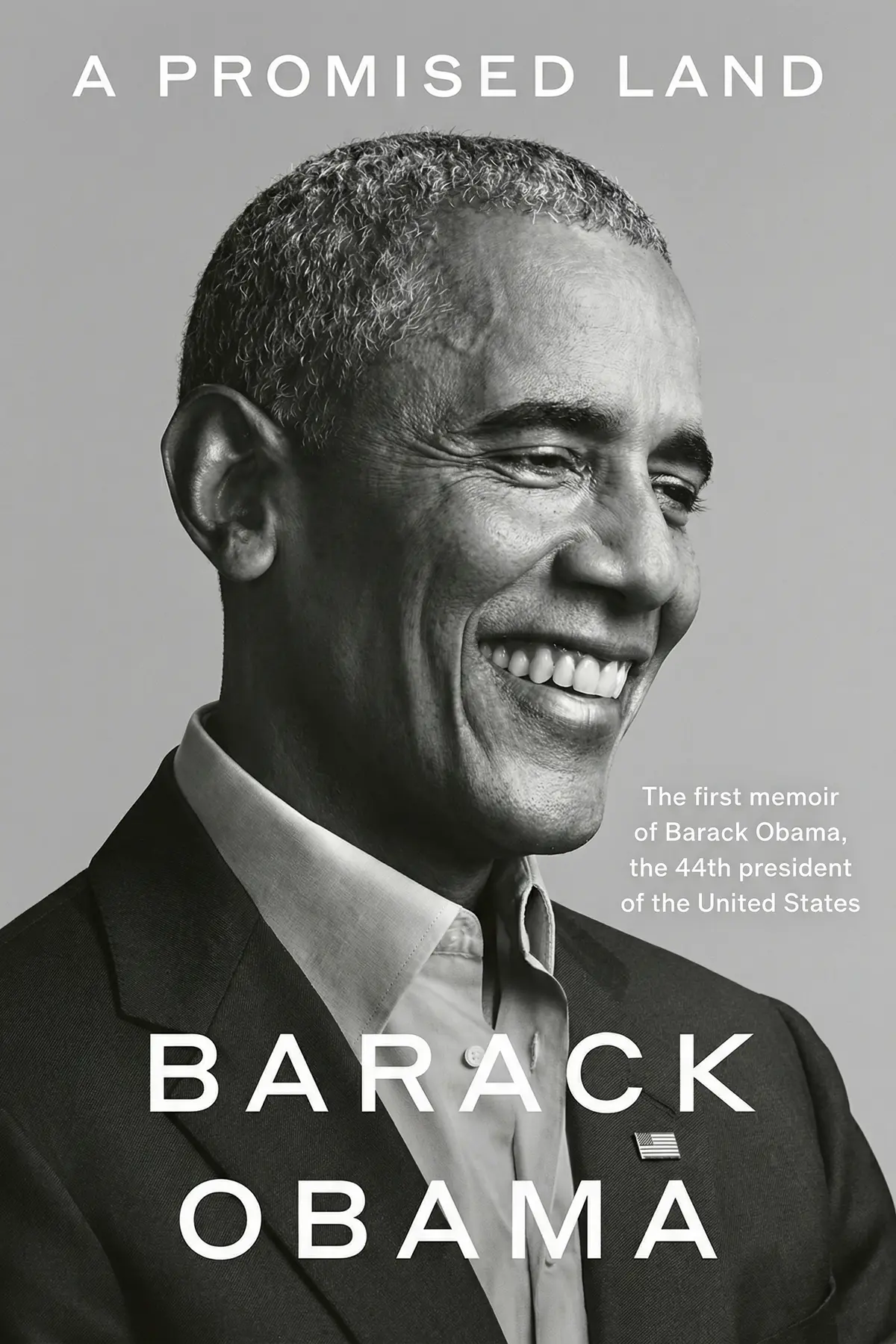
Barack Obama
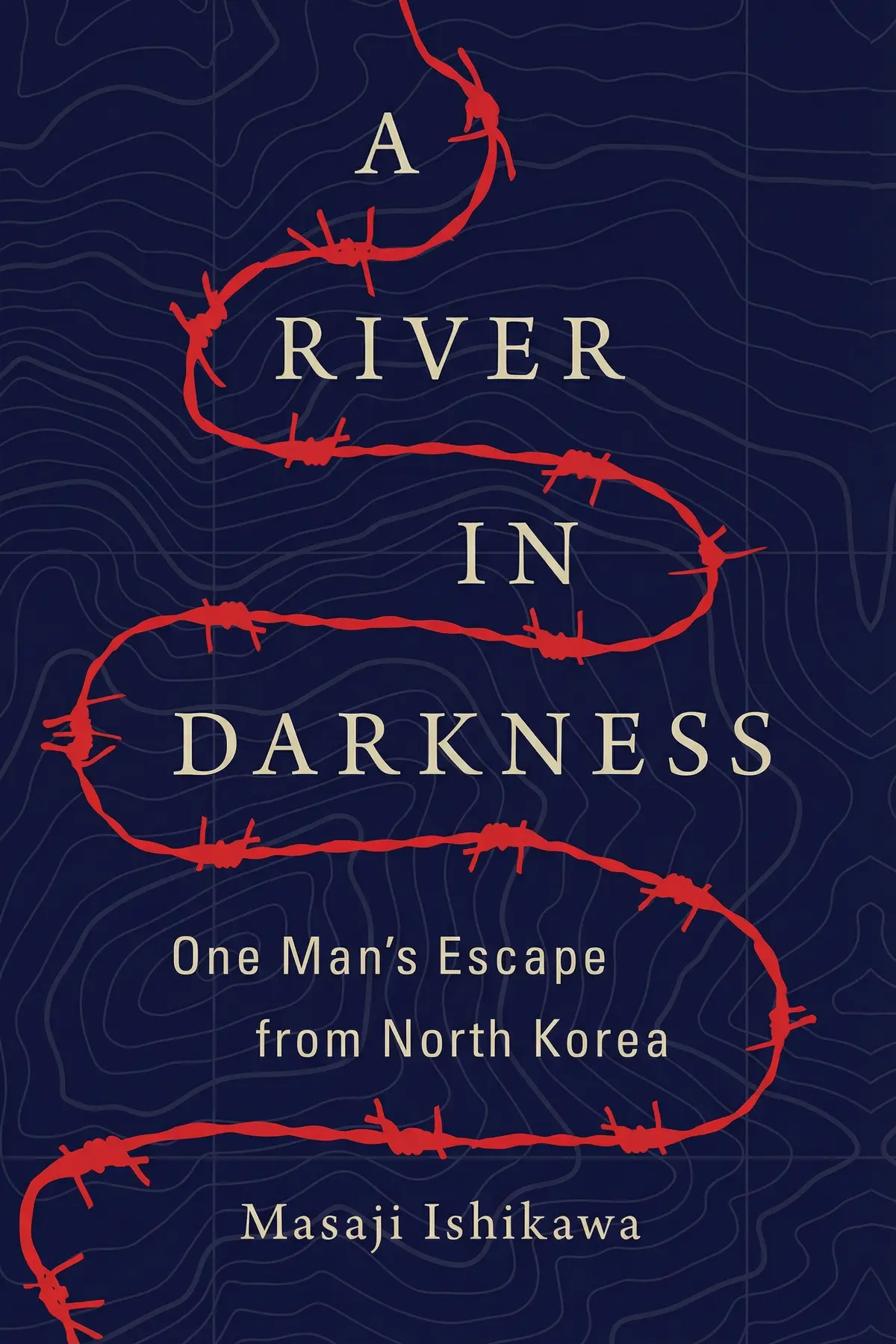
Masaji Ishikawa

Ben Macintyre
AUDIO SUMMARY AVAILABLE
Get the key ideas from Begin Again by Eddie S. Glaude, plus 5,000+ more titles in English and Thai.







