Aware: The Science and Practice of Presence
Daniel Siegel
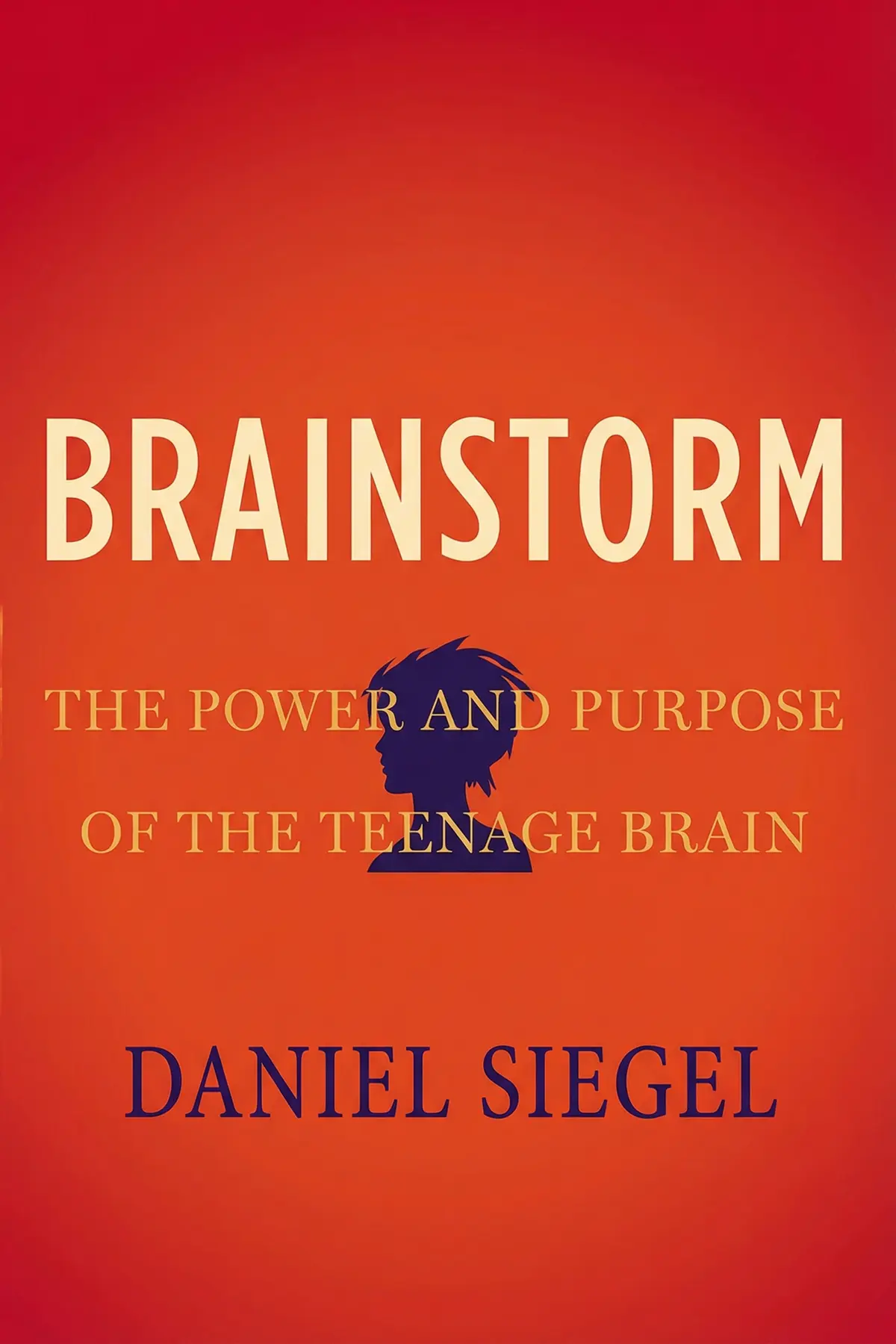
A deep dive into the neurological shifts of adolescence, revealing how the teenage brain's unique structure fosters innovation, social bonding, and the essential independence required for a successful transition into adulthood.
1 min 44 sec
When we think about the teenage years, most of us probably lean toward a collection of well-worn clichés. We think of the sudden mood swings, the eye-rolling at the dinner table, the questionable fashion choices, and the seemingly inexplicable urge to do exactly what their parents asked them not to do. For many adults—whether they are parents, teachers, or mentors—this period feels like a storm to be weathered, a chaotic bridge between childhood and the ‘real’ world of adulthood. But what if we’ve been looking at this entire phase through the wrong lens?
What if the behaviors we find most frustrating are actually the hallmarks of a brain that is working exactly as it should? In this exploration of the adolescent mind, we’re going to peel back the layers of frustration and myth to reveal the science underneath. We’ll see that the teenage brain isn’t a broken version of an adult brain, nor is it simply an enlarged version of a child’s brain. Instead, it is a uniquely powerful, highly flexible, and incredibly creative machine designed for a very specific purpose: to help a human being leave the safety of the nest and venture into the unknown.
Over the course of this summary, we’ll move past the stereotypes and look at the biological and psychological throughline that connects everything from risk-taking to social media obsession. We will learn how the brain literally remodels itself through processes like pruning and myelination, and why these changes are essential for future success. Most importantly, we will discover how adults can stop struggling against these changes and start working with them. By the end, you’ll have a new perspective on why this ‘brainstorm’ of adolescence is not just a difficult time, but a vital period of power and purpose that shapes who we become for the rest of our lives.
1 min 57 sec
Discover why the sudden friction between teenagers and their parents is actually an essential evolutionary tool for developing independence.
2 min 11 sec
Explore the chemical reasons why teenagers are drawn to high-stakes excitement and why they often overlook potential dangers.
2 min 05 sec
Learn how the intense need for social connection is more than just ‘fitting in’—it’s a survival mechanism hardwired into our DNA.
1 min 59 sec
Discover how parents can act as scaffolding for a teenager’s need for speed and excitement without stifling their growth.
2 min 23 sec
Uncover the science of pruning and myelination, the two processes that turn a chaotic childhood brain into an efficient adult mind.
2 min 04 sec
See how the teenage ability to think abstractly and challenge the status quo drives human innovation and progress.
2 min 11 sec
Learn how specific communication techniques can physically alter the brain to improve relationships and build emotional intelligence.
1 min 59 sec
As we wrap up our journey through the teenage brain, it’s clear that adolescence is far more than a ‘difficult phase.’ It is a time of incredible neurological remodeling, intense emotional growth, and the birth of the creative and social skills that will define a person’s adult life. We’ve seen that the friction with parents, the hunger for dopamine-fueled risks, and the deep need for peer connection are not signs of a broken system. Instead, they are the very tools nature uses to ensure that each generation has the courage and the capability to step out into the world and build something new.
The ‘brainstorm’ of these years is powerful, and like any storm, it requires a steady hand to navigate. By moving away from judgment and moving toward understanding, adults can provide the scaffolding teenagers need to thrive. Whether it’s through providing safe outlets for thrill-seeking, encouraging focused skill-building to guide the brain’s pruning process, or engaging in the reflective conversations that build empathy, the role of the adult is to be a mentor rather than a manager.
As an actionable takeaway, consider your own reactions when tempers flare. It’s natural to lose your cool when faced with teenage defiance, but take a moment later to reflect. Ask yourself: Was that reaction about my child’s behavior, or was it a reaction to my own fear or stress? By going back to your teen and speaking openly about those feelings—and even apologizing if you overreacted—you model the very reflective communication that builds a stronger, more integrated brain. This simple act of repair can protect your relationship and teach your teenager that even in the midst of a brainstorm, connection and empathy are always possible. These young people are the innovators and leaders of tomorrow, and with the right support, their potential is truly limitless.
Brainstorm explores the transition from childhood to adulthood through a neurological lens. It argues that adolescence is not a problem to be endured but a vital stage of growth defined by increased dopamine sensitivity, intense social engagement, and significant brain remodeling. By understanding the biological shifts that occur during these years, parents and educators can move past common clichés of the 'difficult teen' and instead support the development of a healthy, integrated mind. The book promises to reframe the way we view teenage behavior—from risk-taking and parental conflict to social pressure—as necessary evolutionary steps toward independence. Through concepts like pruning and myelination, it explains how the brain becomes more efficient and creative. Ultimately, it provides tools like reflective conversation to help adults and adolescents build stronger relationships and foster empathy, turning a period of potential chaos into a foundation for lifelong success and resilience.
Daniel J. Siegel is a graduate of Harvard University and conducted his postgraduate research at the University of California, Los Angeles. He currently serves as a clinical professor of psychiatry at UCLA and maintains a private psychotherapy practice. A prolific author on the intersections of the brain and human development, his notable works include Mindsight and Parenting From the Inside Out.
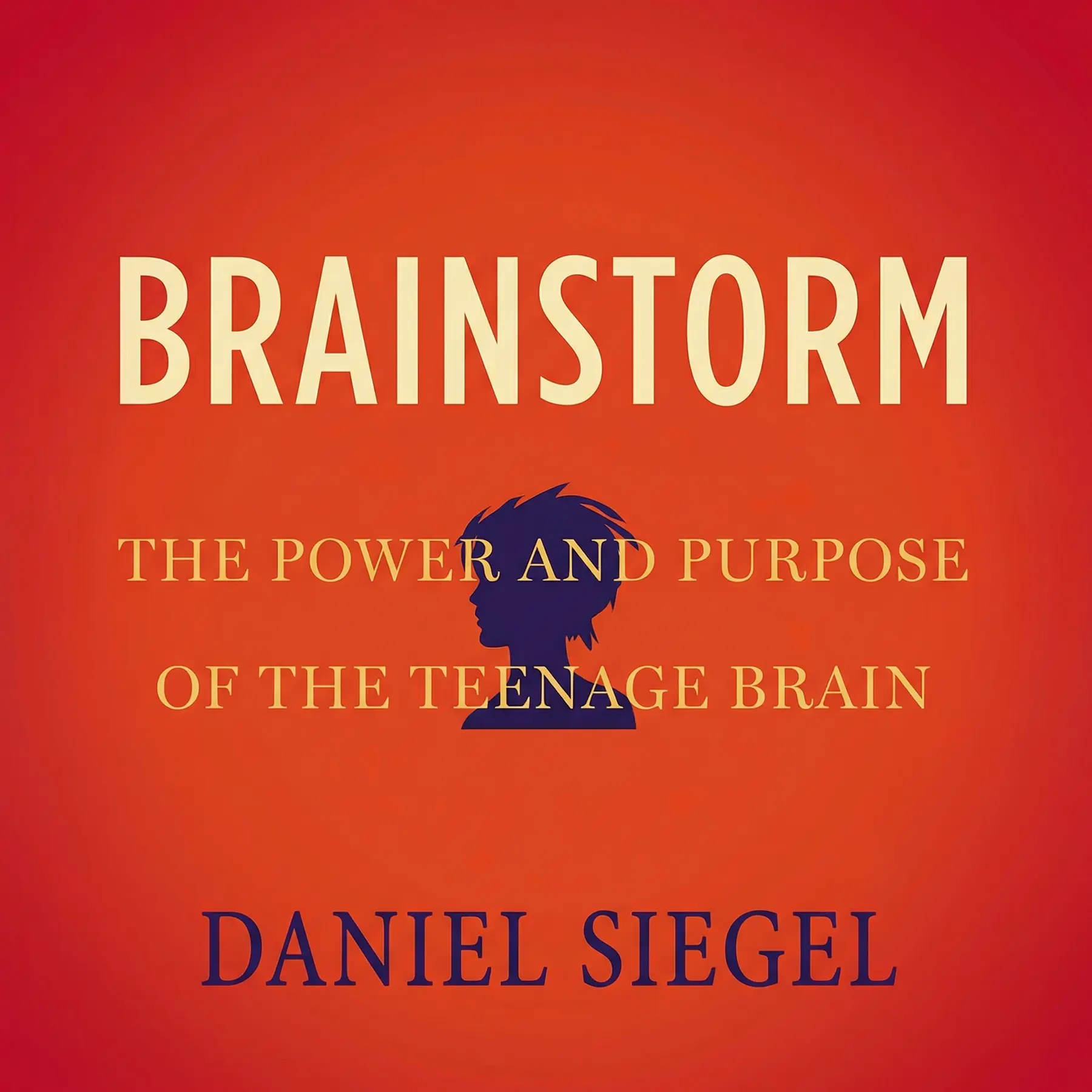
Listeners find this work an exceptional resource that offers valuable perspectives on maturing brains and supports parents in grasping the changes their teenagers undergo. The prose is highly approachable for both young people and adults, and listeners value the straightforward summary provided. Furthermore, they find the guidance beneficial for professionals and appreciate the segments detailing the evolution of feelings. Nevertheless, perspectives on the scientific elements are varied, as some applaud the high-quality research while others consider it overly academic.
Finally got around to reading Siegel’s take on the adolescent years, and it’s honestly a breath of fresh air compared to the 'survival mode' books most parents buy. Instead of treating teenagers like ticking time bombs or defective adults, he frames this period as a vital time of innovation and social engagement. I particularly liked how he breaks down the neurological shifts that lead to risk-taking, explaining that it isn't just rebellion but a necessary drive for exploration. The 'mindsight' tools might feel a bit touchy-feely for some, but they actually offer a concrete way to handle the emotional turbulence that usually leaves me speechless. If you can get past the slightly cheesy acronyms like ESSENCE, there is a wealth of wisdom here about staying connected. It helped me realize that my son’s intensity is a gift, even when it’s exhausting. We’ve started using some of the reflection exercises together, and while he rolled his eyes at first, it’s actually opened up some real conversations.
Show moreEver wonder why your teenager seems to have no 'off' switch when it comes to risky behavior? This book was a total game-changer for my household because it reframes that impulsivity as a search for novelty that is actually essential for human progress. Siegel argues that we shouldn’t try to stifle the 'spark' of adolescence but rather guide it so it doesn't burn the house down. I love that he includes sections for both the parent and the teen to read, making it a collaborative experience rather than a top-down lecture. The writing is clear, the science is explained in a way that doesn't require a medical degree, and the emotional intelligence on display is top-tier. I particularly appreciated the focus on the 12-to-24 age range, acknowledging that the transition to adulthood takes a lot longer than we traditionally think. It’s helped me stay patient when I’d normally be at my wit’s end. Truly an essential read for anyone living with a young adult.
Show moreDr. Siegel has a way of making you feel like everything is going to be okay, which is exactly what I needed while raising two teenagers. He challenges the myth that the teen years are just a 'horrible phase' to survive and shows how the changes in their brains are actually a superpower. I found the sections on social connection particularly moving, especially the idea that teens are hard-wired to prioritize peers to prepare for leaving the nest. It changed how I react when my daughter chooses her friends over family dinner; I see the biological necessity now, not just a personal slight. The book is written for both parents and teens, which is a nice touch, though I suspect most 15-year-olds won't have the patience for the longer 'mindsight' chapters. My only real complaint is that it can be a bit dry in the technical sections, but the emotional payoff in the later chapters makes it worth the effort.
Show moreTruth is, the 'mwe' concept is incredibly cheesy, but if you can look past Siegel’s occasional cringey phrasing, this book is pure gold. I’ve read a lot of parenting books, but this is the first one that made me actually want to reconnect with my own sense of adventure. He captures the 'on fire' nature of the teenage years perfectly, showing how the dopamine-heavy reward system drives them toward new experiences. Instead of just telling you what’s happening, he gives you the tools to actually stay present during the chaos. It’s a very compassionate book that asks the adult to do as much work on themselves as they expect from their kids. The idea that we need to 'rekindle' our own adolescent zest to avoid becoming 'stuck in a rut' adults really resonated with me. It’s more than a manual; it’s a philosophy for staying mentally young. I’ve already recommended it to three of my friends who are struggling with their 13-year-olds.
Show moreThe chapter on brain remodeling in this book is worth the price of admission alone for any middle school teacher. I’ve spent a decade in the classroom wondering why my students suddenly lose their minds at thirteen, and Siegel provides a very accessible neurological explanation. He moves away from the 'raging hormones' cliché and focuses on the 'pruning' process of the brain, which makes so much more sense when you see it in action. That said, I did find the writing style a bit grating at times with the constant alliteration and the branding of every concept. Does everything need to be an acronym? Probably not. Also, the anecdote about his son and the dirty dishes left me more confused than enlightened—I’m still not sure how they actually solved the problem! Despite those minor stylistic gripes, the core message is vital. It’s a great reminder that our students aren't just being difficult; they are literally rebuilding their identities from the inside out.
Show morePicked this up after hearing Siegel on an NPR interview, and I’m glad I did. As a therapist, I find his 'ESSENCE' framework (ES for emotional spark, SE for social engagement, etc.) very useful for explaining developmental stages to parents who are frustrated. It’s an easy-to-grasp overview that bridges the gap between complex neurology and everyday behavior. I will say that the book feels a bit repetitive in the middle, and he definitely has a 'style' that you either love or hate—lots of alliteration and making up new words like 'mwe.' However, the underlying message that we need to keep our own 'adolescent' curiosity alive as we age is a beautiful take. It isn’t just a book about raising kids; it’s a book about how we, as adults, can prevent our own brains from becoming stagnant. A few of the exercises were a bit too 'California-zen' for my personal taste, but the insights into the 'boom and prune' phase of brain growth are incredibly solid.
Show moreTo be fair, I’m a bit of a science geek, so I would have loved more charts and raw data, but this is still an excellent read for the general public. Siegel is a master at taking esoteric concepts like neural integration and making them feel relevant to why your kid won't stop arguing with you. The 'mindsight' exercises are actually quite helpful once you get past the name—it’s really just about learning to observe your own reactions before you blow up at your teen. I appreciated the positive spin on risk-taking, even if I still worry about my kids. The book is accessible and written in a way that feels very inclusive of different family dynamics. My only hesitation is that some of the 'solutions' felt a bit too theoretical and didn't always account for kids who have more severe behavioral issues. For the average family looking to understand the 'brainstorm' of adolescence, however, this provides a wonderful, empathetic roadmap.
Show moreNot what I expected given the 'neuroscience' tag on the cover. I thought this would be a dense, data-driven look at the teenage brain, but it’s actually a mindfulness guide with some science sprinkled on top. Siegel spends a lot of time on his own proprietary terms like 'mindsight,' which, in my experience, is just a fancy word for self-awareness. To be fair, the advice is solid and the tone is very encouraging, but the lack of a proper bibliography made me question how much of this is peer-reviewed research versus personal philosophy. I also found the 'mwe' concept—merging 'me' and 'we'—to be incredibly cringey and unnecessary. If you’re a fan of self-help and meditation, you will likely love this. If you’re a scientist looking for hard data and clinical studies, you might find it a bit too 'woo-woo' for your liking. It’s a decent read for general insight, but it definitely leans more toward the spiritual than the biological.
Show moreAs a Christian parent, I found myself increasingly frustrated with Siegel’s approach as the chapters went on. While the initial scientific explanation of brain development in the first two chapters was genuinely fascinating, the book quickly veered into territory that felt diametrically opposed to my values. He suggests that parents should almost step out of the way to let teens explore every whim, which seems like a recipe for disaster in the real world. I was looking for a guide on how to provide firm boundaries and biblical guidance, but instead, I got 'mindsight' exercises that felt more like Buddhist meditation than practical parenting. Frankly, the focus on 'internal exploration' over external responsibility felt like it was encouraging the very narcissism many parents are trying to help their children overcome. If you want the science, read the first thirty pages and then put it down. I’d much rather stick to resources that emphasize discipline and spiritual growth over this brand of self-help.
Show moreLook, the science is there for about five minutes before the book dissolves into a series of bizarre breathing exercises and pseudoscience. I bought this to understand the biology of my daughter’s behavior, not to be told to practice 'mindsight' or imagine a 'wheel of awareness' in my head. The author seems more interested in building his personal brand with catchy names for everything than actually providing a rigorous scientific dissertation. The section where he talks about his adult son not doing the dishes was the final straw for me. Instead of addressing the lack of respect and chores, it turns into a psychoanalytical debate about Siegel’s own childhood. It felt like a bait-and-switch where I expected a medical perspective and got a Buddhist self-help manual instead. If you enjoy over-complicated acronyms and being told that 'exploration' justifies bad behavior, this is for you. Otherwise, save your money and find a book that actually values structure and discipline.
Show more
Richard Wiseman
Steven C. Hayes
Deborah Gruenfeld
Anthony Pratkanis
AUDIO SUMMARY AVAILABLE
Get the key ideas from Brainstorm by Daniel Siegel, plus 5,000+ more titles in English and Thai.