Aware: The Science and Practice of Presence
Daniel Siegel
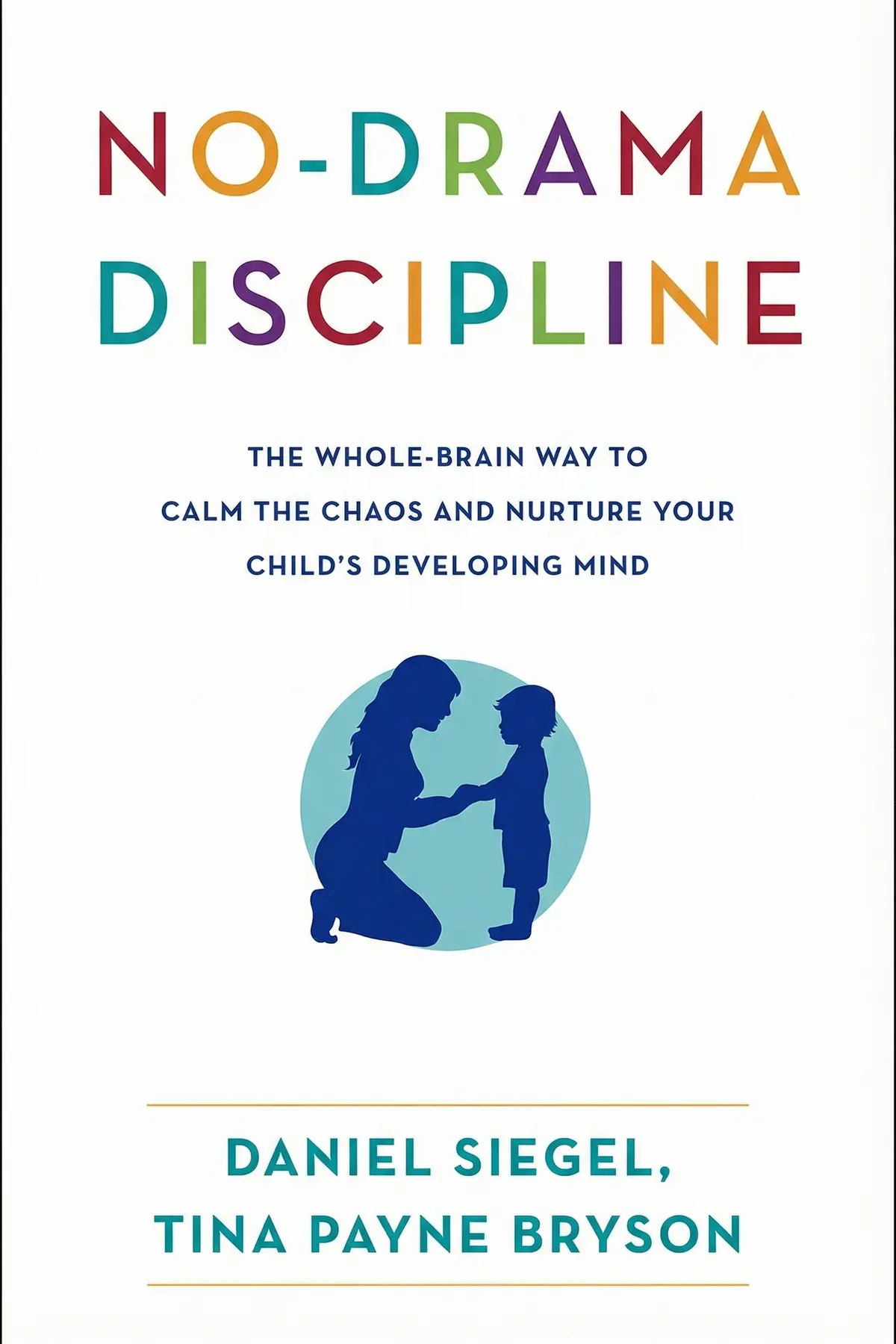
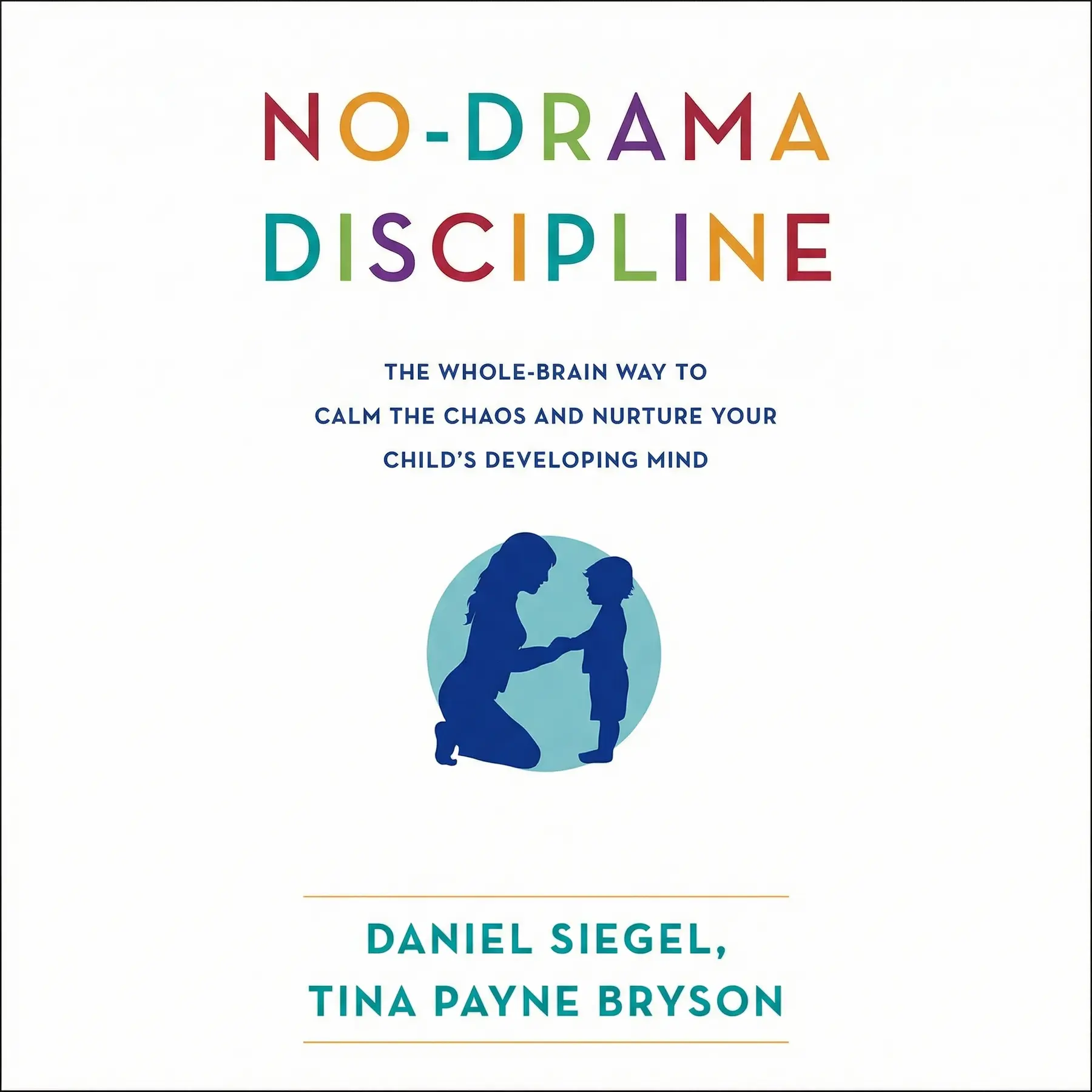
No-Drama Discipline redefines parenting by focusing on brain development. It teaches parents how to turn emotional outbursts into opportunities for growth, fostering stronger connections and building essential life skills in children.
1 min 44 sec
Every parent has been there: the moment when a peaceful afternoon dissolves into a chaotic showdown over a simple request. Perhaps it was a refusal to turn off a video game, or a full-blown meltdown in the grocery store aisle. In these high-pressure moments, it feels like our only options are to give in or to come down hard with punishments. But what if there was a third way? What if these moments of conflict weren’t obstacles to parenting, but were actually the most important teaching opportunities we have?
In this exploration of No-Drama Discipline, we are diving into a revolutionary approach to raising children. Developed by Daniel J. Siegel and Tina Payne Bryson, this philosophy moves away from the traditional view of discipline as a form of retribution. Instead, it looks at the word ‘discipline’ in its original sense: to teach. By grounding parenting strategies in the latest understanding of brain science, we can learn to navigate the storms of childhood with more empathy and less shouting.
Throughout this summary, we will examine how the architecture of a child’s brain dictates their behavior. We will see why many common tactics—like time-outs or harsh lectures—often backfire, and what we can do instead to foster a child’s ability to regulate their own emotions. The throughline here is the idea of ‘connection before correction.’ We’ll discover that when we prioritize our relationship with our children during their most difficult moments, we aren’t being ‘soft.’ Rather, we are doing the hard work of building a foundation for their future mental health and social success. Let’s begin by shifting our perspective on what it really means to discipline.
2 min 23 sec
Traditional punishments like spanking or time-outs often fail because they trigger fear rather than learning. Discover why true discipline is about teaching skills, not inflicting consequences.
2 min 31 sec
A child’s brain is literally under construction. By learning the difference between the ‘upstairs’ and ‘downstairs’ brain, you can respond to tantrums with science-backed patience.
2 min 10 sec
Before you can fix a problem, you must bridge the emotional gap. Learn why connecting with a distressed child is the fastest path to cooperation and mental health.
2 min 24 sec
Connection is more than just a feeling; it’s a set of actions. Discover how non-verbal cues and active listening can diffuse a crisis before it starts.
2 min 28 sec
No two children are the same, and no two situations are identical. Learn the ‘HALT’ method and why understanding the root cause of behavior changes everything.
2 min 17 sec
Once connection is established, it’s time to teach. Discover how to use ‘mindsight’ to help children solve their own problems and build lasting empathy.
1 min 31 sec
As we conclude our look at No-Drama Discipline, it’s worth reflecting on the core philosophy that ties all these strategies together: your relationship with your child is the most powerful tool you have. Discipline isn’t a separate, unpleasant task that we have to perform on top of being a parent; it is the heart of parenting. It is the process of guiding a young, developing mind through the complexities of human emotion and social interaction.
By moving away from fear-based punishments and toward a ‘connect and redirect’ model, you aren’t just making your life easier today—though you likely will see less drama in the short term. You are actually changing the physical structure of your child’s brain. You are helping them build the neural pathways that lead to empathy, resilience, and self-control. Every time you respond to a tantrum with a calm ‘I hear you’ instead of a loud ‘Stop it,’ you are giving them a workout for their upstairs brain.
If there is one thing to take away from this, it is the HALT method. The next time your child misbehaves, pause. Check in on their hunger, anger, loneliness, and tiredness. Check in on your own emotional state. Ask yourself if this is a moment for a lecture, or if it’s a moment for a snack and a hug. When you approach discipline as a teacher rather than a judge, you transform your home from a battlefield into a classroom of the heart. You will find that as your connection deepens, the need for ‘discipline’ in the traditional sense begins to fade, replaced by a mutual respect and a shared understanding that lasts a lifetime.
Raising children is often viewed as a battle of wills, where discipline is synonymous with punishment. No-Drama Discipline challenges this notion, suggesting that effective parenting isn't about control, but about teaching. By understanding how a child's brain matures, parents can move away from reactive shouting and toward proactive connection. The book provides a roadmap for navigating the most difficult moments of childhood—the tantrums, the defiance, and the meltdowns. Instead of relying on fear-based tactics like spanking or isolation, it introduces the concept of 'connect and redirect.' This approach helps children move from a state of high-stress reactivity to a state of receptive learning. The promise is simple yet profound: by changing how you discipline, you can reduce the drama in your household and nurture a resilient, empathetic mind in your child.
Daniel J. Siegel is a prominent psychiatrist at the UCLA School of Medicine and the founding director of the Mindful Awareness Research Center. His work focuses on the intersection of human relationships and biological processes. Tina Payne Bryson is a licensed clinical social worker with a focus on pediatric and adolescent psychotherapy. She founded the Center for Connection in Pasadena, California, where she helps families navigate developmental challenges.
Listeners find this parenting book incredibly helpful, describing it as a vital resource and the finest guide available for parents. The content is accessible and clear, and listeners appreciate the whole-brain approach to discipline, which helps them recognize their children's feelings and build stronger connections. They value the actionable strategies and compassionate tone, with one listener highlighting how much it has improved their family dynamics.
This book is a total game-changer for parents who feel like they’re constantly yelling and getting nowhere. Siegel and Bryson break down the science of why children act out, shifting the focus from immediate punishment to long-term teaching. I loved the concept of "connecting" before "redirecting." It sounds simple, but it requires a lot of emotional regulation from the parent first. Instead of reacting to a tantrum with a time-out, you learn to look for the underlying need. In my experience, this approach helps de-escalate situations that used to end in tears for everyone. Some of the scenarios, like the one about the child hitting to get attention, might feel a bit permissive at first glance. However, the logic behind building an "upstairs brain" is sound and backed by actual brain physiology. It’s not about being a pushover; it’s about being a mentor.
Show moreEver wonder why your kid seems to lose their mind over the smallest things, like having to ride in a specific car? This book offers a fascinating look at the "reptilian brain" and why traditional discipline often backfires when a child is in a state of high emotion. The authors explain that we can’t teach a child whose brain is in "reactive mode." We have to get them back to "receptive mode" first. The "Connect and Redirect" strategy has genuinely helped me stay calmer during my toddler's meltdowns. Truth is, I used to think I needed to be "tougher" to get results. Now I realize that empathy is a much more powerful tool for shaping behavior. The illustrations are a nice touch, making the concepts easy to visualize even when you're exhausted. Every parent should have a copy of this on their nightstand.
Show moreAs someone who grew up with a "toeing the line" style of parenting, reading this was an eye-opening experience. The authors argue that fear-based discipline actually hinders a child's ability to develop empathy and self-control. I was skeptical at first—thinking this might just raise "spoiled brats"—but the emphasis on clear boundaries changed my mind. You aren't giving in to every whim; you're just acknowledging the child's feelings while holding the line. The story about the younger brother breaking the Lego set was a bit controversial for me, as the victim seemed overlooked. Yet, the point about not shaming a child into better behavior is something I’ve seen work in real-time with my own kids. It’s a gentler, more thoughtful way to parent that actually makes sense when you consider the neurology involved.
Show moreFinally got around to finishing this, and I can say it has significantly improved our family dynamics. Before this, discipline felt like a battle I was always trying to win. Now, it feels like a conversation where I’m helping my children understand their own big emotions. Not gonna lie, the "HALT" acronym (Hungry, Angry, Lonely, Tired) has saved us from dozens of unnecessary arguments. It turns out my son isn't being "defiant"; he's just exhausted and lacks the tools to say so. The book teaches you how to be that tool for them. Some people might think this is "soft" parenting, but it’s actually much harder to stay calm and empathetic than it is to just start yelling. It requires a lot of self-work, but it is worth it.
Show moreAfter hearing so much hype about "No-Drama Discipline," I had high expectations, and for the most part, they were met. The focus on neuroplasticity is fascinating, explaining how our responses actually shape the physical structure of our children's brains. This is a must-read for anyone who wants to move away from punitive measures like time-outs or spanking. I particularly liked the distinction between a child's "needs" and "wants." While we should always meet their emotional needs for connection, we don't have to give in to their every demand. The book provides a lot of "what to say" scripts that are very helpful when you're in the heat of the moment and your own "downstairs brain" is taking over. It’s practical, compassionate, and scientifically grounded.
Show morePicked this up because I was tired of the constant power struggles in our house. The core message is powerful: discipline should be about instruction, not just making a child pay for a mistake. While the book is highly informative, I gotta say it felt a bit repetitive in the middle chapters. The authors tend to use twenty words where five would do, which is ironic given their advice to keep things brief with kids. That said, the "refrigerator sheet" at the end is pure gold for quick reference. I’ve started using the "lowering my eye level" trick, and it really does change the energy of a confrontation. It’s not a magic wand, but it provides a solid framework for building a more respectful relationship. I just wish there were more citations for some of the scientific claims made about brain development.
Show moreThe chapter on the "No-Drama Connection Cycle" is probably the most useful piece of parenting advice I have ever read. Siegel and Bryson help you understand that when a child is "flipped out," their logical brain is literally offline. Trying to lecture them in that moment is a waste of breath. Personally, I’ve found that just sitting with my child in their mess—without judgment—makes them much more willing to listen once they’ve calmed down. The writing style is very accessible and warm, though it does occasionally veer into being a bit preachy. I appreciate that the authors admit they aren't perfect parents themselves. It makes the strategies feel more attainable rather than an impossible standard of perfection. It’s a great follow-up to The Whole-Brain Child.
Show moreFrankly, I think some of the negative reviews miss the point of what "teaching" actually entails. This isn't about letting kids run wild; it's about making sure the lesson actually sticks. If a child is terrified or ashamed, they aren't learning anything except how to avoid getting caught next time. I like that the authors advocate for being "consistent but not rigid," which allows for a lot more nuance in parenting. To be fair, I do think the book could have been about 100 pages shorter without losing much of its impact. The anecdotes are helpful, but they start to feel repetitive after a while. However, the overall message of "connection before correction" is one that every parent should at least try before dismissing it.
Show moreWow, I have some mixed feelings about this one. On one hand, the "upstairs brain" terminology is a brilliant way to explain impulse control to parents. On the other hand, some of the advice feels incredibly unrealistic for a parent who is actually in the trenches of a toddler's meltdown. For instance, the suggestion to offer elaborate "one-on-one special time" or speakerphone stories to placate a kid who won't get in the car seems like it’s rewarding the bad behavior. I found myself agreeing with the "connect" part but feeling like the "redirect" part was missing some actual teeth. If my kid hits me, I want a concrete consequence, not just a calm discussion about their feelings ten minutes later. It’s a nice philosophy, but I’m not sure it works for every temperament.
Show moreNot what I expected based on the title. I was looking for practical "what do I do now" tips, but this is more of a psychological deep-dive into the "why" behind behavior. While the idea of validating a child's feelings is great in theory, I struggled with the lack of immediate consequences. In the real world, if you act out, there are repercussions that aren't always "teachable moments" involving a hug. The authors seem to view almost any form of isolation, like a brief time-out, as damaging rejection, which feels like a bit of an exaggeration. Look, there are some great insights here about the "upstairs brain," but I’m skeptical about how this holds up with a truly defiant child who isn't interested in "collaborative solutions."
Show moreAUDIO SUMMARY AVAILABLE
Get the key ideas from No-Drama Discipline by Daniel Siegel, plus 5,000+ more titles in English and Thai.