
22 min 48 sec
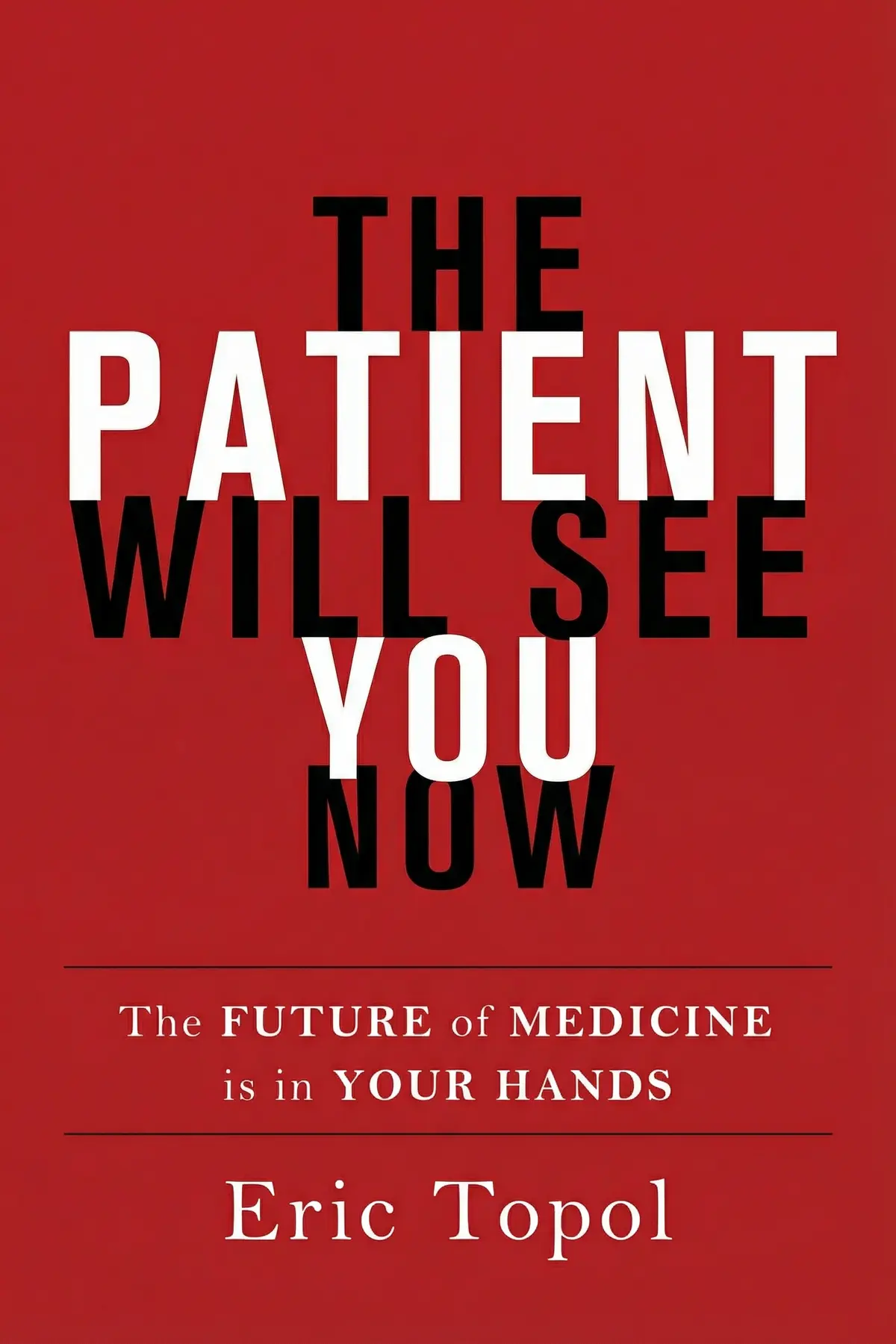
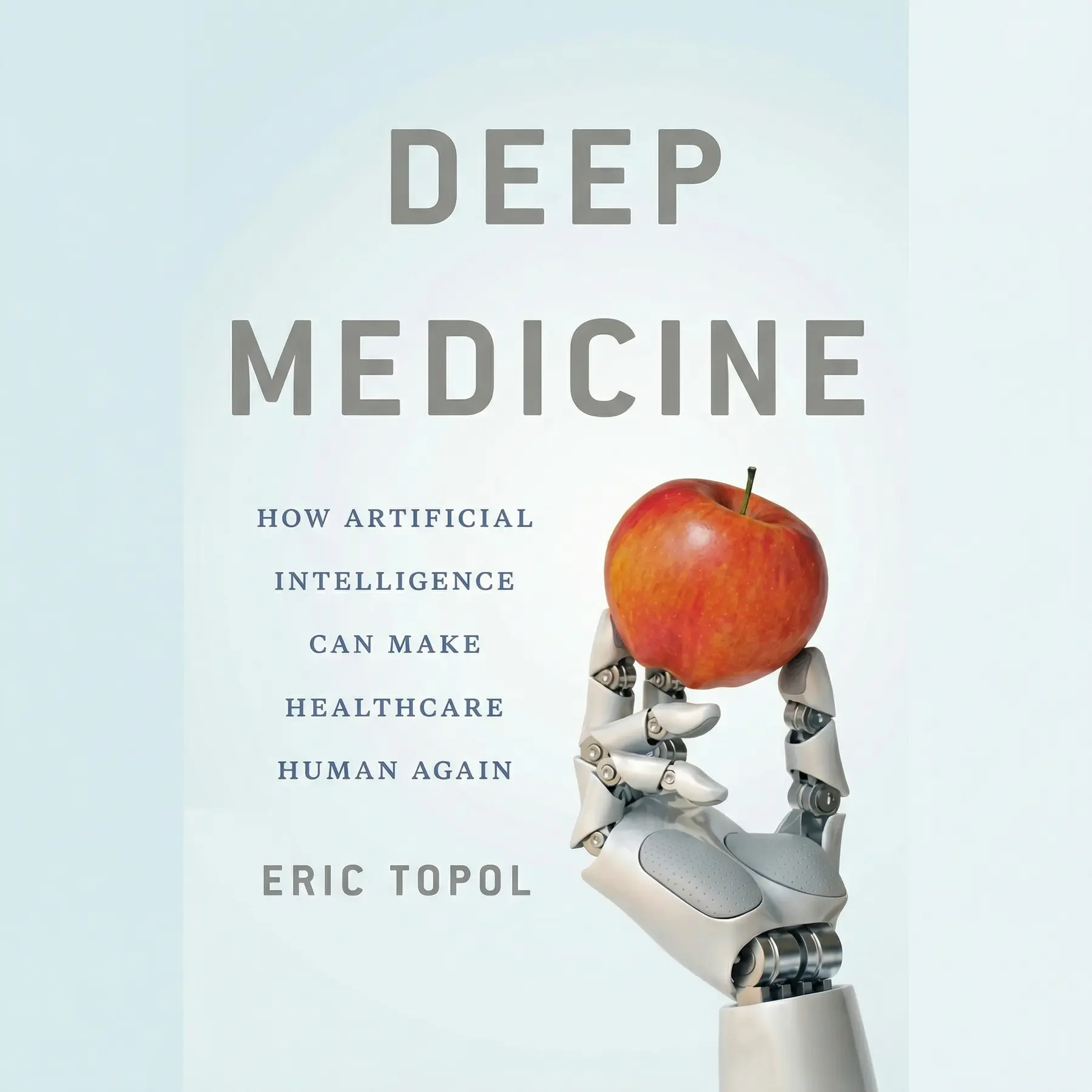
Deep Medicine: How Artificial Intelligence Can Make Healthcare Human Again
By Eric Topol
Deep Medicine explores how artificial intelligence can rescue healthcare from its current crisis of burnout and misdiagnosis by automating technical tasks, allowing doctors to return to the essential human work of empathy.
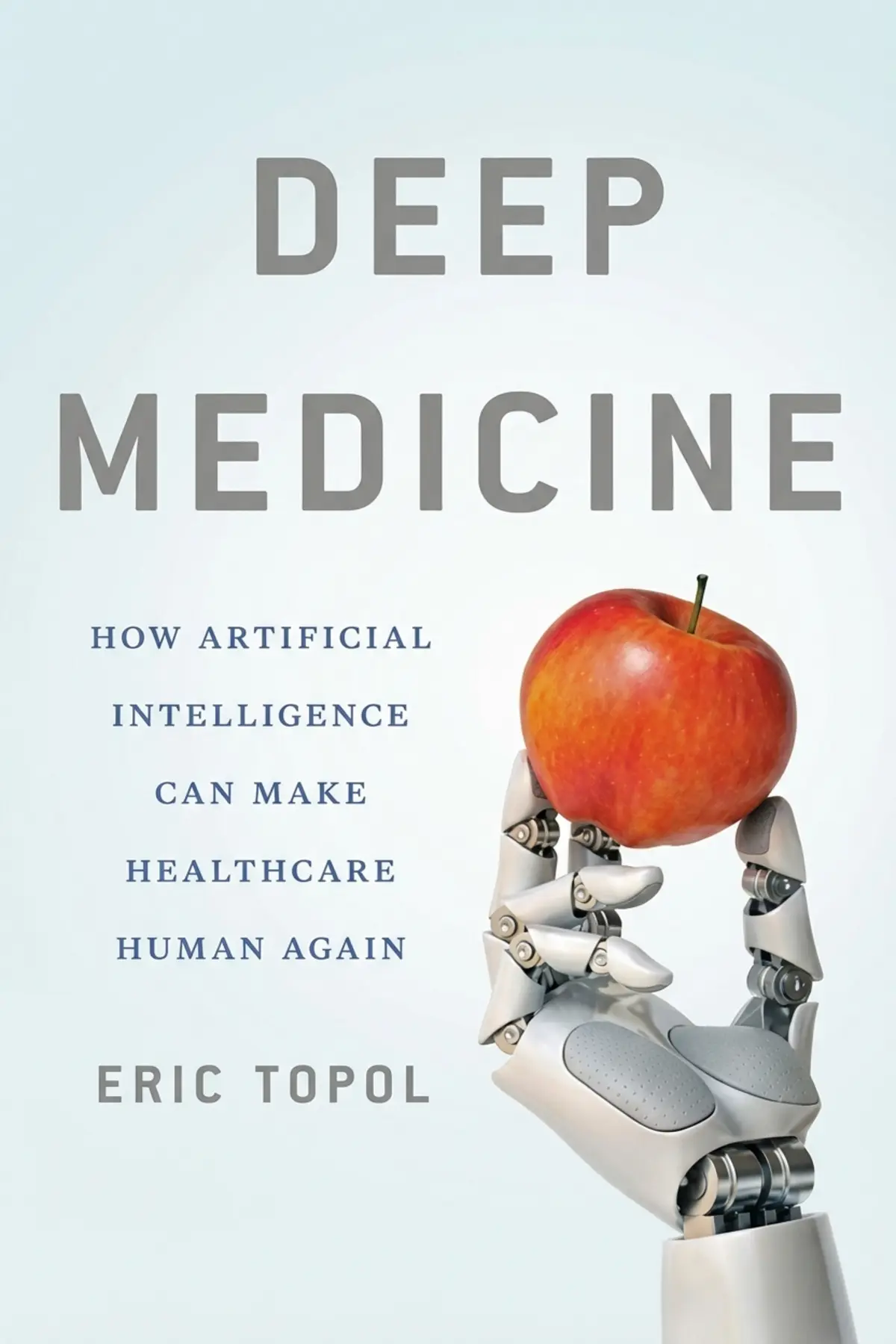
Table of Content
1. Introduction
2 min 04 sec
Imagine walking into a doctor’s office today. You’ve probably waited weeks for the appointment. When you finally sit down, the clinician is hunched over a keyboard, clicking through menus and typing notes, barely making eye contact. You have about seven minutes before they have to move on to the next person. In that brief window, a life-altering decision might be made based on a sliver of your medical history. This is the reality of modern healthcare—a system that has become increasingly efficient at processing data but dangerously detached from the human being at its center.
In our current era, medicine has become ‘shallow.’ It is plagued by physician burnout, frequent misdiagnoses, and a lack of genuine connection. But there is a surprising ally on the horizon: artificial intelligence. While many fear that AI will turn medicine into a cold, robotic affair, the reality might be exactly the opposite. In this summary of Deep Medicine, we’ll explore the vision of Dr. Eric Topol, who argues that the true power of AI lies in its ability to make healthcare human again.
We are on the verge of a shift toward ‘deep medicine.’ This isn’t just about faster computers; it’s about a three-pronged transformation. First, we will use technology to define individuals more deeply than ever before, through their DNA and daily habits. Second, we will use deep learning algorithms to augment the diagnostic skills of even the best doctors. And finally, and perhaps most importantly, we will use the time saved by these technologies to return to the era of deep empathy—where the bond between a healer and a patient is the most important part of the cure.
Throughout this journey, we’ll see how AI is already saving the lives of newborns, how it can predict mental health crises before they happen, and why the most important tool for a doctor in the future won’t be a stethoscope, but the ability to listen. Let’s dive into how we can move past the limitations of the present and into a future where technology serves the heart as much as the mind.
2. The Rise of Shallow Medicine
2 min 18 sec
Modern healthcare is currently trapped in a cycle of speed and burnout that prioritizes data over dialogue, leading to frequent errors and a loss of the vital human connection.
3. The Power of High-Speed AI Diagnostics
2 min 04 sec
Artificial intelligence is already demonstrating its ability to save lives by processing massive amounts of genetic data in seconds, solving medical mysteries that would take humans weeks.
4. Navigating the Limitations of Machines
2 min 16 sec
Despite its incredible speed and processing power, artificial intelligence is limited by the quality of the data it receives and its lack of human-like creativity.
5. Overcoming Diagnostic Bias with Technology
2 min 10 sec
AI can serve as a crucial check against the natural cognitive biases that lead even the most experienced doctors to make errors in judgment.
6. Revolutionizing Medical Specialties through Pattern Recognition
2 min 13 sec
Specialties that rely heavily on interpreting images, such as radiology and pathology, are the most immediate beneficiaries of AI’s pattern-matching capabilities.
7. AI in Mental Health and Cardiology
2 min 04 sec
Beyond images, AI is proving useful in monitoring heart health and providing accessible support for mental health through digital tools and chatbots.
8. The Transformation of Health Systems
2 min 01 sec
The traditional hospital model is being challenged by AI, which enables virtual care centers and remote monitoring that bring the ‘hospital’ to the patient’s home.
9. Individualized Nutrition and Predictive Health
2 min 02 sec
AI is enabling a move away from one-size-fits-all medical advice toward hyper-personalized diet and health plans based on an individual’s unique biology.
10. The Gift of Time and the Return of Empathy
2 min 04 sec
The ultimate goal of medical AI is to automate the technical side of the job, giving doctors the time to provide the human compassion that is essential for healing.
11. Conclusion
1 min 32 sec
As we stand on the threshold of this new era, it’s clear that the path to a better healthcare system isn’t found by rejecting technology, but by embracing it for the right reasons. Artificial intelligence is often portrayed as something that will distance us from one another, but in the world of medicine, it might be the very thing that brings us back together. By shifting from the rushed, error-prone ‘shallow medicine’ of today to the data-rich, compassionate ‘deep medicine’ of tomorrow, we have a chance to fix a broken system.
The promise is profound: a future where the most advanced algorithms in the world are working in the background to ensure your diagnosis is perfect, while your doctor is sitting right in front of you, truly listening to your story. We’ve seen how AI can save lives in the NICU, how it can spot cancers that humans miss, and how it can tailor a diet specifically to your DNA. But more than that, we’ve seen how it can give a burned-out physician the gift of time.
This transformation won’t happen overnight, and it will require us to be vigilant about data privacy and ethical standards. But the goal is worth the effort. We must move toward a healthcare model where technology and humanity aren’t at odds, but are instead partners in the pursuit of wellness. In the end, deep medicine is about using the best of our inventions to protect and celebrate the best of our humanity. It is time to bring the heart back to the science of healing.
About this book
What is this book about?
This exploration of the future of healthcare examines the intersection of technology and the human touch. It argues that medicine has become 'shallow'—defined by rushed visits, high error rates, and exhausted physicians. Artificial intelligence is presented not as a replacement for human clinicians, but as the very tool that can save them. By leveraging deep learning to process massive amounts of genomic, lifestyle, and imaging data, AI can provide hyper-personalized treatments and near-instant diagnoses. This shift promises to liberate doctors from the burden of data entry and administrative tasks. The ultimate goal is 'deep medicine,' where technology handles the computational heavy lifting, giving practitioners the time and space to build meaningful, empathetic relationships with their patients once again.
Book Information
About the Author
Eric Topol
Eric Topol is a cardiologist, researcher, and executive vice president of Scripps Research. With over 270,000 citations, he is one of the top ten most cited researchers in medicine. Aside from Deep Medicine, he has published two other best-selling books: The Creative Destruction of Medicine and The Patient Will See You Now.
Ratings & Reviews
Ratings at a glance
What people think
Listeners describe the text as highly accessible and expertly crafted, offering an intriguing look at what lies ahead for the medical field. Furthermore, the material is packed with informative observations, with one listener highlighting the potential for AI to enhance patient experiences. The book also includes moving anecdotes from personal and family life, and one listener characterizes the text as a comprehensive guide to the developing Fourth Industrial Age.
Top reviews
Valentina
Wow. Eric Topol has a way of making the complex intersection of data science and human biology feel not only accessible but deeply human. This book functions as a sort of encyclopedia for the emerging Fourth Industrial Age, providing a fascinating glimpse into a future where technology actually restores the doctor-patient bond. I was particularly moved by the personal and family stories Topol weaves into the narrative; they provide a necessary emotional weight to the technical predictions. While the concepts of machine learning and deep neural networks are daunting, the writing is exceptionally well-paced and readable for a lay audience. He argues convincingly that AI can handle the 'shallow' tasks of medicine—like scanning thousands of retinal images for diabetic retinopathy—freeing up physicians to focus on what matters. If we can get past the hurdle of administrative burnout, we might finally see the return of the 'deep empathy' that the medical profession has been missing for decades.
Show moreSombat
After hearing Topol on a podcast, I knew I had to grab his latest work, and it did not disappoint. He manages to balance the 'move fast and break things' energy of Silicon Valley with the cautious, evidence-based reality of clinical practice. The book is rich with insights about how AI can act as a powerful assistant rather than a cold replacement for human expertise. I love the emphasis on 'deep medicine' being a collaborative effort. It’s not about the robot vs. the doctor; it’s about using the robot to handle the data so the doctor can handle the soul. The way he describes the potential for speech recognition to eliminate the burden of charting is something every healthcare worker should be rooting for. This is a visionary text that avoids being pure hype by grounding its claims in current research and real-world applications.
Show moreMaya
Finally got around to reading this and I am struck by the core message: AI isn't here to replace the doctor, but to liberate them. Topol writes with a sense of urgency that is infectious. He describes a world where deep learning handles the pattern recognition of scans and labs, allowing the physician to actually look their patient in the eye again. The touching stories about his own health struggles and those of his family members make the stakes feel very high. This isn't just about gadgets; it's about the survival of the human touch in an increasingly automated world. The book is a fascinating glimpse into a future that feels both inevitable and desirable. It’s one of those rare science books that manages to be both intellectually stimulating and emotionally resonant. Highly recommended for anyone even tangentially involved in healthcare.
Show moreJai
Ever wonder if your doctor is actually listening to you or just clicking boxes in a database? Topol tackles this head-on, arguing that the current mess of electronic health records (EHRs) is a primary driver of physician burnout. To be fair, he might be a little too optimistic about how quickly these algorithms will solve the systemic issues of the healthcare industry. Look, the idea of AI giving us back 30-minute appointments is a beautiful dream, but I worry about regular capitalistic incentives turning that saved time into just more patient slots. However, the chapter on individualized diets based on machine learning was absolutely eye-opening. It moves us away from generic nutritional advice toward something truly scientific. Even if you aren't a tech geek, the insights into how our smartphones will become diagnostic tools are worth the price of admission. It’s a well-written, hopeful look at what’s coming next.
Show moreNadia
The personal and family stories Topol shares really ground the abstract technological predictions in reality, making this a much warmer read than your typical tech book. He doesn't shy away from the ethical dimensions of AI, though I wish he had spent more time on the potential for data bias. As it stands, the book provides a fascinating glimpse into how deep learning can revolutionize fields like radiology and pathology. Frankly, the idea that an app could help a visually impaired senior identify objects in their environment is nothing short of miraculous. My only real gripe is that Topol seems to gloss over the economic reality of 'Baumol's cost disease' and how that might prevent these efficiencies from actually lowering costs for patients. Despite that, the content is incredibly well-researched and provides a hopeful roadmap for the future of care.
Show morePornpimon
This book reads like a comprehensive guide for the modern healthcare era, yet it remains surprisingly quick to get through due to Topol's engaging prose. I particularly appreciated the discussion on how AI could fundamentally change medical education. We need to start selecting medical students based on empathy and humanistic traits rather than just their ability to memorize facts that a computer can pull up in seconds. Not gonna lie, some of the chapters on deep learning felt a bit repetitive, but the overall message is vital. He highlights how 'social determinants of health' are often better predictors of illness than lab tests, and how AI can help us track these factors more effectively. It’s a fascinating, well-written look at how we might finally make healthcare human again by using the very tools that many fear will make it more clinical.
Show moreAria
As someone transitioning into the healthcare tech space, this provided exactly the context I needed to understand the current landscape of AI in medicine. Topol manages to explain complex neural networks without making the reader feel like they need a PhD in computer science. Personally, I found the chapter on AI applications in mental health to be the most compelling. The idea of using voice patterns or typing speed to detect early signs of depression is revolutionary. I do think the book is a bit overly optimistic about how quickly the medical establishment will adopt these changes, especially given the regulatory hurdles. However, the insights are rich and the writing is consistently strong. It is a well-written, well-researched vision of what medicine could look like if we prioritize the doctor-patient relationship over administrative efficiency. A must-read for any modern provider.
Show moreEarn
Picked this up expecting a technical deep-dive into machine learning algorithms, but found it to be more of a high-level survey intended for a general audience. For someone already working in health IT, there isn't a lot of ground-breaking new information here. Truth is, a lot of the book felt like a collection of case studies that could have been condensed into a long-form magazine article. I also found the author’s repeated mentions of specific startups a bit distracting, especially given how some of these 'revolutionary' tech companies have struggled in the past. Still, it serves as a solid introduction if you are new to the field of digital medicine. Topol is a gifted writer who knows how to keep things moving even when the subject matter gets dense. It is a good place to start, just don't expect it to be a masterclass in the actual coding or data science behind the tools.
Show morePrae
To be fair, the section on diabetic retinopathy was brilliant, but other parts of the book felt bogged down by repetitive case studies that didn't add much to the core argument. Topol is clearly an expert, but at times the book feels like a collection of his Twitter threads expanded into chapters. I struggled with his constant blaming of EMRs for every problem in the industry today. While they are certainly a headache, the issues of the American healthcare system go much deeper than just bad software. Gotta say, the Hippocrates quote about knowing the person who has the disease really resonated with me, though. It highlights the central tension of the book: can a machine really help us understand a human being? It’s a decent read for beginners, but those looking for a rigorous critique of AI ethics may find it a bit light on substance.
Show moreCharlotte
Frankly, I found the blatant promotion of specific startups like Viome to be a major red flag throughout the book. After the whole Theranos disaster, you would think a prominent figure like Topol would be a little more skeptical of unproven claims from health-tech companies. The book is far too full of anecdotes and short on actual critical analysis of the ethical implications of handing our healthcare data over to private corporations. It feels like a 'move fast and break things' manifesto disguised as a medical text. While the writing style is certainly readable, the content feels like one long advertorial for a future that might never arrive. I was disappointed that a physician of his caliber would spend so much time on hype and so little on the messy reality of implementation. It’s an okay overview if you want the optimistic version, but take it with a massive grain of salt.
Show moreReaders also enjoyed
A Life Decoded: My Genome: My Life
J. Craig Venter

21 Lessons for the 21st Century
Yuval Noah Harari
A Planet of Viruses
Carl Zimmer
A Short History of Nearly Everything
Bill Bryson
A Thousand Brains: A New Theory of Intelligence
Jeff Hawkins
AUDIO SUMMARY AVAILABLE
Listen to Deep Medicine in 15 minutes
Get the key ideas from Deep Medicine by Eric Topol, plus 5,000+ more titles in English and Thai.
- 5,000+ titles
- Listen as much as you want
- 7-day free trial
- Cancel anytime







