
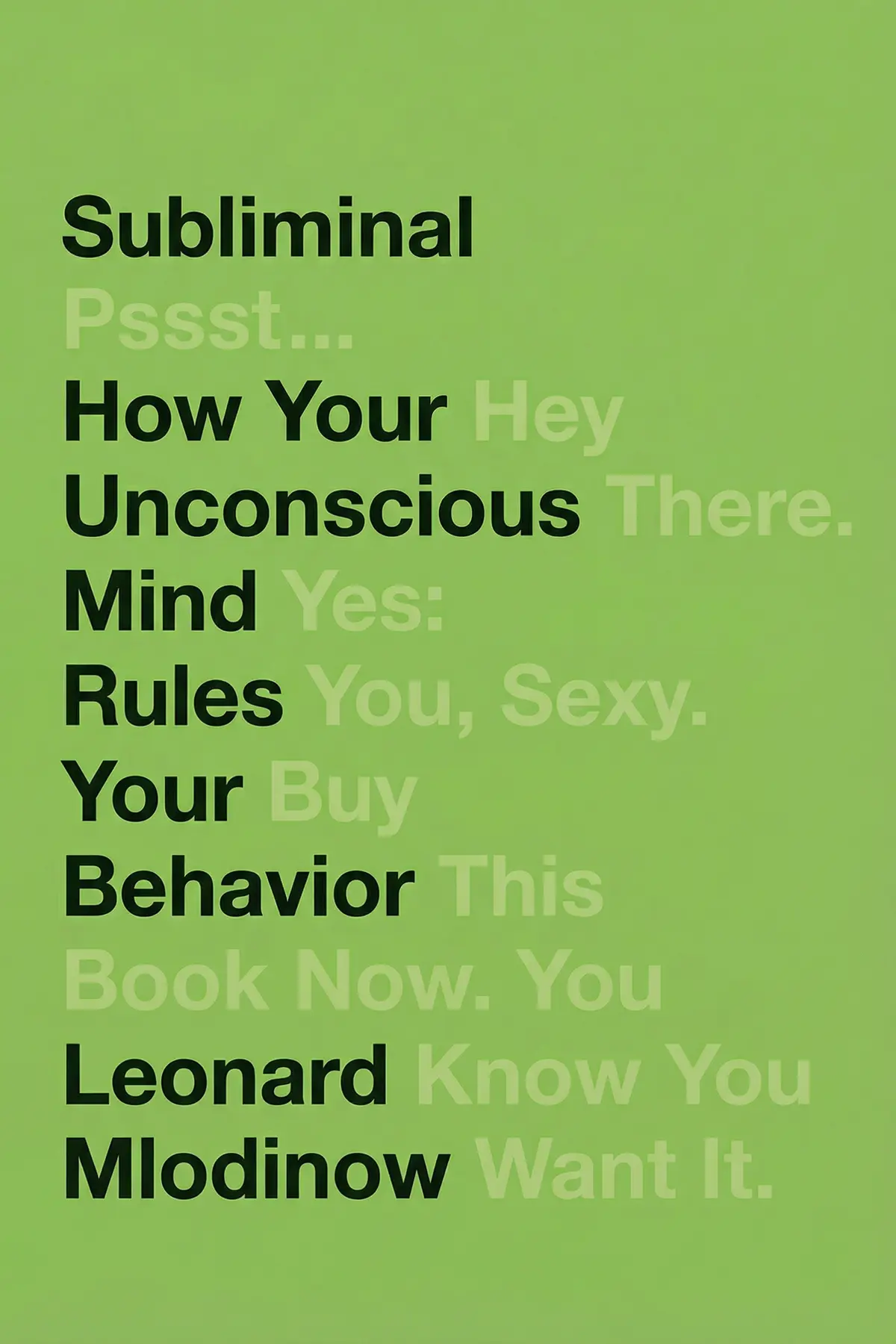
Subliminal: How Your Unconscious Mind Rules Your Behavior
Leonard Mlodinow
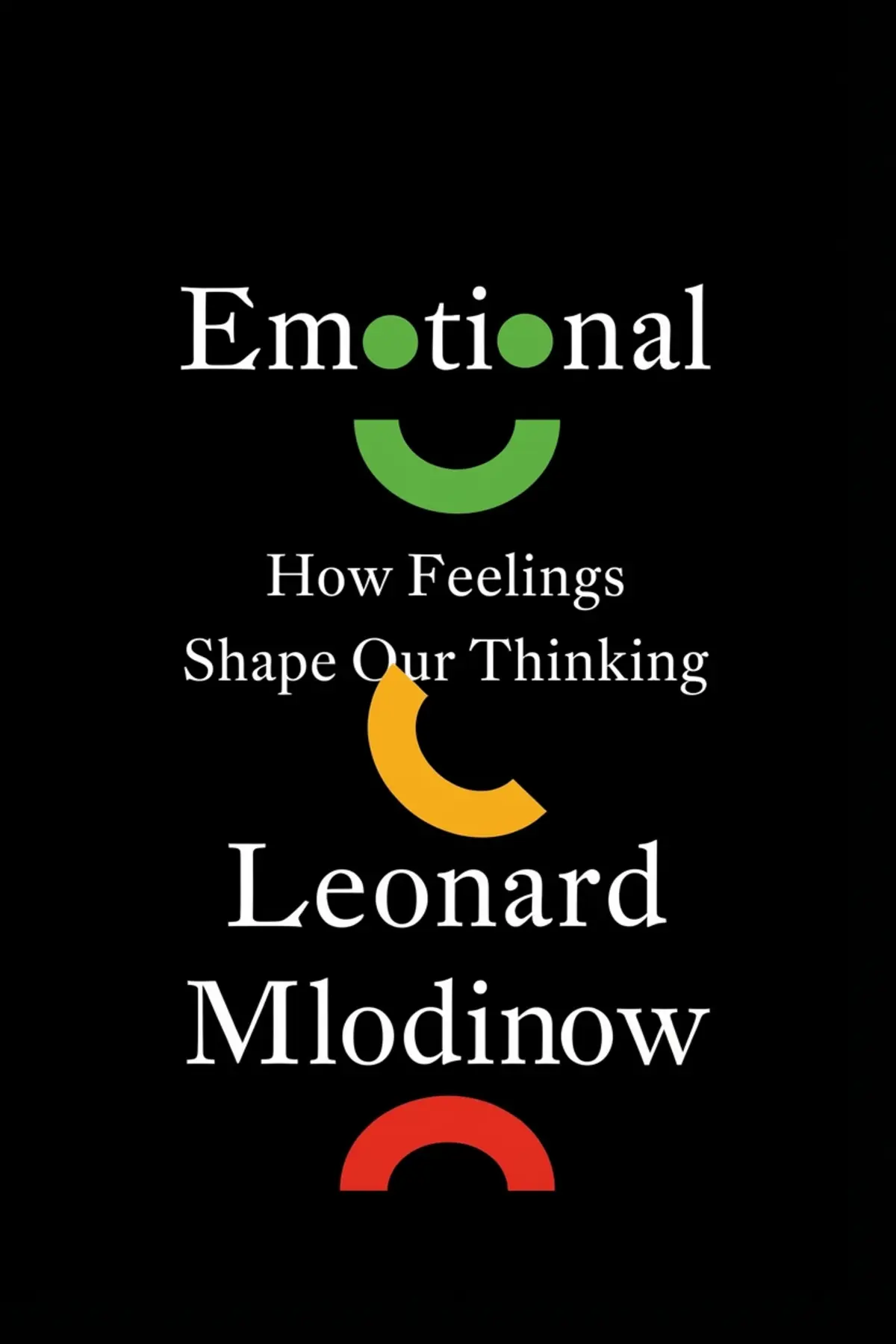
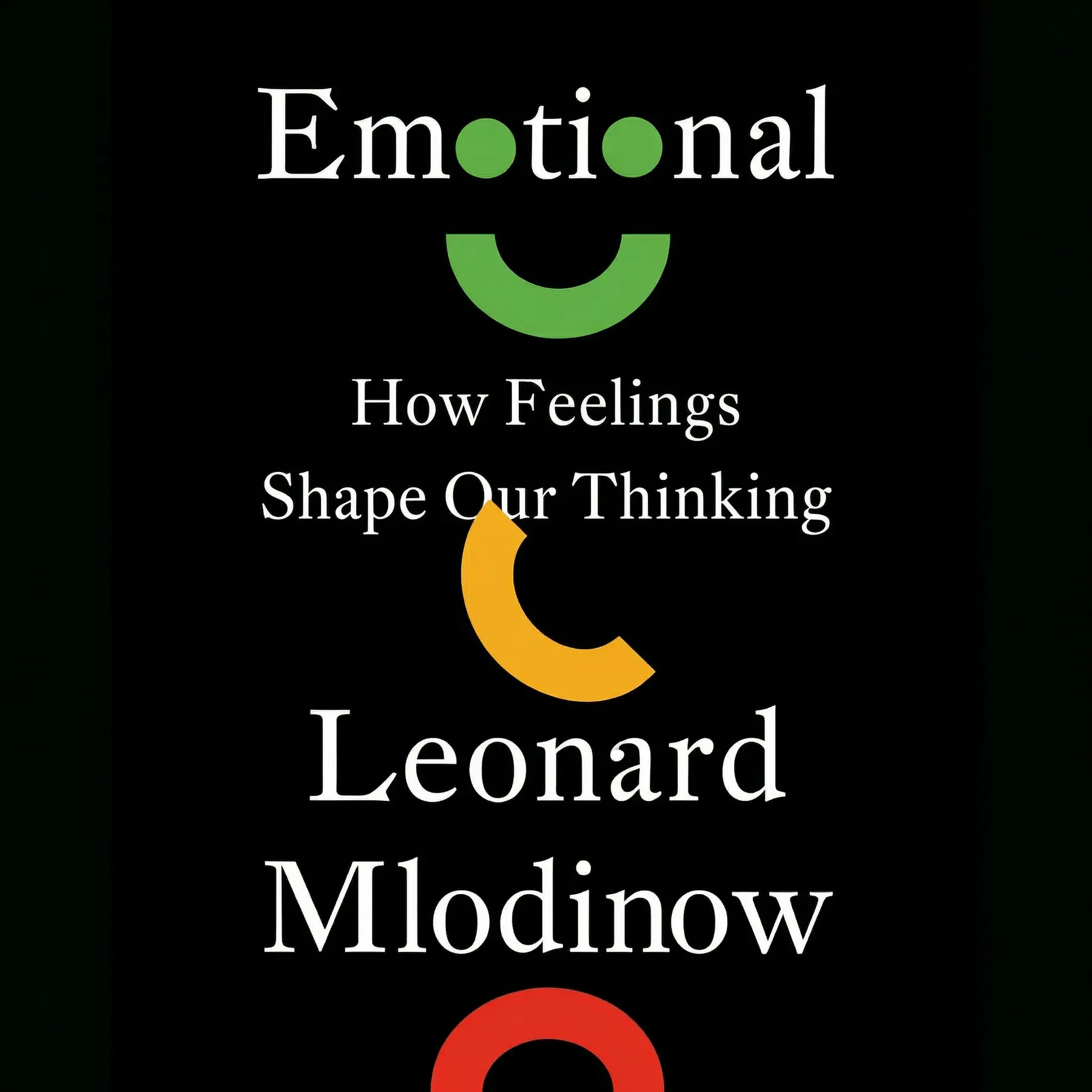
Emotional explores the groundbreaking neuroscience that reveals how feelings are not obstacles to logic, but essential components of our reasoning, decision-making, and survival in a complex modern world.
1 min 51 sec
Imagine, for a moment, that you are walking through a dense, ancient forest thousands of years ago. Suddenly, a rustle in the undergrowth catches your attention. Before your conscious mind can even process the shape of a predator, your heart is racing, your muscles are primed for action, and a surge of fear has taken over. This isn’t a failure of logic; it is a highly evolved survival mechanism. For our ancestors, those who could feel fear, caution, and urgency were the ones who survived to pass on their genes. Those who waited for a purely logical analysis of the situation often didn’t make it out of the woods.
In the modern world, we often treat these same emotions as if they are bugs in our internal software—remnants of a primitive past that only serve to cloud our judgment. We have been taught that to be ‘rational’ is to be ’emotionless.’ But as Leonard Mlodinow explains, this is a profound misunderstanding of how the human brain actually functions. The truth is that emotion and reason are not separate departments of the mind; they are deeply intertwined partners. Without feelings, we wouldn’t just be more logical; we would be fundamentally incapable of making even the simplest decisions.
In this summary, we are going to explore the cutting-edge science that is overturning centuries of assumptions about the human mind. We will look at how your physical body dictates your mood, how your social circles can be ‘contagious,’ and how you can actually rewire your brain to handle stress and build determination. This is the story of how our feelings shape our thinking, and how we can learn to work with those feelings to lead more successful and balanced lives.
2 min 43 sec
Explore why the ancient divide between emotion and reason is a scientific myth, and how a split-second emotional decision once saved the entire world from nuclear destruction.
2 min 29 sec
Learn how your physical well-being and gut health create a subconscious baseline for your emotions, directly impacting the fairness of everything from legal rulings to personal choices.
2 min 31 sec
Discover the two brain networks that combine to create grit and determination, and why specific lifestyle habits can help you push through obstacles like a champion.
2 min 33 sec
Uncover how your unique emotional fingerprint is shaped by both your DNA and your life experiences, and how you can begin to rewire these patterns for a better life.
2 min 23 sec
Explore why human emotions are more ‘infectious’ than we realize, from the hidden influence of social media feeds to the way happiness can boost your immune system.
2 min 42 sec
Master three practical strategies to take control of your feelings, improve your professional success, and develop the ‘charismatic’ traits of emotional intelligence.
1 min 22 sec
As we have seen, the human emotional system is not an outdated relic of our evolutionary past, but a highly sophisticated and essential guidance system. Throughout this journey, we’ve explored how emotions are deeply woven into the fabric of our logic, how our physical bodies set the stage for our moods, and how our social environments can infect us with both joy and sorrow. We’ve learned that while we are born with a certain emotional profile, we are not stuck with it. Through the power of neuroplasticity and intentional habits, we can reshape how we respond to the world.
The throughline of Leonard Mlodinow’s work is clear: we must stop viewing our feelings and our thoughts as enemies. When we understand the science of our emotions, we gain the ability to step back and observe our reactions rather than being controlled by them. We can learn to listen to the ‘data’ our feelings are providing without letting them steer us into the ditch.
Ultimately, the ’emotional’ life is not one of irrationality, but one of profound connection—to ourselves, to others, and to the physical world. By practicing techniques like acceptance, reappraisal, and expression, you can begin to harness your emotions to build a life of greater determination, resilience, and success. Remember that your feelings are there to help you navigate the forest of modern life; the better you understand them, the more effectively you can find your way through.
For centuries, Western culture has viewed emotion and reason as two opposing forces locked in a constant struggle for control. We are often told that to make good decisions, we must suppress our feelings and rely solely on cold, hard logic. However, theoretical physicist Leonard Mlodinow argues that this perspective is not only outdated but scientifically incorrect. Drawing on the latest research in neuroscience and psychology, he demonstrates that emotions are actually the very foundation of our thinking process. This exploration delves into how our physical state influences our mental outlook, the ways in which our environments can literally rewire our genetic expression, and how we can harness our feelings to build greater determination and resilience. By understanding the biological mechanics of why we feel the way we do, we can stop fighting our emotions and start using them as a sophisticated guidance system. The book promises to provide a new framework for emotional intelligence that leads to better choices, more fulfilling relationships, and a deeper understanding of the human experience.
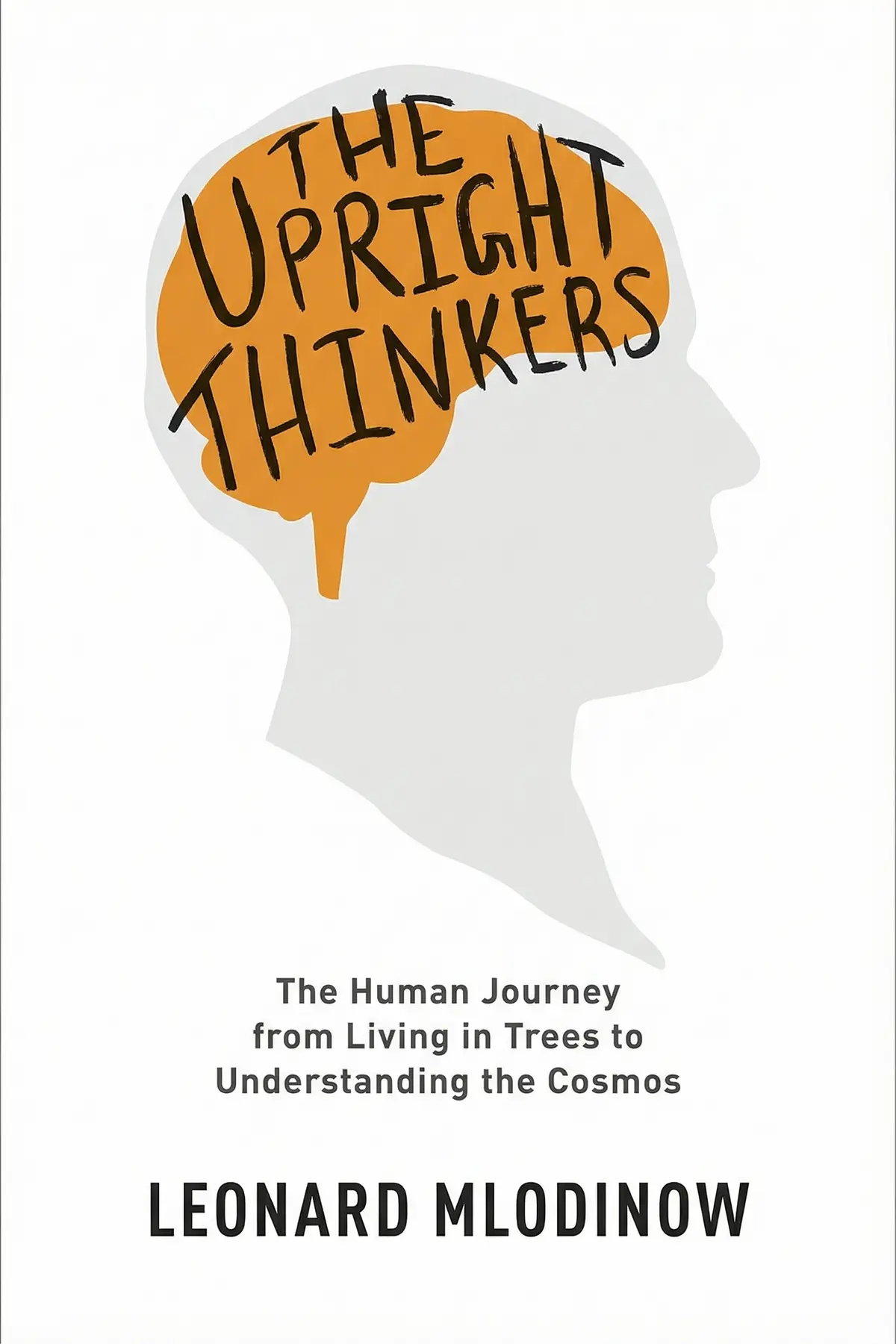
Leonard Mlodinow is a theoretical physicist and a graduate of the University of California, Berkeley. He has authored several acclaimed best-sellers that bridge the gap between complex science and everyday life, including Subliminal, The Drunkard’s Walk, and The Grand Design, which he co-authored with the renowned physicist Stephen Hawking.
Leonard Mlodinow
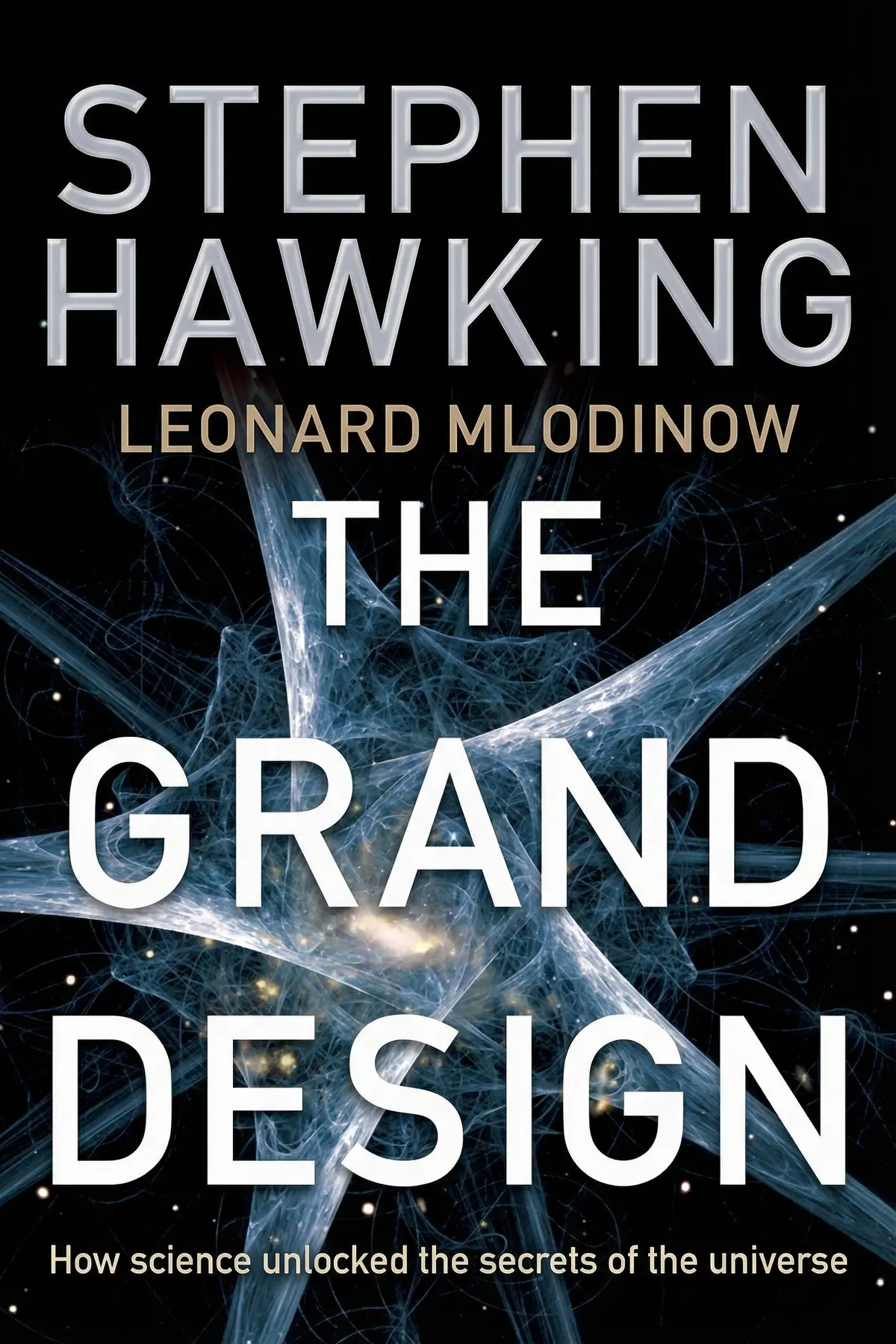
Stephen Hawking
Listeners find the work highly accessible and value its deep perspectives on our feelings. They describe the content as thought-provoking, with one listener highlighting how the author offers specific tools for personal introspection.
Wow, I didn't expect a science book to make me look at my own outbursts so differently. Mlodinow provides these amazing resources for self-reflection, especially the emotional questionnaires at the back that help you map out your own tendencies toward anxiety or joy. The Paul Dirac story was particularly touching, showing how even the most 'robotic' logical minds are deeply shaped by emotional connection. I’ve been trying to use his strategy of 'reappraisal' to handle work stress, and it’s actually working. Instead of seeing anxiety as a failure, I’m learning to see it as my body’s way of preparing me for a challenge. It is rare to find a book that balances hard neuroscience with such deep, human empathy. If you want a better understanding of why you feel the way you do, this is essential reading. It is easily one of the most insightful books I have picked up this year.
Show moreEver wonder why you feel so differently about a decision before and after lunch? This book explains exactly why that happens through the lens of 'core affect.' Mlodinow has a way of making you realize that your 'self' is actually a collection of interacting systems that are constantly negotiating with each other. I loved the blend of personal memoir and high-level science. The stories about his mother in the nursing home during COVID were heartbreaking and brought a real-world weight to the theories he was discussing. The book is packed with great insights that actually feel applicable to daily life. It’s not just about how the brain works; it’s about how to live a more balanced life by acknowledging your feelings instead of fighting them. Personally, I found the questionnaires to be a fun and useful way to end the book.
Show morePicked this up because I’ve always been a fan of Mlodinow’s ability to turn complex physics into something digestible, and he does the same here for neuroscience. The book is incredibly readable, moving quickly through the latest findings of affective neuroscience without getting bogged down in too much jargon. I particularly loved the story of Stanislav Petrov, the Soviet officer who basically saved the world because he listened to his gut instead of just following a rigid computer protocol. It really drives home the point that our 'rational' minds aren't always the best tools for the job. While some of the narrative detours felt a bit long, the overarching theme that emotions are integrated with logic is handled beautifully. This isn't just a science book; it’s a manual for understanding how our internal sensors guide our every move. Frankly, it changed how I view my own decision-making process.
Show moreFinally got around to reading this and I’m struck by how much we underestimate our gut feelings. Mlodinow explains that we don't just have one brain, but almost a 'second brain' in our gut that communicates constantly with our head. The examples of how hunger affects parole decisions or how fatigue impacts doctor prescriptions were eye-opening and honestly a bit terrifying. It shows that we are never truly 'rational' in the way we think we are. The book is very readable and avoids the dry tone of most science texts. I appreciated how he broke down the five properties of emotion, though I wish he had spent more time on the 'scalability' aspect. Overall, it’s a great resource for anyone interested in why humans are so unpredictable. It offers great insights into the hidden forces that drive our society.
Show moreAs someone who has always tried to suppress my emotions in favor of logic, this book was a bit of a paradigm shift for me. Mlodinow argues that without emotion, we actually can’t make decisions at all because we’d have no way to weight one option over another. The narrative style makes it very accessible, and I liked how he tied in his own family's history with the Holocaust to show how different emotional temperaments develop. The section on 'social emotions' like shame and guilt was especially fascinating. My only minor gripe is that he occasionally overplays the role of emotion to the point of ignoring basic cognitive reflexes. Still, the self-reflection tools provided are top-notch. It’s a highly insightful look at the brain-body connection. It’s definitely worth a read if you’re looking to improve your emotional intelligence.
Show moreThis is popular science in that classic American narrative style where every concept is anchored by a compelling human story. Mlodinow is a master of this format. He successfully argues that emotions are not obstacles to rational thought, but rather essential components of it. I found the discussion on the 'connectome' and how we can now map the circuits of determination and fear to be absolutely riveting. The book is very readable, though I think he could have addressed the replication crisis more directly given how many studies he cites. Despite that, the insights into how our bodies' internal sensors influence our 'core affect' are invaluable. It’s a great book for self-reflection and understanding the people around you. Got to say, the writing is top-tier for this genre.
Show moreLook, the market is absolutely flooded with neuroscience books right now, but Mlodinow manages to offer plenty of fresh material in 'Emotional.' He moves beyond the brain to include the entire body, showing how our physical state dictates our mental clarity. The distinction he makes between a reflex and an emotional response is one of the clearest I've read. While I think he gives a bit too much weight to intuition in some of his historical examples, the overall science is presented in a way that is both engaging and easy to follow. The resources for self-reflection at the end are a great touch that you don't often see in these kinds of books. It’s an insightful read that challenges the idea that being 'emotional' is a weakness. In my experience, this is one of his better solo works.
Show moreThe chapter on the 'triune brain' was a necessary reality check for anyone still clinging to the old lizard-brain-versus-rationality model. Mlodinow does a solid job explaining how our brains actually evolved as integrated systems rather than layers added like a cake. However, I felt the book suffered slightly from the 'law of the instrument'—because Mlodinow is so focused on emotions, he tends to see them behind every single human action, even when logic or pure luck might be more plausible explanations. Truth is, I found the anecdote about his father avoiding a truck during the war a bit unconvincing from a scientific standpoint. Is it an emotional sensor system or just a random coincidence? Without addressing the replication crisis in social science, some of these studies he cites feel a bit shaky. It’s an insightful read for a general audience, but more skeptical readers might find the evangelical tone a bit much.
Show moreMlodinow definitely feels more comfortable here than in some of his previous philosophical ventures, yet the book still feels a bit 'evangelical' regarding emotions. He spends a lot of time attacking the old 'lizard brain' theory, which is fine, but he doesn't always provide a concrete replacement that feels scientifically grounded. Some of the material about fruit flies having emotions was interesting, but it felt a bit speculative. The storytelling is engaging, but at times I felt like I was reading a collection of anecdotes rather than a cohesive scientific argument. To be honest, I found the strategies for managing emotions—acceptance, reappraisal, and expression—to be a bit derivative of Stoic philosophy without much new added. It’s a decent introductory text for those new to neuroscience, but it might feel like retread territory for seasoned readers. It's a fine book, just not a groundbreaking one.
Show moreTo be fair, Mlodinow is a gifted writer, but I found his arguments about 'core affect' and his father’s wartime intuition to be a bit of a stretch for a book that claims to be based on hard science. He dismisses the 'triune brain' theory effectively, but then replaces it with a narrative that feels almost mystical at times. The book uses that classic American style where every chapter starts with a story about real people, but eventually, there is just too much storytelling and not enough data for my taste. I wanted more about the actual neurobiology and less about his personal family history. Also, he mentions several social science studies that have famously failed to replicate, yet he presents them as settled facts. It’s a readable book, but it lacks the scientific rigor I expected from a theoretical physicist. Not gonna lie, I was disappointed by the confirmation bias throughout.
Show more
Steven C. Hayes
Deborah Gruenfeld
Anthony Pratkanis
Richard Wiseman
AUDIO SUMMARY AVAILABLE
Get the key ideas from Emotional by Leonard Mlodinow, plus 5,000+ more titles in English and Thai.







