
Going Infinite: The Rise and Fall of a New Tycoon
Michael Lewis
Explore the shadow world of high-frequency trading where milliseconds equal millions. This summary reveals how a group of Wall Street outsiders uncovered a rigged system and fought to restore market transparency.
1 min 10 sec
For decades, the popular image of the American stock market involved crowded rooms full of shouting men in colorful vests, waving paper tickets to buy and sell shares. It was a physical, human, and transparently chaotic environment. However, that world has vanished, replaced by a silent, invisible landscape of fiber-optic cables and massive server farms located in unassuming buildings across New Jersey. This transition from humans to machines was promised to make the markets more efficient, stable, and fair for everyone involved.
But as we will explore, the reality of this digital transformation was far darker. Instead of a level playing field, the electronic market became a playground for a new breed of financial predator. By utilizing extreme speed and complex algorithms, these players began to exploit the very foundations of the financial system. This is the story of how that system was broken, the men who realized the game was rigged, and their ambitious attempt to build a new exchange that would finally put the interests of investors first.
1 min 27 sec
An attentive trader notices a disturbing pattern where stock prices vanish the moment he tries to buy them, leading to a shocking discovery.
1 min 30 sec
Learn how the physical distance between servers and the speed of light became the ultimate weapons for a new class of traders.
1 min 32 sec
The corruption wasn’t limited to a few rogue firms; it involved the very banks entrusted with protecting investor interests.
1 min 41 sec
The battle for market integrity culminates in the creation of a new exchange designed to neutralize speed and prioritize investors.
1 min 16 sec
The evolution of the stock market from a human-centered floor to a digital-first ecosystem was supposed to represent progress. However, as we have seen through the experiences of Brad Katsuyama and his team, that progress came with a hidden price. The structural flaws and lack of transparency in the modern market allowed a small group of high-frequency traders to extract billions from the system at the expense of everyone else. By uncovering the mechanics of front-running and the complicity of major banks, these reformers shed light on a system that had become fundamentally tilted.
The success of IEX demonstrates that fairness and transparency are not just ethical ideals but are necessary components of a stable financial system. The lesson here is that in an increasingly complex and automated world, we must remain vigilant about the systems that manage our wealth. Integrity isn’t something that happens by accident; it must be built into the very architecture of our institutions. Through persistence and a refusal to accept a rigged game, a small group of outsiders proved that even the most powerful interests on Wall Street can be challenged in the name of a fairer future.
The financial world underwent a silent revolution when the chaotic trading floors of the past were replaced by humming server rooms and complex algorithms. This book explores that transition, revealing how the shift to electronic trading created hidden opportunities for a new class of predatory players. These high-frequency traders utilize specialized technology and geographic advantages to exploit standard investors, effectively taxing almost every transaction made on the public market. At the center of the narrative is Brad Katsuyama and a dedicated team of experts who noticed something was wrong with the way stocks were being bought and sold. They embarked on a mission to decode the mechanics of the modern market, uncovering a system where banks and trading firms collaborated to maintain an unfair advantage. The promise of this story is a deep look into the technical and ethical failures of Wall Street, culminating in the creation of a new, transparent stock exchange designed to protect the average investor from the hidden forces of speed.
Michael Lewis is an investigative journalist and author who has published fifteen nonfiction books, eight of which were national best sellers in the United States. In 2011, Lewis’s book Moneyball was turned into a major film starring Brad Pitt and Philip Seymour Hoffman.
Michael Lewis

Michael Lewis

Listeners find this work to be a compelling narrative that tells a powerful story, featuring superb writing that simplifies intricate financial maneuvers. Additionally, the material is meticulously documented and packed with thorough breakdowns, creating a revelatory investigation that maintains the audience's interest throughout. They value how the author translates a dense subject into an approachable format, making it a required listen for anyone intrigued by the matter.
Wow. Michael Lewis has this incredible knack for taking dry, institutional corruption and turning it into a pulse-pounding thriller that feels like a heist movie. Before reading this, I had no idea that a 'hierarchy of speed' existed where elite firms use micro-slices of a second to front-run ordinary investors. The story of Brad Katsuyama and his quest to build IEX is truly inspiring. Lewis manages to explain complex technical concepts, like dark pools and the physical laying of fiber-optic cables, without ever making the reader feel like they are sitting through a lecture. It’s an eye-opening exposé that makes you realize the 'democratic' market is often a rigged game. Every person with a retirement account needs to understand how these digital piranhas are nibbling away at their returns. It’s a fast-paced, deeply researched, and ultimately essential piece of modern financial journalism.
Show morePicked this up because the concept of a 'speed race' in finance sounded like science fiction, but it turns out to be our actual reality. The way Lewis explains how these firms jump ahead of orders to scalp pennies is nothing short of brilliant. I was particularly struck by the description of the 'ghost world' operating in milliseconds between a broker's click and the actual trade execution. It’s a wild west out there. The book moves with the same velocity as the traders it describes, keeping you hooked from the first page to the last. While the subject of dark pools and predatory algorithms could be mind-numbing, the author keeps the focus on the people involved. It is a rare book that makes you both smarter and angrier with every chapter. If you want to know where your money really goes, read this immediately.
Show moreIs the stock market actually a democratic system, or just a sophisticated way for the tech-savvy to skin the average investor? Lewis argues it's the latter with devastating clarity and a mountain of evidence. I was fascinated by the way he illustrates how the big banks actually profit from their own customers' disadvantage by selling access to dark pools. It’s a scandalous revelation that should have led to more reform than it actually did. The characters are vibrant, the pacing is excellent, and the writing is accessible without being patronizing to the reader. You don't need a degree in finance to understand how the game is played after reading this. It’s a rare achievement to take something as abstract as latency arbitrage and make it feel like a personal affront. This is Lewis at his best, uncovering the hidden gears of a corrupt machine.
Show moreFinally got around to reading this and it's a terrifying look behind the curtain of modern finance that everyone with a 401k should digest. Lewis proves once again that he is the reigning king of financial storytelling by making the hunt for a few microseconds of speed feel like a life-or-death struggle. The way he details the shift from human floor traders to black-box algorithms is both fascinating and deeply unsettling. I was particularly engrossed by the legal drama surrounding Sergey Aleynikov and the absurdity of the charges brought against him. This book isn't just about stocks; it’s about how greed can warp technology into something that serves only a tiny elite. It’s a fast, engaging, and brilliant piece of work that changed the way I look at the ticker symbols on the news. Absolutely a must-read for the modern era.
Show moreAfter hearing so much about the controversy surrounding high-frequency trading, I finally dove into this book to see what the fuss was about. Lewis is a master of the narrative, using characters like Sergey Aleynikov and Ronan Ryan to humanize the cold, hard world of algorithms. The level of detail regarding the construction of the ultra-fast cable from Chicago to New Jersey was fascinating. I’ll admit that some of the technical explanations felt a bit repetitive towards the end, as if the author was trying to stretch the material to fit a full-length book. However, the core message is undeniable and frightening. The financial system has evolved into a zero-sum game where the house always wins by utilizing technological advantages that the public can't access. It’s a gripping read, though I would have appreciated a bit more balance regarding the potential benefits of HFT liquidity.
Show moreAs someone who isn't a math whiz, I appreciated how clearly the author explains the mechanics of how these automated systems operate across different exchanges. The truth is that Wall Street has always been about finding loopholes, and this is just the latest iteration of that age-old greed. Lewis does an excellent job of breaking down the technical barriers that usually keep outsiders from understanding the stock market. I found the backstory of the Canadian 'Boy Scout' Brad Katsuyama to be the most compelling part of the narrative. It’s a classic tale of someone realizing the system is broken and actually trying to fix it from the inside. My only gripe is that the middle sections felt slightly padded with peripheral stories that didn't add much to the main plot. Still, it’s a vital read for anyone interested in how technology has fundamentally altered our economy.
Show moreThe chapter on the fiber-optic cable alone is worth the price of admission, revealing the absurd lengths firms go to for a microsecond advantage. It's a staggering look at human ingenuity subverted for the sake of extracting tiny bits of value from every single transaction. Michael Lewis continues his streak of making the most boring subjects on earth—like exchange infrastructure—seem like a high-stakes spy thriller. I loved following the IEX team as they decoded why their trades were constantly being front-run by invisible forces. The book is incredibly well-researched and filled with those 'aha' moments that make you rethink how the world works. My only criticism is that the ending feels a little abrupt and perhaps overly optimistic about the future of fair trading. Regardless, it is an eye-opening work that shines a much-needed light into the shadows of the American financial system.
Show moreTo be fair, while the storytelling here is top-notch, the book feels more like a prosecutor’s closing argument than a balanced piece of investigative journalism. Lewis is brilliant at finding heroes and villains, but I suspect the reality of the market is far more nuanced than he suggests. He paints the HFT guys as literal parasites while treating Katsuyama like a flawless white knight. The writing style is undeniably engaging and he makes the math accessible for the layperson. Nevertheless, I felt a bit manipulated by the heavy-handed emotional cues and the selective framing of the facts. It’s a great story, but you should probably read a few counter-arguments to get the full picture. If you enjoy a fast-paced David vs. Goliath narrative, you will love it, just take the 'rigged' rhetoric with a grain of salt. It's informative but distinctly one-sided.
Show moreLook, I enjoy a good 'David vs. Goliath' story as much as anyone, but the portrayal of Brad Katsuyama as a 'white knight' felt a bit heavy-handed for a non-fiction work. While the information regarding HFT is definitely eye-opening, I couldn't shake the feeling that I was only getting one side of a very complex debate. The book is undeniably a page-turner, and Lewis’s prose is as sharp as ever. He has a gift for metaphors that make high-level concepts click instantly. However, the repetitive nature of the 'the market is rigged' mantra started to grate on me after the fourth or fifth chapter. It’s an interesting read for sure, but it lacks the objective rigor I was hoping for. It’s more of a gripping character study than a definitive history of modern trading. Good, but definitely flawed in its execution.
Show moreNot what I expected given the immense hype surrounding this title. While the central premise regarding the unfairness of speed is interesting, the narrative drags significantly by the midpoint of the book. I felt that Lewis spent far too much time on the backstories of minor players and the logistics of laying cable, which could have been summarized in a single chapter. Frankly, it felt like the author had about fifty pages of actual insight and then fluffed the rest with repetitive anecdotes to meet a page count. The constant vilification of high-frequency trading also felt a bit simplistic and lacked the depth I usually expect from Lewis. It’s written well enough to keep you turning pages, but I left the experience feeling like I’d read a long marketing brochure for IEX rather than a serious piece of financial analysis. A disappointing outing for such a talented writer.
Show more

Yanis Varoufakis
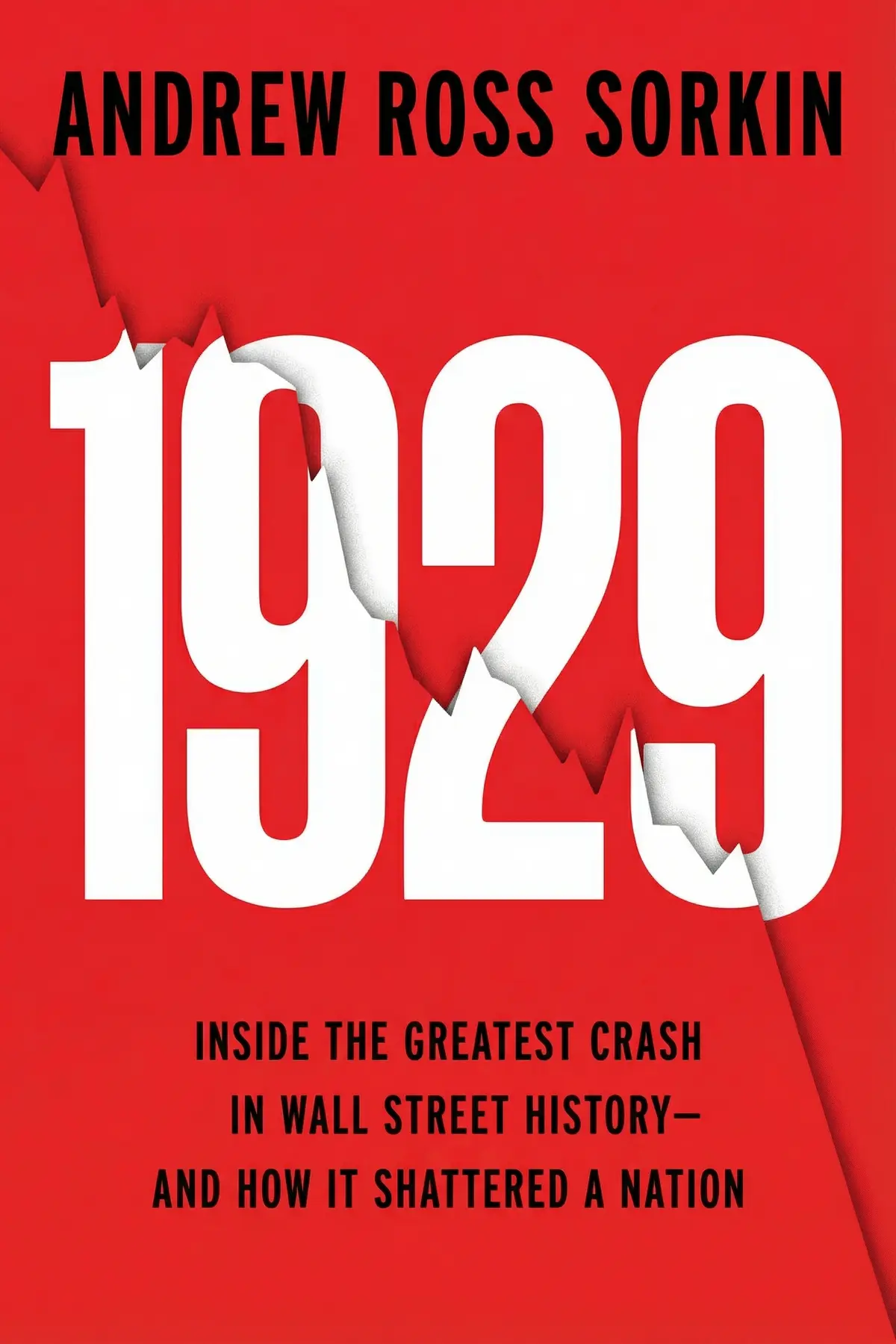
Andrew Ross Sorkin
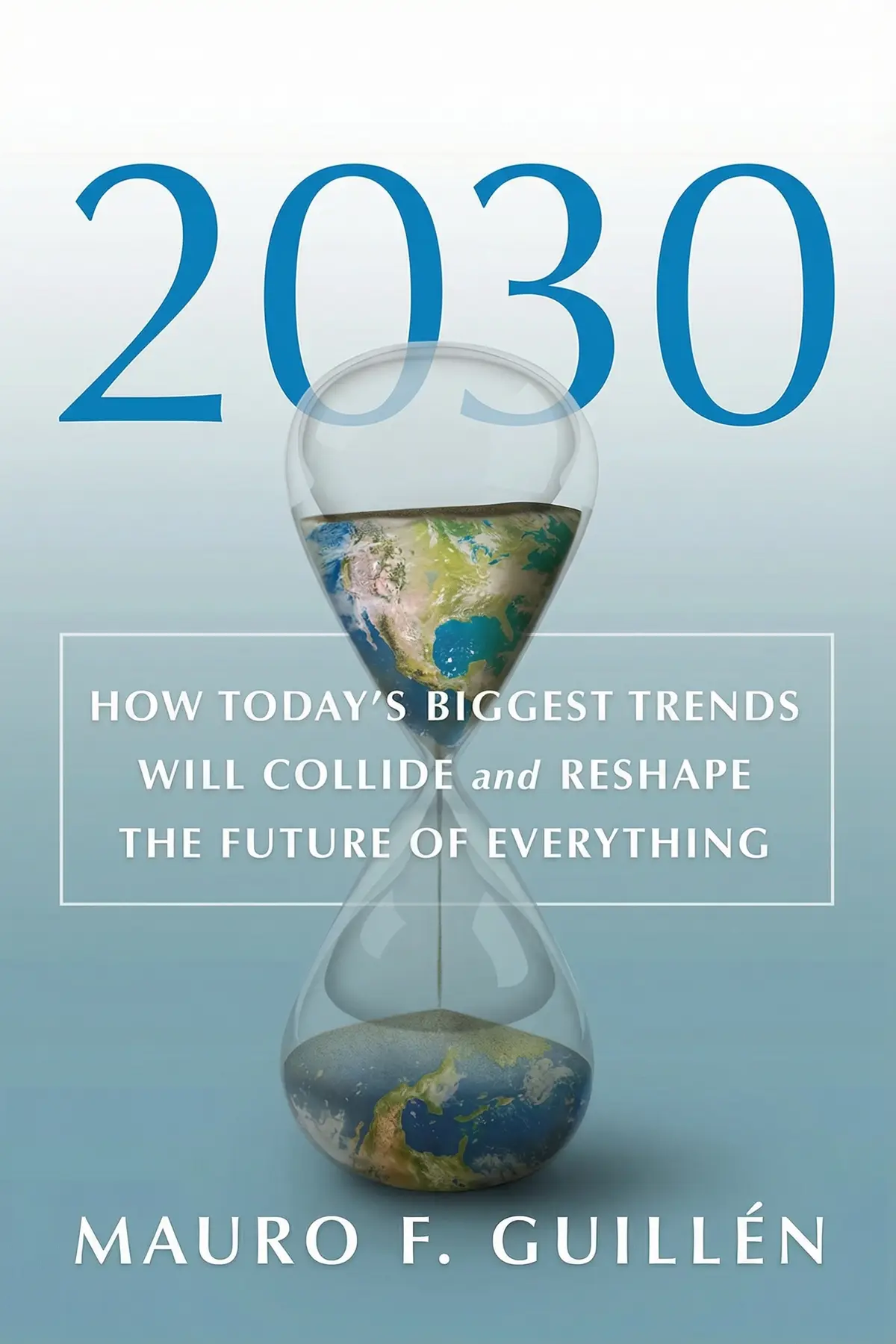
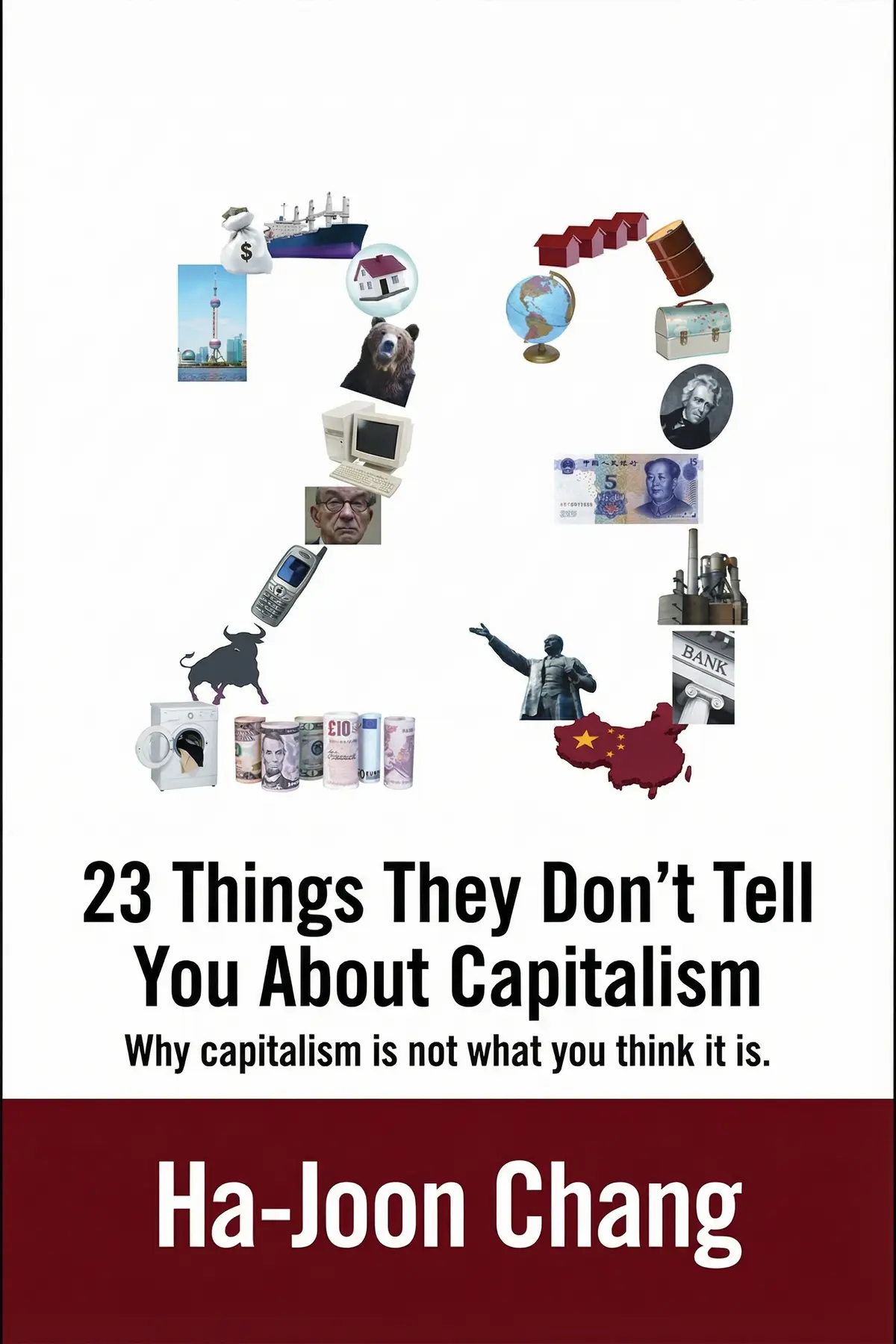
Ha-Joon Chang

Niall Kishtainy
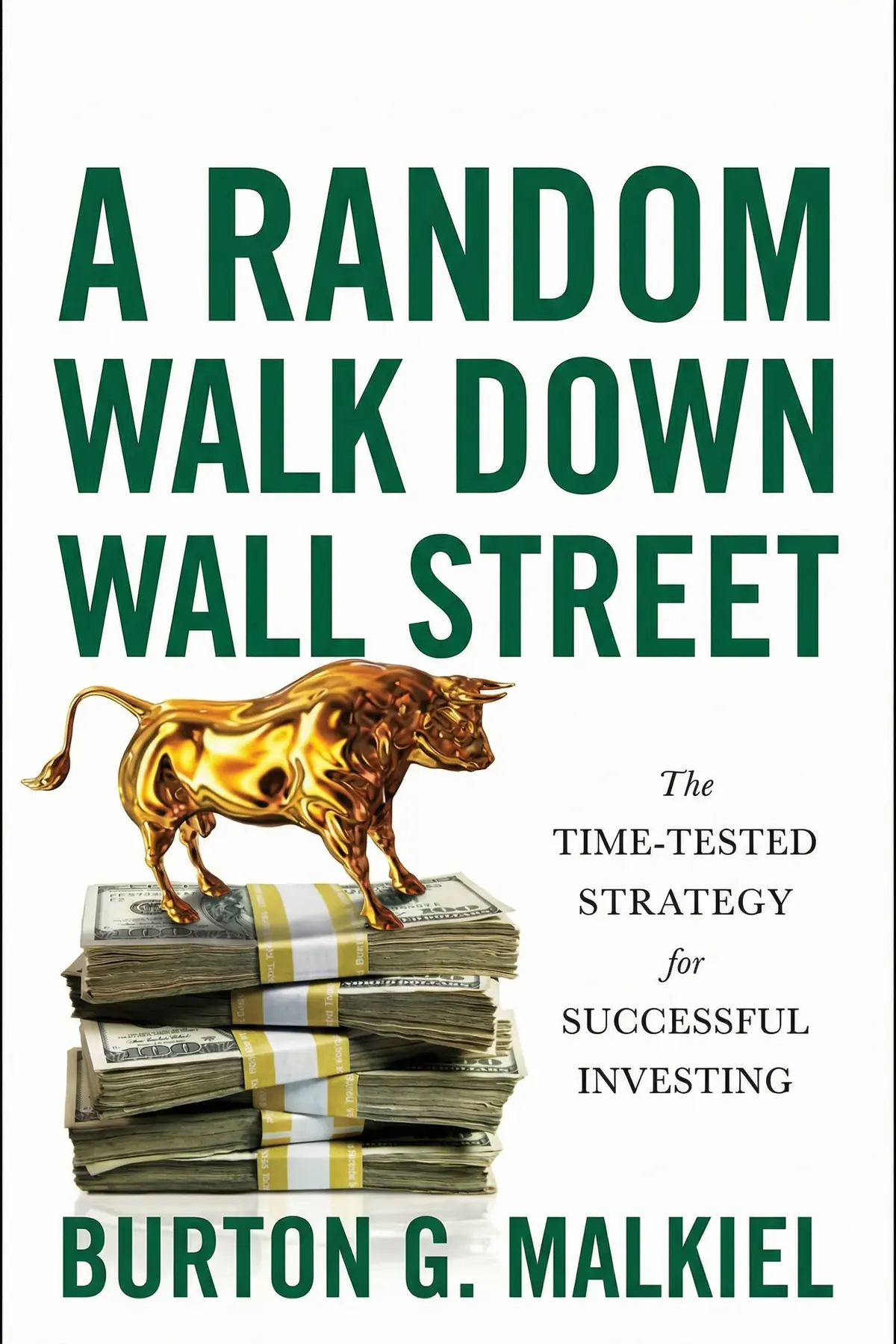
AUDIO SUMMARY AVAILABLE
Get the key ideas from Flash Boys by Michael Lewis, plus 5,000+ more titles in English and Thai.







