
24 min 58 sec
How Not to Die: Discover the Foods Scientifically Proven to Prevent and Reverse Disease
Explore the scientific evidence behind a plant-based lifestyle. This summary details how specific whole foods can prevent common chronic illnesses and improve your overall health-span through simple dietary shifts.
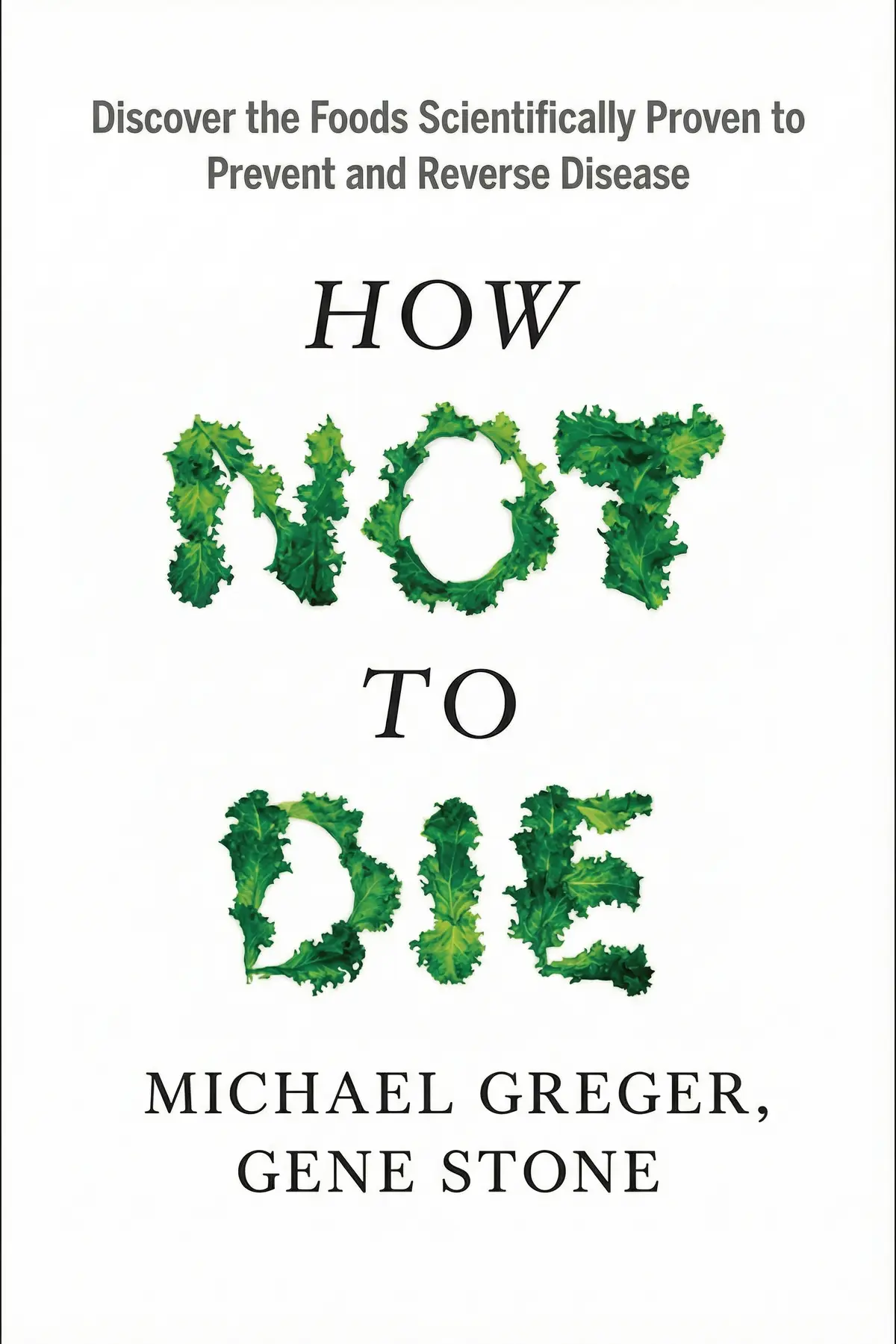
Table of Content
1. Introduction
1 min 32 sec
We often think of aging as an inevitable slide toward illness, assuming that the aches, pains, and chronic conditions of our later years are simply part of the human experience. But what if much of what we consider ‘natural’ aging is actually the result of decades of nutritional neglect? When we look at the way we eat today, it becomes clear that we are often fueling our bodies with the very substances that cause them to break down prematurely.
This isn’t just about fitting into a certain clothing size or following the latest social media trend. It is about the fundamental biological reality of how food interacts with our cells, our arteries, and our immune systems. The throughline of our journey today is that nutrition isn’t just a lifestyle choice; it is a primary form of preventative medicine. There is a vast body of scientific evidence suggesting that we have more control over our health destiny than we’ve been led to believe.
By the end of this summary, you’ll understand the specific roles that various food groups play in protecting your body. We will move past the confusing headlines and contradictory advice to look at what the peer-reviewed research actually says. We’ll explore why certain fruits are more powerful than others, how the way you prepare your vegetables can change their chemical makeup, and why the medical industry often overlooks these simple truths in favor of pharmaceutical interventions. You’re about to discover a roadmap for not just surviving, but thriving, by making informed choices at every meal. Let’s dive into the science of how not to die.
2. The Hidden Reality of Premature Death
2 min 39 sec
What if the diseases we fear most are not an inevitable part of aging, but rather a direct consequence of the modern diet that our medical system often ignores?
3. Reversing Chronic Conditions with Plants
2 min 30 sec
Discover why switching to a plant-based lifestyle might be more effective than the world’s best-selling drugs for healing your body and extending your life.
4. The Protective Power of Fruit and Berries
2 min 24 sec
Learn why the type of fruit you choose matters and how a simple berry could be your most powerful ally against inflammation and cancer.
5. The Essential Role of Vegetables
2 min 22 sec
Your parents were right about finishing your greens, but they might not have known about the DNA-protecting secrets hidden in your broccoli.
6. The Nutritional Foundation of Beans and Grains
2 min 25 sec
Discover how these humble pantry staples can stabilize your blood sugar for hours and significantly extend your life expectancy.
7. Harnessing the Benefits of Nuts and Seeds
2 min 14 sec
A small handful of the right nuts could do more for your cholesterol and heart health than a lifetime of avoidance.
8. Spices as Concentrated Medicine
2 min 21 sec
Your spice rack is more than just a source of flavor; it’s a pharmacy of potent antioxidants and anti-inflammatory compounds.
9. Optimizing Your Hydration Habits
2 min 11 sec
Not all liquids are created equal; learn why water is the gold standard and which common beverages you should avoid at all costs.
10. The Vital Synergy of Movement and Nutrition
2 min 22 sec
Even the best diet can’t completely undo the damage of a sedentary life. Learn the optimal amount of exercise needed for true longevity.
11. Conclusion
1 min 58 sec
As we reach the end of this exploration, the central message is clear: your health is, in many ways, an accumulation of the choices you make every single day. We have seen how the medical system often fails to prioritize the very foundation of wellness—nutrition—and how the standard Western diet contributes to the diseases that take our loved ones far too soon. But we have also seen the incredible power of the human body to heal and thrive when it is given the right tools. From the DNA-protecting properties of leafy greens to the life-extending potential of a simple bowl of beans, the evidence for a plant-based lifestyle is overwhelming.
Transitioning to this way of eating isn’t about deprivation; it’s about discovery. It’s about learning to use herbs and spices to create vibrant flavors that also serve as medicine. It’s about choosing whole grains and fruits that provide lasting energy and protection. By focusing on the ‘Daily Dozen’—that essential checklist of health-promoting foods and activities—you can take the guesswork out of your nutrition. You have the power to not only prevent the most common chronic illnesses but to actively invest in a future of vitality and strength.
Your next step is simple: start where you are. Incorporate one more serving of berries into your morning, add a handful of greens to your dinner, or swap out a sugary drink for a glass of water or a cup of hibiscus tea. Keep track of your progress and notice how your body responds. The journey to ‘not dying’ is really a journey toward truly living—with energy, clarity, and the peace of mind that comes from knowing you are doing the best you can for your body. The science is there, the roadmap is clear, and the best time to start is with your very next meal.
About this book
What is this book about?
Modern medicine is often geared toward treating symptoms rather than addressing the root causes of our most common killers. This summary explores the profound idea that what we put on our plates every day is the most powerful tool we have for maintaining our health. It challenges the conventional reliance on prescription drugs and highlights the often-overlooked nutritional evidence that can help us avoid the diseases that claim millions of lives each year. The promise of this guide is straightforward but life-changing: by adopting a diet centered on whole, plant-based foods, you can not only prevent the onset of chronic conditions like heart disease and diabetes but in many cases, actually reverse them. From the specific types of berries that boost your immune system to the spices that fight inflammation, you will discover a practical roadmap for longevity. Ultimately, it provides a comprehensive look at the 'Daily Dozen'—a checklist of foods and habits that provide the body with the defense it needs to thrive. It moves beyond calorie counting to focus on the biological impact of nutrition, offering a science-backed perspective on how to live a longer, more vibrant life.
Book Information
About the Author
Michael Greger
Michael Greger, MD, is a world-renowned physician, public speaker, and author who specializes in clinical nutrition. He is the founder of the popular website NutritionFacts.org and serves as the director of public health and animal agriculture at the Humane Society of the United States. Joining him is Gene Stone, an accomplished author known for his work on plant-based nutrition, including the well-known book Forks Over Knives.
Ratings & Reviews
Ratings at a glance
What people think
Listeners describe this guide as an accessible and thoroughly documented resource on nutrition, supported by strong scientific data. They value the actionable suggestions and the way it supports shifting dietary patterns, while one listener remarked that it revolutionized their health and well-being. It earns praise for its thorough exploration of plant-based diets and its power to encourage audiences to adopt more beneficial lifestyles.
Top reviews
Wyatt
After hearing Dr. Greger on a podcast, I decided to tackle this massive volume. It is essentially an encyclopedia of preventative medicine. The book is cleverly split into two halves: the first addresses the fifteen leading causes of death, while the second introduces the 'Daily Dozen' checklist. Truth is, the sheer volume of scientific citations is staggering and provides a level of credibility I haven't found in other diet books. I was particularly struck by the sections on heart disease and how simple dietary shifts can potentially reverse damage already done. While the book is thick, the writing style remains accessible and surprisingly witty for such a dense subject. It’s a life-changing resource for anyone tired of the confusing, conflicting nutritional advice usually found in mainstream media.
Show morePensri
Wow, this book didn't just change my grocery list; it changed my entire outlook on human longevity and the failures of our modern medical system. Dr. Greger’s story about his grandmother being sent home to die only to live another thirty years on a plant-based diet is incredibly moving. It’s frustrating to learn how little nutrition education doctors actually receive in medical school. This book fills that gap by providing actionable, evidence-based advice that empowers the reader to take control of their own health outcomes. The chapters are organized perfectly, allowing you to jump to specific ailments like hypertension or diabetes. Frankly, I think this should be mandatory reading for every high school student. It makes you realize that the most powerful tool for health isn't in a pharmacy, but in your refrigerator.
Show moreOn
As a nurse, I was shocked to realize how little my own professional education focused on the preventative power of food. We are trained to treat symptoms with pills and procedures, but Greger argues we should be treating the root cause of the illness. This book is a masterclass in nutrition science, yet it never feels like a dry textbook. He has a way of making complex biochemical processes understandable for the average person. I especially loved the sections on 'Green Light' vs 'Red Light' foods. It simplifies the decision-making process when you’re standing in the grocery aisle. Since implementing the 'Daily Dozen,' my energy levels have skyrocketed and my blood pressure has stabilized significantly. This is more than just a diet book; it is a blueprint for living a long, vibrant life.
Show moreAnchalee
This is the most comprehensive guide to eating for health that I’ve ever come across. I've read dozens of health books, but none are as meticulously cited as this one. The fact that all proceeds go to charity just adds to the author’s credibility in my eyes. He isn't trying to sell you a proprietary supplement or a branded meal plan; he just wants you to eat beans and greens. The book is divided into manageable sections, making it easy to digest the information in small chunks. I was particularly interested in the discussion on how certain spices, like ginger, can be as effective as prescription drugs for migraines. It’s empowering to know that small, inexpensive dietary changes can have such a profound impact on our physiology. Truly a must-read for everyone.
Show morePriya
Picked this up during a health scare and I am so glad I did. I was looking for a way to improve my cholesterol without relying solely on statins, and this book provided a clear path forward. The evidence regarding a plant-based diet's ability to clear arterial plaque is nothing short of miraculous. It’s a dense read, but the practical advice in the second half makes it worth the effort. I never knew that hibiscus tea could be as effective as blood pressure medication! Every page is packed with these kinds of 'aha' moments that keep you turning the pages. It’s a life-saving manual that I now gift to all my friends and family. My latest blood work is the best it’s been in twenty years, and I owe it to this book.
Show morePun
To be fair, there is a bit of data cherry-picking going on here to support a strictly vegan agenda. Dr. Greger is clearly brilliant, but he tends to ignore any studies that suggest moderate meat or dairy consumption might be okay. However, the core message—that we should all be eating significantly more whole plants—is backed by an incredible amount of research that is hard to ignore. Personally, I found the chapter on berries and their effect on brain health to be fascinating. The 'Daily Dozen' is a very practical way to track your intake without counting calories like a maniac. It’s not a perfect book, and you have to take some of the more extreme claims with a grain of salt. Still, I’ve started adding flaxseeds and turmeric to my morning routine because of this.
Show moreKofi
Finally got around to reading this nutrition 'bible' after it sat on my nightstand for months. I appreciate how Greger breaks down the 'why' behind every recommendation, using thousands of peer-reviewed studies to illustrate his points. My only gripe is that the tone can occasionally feel a bit repetitive, especially in the first half of the book. Each chapter follows a similar formula: disease description followed by the specific foods that combat it. That said, the information on how sulforaphane in broccoli can boost immune function was eye-opening for me. The transition to a plant-based lifestyle feels much more manageable when you understand the mechanics of how these foods protect your DNA. It’s a solid investment for your long-term health, even if you don't go 100% vegan immediately.
Show moreFelix
Ever wonder why we are told so many conflicting things about what to put on our plates? Dr. Greger pulls back the curtain on how the food industry influences nutritional science to protect their profits. It’s a bit depressing to realize how much of our health policy is dictated by corporate interests rather than public welfare. However, the book provides a hopeful alternative by showing us exactly what the independent science says. The advice on eating more amaranth and quinoa was new to me, and I’ve enjoyed experimenting with different whole grains. Some of the recipes he hints at sound a bit bland, but the nutritional logic is sound. I’m not fully vegan yet, but this book has definitely moved the needle for me and my family.
Show moreSarocha
The chapter on lung disease alone makes this worth the purchase price. As someone with a family history of respiratory issues, seeing the data on how certain vegetables can protect lung tissue was incredibly reassuring. Gotta say, the book is quite long and can feel a bit overwhelming if you try to read it all at once. I recommend using it more as a reference guide rather than a narrative. Dr. Greger’s voice is very prominent—he’s clearly passionate, which is great, but occasionally his jokes fall a bit flat. Regardless of the humor, the science is the real star here. It has fundamentally changed how I view my meals, transforming them from just calories into actual medicine. It's a high-quality resource for anyone serious about longevity.
Show moreKae
Look, I appreciate the enthusiasm for plants, but the tone can feel a bit like a religious crusade at times. Dr. Greger is a compelling writer, but I felt like he was beating me over the head with his 'eggs are as bad as cigarettes' analogies. Not everyone wants to be a strict vegan, and the book doesn't offer much middle ground for people looking for a balanced approach. In my experience, any diet that requires you to take a B12 supplement just to survive isn't exactly the 'natural' human diet he claims it to be. On the positive side, the information regarding the benefits of legumes and whole grains is very well-researched. I’ve certainly increased my vegetable intake since reading, but I found the fear-mongering about occasional animal products to be a bit excessive and unscientific.
Show more
Readers also enjoyed
AUDIO SUMMARY AVAILABLE
Listen to How Not to Die in 15 minutes
Get the key ideas from How Not to Die by Michael Greger, plus 5,000+ more titles in English and Thai.
- 5,000+ titles
- Listen as much as you want
- 7-day free trial
- Cancel anytime







