
Cooked: A Natural History of Transformation
Michael Pollan
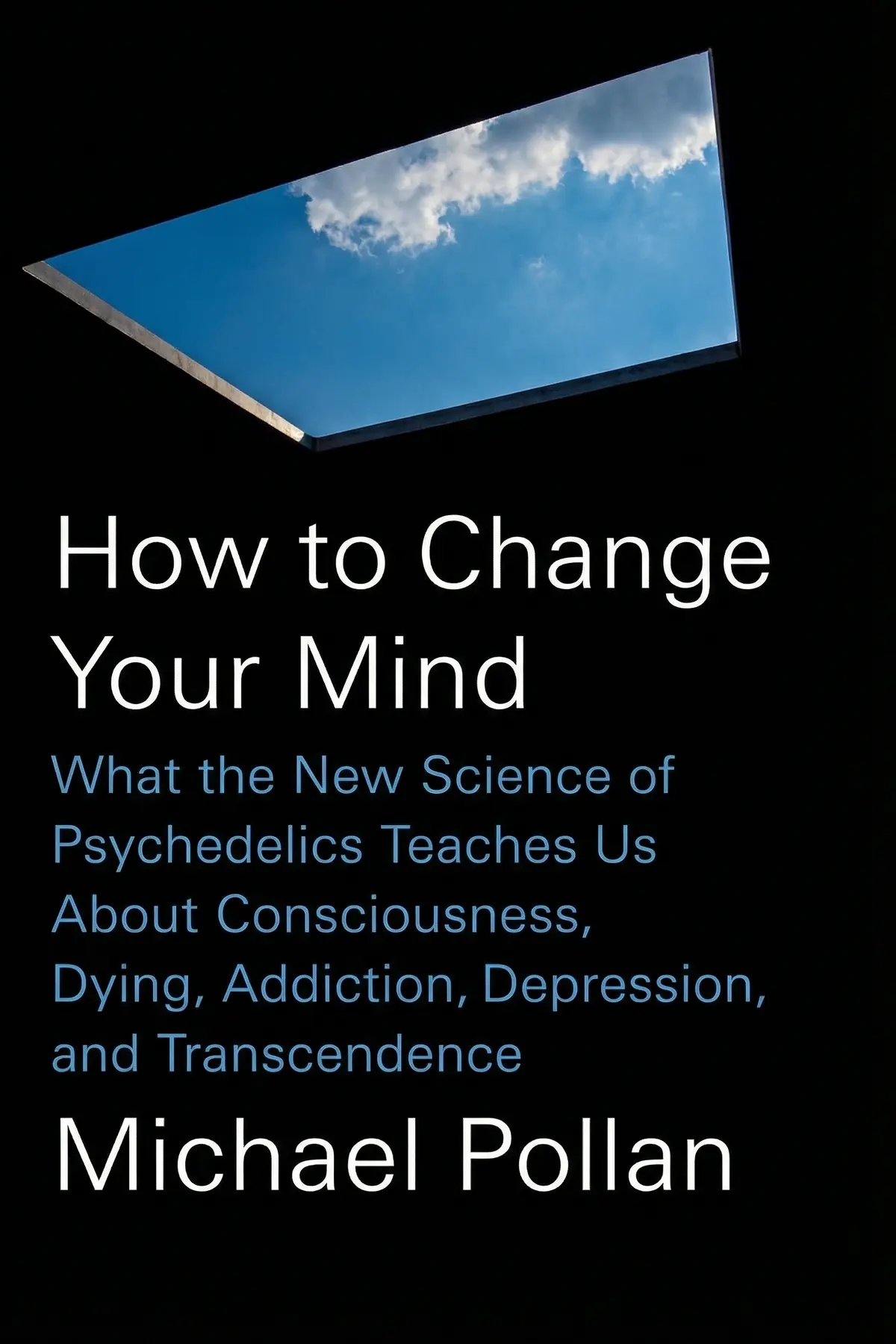
How to Change Your Mind explores the historical stigma, scientific resurgence, and profound therapeutic potential of psychedelics, revealing how these substances can reshape our understanding of consciousness, mental health, and the end of life.
2 min 12 sec
For decades, the cultural conversation surrounding certain substances was dominated by a very specific, very loud message. If you grew up in the latter half of the twentieth century, you likely remember the slogans: Just Say No, or the imagery of a brain being compared to a frying egg. The prevailing wisdom was simple—all illicit substances were equally destructive, inherently toxic, and a one-way ticket to a ruined life. This monolithic view left very little room for nuance, and it effectively shut down scientific inquiry into a class of compounds that had once shown immense promise in the field of psychiatry. We are talking about psychedelics: substances like LSD and the psilocybin found in certain mushrooms. For a long time, these were relegated to the fringes of society, viewed only as dangerous relics of the counterculture.
However, a quiet revolution has been taking place in laboratories and therapy rooms across the globe. Today, we are witnessing a dramatic shift in how both the law and the scientific community view these compounds. We are moving away from the era of blanket prohibition and toward an era of profound discovery. This isn’t just about recreation; it’s about a new understanding of how the human mind works and how it can be healed. In this summary, we will explore the fascinating journey of Michael Pollan as he investigates the history, the chemistry, and the lived experience of the psychedelic renaissance.
We will see how these substances are being used to help people break through the fog of depression, untether themselves from the grip of addiction, and find peace in their final days. The throughline of this exploration is the concept of a shifting perspective—how changing the way the brain communicates can fundamentally change a person’s life. We’ll look at the rigorous studies coming out of institutions like Johns Hopkins and the personal narratives of those whose lives have been altered by these experiences. By the end of this journey, you’ll understand why the scientific world is once again taking psychedelics seriously and what it means for the future of mental health and our understanding of what it means to be conscious. Let’s begin by looking at how the legal and scientific landscape started to thaw after decades of frozen progress.
2 min 37 sec
Discover how a landmark court case and a rigorous university study shattered decades of stigma, paving the way for a new era of psychedelic research.
2 min 22 sec
While psychedelics have deep origins in the natural world, identifying them requires extreme caution and expert knowledge to avoid fatal consequences.
2 min 18 sec
Learn why the environment and the presence of a guide are the most critical factors in turning a potentially scary trip into a therapeutic journey.
2 min 24 sec
Explore how the ritualistic elements of a psychedelic session, though seemingly strange, can lead to the profound melting away of the self.
2 min 18 sec
Peek inside the mind to see how psychedelics physically rewire brain communication, leading to the strange and wonderful phenomenon of synesthesia.
2 min 05 sec
See how a ‘cozy’ hospital room and a dose of psilocybin are helping terminal patients face their final days with newfound peace instead of terror.
2 min 21 sec
Find out why an astronaut’s view of Earth and a psychedelic journey are remarkably similar—and how both can help a person quit smoking for good.
2 min 05 sec
As we look back at the landscape we’ve traveled, it’s clear that our understanding of psychedelics has come a long way from the ‘Just Say No’ era. We have moved from a place of fear and misunderstanding to a new frontier of scientific rigor and profound human empathy. The throughline of this journey is the power of the mind to change its own structure and perspective. Whether it’s through the legal recognition of traditional rituals, the groundbreaking neuroscience of brain interconnectivity, or the deeply personal stories of those facing addiction and death, the evidence is mounting: these substances, when used with care, offer a unique key to the human psyche.
The key takeaway is that psychedelics like psilocybin and LSD are not just drugs in the traditional sense; they are tools for exploration and healing. They work by quieting the ego and allowing the brain to communicate in new, flexible ways. This ‘mental reset’ has shown incredible promise in treating some of our most persistent mental health challenges, particularly depression and addiction, and in providing peace to the terminally ill. The astronaut’s ‘overview effect’ is a perfect metaphor for this—by stepping outside of our narrow, everyday selves, we can see the bigger picture of our lives and our place in the world.
As we move forward, the actionable advice is clear: if you are interested in the potential of these substances, approach them with the same respect and intention that the modern researchers do. The most important lesson is that ‘set and setting’ are everything. These are powerful experiences that should be undertaken in safe, controlled environments with the guidance of experienced professionals. The recreational use of these drugs can be unpredictable and sometimes frightening, but within a therapeutic framework, they can be truly transformative. We are at the dawn of a new era in mental health, one where the things we once feared may become the very tools that help us find our way back to connection, meaning, and peace. The mind, it seems, is far more resilient and capable of change than we ever imagined.
This exploration dives deep into the once-forbidden world of psychedelic substances like LSD and psilocybin. It traces their journey from ancient traditional rituals to mid-century psychiatric breakthroughs, through the subsequent cultural backlash of the War on Drugs, and finally into the modern scientific renaissance. The narrative follows both the historical record and the author's own immersive experiences under supervised conditions. The core promise of the work is to demonstrate how these molecules, when used with intention and guidance, can serve as powerful tools for personal and clinical transformation. By quieting the parts of the brain responsible for the rigid ego, psychedelics allow for a state of heightened connectivity. This shift offers a new lens for addressing some of humanity’s most difficult challenges, including treatment-resistant depression, debilitating addiction, and the profound existential terror experienced by those facing terminal illness. It is a journey into the mechanics of the mind and the possibilities of human consciousness.
Michael Pollan is a highly regarded author and journalist whose work often explores the intersection of nature and culture. In 2010, Time magazine recognized him as one of the hundred most influential people in the world. His diverse body of work includes acclaimed titles such as The Botany of Desire, published in 2001, as well as In Defense of Food from 2008 and Food Rules in 2009. In addition to his writing, he shares his expertise as a professor of journalism at the University of California, Berkeley.
Michael Pollan

Michael Pollan
Michael Pollan
Michael Pollan
Michael Pollan
Listeners describe this work as a captivating exploration that deeply investigates research into psychedelics and their possible therapeutic advantages for mental health, especially regarding depression. The prose is characterized as introspective and academic, and listeners enjoy the way it examines the historical background of these substances. They find the material deeply stimulating, as one listener points out that it illustrates the ways in which psychedelics could serve the greater good of humanity.
After hearing Pollan on several podcasts, I finally dove into the full text. It is a scholarly, deeply researched investigation that manages to remain incredibly accessible for the layperson. He doesn’t just focus on the 'trip' stories; he dives into the messy history of the 1960s and why this research was buried for so long. The section on the Default Mode Network was a revelation, explaining exactly how these substances quiet the ego to allow for new neural connections. It’s a thought-provoking look at how we might treat depression and anxiety in the future. While some of the historical chapters felt a bit dense, the payoff is well worth the effort. It is rare to find a book that balances hard science with such a compelling narrative journey.
Show moreEver wonder what happens when your sense of self simply vanishes? Pollan explores 'ego dissolution' with the curiosity of a scientist and the humility of a beginner. The way he describes 'lantern consciousness'—that wide-open, childlike state of awareness—changed how I view my own mind. He makes a compelling case for the therapeutic use of psychedelics, especially for those facing terminal illness or deep-seated addiction. It’s refreshing to read a book on this topic that isn’t just hippie nonsense. Instead, we get a sober, self-aware account of how these molecules might actually save us from ourselves. Truth is, I haven't been this challenged by a nonfiction book in years.
Show moreThe most shocking part of this narrative isn't the trips themselves, but the tragedy of suppressed science. Pollan details how thousands of clinical papers were essentially erased due to the political panic of the 1960s. We could have been treating PTSD and alcoholism decades ago if not for that 'national disgrace.' His writing is clear and self-aware, and he handles the 'mystical' aspects of the experience without losing his journalistic integrity. It’s a heavy read at times because of the sheer volume of information, but it’s essential for anyone interested in the future of psychiatry. He manages to make the brain’s neurological functioning feel like a high-stakes adventure story.
Show morePollan manages to bridge the gap between hard science and the ineffable. I was captivated by his description of the 'Default Mode Network' and how it acts as a filter for our reality. When that filter drops, the world becomes a vivid panoramic illumination, much like how children perceive things. This book is a fascinating exploration of how we can break out of the rigid mental patterns that cause so much suffering. It’s thought-provoking and deeply compassionate toward those struggling with mental health issues. Personally, I found the chapters on the resurrection of research at Johns Hopkins to be the most hopeful thing I’ve read in a long time.
Show morePicked this up because a friend mentioned the potential for treating PTSD, and I was not disappointed. Pollan’s deep dive into 'psychedelic-assisted psychotherapy' is a game-changer for how we view the brain. He is very self-aware about his own fears and biases, which makes his journey feel very authentic and relatable. The history of the underground guides was particularly gripping. Not gonna lie, some of the sections on the history of LSD felt a bit long-winded, but the overall impact of the book is undeniable. It’s a scholarly, fascinating read that could actually change your perspective on life and how we handle death.
Show moreWow, what an eye-opener. I had no idea that LSD was used so successfully to treat alcoholism back in the 50s before it became a political football. Pollan does a brilliant job of explaining how these substances allow for a 'reset' of the brain's internal architecture. His personal accounts are grounded and honest, lacking the over-the-top evangelical fervor you often see in this genre. It’s a fascinating, deeply researched book that makes a powerful case for the medicinal value of these long-stigmatized plants and chemicals. Truly a transformative piece of nonfiction that everyone should read.
Show moreThis book is a massive undertaking, but to be fair, it’s probably fifty pages too long. Pollan is an excellent journalist, though his writing style is more 'smart dad' than 'visionary poet.' He meticulously documents his own experiences with LSD and psilocybin, providing a grounded perspective that balances out the wilder claims of figures like Timothy Leary. I particularly enjoyed the discussion on Al Hubbard—a character I’d never heard of before. My only gripe is that it can get repetitive, especially when he circles back to the history of the 50s research. Still, it’s a vital contribution to our understanding of mental health and human consciousness. It definitely makes you question the status quo regarding pharmacological tools.
Show moreAs someone who generally avoids drug culture, I found Pollan’s 'square' perspective to be exactly what I needed. He approaches the world of psychedelics with a healthy dose of skepticism, which makes his eventual transformation all the more believable. The book does an incredible job of separating the science from the stigma. Gotta say, he can be a bit hard on Leary while perhaps being too soft on characters like Al Hubbard, but the overall narrative is fascinating. It’s a scholarly look at a taboo subject that actually makes a strong case for why we need to change our laws. It’s not a manual on how to trip, but a manifesto on why we should be allowed to.
Show moreFrankly, I expected something more poetic given the subject matter. Instead, Pollan gives us a very clinical, almost dry account of his experiences. He spends an enormous amount of time on the history of the movement, which is interesting, but it often slows the pacing to a crawl. The description of his time with the Sonoran Desert toad was a highlight, but even then, his prose feels a bit too guarded to truly capture the mood. It’s informative and scholarly, no doubt about that. However, if you're looking for an evocative memoir that captures the spiritual 'wow' factor, you might find this a bit too much like a long-form magazine essay that overstays its welcome.
Show moreLook, I appreciate the research that went into this, but the book is just plain boring. Pollan lacks the wit or the 'nicety of style' to make such a subjective topic come alive on the page. He flattens these mind-bending experiences into something that feels like a chemistry lecture. He also seems incapable of evoking a real mood; he’s too stuck in his 'scientific materialist' mindset to truly let go. By the time he got to the toad venom, I was already checking how many pages were left. It is a great commercial success, sure, but it's a missed opportunity for a truly daring narrative. It felt more like work than a revelation.
Show more
J. Craig Venter
Carl Zimmer
Bill Bryson
Jeff Hawkins

Leanne Maskell
AUDIO SUMMARY AVAILABLE
Get the key ideas from How to Change Your Mind by Michael Pollan, plus 5,000+ more titles in English and Thai.







