
Cooked: A Natural History of Transformation
Michael Pollan
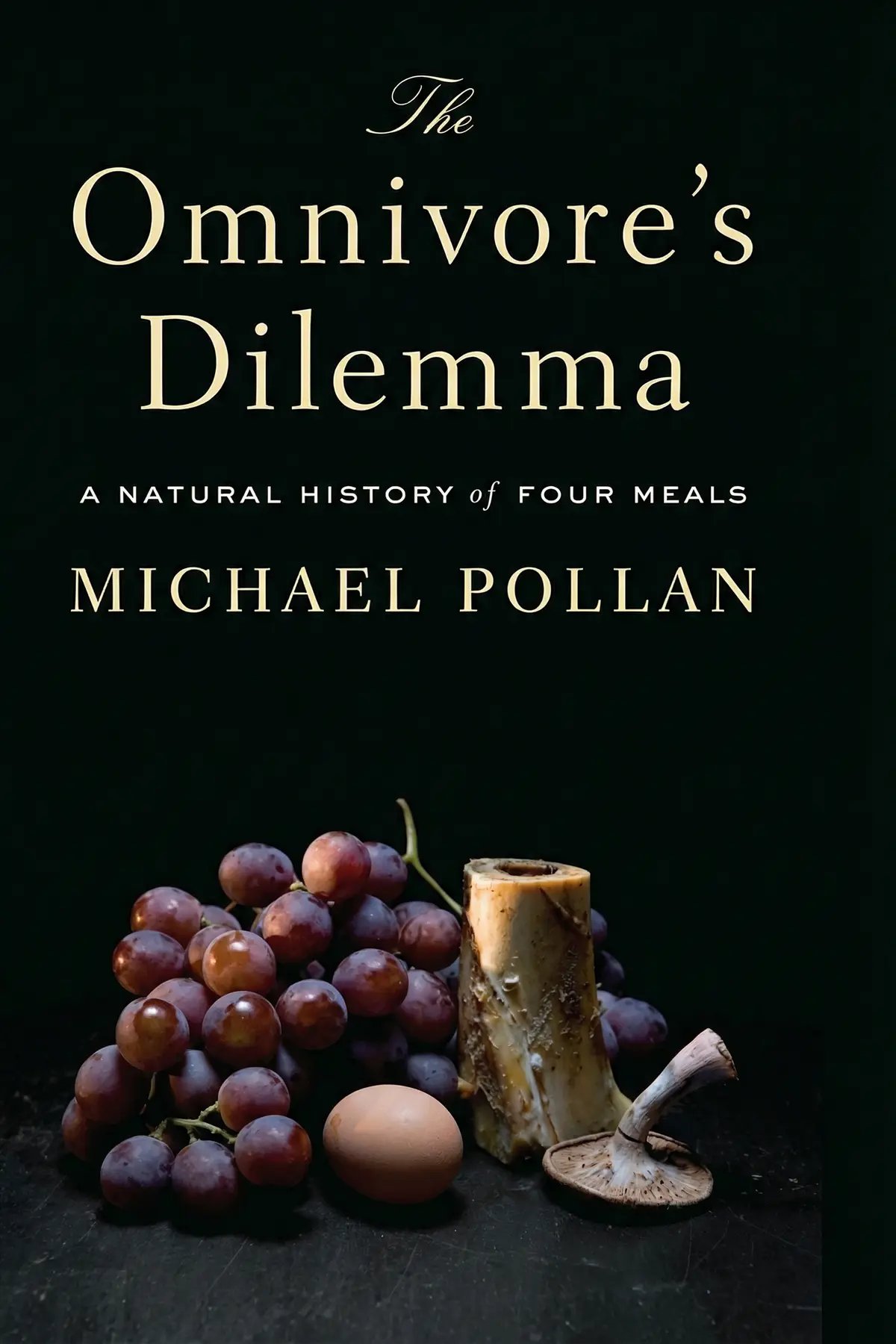
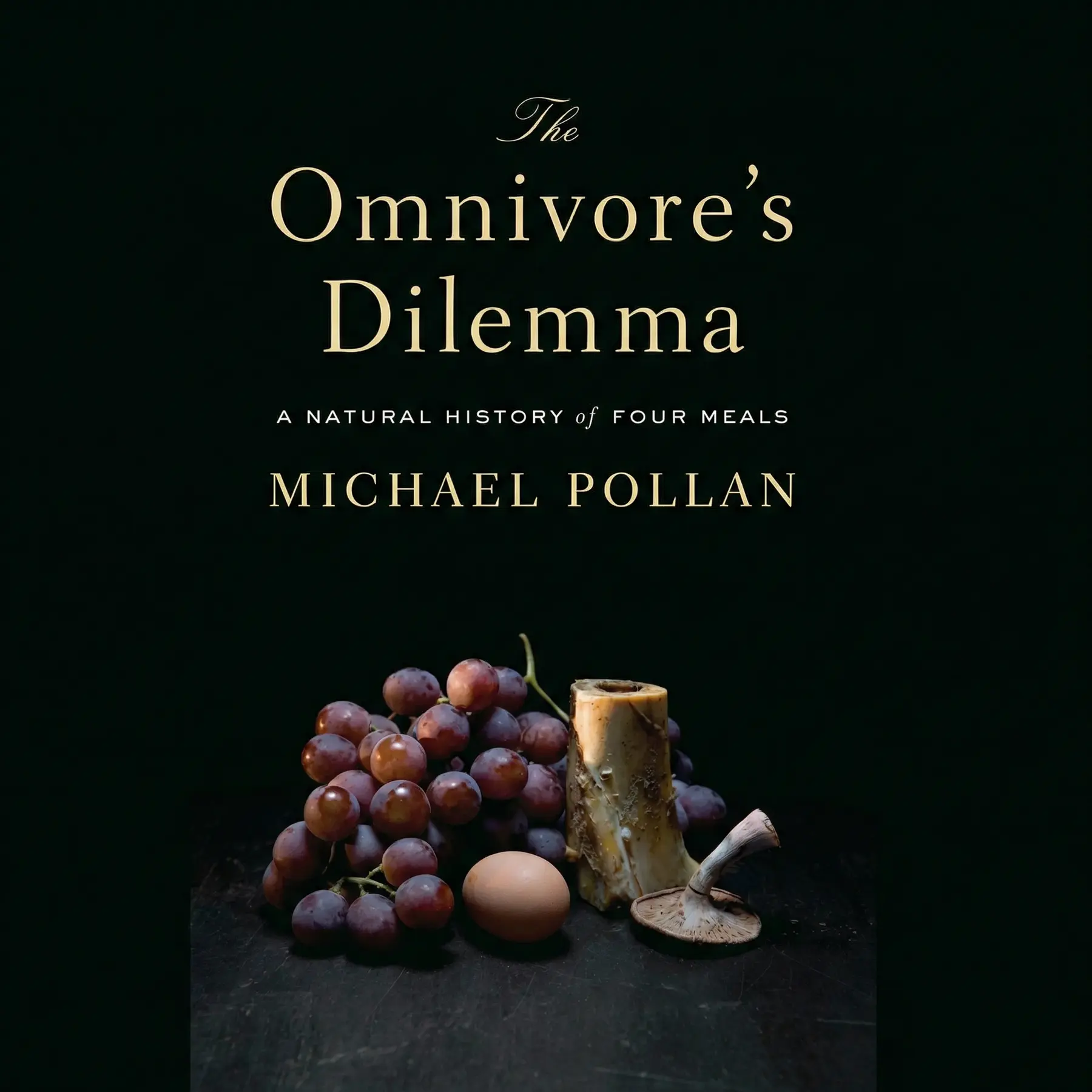
The Omnivore's Dilemma explores the complex paths our food takes from the field to our plates, examining the environmental, ethical, and health consequences of the modern industrial food system.
1 min 31 sec
Every time we sit down to a meal, we are participating in a complex global drama, yet most of us have lost the script. In the modern world, the simple act of eating has become a source of profound confusion. This is what we call the omnivore’s dilemma. Because humans can eat almost anything, we are perpetually faced with the question: out of all the possibilities in nature, what should we actually consume?
In the past, this wasn’t a problem. Our ancestors were guided by the seasons, the local landscape, and the traditions handed down through generations. If a mushroom was in season, you ate it; if a berry was known to be poisonous, you avoided it. Today, however, that natural rhythm has been replaced by a dizzying array of neon-lit supermarket aisles filled with products that often bear little resemblance to their original ingredients. We are surrounded by abundance, yet we have never been more uncertain about the impact of our choices on our health, our ethics, and the planet.
In this exploration, we’re going to trace the hidden connections between the soil and the supermarket. We’ll look at how a single crop came to dominate our entire food system, how the quest for efficiency has changed the lives of animals, and why the labels we trust might not mean what we think they do. By understanding the true history of our meals, we can begin to resolve the dilemma and find a more sustainable way to nourish ourselves.
1 min 13 sec
Discover why having endless food options at our fingertips has actually made deciding what to eat more stressful and complicated than it was for our ancestors.
1 min 22 sec
Explore the trade-offs we’ve made to ensure food is cheap and plentiful, and how these shortcuts impact the world around us.
1 min 28 sec
Learn how a single, highly adaptable grain became the foundation of the entire industrial food chain through government intervention and biological resilience.
1 min 28 sec
Understand the clever strategies companies use to hide surplus corn in your favorite snacks to overcome the limits of the human stomach.
1 min 22 sec
Delve into the industrial facilities where animals are treated like machines to produce meat at the lowest possible price.
1 min 19 sec
See how feeding corn to animals that aren’t meant to eat it creates a cycle of disease that threatens both animal and human health.
1 min 23 sec
Uncover how the ‘organic’ movement has changed as it moved from small-scale farms into the aisles of giant supermarket chains.
1 min 11 sec
Discover the sustainable power of grass-based agriculture and how management-intensive grazing can heal the land.
1 min 12 sec
Find out why buying locally is about more than just freshness—it’s about transparency, accountability, and community resilience.
1 min 23 sec
In the end, our food choices are about more than just nutrition; they are a reflection of our relationship with the natural world. We have seen how the industrial system, driven by a surplus of cheap corn and a desire for efficiency, has created a world of hidden costs and biological risks. We’ve also seen how even well-intentioned movements like ‘organic’ can be diluted when they are forced into an industrial mold.
The throughline of our exploration is that transparency is the antidote to the omnivore’s dilemma. The further we are from the source of our food, the easier it is to ignore the ethical and environmental consequences of what we eat. By seeking out local, sustainable food chains, we can regain control over our plates. We can choose meat from animals raised on grass, produce grown in healthy soil, and meals that reflect the seasons.
The next time you find yourself in that crowded supermarket aisle, remember that you have the power to vote with your fork. Opting for the local farmers’ market or a community-supported agriculture program isn’t just a lifestyle choice—it’s a step toward a more resilient and honest food system. By choosing to know the story behind our meals, we can finally turn the act of eating back into a source of health and connection, rather than confusion.
Have you ever stood in a grocery store aisle, paralyzed by the sheer volume of choices? This book addresses that very anxiety, which Michael Pollan identifies as the core challenge for modern humans. The narrative traces four distinct food chains—the industrial, the industrial-organic, the local-sustainable, and the hunter-gatherer—to reveal where our meals actually come from. By following the journey of a single bushel of corn or a calf raised in a massive feedlot, the book promises to peel back the curtain on the hidden realities of the food industry. You will learn why corn dominates the American diet, how the term 'organic' has been co-opted by large corporations, and why returning to traditional grazing methods might be the key to ecological health. It’s a deep dive into the ethics of eating, offering a path toward making more conscious and sustainable dietary decisions.
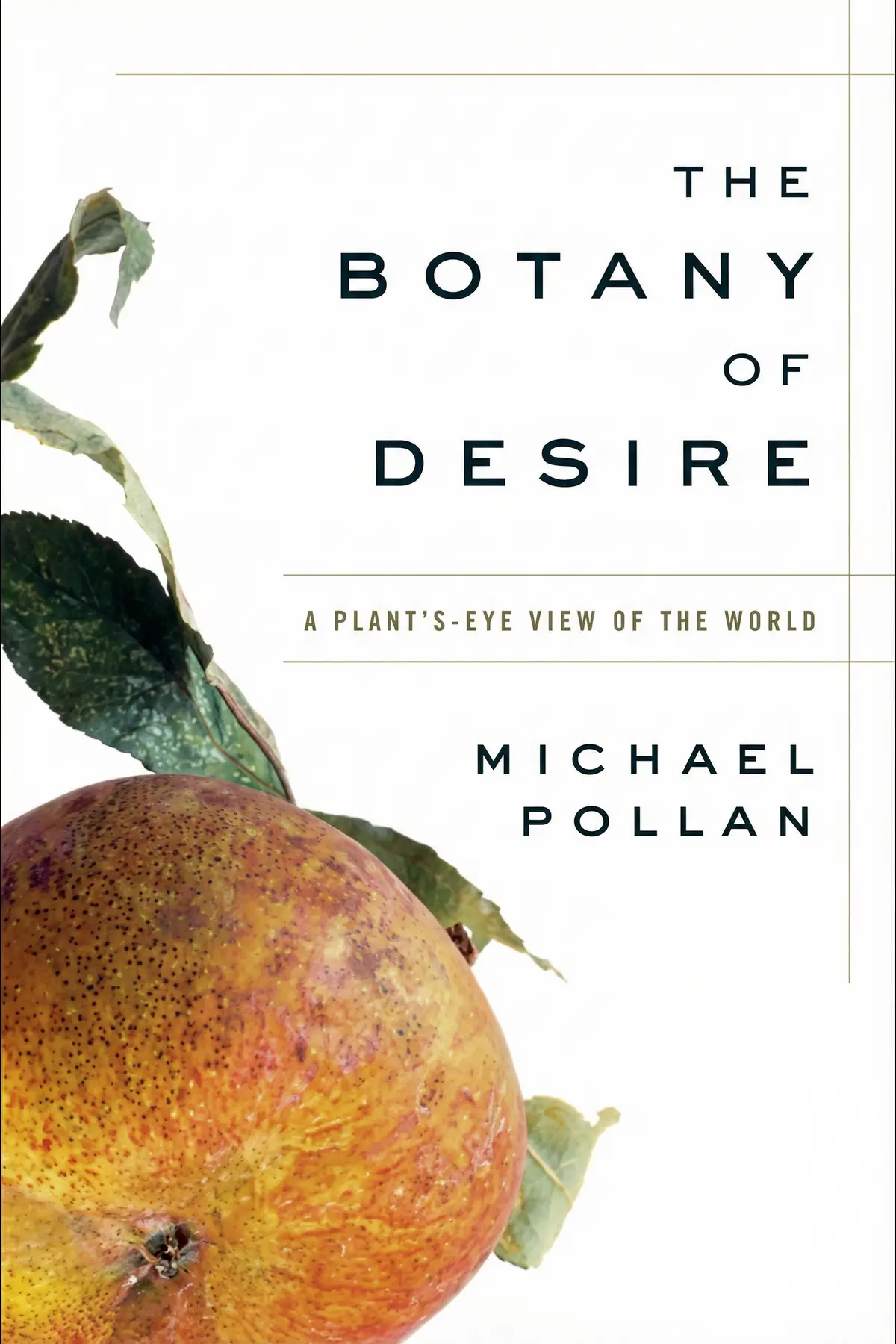
Michael Pollan is a prominent American journalist and a professor at the UC Berkeley Graduate School of Journalism. His other works include In Defense of Food: An Eater’s Manifesto and The Botany of Desire: A Plant’s-Eye View of the World.
Michael Pollan
Michael Pollan
Michael Pollan
Michael Pollan
Listeners find this work essential for any eater, lauding the thoroughly documented research and accessible, friendly tone. It is described as deeply stimulating, with one listener explaining how the content prompted a transformation in their own diet. Beyond that, the audience values the insights into the food supply chain, and one review emphasizes the detailed look at various American food sources. The narrative is well-regarded for its compelling plot and first-person account.
Picked this up knowing it was a classic, but I didn’t expect it to completely rewire how I look at a grocery store aisle. The way Pollan traces the 'industrial' food chain back to a single stalk of corn is nothing short of masterclass journalism. It’s a bit frightening to realize how much of our diet is just processed maize in different costumes, from the soda to the chicken nuggets. Personally, I found the conversational tone very accessible, even when the science of nitrogen fertilizers got dense. Truth be told, it’s a wake-up call that doesn’t just preach but actually explains the 'why' behind our broken system. Every person who eats should probably read this at least once in their life.
Show moreThis book is a journey through the hidden life of our meals that I won't forget anytime soon. After finishing it, I spent twenty minutes just staring at a box of cereal in the pantry, reading the ingredients like they were a crime scene report. Pollan’s first-person perspective makes the investigative journalism feel like a personal adventure rather than a dry lecture. I was particularly fascinated by the 'pastoral' section, which highlights how animals and plants can work in a beautiful, symbiotic cycle. It’s rare to find a writer who can make the nitrogen cycle and cow digestion so genuinely engrossing. Frankly, the narrative quality is top-tier, and it helped me understand the complexity of our food system without feeling totally overwhelmed by despair.
Show moreThe chapter on mushrooms was surprisingly my favorite part of the entire book. Pollan manages to capture the mystery and the strange 'lunar' energy of foraging in a way that feels almost magical. It’s a sharp contrast to the sterile, industrialized world of corn-based products he describes in the first third. I appreciate how he doesn't just give easy answers; he shows that 'organic' isn't always as green as we hope it is. In my experience, most books on this topic are either too academic or too emotional, but he strikes a perfect balance. The narrative flows smoothly, and the conversational writing style makes even the complex economics of government subsidies easy to grasp. This is essential reading for anyone curious about the ethics of their dinner plate.
Show moreFinally got around to this and I can see why it’s considered a must-read for the modern era. The deep dive into the American food system is comprehensive, covering everything from the chemistry of soil to the sociology of eating in cars. I was stunned to learn that one in five American meals are eaten in a vehicle; that statistic alone is enough to make you rethink your lifestyle. Pollan’s exploration of Polyface Farm was the highlight for me, showing a viable, though difficult, path toward sustainable agriculture. It’s a beautifully written book that manages to be both informative and deeply engaging. Personally, it inspired me to be much more mindful about where my food comes from and what it actually costs the planet. Definitely worth the time.
Show moreGotta say, the way this book connects the dots between government policy and the obesity epidemic is brilliant. Pollan shows how we’ve been subsidized into a diet that is literally killing us while destroying the environment. The distinction between 'industrial organic' and 'local' was a major epiphany for me as a consumer. While some people find his hunting trip self-indulgent, I thought it served as a necessary extreme to show what total food consciousness looks like. It’s not a lifestyle he expects everyone to adopt, but a lens through which to view our own convenience-driven choices. The writing is sharp, the research is impeccable, and the first-person perspective keeps the pages turning. It’s easily one of the most impactful nonfiction books I have picked up in years.
Show moreEver wonder why 'organic' labels feel like a marketing scam lately? Pollan dives deep into the rise of 'Big Organic,' showing how companies like Earthbound Farms have industrialized the very movement meant to oppose industrialization. While I loved his previous book, The Botany of Desire, this one feels more urgent and politically charged. My only real gripe is the final section where he goes hunting for a wild boar; the prose gets a little too self-indulgent for my taste. Look, he’s a great storyteller, but sometimes he wanders into 'middle-aged man finding himself' territory for a few too many pages. Still, the section on Polyface Farms and Joel Salatin’s rotational grazing is absolutely brilliant and provides a glimmer of hope. It’s a solid read that will definitely change your shopping habits.
Show moreAfter hearing everyone rave about this for years, I finally dove in and found a lot to appreciate. The way he follows a single steer from a CAFO to the plate is heartbreaking and necessary for any meat-eater to witness. It really highlights the true cost of 'cheap' food that we don't see at the cash register. I’ll admit the hunting chapter felt a bit long-winded, and his poetic descriptions of shooting a pig were a bit much for me. But the core message about consciousness in eating is something we desperately need in our fast-food-obsessed culture. Not gonna lie, I’m definitely going to be looking for local farmers' markets more often now. It’s a thought-provoking piece of work that balances grim reality with a dash of optimism.
Show moreAs someone who cares about sustainability, I found this book to be an invaluable resource. The breakdown of how corn has essentially colonized the American supermarket is both fascinating and terrifying to contemplate. I did find the narrator of the audiobook a bit too smug, which colored my view of some sections. But reading the text itself, you can tell Pollan is genuinely curious and willing to get his hands dirty. Truth is, the book doesn't offer a simple 'buy this, don't buy that' guide, which might frustrate some people looking for a quick fix. Instead, it forces you to sit with the complexity of being an omnivore in a globalized world. It’s a dense but rewarding read that I’ve already recommended to several friends.
Show moreNot what I expected after all the hype, though it’s certainly well-researched. Pollan spends a massive amount of time justifying his choice to remain an omnivore, which felt a bit like he was trying to convince himself more than the reader. His dismissal of vegetarianism as 'not grounded in reality' seemed dismissive of millions of people who have lived that way for centuries. To be fair, the section on the McDonald’s meal was eye-opening and the statistics about corn-fed beef are truly harrowing. However, the book feels like it’s written by someone with a lot of leisure time and money, which makes some of his 'solutions' feel out of reach for the average person. It’s an interesting intellectual exercise, but the tone can be quite preachy at times.
Show moreWow, I guess I'm in the minority here because I found this incredibly frustrating. Pollan writes like a typical tenured professor who has never had to worry about a grocery budget in his life. He spends hours waxing poetic about his 'perfect meal' of hunted boar and foraged chanterelles, which is completely useless for 99% of the population. Also, his treatment of animal ethics is basically him saying 'I like meat, so I'll find a philosopher to tell me it's okay.' It felt very self-serving and lacked any real solutions for people living in food deserts. If you want a book that actually addresses animal cruelty without the masturbatory prose, read Eating Animals instead. To be fair, the corn stuff was informative, but the rest was just a middle-aged guy playing woodsman.
Show more
Elisabeth Rosenthal
Carl Safina
AUDIO SUMMARY AVAILABLE
Get the key ideas from The Omnivore’s Dilemma by Michael Pollan, plus 5,000+ more titles in English and Thai.







