
Cooked: A Natural History of Transformation
Michael Pollan
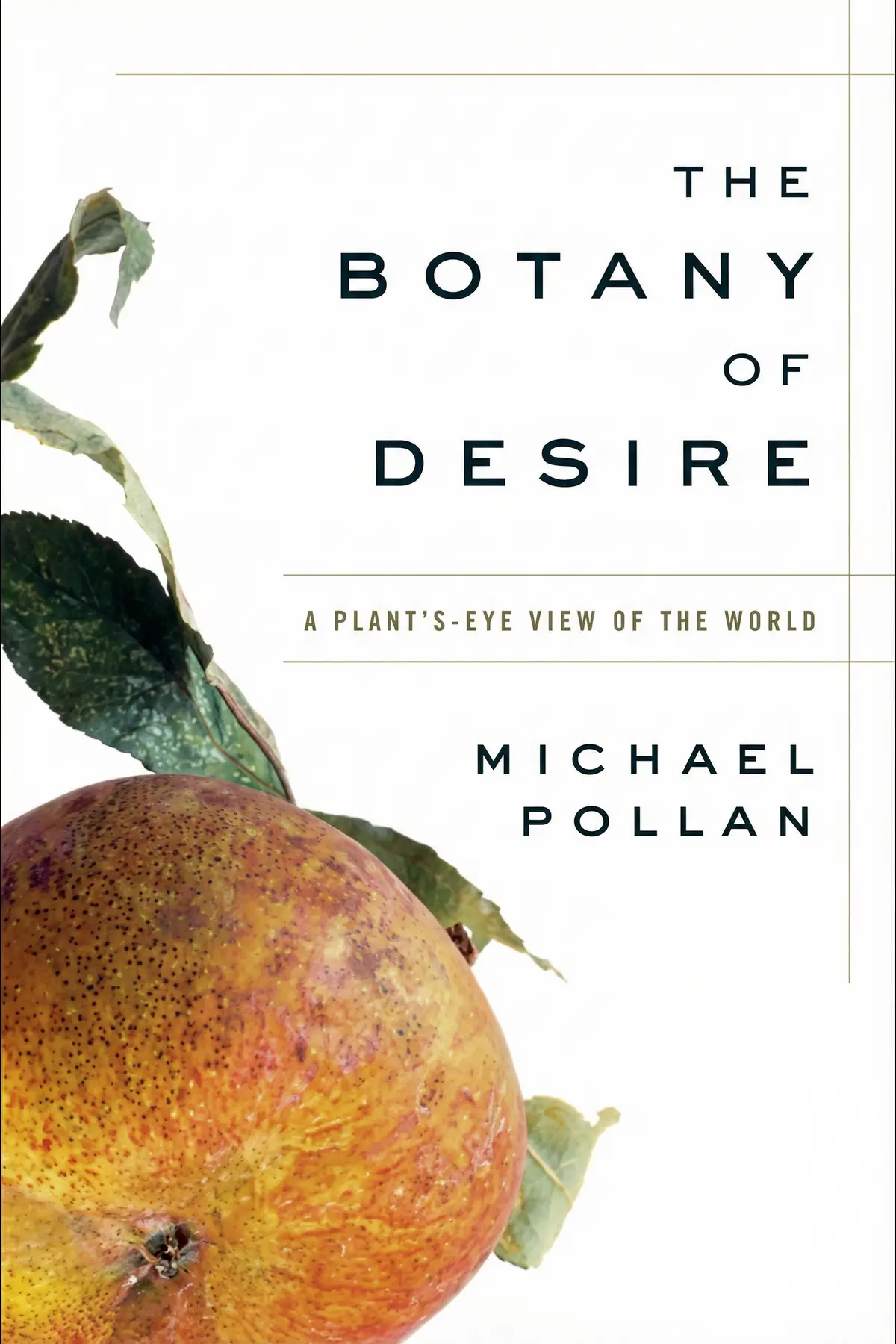
Michael Pollan explores the intricate evolutionary dance between humans and plants, revealing how the apple, tulip, marijuana, and potato have manipulated our fundamental desires to ensure their global success and survival.
1 min 44 sec
Imagine you are standing in a lush, vibrant garden. To the untrained eye, it looks like a collection of passive objects—flowers that wait for you to admire them, fruits that wait for you to pick them, and trees that stand silently while you decide where to plant the next one. We often view ourselves as the masters of this domain, the subjects who act upon the world while the plants are merely the recipients of our attention. But what if we have it backwards? What if the plants are actually the ones calling the shots, using us as a clever survival strategy to ensure their genes move into the future?
This is the central, provocative premise behind Michael Pollan’s exploration of the natural world. He suggests that we are not just gardeners, but also the tools of the garden. In this summary, we are going to look at the world from the perspective of the plants themselves. We will see how they have managed to hack into our most fundamental human desires—our hunger for sweetness, our obsession with beauty, our urge for intoxication, and our need for control.
Through the lenses of four very different species—the apple, the tulip, marijuana, and the potato—we will discover how these organisms have co-evolved with us. We’ll learn how they’ve traveled across oceans and through centuries by making themselves indispensable to our lives. This isn’t just a story about nature; it’s a story about the deep, symbiotic connections that define our existence. By the end, you may never look at a supermarket aisle or a flower bed the same way again. You’ll see that every time we choose to plant a seed, we are participating in a grand evolutionary bargain that serves the plant just as much as it serves us.
1 min 54 sec
Humans think they are the masters of the garden, but plants might be the ones truly in charge by using us to spread their genes.
1 min 56 sec
The legendary journey of the apple through early America reveals how one man’s business sense helped a species conquer a new continent.
1 min 45 sec
Modern agriculture has traded genetic diversity for consistent sweetness and beauty, leaving our crops vulnerable to unforeseen threats.
1 min 49 sec
A single flower once nearly bankrupted a nation, proving that the human obsession with beauty is a force of nature.
1 min 41 sec
The war on drugs had an unexpected side effect: it forced cannabis to evolve into a far more potent and resilient plant.
1 min 37 sec
Scientific discoveries in the 20th century revealed that our brains are naturally ‘wired’ to respond to the compounds found in cannabis.
2 min 01 sec
The potato ended European famines and changed the map of global power, but our current desire for control brings new risks.
1 min 34 sec
In the end, Michael Pollan’s journey through the lives of these four plants brings us to a humbling conclusion. We are not the masters of nature that we often pretend to be. Instead, we are active participants in a vast, interconnected web of life where the lines between the ‘human’ world and the ‘natural’ world are beautifully blurred. The apple, the tulip, the cannabis plant, and the potato have all found ways to thrive by mirroring our own deep-seated desires back at us. They have flourished because they made us want them, and in doing so, they have convinced us to become their stewards, their protectors, and their pollinators.
This shift in perspective—viewing the world from a plant’s-eye view—is more than just a clever thought experiment. it is a vital reminder of our ecological responsibility. When we realize that our desires are the very tools that plants use to survive, we can see how much we depend on them for our own well-being and cultural identity. The next time you enjoy a crisp apple, admire a bouquet of flowers, or consider the origins of your dinner, remember that you are part of an ancient and ongoing conversation. The garden is not a silent place; it is a bustling marketplace of desires, where every seed planted is a testament to the enduring bond between humans and the flora that sustains us. We don’t just cultivate the garden; the garden cultivates us.
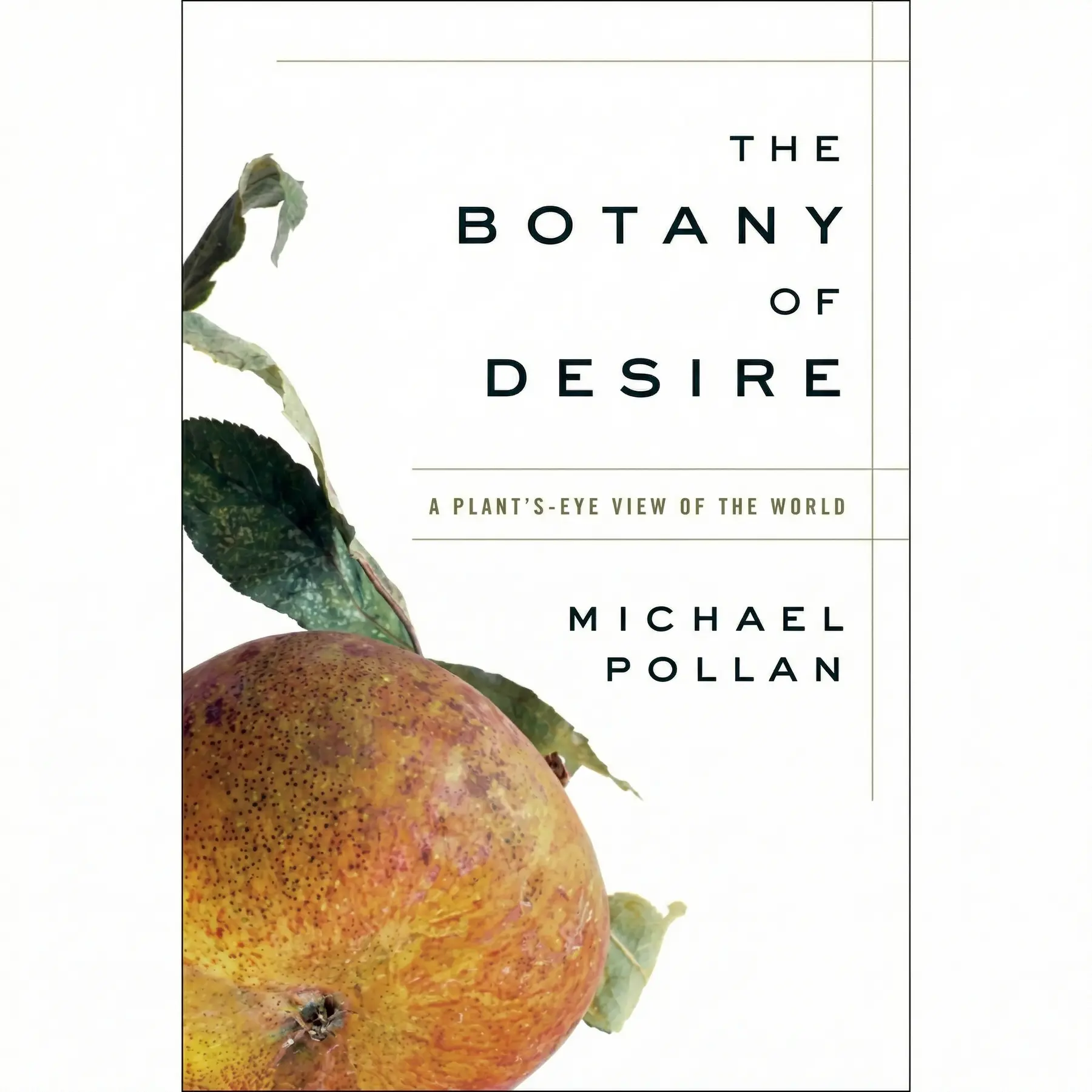
The Botany of Desire offers a radical shift in perspective, inviting readers to view the world from a plant’s-eye view. Instead of seeing humans as the undisputed masters of nature, Michael Pollan suggests we are part of a reciprocal relationship where plants use us just as much as we use them. By catering to our basic cravings for sweetness, beauty, intoxication, and control, certain species have convinced us to spread their seeds, protect their habitats, and even engineer their genes. Through four captivating historical narratives, the book examines how the apple provided sugar on the American frontier, how the tulip sparked a financial revolution in Holland, how cannabis reshaped our understanding of the human brain, and how the potato changed the course of European history. This summary delves into the co-evolution of species, showing how our deep-seated desires have been the primary tools used by the botanical world to thrive alongside us, ultimately challenging our assumptions about who is really in charge of the garden.
Michael Pollan is a celebrated author and a professor of journalism at UC Berkeley. He has written several influential works, including In Defense of Food, Food Rules, and The Omnivore’s Dilemma. The latter was honored by The New York Times as one of the Ten Best Books of 2006. His writing often focuses on the complex relationship between humans and the natural world.
Michael Pollan
Michael Pollan
Michael Pollan
Michael Pollan
Listeners find this work both captivating and thoroughly documented, noting its intriguing details on apples and its approachable, narrative tone. Furthermore, the text provides remarkable observations regarding our bond with the botanical world, with listeners specifically enjoying the way it intertwines histories of four everyday species. They also prize its distinctive take on the natural environment, mentioning that it reshapes their understanding of the globe and the part humans play in the evolution of flora.
Ever wonder if you're the one in charge of your garden, or if the tomatoes are just playing you? Pollan’s central thesis—that plants use us to propagate their DNA just as much as we use them for food—is absolutely mind-blowing. I loved the way he framed our historical relationship with the apple, moving past the Sunday school version of Johnny Appleseed to show a more complex, wilder history. The writing is incredibly conversational yet backed by enough research to make it feel substantial. Personally, I’ll never look at a tulip or a potato the same way again. It makes you realize that our desires are just tools these clever organisms use to ensure their own survival. If you want a book that challenges your ego as a human, this is it. It’s easily one of the most engaging pieces of non-fiction I’ve tackled this year.
Show moreFinally got around to this classic, and it completely shifted how I view the grocery store produce aisle. Pollan makes a compelling case for the potato as a symbol of human control, specifically when he dives into the world of GMOs and Monsanto. It’s scary and fascinating all at once to see how we’ve forced nature into these rigid monocultures just to get the perfect McDonald's fry. The book is packed with trivia that I keep annoying my friends with, like the fact that tulips were once worth more than houses. His prose is fluid and accessible, making complex evolutionary concepts easy to grasp for the layperson. I appreciated how he balanced the historical data with his own personal gardening experiments. It’s a rare book that manages to be both intellectually stimulating and genuinely fun to read.
Show moreThis book is a masterclass in narrative non-fiction that blends history, science, and personal memoir seamlessly. Pollan’s exploration of the beauty of the tulip and how it manipulated the Dutch economy is absolutely riveting. I was particularly struck by the idea that plants are active subjects in history rather than just passive objects we use. The way he connects human biology to the chemistry of these four plants is both brilliant and deeply unsettling. It’s one of those rare books that changes your worldview in a permanent, subtle way. His writing style is elegant but never feels pretentious, which makes the complex subject matter very digestible. I found myself highlighting passages on almost every page because the insights were so sharp. Truly a must-read for anyone who thinks they understand their relationship with nature.
Show moreWow, what a trip—and I’m not just talking about the cannabis chapter! This book totally upended my understanding of evolution by showing how plants exploit human desires like beauty and sweetness to thrive. Pollan is a gifted storyteller who makes the history of the potato feel as dramatic as a political thriller. I loved the plant’s-eye view he adopts, as it forces you to step outside of the human-centric bubble we usually live in. The book is well-researched, engaging, and surprisingly funny in places, especially when he’s talking about his own garden. It’s rare to find a book that is this informative while still being a genuine page-turner. I’ve already recommended it to several friends who have zero interest in gardening, because the human stories are just as compelling as the botany.
Show moreMichael Pollan has this uncanny ability to turn a lecture on plant biology into a gripping narrative that feels almost poetic. The way he weaves the Apollonian and Dionysian dichotomy into the history of the apple and the tulip was a stroke of genius. While I found the section on marijuana to be a bit long-winded, the insights into why humans seek intoxication were genuinely fascinating. He manages to be educational without being preachy, which is a rare feat for writers in this genre. My only real gripe is that some of the philosophical tangents felt a bit like he was reaching for depth where the history was already sufficient. Still, the research is top-notch and the stories he tells are memorable. It’s a great read for anyone curious about how we’ve shaped the natural world and vice versa.
Show moreThe section on the apple was easily the highlight for me, debunking the sugary myths of my childhood. Pollan paints a vivid picture of John Chapman as a savvy businessman rather than just a barefoot wanderer, which was refreshing. I also found the exploration of sweetness as a biological lure to be a very clever way to frame the story. However, the book does get a bit bogged down in the middle during the tulip section. It felt like the pacing stumbled there, though the writing remained sharp. Look, if you’re interested in how our cravings have literally terraformed the planet, you need to read this. It’s well-researched and offers a unique perspective on the power dynamics between species. I’m giving it four stars because while the highs are great, the slow parts are quite noticeable.
Show moreTruth is, I never expected a book about botany to keep me up past midnight, but here we are. Pollan’s deep dive into the intoxication chapter was particularly bold and offered a perspective on marijuana that I hadn't considered before. He focuses on the evolutionary strategy of the plant rather than just the politics, which was a refreshing change of pace. The research is clearly extensive, and he has a knack for finding the most interesting anecdotes to support his points. I did find the pacing a bit sluggish in the middle of the potato chapter when things got a bit too technical regarding genetic engineering. Still, the overall message about our codependence with the natural world is powerful and well-argued. It’s an eye-opening look at how we are being domesticated by the very things we think we control.
Show morePicked this up on a whim after seeing it on so many must-read lists, and for the most part, it lived up to the reputation. The tension between our desire for order and our need for wildness is a theme that Pollan handles with great nuance. I was especially fascinated by the discussion of monocultures and how our demand for uniformity is actually a biological weakness. The book is very conversational, making it feel like you’re having a beer with a very smart friend who happens to be a botanist. While I think some of the chapters could have been trimmed for length, the quality of the insights kept me engaged throughout. It’s an important look at the consequences of our agricultural choices and the fragility of our food systems. Definitely worth the read if you want to understand the hidden forces shaping our environment.
Show moreAs someone who enjoys science, I found the premise fascinating but the execution a bit uneven across the four sections. The first half of the book is stellar, especially the way he links the desire for sweetness to the expansion of the American frontier. But the transition into the tulip and marijuana chapters felt like he was trying to fit square pegs into round holes to maintain the desire theme. Frankly, some of the Nietzschean philosophy felt a bit forced and distracted from the actual botany. I also think he glossed over non-American history a bit too much in the earlier chapters. It’s still a decent read because Pollan is such a talented writer, but it didn't quite live up to the hype for me. It’s a bit of a mixed bag, though the potato section at the end brought back some of that initial momentum.
Show moreI really wanted to like this, but the heavy-handed philosophy just felt like sophomoric rambling after a while. Pollan starts with a great premise about co-evolution, but then he wanders off into pseudoscientific musings that lacked the rigorous evidence I was hoping for. The chapter on the tulip was particularly tedious, stretching a few interesting facts about the Dutch bubble into a hundred pages of filler. To be fair, the Johnny Appleseed history was a bright spot, but it wasn't enough to save the rest of the book from being incredibly boring. I found myself checking how many pages were left every ten minutes. If you’re looking for a serious scientific history of botany, you might be disappointed. It felt more like a collection of essays that needed a much stricter editor to keep the author on track.
Show more
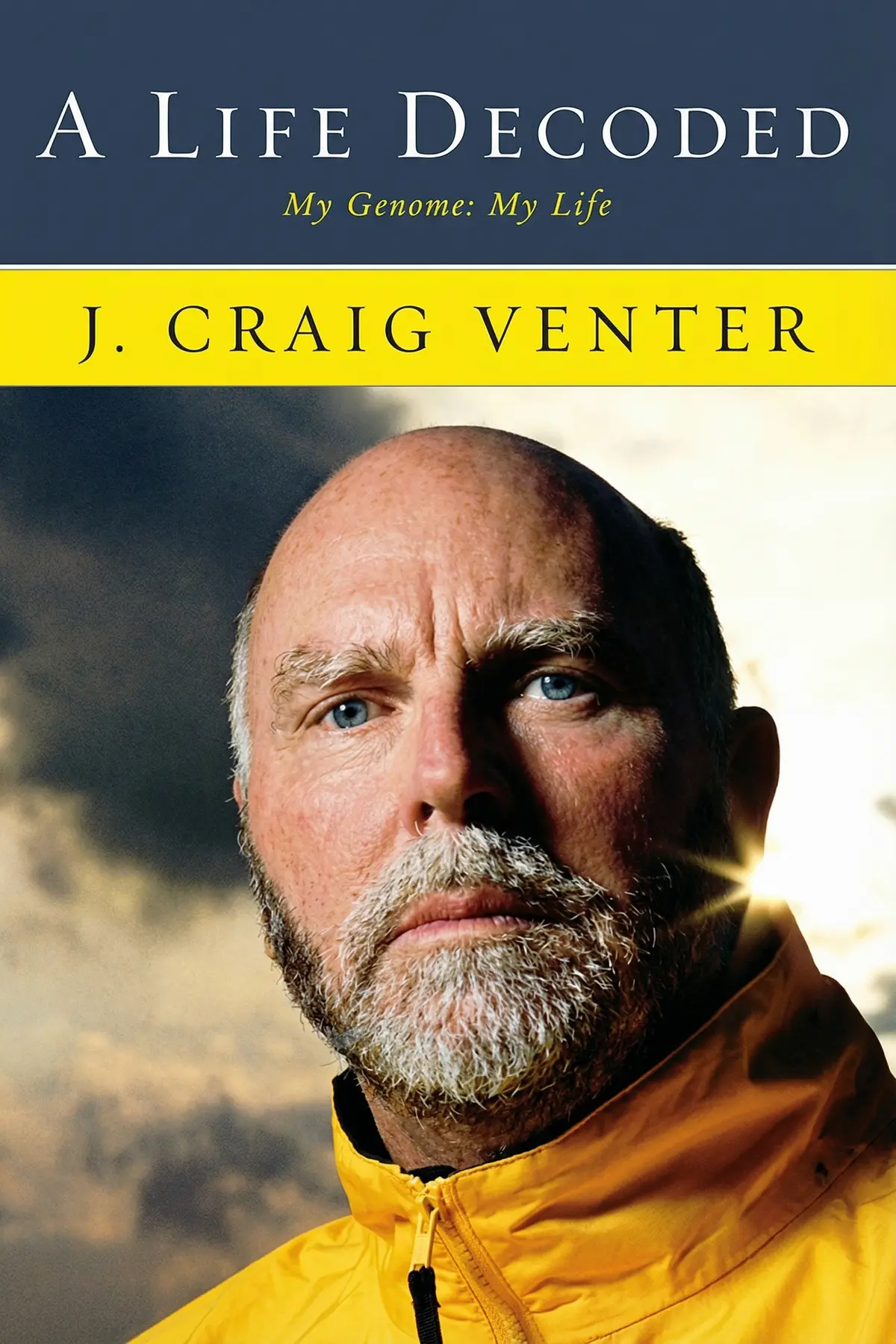
J. Craig Venter
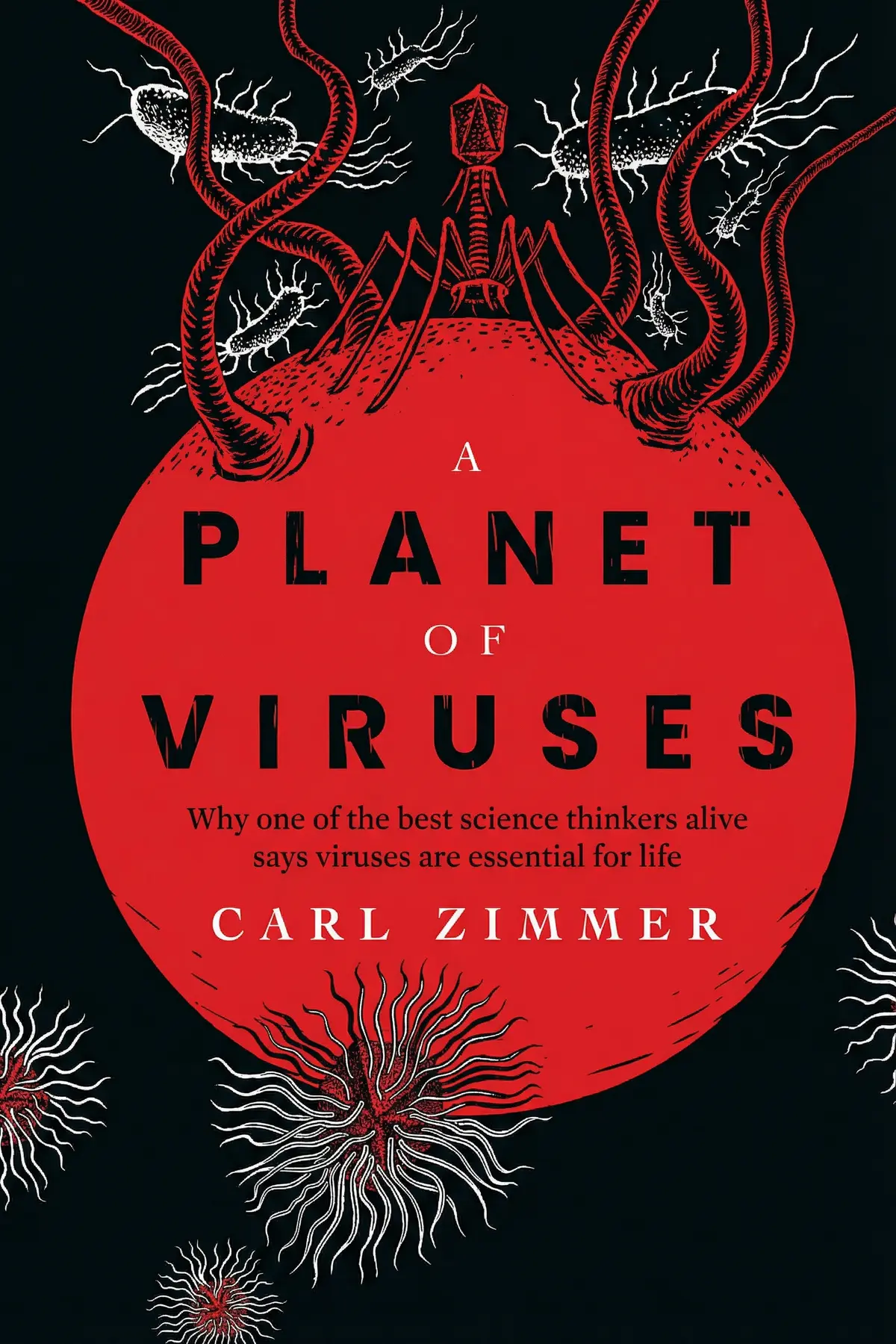
Carl Zimmer
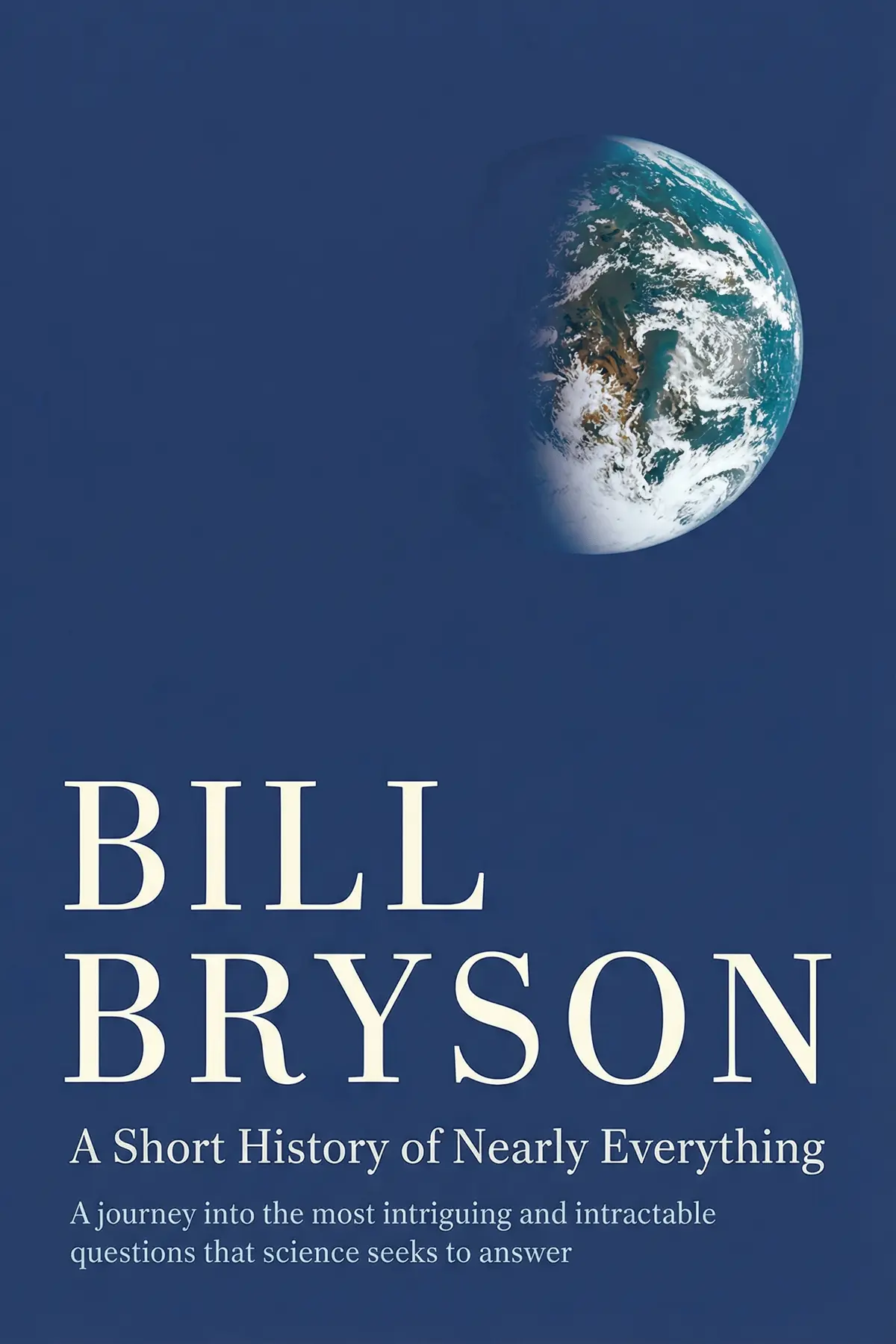
Bill Bryson
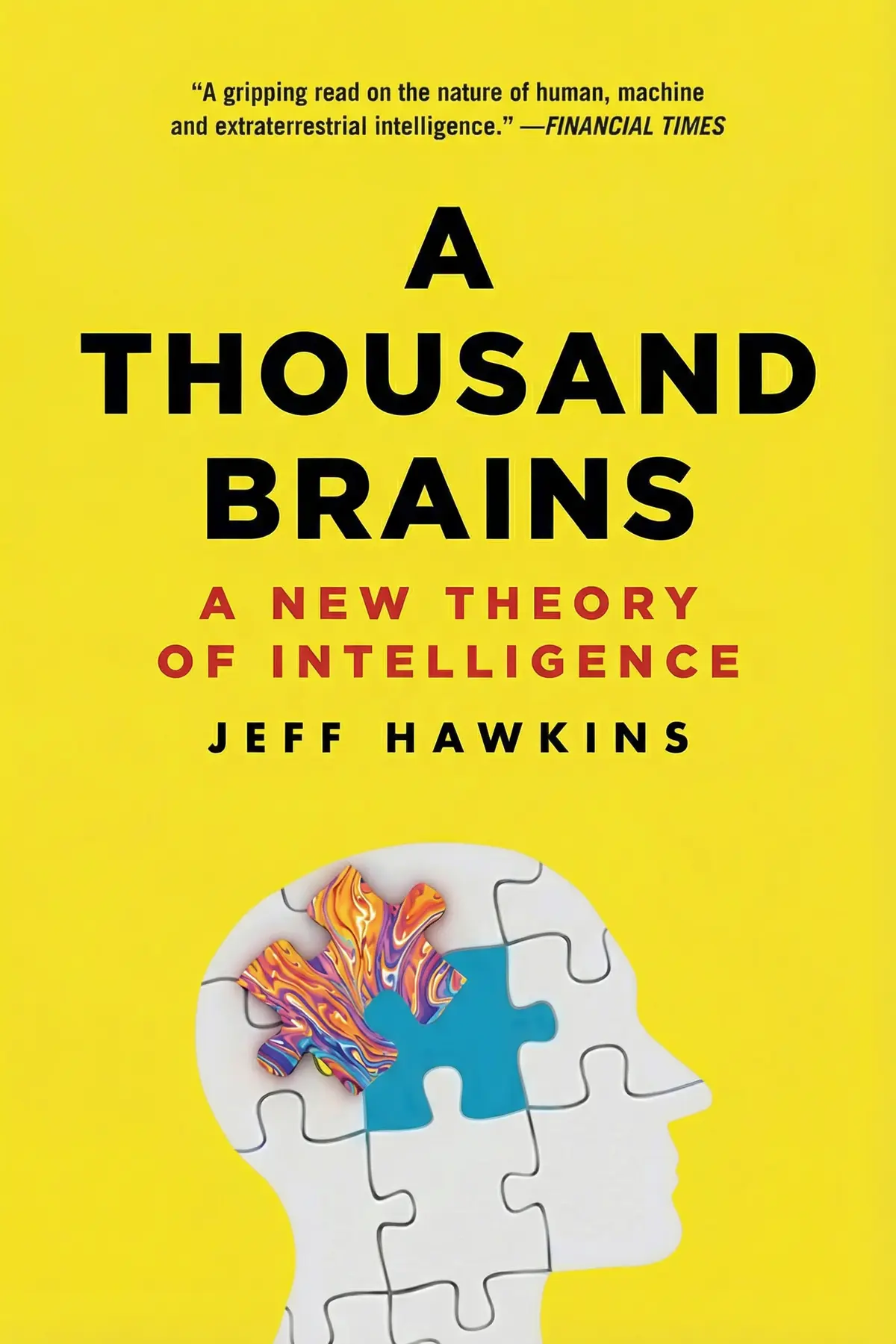
Jeff Hawkins

AUDIO SUMMARY AVAILABLE
Get the key ideas from The Botany of Desire by Michael Pollan, plus 5,000+ more titles in English and Thai.







