
21 min 56 sec
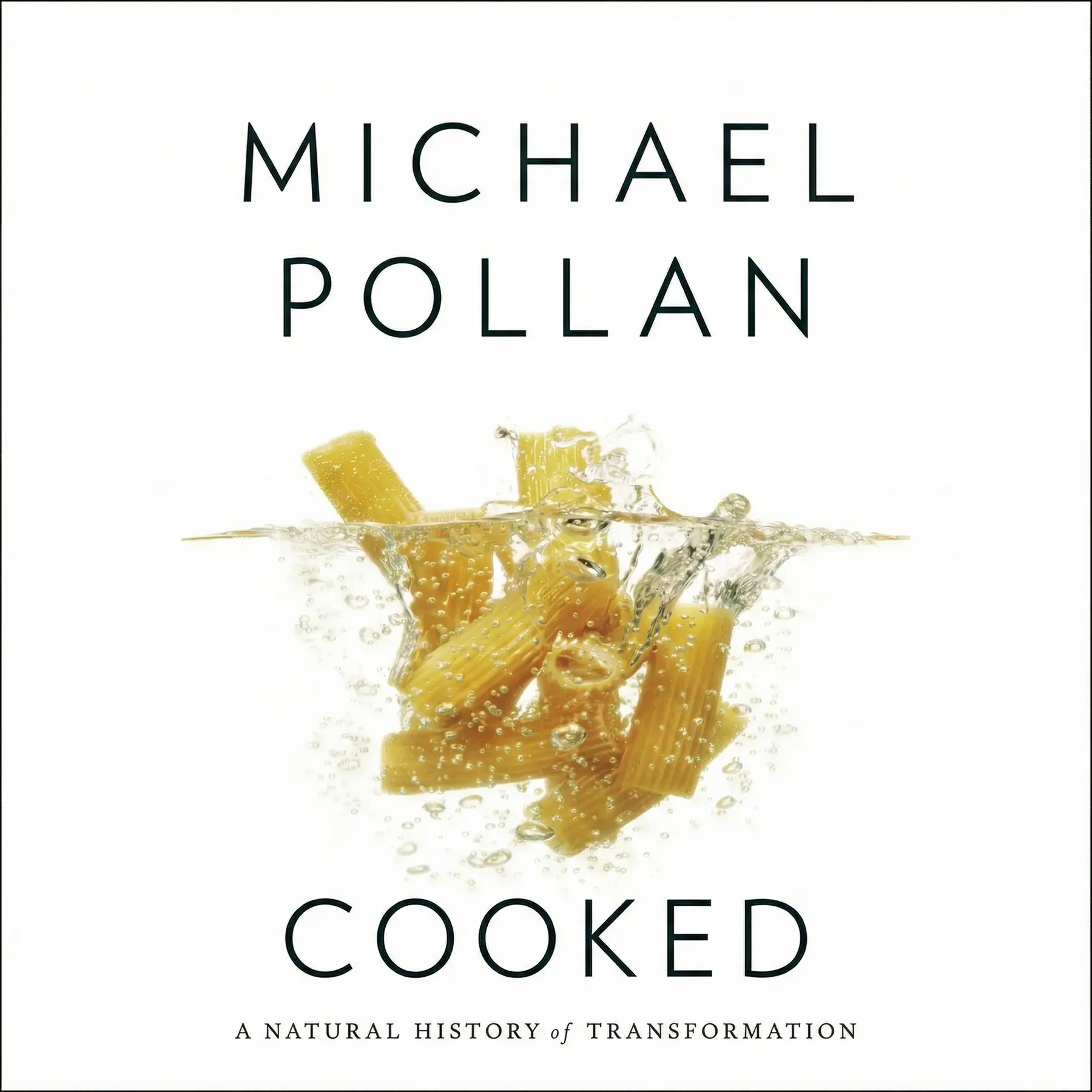
Cooked: A Natural History of Transformation
A profound exploration into how the ancient act of cooking transformed the human species, shaping our biology, culture, and society through the elemental mastery of fire, water, air, and earth.
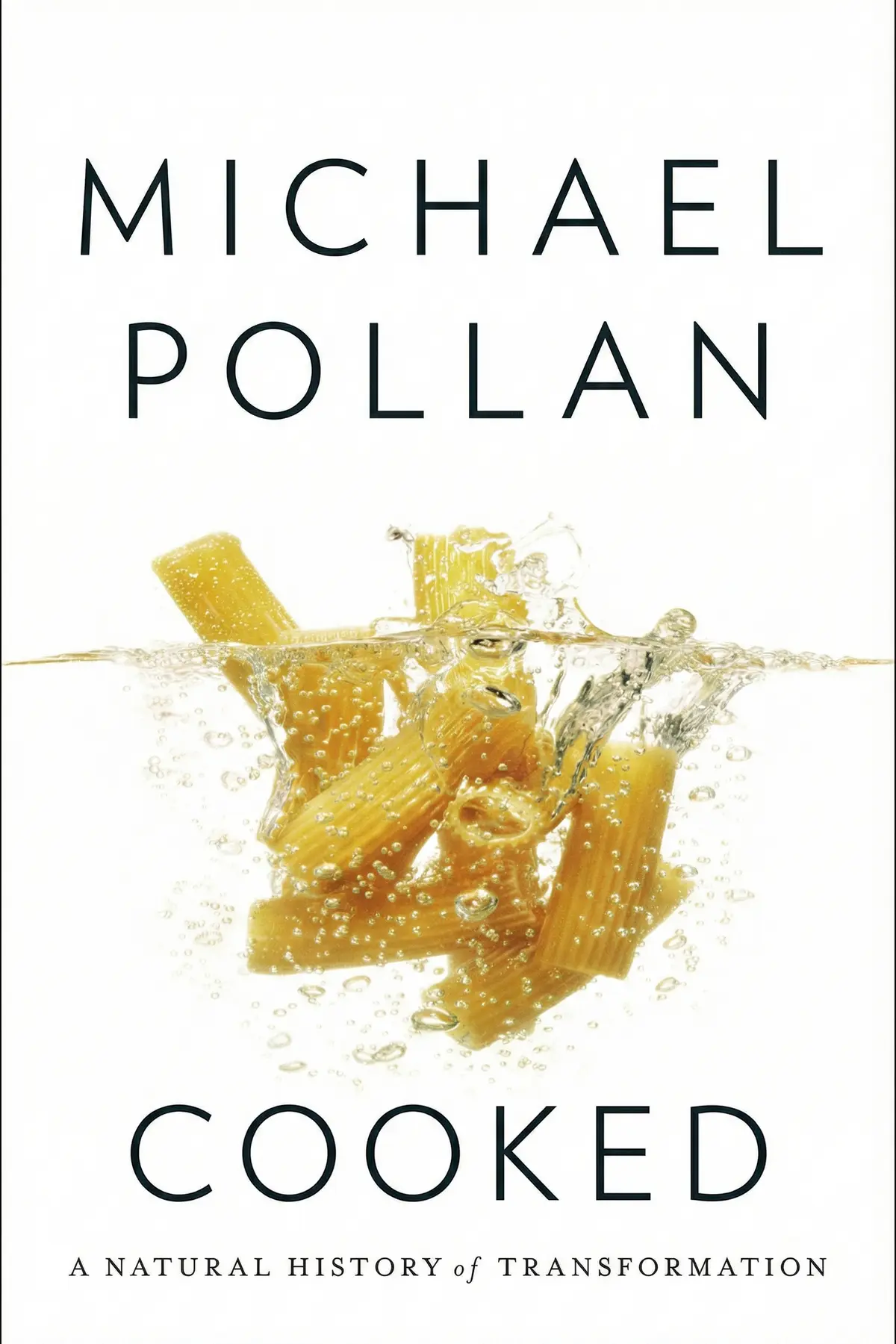
Table of Content
1. Introduction
1 min 55 sec
What is it that truly separates a human being from every other creature on this planet? We often look toward our capacity for language, our complex emotions, or our ability to create art as the definitive markers of our species. However, if you look closer at our history and our biology, a more practical answer emerges. We are the only animals that cook. This singular act—the deliberate application of heat and technique to the things we find in nature—is what truly defines us. It is the bridge between the wild and the civilized, a curious intersection where fire and the cooking pot meet to create something entirely new.
For most of our history, cooking was not a choice or a pastime; it was the engine of our survival. By learning to transform raw ingredients, our ancestors were able to thrive in environments where other primates struggled. This transition allowed us to move beyond a simple life of foraging and chewing, granting us the leisure time and the caloric surplus necessary to develop the very cultures we pride ourselves on today.
In this exploration, we are going to walk through the metaphorical and literal kitchen of humanity. We will look at how the shift from raw to cooked shaped our bodies and our brains. We will examine the ways in which the industrialization of food has severed our connection to this vital tradition and why that disconnect has led to a modern health crisis. From the chemistry of a savory broth to the microscopic miracle of a rising loaf of bread, we will see that cooking is much more than just making a meal. It is a profound act of transformation that touches every aspect of what it means to be human. By understanding how we once mastered the elements, we might find a way to reclaim our place in the natural order and improve our lives in the process.
2. The Biological Necessity of Heat
2 min 59 sec
Discover how the simple act of applying fire to food fundamentally altered human biology, allowing our ancestors to trade massive digestive tracts for more powerful brains.
3. The Science of Savory Satisfaction
2 min 38 sec
Explore the hidden chemistry of umami and learn why the combination of specific molecules creates the deep, savory flavors that humans crave in everything from bacon to broth.
4. The Industrial Decline of the Kitchen
2 min 34 sec
Uncover the connection between the rise of convenience foods after World War II and the modern health crisis, and why the time we spend cooking is the best predictor of our well-being.
5. The Alchemy of Bread and Energy
2 min 19 sec
Learn how the discovery of leavened bread in ancient Egypt turned simple grass seeds into a life-sustaining staple that powered the rise of civilizations.
6. The Refinement of Nutrition
2 min 28 sec
Examine the history of white flour and how the industrial quest for purity and sweetness inadvertently stripped our most important staple of its health-giving properties.
7. Our Internal Microbial Garden
2 min 31 sec
Understand why humans are essentially superorganisms and how the ancient art of fermentation provides the microbial diversity necessary for a healthy immune system.
8. The Social and Cultural Spirit of Fermentation
2 min 34 sec
From drunken rats to the pungent scents of aged cheese, explore how fermented flavors are an acquired taste that defines both our biology and our cultural identities.
9. Conclusion
1 min 58 sec
The story of cooking is the story of humanity itself. From the moment our ancestors first mastered the flame to the complex industrial systems that feed us today, the way we transform our food has dictated the course of our evolution and the state of our health. We have seen how the simple act of applying heat allowed our brains to grow and our societies to flourish. We have explored how the invisible world of microbes supports our well-being and how the cultural mastery of grain provided the energy to build civilizations.
However, we also face a significant challenge. The rise of the food-industrial complex has tempted us away from our kitchens with the promise of convenience, but that convenience has come at the cost of our health and our connection to the natural world. By outsourcing our cooking to corporations, we have lost the vital skills that once defined us as a species. The decline of the home kitchen is not just a change in lifestyle; it is a biological and cultural crisis.
The path forward is both simple and radical: we must return to the kitchen. This doesn’t mean every meal has to be an elaborate production, but it does mean reclaiming the agency to transform raw ingredients for ourselves. Whether it’s the slow magic of a simmering pot of soup, the patience required to bake a loaf of bread, or the wonder of watching a jar of vegetables ferment, these acts reconnect us to the elements and to the microbes that sustain us. Cooking is an invitation to slow down, to pay attention, and to nourish ourselves in a way that processed food never can. By picking up a spoon or a knife, we are not just making dinner; we are participating in the most essential and transformative human tradition.
About this book
What is this book about?
At its heart, this book is an investigation into the most essential human activity: the transformation of raw nature into cooked culture. It argues that cooking is not just a domestic chore or a hobby, but the very catalyst for human evolution. By tracing the history of culinary techniques, the narrative reveals how mastering the elements allowed our ancestors to unlock nutrients, grow larger brains, and build complex societies. The promise of this exploration is a return to agency. In an age where the food-industrial complex has taken over our kitchens, the act of cooking becomes a radical way to reclaim our health and our connection to the natural world. From the smoky pits of traditional barbecue to the microscopic world of fermentation, the book examines how the decline of home cooking is directly linked to modern health crises. It offers a compelling case for why getting back into the kitchen is one of the most important things we can do for our well-being and our community.
Book Information
About the Author
Michael Pollan
Michael Pollan is a food journalist, bestselling author and a professor of journalism at the University of California at Berkeley. His other books include The Omnivore’s Dilemma and In Defense of Food.
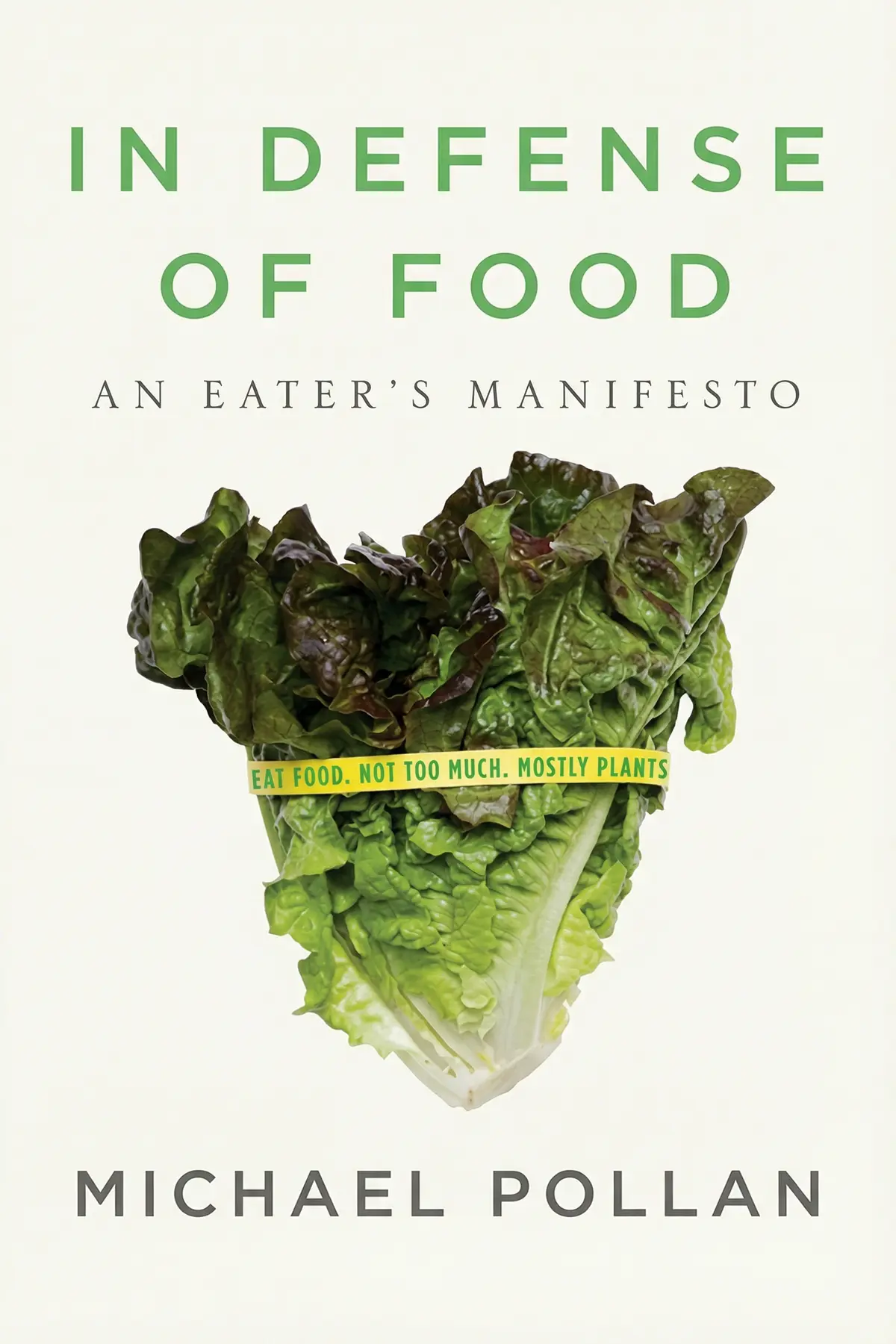
In Defense of Food: An Eater's Manifesto
Michael Pollan
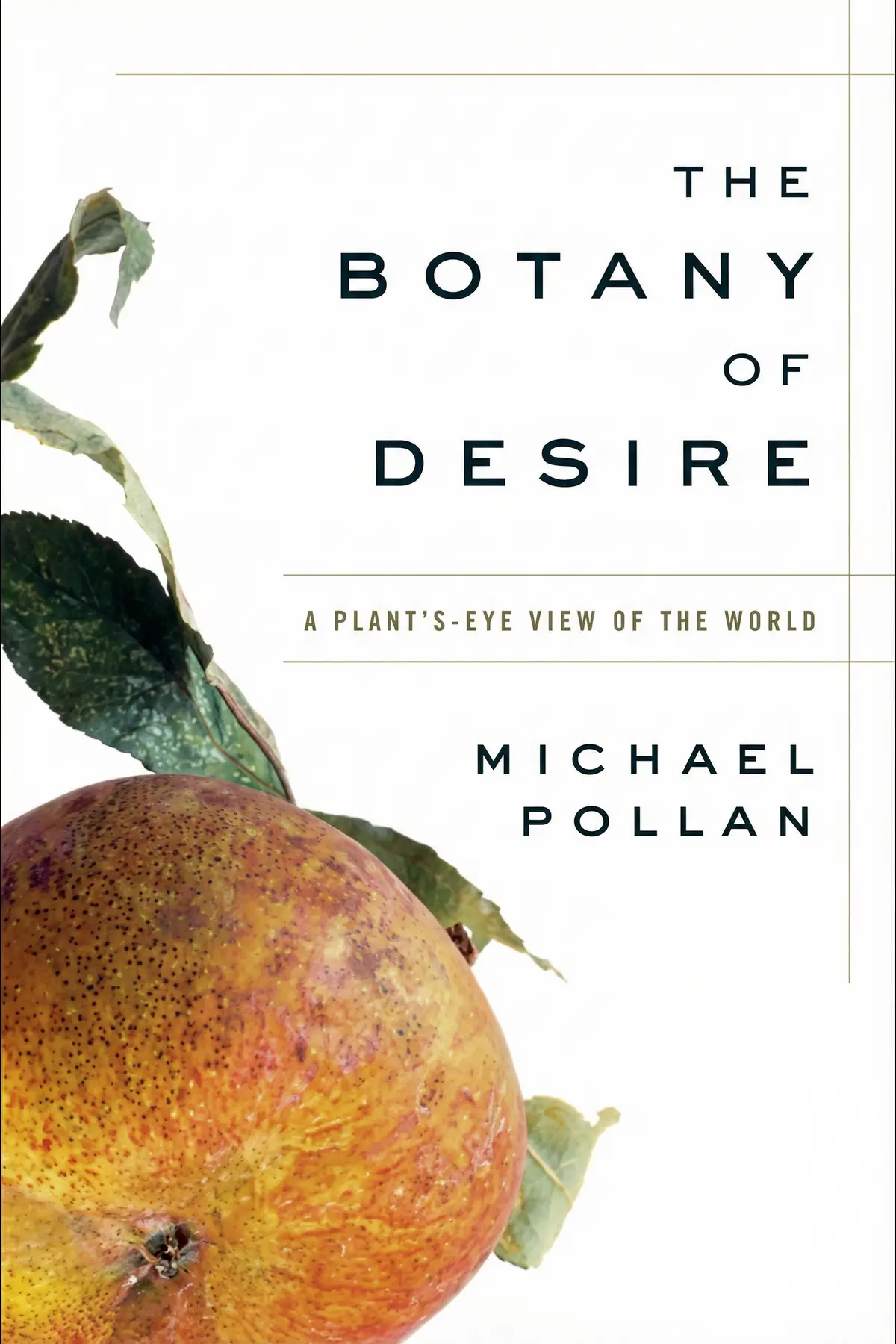
The Botany of Desire: A Plant’s-Eye View of the World
Michael Pollan
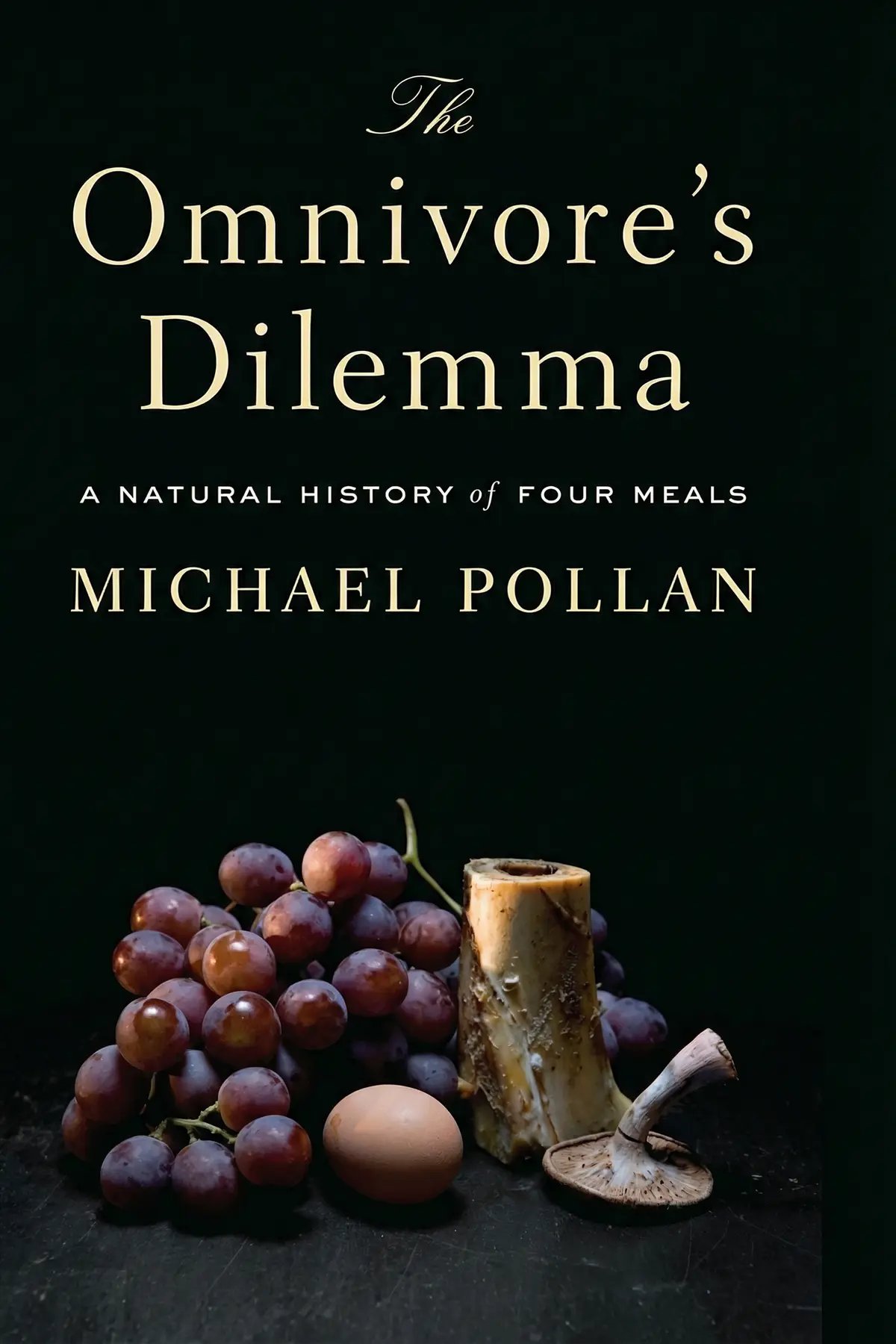
The Omnivore’s Dilemma: A Natural History of Four Meals
Michael Pollan
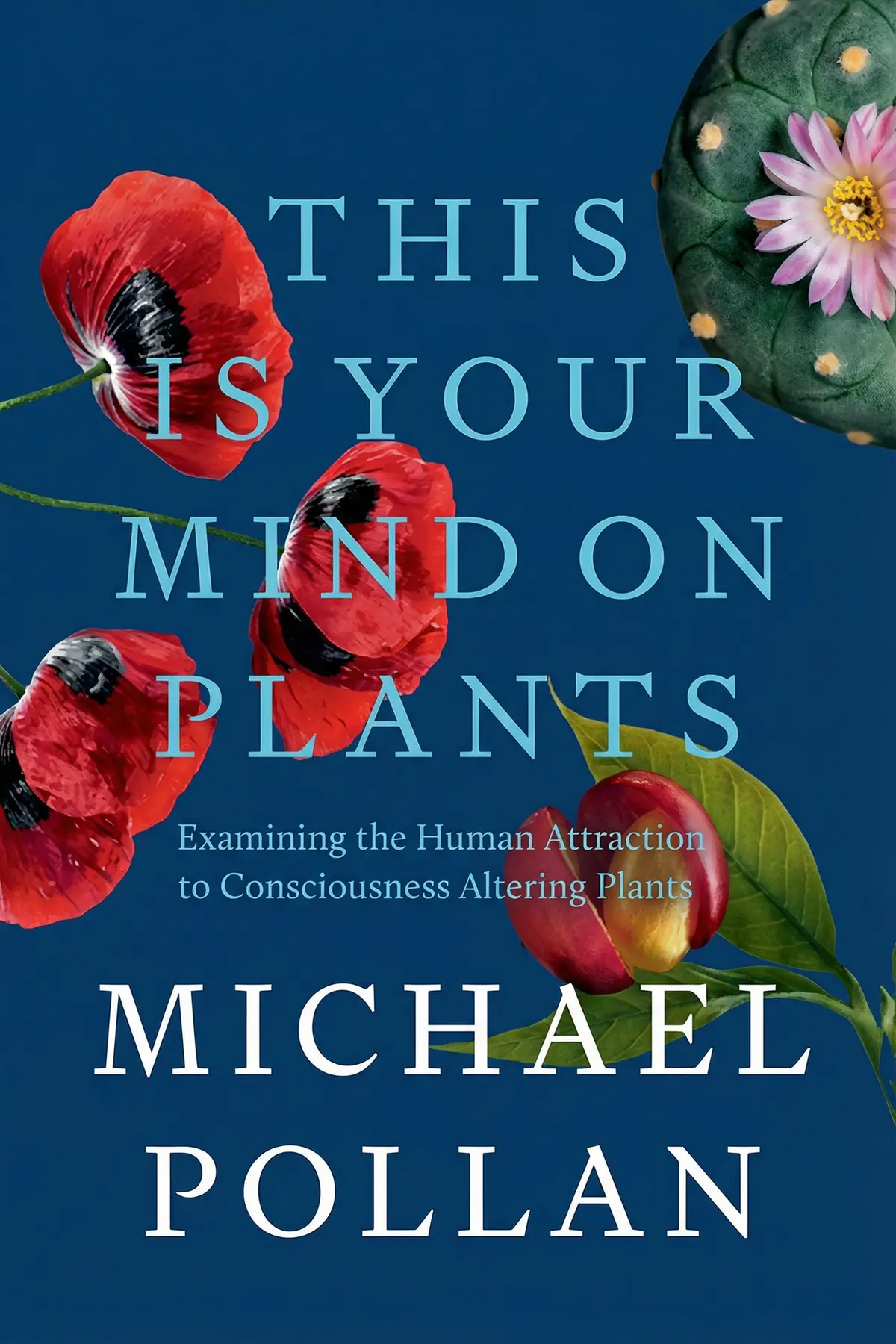
This Is Your Mind on Plants
Michael Pollan
Ratings & Reviews
Ratings at a glance
What people think
Listeners find this work exceptionally educational and meticulously documented, featuring superb prose that makes for a captivating experience. They value how it reawakens a passion for culinary arts and offers deep dives into the cooking process, while providing a wealth of historical details regarding human development. Listeners characterize the content as stimulating and motivational, with one listener highlighting the way it transforms both raw foods and people.
Top reviews
Jin
Ever wonder why we feel so disconnected from what we eat? Pollan explores the alchemy of the kitchen through four primary elements: fire, water, air, and earth. It’s a beautiful, occasionally dense meditation on how we lost our way by outsourcing our meals to corporations. The section on 'Air' and bread-making was particularly moving to me because it elevates a simple staple to something nearly divine. Frankly, this isn't just a cookbook; it’s a philosophical argument for regaining our humanity through the act of cooking. You might find his prose a bit flowery at times, but the depth of his research on the evolution of the human brain is fascinating. After finishing this, I immediately wanted to go out and start a sourdough culture.
Show moreJom
Picked this up because I loved Pollan's previous work, and I wasn't disappointed by this sprawling exploration of culinary history. The first part on 'Fire' is a masterpiece of food writing that manages to weave together the evolution of Homo sapiens with the smoky reality of a pig roast. I loved how he didn't just stay in his kitchen but went out to learn from the real masters, like Ed Mitchell. Truth is, I never realized how much politics and sociology were baked into the way we prepare meat. His writing is witty and charming, making even the most complex chemical reactions feel accessible to a layman like myself. If you are looking for a book that revitalizes your interest in the 'magic' of the stove, this is the one. It truly transforms the way you look at a raw piece of meat or a handful of flour.
Show moreKae
Wow. This book is a total game-changer for anyone who feels like they've lost their connection to the natural world. Pollan manages to turn the act of making a stew into a profound meditation on our evolution as a species. I was particularly fascinated by the idea that cooking meat is what actually allowed our brains to grow so large. The writing is cheerful and engaging, even when he's diving deep into the microbial life of a jar of sauerkraut. Personally, I found the section on barbecue to be the most gripping, as it touched on race relations in the South in a way I didn't expect from a 'food book.' It’s an inspiring piece of work that has already changed the way I spend my Sunday afternoons. I'm currently waiting for my first batch of home-brewed ale to finish fermenting!
Show moreNan
After hearing so much about this, I was worried it wouldn't live up to the hype, but it absolutely did. The way Pollan structures the book around the four elements is brilliant and gives a sense of ancient importance to everyday chores. I loved the anecdotes about his family and his honest admission that he used to rely on frozen ravioli just like the rest of us. It’s a very human book that acknowledges the difficulty of finding time to cook while still insisting on its vital importance. The descriptions of the 'crumb' in a loaf of bread or the 'crackling' on a pig are so vivid you can almost smell them through the pages. Not gonna lie, it's a long read, but it’s one that will stay with you long after you've finished it. It really does transform your perspective on the simple act of making dinner.
Show moreMadison
Michael Pollan is undoubtedly a brilliant researcher who knows how to craft a compelling narrative around the most mundane ingredients. In Cooked, he takes a deep dive into the four classical elements, looking at everything from pit-masters in North Carolina to a microbiology-obsessed nun. To be fair, some of the sections feel a bit long-winded, and he does have a tendency to wander into academic territory. However, the historical facts regarding how fire allowed our ancestors to develop larger brains are worth the price of admission alone. It’s an inspiring read that makes you want to step away from the microwave and reclaim your kitchen. While he clearly writes from a place of significant privilege, the core message about the dangers of processed foods remains vital for everyone.
Show moreLeila
As someone who has always been intimidated by the chemistry of the kitchen, I found Pollan’s latest to be surprisingly approachable. He breaks down the process of cooking into four elemental categories, which provides a really solid structure for what could have been a very messy book. I particularly enjoyed the section on 'Water' where he learns the art of the braise from Samin Nosrat. The focus on 'patience, presence, and practice' really resonated with me as a home cook. Look, the book is quite wordy and Pollan does like to remind us how much research he's done, which can get a bit tiring. Despite that, the insights into how bacteria are actually our friends in the kitchen were eye-opening. It's a thought-provoking read that will likely make you want to start a batch of kimchi in your basement.
Show morePridi
Finally got around to reading this and I was immediately struck by Pollan’s ability to make the invisible visible. The chapter on 'Earth' and the world of fermentation was easily the highlight for me, especially his encounter with the 'Cheese Nun,' Sister Noella. It’s fascinating to learn about the historical importance of rot and how humans have harnessed it to survive the long winter months. Gotta say, some of the philosophical musings about Christ and the transcendence of bread felt a bit overwrought and unnecessary. However, the science behind how fermented foods help our gut microbiome is presented with such clarity that I couldn't stop reading. It’s a dense book, but it’s filled with so many 'nuggets of wisdom' that you’ll forgive the occasional wordiness. It really makes a compelling case for why we should all be eating more 'live' foods.
Show moreThawee
Michael Pollan has a gift for taking scientific material and translating it for the layman without losing the complexity of the subject. In Cooked, he invites us into his kitchen as he experiments with fire, water, air, and earth to transform raw ingredients into something divine. The book is heavily researched and provides a wealth of historical facts that I found genuinely surprising. My only real gripe is that he can be a bit repetitive, and the book could have easily been trimmed down by about fifty pages. To be fair, though, his enthusiasm is so infectious that you almost don't mind the extra wordiness. He makes a very strong case for the idea that cooking is the defining human ability. It's a thought-provoking read that definitely encourages a return to whole foods and home-cooked meals.
Show moreRoo
This book is definitely a mixed bag for me. On one hand, Pollan’s passion for fermentation and barbecue is infectious, and his prose is undeniably polished. On the other hand, it feels like he’s treading very similar ground to The Omnivore’s Dilemma, just with a slightly different hook. To be honest, I found the 'Air' section about bread-making to be quite repetitive, as if he needed a 'tutor' to explain something that shouldn't be that complicated. I also couldn't help but notice how much time and money one needs to follow his 'simple' advice. It’s a well-researched book, but it often feels like it was written for people who have nothing but free time to spend on a three-day braise. I enjoyed the bits about gender roles and race in BBQ culture, but the rest felt a little bloated.
Show moreGor
Not what I expected at all. While I appreciate the research that went into this, the book feels incredibly out of touch with the reality of most modern families. Pollan spends hundreds of pages romanticizing labor-intensive processes that require organic, locally-sourced ingredients that are simply too expensive for the average person. Frankly, I don't have the time to spend a whole weekend whispering to a sourdough starter or building a fire pit in a backyard I don't even own. The writing is undeniably clever, but the tone often slips into a kind of preachy elitism that I found difficult to stomach. It's a 'food book' for the well-off, masquerading as a manual for everyone. If you enjoy long, poetic descriptions of fermentation, you might like it, but for me, it was just too much fluff and not enough practical value.
Show moreReaders also enjoyed
AUDIO SUMMARY AVAILABLE
Listen to Cooked in 15 minutes
Get the key ideas from Cooked by Michael Pollan, plus 5,000+ more titles in English and Thai.
- 5,000+ titles
- Listen as much as you want
- 7-day free trial
- Cancel anytime







