
Cooked: A Natural History of Transformation
Michael Pollan
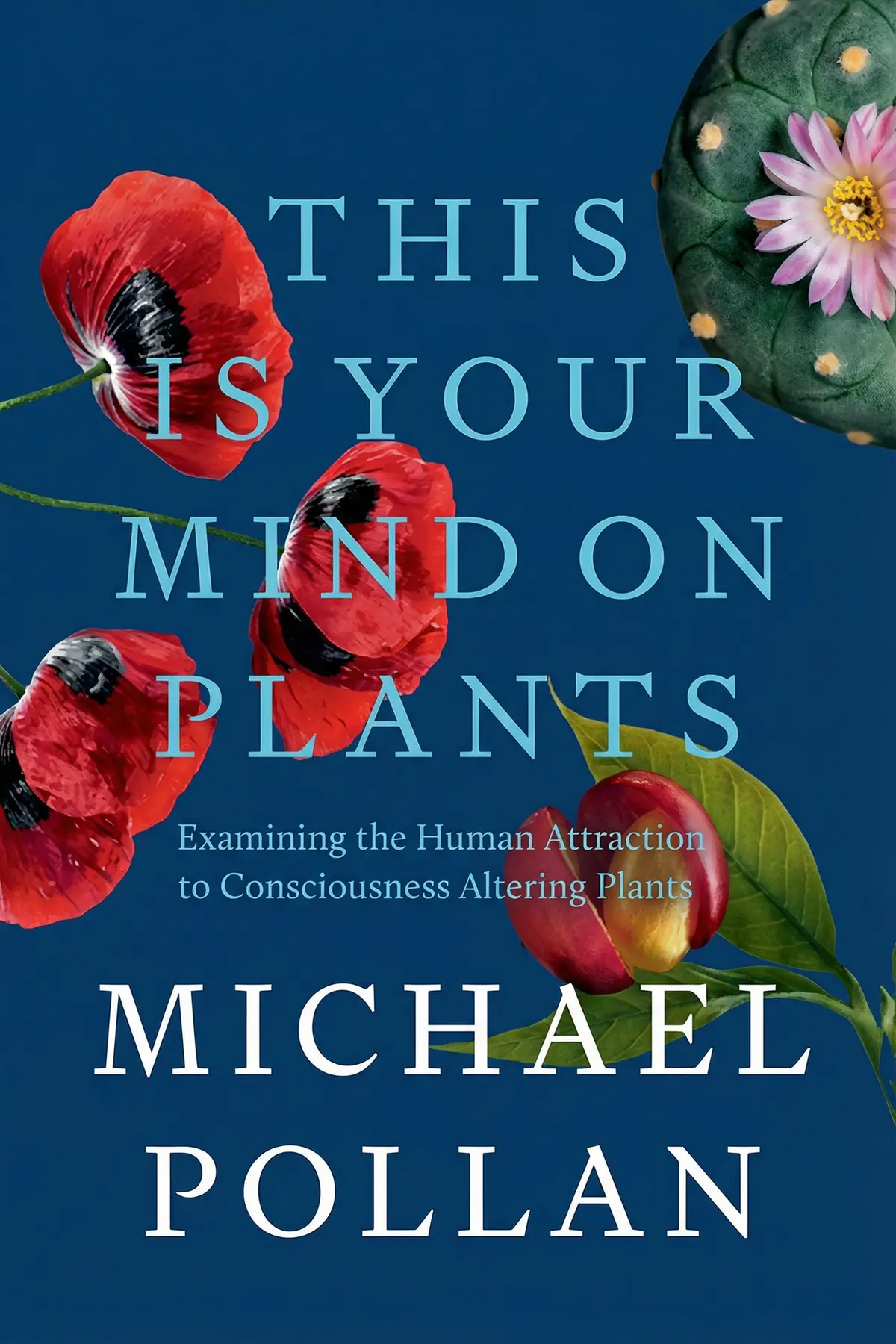
Explore the intricate bond between humans and the natural world through three psychoactive substances. Michael Pollan examines how opium, caffeine, and mescaline shape our cultures, our brains, and our daily lives.
1 min 49 sec
Think about the very first thing you do when you open your eyes in the morning. For the vast majority of people living in the modern world, the day doesn’t truly begin until they have consumed a hot infusion derived from a plant. We don’t often frame it this way, but that morning cup of coffee or tea is an intentional dose of a psychoactive drug. It is a chemical intervention designed to alter our state of mind, sharpen our focus, and prepare us for the demands of the day. Yet, because this particular drug aligns so perfectly with the goals of our society—productivity, alertness, and synchronization—we rarely even think of it as a drug at all.
This brings us to a fascinating central question: how do we decide which plant-based substances are celebrated as essential tools for living and which ones are treated as dangerous threats to the social order? The distinction often has very little to do with the chemistry of the plant itself and everything to do with the cultural context in which it is used. In this exploration, we are going to look at three very different plants: the opium poppy, the coffee bush, and the peyote cactus.
Each of these plants offers a unique window into the human desire to transcend our ordinary waking consciousness. We will see how a beautiful flower in a backyard garden can become a legal minefield, how a tiny molecule helped birth the Age of Enlightenment, and how a desert cactus can dissolve the boundaries of the individual self. Through this journey, we’ll discover that our relationship with these plants is not just a matter of biology or personal choice, but a complex dance involving history, politics, and the very way we define what it means to be human in a natural world. By the end, you may find yourself looking at your morning brew—and the plants in your own neighborhood—in a completely different light.
3 min 31 sec
Discover how a common garden flower became a central figure in a global conflict and why its legal status depends more on your thoughts than your actions.
3 min 16 sec
Explore the secret life of caffeine and learn how plants use this famous stimulant to manipulate the behavior of insects and humans alike.
3 min 14 sec
How a simple change in what we drink helped transition the world from the foggy middle ages to the sharp, focused era of the Enlightenment.
3 min 00 sec
Think your morning cup doesn’t affect your sleep? Learn the startling truth about caffeine’s long-lasting presence in your brain.
3 min 57 sec
Step into a world where the ‘doors of perception’ are thrown wide open, and discover how a desert cactus can fundamentally change how we see reality.
2 min 03 sec
As we reflect on the stories of the poppy, the coffee bean, and the cactus, a clear throughline emerges: our relationship with psychoactive plants is a mirror held up to our own culture. We see that the definition of a ‘drug’ is remarkably fluid. It is not based on how dangerous a substance is, or even how much it changes our brain chemistry. Instead, it is based on whether that change serves the current goals of our society.
Caffeine is legal and celebrated because it helps us work, stay alert, and participate in a fast-paced economy. It is the drug of the ‘doing’ mind. Opium, once a common medicine, became a symbol of crisis and criminality as its potential for addiction clashed with our modern legal and medical systems. Mescaline remains on the fringes, a ‘being’ drug that encourages us to stop, look, and dissolve our sense of self—an act that is often seen as a threat to a society built on individual consumption and constant activity.
Ultimately, these plants remind us that we are biological creatures, deeply and permanently connected to the natural world. Every day, we use the chemistry of the earth to fine-tune our own internal experience. Whether we are seeking to subtract pain, add focus, or multiply our sense of wonder, we are part of an ancient tradition of human-plant interaction. By understanding the history and the science of these substances, we can move beyond the simple labels of ‘good’ and ‘bad’ and begin to have a more honest conversation about what these plants offer us and what they cost us. The next time you take a sip of coffee or walk past a garden of poppies, remember that you are looking at a powerful tool of consciousness—one that has the power to shape not just your morning, but the very world we live in. We are not just users of these plants; we are their partners in a long, complex, and ongoing evolution of the human mind.
This exploration dives into the complex history and science of three distinct plant-based substances that have fundamentally altered human consciousness. By looking at the opium poppy, the coffee bean, and the peyote cactus, the narrative moves beyond simple definitions of legal versus illegal. It questions why some mind-altering substances are integrated into the foundations of modern capitalism and productivity, while others are relegated to the fringes of the law or kept within sacred, indigenous traditions. The journey transitions from the tragic cycles of the opioid crisis to the buzzing, work-obsessed culture fueled by caffeine, finally reaching the expansive, ego-dissolving experiences offered by mescaline. Along the way, it examines the evolutionary tactics plants use to manipulate animal behavior and the legal paradoxes that turn ordinary gardeners into potential criminals. The promise of this summary is a deeper understanding of how the chemicals we ingest do not just change our moods, but also build the very structures of our society.
Michael Pollan is a distinguished journalist, prolific author, and dedicated educator. He serves as a writing instructor at both Harvard University and the University of California, Berkeley. Throughout his career, he has authored eight books, achieving significant acclaim with six New York Times best sellers, including works like How to Change Your Mind, The Botany of Desire, and In Defense of Food. His influence on public discourse regarding nature and culture was formally recognized in 2010 when he was named one of the one hundred most influential people in the world by Time magazine.
Michael Pollan
Michael Pollan
Michael Pollan
Michael Pollan
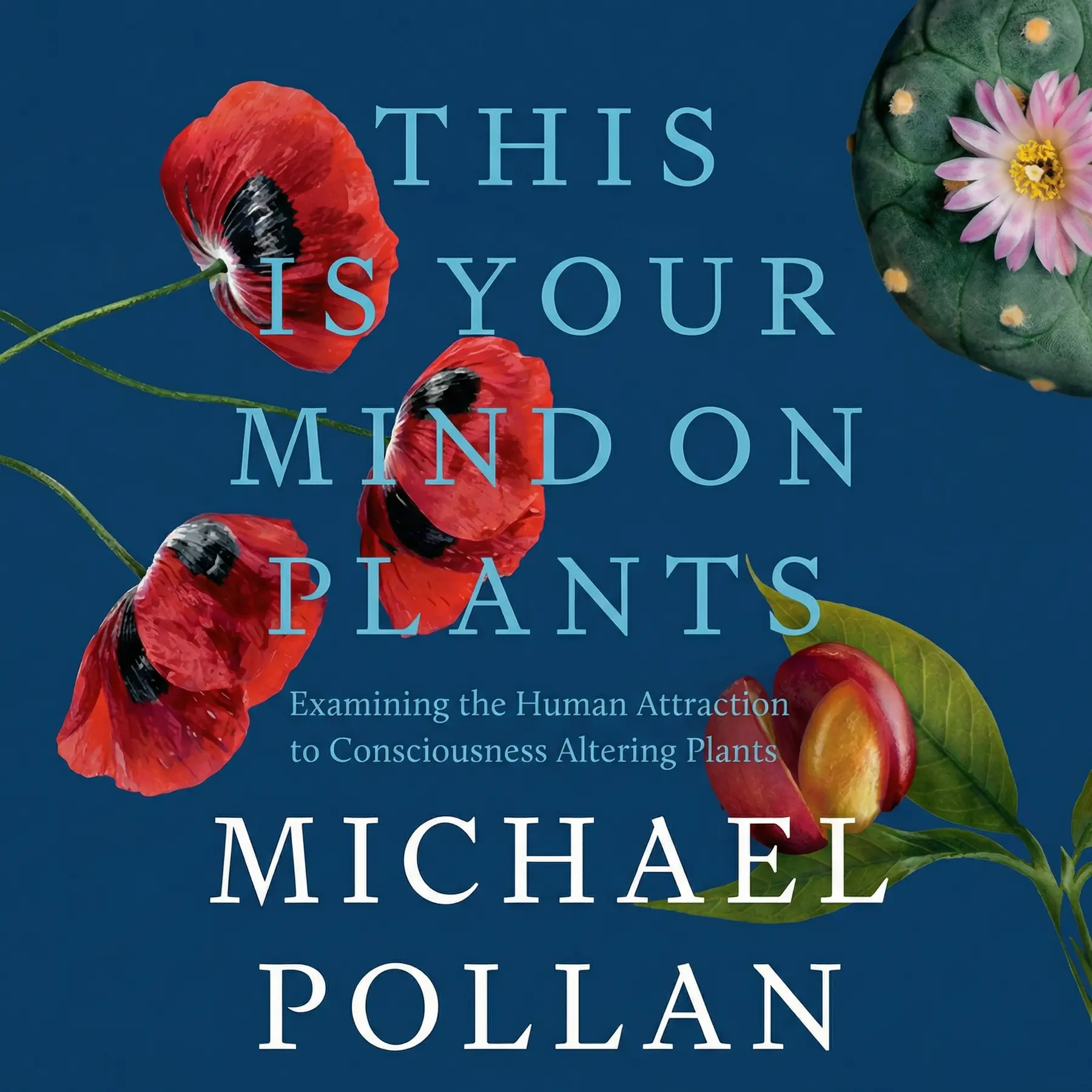
Listeners find the work both captivating and polished, offering intriguing background details on coffee, tea, and mescaline. They enjoy the author’s narrative talent and think the content is amusing and fun, with one listener highlighting how it presented them with fresh perspectives. Opinions on the speed of the book are divided; some consider it gripping, whereas others characterize it as meandering.
Ever wonder why we are so obsessed with our morning cup of joe? This book dives into that craving with such wit and historical depth that it changed how I look at my caffeine habit entirely. The most fascinating part for me was the study on how caffeine affects bees and their pollination patterns. It’s incredible to think that plants have evolved to manipulate insect brains in a way that’s remarkably similar to how they handle us humans. I also loved the history of London coffeehouses and the hilarious old complaints that coffee made men impotent. Pollan’s storytelling is top-notch here, blending humor with genuinely surprising facts about our favorite legal stimulant. Even the parts about mescaline and poppies, which I have no personal interest in, were captivating. This is a must-read for any curious mind who enjoys a well-researched history lesson.
Show moreThis book is a trip, literally and figuratively, and I enjoyed every minute of the journey. I was particularly struck by the historical depth Pollan provides regarding the Opium Wars and the subsequent legal fallout in the States. He manages to make the act of growing a flower feel like a high-stakes spy novel, which is no small feat. The caffeine section was equally brilliant, especially his experiment with going cold turkey for three months. It made me realize just how much our society relies on that chemical baseline to function at the levels we expect today. The mescaline section offered a respectful and nuanced look at indigenous traditions and the ethics of cultural appropriation. I think the mix of personal anecdote and history makes the information much more digestible than a dry textbook. It’s a brilliant exploration of the deep-seated relationship between humans and the natural world's chemistry.
Show moreWow. I never looked at my morning latte or my garden flowers the same way after finishing this. Michael Pollan has a way of pulling back the curtain on things we take for granted and revealing a world of complexity. The science of how these plants interact with our nervous systems is explained in a way that is easy to understand without being condescending. I especially loved the section on the 'oddly satisfying' poppy tea and the legal drama surrounding his early writing on the subject. It’s a brave book that challenges our definitions of what constitutes a 'drug' and why we categorize them the way we do. The writing is witty, the pacing is generally fast, and the historical insights are incredibly well-researched. It’s the kind of book you want to discuss with friends immediately after finishing a chapter. Highly recommended for anyone interested in the intersection of nature, culture, and consciousness.
Show moreMichael Pollan has a unique gift for taking complex botanical subjects and making them feel like a gripping narrative. In this latest installment, he explores the legal and cultural gray areas of three distinct plant-based substances. I was particularly enthralled by the opium section, which detailed his own nervousness about growing poppies in his garden. The way the US legal system handles these plants is absolutely bizarre and eye-opening. While the pacing slowed down a bit during the mescaline chapter, the overall experience was quite rewarding. He manages to weave together history, law, and personal experience into a tapestry that is both educational and entertaining. Some might find his personal experiments a bit much, but I think they add a human element to the science. It’s a solid addition to his body of work that makes you question why we fear certain plants while celebrating others.
Show morePicked this up after loving 'How to Change Your Mind' and found it to be a fascinating, though slightly different, companion piece. This volume focuses specifically on opium, caffeine, and mescaline, providing a historical context that I found deeply engaging. The chapter on the San Pedro cactus was especially poignant, written against the backdrop of the global pandemic. It felt timely and introspective, even if it occasionally wandered into more philosophical territory than I anticipated. I did notice some repetition from his earlier audio exclusives, but having it all in one physical book is great for reference. The way he describes the 'spider web study' where caffeinated spiders spin chaotic webs was a highlight for me. It’s a thought-provoking look at how plant chemicals have shaped human civilization. Despite a few rambling moments, the quality of prose kept me turning the pages late into the night.
Show moreAfter hearing so much buzz about this, I finally dove into the world of psychoactive plants through Pollan's eyes. The book is divided into three distinct sections, and your enjoyment will likely depend on which substance interests you most. The history of coffee and tea was the clear winner for me, especially the details about the Juan Valdez commercials and the cultural shift in England. Pollan has a way of highlighting the absurdity of our societal norms regarding 'drugs' versus 'beverages.' While he does get a bit repetitive when describing his own garden experiments, his writing style remains incredibly accessible. It’s a very American book, reflecting on our specific cultural anxieties and history, but it offers a lot of universal insights. I found it quite funny in parts, particularly when he describes his period of caffeine withdrawal. It’s an entertaining journey into the 'doors in the wall' that plants provide for our consciousness.
Show moreFinally got around to reading this and I must say that Michael Pollan's storytelling skills remain unmatched in the non-fiction world. He takes three very different plants and shows how they have subtly directed the course of human history and culture. Look, some sections are definitely stronger than others; the caffeine portion is gold, while the mescaline part felt a little forced toward the end. However, the sheer amount of 'did you know' facts kept me totally engaged throughout the entire reading experience. I had no idea that tea was used as a tool for social control in English factories, which was a dark but fascinating revelation. The prose is clear, the research is evident, and the tone is perfectly balanced between curiosity and skepticism. It’s a great pick for anyone who likes to learn about the hidden forces shaping our daily routines. Just be prepared for a bit of rambling when he gets into his personal garden stories.
Show moreNot what I expected from a Michael Pollan book, especially after his previous work on food and nature. While the writing is as fluid as ever, the balance between hard science and personal memoir felt skewed toward the latter. I picked this up hoping for a deep dive into the botanical chemistry of psychoactive plants, but I got a lot of stories about his own life instead. The section on opium poppies was interesting but felt a bit self-indulgent at times. It is definitely more about the author's journey than a rigorous scientific exploration. If you enjoy biographical narratives mixed with your non-fiction, you will probably love this. Personally, I found it a bit too focused on his internal experiences rather than the broader data I was craving. It’s an easy read but lacked the factual punch I was looking for.
Show moreTruth is, I went into this book expecting something entirely different based on the title. I honestly thought it would be a guide to a plant-based diet and its effects on brain health, but it’s actually about drugs. Once I got over that initial confusion, I found the history of the plants somewhat interesting, though it didn't quite land for me. It felt very much like a 'me-oriented' book where Michael Pollan talks about his own feelings and experiences more than the actual plants. The section on caffeine was the only one I could really relate to, as I don't plan on growing poppies or trying mescaline anytime soon. Some of the historical tidbits about London coffeehouses were fun to read, but they felt a bit buried under all the personal narrative. It's an okay read if you're a fan of the author, but don't expect a lot of hard scientific data.
Show moreTo be fair, this felt more like a collection of repurposed magazine articles than a cohesive new book. As a reader in the UK, I found much of the legal discussion regarding opium poppies to be extremely USA-centric and not very applicable to my own environment. I also didn't appreciate the heavy focus on the author's personal life; I bought this for the science, not a memoir. It felt like a 'Frankenstein' project where his editors just mashed together an old Harper's piece with some newer reflections. The section on caffeine was the only part that truly held my attention, mostly because it felt relevant to my daily life. The rest of it, particularly the long-winded sections on mescaline ceremonies, felt like a chore to get through. It isn't a poorly written book by any means, but it certainly wasn't the informative science-heavy text I was promised.
Show more
J. Craig Venter
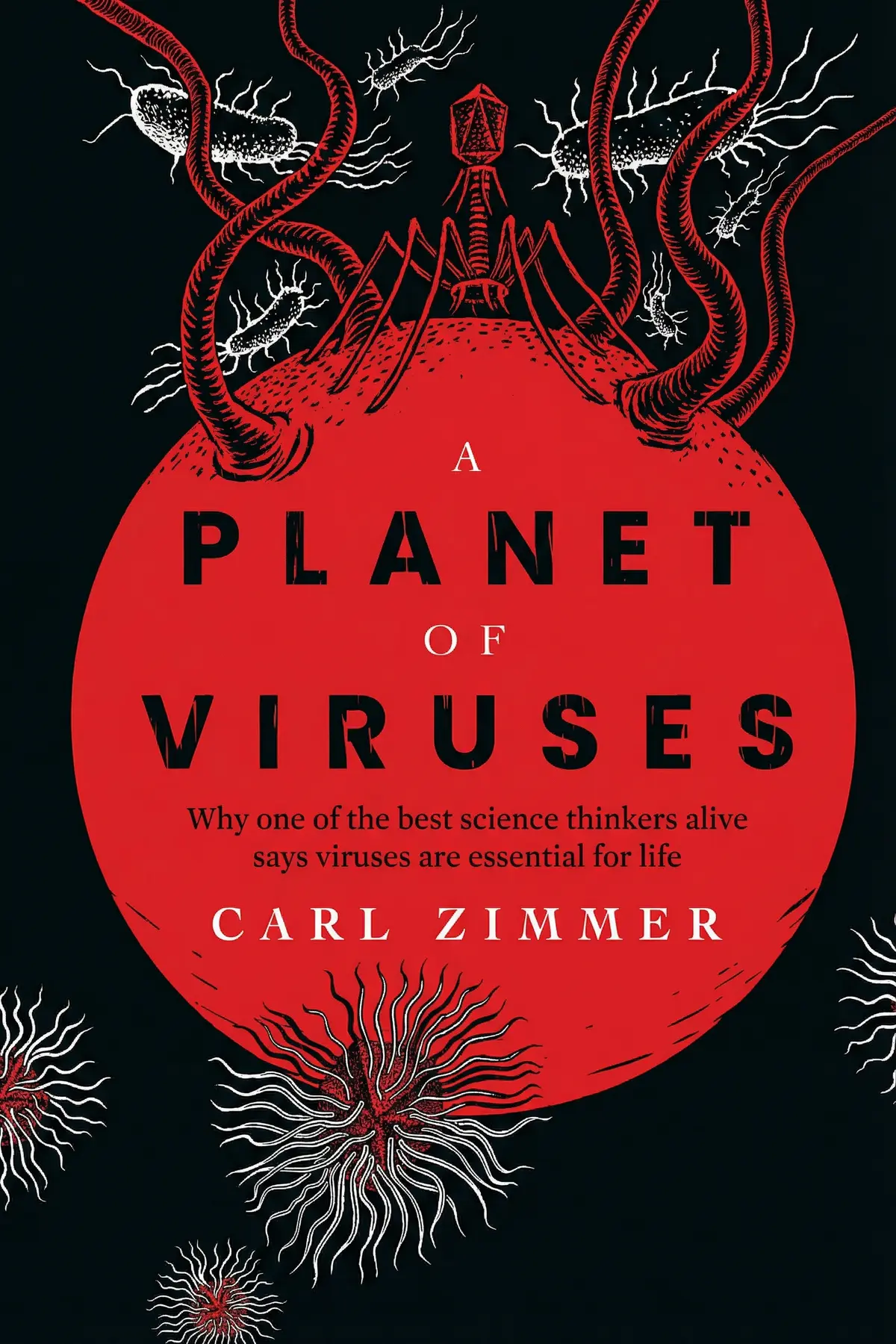
Carl Zimmer
Bill Bryson
Jeff Hawkins
AUDIO SUMMARY AVAILABLE
Get the key ideas from This Is Your Mind on Plants by Michael Pollan, plus 5,000+ more titles in English and Thai.







