
16 min 28 sec
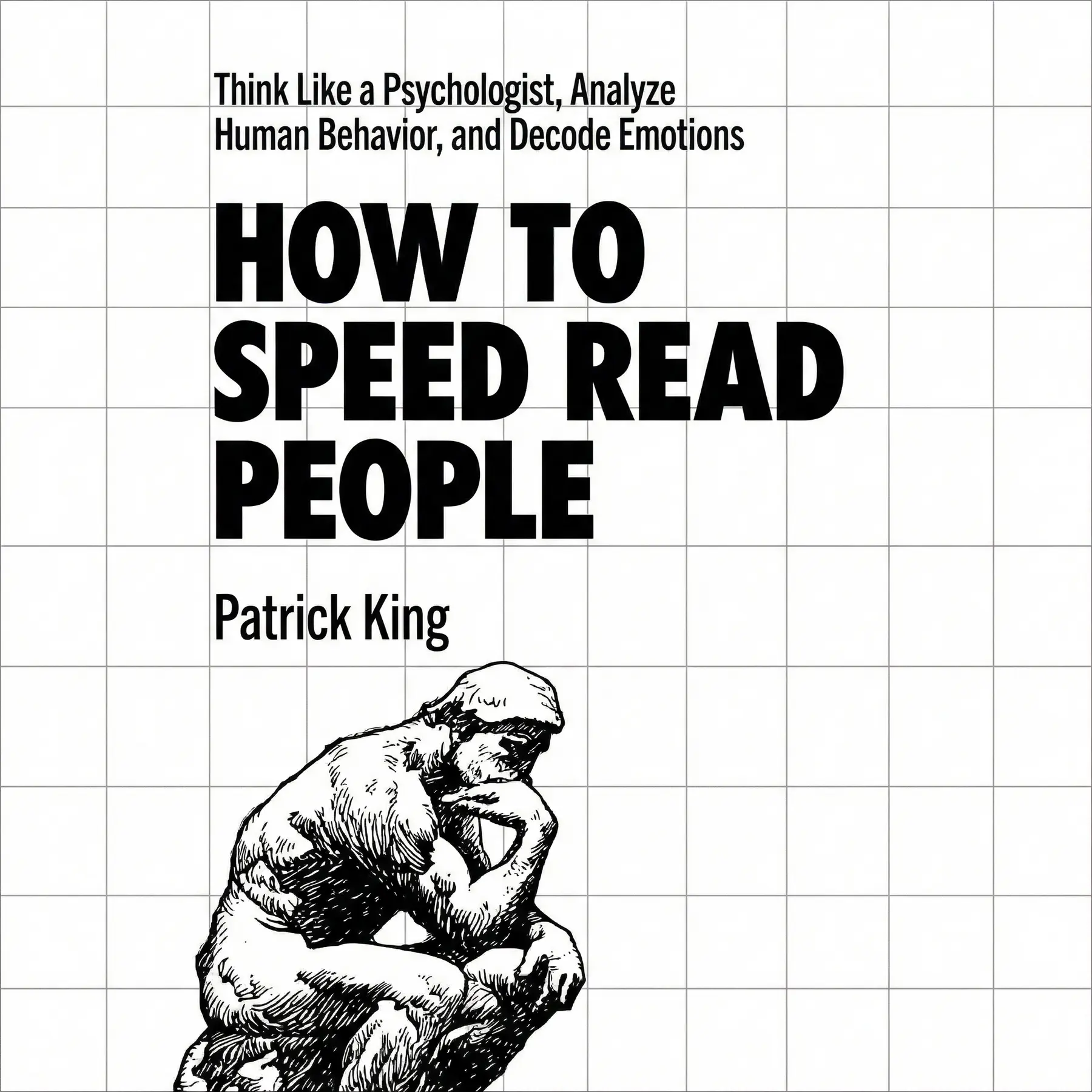
How to Speed Read People: Think Like a Psychologist, Analyze Human Behavior, and Decode Emotions
By Patrick King
How to Speed Read People explores the science and art of decoding human behavior, providing practical tools to interpret body language, personality frameworks, and emotional cues for better social navigation.
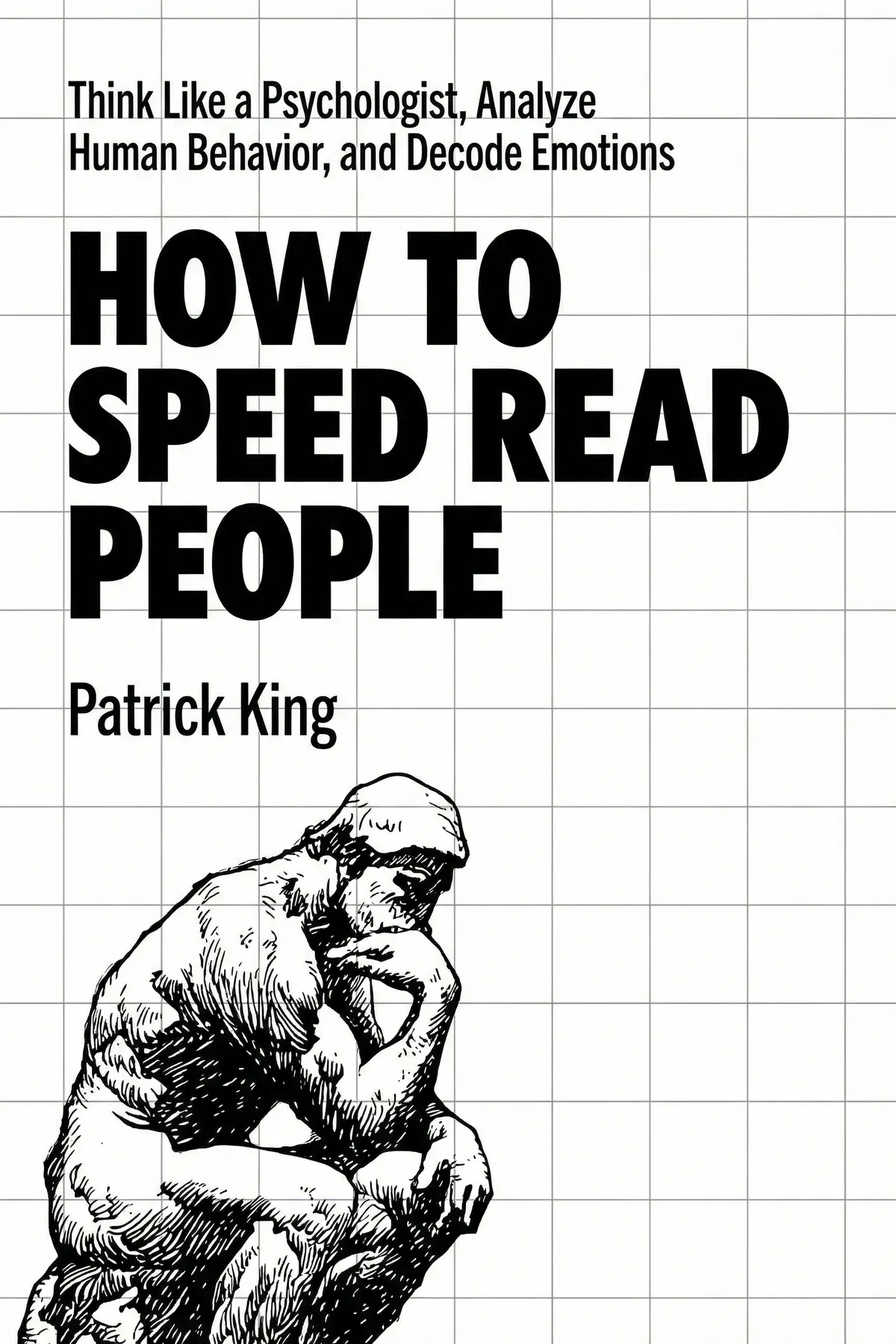
Table of Content
1. Introduction
1 min 46 sec
Imagine walking into a room and being able to sense the underlying tension, the unspoken excitement, or the hidden hesitations of everyone inside. It sounds like a superpower, but in reality, it is a skill set rooted in observation and psychology. We all have a natural curiosity about what makes people tick. Why do some individuals seem so calm under pressure while others crumble? Why does a friend’s body language sometimes contradict their cheerful words? These questions drive us toward the fascinating field of speed-reading people.
Historically, our ancestors tried to answer these questions through systems like humorism, where they believed human temperament was dictated by the balance of four specific internal fluids. While we’ve moved past the idea that yellow bile or phlegm determines our character, those early theories laid the groundwork for how we categorize personality today. Later, thinkers like Freud suggested that our behavior is a constant negotiation between our primal urges and our moral compass. Today, we know that the reality is even more complex, involving a mix of biological hardware—like brain structure and evolutionary drives—and the environmental software of our upbringing.
In this exploration of How to Speed Read People, we are going to look at the tools you need to decode these human mysteries. We will cover the personality models that help us categorize behavior, the non-verbal signals that reveal hidden emotions, and the psychological motivations that drive every decision we make. By the end, you’ll have a roadmap for understanding not just the people around you, but the mirror of your own personality as well. Let’s dive into the throughline of this journey: the idea that every gesture, every word, and every silence is a piece of a larger puzzle waiting to be solved.
2. Mapping the Landscape of Personality
2 min 21 sec
Explore the different lenses used to categorize human character, from the data-driven Big Five to the motivation-centered Enneagram, and learn how these frameworks help us predict behavior.
3. The Silent Language of Body and Face
2 min 11 sec
Learn to look past the spoken word to find the truth in micro-expressions, posture, and even the direction of a person’s feet.
4. Emotional Intelligence and the Art of Subtext
2 min 01 sec
Discover how high emotional intelligence allows you to read between the lines and use humor as a window into someone’s character.
5. Probing Deeper with Strategic Questions
2 min 06 sec
Go beyond surface-level conversation by using indirect questions and narrative exercises that bypass social masks to reveal a person’s core values.
6. The Dual Engines of Motivation
2 min 09 sec
Unpack the fundamental forces that drive human behavior, including the balance of pleasure and pain, and the protective walls of defense mechanisms.
7. Tracing the Roots of Adult Behavior
2 min 24 sec
Understand how childhood influences, from attachment styles to parenting methods, create the blueprints for how people navigate relationships and self-worth.
8. Conclusion
1 min 30 sec
As we wrap up our journey through the techniques of speed-reading people, it’s clear that this is about much more than just ‘spotting a lie’ or ‘winning an argument.’ It is a comprehensive approach to human connection. By combining the data-driven models of personality with the subtle art of observing non-verbal cues, you can move through the world with a much clearer lens. You’ve learned that a person’s behavior is a complex intersection of their biological traits, their emotional intelligence, their deepest motivations, and the lasting echoes of their childhood.
The true power of these skills lies in how they transform your interactions. When you can see the subtext in a conversation or recognize the defense mechanisms a friend is using, you can respond with greater wisdom and less reactivity. You stop taking things personally and start seeing them as the psychological phenomena they are. This leads to more effective communication, more resilient relationships, and a significantly higher level of social success.
But perhaps the most important takeaway is the self-awareness this knowledge provides. As you learn to read others, you inevitably start to read yourself. You begin to notice your own pacifying behaviors, your own attachment triggers, and your own core motivations. Use these tools as a mirror. By understanding why you react the way you do, you can make more intentional choices and align your actions with your true values. Keep observing, keep questioning, and keep looking for the patterns—because every person you meet has a story to tell, if only you know how to read it.
About this book
What is this book about?
Have you ever wondered what people are truly thinking behind their polite smiles or rehearsed words? How to Speed Read People serves as a comprehensive guide to looking beneath the surface of everyday interactions. It combines historical personality theories with modern psychological insights to help you identify the driving forces behind human actions. The book promises to sharpen your observational skills by teaching you how to spot micro-expressions, interpret pacifying behaviors, and understand the various personality models like the Big Five and the Enneagram. By learning to recognize these patterns, you can improve your communication, build stronger relationships, and move through the world with a heightened sense of social awareness.
Book Information
About the Author
Patrick King
Patrick King is a social interaction specialist and conversation coach. His expertise has been featured in publications like GQ Magazine, Forbes, and Business Insider. He’s an internationally best-selling author, having sold over 1 million copies of works like Read People Like a Book, Improve Your Conversations, and The Science of Likability.
Ratings & Reviews
Ratings at a glance
What people think
Listeners find that perspectives differ on the material's depth, as some feel the content centers too much on standard personality assessments found online, while many value the book’s concise integration of psychological systems like the Big Five and attachment styles. They also appreciate the actionable guidance on interpreting non-verbal signals, such as "pacifying behaviors" and microexpressions, to better detect concealed emotions. Additionally, listeners emphasize the benefit of the reflective activities, with one listener describing the "Seven Stories" technique as a premier resource for uncovering primary motivations and values. Finally, they suggest the book acts as a useful introductory guide for sharpening self-perception and improving social interactions.
Top reviews
Supaporn
Wow, this really changed how I look at my friends and family during our weekly dinners! I never paid attention to things like 'pacifying behaviors' before, but now I’m constantly noticing when people rub their temples or touch their necks when they’re stressed. Patrick King does a fantastic job of blending old-school theories like Greek humorism with modern concepts like Daniel Goleman’s emotional intelligence framework. Personally, I found the section on microexpressions to be the most fascinating part because it shows how much we reveal without saying a word. The book is short but packed with observations that you can start using immediately to build better connections. It’s an eye-opening guide that makes the complex world of human psychology feel accessible and even fun to learn about.
Show morePaiboon
This book manages to turn the daunting task of 'reading people' into a manageable skill that anyone can practice with enough patience. King’s exploration of the Keirsey Temperament Sorter was a revelation for me because it simplified the complex MBTI into four easy-to-understand categories. I love how he emphasizes that understanding others is both an art and a science, requiring both intuition and a solid grasp of psychological frameworks. The advice on using indirect questions to uncover what people truly value is a game-changer for anyone in a leadership position. In my experience, the book is worth it just for the insights into how our childhood experiences and parenting styles shape our adult defenses. It’s a comprehensive, engaging, and deeply practical look at what makes us tick.
Show moreWatcharaporn
Picking this up was a fantastic decision for my personal growth because it gave me a concrete system to follow during social interactions. Instead of just worrying about what people think of me, I’m now busy looking for clues about their temperament and emotional state. The chapter on humor styles was particularly eye-opening—I never realized that sarcasm could actually be a sign of a cynical or defensive nature. Not gonna lie, most people are just trying to seek pleasure and avoid pain, and this book gives you the tools to see which one is driving them in the moment. It’s a great resource for anyone who wants to improve their social awareness and build more authentic relationships. I feel much more confident in my ability to navigate different personalities.
Show moreThanakorn
Finally got around to reading King's take on human behavior, and the 'Seven Stories' technique alone made the purchase worthwhile. It’s a clever way to dig into your own history to figure out what actually drives you, rather than just guessing. Frankly, I expected more 'secret agent' tricks, but the focus on core motivations like achievement and power was a pleasant surprise. The writing is snappy and easy to digest, though some of the personality test summaries felt a bit like a refresher course for stuff I already knew from college. If you're looking for a quick primer to understand why your coworkers act the way they do, this hits the mark without getting bogged down in too much academic jargon. It’s practical, slightly surface-level at times, but definitely useful for real-world interactions.
Show moreSayan
After hearing a lot of buzz about Patrick King, I decided to see if his methods for 'speed reading' actually worked in practice. The breakdown of the OCEAN acronym and how it correlates to specific brain regions like the orbitofrontal cortex was a highlight for me. It’s interesting to see the biological basis for why some of us are more extroverted or conscientious than others. To be fair, the book moves very quickly through complex topics like Freud’s id and ego, which might leave some readers wanting more depth. But as a manual for improving your own self-awareness, it’s actually quite effective because it forces you to look at your own tendencies first. I’ve started applying the 'reflective exercises' to my daily routine, and I can already feel a difference.
Show moreClaire
As someone who works in sales, I’m always looking for ways to better understand my clients, and this book provided a solid foundation for that. It covers a lot of ground, from attachment styles to how birth order influences our adult personalities. Look, it’s not a revolutionary text, but it’s a very well-organized synthesis of existing psychological models that helps you categorize behaviors quickly. I appreciated the chapter on humor styles and how sarcasm can actually be a defense mechanism for certain types of people. My only gripe is that it occasionally feels like a list of definitions rather than a cohesive narrative. However, the actionable tips on social awareness and self-management are gold for anyone trying to navigate tricky office politics or improve their personal relationships.
Show morePop
Ever wonder why some people just seem to 'get' others instantly while the rest of us struggle to read the room? This book attempts to bridge that gap by teaching you to spot the subtle signs that most people miss, like feet pointing toward the door when someone wants to leave. I found the sections on attachment styles—secure vs. anxious—to be particularly insightful for my own dating life. Got to say, the book is a bit of a mixed bag; some chapters are brilliant and others feel like filler material about the history of psychology. It’s definitely a useful primer if you’re new to the subject, but don’t expect to become a human lie detector overnight. It’s more about building empathy and understanding the underlying motivations that drive human behavior.
Show moreTee
To be fair, King is a great writer who knows how to keep things moving, but I struggled with how much of this book was focused on tests. I was expecting more focus on microexpressions and real-time observation, yet a lot of the chapters were just summaries of the Enneagram or the Myers-Briggs types. While these are useful frameworks, they don't really help you 'speed read' someone you just met in a coffee shop. The parts about 'pacifying behaviors' and body language patterns were definitely the strongest sections and I wish there had been more of that. It’s a decent book for self-reflection, and I did learn a lot about my own 'Achiever' tendencies, but it’s not exactly the field guide I was hoping for. It’s okay.
Show moreAria
The content here feels a bit like a curated collection of Wikipedia articles on psychology rather than a deep dive into 'speed reading' people. I was hoping for more advanced body language analysis, but instead, I spent a lot of time reading about the Big Five and MBTI, which most people have already encountered. Truth be told, if you’ve spent any time on self-improvement blogs, you’ve likely seen this all before in various forms. The pacing is fast, but it lacks the 'aha!' moments I was looking for in a book with such a bold title. It isn't a bad introduction for a complete beginner, but for anyone who has read even one book on personality types, it’s going to feel repetitive. I finished it in one sitting because it’s quite light, but I didn't walk away with much new information.
Show moreAey
Not what I expected at all, and frankly, I was quite disappointed by the lack of original research in these pages. A huge chunk of the book is dedicated to ancient concepts like the four bodily fluids—yellow bile and phlegm—which felt incredibly dated and irrelevant to modern life. I was looking for tactical advice on reading people in the moment, but instead, I got a surface-level overview of the Enneagram and other tests I could take for free online. The writing style is fine, but the substance just isn't there for someone who wants more than a basic introduction to personality traits. It felt more like a summary of other people's work than a new contribution to the field. Save your money and just search for 'Big Five personality traits' instead.
Show moreFeatured in
Readers also enjoyed
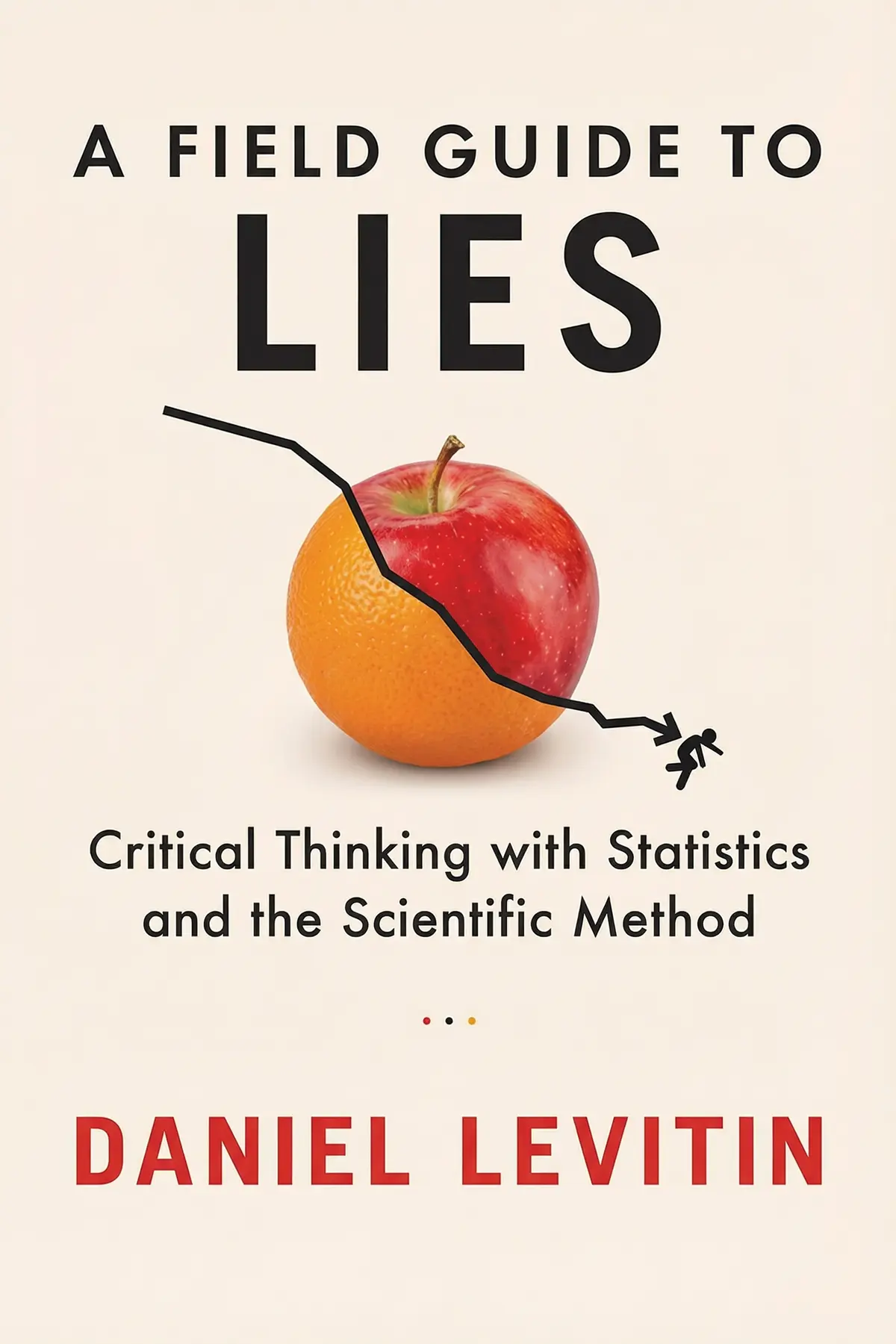
Age of Propaganda: The Everyday Use and Abuse of Persuasion
Anthony Pratkanis
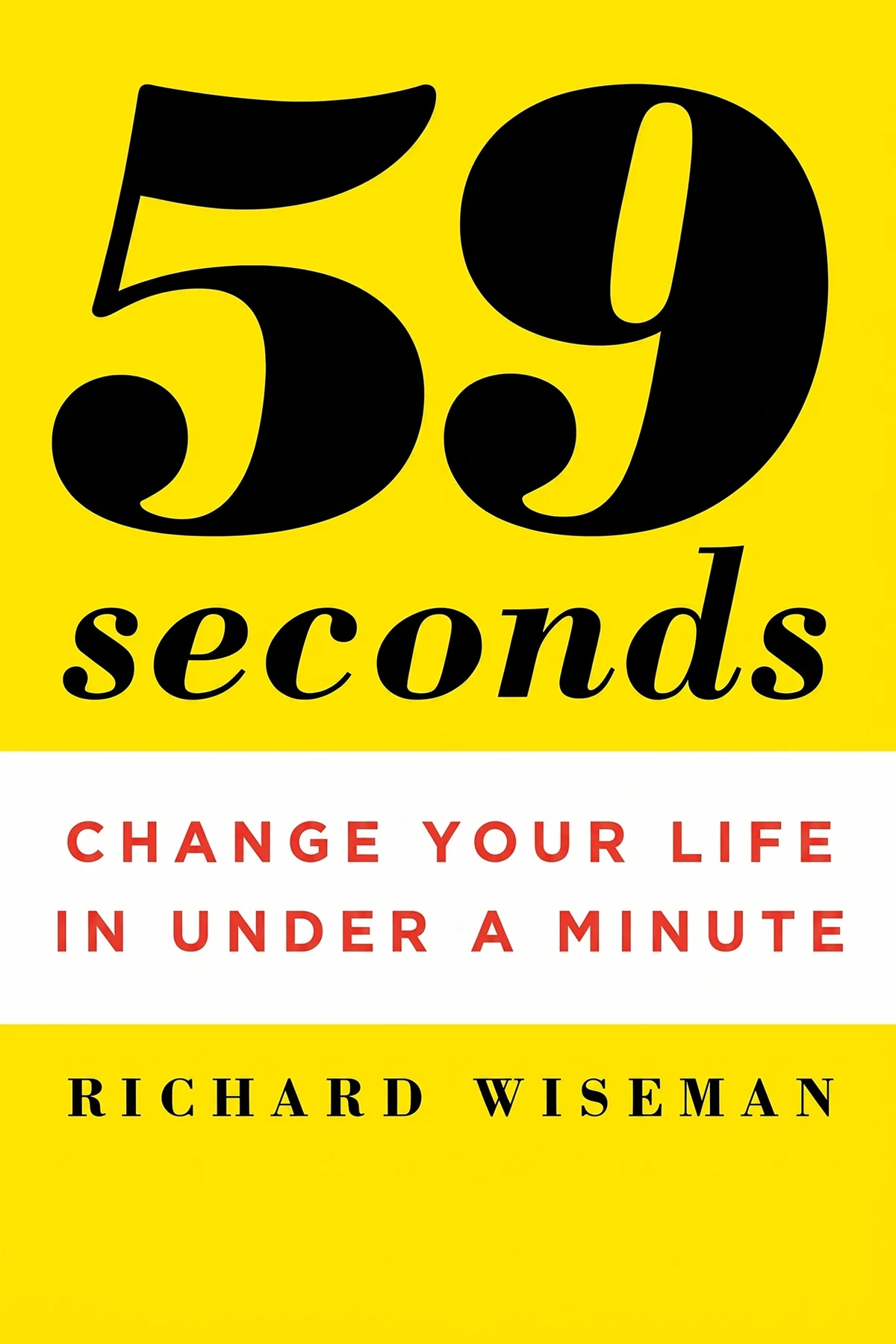
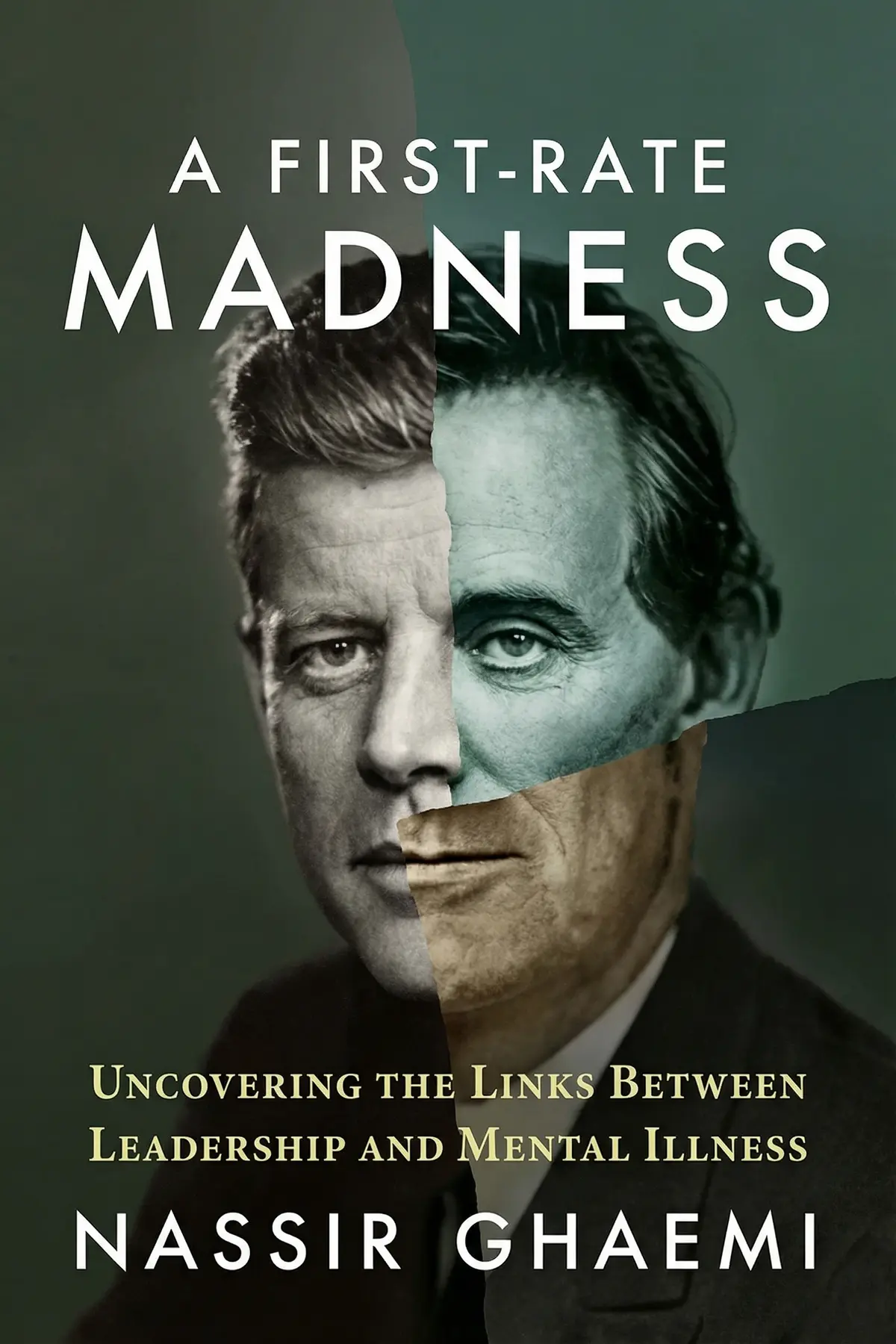
59 Seconds: Change Your Life in Under a Minute
Richard Wiseman
AUDIO SUMMARY AVAILABLE
Listen to How to Speed Read People in 15 minutes
Get the key ideas from How to Speed Read People by Patrick King, plus 5,000+ more titles in English and Thai.
- 5,000+ titles
- Listen as much as you want
- 7-day free trial
- Cancel anytime







